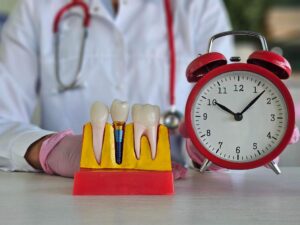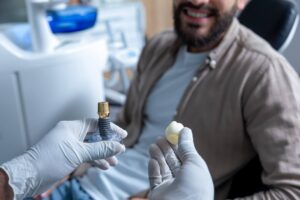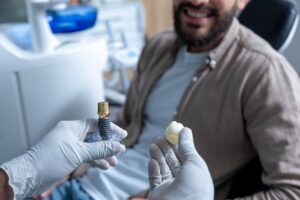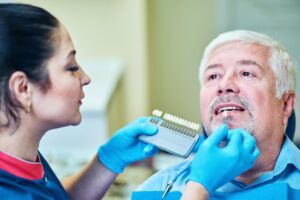
Dental implants are a reliable tooth replacement option for many adults, but not everyone is an immediate candidate. A dental implant is a small titanium or zirconia post placed into the jawbone to support a crown, bridge, or denture. The main requirements are healthy gums, enough bone to hold the implant securely, and general health that allows normal healing. Many people who are not ready for implants on day one can still become eligible after treatment such as gum therapy, bone grafting, sinus lift surgery, or better control of conditions like diabetes.
Most healthy adults with one or more missing teeth can be assessed for implants. Dentists usually look at bone volume on a 3D CBCT scan, gum health, bite force, smoking habits, medication use, and medical history. Implant placement often takes 45 to 90 minutes for a single implant. Healing commonly lasts 3 to 6 months before the final crown is attached, though some patients qualify for immediate temporary teeth on the same day. Success rates are high, often around 90% to 98% over 10 years when case selection and aftercare are good.
People who may need extra evaluation include heavy smokers, patients with uncontrolled diabetes, those receiving intravenous bisphosphonates, people with active periodontal disease, and individuals who have had radiation treatment to the jaw area. Age alone rarely blocks treatment. Many patients in their 60s, 70s, and even 80s receive implants successfully if healing capacity and oral hygiene are adequate. Bone loss also does not automatically rule implants out, because short implants, angled implants, grafting, and implant-supported dentures can expand the options.
The key point is that implant eligibility is individual. A dentist or oral surgeon decides based on scans, clinical examination, and medical risk assessment rather than a simple yes-or-no rule.
Who Is a Good Candidate for Dental Implants?
A good candidate for dental implants is usually an adult with one or more missing teeth, healthy oral tissues, and enough jawbone to support an implant that can integrate with the bone over time. Implant treatment depends on osseointegration, the process where the implant surface bonds with living bone. That process is strongest when the mouth is free from untreated infection and when healing is not impaired by major medical or lifestyle factors. Many clinics look for stable gum health, plaque control, and a commitment to follow-up visits because implants are not maintenance-free. They need daily brushing, interdental cleaning, and periodic professional reviews much like natural teeth.
Bone quality matters as much as bone quantity. A patient may have adequate bone height and width for a standard implant measuring roughly 3.5 to 5 millimeters in diameter and 8 to 13 millimeters in length. In many straightforward cases, one missing tooth can be replaced with one implant and one crown, while several missing teeth may be managed with two to six implants supporting a bridge or full-arch denture. For full-arch cases, common designs include four to six implants per jaw. Primary stability at placement is important, and clinicians often measure insertion torque and implant stability quotient values to judge whether immediate loading is safe.
Good candidates also tend to have realistic expectations about timing and cost. Although some patients receive a temporary tooth on the same day, the complete process can take 3 to 9 months when extractions, grafting, or staged healing are involved. A routine single implant case may include consultation, 3D imaging, implant placement, healing abutment, and a custom crown. Patients who understand that implant care is a long-term investment often do better because they follow maintenance schedules. Reviews are commonly recommended every 6 to 12 months, with more frequent visits for people with a history of periodontal disease.
General health is part of candidacy. Controlled blood sugar, stable cardiovascular status, and non-smoking or reduced smoking habits improve outcomes. Bruxism does not necessarily prevent implants, though it may require a night guard and careful prosthetic design. Many dentists also assess bite balance, clenching force, and available restorative space. If those factors are favorable, implants can provide a very stable solution that preserves chewing efficiency and helps limit the bone shrinkage that often follows tooth loss.
Who May Not Be Eligible for Dental Implants?
Some people are not suitable for dental implants right away, and a smaller group may be poor candidates even after treatment planning. The main reasons are usually linked to healing risk, severe bone deficiency, active oral disease, or medical conditions that make surgery unsafe. A dentist does not judge eligibility based on one factor alone. The decision comes from the overall picture, including scan results, gum health, medication history, oral hygiene, and how predictable the long-term result is likely to be.
Patients with active gum disease often need treatment before implant surgery. If there is ongoing bleeding, deep periodontal pockets, loose teeth from infection, or untreated abscesses, placing an implant too early can raise the chance of failure. Heavy smoking is another concern. Studies consistently show lower implant survival and higher complication rates in smokers, particularly those using more than 10 cigarettes per day. Some surgeons ask patients to stop smoking for at least 1 to 2 weeks before surgery and 6 to 8 weeks after, though longer cessation gives better healing conditions.
Uncontrolled systemic disease can also block treatment. Poorly controlled diabetes, severe immune suppression, recent heart attack or stroke, active chemotherapy, high-dose antiresorptive medications, and radiation treatment to the jaws may all require specialist input. Intravenous bisphosphonates or denosumab used for metastatic cancer carry a higher risk of medication-related osteonecrosis of the jaw, so implant surgery may not be advised in many of those cases. Patients with severe bruxism, extremely poor oral hygiene, or no willingness to attend maintenance appointments may also be considered unsuitable because implants can fail when plaque accumulates around them and causes peri-implantitis.
Growing adolescents are usually not ideal candidates until jaw growth is complete. If an implant is placed too early, the surrounding natural teeth may continue erupting and changing position while the implant remains fixed, creating aesthetic and bite problems. In practical terms, many clinicians wait until around age 18 for women and 21 for men, though growth assessment should be individualized. Severe psychiatric instability, inability to consent, or untreated substance misuse can also limit candidacy when safe post-operative care is unlikely. In many cases, these issues do not mean a permanent no. They mean the patient needs stabilization, preparatory treatment, or a different tooth replacement option that carries less risk.
What Health Conditions Can Affect Dental Implant Eligibility?
Dental implant eligibility can be influenced by medical conditions that affect bone metabolism, blood flow, immune response, or day-to-day self-care. The implant itself is a medical-grade device, but long-term success depends on the body’s ability to heal after surgery and keep the tissues around the implant healthy. Some conditions have only a mild effect when they are well managed. Others require close coordination between the dentist and the patient’s physician, and a few may make implant placement too risky.
Diabetes is one of the most discussed factors. Well-controlled diabetes often allows successful implant treatment, with outcomes close to those of non-diabetic patients in many reports. The concern rises when HbA1c levels are high and blood sugar fluctuates significantly, because wound healing may be slower and infection risk may be greater. Cardiovascular disease can also affect planning. Many patients with high blood pressure, atrial fibrillation, or a past cardiac event still receive implants, though medication review is essential. Blood thinners such as warfarin, apixaban, rivaroxaban, or clopidogrel do not automatically prevent surgery, but bleeding control measures and physician guidance may be needed.
Osteoporosis is another common question. Having osteoporosis does not automatically rule out implants, though bone density and medication history matter. Oral bisphosphonates for osteoporosis may present a lower risk than intravenous antiresorptive drugs used in cancer care. Autoimmune conditions, chronic kidney disease, uncontrolled thyroid disease, and immune suppression from organ transplant medication or high-dose steroids can all influence healing. Dry mouth caused by medication or Sjögren’s syndrome may also increase plaque retention and tissue irritation, making long-term maintenance harder.
A history of periodontal disease deserves careful attention because the bacteria and inflammatory pattern that damaged natural teeth can also affect implants. Sleep bruxism can overload implants mechanically, raising the risk of screw loosening, porcelain chipping, and bone stress around the implant neck. Neurological or cognitive conditions may not prevent surgery medically, though they can interfere with hygiene and follow-up care. Dentists often look beyond the diagnosis itself and ask practical questions: Can the patient keep the implant clean twice daily, attend reviews every 6 to 12 months, and report early symptoms such as bleeding, bad taste, swelling, or mobility. Those details often matter just as much as the medical label.
Can Seniors Get Dental Implants?
Yes, seniors can often get dental implants, and age on its own is usually not a disqualifying factor. What matters more is health status, bone availability, oral hygiene, and the ability to heal after surgery. Many patients in their 60s, 70s, and 80s are successful implant candidates. In clinical practice, it is common to see older adults receive a single implant, implant-supported bridges, or full-arch restorations supported by four to six implants per jaw. The goal is often functional as much as cosmetic: improving chewing, denture stability, speech clarity, and confidence in social settings.
Older patients often benefit significantly because removable dentures can become loose as the jawbone shrinks over time. An implant-supported overdenture may need only two implants in the lower jaw or two to four in the upper jaw, depending on bone quality and the attachment system used. This can improve retention dramatically compared with a conventional denture. For some seniors, fixed full-arch teeth are preferred, though the treatment is more complex and usually more expensive. Healing time can still be predictable in later life when chronic conditions are controlled and medication interactions are reviewed carefully.
The main issues in senior candidacy are not chronological age but medical complexity and daily practicality. Common concerns include osteoporosis, diabetes, heart disease, dry mouth from medication, reduced dexterity, and a history of gum disease. These factors do not automatically prevent treatment, though they may change the plan. A dentist may recommend fewer surgeries, shorter implants, or an overdenture rather than multiple individual implants if that provides a safer or more maintainable result. Recovery from routine implant placement is often manageable in older adults, with mild swelling and soreness over several days and a soft diet for around 1 to 2 weeks.
Maintenance is central to long-term success. If arthritis or cognitive decline makes brushing difficult, caregivers may need to assist with oral cleaning, and the prosthetic design should allow access for hygiene. Cost can also shape the decision. A lower implant-retained overdenture may be a more realistic option than full fixed reconstruction while still delivering a clear quality-of-life improvement. For many seniors, implants are not only possible but highly effective when treatment is selected carefully and the maintenance demands match the patient’s day-to-day abilities.
Can People With Bone Loss Get Dental Implants?
Yes, many people with bone loss can still get dental implants. Bone loss is one of the most common challenges in implant dentistry, particularly when teeth have been missing for months or years, after gum disease, after trauma, or when dentures have been worn for a long time. The jawbone begins to shrink after a tooth is lost because it no longer receives stimulation from the tooth root. In the first year after extraction, the ridge can lose a meaningful amount of width and some height, and that shrinkage often continues gradually over time. Even so, reduced bone does not always end the discussion.
The solution depends on where the bone loss is, how severe it is, and what type of restoration is planned. Some patients qualify for short or narrow implants that need less available bone. Others may need bone grafting to rebuild width or height. Common graft materials include the patient’s own bone, donor bone, animal-derived grafts processed for medical use, or synthetic substitutes. Graft healing often takes 3 to 6 months, though larger procedures can take longer. In the upper back jaw, a sinus lift may be needed if the sinus floor has dropped and there is not enough bone height for implant placement.
Full-arch cases sometimes allow creative planning even when bone loss is advanced. Angled implants can avoid anatomical limitations and support a fixed bridge without extensive grafting in selected patients. Zygomatic implants may be considered in severe upper jaw atrophy, though this is a more advanced option done by experienced surgeons. Implant-supported overdentures can also be useful because they may require fewer implants and less bone than placing many separate implants. CBCT imaging is essential here because standard 2D X-rays do not show the volume and shape of the bone with enough precision for complex decisions.
Bone loss also raises maintenance questions. If the underlying cause was periodontitis, the patient needs a strict plaque control and review schedule because a history of gum disease increases peri-implantitis risk. Costs vary widely. A straightforward bone graft around a small defect may add a moderate fee, while larger grafting or sinus augmentation can increase the budget substantially and extend treatment by several months. Even with those considerations, bone loss is no longer seen as an automatic barrier. In many modern implant plans, it is a variable to be managed rather than a reason to stop treatment entirely.
Can Smokers Have Dental Implants?
Smokers can have dental implants, but the risk profile is less favorable than it is for non-smokers. Tobacco affects blood supply, tissue oxygenation, immune function, and the quality of wound healing. Those changes matter because implants depend on healthy bone and soft tissue repair after surgery. Research has repeatedly linked smoking with higher rates of early implant failure, marginal bone loss, peri-implantitis, and complications such as delayed healing. The risk tends to rise with smoking intensity and duration. A patient smoking 15 to 20 cigarettes a day generally faces more concern than someone who smokes occasionally.
That does not mean every smoker will lose an implant. Many smokers complete treatment successfully, though they usually need a more cautious plan and clear counseling about the numbers. Long-term implant survival in smokers can still be high, but it is typically lower than in non-smokers, and complication rates are higher. The effect may be even stronger in grafted sites and the upper jaw, where bone density is often lower. Vaping is not automatically a safe workaround, since nicotine itself contributes to vasoconstriction and may still impair healing, even though the exact risk profile varies by product and pattern of use.
Many clinics ask smokers to stop before surgery and remain nicotine-free during the early healing phase. Recommendations differ, though a common target is at least 1 to 2 weeks before the procedure and 6 to 8 weeks after. A longer break is better, and permanent cessation offers the strongest benefit. Carbon monoxide and nicotine exposure both matter, so patches, gum, or pouches may still need discussion with the surgical team. Smokers also need very good plaque control because tobacco use combines poorly with poor hygiene, greatly increasing the chance of peri-implant tissue breakdown over the years.
If a smoker chooses implants, the plan may include reduced surgical trauma, close maintenance intervals, antimicrobial rinses when appropriate, and regular radiographic review to monitor bone levels. Cost is worth discussing honestly because a failed implant means repeat surgery, added healing time, and more expense. For some smokers, an implant-retained overdenture with fewer implants may be a more conservative option than a full fixed reconstruction. The best result comes when the patient understands the trade-off clearly: implants are often possible, though the long-term burden of smoking does not disappear once the crown is fitted.
Can Diabetics Have Dental Implants?
Yes, many people with diabetes can have dental implants, and a large number do very well when blood sugar is controlled. Diabetes matters because it can influence circulation, inflammation, collagen metabolism, and resistance to infection. Those factors can slow healing and affect how bone bonds with the implant surface. The practical question is not whether the patient has diabetes in name, but how stable and well managed the condition is at the time of surgery and during long-term maintenance.
Clinicians often look at HbA1c values as part of the assessment. There is no universal cut-off used by every practice, though lower and more stable readings are generally associated with better outcomes. A patient with an HbA1c near target and consistent medical follow-up is commonly considered a much stronger candidate than a patient with frequent hyperglycemia, missed medication, or diabetes-related complications. Implant survival in well-controlled diabetics is often close to that of non-diabetic patients, while early healing complications are more likely when diabetes is poorly controlled. Infection risk, delayed soft tissue closure, and slower osseointegration are the main concerns.
Treatment planning may be adjusted to reduce risk. The dentist may schedule surgery early in the day, confirm that meals and medications are taken normally unless a physician advises otherwise, and use careful post-operative instructions to avoid glycemic disruption. A straightforward single implant may heal uneventfully in 3 to 6 months, though some clinicians prefer a slightly longer integration period before loading in patients with healing concerns. If bone grafting is needed, the healing window may lengthen further. Good home care is essential because high plaque levels plus diabetes can increase inflammation around implants over time.
Periodontal history also matters because diabetes and gum disease can amplify each other. If a diabetic patient has active periodontitis, that should usually be treated before implant placement. Follow-up intervals are often kept tight, such as every 3 to 6 months, to monitor tissues and reinforce cleaning. Costs do not usually differ just because the patient has diabetes, though extra reviews or staged treatment can add to the overall total. For our readers with diabetes, the practical message is reassuring but specific: implants are often possible, though the best outcomes are seen when glucose control, gum health, and maintenance habits are all taken seriously from the start.
Can Anyone Have Dental Implants After Tooth Extraction?
Not everyone can have dental implants immediately after tooth extraction, though many patients can receive implants either at the same appointment or after a short healing period. The timing depends on infection, bone condition, soft tissue stability, and how much primary stability the surgeon can achieve when placing the implant. There are several pathways: immediate placement on the day of extraction, early placement after a few weeks or months of healing, and delayed placement after full healing. The right option is chosen based on anatomy and risk rather than speed alone.
Immediate implant placement can be efficient because it may reduce the number of surgeries and help preserve tissue contours, which is useful in the aesthetic zone. The extraction socket must be suitable, and the surrounding bone walls should be intact enough to support the implant. The surgeon still needs to anchor the implant into stable native bone, not just the empty socket. If there is a large infection, severe bone destruction, uncontrolled gum disease, or inadequate torque at placement, immediate loading may not be wise. In some cases, a bone graft is placed around the implant at the same visit to fill gaps between the implant and socket wall.
Early or delayed placement is often chosen when conditions are less ideal. A badly broken tooth, active abscess, large cystic defect, or thin facial bone may benefit from healing first. Socket preservation grafting is commonly used after extraction to limit ridge shrinkage. That graft may heal for around 8 to 16 weeks before the implant is placed, though timing varies by case. Delayed placement after 3 to 6 months can offer a more mature site, though the ridge may shrink more if no preservation technique is used.
The phrase “after tooth extraction” sounds simple, but the decision is highly technical. Front teeth, molars, infected teeth, and long-missing sites all behave differently. Patients also influence the plan through smoking, oral hygiene, medical conditions, and bite habits. If the site is assessed carefully with exam findings and 3D imaging, post-extraction implants can be predictable and efficient. If the socket is unfavorable, waiting can improve safety and long-term aesthetics. The best timing is the one that protects bone, supports gum shape, and gives the implant the highest chance of stable integration.
What Are the Alternatives if You Cannot Get Dental Implants?
If you cannot get dental implants, there are several well-established alternatives that can restore appearance and function. The best choice depends on how many teeth are missing, the condition of the surrounding teeth, budget, and how much surgical treatment you want to avoid. Many patients do very well with conventional prosthetic options, and in some medical situations these may be the safer long-term route.
A fixed dental bridge is one of the most common alternatives for a single missing tooth or a short gap. A traditional bridge uses crowns on the adjacent teeth to support an artificial tooth in the middle. Treatment often takes 1 to 3 weeks once the supporting teeth are prepared. The main advantage is that no jaw surgery is needed. The drawback is that healthy neighboring teeth may need significant reshaping. Resin-bonded bridges can be more conservative in selected front-tooth cases, though they are not suitable for every bite pattern.
Removable partial dentures replace several missing teeth and are usually less expensive than implants or bridges. They can be made from acrylic or metal frameworks and may take a few appointments over 2 to 4 weeks. Some patients adapt well to them, while others notice movement, food trapping, or bulkiness. Full dentures remain a standard option when all teeth in an arch are missing. Modern dentures can look natural, though lower dentures often become less stable as bone resorbs over time. For medically fragile patients, a denture may be preferable because it avoids surgery entirely.
There are also staged or modified options for people who are not implant candidates now but may become eligible later. A patient can wear a temporary denture while treating gum disease, stopping smoking, or healing after bone grafting. In some cases, mini implants may be considered for denture stabilization, though they still require assessment and are not a shortcut for everyone. Cost differences are substantial. A removable denture is usually the lowest-cost route, a bridge is often mid-range, and implants are usually the highest upfront investment. The right alternative is not simply the cheapest one. It is the one that fits your health status, expected lifespan of the restoration, maintenance ability, and comfort with treatment complexity.
How Do Dentists Determine if You Can Have Dental Implants?
Dentists determine implant eligibility through a combination of medical review, clinical examination, imaging, and restorative planning. It is not just a matter of checking whether a tooth is missing. The clinician needs to know whether the jaw can hold an implant safely and whether the final tooth will function well under chewing forces for years. A proper assessment commonly begins with a consultation that includes health history, medication review, smoking status, and a discussion of the patient’s goals, timeline, and budget.
The oral examination looks at gum health, plaque levels, bite pattern, mouth opening, soft tissue quality, and the condition of neighboring teeth. If there is active periodontitis, decay, infection, or fractured teeth next to the planned implant site, those issues may need treatment first. Dentists also assess whether there is enough restorative space vertically and horizontally. A site can have enough bone but still be unsuitable if the crown would be too long, the bite is unfavorable, or hygiene access would be poor.
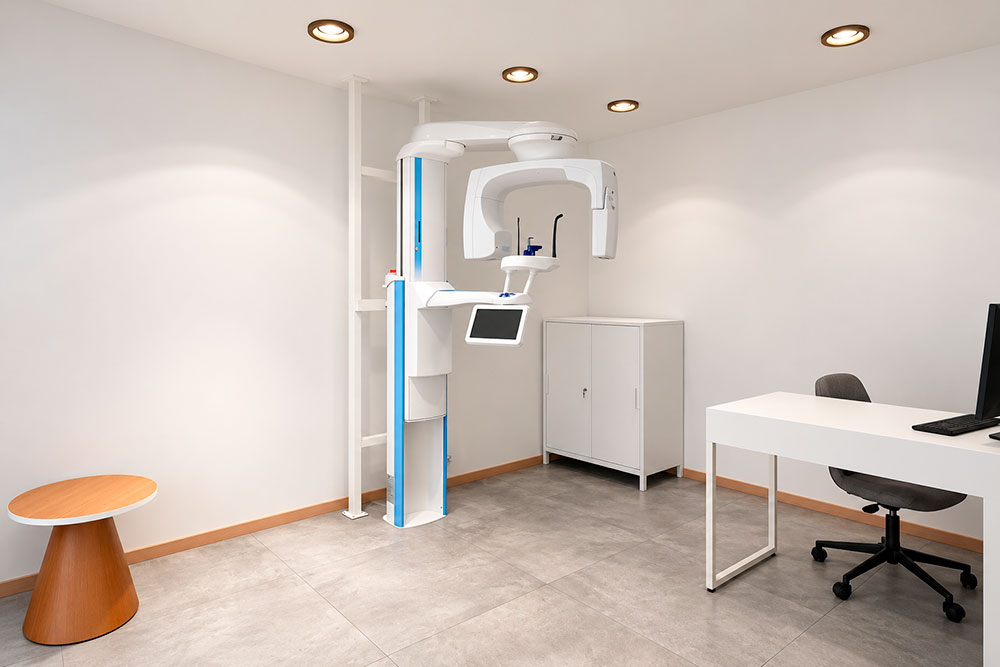
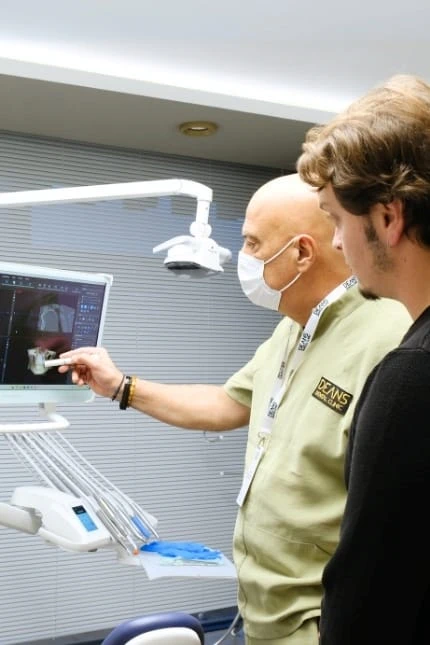
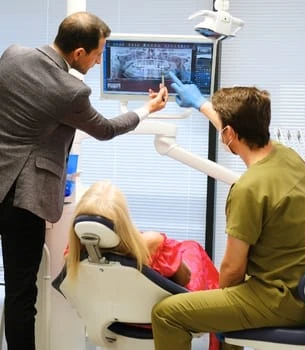
Imaging is central to the decision. A panoramic X-ray can provide a general overview, though a CBCT scan is often the key tool because it shows bone width, height, density, and nearby anatomy in three dimensions. The scan helps the dentist avoid structures such as the inferior alveolar nerve in the lower jaw and the maxillary sinus in the upper jaw. Digital planning software may be used to estimate implant size and angle before surgery. For straightforward cases, implants often range from about 3.5 to 5 millimeters in diameter and 8 to 13 millimeters in length, though shorter or narrower options exist when anatomy is limited.
The dentist then matches the surgical plan to the final restoration. A single crown, bridge, overdenture, and full-arch fixed prosthesis all place different demands on implant number and position. Laboratory planning, surgical guides, and bite analysis may be part of the process. If risks are identified, the patient may be referred for periodontal therapy, bone grafting, sinus augmentation, smoking cessation support, or medical clearance. The goal is not just to place an implant but to place one that can be restored properly, cleaned easily, and maintained with predictable long-term bone stability.
What Is the Success Rate of Dental Implants?
Dental implants have high success rates when the case is selected well and the patient maintains good oral hygiene. Reported success or survival figures vary depending on how the study defines success, how long patients are followed, and whether the implants are placed in healthy bone, grafted bone, smokers, or medically complex patients. In broad terms, many modern implant systems show survival rates in the range of 90% to 98% over 10 years for routine cases. Short-term success in the first year is often even higher, frequently above 95%.
It is worth separating survival from success. Survival means the implant is still in place. Success is a stricter standard that may include stable bone levels, healthy gums, no pain, no mobility, and acceptable function and appearance. An implant can survive while still having problems such as inflammation, screw loosening, or bone loss. That is why maintenance matters so much after the crown or bridge is fitted. Patients with a history of periodontitis, heavy smoking, uncontrolled diabetes, or poor oral hygiene often have lower long-term success rates even if the implant integrates at the beginning.
The location of the implant can also influence outcomes. The lower front and premolar regions often have denser bone and may show very strong integration. The upper back jaw tends to have softer bone and can be more challenging, particularly if sinus anatomy limits implant length. Full-arch cases can also perform very well, though they demand precise planning and regular professional review. Immediate loading, where a temporary tooth is attached quickly, can succeed at high rates when the implant reaches strong initial stability and the bite is controlled carefully.
Patients often ask how long implants last. There is no universal expiration date. Many implants remain functional for 15 to 25 years or longer, while the crown on top may need replacement earlier due to wear, chipping, or gum changes. Regular check-ups, cleanings, and home care help preserve the bone around the implant neck, which is one of the best predictors of long-term survival. From a practical standpoint, implants are among the most predictable tooth replacement methods in modern dentistry, though their impressive statistics depend heavily on patient selection and maintenance rather than the device alone.
What Are the Risks of Dental Implants?
Dental implants are generally safe, though they involve surgery and carry real risks that patients should understand clearly before treatment. Risks can be divided into early surgical complications, healing problems, and late mechanical or biological complications. Most issues are manageable when they are recognized early, but no implant procedure is completely risk-free.
Early risks include bleeding, swelling, bruising, pain, and temporary difficulty chewing. These are common post-operative effects and usually settle over several days. More significant complications include infection, poor wound closure, and failure of the implant to integrate with the bone. Early failure often appears within the first few months and may require implant removal and later replacement after healing. Nerve irritation is a specific concern in the lower jaw. If the implant is too close to the inferior alveolar nerve, there may be numbness, tingling, or altered sensation in the lip or chin. This is one reason why CBCT planning is so important. In the upper back jaw, sinus membrane perforation can occur during placement or sinus lift procedures.
Long-term risks include peri-implant mucositis and peri-implantitis. Mucositis is inflammation in the soft tissue around the implant, often with bleeding but no bone loss. Peri-implantitis includes inflammatory bone loss and can threaten the implant if untreated. Risk factors include poor oral hygiene, smoking, previous gum disease, excess cement, and ill-fitting prosthetic design that traps plaque. Mechanical problems can also occur. Screws may loosen, crowns may chip, and night grinding can overload components. While these problems are usually repairable, they can add cost and inconvenience.
There is also the risk of unmet expectations. Some patients expect an implant to feel exactly like a natural tooth or to be maintenance-free, and that is not realistic. Treatment can take months, may require grafting, and may cost more if complications occur. If a patient has medical complexity or limited hygiene capacity, a simpler solution like a bridge or denture may actually carry lower overall risk. Good implant dentistry is not just about whether an implant can be inserted. It is about whether the whole plan has an acceptable balance of function, biology, cost, and long-term maintainability.
How Much Do Dental Implants Cost?
Dental implant cost varies widely by country, clinic setting, materials, imaging, and the complexity of the case. A single implant is not one item but a sequence of services that may include consultation, digital scans, CBCT imaging, extraction if needed, bone grafting, the implant fixture, healing components, abutment, custom crown, and review appointments. That is why online prices can look inconsistent. One clinic may quote only the surgical implant, while another includes the full finished tooth.
For a straightforward single-tooth case, the full cost can range from about $1,500 to $6,000 or more depending on region and brand. In the United States, many complete single implant cases often fall somewhere around $3,000 to $5,500. In parts of Europe, pricing may be lower or similar depending on the city and clinic. In dental tourism markets, package pricing can be more competitive, though patients should still ask exactly what is included. A bone graft may add a few hundred to several thousand dollars. A sinus lift can increase the fee noticeably, and sedation can be a separate charge.
Full-arch implant treatment has a much broader range. An implant-retained overdenture with two implants in the lower jaw may be substantially less expensive than a fixed full-arch bridge supported by four to six implants. Full fixed solutions can range from several thousand dollars per arch in some markets to $15,000 to $30,000 or more per arch in others, particularly when premium materials, extensive grafting, or complex surgical expertise are involved. Zirconia and milled prosthetics often cost more than simpler acrylic options.
Patients should also budget for maintenance. Night guards, professional implant cleaning, screw replacement, relines for overdentures, and eventual crown renewal all affect lifetime cost. The cheapest quote is not always the most economical if it excludes imaging, uses limited planning, or leaves out the final restoration. Asking for a written breakdown helps: consultation fee, scan fee, surgical fee, grafting fee, temporary tooth fee, abutment fee, crown fee, and follow-up appointments. A clear cost plan makes it easier to compare providers accurately and judge value rather than just the headline number.
Frequently Asked Questions About Dental Implant Eligibility
Dental implant eligibility is one of the most common topics patients ask about because implants sound straightforward from the outside but involve several medical and anatomical checks. Many readers want a simple yes or no, though the real answer is usually conditional. Eligibility depends on bone support, gum health, healing capacity, and whether the final restoration can be maintained. The questions below are the ones dentists hear most often in consultation, and the answers tend to follow practical patterns rather than absolute rules.
People often ask whether missing teeth for many years automatically make implants impossible. The answer is no, though long-term tooth loss often leads to jaw shrinkage. That may mean a graft, short implant, angled implant, or an overdenture plan instead of multiple individual implants. Patients also ask whether pain is severe. For many straightforward cases, discomfort is usually manageable with local anesthesia during the procedure and routine pain relief afterward. Swelling tends to peak within 48 to 72 hours and then improve. Questions about timing are also common. A simple implant may be placed in under 1 hour, though the final crown usually comes after a healing period that often lasts 3 to 6 months.
Another frequent concern is whether implants fail often. In healthy, well-maintained cases, long-term survival is generally high. Risk rises in smokers, patients with uncontrolled diabetes, people with poor hygiene, and those with prior severe gum disease. Readers also ask whether bone grafts are always necessary. They are not. Many patients have enough native bone for straightforward placement. A CBCT scan usually answers that question more reliably than a standard dental X-ray. Questions about age are common too. There is rarely an upper age limit, though there may be a lower limit until jaw growth is complete.
Cost and upkeep complete the picture. Implants cost more upfront than bridges or dentures, and they require regular cleaning and check-ups. They are not immune to plaque, inflammation, or mechanical wear. Eligibility therefore includes a practical test: can the patient maintain the implant for years. In many consultations, that question is just as important as the scan. A technically placeable implant is not always the best treatment if the long-term cleaning demands do not suit the patient’s health, dexterity, or habits.
Can anyone have dental implants?
No, not everyone can have dental implants immediately, though a large percentage of adults can qualify after proper assessment and, when needed, preparatory treatment. Implant candidacy depends on local factors in the mouth and broader health factors in the body. If the gums are healthy, the bone is adequate, and healing capacity is good, implants are often a strong option. If one or more of those elements are missing, the patient may still become eligible after gum treatment, bone grafting, smoking cessation, or medical stabilization.
The idea that implants are only for young or perfectly healthy people is outdated. Patients in later life often receive them successfully. People with controlled diabetes, treated periodontal disease, or moderate bone loss may also qualify. The key difference is that these cases need more planning and closer maintenance. A 3D scan helps the dentist measure bone volume and map important structures such as nerves and sinuses. A medical review identifies factors that could slow healing, including uncontrolled blood sugar, heavy smoking, immunosuppressive medication, or previous radiation to the jaw.
There are also practical requirements beyond the surgery itself. A patient needs enough mouth opening for treatment, sufficient restorative space for the future crown or bridge, and the ability to keep the implant clean every day. If someone cannot manage oral hygiene or is unlikely to attend reviews every 6 to 12 months, the long-term risk increases. That may shift the recommendation toward a bridge or denture. Costs can also influence suitability. Since implant treatment may span several months and include grafting or temporary prosthetics, the patient needs to be comfortable with the full process rather than only the placement appointment.
For many people, the answer is not a hard yes or a hard no. It is more often “yes, if these conditions are addressed.” That is why implant consultations can feel detailed. The clinician is trying to predict not just whether the implant can be inserted, but whether it can remain healthy and functional for 10 years or more under real daily conditions.
What can disqualify you from getting dental implants?
Several factors can disqualify a patient from getting dental implants, either temporarily or permanently. Temporary disqualifiers are common and often treatable. These include active gum disease, untreated tooth infection, poor oral hygiene, uncontrolled diabetes, and smoking habits that put healing at high risk. Permanent or near-permanent barriers are less common but may include severe medical risk, inability to undergo oral surgery safely, or conditions that make long-term maintenance unrealistic.
Active periodontal disease is one of the most frequent reasons to delay treatment. If the gums are inflamed and the supporting tissues around natural teeth are infected, placing an implant into that environment is less predictable. Heavy smoking can also be a major concern, particularly when combined with poor hygiene or grafting needs. Patients who smoke more than 10 cigarettes a day generally face higher rates of implant complications than light smokers or non-smokers. Uncontrolled diabetes raises similar concerns because it can impair healing and increase infection risk.
Medication history can matter a great deal. Patients receiving intravenous bisphosphonates or denosumab for metastatic cancer require careful evaluation because the risk of medication-related osteonecrosis of the jaw is higher. Recent radiation therapy to the jaw area can reduce blood supply and healing potential. Severe immune suppression, active chemotherapy, or unstable heart conditions may also make elective implant surgery unsuitable until the patient is medically stable. In younger patients, incomplete jaw growth is a frequent reason to wait because implants do not move with developing bone the way natural teeth do.
Some disqualifiers are behavioral rather than anatomical or medical. If a patient cannot keep the mouth clean, refuses maintenance visits, or has uncontrolled bruxism without willingness to use protective appliances, long-term prognosis drops. Financial limitations can also function as a practical barrier when the patient cannot complete all treatment stages. A partially started implant case is not ideal. For this reason, dentists usually assess readiness as well as eligibility. The best candidate is not simply the person with enough bone. It is the person whose health, habits, and expectations support a stable result over many years.
Is there an age limit for dental implants?
There is usually no upper age limit for dental implants, though there is often a lower age boundary related to jaw growth. Older adults can receive implants successfully well into their 70s and 80s when their health and oral condition are suitable. The concern for younger patients is different. If the jaws are still developing, an implant may become misaligned over time because it remains fixed while nearby natural teeth continue to erupt or the bone continues to change.
For that reason, dentists often wait until facial and jaw growth is complete before placing implants in younger people. This may occur around age 18 for many women and around age 21 for many men, though those numbers are only rough guides. Growth can be checked clinically and, in some cases, radiographically. If a teenager loses a front tooth because of trauma, temporary solutions such as a removable prosthesis or adhesive bridge are often used until implant timing is safer. This planning matters a lot in the smile zone because even small vertical changes can affect appearance.
In older adults, success depends far more on function than on age. A healthy 78-year-old with stable blood pressure, controlled diabetes, and good oral hygiene may be a better candidate than a 45-year-old heavy smoker with active periodontal disease. Bone density can decline with age, and medication use tends to increase, so the planning process may be more detailed. Yet many seniors benefit greatly from implants, particularly when lower dentures are unstable. Two implants retaining a lower overdenture can make chewing and speech noticeably easier for an older patient.
Recovery is not automatically harder in later life, though medical complexity can lengthen healing or change the treatment design. Some clinicians choose simpler, easier-to-clean prosthetics for elderly patients with reduced dexterity. The age question therefore has two answers. There is a lower limit linked to completed growth, and there is rarely a strict upper limit. The real test is whether the implant can be placed, restored, and maintained safely within the patient’s overall health and daily routine.
Can you get dental implants with bone loss?
Yes, you can often get dental implants with bone loss, though the treatment plan may need to be adapted. Bone loss is one of the most common findings in implant consultations, particularly when a tooth has been missing for a long time or when periodontal disease has damaged the jaw support. The amount and location of bone loss determine whether a standard implant can be placed immediately, whether augmentation is required, or whether a different type of restoration is more practical.
Mild to moderate bone loss can sometimes be managed with short implants, narrow implants, or careful angulation that uses the available bone more efficiently. More advanced defects may require guided bone regeneration, block grafting, sinus lift surgery in the upper jaw, or ridge preservation after extraction. Healing after grafting often takes 3 to 6 months, though some larger grafts need more time. The decision depends on width, height, bone density, and proximity to structures like the sinus and mandibular nerve. A CBCT scan is usually the most useful tool because it shows the defect in three dimensions.
Bone loss does not always mean a patient needs the most aggressive surgery available. In full-arch cases, implant-supported overdentures can work with fewer implants and less demanding bone volume than multiple single implants. Angled implants may avoid grafting in selected patients. In severe upper jaw atrophy, advanced options such as zygomatic implants can be considered by highly experienced teams. The right solution should balance surgical burden, maintenance, cost, and the patient’s comfort with a longer treatment timeline.
The underlying cause of the bone loss also matters. If the loss came from periodontitis, the bacterial and inflammatory risk remains relevant after implant placement. Those patients need disciplined maintenance and monitoring because peri-implantitis risk is higher in this group. Cost can rise when grafting is involved, and the total timeline often extends beyond a simple implant case. Even so, bone loss is now treated as a planning variable rather than an automatic exclusion. Many patients who assume they are not candidates turn out to have workable options once the anatomy is examined carefully.
Can medical conditions prevent dental implants?
Yes, medical conditions can prevent dental implants in some cases, though many conditions only modify the treatment plan rather than rule it out completely. The dentist’s goal is to understand whether the patient can heal predictably after surgery and maintain healthy tissues around the implant over time. A diagnosis by itself does not always answer that question. The severity of the condition, current control, medication use, and the patient’s daily oral care habits all influence the decision.
Uncontrolled diabetes is a common example. A patient with stable glucose control may do well with implants, while a patient with consistently high blood sugar and delayed wound healing may face a much higher risk of infection or integration failure. Cardiovascular disease often requires coordination rather than exclusion. Many patients on blood thinners can still have routine implant surgery with proper planning. More serious concerns arise with recent heart attack, unstable angina, or medical advice against elective procedures. Patients on high-dose antiresorptive drugs for cancer, such as intravenous bisphosphonates or denosumab, may be poor candidates because jawbone healing complications can be severe.
Other medical factors include immune suppression, active chemotherapy, prior radiation to the jaws, uncontrolled autoimmune disease, severe renal disease, and long-term high-dose steroid therapy. These conditions may alter bone turnover, tissue repair, or infection response. Neurological and cognitive conditions can also matter if they limit consent, cooperation, or long-term hygiene. Even severe dry mouth from medications can become relevant because plaque control may be harder and tissues may become more vulnerable to irritation.
Medical conditions therefore prevent implants in some patients, delay them in others, and simply require closer planning in many more. The distinction is important. A blanket statement such as “people with medical problems cannot have implants” is inaccurate. Plenty of medically managed patients receive implants successfully every year. The more precise view is this: implants are suitable when the condition is stable enough for surgery and the patient can support long-term maintenance. When those requirements are not met, bridges or dentures may offer a safer and more predictable path.