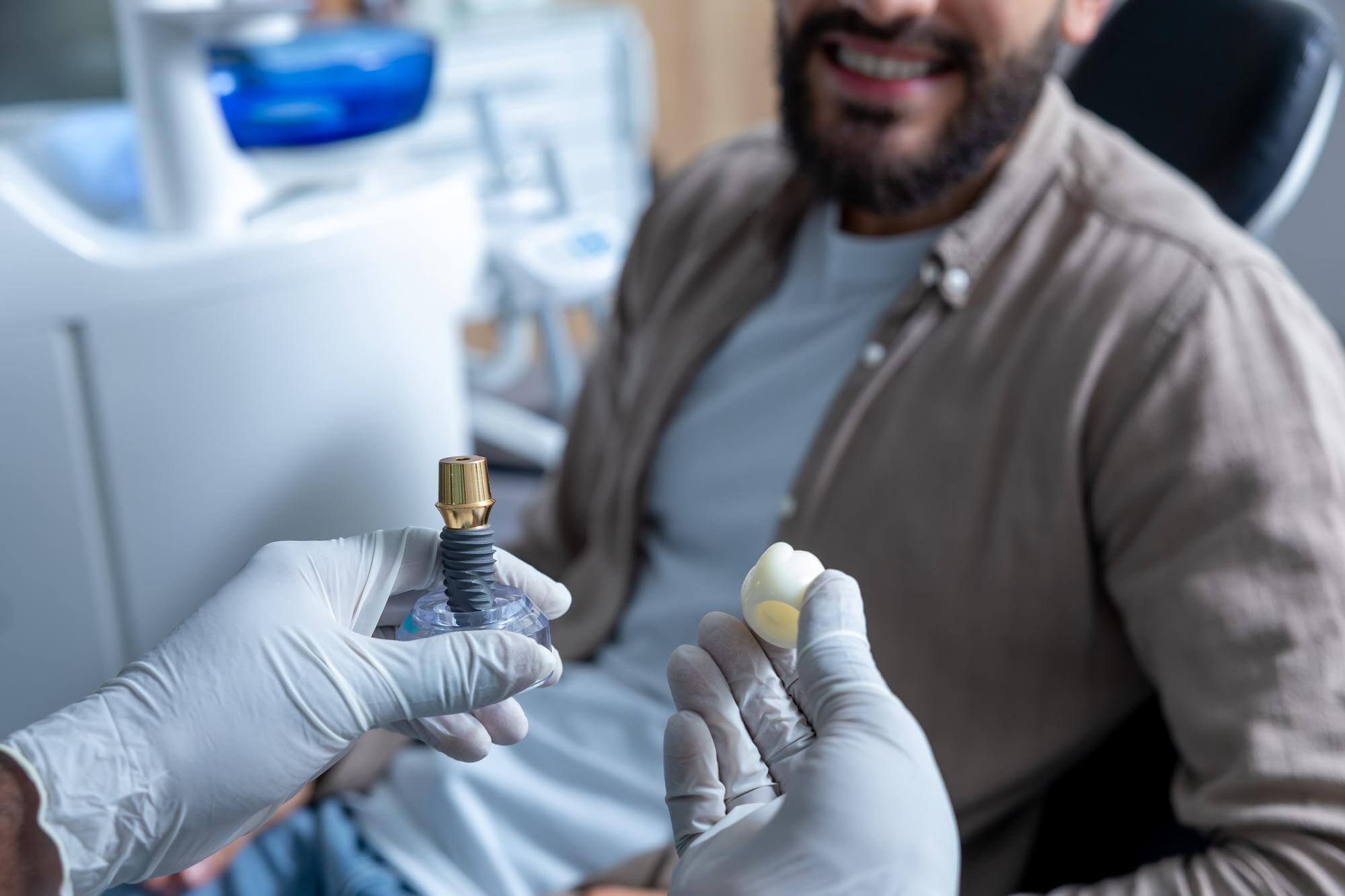
Dental implants in Turkey can be safe when treatment is carried out in a properly licensed clinic, by a qualified implant dentist or oral surgeon, using documented implant systems and a treatment plan based on clinical examination, digital imaging, and medical history review. Safety does not depend on the country alone. It depends on the clinic’s standards, the dentist’s training, infection control, case selection, and the quality of follow-up after surgery.
Turkey has become a major destination for implant dentistry because prices are often 40% to 70% lower than in the UK, Ireland, Germany, or the US. A single implant with crown may cost roughly €600 to €1,200 in Turkey, while the same treatment can reach €2,000 to €4,000 in many Western markets. Lower cost does not automatically mean lower quality. In many cases, the difference comes from lower labor costs, clinic overhead, and exchange-rate effects. Still, price alone should never guide your decision.
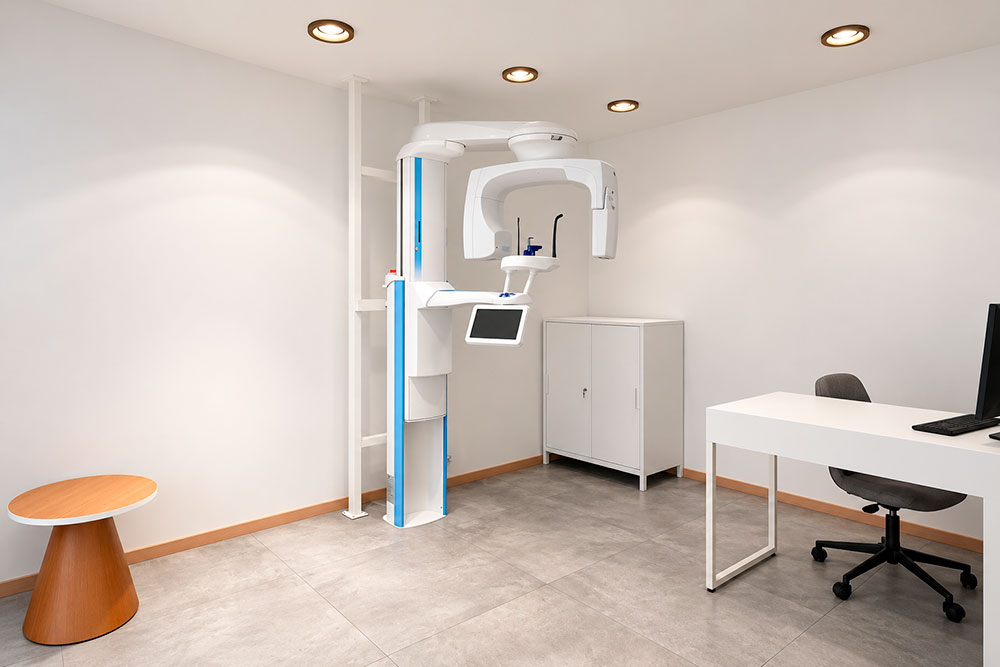
A safe implant process usually includes a panoramic X-ray or CBCT scan, gum and bone assessment, medical screening, written consent, a named implant brand, and a realistic timeline. For example, standard implant treatment often requires 3 to 6 months between implant placement and the final crown, though some immediate-load cases are possible for selected patients. Bone grafting, sinus lift procedures, smoking, uncontrolled diabetes, and active gum disease can increase risk and change timing.
Patients should verify whether the clinic is legally registered, whether the dentist has implant-specific education, and whether the clinic provides clear documentation in English or another language you understand. Ask what happens if the implant fails, which may occur in roughly 2% to 10% of cases depending on health, bone quality, hygiene, and loading conditions. A reputable clinic should explain complication rates honestly, not promise 100% success.
If you are comparing options, focus on sterilization protocols, imaging technology, implant brand traceability, aftercare arrangements, and whether your case is appropriate for travel dentistry. Turkey can be a safe and cost-effective choice, though the safest decision always comes from careful clinic selection and a treatment plan built around your health rather than a sales package.
Are Dental Implants in Turkey Safe
Dental implants in Turkey can be safe, though safety is not uniform across every clinic. The country has a large private dental sector, modern city-based clinics, and many practitioners who work with internationally known implant systems. Patients often travel to Istanbul, Antalya, Izmir, and Ankara for implant treatment because the infrastructure is well developed and prices are lower than in many European countries. What matters most is whether the individual clinic follows strict clinical standards and whether the patient is suitable for implants in the first place.
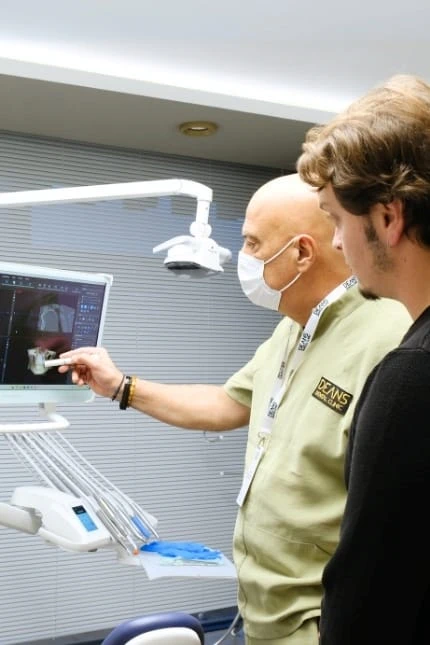
A safe implant procedure starts with diagnosis. That usually means a full oral examination, a panoramic X-ray, and often a CBCT scan to evaluate bone height, bone width, nerve position, sinus anatomy, and existing infection. A clinic that suggests immediate treatment without current imaging or a proper medical history review is taking shortcuts. You should expect questions about diabetes, smoking, osteoporosis medication, blood thinners, autoimmune conditions, and past gum disease. These factors can affect healing and long-term survival.
Success rates for dental implants are generally high worldwide. For healthy patients with good bone and good oral hygiene, long-term survival is often reported above 90% over 10 years. Early failure may happen during healing, while late failure can result from peri-implantitis, overload, poor cleaning, or untreated grinding. Turkish clinics that are operating at a high standard are fully aware of these risks and manage them through planning, surgical protocol, and maintenance advice.
Clinic safety also depends on sterilization and traceability. Single-use surgical items, instrument sterilization logs, sealed implant packaging, and documented batch numbers should all be part of routine care. If a clinic cannot clearly tell you which implant brand it uses, where the components are made, and whether replacement parts are widely available, that is a warning sign. Good clinics are transparent about brands such as Straumann, Nobel Biocare, Osstem, Megagen, or other recognized systems, and they can explain why a specific implant is being chosen for your case.
Travel itself introduces extra considerations. Patients may feel pressure to complete complex treatment in a short stay of 5 to 7 days, though not every case should be rushed. Some treatments require a two-stage process with healing over 8 to 16 weeks, and full arch implant cases may need even more planning. Safety is higher when the schedule allows review appointments, bite adjustments, and time for swelling or discomfort to settle before flying home.
Turkey can be a safe option for dental implants when the clinic is reputable, the treatment plan is realistic, and aftercare is clearly arranged. The safest patients are usually those who choose carefully, ask detailed questions, and avoid being influenced by unusually low prices or unrealistic promises.
Why Are Dental Implants Cheaper in Turkey
Dental implants are usually cheaper in Turkey because the total cost structure of running a clinic is lower. That includes wages, rent, utilities, laboratory fees, administrative costs, and in many cases tax and currency advantages compared with Western Europe or North America. A clinic in Istanbul may be paying a fraction of the monthly rent or staffing cost of a clinic in central London, Dublin, Amsterdam, or New York. When overhead is lower, clinics can charge less while still remaining profitable.
Exchange rates play a major role. Many international patients earn and save in pounds, euros, or dollars, while Turkish clinics pay a substantial part of their operating expenses in local currency. That can make treatment appear dramatically more affordable to a visitor. A procedure priced at €900 may still be financially attractive to a clinic if the local operating cost is significantly lower than that of a clinic in the UK or Germany charging €2,500 for similar work.
Market competition also affects pricing. Turkey has a large number of private clinics focused on international dentistry. In popular medical tourism hubs, clinics compete heavily on package deals, digital marketing, translator support, airport transfers, and accommodation partnerships. This volume-driven model can reduce the average cost per patient. A clinic treating 100 international implant cases per month may negotiate better prices with laboratories and implant suppliers than a smaller clinic treating 10 to 20 comparable cases.
Lower prices do not always reflect lower-quality materials. In many reputable clinics, the implant fixture may come from the same global brands used in other countries. The difference often lies in the surrounding cost environment rather than the titanium implant itself. Still, prices can vary widely depending on the implant brand, whether a custom abutment is used, whether the crown is zirconia or porcelain-fused-to-metal, and whether bone grafting or sinus lift surgery is needed. A straightforward single implant package may start around €600 to €1,200, while a branded implant with premium restorative components and advanced imaging may move beyond €1,500 per tooth.
Some clinics advertise very low headline prices that do not include essentials such as CBCT imaging, temporary prosthetics, healing abutments, sedation, medication, or final crowns. That is one reason comparisons can be misleading. A low initial quote can increase by 20% to 60% once the full treatment plan is confirmed. Patients should look for itemized pricing rather than a single promotional number.
The lower cost of implants in Turkey is largely explained by economics, scale, and exchange rates, not by a single quality shortcut. Even so, cheaper treatment is only a good value when clinical planning, materials, and aftercare remain strong.
How to Choose a Safe Dental Clinic in Turkey
Choosing a safe dental clinic in Turkey takes more than comparing prices on social media. The most reliable approach is to check licensing, clinical standards, dentist credentials, implant brand transparency, communication quality, and aftercare arrangements before you book flights. A clinic that looks polished online is not necessarily a clinic that plans cases carefully.
Start with legal and professional verification. The clinic should be a registered healthcare facility, and the treating dentist should be clearly identified by name, not hidden behind generic marketing language. Ask who will place the implant, who will restore it with the crown or bridge, and whether the same clinician will see you throughout treatment. In implant cases, continuity matters because planning the surgical and restorative stages together reduces fit and bite problems later.
Ask for a written treatment plan based on your X-rays or CBCT scan, not a vague estimate. Safe clinics explain how many implants are recommended, whether grafting is needed, how long healing should take, and what type of restoration will be fitted. If a clinic offers full treatment within 48 hours for nearly every patient, caution is sensible. Immediate loading has valid uses, though it is not appropriate in all cases. Bone quality, primary implant stability, bite forces, and gum condition all influence whether fast treatment is clinically sound.
Reviews can help, though they should be read critically. Look for detailed patient feedback mentioning waiting times, pain control, communication, complications, refunds, or revision care rather than only praising hotel transfers and friendly staff. Independent forums and third-party review platforms often reveal more useful patterns than polished testimonial videos. If many reviews mention rushed appointments, changing dentists, or surprise fees, those concerns deserve attention.
It is wise to ask practical, direct questions before committing:
- Which implant brand will be used, and is it internationally recognized?
- Will I receive the implant passport, batch number, and treatment records?
- Do you take CBCT scans on site?
- How do you sterilize instruments and document infection control?
- What is the policy if an implant fails within 6 or 12 months?
- How many review visits are included in the quoted fee?
- Who do I contact after I return home if I have pain, swelling, or a loose component?
A safe clinic usually answers clearly and in writing. You should never feel pushed to pay a deposit before basic questions are answered. If communication is inconsistent before treatment, aftercare is unlikely to be stronger later. The clinics that tend to perform best are often those that are transparent, realistic about limitations, and comfortable saying that a patient is not a good candidate for immediate or low-cost treatment.
What Qualifications Should a Dental Implant Specialist in Turkey Have
A dental implant specialist in Turkey should have a recognized dental degree, current legal registration, and focused training in implant surgery and prosthetic planning. Implant treatment involves more than inserting a titanium fixture into bone. It requires diagnosis, radiographic interpretation, sterile surgery, management of soft tissue, bite design, and the ability to recognize when a case should be referred or delayed. Patients should look beyond a job title and ask about actual training and experience.
In practical terms, the treating clinician should be a dentist with implant-specific postgraduate education, certified courses from established institutions, or specialist training in oral and maxillofacial surgery, periodontology, or prosthodontics depending on the procedure. For straightforward implant placement, an experienced general dentist with substantial implant education may be appropriate. For full-arch rehabilitation, sinus lift, major bone grafting, or anatomically complex cases, advanced surgical qualifications carry greater importance.
Experience matters in measurable ways. A clinician who places 200 to 500 implants per year will often have stronger routine surgical judgment than someone who only performs occasional implant cases. You can ask how many implants the dentist places annually, how often they perform guided surgery, and whether they manage complications such as membrane perforation, lack of primary stability, peri-implantitis, or implant removal. A good answer is specific. A vague answer focused only on marketing success rates is less reassuring.
Digital planning skills are increasingly relevant. A well-qualified implant clinician should be comfortable using CBCT scans, digital intraoral scans, and guided surgical planning where appropriate. This does not mean every case requires a surgical guide, though it does mean the dentist should know when digital planning improves safety. Cases near the inferior alveolar nerve or maxillary sinus often benefit from detailed three-dimensional planning.
Restorative knowledge is just as important as surgical skill. A well-placed implant can still fail functionally if the final crown or bridge is poorly designed. The dentist should understand occlusion, emergence profile, hygiene access, and load distribution. In full-arch cases, this is critical. Four or six implants supporting an entire fixed prosthesis require precise angulation, spacing, and prosthetic planning from the start.
You can reasonably ask for before-and-after cases similar to your own, though photos should not replace proof of credentials. Ask whether the clinic provides a named clinician, a treatment record, implant passport, and written aftercare guidance. A properly qualified implant provider in Turkey should be able to demonstrate education, experience, technology use, and complication management without becoming defensive or evasive.
What Are the Risks of Getting Dental Implants in Turkey
The risks of getting dental implants in Turkey are broadly the same as the risks of getting implants anywhere else, though travel can make some problems harder to manage if they appear after you return home. Implant surgery is usually predictable, but it is still surgery. Patients should understand the normal medical and technical risks before making a decision based mainly on price.
Early surgical risks include bleeding, swelling, pain, infection, bruising, and temporary difficulty eating. Most swelling peaks within 48 to 72 hours and settles over several days. Pain is often manageable with prescribed medication, though severity varies depending on whether the case involves a single implant, multiple implants, extraction, bone grafting, or sinus lift. Nerve irritation is a more serious but less common complication in lower jaw cases when implants are placed too close to the mandibular nerve. This may cause numbness or altered sensation in the lip or chin, sometimes temporary and sometimes prolonged.
Implant failure is another risk. Early failure happens when the implant does not integrate with bone during healing. Late failure may happen months or years later due to infection around the implant, heavy bite forces, poor cleaning, smoking, or uncontrolled systemic disease. Published survival rates are generally high, often above 90% over many years, though real-world results differ by patient and clinic. Smokers, patients with active periodontal disease, and those with poor oral hygiene may face noticeably higher complication rates.
Travel dentistry creates extra logistical risks. If a temporary bridge fractures after you return home, if a screw loosens, or if swelling persists beyond expected healing, the treating clinic may be in another country and your local dentist may be reluctant to intervene. This does not mean treatment abroad is unsafe by definition. It means the aftercare plan must be realistic. Patients should know who will help them at home, whether records will be shared, and whether repair costs are covered if a problem appears within weeks or months.
There is also a commercial risk. Some patients receive overly aggressive treatment recommendations, such as extracting teeth that might be restorable or choosing a full-arch implant solution when a less invasive treatment could work. Others encounter low advertised prices that exclude important elements such as imaging, sedation, grafting, or the final prosthesis. Poor communication can magnify every clinical risk because misunderstandings about timing, pain, healing, and expected aesthetics often lead to dissatisfaction even when the implant itself survives.
The safest way to reduce risk is careful case selection, documented planning, realistic timing, and a clinic that is willing to discuss complications openly. If a provider claims implants are risk-free or guarantees perfect results for every patient, that message is not medically credible.
What Questions Should You Ask Before Getting Dental Implants in Turkey
Before getting dental implants in Turkey, patients should ask questions that reveal how the clinic diagnoses, plans, performs, and supports treatment. Good questions help separate a medically sound service from a sales-driven package. You do not need to sound technical. Direct, practical questions usually produce the most useful answers.
Start with diagnosis and suitability. Ask whether the quote is based on recent imaging and whether a CBCT scan is required. Panoramic X-rays are useful, though many implant cases need three-dimensional imaging to assess bone width, height, and anatomical structures. Ask whether you have enough bone for implants, whether gum disease is present, and whether smoking, diabetes, or medication could affect healing. A serious clinic should be willing to say that treatment needs to be delayed if your oral condition is not ready.
You should also ask exactly what is being proposed. Many misunderstandings happen because patients hear “implant” and assume that includes every component. In reality, treatment may involve the implant fixture, healing abutment, abutment, crown, temporary prosthesis, laboratory work, and review visits as separate items. Clarify each stage and ask whether the price includes the final crown or bridge. Ask how many implants are planned and why. If full-arch treatment is recommended, ask why four implants are enough, whether six would be more stable in your case, and what material the final bridge will be made from.
The following questions are worth asking in writing:
- Who will place my implants, and what are their qualifications?
- Which implant brand will be used?
- Will I receive the implant passport and batch details?
- Do I need bone grafting or a sinus lift?
- How long should I stay in Turkey for this stage of treatment?
- How long before the final teeth are fitted?
- What are the total costs, including medications, scans, temporaries, and revisions?
- What happens if an implant fails before the final restoration?
- What happens if a crown or bridge chips or loosens after I return home?
- Can my local dentist maintain this implant system?
Ask about pain control and recovery as well. Many patients want to know if local anesthesia is enough, whether conscious sedation is available, how many days of swelling to expect, and when they can fly. You should also ask how many review appointments are included. Some clinics schedule only one short postoperative check, while others monitor healing more carefully.
The answers should be clear, consistent, and written in language you understand. If responses are evasive, overly promotional, or constantly changing, that uncertainty can become a problem once treatment begins.
How Does the Quality of Dental Implants in Turkey Compare to Other Countries
The quality of dental implants in Turkey can be comparable to that in many European countries, the UK, and North America when treatment is delivered by a skilled clinician using reputable implant systems and proper planning. The major variable is not the country itself. It is the combination of implant brand, clinical protocol, laboratory quality, and aftercare. Turkey has clinics ranging from highly advanced centers with digital workflows to low-cost providers focused more on volume than precision.
In terms of materials, many Turkish clinics use internationally recognized implant brands such as Straumann, Nobel Biocare, Osstem, Megagen, Neodent, or similar systems with established distribution networks and published clinical data. These are not inherently different from the products used in many clinics in Germany, Spain, the UK, or the US. If the exact same implant brand, surface technology, and restorative components are used, the implant itself is not lower quality because it is placed in Turkey. What changes is the treatment environment and the professional delivering it.
Laboratory work is another major quality factor. A well-integrated implant can still produce poor results if the crown margin is inaccurate, the bite is high, or the prosthetic design is difficult to clean. High-quality Turkish clinics often work with digital scans, CAD/CAM milling, zirconia restorations, and in-house or specialized dental laboratories. Lower-tier clinics may outsource to cheaper labs with less precise quality control, which can affect fit, aesthetics, and long-term maintenance.
Compared with some Western countries, Turkey often offers more aggressive package pricing and faster scheduling. That can be convenient, though speed is not always the same as quality. In some countries, treatment may take longer because there are more staged review visits, stricter waiting periods, or more conservative planning. This can be frustrating for patients, but it sometimes supports safer healing and more refined prosthetic work. A clinic that completes everything very quickly should be able to explain why that timeline is suitable for your anatomy and bite.
Quality comparison should include outcomes, not just equipment lists. Ask about survival rates, complication handling, the use of CBCT scans, sterilization standards, and whether the clinic provides records that your home dentist can understand. A clinic with excellent technology but poor follow-up is not truly high quality. In practical terms, the best Turkish clinics can match international standards, while the weakest clinics may fall well below them. That wide variation is why patients should compare provider quality, not national reputation alone.
What Is Included in a Dental Implant Package in Turkey
A dental implant package in Turkey may include far more than the implant itself, though package contents vary widely between clinics. Patients often see bundled offers because medical tourism clinics compete on convenience as much as price. A package can be useful when it is detailed and transparent. It can also be misleading if core treatment items are left out of the advertised price.
In many mid-range and premium clinics, a package may include airport transfers, hotel accommodation for 3 to 7 nights, consultation, panoramic X-ray, local anesthesia, the implant fixture, healing cap or healing abutment, temporary restoration if applicable, medication, and one or more postoperative checks. Some clinics also include translator support and digital treatment planning. A more complete restorative package may cover the final abutment and crown, though this should never be assumed without confirmation.
Patients should ask for an itemized list because some of the most expensive parts are often excluded from headline prices. Common exclusions include CBCT scans, bone grafting, sinus lift procedures, extraction fees, custom abutments, temporary bridges, final zirconia crowns, sedation, and emergency interventions. For example, a clinic may advertise a €450 implant package, but the full cost may rise to €900 or €1,400 once grafting, imaging, and the final crown are added. In full-arch cases, temporary fixed teeth may be included while the final prosthesis is charged separately several months later.
Typical items you may find in a package include:
- Initial consultation and treatment planning
- Panoramic X-ray or sometimes CBCT imaging
- Implant surgery under local anesthesia
- Standard medications such as antibiotics or pain relief
- Hotel stay and local transport
- Follow-up examination before departure
- Temporary prosthesis in selected cases
You should also ask about what happens between treatment phases. Implant dentistry often requires two visits: one for implant placement and one after 3 to 6 months for the final crown or bridge. Some packages only cover the surgical stage, while the restorative stage is priced later. If your treatment plan involves all-on-4 or all-on-6 rehabilitation, clarify whether the “final teeth” are acrylic, composite, monolithic zirconia, or another material. The difference can affect both durability and price by several thousand euros.
The most useful package is one that spells out every included service, every extra cost, the expected timeline, and who pays if complications arise. If a package description is only two or three lines long, it probably does not contain enough detail for an informed decision.
How Much Do Dental Implants Cost in Turkey
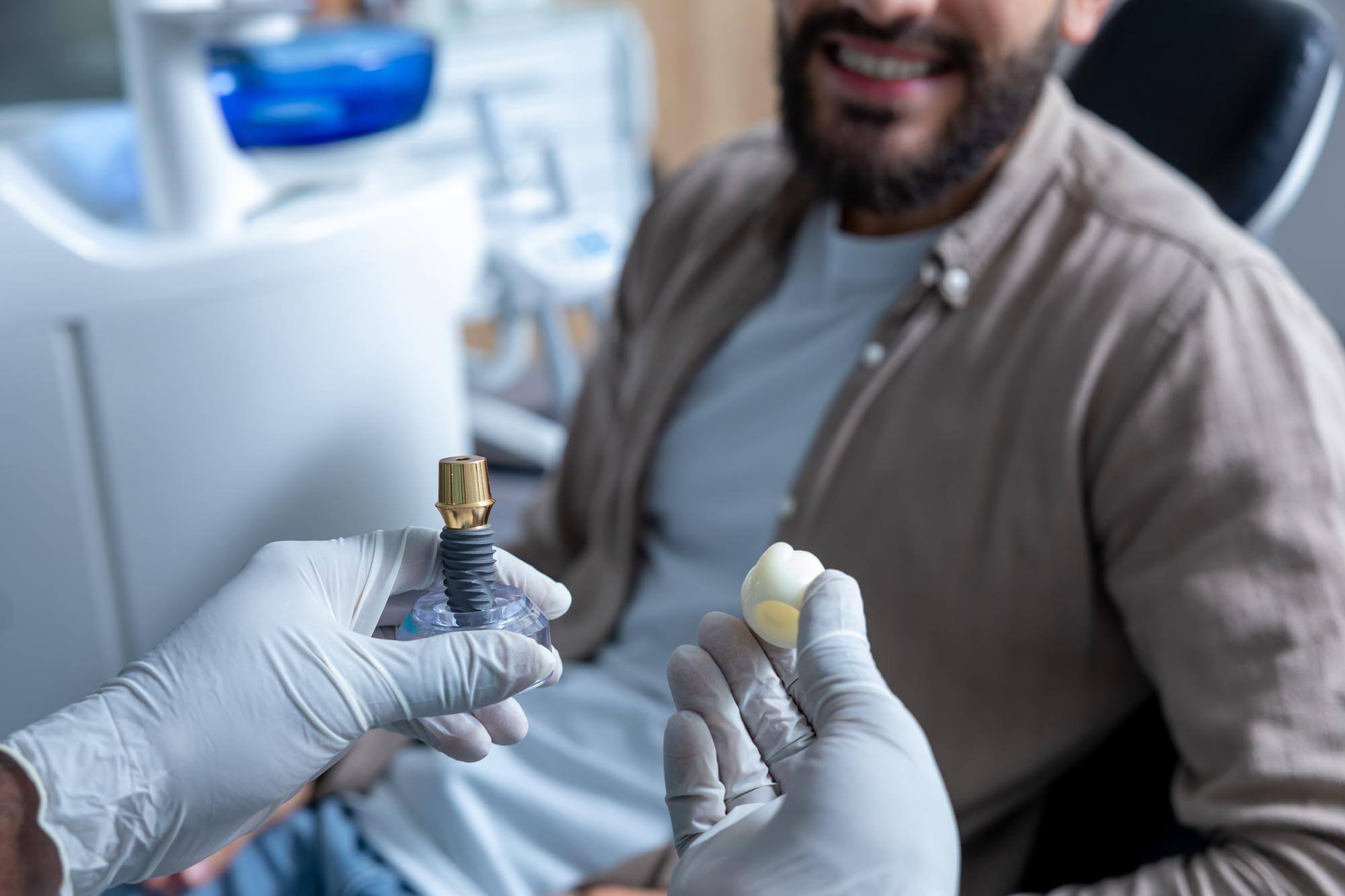
Dental implant costs in Turkey vary by city, clinic reputation, implant brand, imaging requirements, and whether bone grafting or full-arch restoration is needed. For a single implant case, many patients will see prices ranging from about €600 to €1,200 for the implant and crown together in a reputable clinic. Budget offers may appear below this range, though they often exclude some components. Premium clinics using top-tier branded systems and more extensive diagnostics may charge €1,200 to €1,800 or more per tooth.
It helps to separate the treatment into parts. The implant fixture alone may cost around €300 to €700. The abutment and crown can add €250 to €600 or more depending on whether the restoration is metal-ceramic, E-max, or zirconia. A CBCT scan may cost €50 to €150 if billed separately. Bone grafting can add roughly €150 to €500 for a minor localized graft, while sinus lift procedures may add €300 to €1,000 or more depending on complexity. This is why two patients both asking for “one implant” may receive very different final quotes.
Full-mouth and full-arch treatments show even wider price variation. A removable implant overdenture retained by 2 to 4 implants may start around €2,500 to €5,000 per arch. Fixed all-on-4 or all-on-6 treatments often begin at approximately €3,500 to €8,000 per arch in lower-cost settings, while high-end centers using premium implant systems and final zirconia bridges may quote €7,000 to €12,000 or more per arch. The final bridge material makes a major difference. Acrylic hybrid bridges are usually less expensive than zirconia frameworks.
Turkey often remains substantially cheaper than many Western countries. A single implant with crown that might cost €2,000 to €4,000 in the UK, Ireland, or the US may be available for less than half that amount in Turkey. Full-arch work that could exceed €15,000 to €25,000 per jaw in some markets may be available at much lower prices. Still, the lowest price is not automatically the best value if records, aftercare, or prosthetic quality are weak.
Patients should request an itemized written quote showing:
- Consultation and imaging fees
- Implant brand and number of implants
- Abutment type and crown material
- Temporary teeth if needed
- Bone graft or sinus lift costs
- Medication, reviews, and emergency visits
- What is covered if an implant fails during healing
Realistic budgeting is important because travel, hotel upgrades, companion costs, and a second visit for the final restoration may add several hundred to several thousand euros beyond the procedure itself.
Is It Safe to Travel Home After Dental Implant Surgery in Turkey
It is often safe to travel home after dental implant surgery in Turkey, provided the surgery was uncomplicated, the patient is medically stable, and enough time has passed for an early postoperative review. For many straightforward cases, patients fly home within 1 to 3 days after a single implant or a small number of implants. More complex procedures such as sinus lifts, multiple extractions, bone grafting, or full-arch surgery may justify a longer stay of 5 to 7 days so the clinic can monitor swelling, bleeding, bite comfort, and early healing.
The main concern is not usually the flight itself. It is whether any immediate complications have been identified before departure. Moderate swelling, minor oozing, bruising, and discomfort are common in the first 48 to 72 hours. A clinic should examine you before you leave, confirm that the surgical site is stable, and provide written aftercare instructions, prescriptions, and emergency contact details. If numbness, heavy bleeding, fever, severe pain, or sinus symptoms appear, extra review time may be needed before travel.
Patients often worry about cabin pressure. For routine implant placement, flying is generally well tolerated. Caution becomes more relevant when the upper jaw has been treated close to the sinus, or when a sinus lift has been performed. In those situations, your surgeon may advise specific precautions such as avoiding nose blowing, sneezing with the mouth closed, smoking, or heavy lifting for a period of days or weeks. If extensive grafting was done, some clinics recommend a longer local recovery window before you board a plane.
Long travel days can also make normal postoperative care harder. Dry mouth, irregular meals, and limited ability to rinse gently or apply ice can increase discomfort. Patients should carry their medication, gauze, written instructions, and clinic contact details in hand luggage. Soft foods are often necessary for the first few days, and if immediate temporary teeth have been fitted, the chewing instructions must be followed closely to avoid overloading fresh implants.
Travel home is safest when three things are in place: a stable check before departure, a clear medication and hygiene plan, and a route for follow-up once you are back. If your trip home involves multiple flights, overnight layovers, or medical conditions that affect healing, tell the clinic in advance so they can plan your departure appropriately. Many patients travel home without problems after implant surgery, though it should be treated as a medical journey rather than an ordinary weekend break.
What Happens If Something Goes Wrong After Dental Implants in Turkey
If something goes wrong after dental implants in Turkey, the outcome depends heavily on the clinic’s aftercare policy, the nature of the complication, and how quickly the problem is identified. This is one of the most important issues to clarify before treatment because many complications appear after the patient has already returned home. A responsible clinic should explain in writing what it will cover, what it will not cover, and how communication works across borders.
Some issues are minor and manageable from a distance. Mild swelling, bruising, temporary soreness, and small changes in gum appearance are common in early healing. The clinic may advise you by phone or video call, request photos, and recommend local review if symptoms fall outside the normal range. Mechanical issues such as a loose healing cap, a high temporary bite, or a broken provisional tooth can sometimes be handled by a local dentist if the clinic provides proper records and component information.
More serious complications include infection, implant mobility, persistent pain, nerve symptoms, sinus problems, severe gum inflammation, or a prosthesis that does not fit correctly. In these cases, a remote message exchange is usually not enough. You may need urgent assessment by a local dentist or oral surgeon. Some local dentists are willing to help, while others may avoid taking responsibility for treatment placed abroad. That practical barrier is one reason aftercare planning matters so much.
Policies vary between clinics. Some offer replacement of a failed implant within a defined time frame, often 6 to 12 months, but the patient may still need to pay travel costs, imaging, grafting, or new restorative work. Others cover only the implant fixture and not the crown or bridge. A few clinics offer little meaningful support beyond brief online reassurance. You should ask what counts as a warranty case, what evidence is needed, and whether failure due to smoking, missed hygiene visits, grinding, or poor bone quality is excluded.
Useful precautions include requesting your implant passport, batch numbers, radiographs, treatment summary, and details of the restorative components before leaving Turkey. Keep these records with you. If a problem develops 2 weeks, 2 months, or 2 years later, another dentist will find it much easier to help if the implant system is clearly identified. If no records are provided, simple maintenance may become more difficult and costly.
When something goes wrong, speed matters. Pain that increases after the first few days, pus, persistent bleeding, bad taste, fever, and sudden implant movement should be treated as warning signs. Strong clinics respond promptly, explain the next step clearly, and remain involved even when a local professional needs to see you in person.
How Long Do You Need to Stay in Turkey for Dental Implants
The length of stay needed in Turkey for dental implants depends on whether you are having consultation only, implant placement, bone grafting, immediate temporary teeth, or the final restorative stage. Many patients need two separate trips rather than one long visit. For a straightforward single implant placement without major grafting, clinics often recommend staying 3 to 5 days. That allows time for examination, imaging, surgery, and a postoperative check before you fly home.
If the case includes extraction and immediate implant placement, or several implants in different areas, a stay of 5 to 7 days is common. This gives the team time to assess healing and adjust temporary restorations if needed. For more complex surgery such as sinus lift, extensive bone grafting, or full-arch implant treatment, some clinics recommend 7 to 10 days for the surgical phase. The exact number depends on swelling risk, the need for bite checks, and whether immediate temporary teeth are being fitted.
What many patients miss is that the final crown or bridge is often not fitted on the same trip. Implants usually need a healing period for osseointegration, often around 8 to 16 weeks in selected cases and frequently 3 to 6 months in routine planning. During that time, the bone bonds to the implant surface. Returning too early for the final restoration can increase the chance of failure if stability is not adequate. Once healing is complete, the second visit for impressions or digital scanning and final fitting may last around 5 to 7 days, depending on laboratory workflow.
Immediate-load full-arch treatment changes the timeline. Some clinics place 4 or 6 implants and fit a temporary fixed bridge within 24 to 72 hours. Even in these cases, the temporary bridge is not usually the final one. The definitive prosthesis may be made months later after the gums and bone settle. Patients should ask whether “same-week teeth” means temporary acrylic teeth or the permanent final bridge. The difference affects expectations and cost.
A realistic planning example looks like this:
- Single implant, no graft: 3 to 5 days for surgery, then 3 to 6 months healing, then 4 to 7 days for final crown
- Multiple implants with grafting: 5 to 8 days for surgery, then 4 to 6 months healing, then 5 to 7 days for restoration
- Full-arch immediate load: 5 to 8 days for surgery and temporary teeth, then a second visit after several months for the final prosthesis
Patients who plan enough time generally have a smoother experience than those trying to compress complex care into a holiday schedule.
Are Dental Implants in Turkey Worth It
Dental implants in Turkey can be worth it for patients who want to reduce treatment costs significantly and who are prepared to research clinics carefully, travel twice if needed, and manage follow-up responsibly. The financial difference can be substantial. A treatment plan that might cost €3,000 to €4,000 for one implant and crown in some markets may come in at €800 to €1,500 in Turkey. For larger cases, the savings can reach many thousands of euros. That cost advantage is the main reason many people consider treatment there.
Value, though, is not only about the initial quote. An implant is worth it when the treatment is clinically appropriate, the implant system is reliable, the restoration is well made, and the aftercare is realistic. A low-cost procedure that later needs revision, replacement crowns, or emergency local repairs may become more expensive than expected. Travel costs, time off work, accommodation beyond the package, and a second trip for final teeth should all be included in your personal calculation.
The treatment can be particularly worthwhile for patients needing several implants or full-arch work, because savings scale up quickly. If a patient needs 4 to 8 implants or a fixed arch restoration, domestic prices may be out of reach. Turkey may make treatment possible years earlier than it would be at home. That practical accessibility matters. Many patients report that they can restore chewing function, close visible gaps, and improve denture stability at a cost they can realistically manage.
Worth also depends on your tolerance for distance-based aftercare. If you are anxious, medically complex, or likely to need frequent review visits, local treatment may still be the better option despite higher pricing. If your case is simple, your health is stable, and the clinic provides excellent records and communication, traveling for implants can make sense. The strongest candidates are usually people who understand that implant treatment is a process, not a quick cosmetic purchase.
It helps to think in terms of total value over 5 to 10 years. Ask whether the implant brand is widely serviceable, whether replacement parts will be available, and whether the final crown or bridge can be repaired by another dentist if needed. A well-planned implant case in Turkey can offer excellent value and durable function. A rushed or poorly documented case can create avoidable stress. Whether it is worth it comes down to careful selection, realistic expectations, and the full treatment pathway rather than the advertised price alone.
FAQ About Dental Implants in Turkey
Many patients researching dental implants in Turkey have the same practical concerns: safety, pain, healing time, hidden costs, and what happens after they go home. Clear answers matter because implant treatment combines surgery, prosthetics, travel, and budgeting decisions. The most useful way to approach these common questions is with direct, fact-based guidance rather than promotional claims.
People often ask whether treatment hurts. Implant placement is usually performed under local anesthesia, so the procedure itself is commonly described as pressure rather than pain. Soreness after surgery varies. A single implant may cause mild to moderate discomfort for 2 to 5 days, while multiple implants or grafting can lead to more noticeable swelling and tenderness for up to a week or longer. Pain control typically involves prescription or over-the-counter medication, depending on the complexity of the case and the clinic’s protocol.
Another common question is how long implants last. With good oral hygiene, regular maintenance, and stable gum health, implants can function for many years and often beyond 10 to 15 years. The crown or bridge attached to the implant may need repair or replacement sooner than the implant itself, depending on material, bite forces, and habits such as grinding. Smokers and patients with untreated gum disease usually face higher long-term risk.
Patients also ask whether they can get implants and crowns on the same trip. In selected cases, yes, though this often means a temporary crown or bridge rather than the final definitive restoration. Standard treatment typically needs healing time of around 3 to 6 months before the final crown is fitted. Full-arch immediate-load protocols can shorten the time to temporary teeth, though not every patient is a candidate.
Hidden costs are another major concern. These commonly involve CBCT imaging, extraction fees, grafting, sinus lift surgery, custom abutments, temporary prostheses, and final crown material upgrades. Asking for a written itemized quote is one of the most effective ways to avoid surprises. Patients should also factor in flights, hotel nights beyond the package, and the cost of a second visit if required.
Questions about aftercare are just as important. Before travel, ask who will support you if a temporary tooth breaks, an implant feels loose, or swelling persists after you return home. Get copies of your radiographs, treatment summary, and implant passport. Those records make local support easier if you need it. The quality of information you receive before treatment is often a good indicator of how well the clinic will support you later.