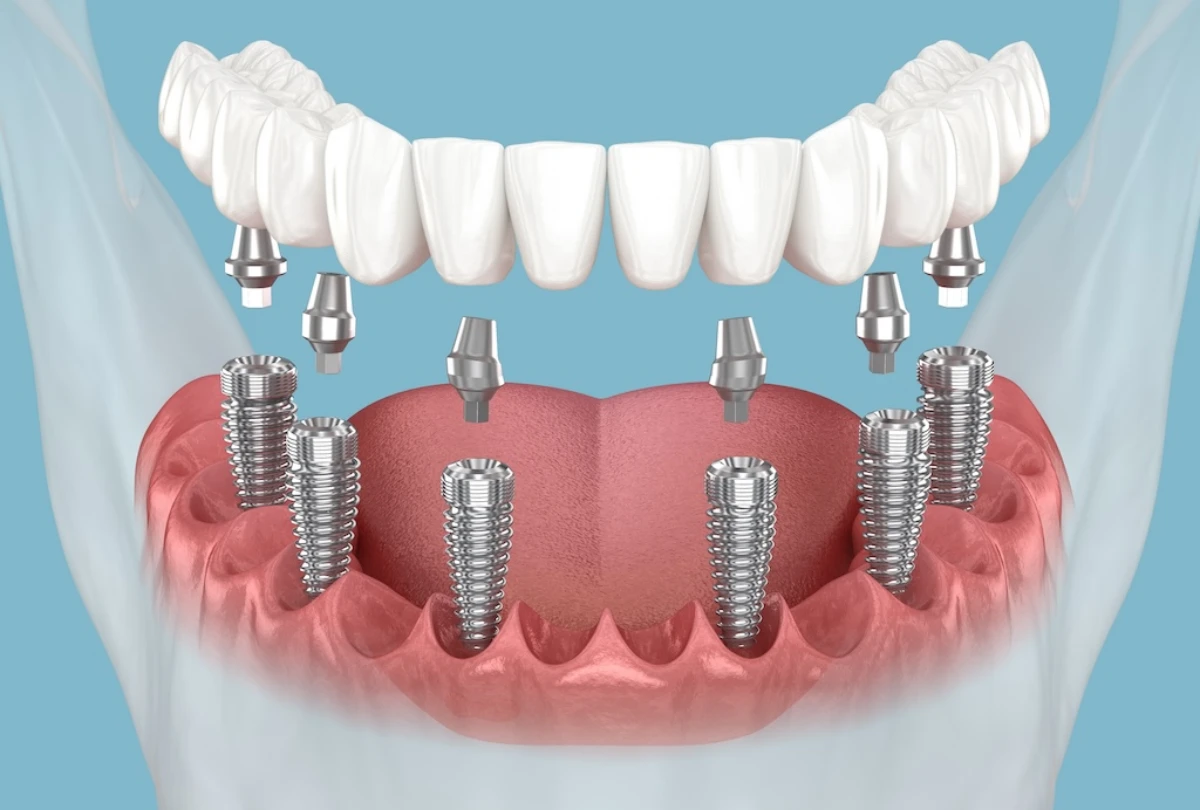
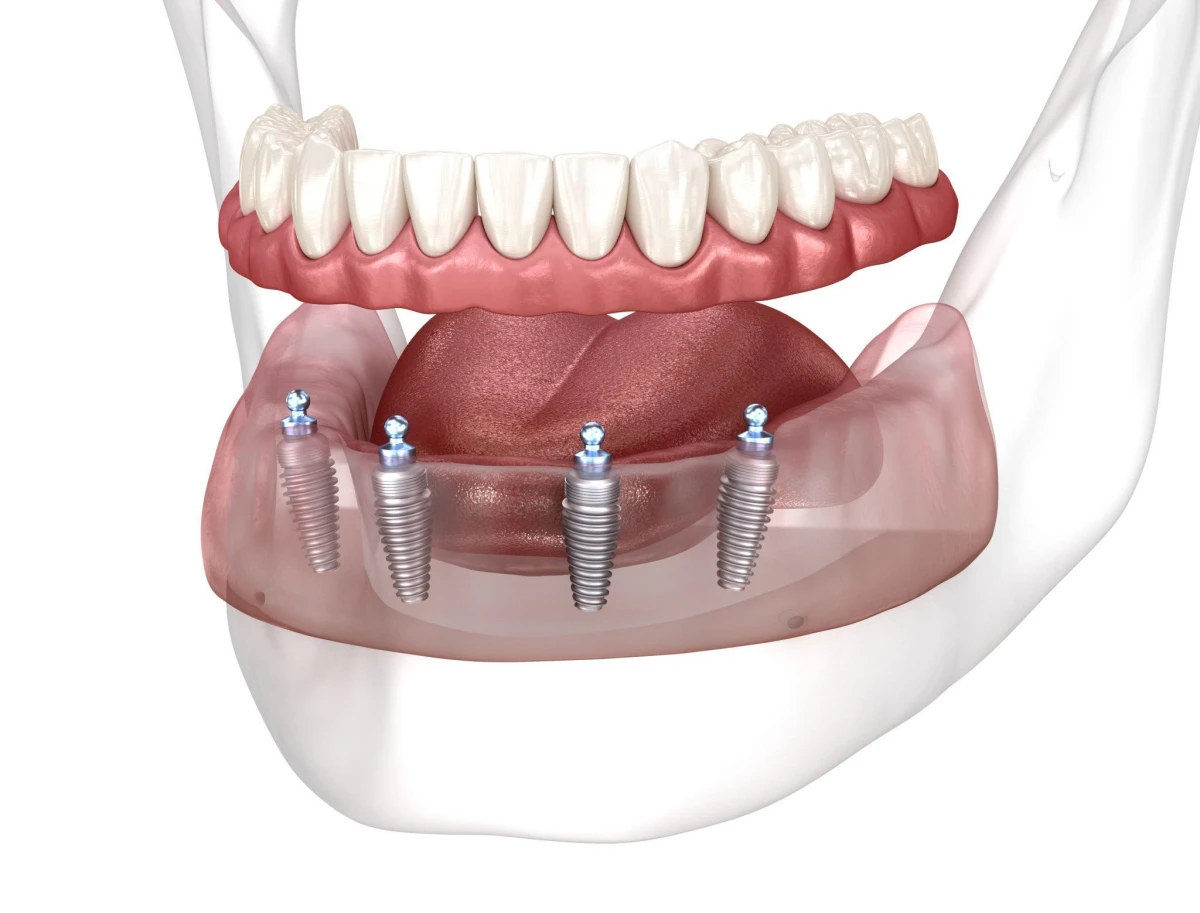

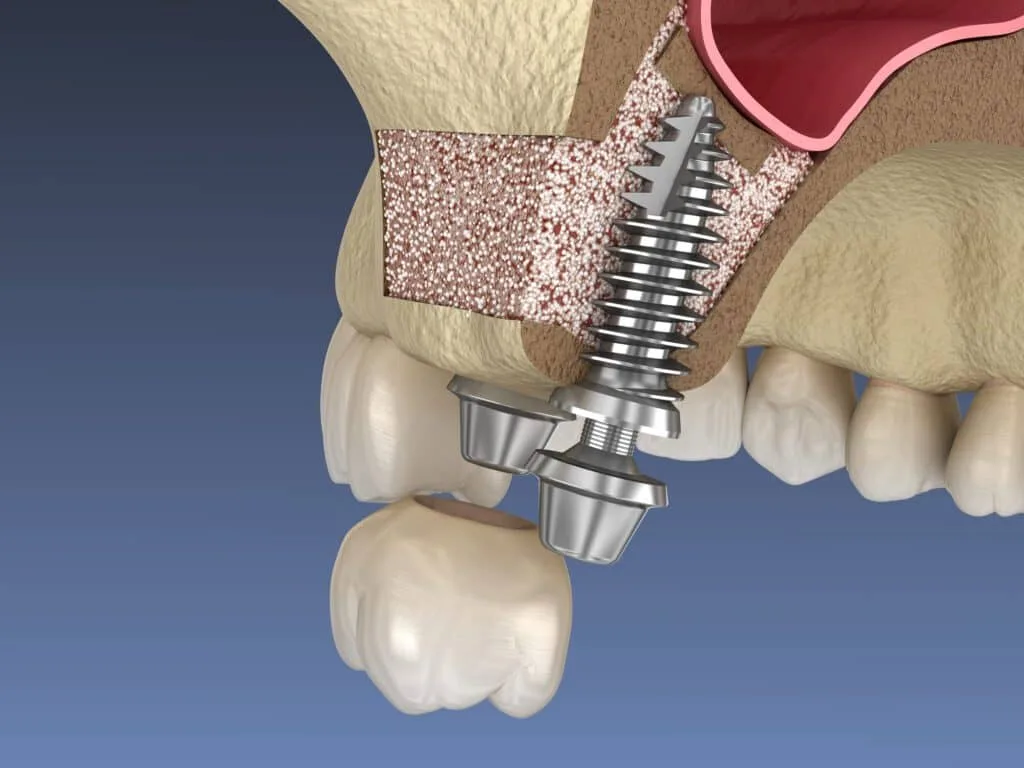
Full mouth implant treatment is a comprehensive rehabilitation planned to restore chewing function and a sense of stability when no teeth remain in the mouth or when the existing teeth have a prognosis that does not allow them to be preserved in the long term. What we mean by “full mouth” here does not refer to a single standard treatment; it may be planned for the upper jaw, the lower jaw, or both together, and the entire process changes depending on whether the superstructure will be fixed or removable. The most common problems patients describe are a loose denture, sore spots, insecurity while speaking, and movement of the denture while eating. In full mouth implant treatment, the goal is to create an infrastructure stable enough to eliminate these everyday problems.The planning phase proceeds entirely on the basis of measurable data. The height and width of the jawbone are evaluated on a millimetric basis; anatomical boundaries such as the sinus floor, mandibular canal, and mental foramen are clearly identified. In the upper jaw, the bone may be more porous in many individuals; in those who have worn dentures for a long time, bone resorption becomes more pronounced. This affects the number and position of implants; in some cases, sinus-related surgeries or bone augmentation may become necessary. Although the bone in the lower jaw may be denser, planning still requires precision because of the proximity of the mandibular canal.The most critical decision in full mouth implant treatment is the type of superstructure. An implant-supported removable denture (for example, locator/ball attachment systems) and a fixed bridge/prosthesis (such as a screw-retained restoration on multiple implants) do not meet the same expectations; one offers a removable system that is easier to clean, while the other is closer to the feeling of “fixed teeth.” As dentists, we do not make this decision based only on esthetics; we also consider practical factors such as the need for lip support, the smile line, chewing force, hygiene capacity, and the patient’s manual dexterity. To make it clear: in full mouth implant treatment, even a “good implant” will not provide the desired comfort if it is not planned specifically for the individual; planning and prosthetic design are just as decisive as the surgery itself.
What Is Full Mouth Implant Treatment?
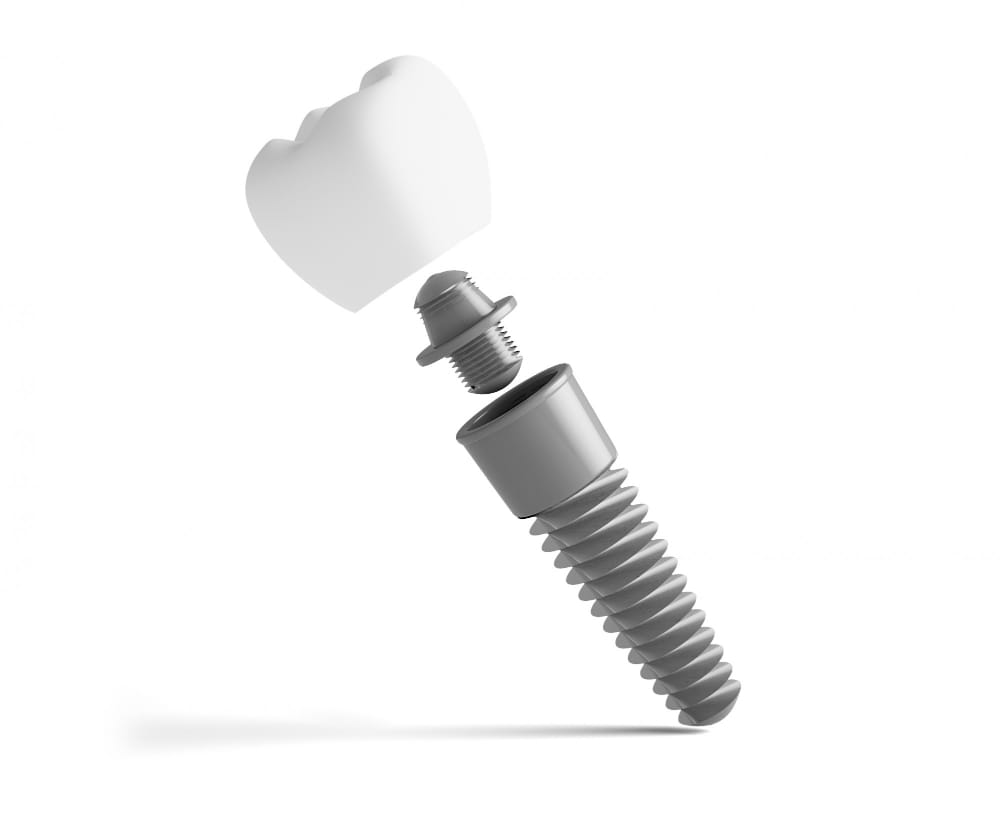
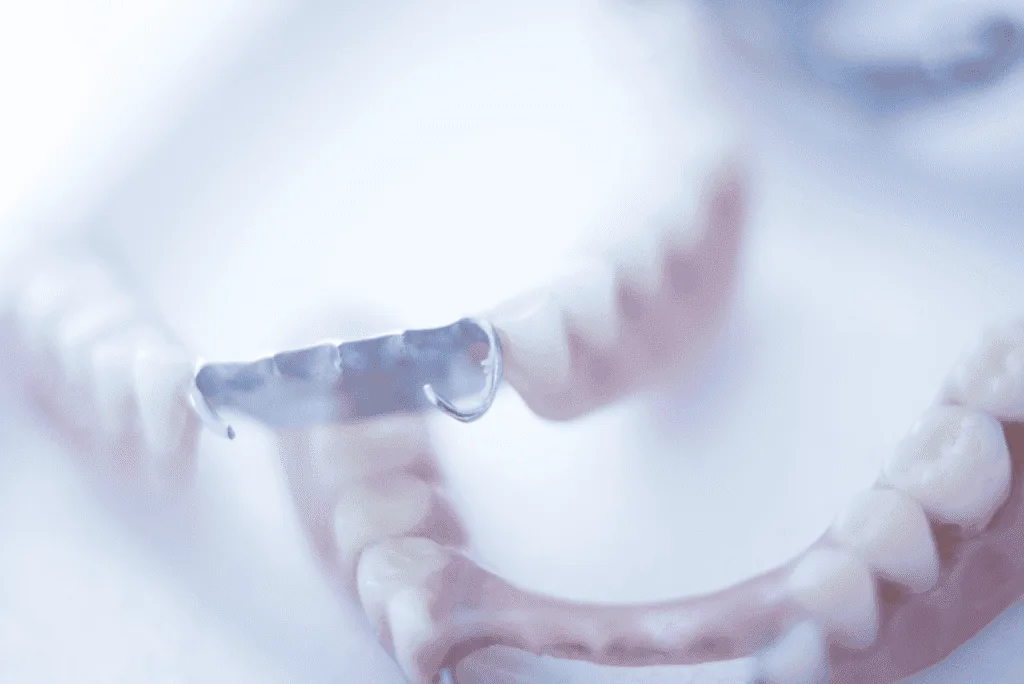
Full mouth implant treatment is a procedure in which a new set of teeth is created on implants in cases where teeth are completely missing in the upper jaw, lower jaw, or both jaws, or where the existing teeth are so severely damaged that extraction is necessary. Here, the implants act as the supporting foundation of the prosthesis. The final goal of the treatment is for the patient to chew comfortably, for the prosthesis not to move while speaking, for facial esthetics—especially lip support—to be preserved, and for maintenance to remain sustainable.There are two main prosthetic approaches in full mouth implant treatment: fixed and removable. Fixed restorations are generally planned as screw-retained bridges/prostheses on multiple implants and give the patient the feeling of “fixed teeth.” Removable implant-supported dentures, on the other hand, attach to implants with special attachments and can be removed and cleaned by the patient; they offer a hygiene advantage, especially for patients with good manual dexterity who can maintain regular cleaning. There is no single answer to the question “Which is better?” because in patients with a high need for lip support, marked bone loss, or limited cleaning capacity, a removable solution may become the more appropriate option.In this treatment, the “number of implants” is also not determined by rule of thumb. Bone volume, jaw shape, prosthesis design, and the condition of the opposing jaw are all evaluated together. Boundaries such as the proximity of the sinus in the upper jaw and the mandibular canal in the lower jaw affect implant placement. For this reason, full mouth implant treatment can only be designed safely after radiological measurements and clinical examination.
How Is Full Mouth Implant Treatment Performed?
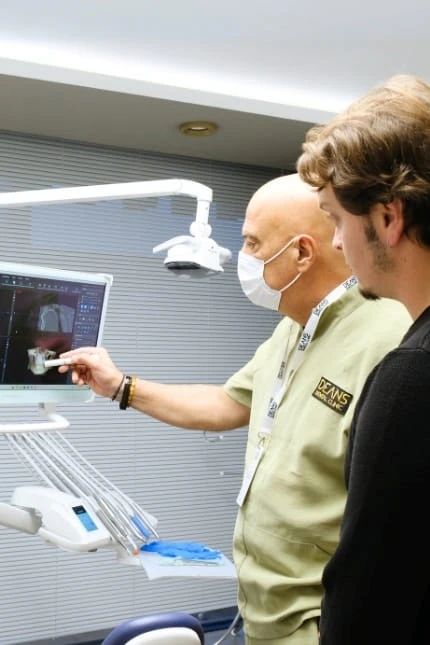
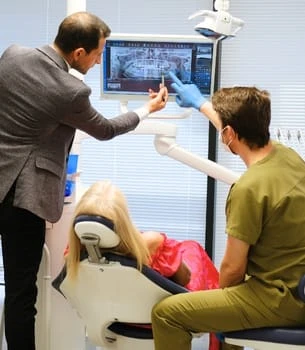
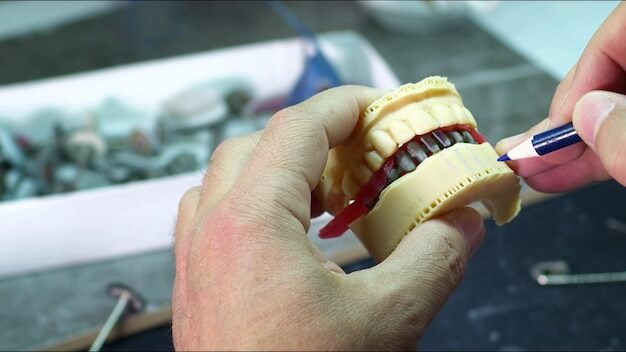
The process begins with a comprehensive examination and planning phase. During the intraoral examination, the soft tissues, the condition of any remaining teeth, the bite relationship, jaw joint complaints, pressure sores caused by dentures, and mouth opening are evaluated. On the radiological side, a panoramic X-ray provides the initial overview; in full mouth implant planning, 3D imaging (CBCT) often plays a critical role. With CBCT, structures such as bone height and width, the sinus floor, the mandibular canal, and the mental foramen are measured. Without these measurements, saying “an implant can be placed here” is not a safe clinical approach.During the surgical stage, extractions and implant placement are planned if necessary. In some patients, implants can be placed in the same session as the extraction; this decision is made based on criteria such as the presence of infection, the condition of the extraction socket, and the implant’s primary stability. If primary stability is sufficient, a temporary fixed tooth plan may be possible in some cases; if stability is low, a healing protocol that protects the implants from loading is more appropriate. The goal in surgery is to place the implants at the correct angle and in the correct position without causing unnecessary trauma to the tissue, because in full mouth restorations, even a 1–2 mm angular error can lead to major compensations in the superstructure.At the prosthetic stage, impressions are taken, jaw relation records are made, and trial stages are carried out. In full mouth cases, the “bite height” (vertical dimension) and phonetic trials are important; if the patient has difficulty with “s” and “f” sounds, the tooth arrangement and lip support are reassessed. After delivery of the final restoration, bite adjustment and maintenance instruction are provided. In this treatment, hygiene instruction is half the job, because the health of the tissues around the implants is preserved through proper cleaning.
Who Is Suitable for Full Mouth Implant Treatment?
Suitability for full mouth implant treatment is evaluated based on bone volume and whether the patient’s general health condition can safely tolerate surgery. Jawbone measurements are taken; in patients who have been without teeth for a long time, bone resorption may be significant. This does not mean implants are impossible; however, it may require bone augmentation, sinus-related procedures, or different prosthetic designs. The proximity of the sinus cavity in the upper jaw and the mandibular canal in the lower jaw directly affect the treatment plan.On the general health side, chronic diseases that are under control can usually be managed. In diabetes, for example, if blood sugar regulation is poor, healing is prolonged and the risk of infection increases; for this reason, the medical condition is carefully evaluated. If there are factors such as certain medications affecting bone metabolism, immunosuppressive treatments, or a history of radiotherapy, the surgical plan is made more cautiously. The patient must share all medications and the full medical history completely.Smoking is a risk factor, especially for soft tissue healing and the tissues around the implants. In full mouth implant treatment, the effect of smoking becomes even more important because there is a wide surgical field and multiple implants are involved. Treatment can also be performed in patients with clenching or grinding habits; however, the prosthesis design and bite adjustment are planned more sensitively for force control, and a night guard recommendation becomes more common.Hygiene capacity and manual dexterity are also part of suitability. It is not correct to provide a fixed restoration to every patient who wants one, because cleaning underneath a fixed prosthesis requires a certain level of discipline. Removable implant-supported dentures may be easier to clean; this decision is related to the patient’s daily routine and long-term sustainability.
What Should Be Considered Before Full Mouth Implant Treatment
Before treatment, the most important step is to bring infection sources and soft tissue problems in the mouth under control. If there are advanced infections, periodontal problems, or abscessed areas in the remaining teeth, they are evaluated, and the extraction plan is scheduled correctly. If the patient’s current denture causes sore spots, how this denture will be used during the post-surgical healing period should also be discussed in advance.Radiological planning is not an optional step in full mouth cases; in most cases, it is essential. With CBCT, bone is measured and anatomical boundaries are identified. Surgery is not started until safe distances from structures such as the sinus floor in the upper jaw and the mandibular canal in the lower jaw are clearly established. At this stage, the type of prosthesis planned also becomes clear: fixed or removable, whether there is a temporary tooth plan, and how jaw relation records will be taken. These factors directly affect the treatment schedule.Medical preparation is also not neglected. Blood thinners, diabetes medications, cardiovascular diseases, allergies, and previous surgical complications are discussed. If necessary, consultation with the relevant physician is arranged. The patient’s nutrition plan and post-operative rest schedule should also be arranged in advance; in extensive surgical procedures, a more controlled pace during the first 48–72 hours is beneficial.If the patient smokes, the goal of reducing or pausing smoking should be clarified before the procedure. Since tissue healing in full mouth implant treatment occurs over a larger area, the negative effects of smoking may be more pronounced. In addition, if the patient obtains the post-surgical care tools in advance—such as an interdental brush, special floss, and an oral irrigator—they are generally better prepared and experience less difficulty during the healing period.
What Should Be Considered After Full Mouth Implant Treatment
During the first days after surgery, swelling, tenderness, and sometimes bruising may occur. The patient should not go beyond the medications and care instructions given by the dentist. If there are signs such as increasingly severe pain, bad odor, discharge, fever, or uncontrolled bleeding within the first 24–72 hours, the clinic should be informed. Soft and lukewarm foods are preferred in terms of nutrition; hard and granular foods are not recommended in the early period. If there is a temporary prosthesis, it should be used according to the dentist’s instructions; a prosthesis that places pressure on the tissue may make healing more difficult.Hygiene becomes even more important in full mouth implant treatment. In fixed restorations, special floss, interdental brushes, and, for many patients, an oral irrigator are recommended for cleaning under the prosthesis. In removable implant-supported dentures, the prosthesis can be removed and cleaned in more detail; for many patients, this makes maintenance easier. Whatever the system, plaque accumulation around implants can quickly cause gum bleeding and swelling; when addressed early, it is easier to manage.Smoking may negatively affect healing. In full mouth surgeries, the effect of smoking on the tissues becomes more visible; pausing smoking or reducing it significantly during the early healing period may improve the clinical course. If there is a habit of teeth clenching, it is important to use the night guard recommended by the dentist, because the forces placed on multiple implants may strain the components of the restoration.Follow-up appointments should not be neglected. Suture removal, soft tissue evaluation, bite adjustment, hygiene instruction, and radiographic checks when necessary are performed at this stage. Full mouth implant treatment does not remain stable for years with the mindset of “I had it done once and that’s it”; it stays stable with regular maintenance and follow-up.
In Which Situations Is Full Mouth Implant Treatment Applied?
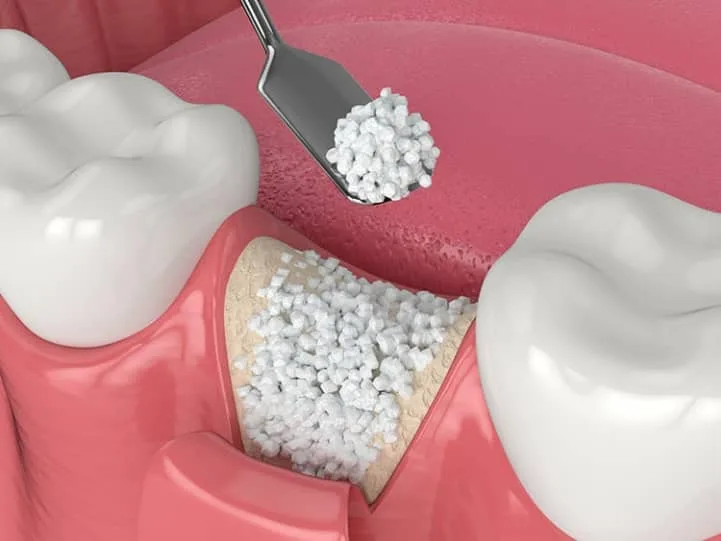
Full mouth implant treatment is most commonly applied in cases where no teeth remain in the mouth, or where the existing teeth are severely mobile, fractured, infected, and cannot be preserved in the long term. It is also a strong option for patients who have used full dentures for years and whose quality of life has declined because the denture moves, causes sore spots, or shifts while eating. Some patients try to get through the day with denture adhesives; this is a short-term solution and usually does not provide real comfort.The longer the period without teeth, the more bone resorption may increase. In such cases, the implant plan is shaped according to the current condition of the bone: if the sinus floor is close, sinus-related procedures may come into consideration; if bone volume is insufficient, methods such as grafting may be needed. Full mouth rehabilitation is also planned in patients whose jaw relationship has deteriorated and whose bite height has decreased, because this condition may affect both facial esthetics and jaw joint comfort.
Why Is Full Mouth Implant Treatment Performed?
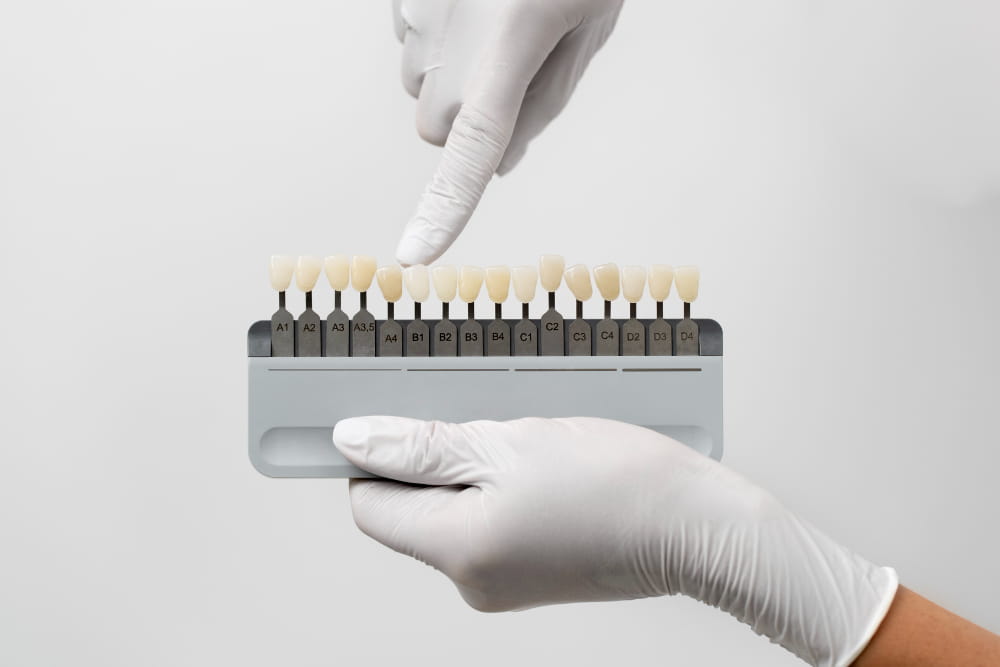
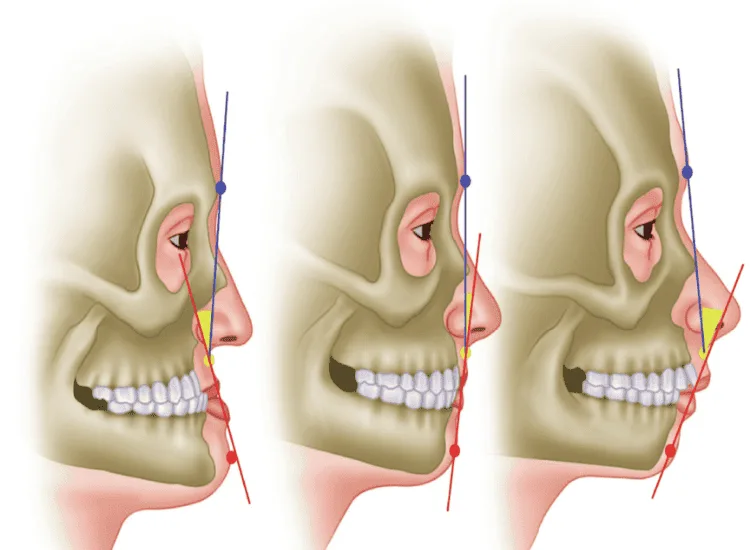
The main reason for full mouth implant treatment is to restore chewing function and prosthesis stability. In toothless patients or those using poorly fitting dentures, chewing efficiency decreases and the person unconsciously turns toward softer foods. The movement of the denture while speaking may reduce self-confidence in social settings when smiling and talking. Full mouth implant treatment aims to reduce these daily problems.Another reason is facial esthetics and lip support. In edentulism or with long-term denture use, the jawbone may resorb; lip support decreases, and collapse may appear in the lower third of the face. A correctly planned prosthesis design can make lip support and facial proportions more balanced. This is why treatment is carried out with measurements; vertical dimension records, phonetic trials, and try-in stages are performed for this reason.Patients who want the feeling of fixed teeth also prefer this treatment. However, the desire for fixed teeth alone is not a sufficient reason; if cleaning capacity, bone volume, and prosthesis design are not suitable, a removable implant-supported prosthesis may be the better choice instead of a fixed one. For us, success means that the patient is genuinely comfortable in daily life.
How Long Does Full Mouth Implant Treatment Take?
The duration of full mouth implant treatment varies according to the total of the planning, surgery, biological healing, and prosthetic stages. In the first stage, the examination, imaging (CBCT in most cases), jaw relation records, and treatment plan are prepared. In the surgical stage, extractions and implant placement may be performed; in some cases, implants are planned on the same day as the extraction, while in others healing is allowed first.After the implants are placed, a waiting period is required for osseointegration. Since bone density in the upper jaw may be lower, healing may be planned for a longer period in some patients; when the bone is denser in the lower jaw, the process may be more predictable. If bone grafting or sinus procedures are necessary, the maturation period of these procedures extends the treatment schedule. During the prosthetic stage, trial appointments, bite height adjustment, phonetic checks, and bite corrections are carried out. In full mouth cases, these trials are important so that the final result truly “fits” the patient.The exact duration can be stated most accurately only after examination and radiological measurements, because even under the same “full mouth” heading, bone volume and tissue quality vary significantly from patient to patient.
Full Mouth Implant Treatment Prices
The prices of full mouth implant treatment depend on many variables, such as how many jaws will be treated (upper, lower, or both), the number of implants, the type of prosthesis selected (fixed or removable), the superstructure materials to be used, additional surgical requirements (bone grafting, sinus procedures, soft tissue corrections), imaging, and laboratory processes. In this treatment, stating “one single price” is often misleading, because two patients under the same heading do not have the same needs.
A clinical examination is necessary in order to provide clear and accurate pricing information. During the examination, bone measurements are taken, anatomical boundaries are evaluated, and the prosthetic design that is most suitable for you is determined; based on this, a transparent cost plan is prepared. To receive up-to-date and personalized information about full mouth implant treatment prices, you should contact us.