
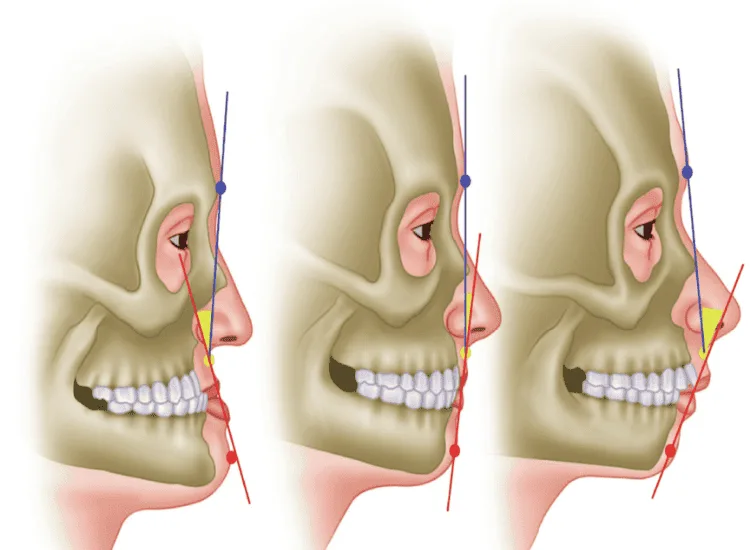
Jaw correction surgery (orthognathic surgery) is a treatment process that surgically repositions the lower jaw (mandible), upper jaw (maxilla), or both to improve facial aesthetics, bite function, and respiratory functions. This surgery differs from conventional orthodontic treatments aimed at straightening teeth; it is indicated when the primary issue lies in the skeletal position and relationship of the jaws. Regardless of how well the teeth are aligned, if there is a significant mismatch between the jaws in the forward-backward, vertical, or side-to-side directions, achieving an ideal bite and balanced facial proportions solely through orthodontics may not be possible. In such cases, orthodontics and jaw surgery are planned together.
Orthognathic surgery focuses on both function and aesthetics. Functionally, it aims to increase chewing efficiency, assist proper pronunciation of certain sounds during speech, reduce uneven forces on the jaw joint, and improve breathing problems caused by airway narrowing in some patients (such as skeletal-related narrow upper jaw or retruded lower jaw). Aesthetically, the goals include balancing the lower-middle-upper facial thirds, improving the profile view, correcting the chin position, and reducing asymmetries. It is important that aesthetic improvements are achieved alongside functional accuracy; because proper occlusion is essential for long-term stability.
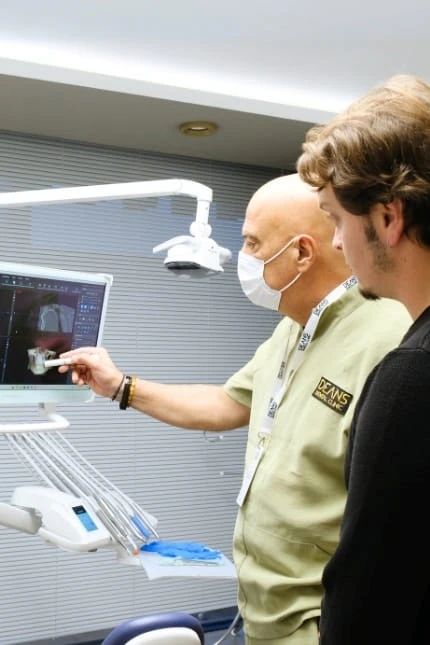
This surgery should not be considered a “one-day” procedure. In most cases, the process includes detailed diagnosis, orthodontic preparation (positioning the teeth for surgery), the surgical stage, and postoperative orthodontic finishing phases. During planning, three-dimensional imaging (CBCT), cephalometric analysis, digital scanning, photographic assessments, and surgical simulations may be used. The surgical plan is prepared with millimetric precision because changes in jaw position affect the bite, facial soft tissues, and airway dynamics together.
The surgery is usually performed through incisions inside the mouth, which reduces the likelihood of visible scars on the face in most cases. The jawbones are moved to the planned position and stabilized with titanium plate-screw systems. In some cases, genioplasty may be added for chin aesthetics. In the postoperative period, swelling, bruising, temporary numbness, changes in nutrition habits, and activity restrictions for a certain period are expected. Recovery follow-up is conducted in coordination between the surgeon and orthodontist. Depending on the individual, it may take time for the soft tissues to settle and for the final facial appearance to become clearer; thus, patience and regular follow-up compliance are very important throughout the process.
What is Jaw Correction Surgery?
Jaw correction surgery is a planned surgical intervention to correct the skeletal position of the jaws. Jaw discrepancies may present as the lower jaw being forward or backward, the upper jaw being retruded, a narrow upper jaw, open bite (front teeth not touching), deep bite, crossbite, or facial asymmetry. These problems are not merely aesthetic concerns; they can cause functional consequences such as chewing difficulties, speech problems, tooth wear, gum issues, and temporomandibular joint disorders.
Orthognathic surgery is usually performed in conjunction with orthodontic treatment. Orthodontics not only aligns the teeth properly but also positions them suitably for the postoperative occlusion. In patients with skeletal problems, the teeth may have tilted over time to compensate for the discrepancy. When the jaw relationship is corrected surgically, these compensations must be corrected orthodontically. Therefore, accurate diagnosis and teamwork are critical for treatment success.
How is Jaw Correction Surgery Performed?
The process begins with a multidisciplinary evaluation. Oral, dental, and maxillofacial surgery specialists work together with orthodontists. Initially, a clinical examination is conducted: bite relationships, facial proportions, profile analysis, smile
Midline, Midline Shift, and Asymmetry Evaluation
Following this, imaging and records are taken. Cephalometric radiograph analyses, CBCT (3D tomography), intraoral digital scanning/measurement, photographic records, and in some cases 3D facial scanning may be included in the planning. Using this data, the amount and direction of surgical movements (in millimeters) are determined.
In most cases, there is a pre-surgical orthodontic preparation period. During this time, the teeth and jawbones are aligned to achieve an ideal occlusion when positioned correctly. Then, surgical splints (plates that guide occlusion during surgery) are prepared. Surgery is performed under general anesthesia in a hospital setting. Techniques such as Le Fort I osteotomy for the upper jaw and sagittal split osteotomy for the lower jaw may be applied depending on the case requirements. Once the jaws are positioned as planned, they are fixed with plates and screws.
Postoperatively, the patient is monitored for a certain period. In the initial days, management of swelling and pain, oral hygiene, nutrition protocol, and occlusal guidance with elastics may be planned. Healing is monitored through surgeon and orthodontist follow-ups. Orthodontic treatment typically continues post-surgery to fine-tune occlusion. This aims to achieve both skeletal and dental harmony.
Who is Suitable for Jaw Correction Surgery?
Jaw correction surgery is suitable for patients with significant jawbone positional abnormalities that cannot be resolved with orthodontics alone. Typical conditions in suitable candidates include:
- Noticeable anteroposterior mismatch between upper and lower jaws (Class II / Class III)
- Open bite or severe crossbite
- Significant facial asymmetry and midline deviation
- Marked difficulty in chewing function and rapid tooth wear
- Speech difficulties in certain sounds (case-dependent)
- Suspected airway problems related to skeletal structure and snoring/sleep issues (after evaluation)
It is important that growth and development have been completed for eligibility, as jaw relationships may change during active growth phases. Therefore, the surgical plan is made according to age and developmental status. Additionally, general health conditions—such as anesthesia suitability, control of systemic diseases, and smoking habits—are assessed. Realistic expectations are crucial: the surgery aims to correct facial proportions and occlusion; however, each individual’s soft tissue response varies and the final facial appearance becomes clearer during long-term healing.
What to Consider Before Jaw Correction Surgery
The most critical step prior to surgery is full compliance with the planned orthodontic preparation and surgical planning. Orthodontic treatment must reach a certain phase; surgery performed too early or late may complicate achieving the occlusal goals. Therefore, it is important not to miss appointments and to follow the orthodontist’s instructions regarding elastics and appliance use.
Medically, all medications, allergies, bleeding disorders, previous surgery/anesthesia history, and systemic diseases (such as diabetes, thyroid disorders, hypertension) must be fully disclosed. If the patient smokes, quitting or significantly reducing smoking improves healing quality and reduces infection risks. The nutrition plan should be discussed preoperatively because a soft/liquid diet will be necessary for a while after surgery. Arranging home care and having a companion for support facilitates the recovery process.
Oral hygiene should be at a high standard before surgery. Gum inflammation increases the risk of postoperative infection and can impair healing. Professional cleaning and hygiene instructions may be planned before surgery if necessary. Also, medications, oral care products, and follow-up schedules for the postoperative period should be clarified in advance.
What to Consider After Jaw Correction Surgery
The first days after surgery are critical for swelling and comfort management. Swelling usually peaks between 48 to 72 hours after surgery and then gradually decreases, although it may last longer for some individuals. The patient should take the surgeon’s prescribed medications regularly and apply cold compresses as recommended.
Postoperative Care Recommendations
If applicable, protocols such as applying incision protocols and keeping the head elevated should be followed. Since there are intraoral incisions, oral hygiene is very important; cleaning should be continued with a soft toothbrush and antiseptic mouth rinses according to the dentist’s recommendations.
The nutritional protocol is generally phased. The initial period begins with softer/liquid foods; hard foods requiring chewing may be restricted for a certain period. Adequate protein and calorie intake support healing; therefore, the nutrition plan should be made consciously. Issues such as dehydration and constipation may occur, especially in the first days; fluid intake and recommendations from the dentist are important in this regard.
Temporary numbness (especially in the lower lip/chin area) may be observed in some cases; healing occurs over time depending on the involvement of nerve tissue. Jaw movements and physical activity should be controlled during the period recommended by the surgeon. Follow-up appointments should not be missed; elastic use, biting guidance, and orthodontic monitoring should be maintained regularly. If signs of infection (increased pain, foul odor, fever, unexpected swelling) occur, the clinic should be informed without delay.
When Is Jaw Correction Surgery Performed?
Orthognathic surgery is applied in cases where skeletal discrepancies between the jaws are pronounced. Examples include:
- Skeletal Class III cases where the lower jaw is positioned forward
- Class II cases where the lower jaw is retruded, disturbing the profile balance
- Anterior open bite (lack of contact between front teeth)
- Crossbite due to maxillary constriction (sometimes combined with expansion protocols)
- Facial asymmetry, jaw deviation, midline discrepancies
- Jaw relationship disorders following trauma
- Jaw problems related to congenital conditions such as cleft palate/lip (managed with a team approach)
Not every occlusal disorder requires surgery. Mild to moderate cases can often achieve successful outcomes with orthodontics alone. Surgical indications are determined based on measurements and 3D analyses.
Why Is Jaw Correction Surgery Performed?
This surgery is performed to correct occlusion, improve chewing function, reduce wear and trauma on teeth, balance uneven loads on the temporomandibular joint, and harmonize facial aesthetics. Occlusal disorders can increase the risk of rapid tooth wear and fractures in some patients. Additionally, improper occlusion can raise the risk of periodontal problems and tooth loss in the long term. Correcting skeletal discrepancies aims to enable teeth to function with a more balanced load distribution.
Esthetic considerations also provide a strong motivation. Jaw retrusion or protrusion can significantly affect facial profile. Asymmetry can cause imbalance in facial expression. Orthognathic surgery improves facial proportions and jaw projection, resulting in a more balanced appearance. However, the goal is not “a single ideal face,” but to achieve the most natural and functional harmony according to the individual’s facial structure.
In some cases, respiratory function is also considered. Especially in patients with a retruded lower jaw, airway volume can be affected. In such cases, multidisciplinary evaluation is conducted and the functional contributions of surgery are taken into account in the treatment plan.
How Long Does Jaw Correction Surgery Take?
The duration of the surgery depends on the scope of the surgical movements to be performed (single jaw or double jaw), additional procedures (such as genioplasty), the degree of asymmetry in the case, and the detail of the planning. However, the total treatment time is not limited to the day of surgery alone. Most cases have a presurgical orthodontic preparation period and a postsurgical orthodontic finishing phase. Therefore, the process can extend over months or even longer for some cases.
Regarding recovery; swelling and dietary adaptation are the primary concerns during the first few weeks. It takes time for the soft tissues to settle and for the facial appearance to become clearer. Follow-ups, elastic use, and orthodontic fine-tuning are parts of the treatment duration. The surgeon and orthodontist will clearly communicate your personal schedule after examination.
Return to daily life varies by individual. Some people recover earlier, while b
Swelling and Fatigue Duration
Swelling and fatigue may last longer in some individuals. When planning work or school schedules, follow-up appointments and nutritional routines should also be considered.
Jaw Correction Surgery Prices
The prices for jaw correction surgery vary depending on the scope of the procedure (single/double jaw), additional procedures (such as genioplasty), hospital and operating room requirements, the plates and screws system to be used, imaging and 3D planning steps, length of hospital stay, orthodontic treatment requirements, and follow-up protocols. Additionally, the case’s level of difficulty and need for a multidisciplinary approach also affect the overall plan.
To receive up-to-date and personalized information about jaw correction surgery prices, you should contact us. After examination, imaging, and orthodontic evaluation clarify the surgical plan, the process and associated costs will be shared transparently.