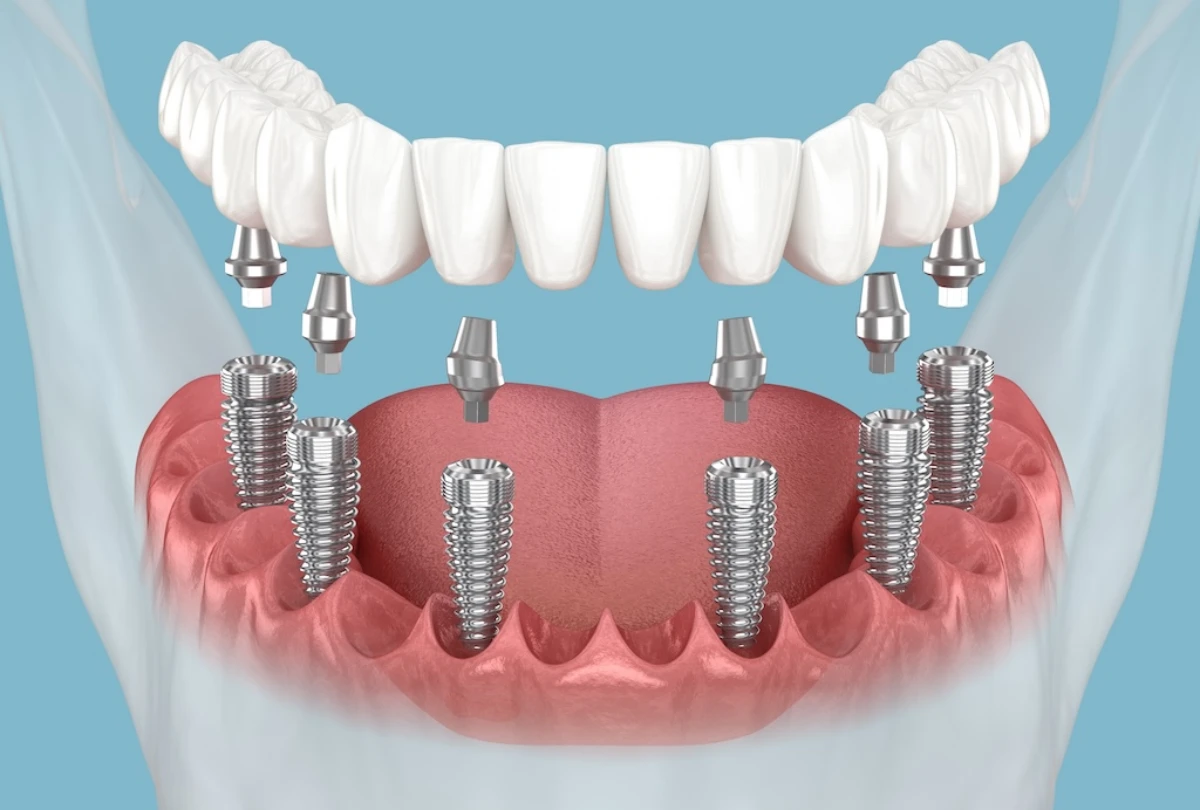

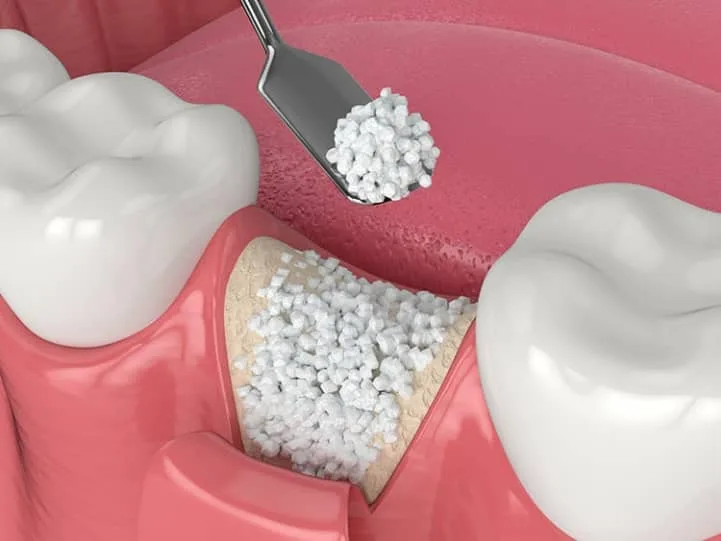
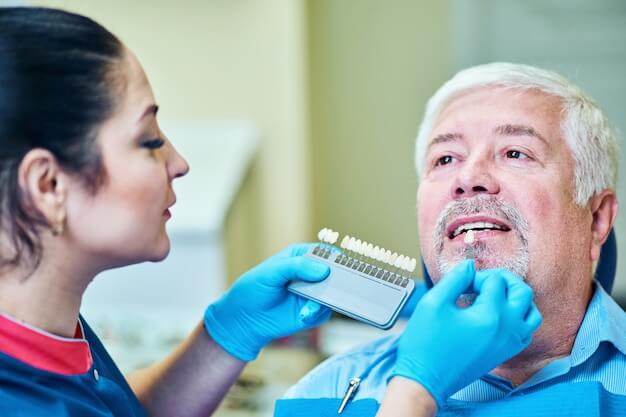
All on 5 implant treatment is a rehabilitation approach that aims to restore function to an edentulous jaw (upper, lower, or both) with a fixed restoration supported by 5 implants. It carries the same “full-arch fixed teeth” idea as All on 4; the difference is that, by increasing the number of supporting posts, load distribution can be planned more evenly. In clinical practice, the 5th implant is sometimes placed at the midline and sometimes in a strategic area to increase posterior support.
This seemingly small difference may help reduce the cantilever length of the prosthesis, especially in the posterior regions where chewing forces are high. As the cantilever gets shorter, the lever effect decreases; this helps control problems such as screw loosening, material fracture, or stress around the implants. The planning phase is not done by guesswork.
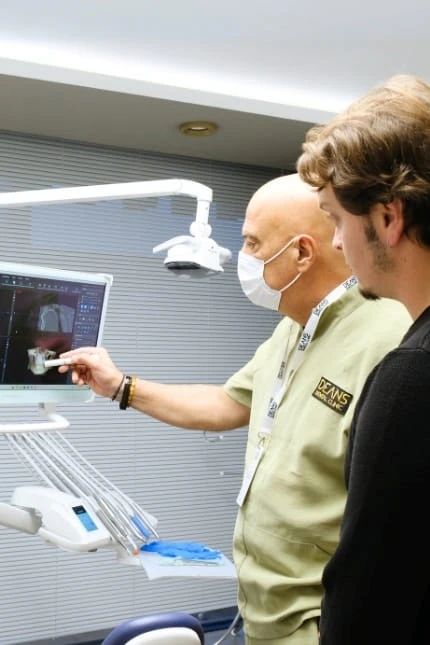
With 3D imaging (CBCT), bone height and width are measured at the millimeter level; anatomical boundaries such as the sinus floor and nasal floor in the upper jaw, and the mandibular canal and mental foramen in the lower jaw, are clearly identified. The angulation of the implants, the distance between them, and the prosthetic connection plan (such as screw retention) are all considered together. Because even a 1–2 mm positional difference in full-arch restorations can alter the cleanability under the prosthesis, phonetic adaptation, and bite balance.
What patients usually expect from this treatment is clear: a prosthesis that does not move, confidence while eating, and comfort while speaking. For someone who has lived with a removable full denture, the feeling of a fixed bridge provides a major improvement in comfort. Still, it must be said honestly: All on 5 is not a procedure that should be marketed as “suitable for everyone” or as giving the same result in every jaw.
Factors such as bone volume, soft tissue quality, hygiene capacity, smoking, diabetes control, and clenching habits determine suitability. For this reason, proper candidate selection and proper prosthetic design are more decisive than the number of implants itself.
What Is All on 5 Implant Treatment?
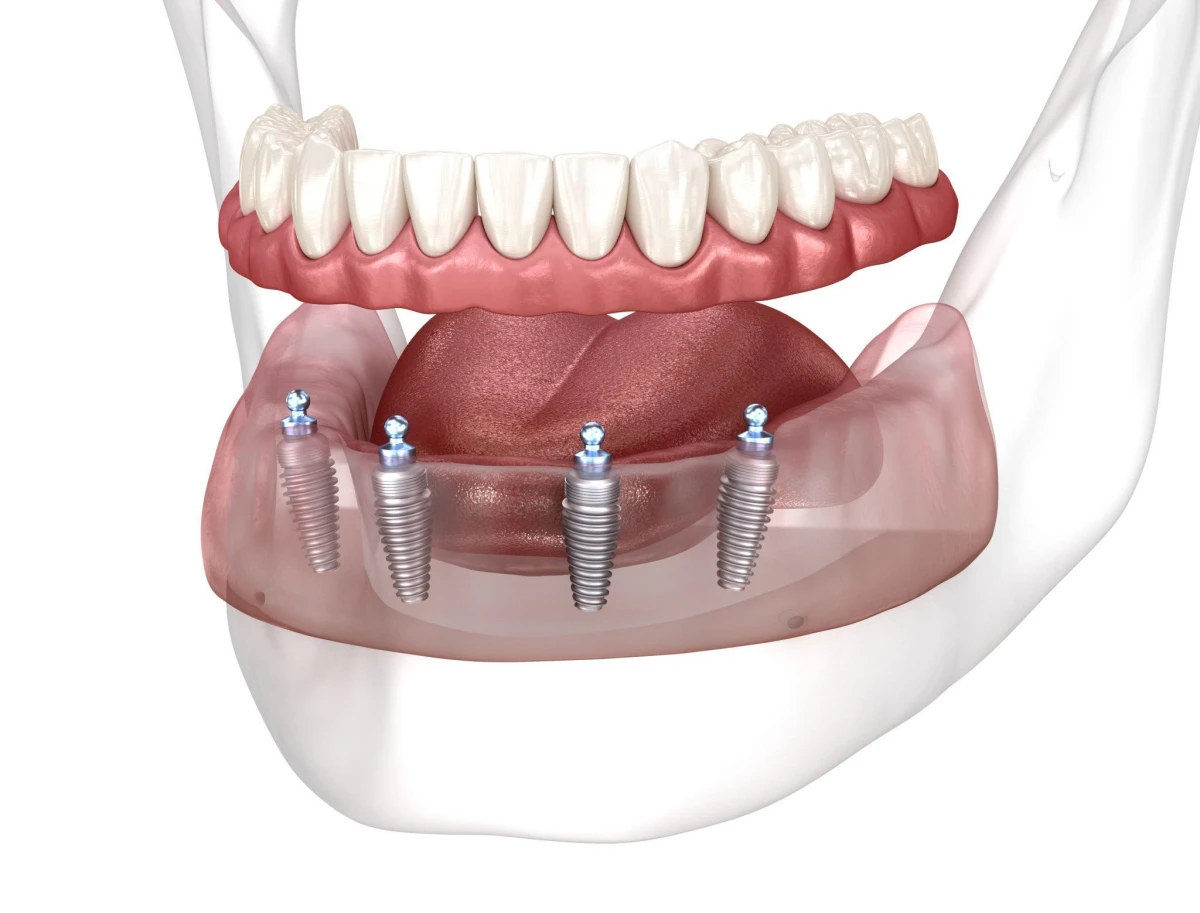
All on 5 implant treatment is a treatment concept in which a fixed prosthesis in an edentulous jaw is supported by 5 implants. In this concept, the aim is to increase the number of implants in order to distribute forces over a wider area and improve the support capacity of the prosthesis in the posterior region. In full-arch fixed restorations, chewing forces increase significantly in the posterior area; carrying these forces in a more controlled manner is important for long-term stability.
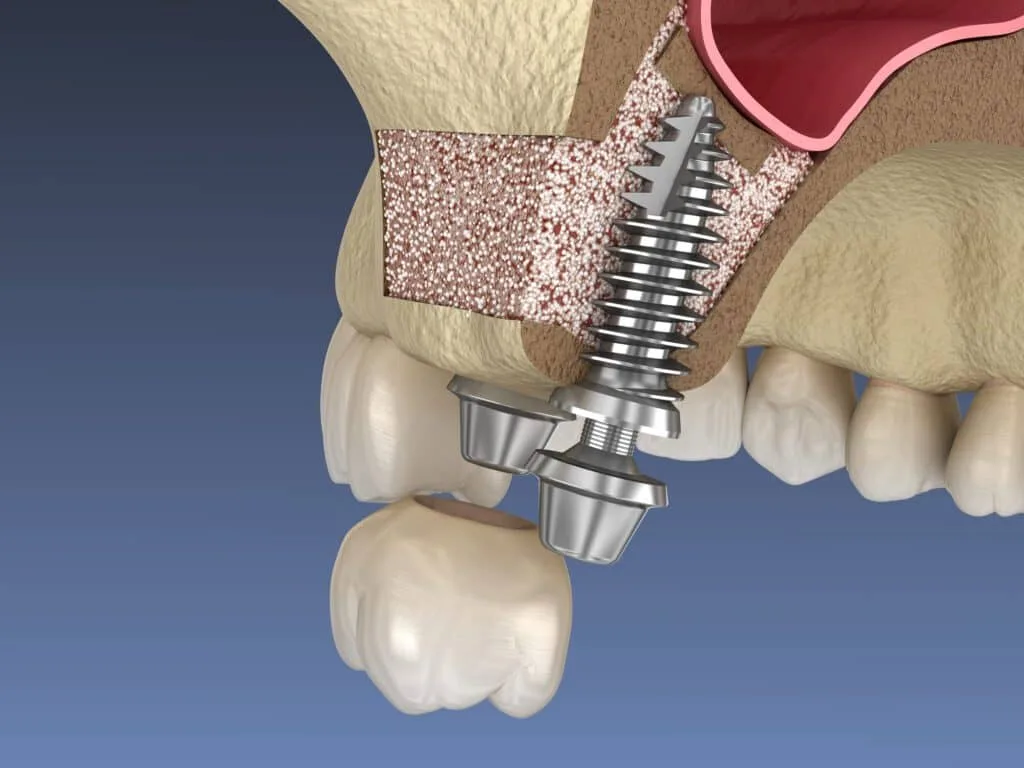
The placement of the 5 implants varies according to the anatomy of the jaw. Implants placed more vertically in the front region and angled implants in the posterior region may be used together. In some cases, the 5th implant provides support in the “middle” part of the prosthesis and reduces flexure of the bridge; in others, it is positioned strategically to reduce the posterior cantilever. These details are planned together with the CBCT measurements and prosthetic design.
In a suitable case, a temporary fixed tooth may be planned early with All on 5. The main criterion here is the primary stability of the implants. If stability is not sufficient, the implants must be protected from early loading; the fixed prosthesis goal is maintained, but the timing is managed more carefully.
How Is All on 5 Implant Treatment Performed?
The first step is examination and imaging. During the intraoral examination, the soft tissues, the condition of any remaining teeth, the bite relationship, mouth opening, the fit of the existing denture, and jaw joint complaints are evaluated. On the radiological side, a panoramic film provides the initial overview; for full-arch plans such as All on 5, CBCT often plays a critical role. This is because the angles and positions of the implants, and their distances from anatomical boundaries, are managed with millimetric precision.
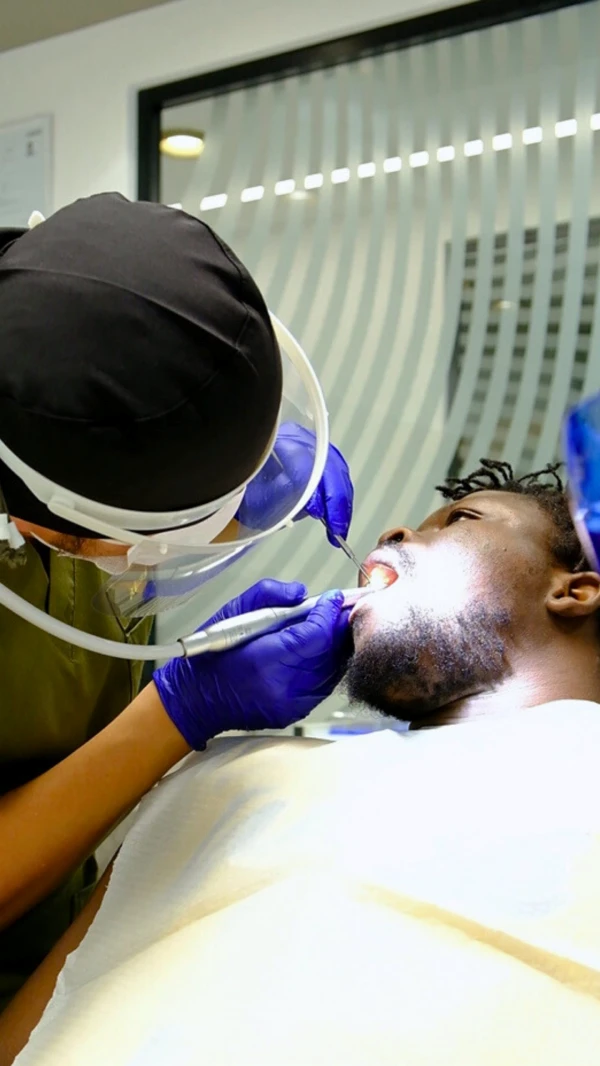
During the surgical stage, extractions are planned if needed and the implants are placed. After the implants are placed, primary stability is evaluated. If stability is adequate, a temporary fixed prosthesis may be possible on the same day or shortly afterward in some cases. The temporary prosthesis improves the patient’s esthetic and social comfort; however, chewing should be controlled during the initial period.
Testing the prosthesis with hard foods is not a good idea, because the goal in the early period is stable healing. At the prosthetic stage, impressions are taken, jaw relation records are made, and trial procedures are carried out. In full-arch cases, vertical dimension (bite height) and phonetic checks are important; if there is difficulty with the “s” and “f” sounds, the tooth arrangement and lip support are reassessed. During delivery of the final prosthesis, bite adjustment is performed meticulously.
In All on 5, bite arrangement is a practical detail that determines the lifespan of both the implants and the prosthesis.
Who Is Suitable for All on 5 Implant Treatment?
Suitability for All on 5 is assessed based on bone volume and whether the patient’s general health can safely tolerate surgery and healing. CBCT is used to measure bone height and width; boundaries such as the sinus floor in the upper jaw and the mandibular canal in the lower jaw are clearly identified. In patients with very thin bone, poor soft tissue quality, or inability to maintain oral hygiene, different options may be safer than a fixed design.
Chronic diseases that are under control can usually be managed. If diabetes control is poor, the risk of healing complications increases. Smoking may negatively affect soft tissue healing and the health of the tissues around the implants; in full-arch surgeries, this effect may be more pronounced. If there is clenching or grinding, the prosthetic design and bite adjustment must be done more carefully, and a night guard is often recommended.
Hygiene capacity and manual dexterity also determine suitability. The underside of a fixed prosthesis must be cleaned with special flosses, interdental brushes, and, in most patients, an oral irrigator. For patients who cannot maintain this routine, more cleanable alternatives are discussed.
What Should Be Considered Before All on 5 Implant Treatment?
Before treatment, infection sites in the mouth are evaluated. Teeth that require extraction, abscessed areas, and soft tissue problems are planned. If the patient is using an existing denture, it must be determined in advance how it will be used after surgery and whether it will press on the tissue. Starting All on 5 without CBCT planning is not correct.
The position and angulation of the implants are determined by taking anatomical boundaries into account. The patient’s medications, allergies, blood thinners, and systemic diseases are discussed in detail; if necessary, consultation with the relevant physician is arranged. If the patient smokes, the goal of reducing or pausing smoking should be clarified before the procedure. Planning a rest period for the first 48–72 hours after the operation significantly improves healing comfort.
Obtaining the hygiene tools to be used at home in advance—such as special floss, interdental brushes, and an oral irrigator—also makes the post-operative routine easier.
What Should Be Considered After All on 5 Implant Treatment?
Swelling and tenderness may occur in the first days. The medications and care instructions given by the dentist should be followed regularly. If there are signs such as increasing pain, bad odor, discharge, fever, or uncontrolled bleeding, the clinic should be informed. Soft and lukewarm foods are preferred in nutrition; hard and granular foods are not desired in the early period.
If a temporary fixed prosthesis has been placed, chewing should be controlled, especially during the first weeks. Hygiene is a critical topic in All on 5. The underside of the fixed prosthesis is cleaned with special flosses, interdental brushes, and, in most patients, an oral irrigator. Plaque accumulation can quickly cause bleeding and swelling around the implants. Smoking may negatively affect healing; pausing or reducing smoking in the early period improves the clinical course. Follow-up appointments are important for bite adjustment and screw checks.
In full-arch restorations, even a small change in bite height can, over time, lead to problems such as material fracture or screw loosening; therefore, follow-up visits should not be skipped.
In Which Situations Is All on 5 Implant Treatment Applied?
All on 5 is most commonly used in cases where a fixed prosthesis is planned for edentulous jaws. It can provide a significant improvement in comfort for patients who wear complete dentures and complain about denture movement, sore spots, or the need for adhesive. In some patients, All on 5 is preferred instead of All on 4 because the additional implant aims to distribute load more evenly and shorten the posterior cantilever.
If bone volume and anatomical boundaries are not suitable, or if hygiene cannot be sustained, different plans may be safer. This decision is made after CBCT measurements and clinical evaluation.
Why Is All on 5 Implant Treatment Performed?
This treatment is performed to improve stability and chewing function. Eating, speaking, and smiling with a moving denture creates a serious loss of self-confidence for many patients. A fixed restoration can significantly improve daily life. The use of 5 implants may, in some cases, help reduce the mechanical stress on the prosthesis by distributing forces over a wider area.
Especially when support is needed in the posterior region, an additional implant plan may provide safer load management. Still, this decision should not be made on the basis of “the more implants, the better,” but according to the bone and prosthetic design.
How Long Does All on 5 Implant Treatment Take?
The duration consists of planning, surgery, temporary prosthesis depending on implant stability, biological healing, and the final prosthesis stage. In the first stage, the plan is made with examination and CBCT. If primary stability is adequate after surgery, a temporary fixed tooth may be planned on the same day or shortly afterward. If stability is not sufficient, the implants are left to heal protected from load and the final prosthesis is made on a more controlled timeline.
The final prosthesis stage includes impressions, trial appointments, phonetic checks, and bite adjustments. The exact duration is determined after examination according to the patient’s bone quality, need for additional surgery, and the chosen prosthetic design.
All on 5 Implant Treatment Prices
The prices of All on 5 implant treatment vary depending on the number of jaws to be treated, the implants and connection systems to be used, temporary and final prosthesis materials, imaging and laboratory processes, and additional procedures such as extractions and soft tissue corrections. For this reason, it is not correct to give a definite price without an examination.
To receive up-to-date and personalized information about All on 5 implant treatment prices, you should contact us. After the examination, we determine the plan suitable for you and share clearly the procedures to be performed and the related cost.