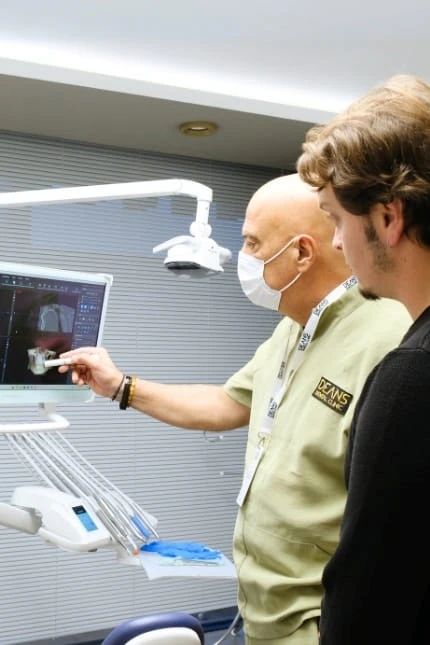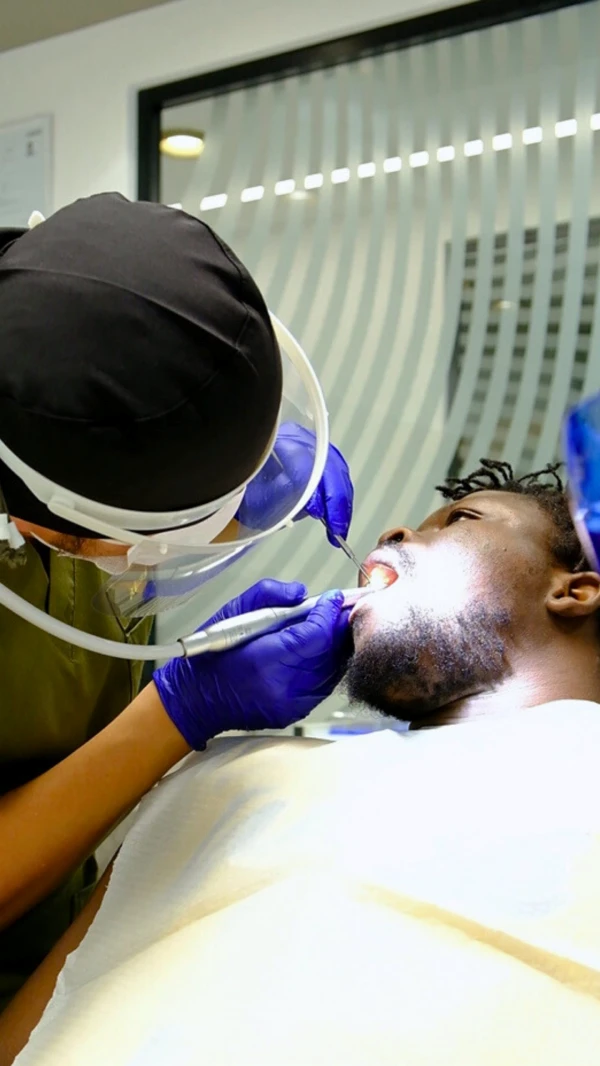
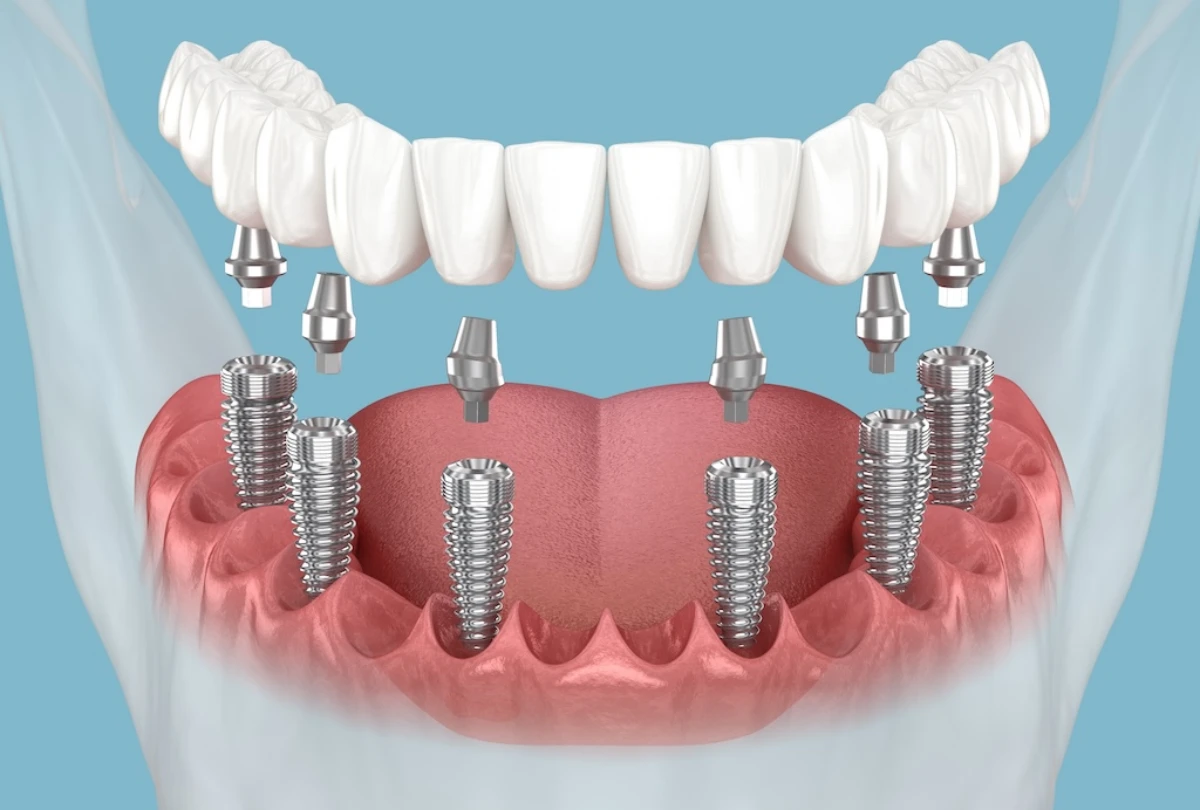

All on 6 implant treatment is a comprehensive treatment approach that aims to reconstruct a jaw with a fixed restoration supported by 6 implants in cases where teeth are completely missing in the upper jaw, lower jaw, or both jaws (or where the existing teeth are so problematic that they cannot be preserved long term).
In patients who need “full-arch fixed teeth,” increasing the number of implants is often considered to make load distribution more balanced, to carry chewing forces more safely in the posterior region, and to reduce the mechanical stress on the prosthesis.
Still, whether All on 6 is the most appropriate plan is not decided with the logic of “6 implants are better,” but together with the patient’s bone volume, bite pattern, clenching habit, hygiene capacity, and expectations.
The most critical aspect of this treatment is that it is not only about surgery.
Even if the implants are placed at the correct angle and in the correct position, patient comfort may not reach the desired level if the area under the prosthesis is not cleanable, lip support is not sufficient, phonetic adaptation (especially the “s” and “f” sounds), bite height (vertical dimension), and occlusion adjustment are not done properly.
For this reason, in All on 6 planning, both the surgical and prosthetic stages are considered as a “single package.”
Especially in patients who have used full dentures for a long time, the jaw relationship may have changed and collapse may have occurred in the lower third of the face; restoring the correct vertical dimension is important for both esthetics and jaw joint comfort.
Planning is usually done with 3D imaging (CBCT).
In the upper jaw, the sinus floor and nasal floor; in the lower jaw, the mandibular canal and mental foramen are evaluated at a millimetric level.
In All on 6, the anterior-posterior distribution of the implants (A-P spread) is decisive in terms of the length of the posterior cantilever and where the forces will concentrate.
A wider implant distribution may, in some cases, help shorten the cantilever; as the cantilever shortens, the lever effect decreases, and the management of long-term mechanical problems (such as screw loosening, acrylic fracture, and porcelain chipping) may become easier.
The goals reflected in the patient’s daily life are very clear: more comfortable chewing, confidence while speaking, a prosthesis that does not move, and a system that remains stable for a long time with regular maintenance.
However, discipline on the patient’s side is also necessary for these goals to be achieved.
In fixed full-arch restorations, cleaning may require more “special tools” than natural teeth: suitable interdental brushes, implant floss, and in most patients an oral irrigator are used to establish the routine.
In short, All on 6 is a strong solution when proper planning and good maintenance come together; but it is not automatically the “best option” for every patient.
What Is All on 6 Implant Treatment?
All on 6 implant treatment is a rehabilitation concept in which a fixed full-arch restoration in a jaw is supported by 6 implants.
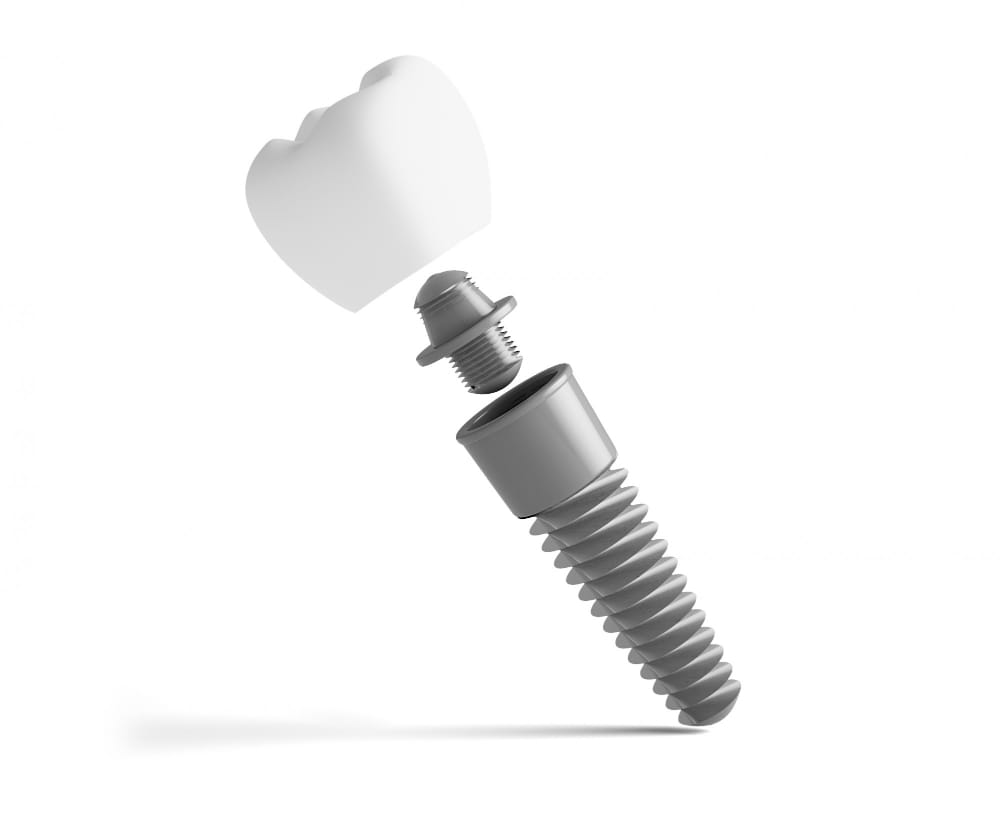
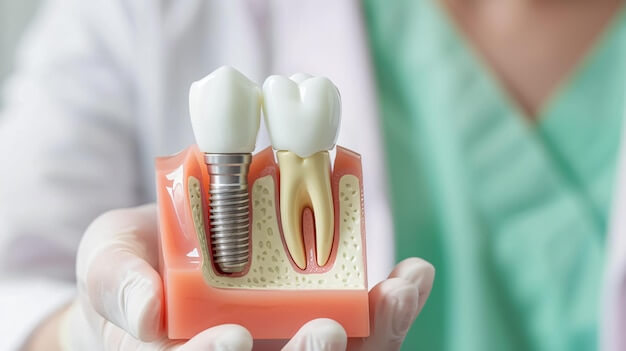
Here, the implants act as “supports”; the fixed bridge/prosthesis planned on top of them provides the patient’s dental arch and chewing function.
The main goal is to offer a more stable system in edentulous jaws or mouths with severely damaged teeth that require extraction, and to reduce the difficulties caused by removable full dentures.
The clinical logic of this concept is a more balanced distribution of forces.
Chewing forces increase especially in the posterior region; in full-arch fixed restorations, if the posterior cantilever area (the part extending toward the molar region) is not designed properly, the lever effect can increase.
When a wider support line is established with 6 implants, the cantilever may be shortened in some cases, or the forces may be distributed more controllably.
This may provide an advantage in managing long-term screw loosening, superstructure fractures, and stress around the implants.
Still, this advantage only gains meaning with correct bite adjustment and proper material selection.
The “fixed” nature of All on 6 means that the patient does not remove and replace the prosthesis daily.
For many people, this represents an important increase in psychological and social comfort.
However, fixedness does not remove the responsibility for cleaning; on the contrary, it makes it necessary to teach how to clean under the prosthesis and to establish a sustainable maintenance routine.
When cleaning is not done, problems such as bleeding, odor, swelling, and eventually bone loss around the implants can be seen.
In some cases, the treatment may also be presented as “same-day teeth”; however, this is not guaranteed for every patient.
The main criterion for same-day/early temporary fixed prosthesis is the primary stability of the implants (the retention achieved during placement).
If stability is not sufficient, it is safer to protect the implants from loading.
Therefore, even though All on 6 has a fixed goal, its timing is personalized according to the patient.
How Is All on 6 Implant Treatment Performed?
All on 6 treatment is often a planned process consisting of several stages: examination and planning, surgery, temporary restoration (if suitable), healing, and the final prosthesis.
At the first step, an intraoral examination is performed; the soft tissues, the prognosis of any remaining teeth, infection sites, jaw relationship, mouth opening, and jaw joint complaints are evaluated.
In full-arch rehabilitation, the bite is addressed from the beginning; because in patients who have been edentulous for years, the bite height may have decreased, and this can affect facial esthetics and muscle-joint comfort.
On the imaging side, a panoramic X-ray may provide a starting point; however, in All on 6 planning, 3D measurement with CBCT is needed in most clinical scenarios.
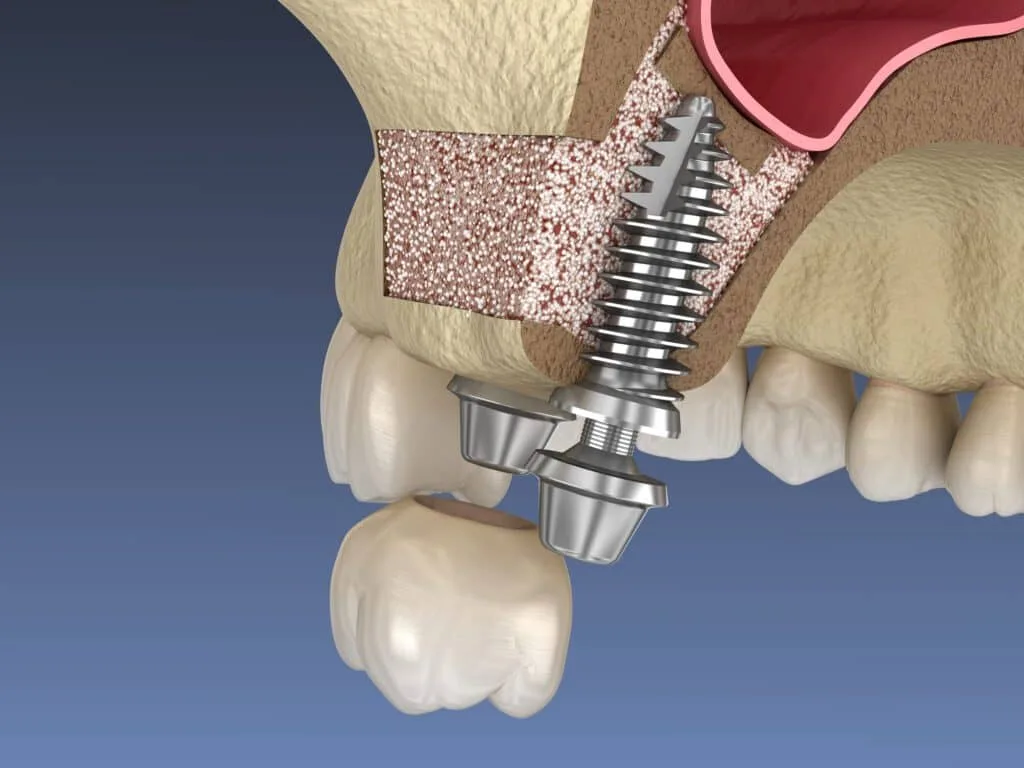
With this measurement, bone height and width are determined; safe distances are planned with structures such as the sinus floor and nasal floor in the upper jaw, and the mandibular canal and mental foramen in the lower jaw.
The anterior-posterior distribution of the implants, the distance between them, and possible angulations are determined.
If necessary, a surgical guide can improve the predictability of the plan.
During the surgical stage, if teeth need extraction, they are removed and the implants can be placed in the same session, or the process can be staged depending on the tissue condition.
When placing the implants, controlled drilling and cooling are used to prevent excessive heat in the bone.
After evaluating the primary stability of the implants, a temporary fixed prosthesis may be planned on the same day or shortly after in suitable cases.
This temporary prosthesis provides esthetics and function; however, the aim in the early period is not to “load” the implants but to provide function while protecting them.
For this reason, patients are usually advised to follow a soft diet, chew in a controlled bilateral manner, and avoid hard foods.
At the prosthetic stage, impressions are taken, jaw relation records are made, and trial procedures are carried out.
In full-arch cases, phonetic (speech) checks are critical; the relationship of the teeth with the lips and tongue is adjusted.
At delivery of the final restoration, the bite adjustment is made millimetrically, because implants do not flex like natural teeth due to the periodontal ligament.
An “elevated bite” can create problems more quickly in implant-supported restorations.
The final stage is maintenance education and a regular follow-up plan; the long-term success of All on 6 is strengthened by this follow-up routine.
Who Is Suitable for All on 6 Implant Treatment?
Suitability for All on 6 is not as simple as “being edentulous.”
There are three main categories in suitability assessment: bone and tissue conditions, systemic health, and the patient’s maintenance capacity.
On the bone side, measurements are taken with CBCT.
In the upper jaw, the sinus floor and nasal floor; in the lower jaw, the mandibular canal and mental foramen determine implant placement.
If bone volume is sufficient and safe placement of implants is possible, an All on 6 plan can be designed more comfortably.
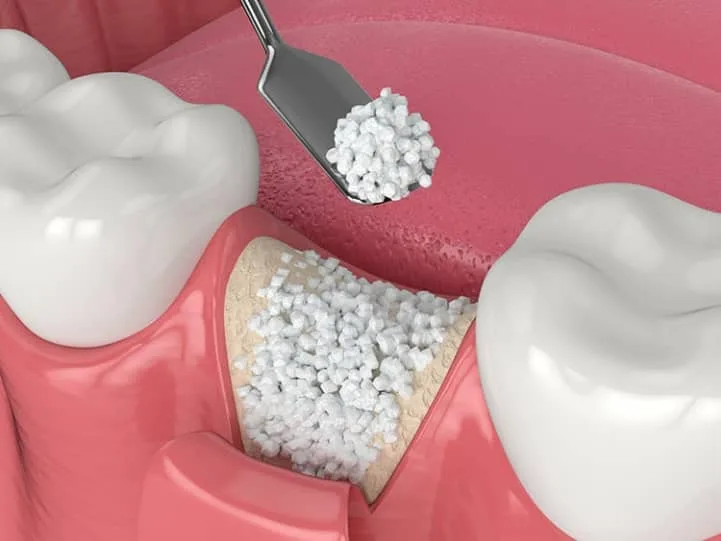
If bone resorption is advanced, bone augmentation, sinus-related procedures, or different prosthetic designs (for example, a removable implant-supported prosthesis instead of a fixed one) may come into consideration.
On the systemic health side, chronic diseases that are under control are usually not a barrier; however, conditions such as uncontrolled diabetes, immunosuppressive treatments, certain bone metabolism medications, and a history of radiotherapy in the jaw area change the risk assessment.
For this reason, the patient should share all regularly used medications and medical history completely.
If necessary, consultation with the relevant physician is done to make the surgical protocol safer.
Smoking may negatively affect soft tissue health and healing around implants.
Because the surgical area can be extensive in full-arch cases, this effect may be felt more clearly.
Clenching and grinding (bruxism) is also an important criterion, because full-arch fixed restorations may be exposed to heavy forces.
In patients with bruxism, bite adjustment is done more meticulously, material selection is planned accordingly, and a night guard is often recommended.
Maintenance capacity and manual dexterity are also part of suitability.
A patient who wants a fixed restoration but cannot clean under the prosthesis may put long-term success at risk.
At this point, the decision between “fixed or removable” is made not only by preference but by sustainability.
The suitable patient is someone who can attend regular follow-up visits, apply the hygiene routine, and comply with the dentist’s recommendations.
What Should Be Considered Before All on 6 Implant Treatment?
Preparation before All on 6 is a stage that directly affects the success of treatment.
First, active infections in the mouth must be evaluated.
Teeth requiring extraction, periodontal problems, abscessed foci, and soft tissue lesions should not be ignored before implant surgery.
Especially in full-arch rehabilitation, infection control is critical for both healing quality and the health of tissues around the implants.
On the radiological side, CBCT measurement is often necessary.
With this imaging, bone height and width are determined at a millimetric level; anatomical boundaries are clarified.
Safe distances are planned with structures such as the sinus floor and nasal floor in the upper jaw, and the mandibular canal in the lower jaw.
After the implant areas are determined, the prosthetic design must also be considered at the same time: tooth position, lip support, smile line, phonetics, and bite height.
For this reason, a “let’s just place the implants and see later” approach can be risky in full-arch cases.
Medical preparation must also be completed properly.
Blood thinners, diabetes treatment, blood pressure medications, allergy history, and previous surgical complications should be shared with the dentist.
If necessary, the relevant specialist may be consulted to plan medication adjustments or the day-of-procedure protocol.
In addition, the patient should reserve time for the first 48–72 hours after the operation; intense physical effort, long trips, and sleep deprivation reduce healing comfort.
If the patient smokes, it is important to set a goal of reducing or pausing smoking before the procedure.
Because in the early healing period, soft tissue blood supply and wound healing are more delicate.
Likewise, the nutrition plan should be set in advance; a soft diet, adequate protein intake, and sufficient fluid intake support healing.
Finally, if the patient obtains the hygiene tools to be used at home (such as implant floss, interdental brushes, and oral irrigators) beforehand, they can adapt to the post-treatment routine more quickly.
What Should Be Considered After All on 6 Implant Treatment?
The post-surgical period after All on 6 is critical for safely going through the osseointegration period and ensuring healthy healing of the soft tissues.
Swelling, tenderness, and sometimes bruising may occur in the first days.
The medications and care instructions prescribed by the dentist should be followed regularly.
If signs such as increasing pain, bad odor, discharge, fever, or uncontrolled bleeding occur within the first 24–72 hours, the clinic should be informed.
These symptoms do not always mean a serious problem; however, in full-arch treatments, early evaluation helps manage a problem before it grows.
Nutrition is especially important in patients with a temporary fixed prosthesis.
A temporary fixed tooth provides “comfort,” but in the early period we do not want uncontrolled loading on the implants.
Hard-shelled foods, very sticky foods, and the habit of chewing heavily on one side can create mechanical stress in the early period.
Usually, soft and lukewarm foods, eaten in small bites and with balanced chewing on both sides, are recommended.
But the most accurate direction here should be given by the dentist according to your clinical plan.
Hygiene determines the long-term fate of All on 6.
The underside of fixed restorations cannot usually be cleaned sufficiently with a standard toothbrush alone.
Therefore, implant floss, interdental brushes, and in most patients an oral irrigator are turned into a routine.
In the first weeks, because soft tissues are sensitive, cleaning techniques should be applied gently and at the correct angle.
Plaque accumulation can quickly cause bleeding and swelling around implants; this can present as complaints of “odor” and “soreness.”
Smoking can negatively affect healing; pausing or significantly reducing it in the early period supports tissue healing.
In patients with bruxism, a night guard recommendation should be taken seriously, because full-arch restorations may be exposed to intense forces.
Follow-up appointments should not be neglected: suture removal, soft tissue evaluation, bite adjustment, screw checks, and hygiene education are done at these visits.
All on 6 is not a “finished” job; it is a system intended to remain stable for many years with regular maintenance and follow-up.
In Which Situations Is All on 6 Implant Treatment Applied?
All on 6 is most commonly applied in edentulous jaws or in situations where the existing teeth are severely damaged and require extraction.
Especially in patients who have used full dentures for a long time and complain that the denture moves, causes sore spots, moves while eating, or feels as if it will fall out while speaking, the need for a fixed solution becomes prominent.
The need is also common in patients who try to get through the day with full denture adhesives; because although adhesives provide short-term help, they often do not create real stability.
In some clinical scenarios where All on 6 is preferred, the aim is to achieve more controlled posterior support with a wider implant distribution.
Since chewing forces increase in the posterior region, the anterior-posterior distribution of the implants and the length of the prosthesis’s posterior cantilever become important.
In some patients, 6 implants may help shorten the cantilever and distribute forces more evenly.
This may help manage mechanical risks, especially in patients with strong chewing habits or bruxism; however, implant number alone does not eliminate this risk, and bite adjustment and material selection are equally important.
If bone volume is insufficient, All on 6 may not be directly possible or additional procedures may be needed.
The proximity of the sinus floor in the upper jaw and the mandibular canal in the lower jaw limits implant placement.
Therefore, the decision to proceed is made after CBCT measurements and clinical examination.
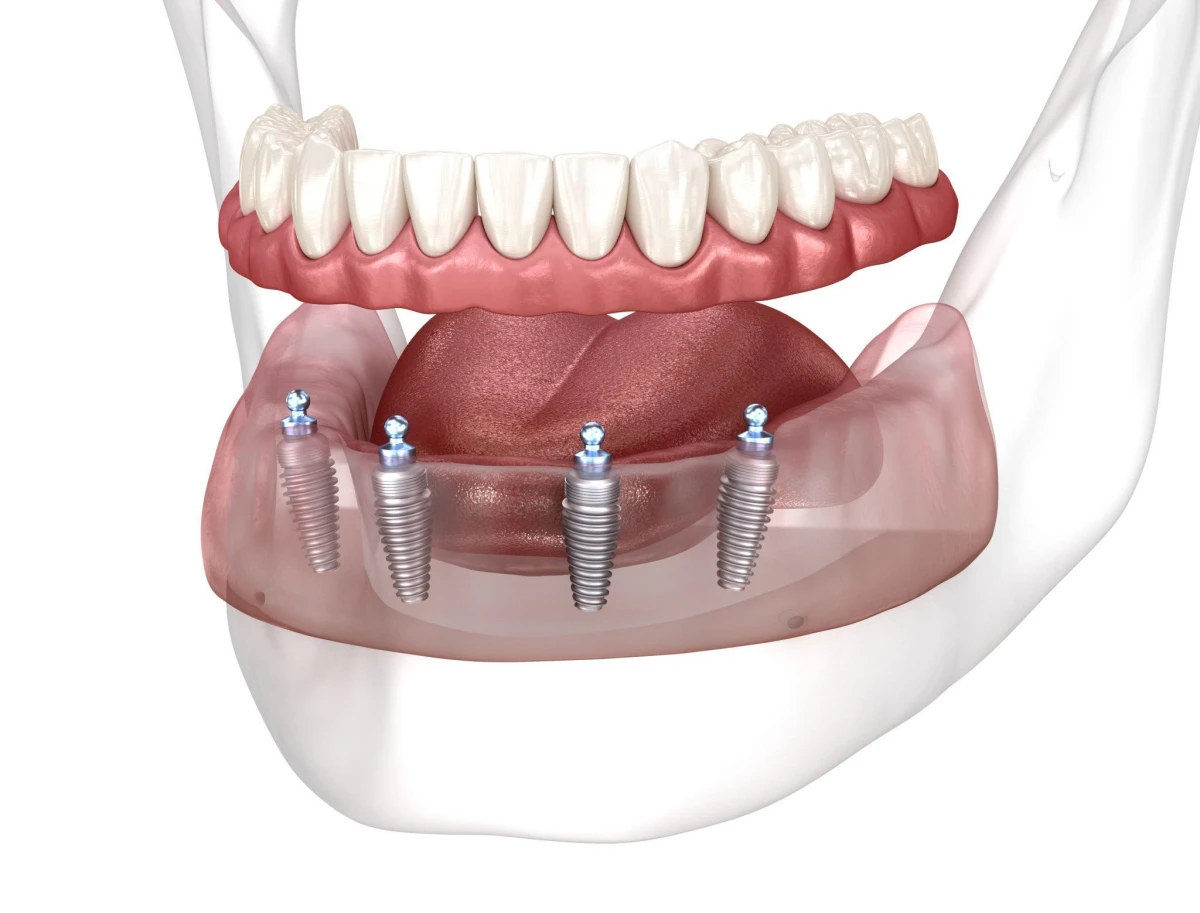
In some patients, a removable implant-supported prosthesis may be the more appropriate option instead of a fixed restoration; for example, in patients with a high need for lip support, sensitive soft tissues, or a desire for a system that is easier to clean, a removable design may offer an advantage.
In summary, when planned in the correct indication, All on 6 is a strong solution in terms of both function and comfort; but it is not an automatic method to be applied in every edentulous jaw.
What determines suitability is not the size of the complaint, but the overall evaluation of bone, tissue, and risk factors.
Why Is All on 6 Implant Treatment Performed?
All on 6 implant treatment is primarily performed to improve the patient’s chewing function, speaking comfort, and social confidence.
Living with edentulism or a moving denture is not only about difficulty eating; over time, the person avoids hard foods, shifts to unilateral chewing, becomes anxious while pronouncing certain words, and worries that the prosthesis will move when smiling.
All on 6 aims to reduce these daily concerns with a fixed restoration approach.
The second important reason is that full-arch rehabilitation is related to facial esthetics and jaw joint comfort.
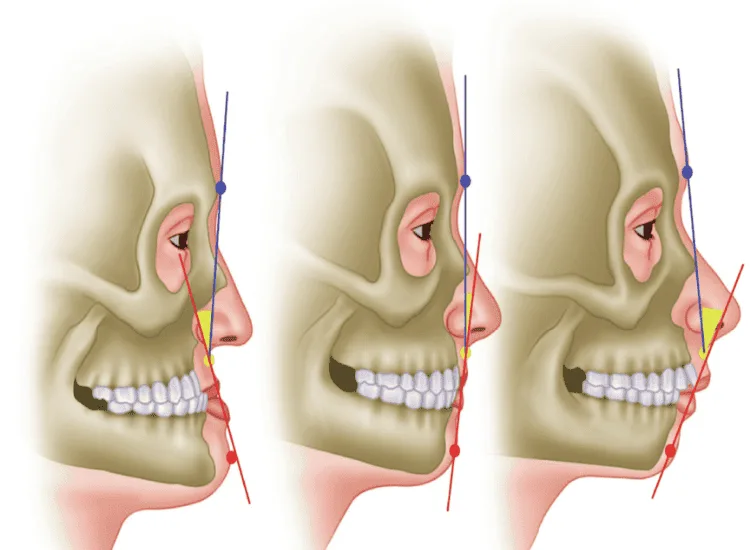
In patients who have been edentulous for a long time, bite height may decrease; the lower third of the face shortens, lip support decreases, and a “collapsed” appearance may occur.
A correctly planned full-arch restoration can improve both esthetics and muscle-joint balance by restoring the vertical dimension.
For this reason, in All on 6 planning, the goal is not just to “arrange the teeth,” but to establish the correct jaw relationship.
Another reason All on 6 is preferred is the desire to manage load distribution more controllably in some cases.
When a broader support line can be established with 6 implants, the posterior cantilever length of the prosthesis may be reduced in some cases, and the forces may be distributed more evenly.
This may help reduce the risk of mechanical complications such as screw loosening or superstructure fracture.
However, the critical point is this: this advantage is meaningful only if it is supported by correct bite adjustment.
Implants do not flex like natural teeth; therefore, even a millimetric “height” error can trigger problems over time.
Finally, the reason for doing All on 6 is sustainability.
The goal is to provide the patient with a system that can be cleaned, managed with check-ups, and maintained stably.
In patients who want fixed restorations, long-term peri-implant health can be preserved with proper hygiene education and regular professional maintenance.
For this reason, All on 6 is not only a surgical procedure; it is a long-term oral health management plan.
How Long Does All on 6 Implant Treatment Take?
The duration of All on 6 treatment cannot honestly be fixed to a single number, because the factors determining the duration vary measurably from patient to patient.
The main factors affecting the duration are: the need for extractions, bone quality and volume, additional surgical needs (for example bone augmentation or sinus-related procedures), primary stability of the implants, and the planned temporary/final prosthesis protocol.
For this reason, the most accurate answer to the question “How many days will it take?” can only be given after examination and CBCT evaluation.
The process usually starts with planning.
Examination, imaging, impressions, jaw relation records, and the treatment plan are prepared.
In full-arch rehabilitation, trial procedures are important; because moving directly to the final prosthesis without checking bite height and phonetic harmony would not be correct.
During the surgical stage, the implants are placed.
If primary stability is sufficient when the implants are placed, a temporary fixed prosthesis may be planned on the same day or shortly afterward in some cases.
This provides the patient with quick social and esthetic relief.
However, if primary stability is not sufficient, the implants must be protected from early loading; the temporary prosthesis plan is managed more cautiously or a different temporary solution is applied.
The biological healing period, namely osseointegration, is the backbone of the schedule.
Bone density affects healing speed; because bone in the upper jaw can be more porous, a longer healing period may be planned for some patients.
When the bone in the lower jaw is denser, the process may be more predictable.
If bone grafting or sinus-related additional procedures were performed, the maturation time of these procedures can also extend the schedule.
The final prosthesis stage includes impression, trial, tooth setup, phonetic checks, and bite adjustment appointments.
One practical point should also be added: in full-arch work, the process is completed not only when the implants “take,” but when a bite and esthetic arrangement that the patient can use comfortably is established.
For this reason, the thing to rush is not the biology, but the organization: appointments should progress in a planned way, follow-up sessions should not be skipped, and the patient applying hygiene education early helps the process proceed smoothly.
All on 6 Implant Treatment Prices
The prices of All on 6 implant treatment vary depending on many variables such as the number of jaws to be treated (upper, lower, or both), the implants and connection systems to be used, the materials of the temporary and final prostheses, imaging (for example CBCT) and laboratory processes, extraction requirements, soft tissue corrections, and if needed bone augmentation/sinus-related procedures.
“All on 6” is not a label that fixes the price by itself; under the same concept, the surgical and prosthetic needs of two patients can differ significantly.
For example, some patients have sufficient bone volume and can proceed with a standard prosthetic process after the implants are safely placed.
In other patients, additional procedures are needed because of bone resorption, sinus proximity, soft tissue problems, or bite disorders.
These additional procedures change both the clinical plan and the laboratory process, as well as the materials and timeline used.
In addition, decisions such as the prosthetic design (screw-retained fixed restoration plan), framework selection, and superstructure material also affect the cost.
In short, the correct price can only be discussed honestly once “the plan suitable for your oral conditions” is clarified.
Therefore, it is not healthy to give a definite price without an examination.
The most correct approach is to perform a clinical examination, the necessary imaging and measurements, then create the treatment plan suitable for you and share the cost transparently according to that plan.
To get up-to-date and personalized information about All on 6 implant treatment prices, you should contact us; after the examination, we explain step by step which procedures are necessary and clarify the cost plan accordingly.