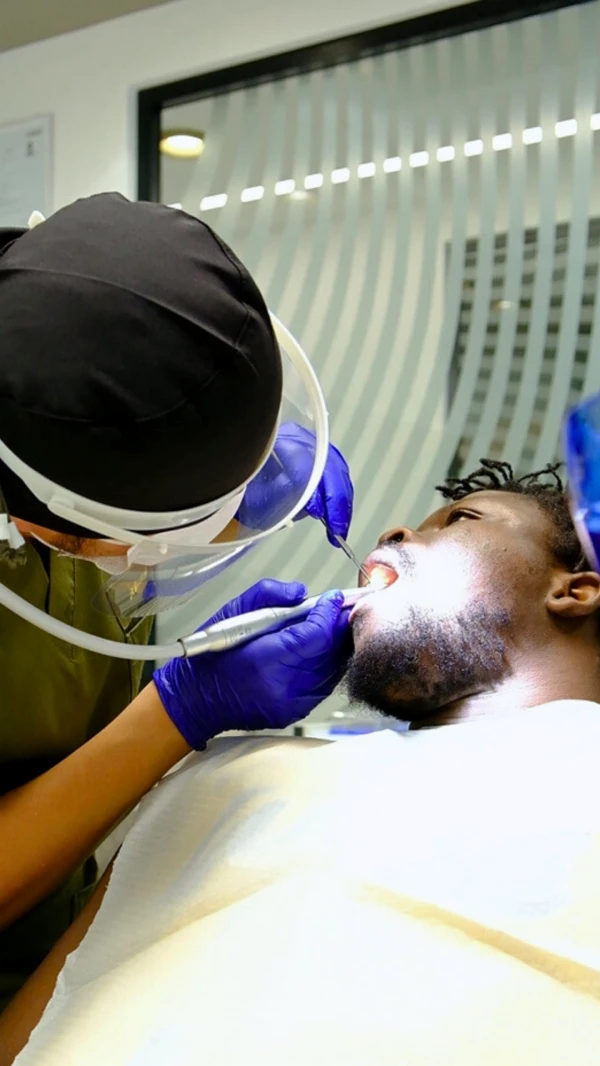
Dental implants are usually placed by dentists with advanced training in implant treatment, most often oral and maxillofacial surgeons, periodontists, prosthodontists, and some general dentists who have completed substantial implant education and perform these procedures regularly. If you are searching for dental implants near you, the right provider is not defined only by job title. Experience, case volume, imaging technology, surgical planning, complication management, and restorative skill all matter.
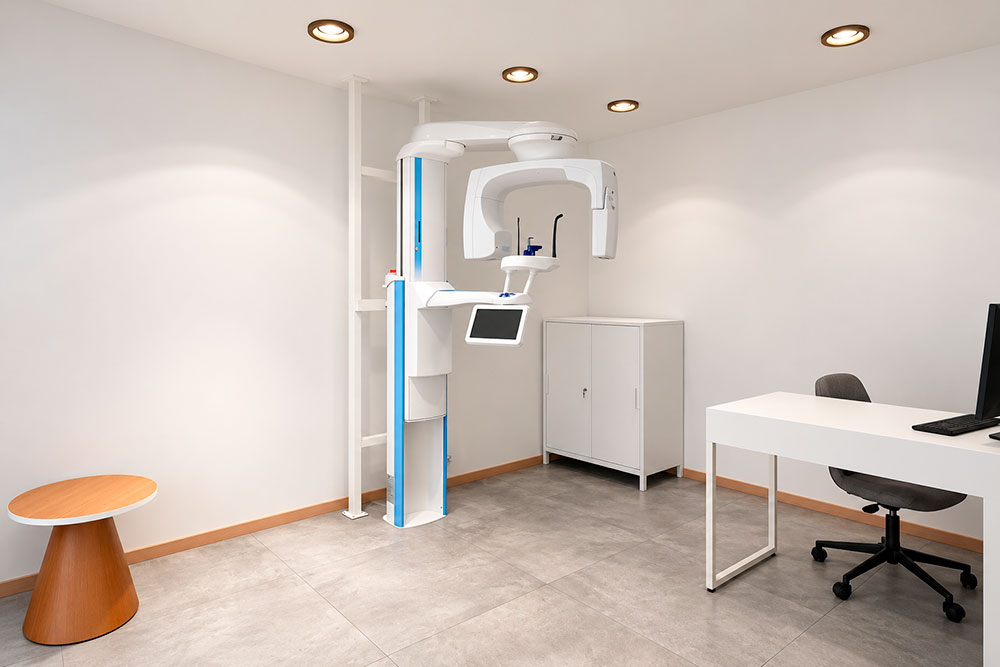
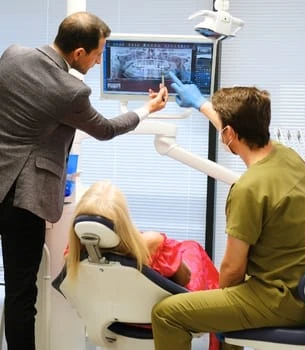
A strong implant provider typically offers a full evaluation that includes a clinical exam, digital X-rays, and often a cone beam CT scan. That scan gives a 3D view of bone width, bone height, sinus position, and nerve location. This is central to safe implant placement. In many clinics, the surgical phase and the crown phase may be completed by the same dentist. In other cases, one specialist places the implant and another restores it with the visible tooth.
Patients often want simple numbers when comparing clinics. A provider who places 100 to 300 implants per year usually has much broader hands-on exposure than a practice that handles only occasional cases. Consultation fees can range from $0 to $300 depending on the region and whether 3D imaging is included. A single implant with abutment and crown often falls between $3,000 and $6,500 in the United States, while full-arch implant solutions may range from $15,000 to $35,000 per arch.
If you want to know who does dental implants near you, focus on credentials, before-and-after cases, the type of sedation offered, transparent pricing, and whether the provider explains healing time, bone grafting needs, and long-term maintenance in plain language. A good clinic should also tell you who will handle emergencies, repairs, and follow-up care after the implant is placed.
What Are Dental Implants?
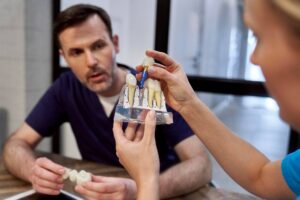
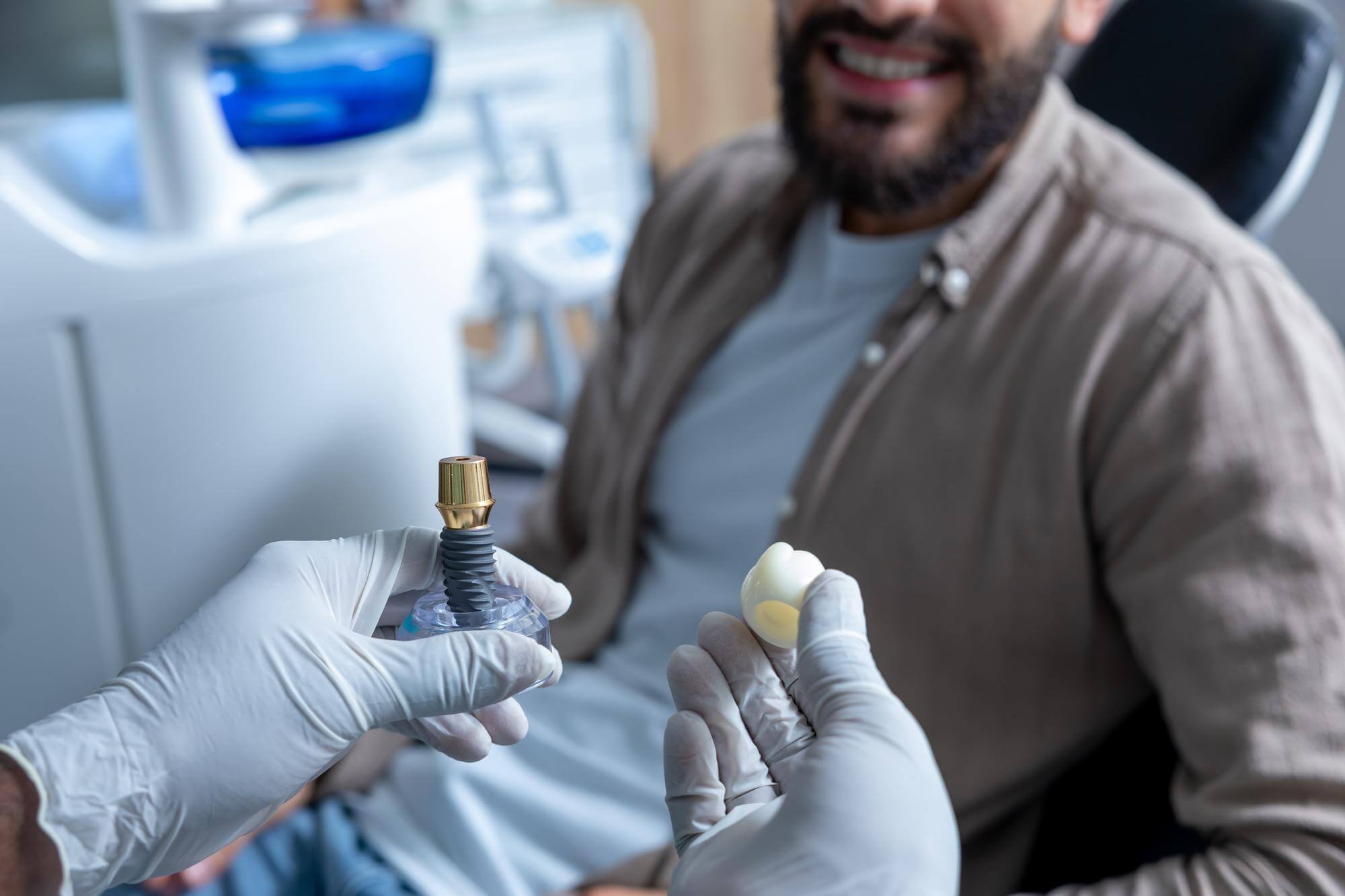
Dental implants are artificial tooth roots, most commonly made of titanium or zirconia, that are placed into the jawbone to support a replacement tooth, bridge, or full-arch prosthesis. The implant itself is a small screw-shaped post. Once it integrates with the bone through a healing process called osseointegration, it acts as a stable foundation for chewing and speaking. A complete implant restoration usually has three parts: the implant fixture placed in the bone, the abutment that connects the implant to the replacement tooth, and the crown or prosthesis that looks like the visible tooth.
Implants are used for one missing tooth, several missing teeth, or a full upper or lower arch. A single missing molar may be restored with one implant and one crown. If three teeth in a row are missing, many patients can be treated with two implants supporting a bridge instead of placing three separate implants. For people who wear removable dentures, implants can improve stability with two to six implants depending on the arch and the design of the denture or fixed bridge.
The key biological principle behind dental implants is bone integration. In a healthy case, the jawbone grows around the implant surface over a period that often ranges from 8 to 16 weeks for straightforward cases, though healing can take longer if grafting is needed or if the patient has risk factors such as smoking, diabetes, or reduced bone density. Implant success rates are high. Long-term studies often report survival rates above 90% at 10 years, with many practices quoting 95% or higher in carefully selected patients who maintain good oral hygiene and regular dental care.
Implants are often compared with bridges and dentures because all three replace missing teeth. What makes implants distinct is that they do not rely on neighboring teeth for support, and they can help preserve jawbone by transmitting chewing forces into the bone. Without that stimulation, the jaw may gradually shrink over time after tooth loss. Bone loss can begin within the first year after extraction, and in some patients the ridge width can reduce by several millimeters.
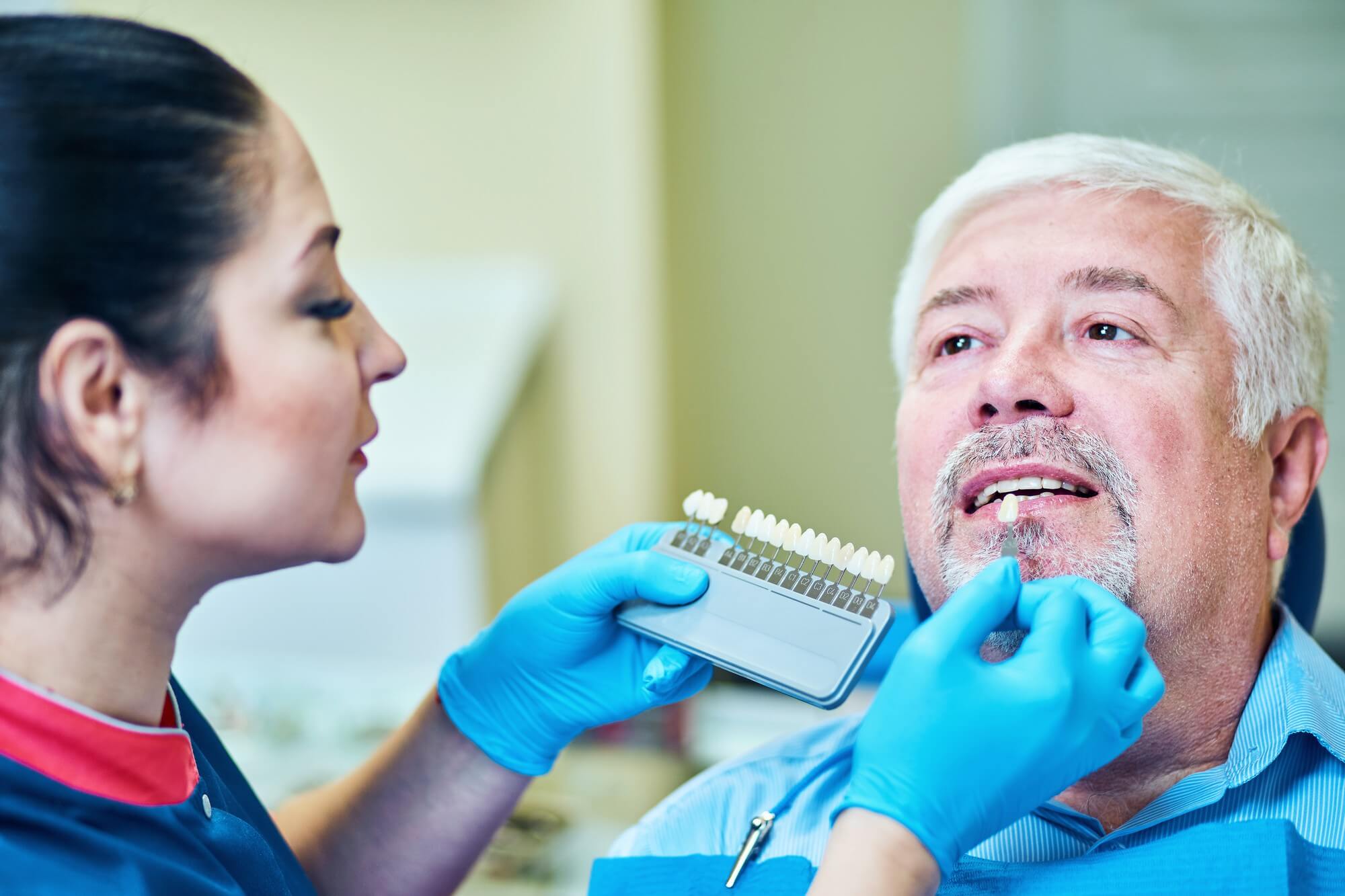
Modern implant treatment is highly planned. Clinics may use digital scans, surgical guides, shade matching, and custom-designed crowns to improve fit and aesthetics. Patients should know that implants are a medical procedure, not just a cosmetic upgrade. The process involves diagnosis, surgery, healing, restoration, and maintenance. When all phases are handled carefully, implants can feel close to natural teeth in daily use.
Who Can Perform Dental Implant Procedures?
Dental implant procedures can be performed by several types of licensed dental professionals, provided they have the appropriate training, clinical experience, and the legal authority to carry out implant surgery in their jurisdiction. In most areas, the professionals most commonly involved are oral and maxillofacial surgeons, periodontists, prosthodontists, and general dentists with advanced implant training. The exact scope of what each provider does may differ from clinic to clinic. Some place the implant surgically and then refer the patient back to a restorative dentist for the crown. Others complete the entire process in one practice.
Oral and maxillofacial surgeons often handle complex surgical cases. This can include severely resorbed jaws, impacted teeth, advanced bone grafting, sinus lift procedures, full-mouth reconstruction, and medically complicated patients. They are also commonly equipped to provide deeper forms of sedation. Periodontists focus on gums, bone support, and implant placement, making them a common choice for patients who have gum disease, bone loss, or esthetic concerns around the gum line. Prosthodontists specialize in tooth replacement and bite rehabilitation, so they are frequently involved when the implant restoration is technically demanding or when multiple missing teeth affect function and appearance. General dentists may also place implants and restore them, sometimes with excellent results, when they have completed extensive continuing education and maintain a steady implant caseload.
When evaluating who can perform your implant procedure, title alone is not enough. Ask how many implants the provider places each month, whether they use cone beam CT imaging, whether they use guided surgery, and how they manage complications such as insufficient primary stability, peri-implant inflammation, or restoration failure. A dentist who places 10 implants a year and a dentist who places 20 implants a month may have very different levels of practical routine.
There is also a team dimension. An implant case may involve a surgeon, restorative dentist, hygienist, dental laboratory, and sometimes an anesthetist. In a full-arch case, the lab work is particularly important because bite design, material selection, screw access positioning, and esthetics all affect the final result. Our readers should look for providers who explain clearly who will do each part of the treatment, how follow-up will work, and who is responsible if adjustments or repairs are needed after delivery.
Many strong providers can show evidence of training through implant courses, mini-residencies, board certification in a recognized specialty, study club involvement, or association membership. These details do not guarantee quality on their own, though they help you judge whether the dentist treats implant care as a routine, well-developed part of practice rather than an occasional add-on service.
How to Find a Qualified Dental Implant Specialist Near You
Finding a qualified dental implant specialist near you starts with narrowing the search from convenience to clinical fit. Distance matters, but experience and planning standards matter more because implant treatment usually involves surgery, healing appointments, restoration visits, and long-term maintenance. A clinic that is 15 minutes farther away may be the better choice if it offers stronger diagnostics, more predictable case planning, and clearer follow-up care.
Begin with practical screening. Search for providers who explicitly list implant placement and implant restoration, not only cosmetic dentistry in general. Review the practice website for details on cone beam CT scanning, digital treatment planning, bone grafting, sinus lifts, sedation options, and before-and-after cases. If a clinic gives no useful information beyond marketing language, that tells you very little about actual implant capability. You want specifics such as whether they treat single-tooth, multiple-tooth, and full-arch cases; whether consultations include imaging; and whether treatment is done in-house or referred out.
Patient reviews can help when read carefully. Focus less on star averages and more on repeated themes. Useful patterns include comments about clear explanations, comfort during surgery, realistic pricing, and responsive aftercare. If 20 reviews mention strong communication and smooth healing, that is more informative than a generic five-star rating. Look out for reviews that mention long unexplained delays, surprise fees, or difficulty getting help after the implant was placed.
Verification matters. Check whether the dentist is licensed and whether any disciplinary action is listed by the state dental board. If the provider is a specialist, confirm the specialty designation. Ask the office how many implants they place each year and whether they treat cases with bone loss or only straightforward implant sites. It is reasonable to ask how often they use 3D scans and surgical guides. Those are not luxury extras in many implant cases; they are planning tools that can reduce risk by showing bone boundaries, sinus anatomy, and nerve position.
Consultations are where you learn the most. A qualified provider should assess your gums, bite, medical history, smoking status, medications, and bone support. Many clinics charge between $0 and $300 for an implant consultation. A cone beam CT scan often adds $150 to $400 if not bundled. During the visit, you should receive a treatment plan with phases, timing, and itemized fees. If you are told you can get implants immediately without proper imaging or discussion of risks, that is a reason to be cautious.
Our specialists generally advise patients to compare at least two providers for major implant work and three for full-arch treatment. Ask each office the same questions and compare not just price, but also diagnostics, warranty terms, prosthetic materials, maintenance schedule, and what happens if grafting or extractions become necessary mid-treatment.
What to Look for in a Dental Implant Provider
A dental implant provider should be evaluated on training, planning standards, communication, case suitability, and long-term support. Many patients focus heavily on price, yet the lower quote is not always the better value if it excludes key steps such as 3D imaging, temporary restorations, soft tissue management, or follow-up visits. Implant dentistry is a layered treatment process, and the outcome depends on both surgery and restoration.
Clinical experience is one of the most important markers. Ask how often the provider performs implant cases and what types they handle. A dentist who places a few straightforward implants each year may not be the ideal choice for a patient who needs sinus augmentation, immediate placement after extraction, or a full-arch fixed bridge. It is reasonable to ask for examples of similar completed cases, not just polished cosmetic cases with ideal anatomy.
Diagnostic tools are also central. A provider should usually use digital X-rays and often a cone beam CT scan for planning. The 3D scan helps measure bone width and height, identify the location of the inferior alveolar nerve in the lower jaw, evaluate sinus anatomy in the upper jaw, and assess defects that may need grafting. In some practices, guided surgery is used to improve implant positioning based on a digital plan. This can be useful for esthetic areas and limited bone sites, though not every case requires a guide.
Communication quality often predicts the patient experience. A strong implant provider explains whether your treatment includes extractions, bone grafting, membranes, healing abutments, temporary teeth, final crown material, and maintenance appointments. Fees for a single implant case can vary by more than $2,000 depending on region and complexity. If the office gives only a broad number without explaining what is included, you cannot compare options fairly.
Sterilization standards, sedation availability, and emergency protocols matter too. If you are anxious or need multiple implants, ask whether the clinic offers local anesthesia alone, oral sedation, nitrous oxide, or IV sedation where permitted. Patients with medical conditions such as diabetes, osteoporosis, or a history of periodontal disease should confirm that the provider routinely manages higher-risk cases and coordinates with physicians when needed.
Aftercare should never be an afterthought. Ask who adjusts the bite if the crown feels high, who manages early healing concerns, how often implant maintenance is recommended, and whether the practice offers a warranty on parts or workmanship. Some clinics include one year of follow-up, while others separate every post-placement visit. A provider worth trusting will make those details transparent before treatment begins.
Types of Dental Implants Available
Dental implants come in several forms, with differences based on material, size, placement protocol, and the type of restoration they support. The most widely used implants are endosteal implants, which are placed directly into the jawbone. These are usually screw-shaped and made from titanium, though zirconia options are available for select cases. Endosteal implants are the standard choice for most single-tooth, multi-tooth, and full-arch treatments because they provide reliable stability when enough healthy bone is present.
Single-tooth implants are used when one tooth is missing. The implant supports a single crown and does not depend on neighboring teeth for support. This is often chosen for a lost premolar or molar where chewing force is significant. Multi-tooth implant restorations may use two or more implants to support a bridge, reducing the need to place one implant for every missing tooth. This can lower total cost while still giving excellent function.
Implant-supported dentures are a major category for patients missing many teeth. These can be removable overdentures or fixed full-arch bridges. A lower overdenture may use two implants for basic retention, while a more stable design may use four. Fixed full-arch restorations often use four to six implants per arch, depending on bone quality, anatomy, and prosthetic design. These treatments can restore bite force more effectively than conventional dentures, though exact chewing capacity varies by design and material.
Immediate implants are placed on the same day as tooth extraction in suitable cases. This approach can reduce total treatment time, but it requires careful case selection. The bone socket must be favorable, infection should be controlled, and there must be enough initial stability for placement. Some patients can also receive an immediate temporary tooth, though that temporary may be kept out of heavy bite contact during healing. Delayed implants are placed after the extraction site has healed, often after 8 to 16 weeks or longer.
Mini dental implants are narrower than standard implants and are sometimes used to stabilize dentures or in areas with limited space. They can be less invasive in selected cases, yet they are not a universal substitute for regular implants, especially where high chewing forces are expected. Subperiosteal implants exist historically and in limited modern applications for severe bone loss, though they are much less common than endosteal systems.
Material choice also matters. Titanium implants are backed by decades of research and broad use. Zirconia implants are metal-free and appealing to some patients for esthetic or material preference reasons, but they may offer fewer restorative options in certain situations depending on the system used. The best implant type depends on bone volume, bite force, esthetic goals, budget, and whether the restoration needs to be removable or fixed.
Who Is a Good Candidate for Dental Implants?
A good candidate for dental implants is someone who has one or more missing teeth, enough jawbone to support an implant or the ability to undergo bone grafting, and overall oral and medical health that allows predictable healing. Many adults qualify, including people in their 20s through their 70s and beyond. Age itself is rarely the deciding factor. Bone quality, gum health, smoking habits, diabetes control, medication history, and commitment to oral hygiene are often far more important.
Healthy gums are a major factor. Active periodontal disease can increase the risk of implant complications because the same bacteria and inflammation that damage natural tooth support can also affect tissues around implants. If gum disease is present, it usually needs to be treated before surgery. Bone support is evaluated with X-rays and often a cone beam CT scan. A patient who lost a tooth years ago may have ridge shrinkage that reduces available width or height. In that case, bone grafting may be needed before or during implant placement.
Medical conditions do not automatically rule implants out, though they can influence planning. Patients with well-controlled diabetes can often receive implants successfully, while poorly controlled diabetes may slow healing and increase infection risk. Smoking is one of the most important modifiable risk factors. Research has linked smoking with higher rates of implant failure, poorer gum healing, and increased bone loss around implants. Heavy smokers are often advised to reduce or stop before surgery and during healing. Certain medications, such as antiresorptive drugs used for osteoporosis or cancer-related bone conditions, require a careful medical review because they may affect jaw healing in some situations.
Bite habits matter too. People who grind or clench their teeth may still be candidates, but the implant design, crown material, and use of a night guard become more important. Bruxism can increase mechanical stress on screws, porcelain, and the supporting bone. Patients also need realistic expectations. An implant is not identical to a natural tooth with a periodontal ligament, and healing takes time. A straightforward single implant may still take three to six months from planning to final crown, while grafting or full-arch rehabilitation can extend that timeline.
Commitment to maintenance is often overlooked. Good candidates are willing to attend checkups, clean carefully around the implant, and return if there is bleeding, mobility, or discomfort. Implants do not get cavities, but the tissues around them can still become inflamed. Patients who want a fixed tooth replacement and are ready to participate in long-term care are usually among the best candidates.
How Much Do Dental Implants Cost Near You?
The cost of dental implants near you depends on location, provider experience, imaging needs, whether grafting is required, and the type of restoration you receive. In the United States, a single implant including the implant post, abutment, and crown often ranges from about $3,000 to $6,500. In high-cost metropolitan areas, fees can exceed that range, while some practices advertise lower starting prices that may not include all components. This is why an itemized estimate matters.
A simple consultation may cost $0 to $300. A cone beam CT scan often costs $150 to $400 if billed separately. Tooth extraction, when needed, can range from roughly $150 to $600 for a routine case and more for a surgical extraction. Bone grafting may add $300 to $3,000 depending on the size of the defect and the material used. Sinus lift procedures in the upper back jaw may add $1,500 to $5,000 or more depending on complexity. These numbers explain why two patients asking for a “single implant” can receive very different treatment plans.
For multiple teeth, costs scale differently depending on the design. An implant-supported bridge replacing several teeth may cost less than placing one implant per missing tooth. Full-arch treatment can vary widely. A removable implant overdenture may cost around $6,000 to $15,000 per arch depending on the number of implants and the denture system. A fixed full-arch solution often falls in the range of $15,000 to $35,000 per arch, and premium materials or extensive grafting can push the total higher.
Patients should be careful with promotional pricing. A low advertised implant fee may refer only to the surgical post, not the abutment and crown. Some offices also separate sedation, temporary teeth, extractions, tissue contouring, or surgical guide fees. When comparing quotes, ask whether the estimate includes diagnostics, surgery, healing abutment, temporary restoration, final prosthesis, follow-up visits, and any repair or adjustment period.
Financing is common. Many practices offer monthly payment plans through third-party lenders, often with terms between 6 and 60 months. Interest rates vary according to credit profile. Some offices provide in-house installment plans for part of the treatment, though this is less common for larger full-arch cases.
If you are searching locally, remember that the cheapest quote may become more expensive if revision work is needed later. A realistic price paired with careful planning, documented implant systems, strong lab support, and consistent maintenance often provides better long-term value than a very low entry price.
Does Insurance Cover Dental Implants?
Insurance coverage for dental implants varies widely, and many patients find the answer is more complex than a simple yes or no. Some dental insurance plans cover part of the process, some cover only related services such as extractions or crowns, and some exclude implants almost entirely. Coverage also depends on whether the treatment is considered medically necessary, whether annual maximums apply, and whether waiting periods are in place.
Traditional dental insurance often has annual benefit maximums in the range of $1,000 to $2,500, though some plans offer more. A single implant case may cost more than the annual maximum, so even when the plan contributes, it may cover only a portion. One plan might pay 50% of the crown after implant integration but not the implant post. Another may cover extraction and diagnostic imaging but exclude the implant itself as a non-covered service. Some plans that once excluded implants now offer partial implant benefits, but policy details still vary heavily by employer, insurer, and plan tier.
Medical insurance can sometimes play a role, though less often than patients hope. Coverage may apply in limited situations such as trauma, congenital defects, tumor resection, or medically necessary reconstruction. If the tooth loss is linked to an accident or a broader surgical condition, the medical carrier may cover some aspects of the treatment. This often requires preauthorization, documentation, and coordination between providers.
When checking benefits, ask specific questions. Does the plan cover the implant fixture, the abutment, and the crown? Is there a missing tooth clause? Are there waiting periods of 6 to 12 months? What is the annual maximum, and does the plan allow multi-year staging if treatment crosses calendar years? These details make a large difference. A patient may be able to split treatment so the surgical phase occurs in one benefit year and the restorative phase in the next, helping maximize reimbursement.
Many offices provide insurance verification, but patients should still request a written pre-treatment estimate. This helps reduce surprises. Keep in mind that verification is not a guarantee of payment. The final decision belongs to the insurer after claim review. If coverage is limited, financing, health savings accounts, and flexible spending accounts can help with out-of-pocket costs. HSA and FSA funds are commonly used for eligible dental procedures, including implant-related expenses in many cases.
A clinic that understands implant billing should be able to explain CDT codes, likely covered phases, and expected patient responsibility in clear numbers before you commit to treatment.
What Is the Dental Implant Procedure Like?
The dental implant procedure usually unfolds in stages rather than as one single appointment. The exact sequence depends on whether the tooth is already missing, whether bone grafting is needed, and whether you are receiving a single implant or a full-arch restoration. For many patients, the first phase is a consultation with an exam, digital X-rays, photographs, and often a cone beam CT scan. This allows the dentist to plan implant size, angle, depth, and proximity to nearby structures such as the sinus or nerve canal.
If a damaged tooth is still present, it may need to be extracted. In some cases, the implant can be placed immediately into the extraction site. In others, the area is allowed to heal for several weeks or months before implant placement. If the bone is too thin or too low, grafting may be recommended. A small ridge preservation graft placed at extraction can cost a few hundred to over a thousand dollars and may help limit later bone loss.
On the day of implant placement, the area is numbed with local anesthetic. Some clinics offer nitrous oxide, oral sedation, or IV sedation depending on licensing and case complexity. The dentist opens the gum or uses a tissue punch in selected cases, prepares the bone with a sequence of drills, and places the implant into the jaw. For a straightforward single implant, the surgical time may be 30 to 90 minutes, though the appointment can be longer with preparation and recovery. Mild pressure and vibration are common sensations during the procedure, but sharp pain should not occur when anesthesia is adequate.
After placement, the implant may be covered by the gum to heal beneath the tissue or fitted with a healing cap that sits above the gum. Over the next 2 to 6 months, the bone integrates with the implant. During this stage, temporary options may be used if the missing tooth is in a visible area. Once integration is confirmed, the restorative phase begins. An abutment is attached, impressions or digital scans are taken, and a crown or bridge is fabricated. The final crown is then screwed or cemented into place depending on the design.
Postoperative recovery is often manageable with over-the-counter or prescribed pain relief, soft foods, and careful cleaning. Swelling typically peaks around 48 to 72 hours. Most patients return to desk work within 1 to 3 days after a single implant, while more extensive surgeries may require longer. Follow-up visits help ensure healing is stable and the bite is properly adjusted before the implant is placed under normal chewing load.
How Long Does It Take to Get Dental Implants?
The time needed to get dental implants can range from a single day for limited immediate procedures to 3 to 9 months for many standard cases, and sometimes longer when extraction healing, bone grafting, or complex reconstruction is involved. The wide range exists because implant treatment is based on biology as much as scheduling. Bone and soft tissue need time to heal, and rushing that process can affect long-term stability.
A simple case where the tooth is already missing, the bone is adequate, and no grafting is needed may look like this: consultation and imaging in week 1, implant placement in week 2 or 3, healing for about 8 to 16 weeks, then final impressions or scans and crown delivery a few weeks later. In practical terms, many patients in this category finish treatment in about 3 to 5 months. If a temporary tooth is provided for appearance, you may not be without a visible tooth during healing.
If a failing tooth must be extracted, timing can change. Some patients are candidates for immediate implant placement on the same day as extraction. This can shorten treatment, though the total still depends on bone stability and whether an immediate temporary crown is safe. If immediate placement is not advisable, the socket may heal for 6 to 12 weeks or longer before implant surgery. When substantial bone grafting is needed, healing may add 3 to 6 months before an implant can be placed.
Full-arch cases can sometimes be completed with same-day temporary teeth attached to implants, a concept often marketed as teeth in a day. That phrase refers to temporary fixed teeth, not the final restoration in many cases. The definitive bridge is usually made after several months of healing and tissue stabilization. The total process may still take 4 to 8 months even when you leave surgery day with a functioning provisional set of teeth.
Medical and lifestyle factors also affect timing. Smoking, uncontrolled diabetes, and poor oral hygiene may slow healing or require more cautious staging. If a sinus lift is needed in the upper back jaw, that can add months depending on whether implants are placed at the same time or later. Scheduling at the clinic and dental lab turnaround also influence total treatment length, though they are usually less important than bone healing.
Patients often do best when they ask for a written timeline showing each phase: consultation, extraction if needed, grafting, implant placement, integration, impressions, temporary restoration, and final prosthesis. That turns an abstract process into a predictable treatment plan.
Benefits of Choosing Dental Implants
Dental implants offer benefits in function, comfort, esthetics, and long-term bone support. For many patients, the biggest day-to-day advantage is stability. An implant-supported tooth is anchored to the jaw rather than resting on the gum or relying on neighboring teeth. This often makes chewing feel more secure than with removable dentures and helps preserve a more natural biting pattern. Depending on the number and location of missing teeth, implants can restore a substantial amount of chewing efficiency compared with traditional removable options.
Bone preservation is a major clinical benefit. After a tooth is lost, the jawbone in that area no longer receives normal stimulation from chewing forces through the root. Over time, the ridge can shrink in height and width. Implants transfer force into the bone and may slow this process. That matters not only for oral health but also for facial support, denture fit, and future restorative choices. Patients who have worn dentures for years often notice increasing looseness because the supporting ridge gradually resorbs.
Implants can also protect adjacent teeth. A conventional bridge often requires shaping the neighboring teeth to support crowns. A single implant usually avoids that step because it stands independently. This can preserve healthy enamel and reduce the treatment burden on nearby teeth. From a restorative planning standpoint, that is a meaningful benefit when the neighboring teeth are intact or minimally restored.
Comfort and confidence are common reasons patients choose implants. Removable dentures may click, shift, or create pressure spots. Implant-supported options can improve speech clarity and reduce the fear of movement during meals or conversation. In esthetic areas, a well-planned implant crown can closely match natural tooth shape and color. Soft tissue management, crown contour, and emergence profile all contribute to a natural look when the case is planned carefully.
Longevity is another key advantage. While no restoration lasts forever without maintenance, implants have high long-term survival rates when placed appropriately and cared for well. Many studies report survival above 90% at 10 years, and numerous implants last much longer. The crown attached to the implant may require repair or replacement sooner than the implant itself, depending on wear, bite force, and material.
Financially, implants have a higher upfront cost than bridges or dentures, though some patients still view them as good value because they can reduce the need for future replacements, adhesives, relines, or treatment of overloaded adjacent teeth. The best benefit profile appears in patients who maintain regular hygiene visits, manage risk factors, and receive treatment from providers who plan both the surgical and restorative phases with equal care.
Risks and Potential Complications of Dental Implants
Dental implants are widely successful, but they are still a surgical and restorative treatment with real risks. Patients deserve a clear view of possible complications before deciding. The most basic risk is implant failure, meaning the implant does not integrate properly with the bone or loses stability later. Early failures can happen during the healing phase, while late failures may be related to overload, inflammation, or bone loss. Success rates are high, yet not 100%, and risk is influenced by smoking, uncontrolled diabetes, gum disease, poor hygiene, and bone quality.
Infection is one possible complication. During early healing, the surgical site can become inflamed or infected, leading to pain, swelling, or delayed integration. Later on, implants can develop peri-implant mucositis or peri-implantitis, inflammatory conditions affecting the gum and supporting bone around the implant. Peri-implantitis can lead to progressive bone loss if not treated. This is one reason maintenance visits and home care are essential even though implants cannot decay like natural teeth.
Anatomical complications must also be considered. In the lower jaw, implant placement too close to the nerve can lead to numbness, tingling, or altered sensation in the lip, chin, or tongue. In the upper jaw, implants placed in posterior areas can involve the sinus if planning is poor or bone height is limited. This is why 3D imaging is often important. Cone beam CT scans allow accurate measurements that standard 2D images may not fully provide.
Mechanical problems can occur after healing. Crown loosening, screw loosening, porcelain chipping, bite imbalance, or wear of prosthetic components may require adjustment or replacement. Full-arch cases have their own maintenance pattern and may need periodic screw retightening, professional removal for inspection, or replacement of acrylic teeth over time. Patients with heavy grinding can place extra force on implants and restorations, increasing the likelihood of complications.
Bone grafts and soft tissue procedures carry separate risks, including delayed healing, graft loss, membrane exposure, or the need for additional surgery. Esthetic complications are possible too. In visible areas, gum recession, papilla loss, gray show-through, or mismatch in crown contour can affect the appearance even if the implant is mechanically stable.
The practical way to reduce risk is not to assume every patient is a simple candidate. Careful diagnosis, realistic timelines, smoking reduction, stable gum health, and regular review appointments improve outcomes. A provider who discusses these risks openly is often more trustworthy than one who presents implants as routine and complication-free.
Dental Implants vs Dentures and Bridges
Dental implants, dentures, and bridges all replace missing teeth, but they differ in cost, stability, maintenance, and effect on surrounding tissues. The best option depends on how many teeth are missing, the condition of neighboring teeth, bone volume, medical factors, and budget. For many patients, the comparison is not about which treatment is universally best but which one fits the mouth and long-term goals most effectively.
Dental implants are anchored in the jawbone and can replace one tooth, several teeth, or a full arch. They usually provide the most stable chewing experience and help preserve bone in the missing-tooth area. A single implant does not require cutting down adjacent teeth, which is a major difference from a traditional bridge. The main drawback is higher upfront cost and the need for surgery. Treatment also takes longer because bone healing is part of the process.
Traditional bridges are a common alternative when one or a few teeth are missing in a row. A bridge is supported by teeth next to the gap, which are typically prepared for crowns. Treatment is faster than implants in many cases, often completed in a few weeks, and usually costs less than placing an implant with a crown. The tradeoff is that healthy neighboring teeth may need to be altered. Bridges also do not stimulate the jawbone at the missing tooth site, so bone loss can still continue underneath the pontic area over time.
Dentures are removable appliances used for multiple missing teeth or full arches. Conventional dentures usually cost less than implant-based options and can be made without surgery. This makes them accessible for many patients. Their limitations are well known: movement during chewing, reduced bite force, sore spots, gagging in some upper dentures, and progressive looseness as the jaw ridge changes. Lower dentures tend to be less stable than upper dentures because of tongue movement and less suction.
Implant-supported dentures sit between conventional dentures and fixed implant bridges. They remain removable in many designs but attach to implants for stronger retention. This can improve comfort and confidence at a lower cost than a fixed full-arch bridge. For example, two implants in the lower jaw can make a significant difference in denture stability, while four or more implants may support more advanced designs.
From a maintenance perspective, each option has demands. Bridges require cleaning under the false tooth. Dentures need daily removal and cleaning. Implants require meticulous plaque control and regular professional monitoring. Patients often choose implants for stability and bone support, bridges for speed and moderate cost, and dentures for affordability or when surgery is not preferred or not possible.
Questions to Ask at Your Dental Implant Consultation
A dental implant consultation is the point where marketing claims should give way to facts. The right questions help you understand whether the provider is a good fit, whether the treatment plan is complete, and whether the quoted fee reflects the real cost of care. Many patients regret not asking detailed questions until after surgery, when changes are harder to make and costs are already committed.
Ask who will perform each phase of treatment. Some practices handle consultation, surgery, impressions, and final crown delivery in one office. Others refer the surgical phase or the restorative phase elsewhere. You should know exactly who is responsible for the implant placement, who will make the crown or bridge, and who will manage any complications. This is especially important for full-arch and esthetic cases.
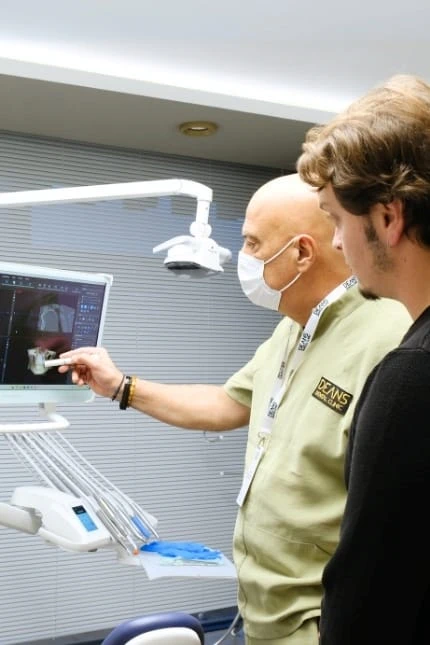
Ask about diagnostics. Will the treatment plan include a cone beam CT scan, digital photographs, bite analysis, and a review of gum health? If grafting might be required, ask how that decision is made and what added cost and healing time it involves. A clear provider can explain these items in plain language and show you the scan findings on screen.
Fees should be discussed in itemized form. Ask whether the quote includes the implant post, abutment, crown, temporary tooth, surgical guide, extraction, graft, sedation, and follow-up visits. Ask what happens if a graft becomes necessary after surgery begins or if a temporary restoration breaks during healing. For larger cases, request a phased treatment estimate showing timing and payment milestones. This matters because a full-arch quote can differ by many thousands of dollars depending on material and what is bundled.
You should also ask about experience and outcomes. How many implants does the provider place each month? How often do they treat cases like yours? What is their approach if an implant does not integrate? Is there a warranty on the implant components or the crown? Warranty terms vary. Some clinics cover parts for one to five years, while others limit coverage heavily or exclude failures associated with smoking, grinding, or missed maintenance.
Practical questions matter too. What level of discomfort is expected? How many visits will be needed? How long before you can chew normally? Will you leave with a temporary tooth? What foods should be avoided during healing? Can you return to work the next day? A useful consultation answers these everyday concerns, not just technical points.
Patients often benefit from bringing a written list and taking notes. If an office seems rushed or evasive when you ask direct questions, that can tell you as much as the answers themselves.
How to Care for Dental Implants
Caring for dental implants requires the same consistency you would give healthy natural teeth, with a few technique adjustments depending on the implant design. Implants cannot develop cavities, but the gum and bone around them can become inflamed if plaque accumulates. Daily home care and regular professional maintenance are central to long-term success.
For most patients, brushing twice a day with a soft toothbrush is the foundation. Electric brushes can be very effective because they improve plaque removal around the crown margin and gum line. Non-abrasive toothpaste is often preferred, particularly for polished implant surfaces and ceramic restorations. If the implant supports a single crown, flossing once a day around the implant is usually recommended. Floss designed for implants, interdental brushes with coated wire, or a water flosser may help clean areas that standard floss misses.
Implant bridges and full-arch restorations need more detailed cleaning because food and plaque can collect underneath the prosthesis. Many patients use super floss, threaders, interdental brushes, or oral irrigators. The exact tool depends on the shape of the restoration and the amount of space under it. Our readers should ask the provider or hygienist for a live demonstration because technique matters more than the brand name of the cleaning tool.
Professional maintenance is not optional. Most implant patients are advised to attend recall visits every 3 to 6 months depending on their gum history, hygiene level, and risk factors. At these appointments, the team checks for bleeding, pocketing, bone changes on X-rays, loose screws, bite issues, and wear of the crown or prosthesis. Patients with a history of periodontitis often need closer monitoring because they can be more vulnerable to peri-implant disease.
Lifestyle choices influence maintenance needs. Smoking raises the risk of implant complications and can worsen gum inflammation. Grinding or clenching may justify a night guard to protect the implant crown and the screws or ceramics attached to it. Hard habits such as chewing ice, biting pens, or cracking shells can damage restorations even if the implant itself remains stable.
Warning signs should not be ignored. Bleeding during cleaning, bad taste, persistent soreness, gum swelling, loosening, or a change in the way the implant bites can all signal a problem. Early intervention is usually simpler and less expensive than treating advanced bone loss. A well-maintained implant may function for decades, but only when patients and clinicians treat maintenance as part of the original treatment, not an afterthought.
Frequently Asked Questions About Dental Implants Near You
People searching for dental implants near them usually ask the same practical questions: who performs the treatment, how much it costs, how long it takes, whether it hurts, and how to compare local clinics. These are sensible questions because implant care combines surgery, restorative dentistry, and long-term maintenance. The details vary from patient to patient, yet there are reliable patterns that help people make informed decisions.
One common question is whether a general dentist or a specialist should handle the case. The answer depends on complexity and the provider’s training. Some general dentists place and restore implants frequently with strong results. Complex bone loss, difficult anatomy, advanced grafting, or full-arch reconstruction often calls for a provider with deeper surgical or prosthetic specialization. Patients should ask how many implants the provider places each year and whether similar cases are treated routinely.
Cost is another major concern. Many patients are surprised that the advertised fee may not include the crown, abutment, graft, or imaging. A nearby clinic offering a low implant price may still end up more expensive after all components are added. It helps to request a written estimate with every expected phase listed separately. That makes side-by-side comparison far more accurate.
Patients also ask whether local providers can handle emergencies or repairs quickly. This matters because crowns can loosen, temporaries can break, and soft tissue irritation may need prompt review. A nearby provider who offers strong aftercare may be more practical than traveling farther for a lower quote and then struggling to get follow-up.
Another frequent question is whether a consultation is worth scheduling with more than one office. In many cases, yes. For a single straightforward implant, two consultations can be enough to compare planning style and fees. For full-arch treatment or a case involving grafting, many patients benefit from three opinions. The differences in material choice, temporary design, sedation options, and maintenance plans can be substantial.
People often ask whether local experience matters more than brand-name implant systems. The answer is that both matter, but the provider’s planning and restorative skill usually matter more than the logo on the implant box. A well-known implant system with poor positioning can still create a disappointing result. A carefully planned case with high-quality restorative work generally performs better over time than a bargain case done without thorough diagnostics.
When looking near home, convenience is useful, but it should be the final filter rather than the first. Good local implant care is built on diagnosis, experience, communication, and follow-up support.
Are Dental Implants Painful?
Dental implants are usually less painful than many patients expect. During the actual procedure, the area is numbed with local anesthesia, so you should feel pressure and vibration more than pain. If sedation is used, awareness and anxiety may be reduced even further. For a straightforward single implant, many patients describe the experience as easier than a difficult tooth extraction and comparable to other routine dental surgeries once anesthesia is working properly.
Discomfort tends to be more noticeable after the numbness wears off. Typical symptoms include mild to moderate soreness, swelling, and tenderness when chewing or brushing near the area. Swelling often peaks around 48 to 72 hours after surgery and then gradually improves. Many patients manage with ibuprofen, acetaminophen, or a prescribed combination depending on their medical history and the provider’s instructions. Pain levels vary according to the number of implants placed, whether extractions or grafting were done at the same time, and individual pain sensitivity.
A single implant with no grafting may cause 2 to 5 days of manageable soreness for many people. Cases involving multiple implants, sinus lifts, or full-arch surgery can cause more swelling and may require several additional days of recovery. Patients often return to desk work within 1 to 3 days after a simple implant placement, though they may prefer to schedule surgery before a lighter work period. Soft foods such as yogurt, eggs, pasta, rice, soup, and smoothies are commonly advised in the early recovery phase.
Pain that gets steadily worse rather than better should be checked. Persistent throbbing, fever, bad taste, significant swelling beyond the expected period, or pain when biting after the restoration is attached may indicate a complication such as infection, bite overload, or another healing issue. Good providers tell patients what level of discomfort is normal and when to call the office.
Fear often comes more from uncertainty than from the procedure itself. When we explain the appointment clearly, most patients feel more reassured. Knowing how long the surgery will take, what type of anesthesia will be used, what medications are planned, and what the first 72 hours may feel like can make the entire process seem much more manageable. For many patients, the anticipation is worse than the actual experience.
How Long Do Dental Implants Last?
Dental implants are designed to be long-term tooth replacements, and many last for decades. The implant post in the bone may remain stable for 15 to 25 years or longer when placed correctly, maintained well, and protected from major risk factors. The visible part attached to the implant, such as a crown, bridge, or denture component, may not last as long as the implant itself. Crowns can wear, chip, loosen, or need replacement over time depending on material, bite force, and hygiene.
Long-term studies often report implant survival rates above 90% at 10 years, with many systems showing results around 95% in favorable cases. Survival does not always mean the implant has had zero maintenance. It may still need crown replacement, screw tightening, tissue treatment, or professional cleaning around the restoration. This is normal and should be part of the long-term expectation.
Several factors affect longevity. Daily home care is one of the strongest. Plaque buildup around implants can lead to peri-implant mucositis or peri-implantitis, which may cause bone loss and eventually threaten the implant. Smoking is a major negative factor and has been associated with higher complication and failure rates. Patients with a history of severe gum disease also need closer maintenance because they may be more prone to inflammation around implants.
Bite force is another factor. People who grind or clench can place excessive load on crowns and screws, increasing the chance of fracture or loosening. In those cases, a custom night guard may reduce stress. Implant position, bone quality, and the design of the restoration also influence lifespan. A poorly aligned implant can be harder to clean and may receive unfavorable forces over years of function.
Material choice plays a role in the restoration phase. Zirconia and porcelain restorations can look highly natural, though layered ceramics may chip under heavy force. Metal-ceramic and monolithic materials can offer different balances between strength and esthetics. In full-arch work, acrylic teeth may wear faster than more durable ceramic options but are often easier and less costly to repair.
Patients should think of implant longevity as a partnership. Good surgery, accurate restoration, and consistent maintenance work together. An implant is not a lifetime guarantee, yet with proper care it can be one of the longest-lasting options in restorative dentistry.
Can You Get Dental Implants in One Day?
Yes, some patients can get dental implants in one day, but the phrase needs careful explanation. In most cases, one-day treatment means the implant is placed and a temporary tooth or temporary full-arch prosthesis is attached the same day. It does not usually mean the entire treatment is finished permanently in one appointment. The final crown or final full-arch bridge is often delivered after several months of healing once the bone and soft tissue have stabilized.
For a single tooth, same-day implant placement may be possible if the failing tooth can be extracted cleanly, the surrounding bone is intact enough, infection is controlled, and the implant can achieve strong initial stability. Even then, the temporary tooth is often designed to avoid heavy biting forces during healing. In visible front-tooth areas, immediate temporization can be helpful for appearance, though the case selection has to be strict.
For full-arch cases, many clinics offer immediate-load treatment commonly known as same-day teeth. The patient may have remaining failing teeth removed, several implants placed in each arch, and a fixed temporary bridge attached within hours. This can be transformative for people coming from loose dentures or failing dentition. Still, the temporary prosthesis is usually a healing-phase restoration. The final version is often made after 3 to 6 months or longer.
Not everyone is a candidate. Bone volume, bone density, gum health, medical history, smoking status, and bite pattern all matter. If the bone is too soft or insufficient, the implant may not have enough initial stability for immediate loading. Patients who grind heavily or cannot follow a soft-diet period may also be poorer candidates. A cone beam CT scan and careful planning are generally needed to determine suitability.
One-day treatment can reduce the emotional and social burden of missing teeth, but it is not automatically superior to staged treatment. In some mouths, waiting for healing gives a more predictable result. Patients should ask whether the same-day option in their case is being recommended for clinical reasons or for convenience and marketing. A trustworthy provider should explain the stability values they look for, the diet restrictions during healing, and the difference between a temporary fixed solution and the final restoration.
When the anatomy is favorable and the plan is executed carefully, same-day implant treatment can be effective. The key is understanding that fast delivery and final completion are not the same thing.
What Is the Best Age for Dental Implants?
There is no single best age for dental implants, but there is a best timing based on jaw development, oral health, and overall medical stability. In general, implants are placed after jaw growth is complete. For many females this may be around the late teens, and for many males it may be slightly later, though the exact timing varies. Placing an implant too early can create problems because implants do not move with the developing jaw the way natural teeth do.
For adults, implants can be successful across a very wide age range. A healthy person in their 30s, 50s, or 70s may all be good candidates if they have adequate bone, stable gums, and manageable medical conditions. Older age on its own is not a contraindication. What matters more is healing capacity, medication profile, dexterity for cleaning, and whether the patient can attend maintenance visits.
Many patients seek implants in middle adulthood after a tooth fractures, fails root canal treatment, or is lost to periodontal disease. This can be an ideal period because jaw growth is complete and long-term planning can preserve function and bone. At the same time, seniors often benefit significantly from implants, particularly when struggling with loose lower dentures or reduced chewing ability. Two implants retaining a lower overdenture can dramatically improve denture stability and quality of life for older patients who are tired of movement and sore spots.
Medical review becomes more important with age. Conditions such as diabetes, cardiovascular disease, dry mouth, and use of medications that affect bone turnover need to be assessed. This does not mean implants are off the table. It means treatment may need more careful coordination and realistic healing timelines. Bone density changes, smoking history, and previous gum disease also influence candidacy at any age.
Younger adults should think long term because an implant placed at 25 may need restorative updates over decades of use. The implant itself may last a long time, yet the crown may eventually need replacement due to wear, esthetic changes, or gum contour shifts. Older adults should weigh the expected functional benefit against the complexity of surgery and maintenance, though many do extremely well and report high satisfaction.
The practical answer is that the best age is the point when growth is complete and the mouth and body are ready for predictable healing. A personalized evaluation is more useful than any age number by itself.
How Do I Choose the Best Dental Implant Dentist Near Me?
Choosing the best dental implant dentist near you means looking beyond the nearest office or the lowest advertised price. A strong choice is usually a provider who combines solid surgical or restorative training with transparent planning, current imaging technology, and a clear maintenance system after treatment. You are not just choosing someone to place a screw in bone. You are choosing a clinician or team to diagnose, design, execute, and support a restoration that may need to serve you for decades.
Start by defining your case complexity. If you need one implant in an area with healthy bone, more providers may be suitable. If you need bone grafting, a front-tooth esthetic implant, sinus augmentation, or full-arch treatment, you should raise the bar on experience. Ask how many implants the provider places and restores each year, what percentage of the practice is devoted to implant care, and whether they routinely manage cases like yours.
Look for strong diagnostics. The best local providers usually use cone beam CT imaging for planning when indicated, not guesswork from limited 2D views. Ask whether they use digital scanning, surgical guides when appropriate, and a quality dental lab familiar with implant restorations. Precision in planning affects angulation, emergence profile, cleanability, and the final look of the tooth.
Consultation quality is often the clearest indicator. A good dentist should review your medical history, medications, gum health, bite forces, and smoking status. They should explain whether extraction, grafting, temporaries, and final crown material are part of the plan. The estimate should be written and itemized. If one office gives you a detailed plan and another gives only a vague number, the difference in professionalism is already visible.
Compare aftercare, not just surgery. Ask who handles emergencies, loose crowns, healing concerns, and long-term maintenance. Find out whether the office offers hygiene support tailored to implants and whether they follow patients with periodic X-rays. If a full-arch bridge is proposed, ask how often it should be removed for professional inspection and cleaning.
Reviews, referrals, and before-and-after photos can support your decision, but they should not replace direct questions about training and process. Many patients do well by consulting two providers for a single implant and two or three for larger cases. The best implant dentist near you is usually the one who explains your options clearly, documents the plan carefully, and treats long-term maintenance as seriously as placement day.