
It is not automatically too late to get dental implants just because a tooth has been missing for many years or because a person is older. In most cases, the real issue is not time alone but whether the jawbone and general health can support implant surgery and healing. A dental implant is a titanium or zirconia post placed into the jaw to replace a tooth root, and it needs enough healthy bone, stable gums, and controlled medical conditions to succeed.
Many people receive implants 5, 10, or even 20 years after losing teeth. What changes over time is the condition of the bone. After a tooth is lost, the jaw can shrink by roughly 25% in width during the first year, with continued loss over the years if nothing replaces the root. That shrinkage can make treatment more complex, though not impossible. Bone grafting, sinus lift surgery, gum treatment, and digital planning often make implant placement possible even in cases that look delayed.
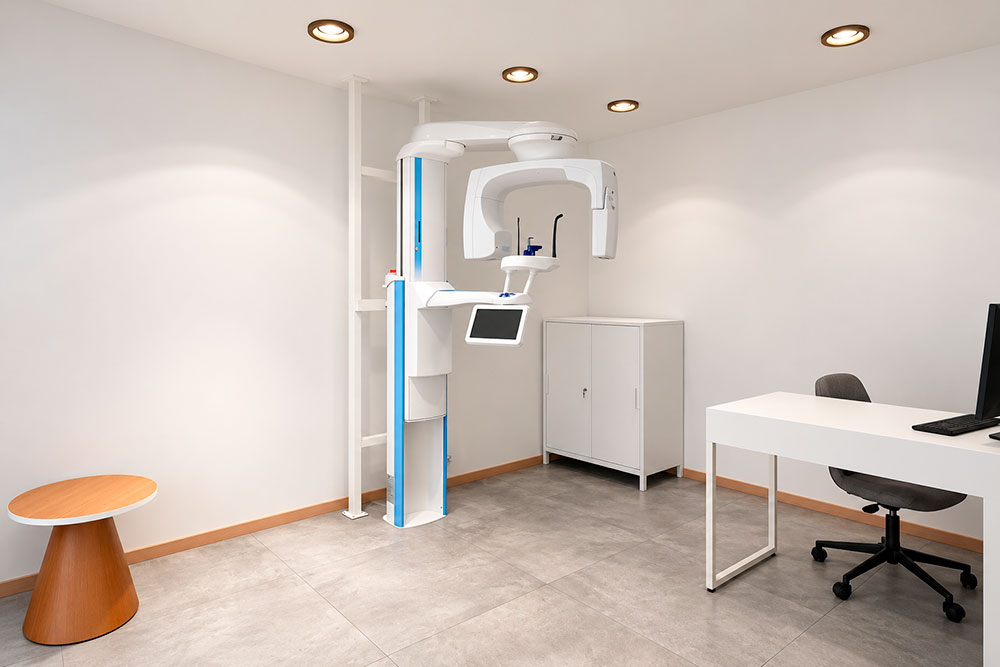
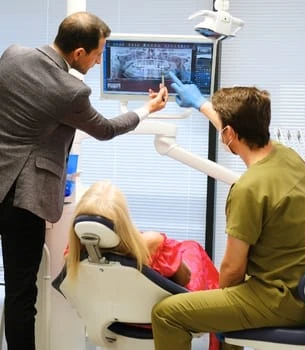
Implants may be unsuitable or need to be postponed when there is severe uncontrolled gum disease, active oral infection, poorly controlled diabetes, heavy smoking, recent radiation to the jaw, certain medications that affect bone healing, or a level of bone loss that cannot be predictably rebuilt. A dentist usually checks this with a clinical exam, gum assessment, bite analysis, and a CBCT scan, which gives a 3D image of bone height, width, and nearby structures such as nerves and sinuses.
Age by itself is rarely the deciding factor. A healthy 78-year-old may be a better implant candidate than a 42-year-old with untreated periodontal disease and uncontrolled blood sugar. Treatment timing, bone quality, oral hygiene, and healing capacity matter more than birth date. If you have been told you waited too long, a second evaluation with a prosthodontist, oral surgeon, or implant-focused dentist can clarify whether grafting, mini implants, zygomatic implants, or non-implant alternatives are more appropriate.
Who Is a Good Candidate for Dental Implants
A good candidate for dental implants is someone who has one or more missing teeth, enough healthy jawbone to stabilize an implant, and gums that are free from active infection. The person also needs to be medically stable enough for oral surgery and committed to daily oral hygiene after treatment. In practical terms, implant candidacy is based on anatomy, healing ability, and maintenance rather than age alone.
Most dentists look at several measurable factors during assessment. Adequate bone volume is one of the most important. Many standard implants are about 3.5 to 5 millimeters in diameter and 8 to 13 millimeters in length, so the site usually needs sufficient bone width and height for safe placement. If bone is limited, narrower implants or grafting may be considered. A CBCT scan helps measure this precisely in three dimensions and can show whether there is enough space from the sinus in the upper jaw or the inferior alveolar nerve in the lower jaw.
Gum health matters just as much as bone. A person with untreated periodontitis may face a much higher risk of peri-implant disease, which is inflammation and bone loss around implants. Before implant placement, dentists often want plaque and bleeding scores under control. Some clinics aim for bleeding on probing below 20% and stable periodontal charting before moving ahead. Good candidates usually attend regular cleanings every 3 to 6 months and can keep the area around the future implant clean.
General health affects healing speed and long-term stability. Controlled diabetes, treated high blood pressure, and common medications do not automatically disqualify someone. Uncontrolled diabetes with a high HbA1c level, active chemotherapy, recent major cardiac events, or immune suppression may delay surgery or require medical clearance. Smoking is also relevant. People who smoke heavily often have higher rates of implant complications, though many still receive implants after counseling and risk review.
Patient habits and expectations are part of candidacy. Teeth grinding can overload implants, though a night guard often helps. A person expecting a same-day permanent tooth in every case may need a more realistic plan, since many treatments take 3 to 6 months from implant placement to final crown. Implant success rates often exceed 90% to 95% in well-selected cases, but that depends on planning, hygiene, and follow-up care. Good candidates are not perfect patients; they are patients whose conditions can be managed predictably.
Is There an Age Limit for Dental Implants
There is no fixed upper age limit for dental implants. A person does not become ineligible at 60, 70, or 80 simply because of age. Implant decisions are based on bone quality, healing capacity, oral health, medications, and overall medical stability. A healthy older adult with good oral hygiene may be an excellent candidate, while a much younger person with severe gum disease or uncontrolled diabetes may need treatment delays.
There is, however, a practical lower age consideration. Dental implants are usually delayed until jaw growth is complete, because an implant does not move with developing bone in the same way a natural tooth can. For many girls, growth may be close to complete around ages 16 to 18; for many boys, it may be closer to 18 to 21. Dentists may use growth records, serial radiographs, hand-wrist films, or cephalometric analysis if there is uncertainty. Placing an implant too early can lead to esthetic and bite problems later as adjacent teeth continue to erupt or the jaws continue to grow.
For adults, upper age is not defined by a number. Published clinical experience shows that people in their 70s and 80s can achieve high implant survival rates when treatment is planned properly. Healing may be slower in some older patients, and medication reviews are often more complex, though the core biology still supports osseointegration in many cases. A 75-year-old may need a little more time for soft tissue recovery, but age itself does not prevent the implant from fusing to bone.
Dentists also consider functional benefits in older adults. Implants can improve chewing efficiency, denture stability, speech clarity, and confidence. For someone struggling with a loose lower denture, even two implants to retain an overdenture can make a major difference. This is often a lower-cost and less invasive option than full fixed implant bridges. Depending on the country and clinic, two-implant overdenture treatment may range from about $3,000 to $8,000 per arch, while larger fixed full-arch cases can be many times higher.
The key message is that age limits are biological in younger patients and health-based in older ones. If jaw growth is complete and medical risks are controlled, many adults remain eligible for implants well into later life.
Can You Be Too Old to Get Dental Implants
You can be older and still be a strong candidate for dental implants. The question is not whether someone is 68, 79, or 85. The real question is whether the mouth and body can support surgery and healing with an acceptable level of risk. In many dental practices, seniors form a significant part of the implant patient group because tooth loss and denture problems become more common with age.
Older adults often seek implants for practical reasons. Conventional dentures can become loose as the jaw shrinks over time. Lower dentures are known to be less stable than upper ones, and many patients report trouble chewing salad, apples, meat, or bread crusts. Implant-retained options can improve bite force and comfort. Even a simple two-implant lower overdenture can increase denture retention dramatically and reduce sore spots caused by movement. Some studies have shown meaningful improvements in oral health-related quality of life after these treatments.
The reasons an older person might not be suited for implants are usually medical or anatomical. Severe osteoporosis alone does not automatically rule implants out, but bone density, fracture history, and medications such as bisphosphonates or denosumab need review. Blood thinners often do not prevent implant surgery, though dosage, timing, and physician guidance matter. Frailty, poor manual dexterity, dementia, or inability to maintain oral hygiene can affect whether implants are a sensible choice, since implants still need lifelong cleaning and maintenance.
Surgery can often be tailored for seniors. A single implant may take 30 to 60 minutes. Multiple implants or grafting can take longer, often 1 to 3 hours depending on complexity. Local anesthesia is enough for many patients. Sedation can be used when needed, though medical history determines suitability. Recovery is usually manageable with mild to moderate discomfort, soft diet instructions, and a few days of reduced activity. Osseointegration commonly takes around 8 to 12 weeks in favorable cases and longer when grafting is involved.
A person can be functionally too compromised for implant care if surgery risks outweigh the expected benefit or if maintenance is unrealistic. That is different from being simply too old. Many people in their 70s and 80s do very well with implants when evaluated carefully and treated conservatively.
What Factors Can Make Dental Implants Not Possible
Dental implants are not possible in every situation, though many barriers are relative rather than absolute. The most common limiting factors involve insufficient bone, active infection, uncontrolled periodontal disease, serious medical instability, medication-related risks, and habits that interfere with healing. A dentist weighs these factors together rather than looking at one item in isolation.
Insufficient jawbone is a leading issue. After a tooth is lost, the bone that once supported the root begins to shrink. If the ridge becomes too thin or too short, a standard implant may not fit safely. In the upper back jaw, the maxillary sinus can expand downward after tooth loss, reducing available bone height. In the lower jaw, the nerve canal limits depth. A CBCT scan provides exact measurements and often reveals whether grafting is feasible or whether the site is too compromised for predictable treatment.
Active gum disease can also stop implant plans. If plaque control is poor and periodontal pockets are untreated, the risk of implant infection rises. Dentists usually prefer to stabilize gum disease before surgery because implants placed into an unhealthy oral environment face greater risk of peri-implantitis. This condition can cause bleeding, suppuration, and progressive bone loss around the implant.
Medical conditions may delay or prevent treatment. Uncontrolled diabetes, very recent heart attack or stroke, severe immune suppression, intravenous antiresorptive therapy in some cases, and radiation therapy involving the jaws can all change the risk profile. Poorly controlled blood sugar is linked to slower wound healing and increased infection risk. A history of radiation to the jaw may reduce blood supply to bone, which can impair healing and raise concerns such as osteoradionecrosis.
Lifestyle factors matter too. Heavy smoking, severe teeth grinding, and substance misuse can lower success rates or increase complications. Smoking reduces blood flow and can impair soft tissue healing. Bruxism places high mechanical load on implants and prosthetic components. Lack of commitment to maintenance is another major factor. Implants need brushing, interdental cleaning, periodic X-rays, and professional review. A person unable or unwilling to maintain this may not be a good implant candidate.
Some limitations can be corrected with grafting, periodontal therapy, smoking cessation, occlusal protection, or medical stabilization. Others remain major obstacles. The final decision depends on whether treatment can be carried out with a realistic expectation of long-term function.
How Bone Loss Affects Dental Implant Eligibility
Bone loss affects dental implant eligibility because an implant needs enough surrounding bone to remain stable during healing and under chewing forces after restoration. When a natural tooth is removed, the jaw no longer receives stimulation through the root. The body begins to resorb the unused bone. This can reduce both width and height of the ridge, changing whether a standard implant can be placed directly, whether grafting is required, or whether the site is not suitable for a conventional approach.
The pattern of bone loss is often fastest during the first year after extraction. Research commonly cites around 3 to 5 millimeters of horizontal ridge reduction in some sites during the first 6 to 12 months, though the amount varies by location, infection history, and whether ridge preservation was done. Vertical loss can also occur. In the upper posterior jaw, the sinus may enlarge into the empty space, reducing bone height available for implants. In the lower posterior jaw, the alveolar ridge may shrink toward the nerve canal.
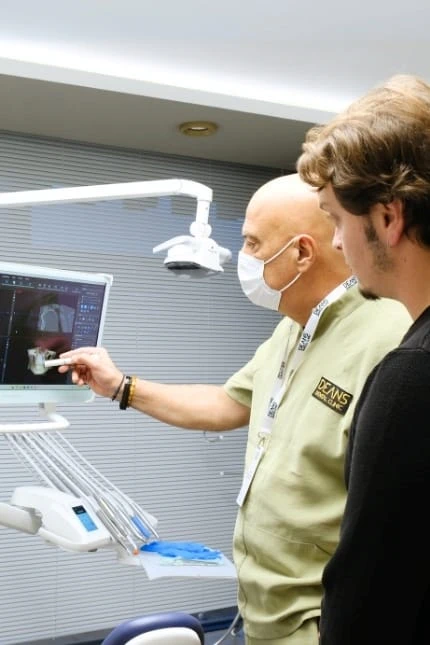
Dentists evaluate bone loss with a clinical exam and imaging. Panoramic X-rays give a broad overview, while CBCT scans provide more reliable measurements for implant planning. The scan can show whether a site has, for example, 4 millimeters of width where 6 or 7 millimeters would be safer for a standard-diameter implant. It also reveals bone density patterns, undercuts, sinus anatomy, and the position of nerves. This information determines whether direct placement, guided surgery, sinus lifting, ridge augmentation, or staged grafting is needed.
Bone loss does not always mean implants are impossible. Many patients regain eligibility through grafting. Small defects may be corrected with particulate graft and membrane, while larger defects may require block grafts or staged augmentation. Healing for a graft can take roughly 3 to 6 months before implant placement, and some complex cases take longer. Costs vary widely by region and complexity, though bone grafting may range from a few hundred dollars for a minor socket graft to several thousand dollars for larger ridge reconstruction.
Functional planning matters as much as raw bone volume. A front tooth in the smile zone needs careful bone and gum support for esthetics. A molar area may prioritize load distribution and crown space. Bone loss affects eligibility by changing the treatment pathway, not simply by creating a yes-or-no answer.
Can You Get Dental Implants Years After Tooth Loss
Yes, many people get dental implants years after tooth loss. A long gap between extraction and treatment does not automatically prevent implants. What often changes with time is the amount of available bone and the condition of the gums and bite. If the missing tooth has been absent for years, the jaw in that area may be narrower or shorter than it was shortly after extraction. Adjacent teeth may have drifted, and the opposing tooth may have over-erupted into the space. These changes can make planning more detailed, though implants can still be a realistic option.
Patients often ask whether there is a time limit, such as 2 years or 10 years. There is no universal deadline. Some people receive implants decades after losing a tooth. Dentists evaluate the site as it exists today rather than rejecting treatment based on the age of the gap alone. A 3D scan shows whether enough bone remains or whether bone grafting is needed. In some cases, orthodontic movement or bite adjustment is needed if neighboring teeth have shifted too much into the space.
Waiting a long time can increase treatment complexity and cost. A straightforward single implant placed into a preserved site may involve surgery and restoration over roughly 3 to 6 months. A delayed site with severe shrinkage may require ridge augmentation, sinus lift surgery, or soft tissue grafting, adding months to the timeline. Costs can rise accordingly. In many markets, a single implant with abutment and crown may range from about $3,000 to $6,000, while advanced grafting can add several hundred to several thousand dollars depending on materials and surgical difficulty.
Delayed implants can still have strong outcomes when planned correctly. Implant survival rates remain high in suitable candidates, and older extraction sites often perform well once adequate bone support is created. The main variables are infection control, bone quality, smoking status, bite forces, and maintenance. Patients who have worn partial dentures for years can often transition successfully to implants, though they may need modifications to their temporary prosthesis during healing.
If you lost a tooth years ago, the practical next step is not to assume failure. It is to get a clinical exam, periodontal review, and CBCT scan. The site may need more preparation than a recent extraction socket, but time alone rarely closes the door completely.
What Health Conditions Can Delay or Prevent Dental Implants
Several health conditions can delay dental implants, and a smaller number can make treatment inappropriate or too risky. Dentists are not looking for perfect health. They are assessing whether surgery, healing, and long-term maintenance can happen predictably. Controlled medical problems are often compatible with implant treatment. Poorly controlled or unstable disease is more concerning.
Diabetes is one of the most discussed conditions. People with well-controlled diabetes often receive implants successfully, though healing may be monitored more closely. Poorly controlled diabetes can increase infection risk and slow osseointegration. Some clinicians use HbA1c values as part of planning, often feeling more comfortable when levels are reasonably controlled, though exact thresholds vary by provider and patient context.
Cardiovascular disease may delay surgery if a patient has had a recent heart attack, stroke, or unstable angina. Blood pressure should also be controlled. Patients on anticoagulants can often still undergo implant surgery, but treatment may need coordination with the prescribing physician. Stopping medication without medical advice is not appropriate. The surgical plan may be adjusted with local hemostatic measures and shorter appointments.
Osteoporosis does not automatically prevent implants, though bone density and medication history matter. Antiresorptive drugs such as bisphosphonates and denosumab deserve careful review because of the rare but serious risk of medication-related osteonecrosis of the jaw, particularly with intravenous cancer-related dosing. The risk with oral osteoporosis dosing is lower, but it is still part of informed consent and treatment planning.
Radiation therapy to the head and neck can significantly affect implant candidacy if the jaws were in the treatment field. Reduced blood supply to irradiated bone can impair healing. Immune suppression, active chemotherapy, severe autoimmune disease flares, uncontrolled bleeding disorders, and advanced liver or kidney disease may also complicate treatment. Sleep apnea, arthritis, and neurological conditions do not usually prevent implants directly, though they may affect sedation options or oral hygiene ability.
Oral conditions count as health conditions too. Untreated periodontitis, chronic dry mouth, active abscesses, and uncontrolled bruxism can compromise outcomes. A dentist usually reviews medications, medical history, lab trends when relevant, and physician clearance if needed. Implants are often delayed until the condition is stabilized rather than ruled out permanently.
Can Smokers Get Dental Implants
Smokers can get dental implants, though smoking raises the risk of complications before and after placement. It does not act as an automatic ban in every clinic, but it changes the conversation from routine treatment to risk-managed treatment. The main concerns are reduced blood flow, slower soft tissue healing, higher infection rates, and increased risk of implant failure or peri-implantitis over time.
The degree of risk often relates to how much the person smokes and whether they can reduce or stop around the time of surgery. A patient smoking 2 or 3 cigarettes per day is in a different category from someone smoking 20 per day. Heavy smoking has been associated with lower implant survival and more marginal bone loss in many studies. The upper jaw tends to be more vulnerable because bone is often less dense than in the lower jaw. Bone grafting and sinus lift procedures are also more sensitive to smoking-related healing problems.
Many implant dentists ask patients to stop smoking for at least 1 to 2 weeks before surgery and continue abstinence for at least 6 to 8 weeks after surgery, since this is a critical healing window. Some recommend complete cessation because long-term smoking still affects maintenance. Nicotine itself can be an issue, so vaping and nicotine pouches may not be treated as harmless substitutes during healing. Carbon monoxide, heat, suction, and chemical exposure also affect tissues in different ways.
If a smoker goes ahead with treatment, planning may become more conservative. Dentists may avoid immediate loading in borderline cases, monitor healing more closely, and schedule more frequent hygiene visits such as every 3 or 4 months rather than twice yearly. A night guard may also be suggested if the patient clenches or grinds, because implants do not have the cushioning periodontal ligament that natural teeth do.
Smoking does not mean implants are doomed. Many smokers still have functioning implants for years. The key issue is that the risk profile is higher, and informed consent should be honest about that. If you smoke and want implants, one of the most valuable steps is to use the implant timeline as motivation to quit or at least achieve a sustained smoke-free period during healing.
What Are the Alternatives if It Is Too Late for Dental Implants
If dental implants are not possible or not advisable, several effective alternatives can still restore chewing, appearance, and speech. The best option depends on how many teeth are missing, the condition of the remaining teeth, budget, maintenance ability, and whether the patient prefers a fixed or removable solution. “Too late” for implants often means “not ideal right now” rather than “no treatment is available.”
A traditional dental bridge is one common alternative for a single missing tooth or a short gap. A bridge uses crowns on the teeth next to the space to support an artificial tooth in between. The main advantage is that treatment is usually faster than implant therapy. In many cases, preparation and delivery can happen over 2 to 4 weeks. The drawback is that healthy neighboring teeth often need to be reduced, and those teeth take on added load. Average lifespan is commonly quoted in the range of 7 to 15 years, though many last longer with good care.
Removable partial dentures are another option when several teeth are missing. They are usually more affordable than implants or fixed bridges and can replace multiple spaces in one appliance. Depending on design and materials, partial dentures may cost a fraction of a multi-implant plan. They do, however, move more during chewing, may trap food, and often feel bulkier. Some patients adapt well, while others find them inconvenient.
Complete dentures remain a practical choice for fully edentulous arches. Modern denture design can improve esthetics significantly, though stability varies. Upper dentures often work better because of the palate seal. Lower dentures are commonly less stable due to tongue movement and reduced surface area. Soft liners, relines, and periodic remakes are part of long-term denture care as the jaw changes. A typical denture may need adjustment within months and replacement every 5 to 10 years depending on wear and fit.
In selected cases where standard implants are not possible, advanced implant alternatives may still exist, such as mini implants, angled implants, pterygoid implants, or zygomatic implants for severe upper jaw loss. These are not simple substitutes and are usually managed by experienced surgical teams. They involve different indications, cost ranges, and anatomical considerations.
When implants are not the right path, the goal shifts from root replacement to practical restoration. A good dentist should explain what each option can realistically deliver in comfort, cost, lifespan, and maintenance rather than presenting a single treatment as the only acceptable solution.
How to Know if You Need Bone Grafting Before Dental Implants
You usually know whether bone grafting is needed only after a dentist examines the area clinically and studies imaging, most often a CBCT scan. Bone grafting is recommended when the ridge is too thin, too short, or too damaged by infection to support an implant with good long-term stability. It may also be needed for esthetic reasons, such as preserving gum contours in the front of the mouth.
There are some signs that can suggest a graft may be likely. If a tooth was removed a long time ago and the gum ridge now looks sunken or narrow, bone loss may be significant. If the tooth had a large cyst, severe periodontal disease, a root fracture with infection, or traumatic extraction, the socket may have lost more bone than average. Long-term denture wear can also reduce ridge volume. In the upper back jaw, a dentist may mention a sinus lift if there is not enough vertical bone under the sinus.
Imaging gives the clearest answer. A panoramic X-ray can suggest a problem, though it cannot measure bone width accurately. A CBCT scan shows exact dimensions in millimeters and reveals the relation to nearby structures. For example, a site may show only 3.5 millimeters of ridge width when a wider foundation is preferred for a standard implant. In that case, the dentist may recommend guided bone regeneration, ridge splitting, or a staged graft. If height under the sinus is limited, internal or lateral sinus augmentation may be proposed.
Bone grafting can happen at different times. Some patients receive socket preservation on the day of extraction to reduce collapse of the ridge. Others need grafting months or years later before implant placement. Minor grafting at the time of implant surgery is common. Healing times vary. A small graft may integrate in roughly 3 to 4 months, while larger augmentation can take 4 to 9 months before implants are placed or loaded.
Cost also varies widely. A simple socket graft may cost several hundred dollars, while larger ridge augmentation or sinus lift surgery may cost much more depending on materials, sedation, and complexity. If your dentist mentions “insufficient width,” “insufficient height,” “dehiscence risk,” or “lack of primary stability,” those are common clues that grafting is being considered to make the implant safer and more durable.
What Is the Best Time to Get Dental Implants After Tooth Extraction
The best time to get dental implants after tooth extraction depends on the condition of the socket, the presence of infection, the amount of remaining bone, gum quality, esthetic goals, and the patient’s general health. There is no single ideal timeline for every case. Dentists usually think in terms of immediate placement, early placement, delayed placement, or staged placement after grafting.
Immediate implant placement happens on the same day as extraction. This can reduce treatment time and may help preserve tissue contours, which is valuable in visible front teeth. It only works well when there is enough healthy bone to stabilize the implant and when infection, root damage, and gum loss are under control. The implant still needs a healing period, and “same day” does not always mean the final crown is placed immediately or that the tooth is ready for full chewing right away.
Early placement often occurs about 4 to 8 weeks after extraction, once initial soft tissue healing has occurred. This timing can be useful when the site needs a short recovery period but prolonged bone loss is best avoided. Delayed placement commonly happens around 3 to 6 months after extraction, which allows more complete socket healing and can be practical if there was infection or if grafting was performed. Staged treatment may be longer if a major bone graft or sinus procedure is required.
From a biological standpoint, waiting too long can allow greater ridge resorption. Many clinicians discuss ridge preservation at the extraction appointment because preserving bone early may reduce future complexity. Socket grafting materials can help maintain ridge dimensions, though they do not stop all remodeling. If no graft is done, noticeable width loss can occur in the first year.
The “best” time is really the time that offers the safest implant position and the most stable esthetic and functional result. A front tooth with a thin gum line may need a more cautious plan than a lower molar. An infected site may be suitable for immediate placement in one patient and unsuitable in another. The decision comes from imaging, torque expectations for primary stability, infection status, and how the final crown needs to sit in the bite and smile.
How a Dentist Determines if You Are Too Late for Dental Implants
A dentist determines whether you are too late for dental implants by examining the mouth, reviewing your medical history, assessing gum health, and studying imaging to measure available bone and anatomical limitations. The process is structured and evidence-based. It is not usually based on the age of the patient or the number of years since a tooth was lost.
The appointment often starts with a clinical exam. The dentist checks the shape of the ridge, the thickness of gum tissue, signs of infection, wear patterns, bite relationship, and the condition of neighboring teeth. If a denture or bridge is already present, they assess how it fits and whether it can serve as a temporary during treatment. Periodontal charting may be done to identify bleeding, pocket depth, recession, and plaque control. Active gum disease may need treatment before implants are even discussed in detail.
Medical history is the next major step. The dentist asks about diabetes, smoking, osteoporosis drugs, blood thinners, radiation treatment, immune disorders, and recent surgeries or hospitalizations. Some cases require medical clearance from a physician. The point is to understand healing ability and surgical risk, not just diagnosis labels.
Imaging is where candidacy becomes much clearer. A panoramic X-ray gives a broad overview, though a CBCT scan is often the key tool. It measures bone height and width in millimeters and shows the position of the sinus, nasal floor, nerve canal, and neighboring roots. The dentist can estimate whether the implant can be placed in an ideal prosthetic position or whether grafting would be needed. If the ridge is severely atrophic or the anatomy is unfavorable, the dentist may still discuss advanced solutions or non-implant alternatives rather than labeling the case impossible too quickly.
The dentist also considers the planned restoration. A single implant in a back tooth area is different from replacing a front tooth where gum symmetry is critical. They assess whether the patient can clean around the restoration, whether clenching is present, and whether expectations are realistic for time and budget. If the answer is no to standard implants, that may mean “not without grafting,” “not until health improves,” or “not predictably in this office.” A specialist opinion can sometimes change the treatment possibilities significantly.
FAQs About Getting Dental Implants Later in Life
People considering dental implants later in life tend to ask practical, direct questions: Am I too old, will healing take longer, is surgery painful, and will the investment still be worth it at my age. These are reasonable concerns, and the answers usually depend more on health and anatomy than on age in years.
One common question is whether seniors heal more slowly. The answer can be yes, though not always dramatically. Many older adults still integrate implants well, but treatment planning may allow a bit more healing time, particularly when bone grafting is involved. A straightforward implant may still heal in about 2 to 4 months before the final crown phase, while grafted or medically complex cases may take longer.
Another frequent question is whether implant surgery is painful. Most patients report that the procedure feels easier than expected under local anesthesia. Mild to moderate soreness, swelling, or bruising for a few days is common. Over-the-counter pain relief may be enough for simple cases, though prescriptions are sometimes used. For a single implant, patients are often back to normal activities within 24 to 72 hours, with instructions to avoid heavy chewing on the area.
Cost is also a major topic later in life, since retirees may compare implants with dentures or bridges. A single implant with crown can cost several thousand dollars, while implant overdentures and fixed full-arch options can vary much more. The key financial question is not only the upfront fee but maintenance, repairs, replacement cycles, and quality-of-life value over 10 or 15 years. Dentures usually cost less at the start but may need relines, adhesives, remakes, and adjustment visits.
Many older patients ask whether implants are worth it if they have had missing teeth for a long time. In many cases they are, provided bone and health conditions support treatment. People often seek implants because loose dentures reduce nutrition, confidence, and speech comfort. If implants can make eating easier and improve daily function, later-life treatment can be highly worthwhile. The best answers come from a scan-based evaluation, not assumptions linked to age.
Is it ever truly too late to get dental implants
It can be truly too late for dental implants in a small number of cases, though this is less common than many people assume. The phrase usually applies when treatment cannot be carried out with a predictable chance of healing and long-term function, even after considering grafting, specialist care, and medical optimization. Time alone is rarely the factor that closes the door. The limiting issues are usually biology, anatomy, and safety.
One example is a patient with severe bone loss combined with anatomy that cannot be rebuilt or bypassed predictably. If the upper jaw is extremely atrophic and the patient is not a candidate for major grafting or advanced implants, standard implant treatment may not be feasible. A person who has had high-dose radiation to the jaws, severe vascular compromise, or a history that puts them at substantial risk of jaw necrosis may also fall into a category where implants are not advisable. Some patients are unable to undergo surgery due to serious systemic disease or frailty that makes even minor oral surgery an unreasonable burden.
Oral hygiene and maintenance can also create a practical endpoint. If a patient has advanced cognitive decline, cannot perform daily cleaning, and does not have caregiver support, implant treatment may not be a responsible choice. Implants are not self-maintaining. They can develop mucositis or peri-implantitis if plaque control is poor, and treatment becomes much harder when the patient cannot cooperate with maintenance.
There are also cases where a person is “too late” for a preferred implant option but not for all implant options. A standard single-tooth implant may no longer fit without grafting. A fixed full-arch bridge may not be realistic, but an overdenture on two or four implants may still be possible. This is why wording matters. Too late for one treatment design does not always mean too late for every implant-based solution.
For most patients, the answer is that it is not truly too late until a detailed exam proves that no safe, predictable route remains. Many people who assume they missed their chance still qualify for implants after updated imaging and specialist review.
Can bone grafting make implants possible again
Yes, bone grafting can often make dental implants possible again when bone loss has reduced the available support at the intended site. Grafting is one of the main reasons a patient who was once told there is not enough bone may later become eligible for implants. The goal is to rebuild or preserve enough bone volume for secure implant placement and stable gum support.
Bone grafting is not a single procedure. It includes socket preservation after extraction, guided bone regeneration around an implant site, ridge augmentation for narrow or sunken ridges, sinus lift procedures in the upper back jaw, and block grafting for more severe defects. The material may be autogenous bone from the patient, donor bone, bovine-derived mineral, synthetic materials, or a combination. Each option has different handling properties and healing behavior.
Success depends on the size of the defect, blood supply, soft tissue closure, infection control, smoking status, and patient health. A small socket graft may preserve contour well enough for implant placement in 3 to 4 months. A larger lateral ridge augmentation may need 4 to 6 months or more. Sinus grafts may also require several months before the implant can be loaded or, in some cases, before it is even placed. The timeline is longer than immediate implant treatment, though it often converts a non-restorable site into a treatable one.
Bone grafting has limits. Very large defects, repeated graft failures, uncontrolled periodontal disease, or heavy smoking can reduce predictability. Some patients may also prefer to avoid the cost, time, and multiple surgeries involved. In these cases, a dentist may discuss shorter implants, narrower implants, tilted implant strategies, overdentures, or non-implant restorations instead. The right approach depends on anatomy and treatment goals, not on a one-size-fits-all rule.
When a dentist says there is not enough bone, that statement should usually lead to a second question: can the bone be rebuilt safely and predictably. In many cases, the answer is yes. Bone grafting does not guarantee implant success, though it often reopens options that seemed closed after years of resorption.
How long can you wait before getting dental implants
You can wait months, years, or even decades before getting dental implants, though the longer you wait, the more likely it is that the jawbone and bite will change. There is no exact expiration date after tooth loss. What changes over time is the amount of treatment needed to make implants work well. A short delay may have little impact in some patients, while a long delay can lead to ridge shrinkage, drifting teeth, gum collapse, and reduced implant space.
After extraction, the body begins remodeling the socket almost immediately. Significant bone width reduction often occurs within the first 6 to 12 months. If the missing tooth is not replaced, the neighboring teeth may tip into the gap and the opposing tooth may over-erupt. These shifts can complicate the bite and the prosthetic design. In the front of the mouth, delayed treatment may also affect smile esthetics because both bone and soft tissue contours can flatten over time.
Even with these changes, delayed treatment is still common and often successful. People may postpone implants for financial reasons, medical priorities, pregnancy, orthodontic treatment, or uncertainty about surgery. The main disadvantage of waiting is usually complexity, not impossibility. A simple site that could have accepted an implant 3 months after extraction may need grafting 5 years later. A treatment that might have taken 4 months may end up taking 8 to 12 months once grafts and staged healing are included.
If immediate replacement is not possible, ridge preservation at the time of extraction can be helpful. This procedure cannot freeze the bone in place perfectly, though it often reduces the extent of collapse and preserves future options. Temporary solutions such as a flipper, partial denture, or bonded provisional may maintain appearance while the site heals or while the patient plans finances.
The practical answer is that you can wait quite a long time, though waiting tends to trade convenience for complexity. If the tooth is already missing, an early implant consultation is still useful even if treatment will be delayed. A dentist can explain whether preserving bone now could save substantial time and cost later.
Are dental implants safe for seniors
Dental implants are generally safe for seniors when they are planned carefully and placed in patients whose medical conditions are stable. Safety is not determined by age alone. It depends on the person’s cardiovascular status, diabetes control, medication list, bone condition, oral hygiene ability, and whether the expected benefit justifies the procedure. Many older adults undergo implant treatment with few complications and gain major improvements in comfort and function.
Safety starts with preoperative assessment. Dentists review blood pressure, blood sugar history, anticoagulants, osteoporosis drugs, prior cancer treatment, and any history of jaw surgery or radiation. A CBCT scan helps reduce surgical risk by mapping nerves, sinuses, and bone contours before treatment begins. In many senior patients, surgery is done comfortably under local anesthesia, which is often safer and simpler than deeper sedation. For straightforward treatment, appointment length may be under an hour for a single implant.
The main surgical risks for seniors are similar to those for other adults: swelling, bruising, bleeding, temporary discomfort, infection, sinus involvement in upper jaw cases, or nerve irritation in lower jaw cases. These risks are usually low when imaging and planning are thorough. Medical complexity can increase risk, though it does not always prevent treatment. Many patients taking blood thinners or medications for chronic disease still receive implants with adjusted protocols and physician coordination.
Long-term safety includes maintenance. Older adults with arthritis, tremor, low vision, or reduced dexterity may need modified hygiene tools such as electric toothbrushes, water flossers, larger-handled interdental aids, or caregiver assistance. This matters because implants can develop inflammatory disease if not cleaned properly. For some seniors, an implant-retained overdenture may be safer and easier to maintain than a large fixed bridge because it can be removed for cleaning.
Implants can be very safe for seniors when the design matches the patient’s abilities and health. A conservative plan with two implants supporting a lower denture may offer excellent function with lower surgical burden than a more extensive full fixed reconstruction. Safety is strongest when treatment goals are realistic, hygiene is sustainable, and the patient is monitored regularly after placement.