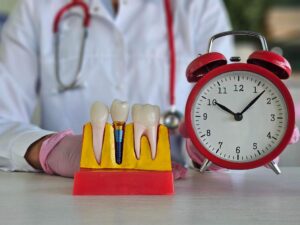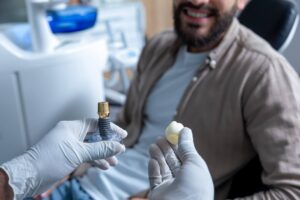
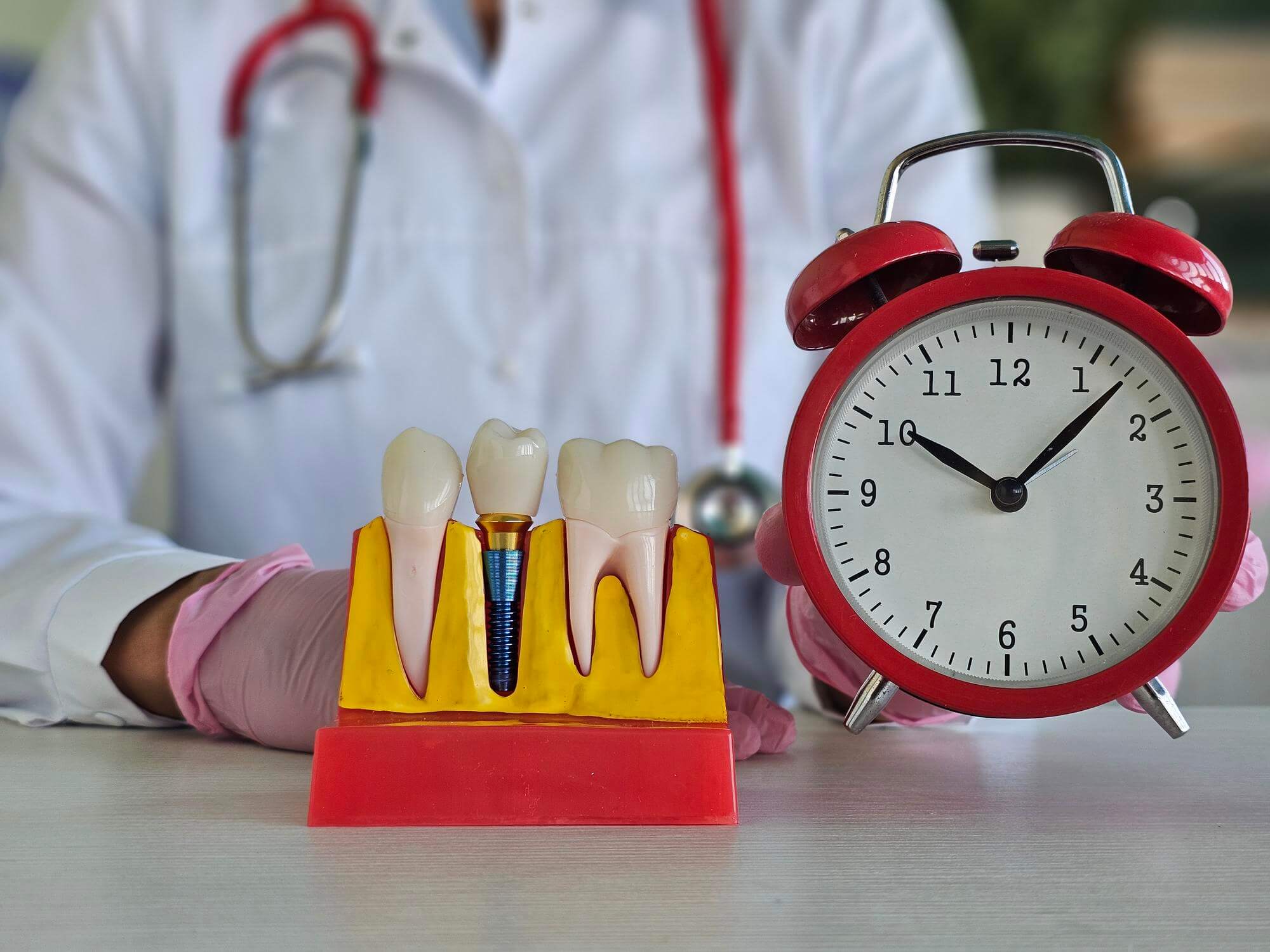
Yes, dental implants can be done in one day for selected patients. This approach is usually called same-day dental implants, immediate load implants, or teeth-in-a-day treatment. The key point is that the implant post can often be placed and a temporary tooth or temporary bridge attached within the same appointment, often in 2 to 6 hours depending on how many teeth are being replaced. What patients receive on day one is usually not the final porcelain crown. In many cases, it is a temporary restoration designed to look natural while the implant heals and bonds with the jawbone over the next 3 to 6 months.
Not every patient qualifies for one-day treatment. Dentists usually look for adequate jawbone volume, healthy gums, controlled medical conditions, and good bite stability. A cone beam CT scan is commonly used to measure bone width and height in millimeters before deciding whether immediate placement is safe. If there is active infection, significant bone loss, uncontrolled diabetes, heavy smoking, or strong teeth grinding, a staged approach may be safer.
Same-day implants are often used for a single front tooth, a few missing teeth, or full-arch cases such as All-on-4, where 4 to 6 implants support a temporary full set of fixed teeth. Success rates are high when planning is precise. Studies often report implant survival above 94% to 98% in appropriate cases, which is comparable to conventional protocols when case selection is strict.
Costs vary widely by country, materials, and complexity. A single same-day implant with a temporary crown may range from about $3,000 to $6,500 in the United States. Full-arch treatment can range from about $15,000 to $35,000 per arch, and premium cases may go higher. The appeal is clear: fewer surgical visits, no long gap without visible teeth in many cases, and faster return of appearance and basic function.
What Are Same-Day Dental Implants?
Same-day dental implants are implants placed into the jaw and restored with a temporary tooth or temporary bridge on the day of surgery or within about 24 hours. The phrase can describe several related treatments. In one version, a damaged tooth is removed, the implant is placed into the fresh extraction site, and a temporary crown is attached soon after. In another version, several implants are placed to support a temporary full-arch bridge, often for patients who need many failing teeth replaced. The restoration patients leave with is usually fixed in place, which means it does not come out like a traditional denture.
The concept depends on primary stability. That means the implant must lock firmly into the bone at the time of placement, often measured by insertion torque in the range of roughly 30 to 45 Ncm or more, depending on the system used. Dentists may also use resonance frequency analysis to confirm stability, with ISQ values often helping guide whether immediate loading is appropriate. If these values are too low, the dentist may place the implant and wait before attaching a tooth.
It helps to separate three ideas that patients often combine into one. Immediate placement means the implant goes in right after extraction. Immediate loading means a tooth is connected very soon after implant placement. Same-day teeth means the visible restoration is delivered within the same visit or by the next day. A case may involve one, two, or all three of these features.
The temporary teeth used on the day of surgery are designed with healing in mind. They are usually lighter in contact and shaped to reduce excessive biting force. For a single front tooth, the temporary crown may be kept slightly out of heavy function for several weeks. In a full-arch case, the temporary bridge often has a softer diet requirement for 6 to 12 weeks to protect osseointegration, the biological process where bone bonds to the implant surface.
Same-day implants do not eliminate planning. In many clinics, the process starts with digital photographs, scans, a CBCT scan, bite records, and a surgical guide. This planning can take days or weeks before the surgery date. What changes is the timing of tooth replacement, not the need for careful preparation. For the right patient, same-day treatment can restore appearance almost immediately while still following a structured healing protocol.
How Do One-Day Dental Implants Work?
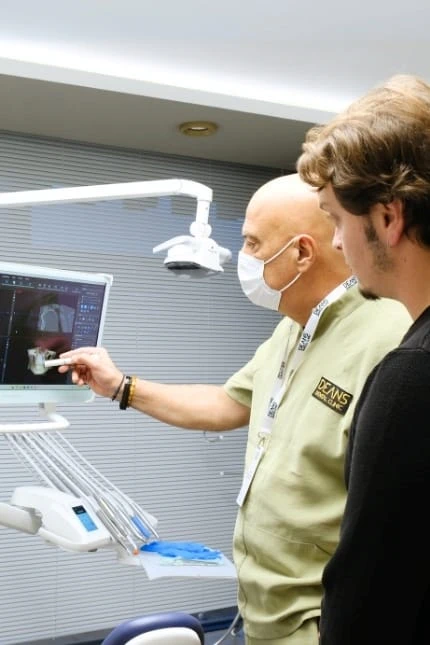
One-day dental implants work by combining diagnosis, digital planning, implant surgery, and temporary restoration into a tightly coordinated treatment sequence. The process starts well before the surgery date. The dentist or oral surgeon evaluates your medical history, gum health, bite, and bone quality. A cone beam CT scan is usually taken to measure available bone in three dimensions. Digital intraoral scans or physical impressions are used to design the temporary tooth or bridge. In more advanced clinics, guided surgery software maps the exact implant angle, depth, and position to within fractions of a millimeter.
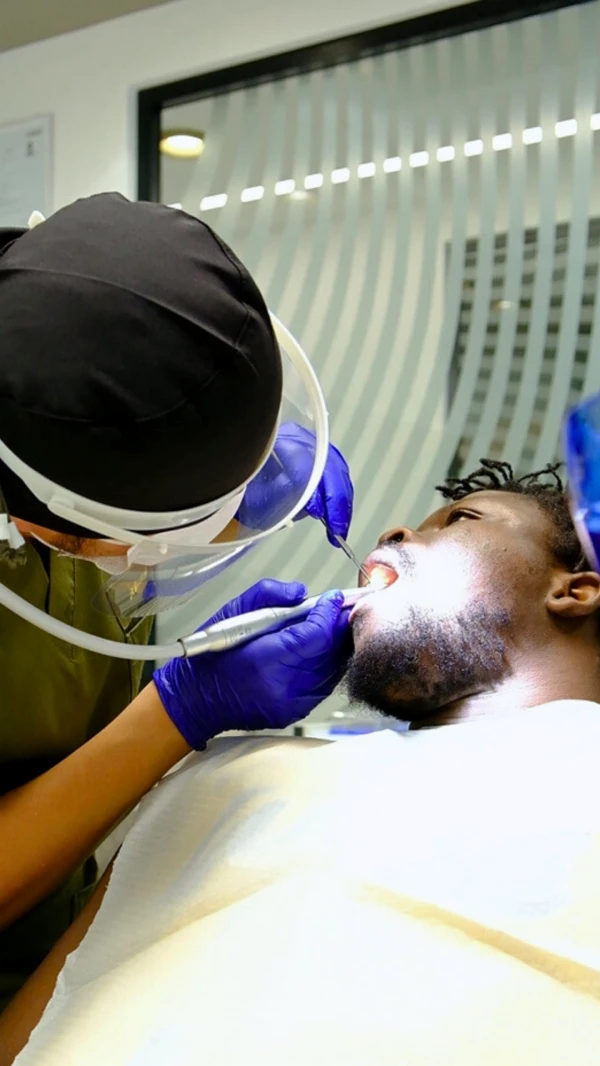
On the treatment day, any failing tooth scheduled for replacement may be removed as gently as possible to preserve bone and soft tissue. The implant is then inserted into the jawbone. A typical implant for a single tooth may be around 3.5 to 5.0 mm wide and 8 to 13 mm long, though sizes vary by anatomy. For a full arch, 4 to 6 implants are commonly placed. The back implants are often angled to avoid the sinus in the upper jaw or the nerve canal in the lower jaw. This strategy can reduce the need for bone grafting and create enough support for a fixed temporary bridge.
The critical step is implant stability at placement. If the implant grips the bone firmly enough, the dentist may attach an abutment and a temporary restoration on the same day. That temporary restoration is usually made of acrylic, composite, or a lightweight hybrid material rather than final zirconia or layered porcelain. The final restoration is often delivered after 3 to 6 months, once the implant has integrated and the gums have matured.
Soft tissue management is part of the process. Sutures may be placed, though flapless techniques can reduce bleeding and swelling in some cases. Patients usually receive local anesthesia, and many clinics also offer oral sedation or IV sedation. A single implant appointment may take 60 to 120 minutes. Full-arch same-day treatment may take 3 to 6 hours, with additional lab time if the bridge is fabricated on site.
The reason this can work in one day is not that the implant heals instantly. The bone still needs months to fuse with the titanium surface. The same-day part refers to placement and provisional restoration. Dentists control risk by reducing bite pressure, choosing suitable cases, and planning the prosthetic design so the temporary teeth protect the implants while healing continues.
Who Is a Good Candidate for Same-Day Dental Implants?
A good candidate for same-day dental implants is someone who has enough healthy jawbone to stabilize the implant immediately and a mouth environment that supports predictable healing. In practical terms, this often means adequate bone height and width on a CBCT scan, healthy or treatable gums, no uncontrolled infection at the planned site, and the ability to follow a soft-food healing period. Patients missing a single tooth in the front of the mouth are sometimes excellent candidates because the cosmetic benefit of leaving with a tooth the same day can be significant. Full-arch candidates can also do well when strategic implant placement creates stable support for a temporary bridge.
General health matters. Many adults with controlled high blood pressure, controlled diabetes, or stable chronic conditions can still qualify. Dentists often look more at control than at the diagnosis alone. For example, a patient with a hemoglobin A1c under about 7% to 8%, depending on the provider’s protocol, may heal more predictably than a patient with poorly controlled diabetes. Smoking status is another factor. Some clinics accept light smokers, while others place stricter limits because smoking increases the risk of implant failure and delayed tissue healing. Heavy smokers may be advised to quit for several weeks before and after surgery or choose a staged plan.
Bone quality is as important as bone quantity. Dense lower jaw bone often offers stronger initial fixation than softer upper jaw bone. If the implant reaches sufficient insertion torque, immediate loading becomes more realistic. Bite habits also affect candidacy. A patient with a stable bite and no major clenching or grinding may be a stronger candidate than someone with severe bruxism who places very high force on temporary teeth.
Commitment plays a role that many people underestimate. Same-day treatment is not just a fast cosmetic fix. Patients must return for reviews, keep the area clean, take medications as directed, and avoid hard foods such as nuts, crusty bread, ice, and tough meat during the early healing phase. Those who can follow these instructions closely tend to do better.
Age alone does not usually rule treatment in or out. Healthy adults in their 20s, 50s, 70s, and beyond may qualify if bone, gums, and medical factors are favorable. What matters most is whether the implant can be placed with enough stability and whether the temporary restoration can function without overloading the healing site.
Who Is Not Eligible for Dental Implants in One Day?
Some patients are good candidates for dental implants but not for the same-day version. The most common reason is inadequate primary stability. If the bone is too thin, too soft, or too reduced in height, the implant may not lock firmly enough at placement to support an immediate temporary tooth. This can happen after long-term tooth loss, advanced gum disease, trauma, or chronic denture wear. In those cases, a dentist may still place implants after bone grafting or may place the implants and allow them to heal under the gums before loading them later.
Active infection can also make one-day treatment unsuitable. A localized dental abscess does not always prevent immediate implant placement, but widespread infection, significant pus drainage, or severe tissue destruction can increase risk. The dentist may prefer to remove the tooth, let the area heal for 6 to 12 weeks, and then place the implant into healthier tissue. Severe periodontal disease across multiple teeth may need to be stabilized before implants are considered.
Certain medical conditions can delay or prevent same-day treatment. Uncontrolled diabetes, recent radiation therapy to the jaws, immune suppression, intravenous bisphosphonate use in some patients, recent heart events, and bleeding disorders may all require extra medical clearance or an alternative timeline. Heavy smoking and uncontrolled teeth grinding are frequent practical barriers. A patient smoking one pack a day and clenching at night places much more stress on the healing implant than someone with no such habits.
Patients seeking one-day implants must also have realistic expectations. If someone expects the final crown or final zirconia bridge on the surgery date, that may not match how the treatment normally works. The temporary restoration often looks very good, though it is still a provisional stage. People who cannot commit to a soft diet for several weeks or who are likely to miss follow-up visits may not be suitable immediate-load candidates.
Anatomical limits matter as well. In the upper back jaw, the sinus can reduce available bone height. In the lower back jaw, the inferior alveolar nerve sets a safety boundary. If available bone is only a few millimeters short of what is needed, advanced options may still be possible, though they often change the timing. Being ineligible for one-day loading does not mean being ineligible for implants overall. It often means a slower, safer path gives a better long-term result.
What Is the Difference Between Same-Day Implants and Traditional Implants?
The main difference between same-day implants and traditional implants is the timing of tooth attachment after the implant is placed. With same-day implants, the surgeon places the implant and, if stability is high enough, attaches a temporary tooth or temporary bridge within hours or by the next day. With traditional implants, the implant is usually left to heal for several weeks or months before a crown, bridge, or denture connection is made. Healing time in a traditional protocol often falls in the 3 to 6 month range, though exact timing depends on the jaw, bone quality, grafting, and implant design.
That timing difference affects the patient experience. Same-day treatment often reduces the time spent without visible teeth, which is a major benefit for front-tooth cases or full-arch cases where appearance matters from day one. Traditional protocols may require a removable temporary denture, a bonded temporary, or a healing cap during the waiting phase. Some patients tolerate that well. Others strongly prefer a fixed temporary option.
The surgical and biological principles are similar in both approaches. In each method, the implant still needs osseointegration, meaning bone cells attach to the implant surface over time. Same-day loading does not remove that healing process. It simply places a temporary restoration on the implant while healing is underway. Because of that, same-day cases demand stricter control of forces. Dentists often adjust the bite so the temporary tooth contacts lightly or avoids full chewing pressure.
Traditional treatment may be selected when conditions are less ideal. If insertion torque is low, bone quality is poor, infection is extensive, or grafting is needed, delayed loading often gives a wider safety margin. Same-day treatment usually asks more from planning, prosthetic design, and patient compliance. It may involve digital surgical guides, same-day lab support, and more precise coordination between surgeon and restorative dentist.
Cost can differ as well. Same-day treatment may carry added expense for immediate temporaries, in-house lab work, sedation time, or advanced digital planning. A single traditional implant crown sequence in the United States may cost around $3,000 to $5,500, while a same-day version may push toward the higher end or beyond, depending on complexity. Full-arch same-day cases also tend to be priced around the premium end because they compress multiple clinical and lab stages into a short timeframe.
What Are the Benefits of Same-Day Dental Implants?
The most obvious benefit of same-day dental implants is speed. Patients can often walk in with a damaged or missing tooth and leave with a fixed temporary replacement on the same day. For front teeth, this can make a major difference in confidence, social comfort, and work life. Many people do not want a removable flipper or a visible gap for 3 to 6 months. Same-day treatment reduces or eliminates that period in appropriate cases.
Function improves quickly as well. Even though patients still need a soft diet during early healing, a fixed temporary usually feels more stable than a removable appliance. Speech can improve faster, particularly in full-arch cases where failing teeth or loose dentures had affected pronunciation. Patients replacing multiple teeth often report easier smiling and less worry about denture movement. In full-arch treatment, 4 to 6 implants can provide immediate fixed support, which is often a major quality-of-life change for long-term denture wearers.
There can be biological benefits when the protocol is well chosen. Immediate implant placement into a fresh extraction socket may reduce the number of surgeries and shorten the overall treatment timeline. Preserving the extraction site quickly can also help support the gum contour in selected front-tooth cases, though this depends on tissue thickness, infection status, and socket anatomy. Fewer appointments can mean less time away from work and less cumulative stress for the patient.
Psychological comfort matters more than many brochures admit. Losing a tooth can feel abrupt and distressing. Replacing it immediately with something that looks natural often helps patients feel more in control. For a full-arch patient transitioning from unstable teeth to a fixed temporary bridge in one day, the emotional effect can be substantial.
Same-day treatment can also streamline care. A typical pathway may include consultation, digital scan, CBCT, guided surgery planning, implant placement, and temporary restoration with fewer separate visits than older staged methods. Some clinics complete much of the prosthetic work on site, which reduces delays between surgical and restorative phases.
These benefits depend on good case selection. When the implant is stable, the bite is carefully managed, and healing instructions are followed, same-day implants can combine appearance, function, and convenience in a way that feels efficient without being rushed. The speed is meaningful, though the long-term success still depends on months of careful healing and maintenance.
What Are the Risks or Disadvantages of Same-Day Dental Implants?
Same-day dental implants offer convenience, though they are not risk-free. The main disadvantage is that immediate loading places early stress on an implant that has not yet fused with bone. If the implant moves too much during healing, osseointegration can fail. Even movement in the low hundreds of microns may be enough to interfere with the bone-to-implant bond. That is why dentists are selective about who receives a temporary tooth right away and how that temporary is shaped in the bite.
Mechanical problems are more common with temporary restorations than with the final prosthesis. A temporary crown can loosen, chip, or fracture if the patient bites into hard foods too soon. Full-arch temporary bridges can crack under excessive chewing pressure, particularly in patients with strong bite force or bruxism. This usually does not mean the implants have failed, though it can require unscheduled repairs and extra cost or inconvenience.
Case selection errors can have consequences. If a patient has hidden infection, poor bone density, a heavy smoking habit, or uncontrolled medical issues, the failure risk rises. Full-arch same-day cases also demand precise placement. A small planning mistake in angulation or position can complicate the fit of the temporary bridge and later affect the final restoration. Because everything happens quickly, the margin for technical error can feel smaller than in a slower, staged protocol.
Soft-tissue outcomes can be less predictable in some immediate front-tooth cases. If the gum or facial bone is thin, a recession defect may appear over time even if the implant integrates. That can affect esthetics, which matters most in the smile zone. Some patients need additional grafting to support the tissue profile, and those tissue procedures can influence whether immediate loading is advisable.
Cost is another downside. Same-day treatment often uses digital planning, surgical guides, sedation, and rapid lab fabrication. These steps can increase fees. A patient may pay more up front for the convenience of leaving with a fixed temporary. Insurance coverage is often limited or variable, leaving a significant out-of-pocket amount.
There is also a behavioral disadvantage: some patients feel normal too quickly and overuse the temporary teeth. A soft diet for weeks can be frustrating, and poor compliance can lead to failure. Same-day implants can be highly successful, though they work best when speed is treated as one feature of a carefully controlled surgical protocol rather than as a shortcut.
How Long Does the Same-Day Dental Implant Procedure Take?
The time required for a same-day dental implant procedure depends on how many implants are being placed, whether teeth need to be extracted, whether sedation is used, and how the temporary teeth are made. For a single implant, the surgical part may take about 30 to 90 minutes. If the appointment includes tooth extraction, digital scanning, implant placement, abutment fitting, and delivery of a temporary crown, the total chair time often falls between 2 and 4 hours. In some clinics, the temporary crown is prepared in advance based on digital planning, which can reduce waiting time on the day.
Full-arch same-day treatment takes much longer. Placing 4 to 6 implants in one jaw, removing multiple teeth, reshaping bone when needed, and fabricating a fixed temporary bridge can take 4 to 8 hours. Some practices complete the surgery in the morning and deliver the temporary bridge later the same day. Others deliver it within 24 hours after the lab finalizes the prosthesis. If both upper and lower arches are treated together, the total timeline can approach a full-day visit.
Preoperative preparation should be factored in, even if patients think mainly about surgery day. The planning stage often includes a consultation lasting 30 to 60 minutes, a CBCT scan that takes only a few minutes, photographs, bite records, and treatment design. In guided cases, the surgical guide and temporary restoration may be prepared over several days before the main appointment. The reason the treatment can happen in one day is that a large amount of planning has already been done.
Sedation affects scheduling too. Local anesthesia alone generally allows faster recovery and discharge. Oral sedation or IV sedation adds monitoring and recovery time. Patients may need to arrive early and stay 30 to 90 minutes after surgery depending on the sedative used. Those receiving IV sedation will usually need an escort and should expect the day to be largely dedicated to treatment and rest.
Most people can return home the same day. Mild bleeding, numbness, and swelling are common in the first 24 to 72 hours. Work return varies by job type. A single-implant patient with desk work may go back in 1 to 2 days. A full-arch patient often prefers 2 to 5 days off, sometimes longer if bruising or fatigue is significant. The one-day label describes the tooth placement timeline, not the entire healing journey, which still unfolds over months.
Do You Leave With Teeth the Same Day?
Many patients do leave with teeth the same day, though what they receive is usually a temporary restoration rather than the final crown or bridge. For a single missing tooth, that may be a temporary crown attached to the implant or, in some cases, a temporary tooth supported in another way if the implant should not be loaded. For a full arch, it is often a fixed temporary bridge attached to 4 to 6 implants. The appearance can be very natural, and from a social distance most people will not notice that the teeth are temporary.
Whether you leave with teeth depends on implant stability, bone quality, and treatment design. If the implant cannot be secured firmly enough, the dentist may place it and allow it to heal without attaching a same-day tooth. This decision is based on safety, not on preference alone. A stable implant might allow immediate loading, while a less stable implant may need 8 to 16 weeks or longer before a tooth is connected. In some single-tooth cases, a non-biting temporary can be used in the esthetic zone so the tooth looks present but does not carry chewing force.
Patients are sometimes surprised to learn that same-day teeth are often designed to function conservatively. The temporary crown may be adjusted so it has little or no heavy contact when biting. In full-arch cases, the bridge is fixed, though the patient is commonly told to eat soft foods for 6 to 12 weeks. That means foods like yogurt, eggs, pasta, fish, oatmeal, cooked vegetables, and soft rice are generally preferred while osseointegration develops.
If an extraction is involved, dentists often try to preserve gum shape so the temporary looks balanced from the start. Digital smile design, lab wax-ups, and chairside acrylic modifications can help create a natural outline. The final restoration usually comes later once the gum has matured. That final phase may involve stronger and more aesthetic materials such as zirconia, ceramic, or a high-performance hybrid prosthesis.
The practical answer is yes, many patients do leave with teeth the same day. The more precise answer is that they usually leave with temporary fixed teeth if the bone supports immediate loading safely. Some leave with healing caps or another short-term solution if the implant needs a more protected healing phase. The difference is important because it shapes expectations about chewing, durability, and the number of follow-up visits needed before the final result is delivered.
Is the One-Day Dental Implant Procedure Painful?
Most patients do not describe the one-day dental implant procedure itself as painful because it is performed under local anesthesia, often with optional sedation. During the procedure, you are likely to feel pressure, vibration, and movement rather than sharp pain. The mouth is numbed in the same way used for many routine dental treatments, though implant surgery often requires more profound anesthesia and more time for preparation. For anxious patients, oral sedatives or IV sedation can make the appointment feel much easier. In larger full-arch cases, sedation is commonly chosen because the visit can last several hours.
After the anesthesia wears off, discomfort is expected. The amount varies by case. A single implant without grafting may produce mild to moderate soreness for 2 to 3 days, with tenderness improving steadily over the first week. Cases involving multiple extractions, several implants, or full-arch surgery tend to create more swelling, bruising, and jaw fatigue. Pain scores reported by patients often peak within the first 24 to 72 hours and then decline. Many people manage this period with prescribed anti-inflammatory medication, occasional stronger pain relief for the first day or two, ice packs, and rest.
Swelling is often more noticeable than pain. Mild swelling can begin within hours and usually peaks around day 2 or 3. Bruising may appear on the cheek or under the jaw, particularly after extractions or extensive flap surgery. Dentists often recommend applying cold packs in 10- to 20-minute intervals during the first day, sleeping with the head elevated, and avoiding strenuous exercise for at least 48 to 72 hours.
The temporary teeth themselves should not feel painful once the numbness has gone, though they may feel unfamiliar or slightly bulky at first. If the bite feels too high or a temporary crown taps first when you close, you should contact the clinic quickly. A simple adjustment can prevent excess force and reduce soreness around the implant.
People who have had both tooth extraction and implant placement often say the recovery is easier than they expected, though that is not universal. Pain tends to be lower when surgery is well planned, tissue handling is gentle, and the patient follows instructions on food, cleaning, and medication. The procedure is surgery, so it should not be treated casually, but with proper anesthesia and aftercare it is usually manageable rather than severely painful.
How Many Implants Can Be Done in One Day?
The number of implants that can be done in one day ranges from one implant to a full-mouth rehabilitation, depending on anatomy, treatment goals, and surgical stamina. A single implant for one missing tooth is common and may take under two hours including the temporary phase. At the other end of the spectrum, one arch can often be restored with 4 to 6 implants in a same-day protocol, and some patients receive treatment in both upper and lower jaws in one long appointment. That can mean a total of 8 to 12 implants placed in one day, though not every patient is suited for that scale of surgery.
For full-arch treatment, 4 implants are often the minimum in an All-on-4 design, with 5 or 6 implants used when anatomy or bite forces suggest the need for broader support. The number does not always equal better results. Implant distribution, angulation, bone density, and prosthetic planning matter more than placing the highest number possible. A well-designed 4-implant lower arch may perform very well, while another case may need 6 because of softer bone, a longer arch span, or a larger bite force.
Time, swelling, and medical considerations influence how much can be done at once. A healthy patient under sedation may tolerate multiple extractions and 4 to 8 implants in a single day. A patient with medical complexity, severe anxiety, high blood pressure swings, or limited mouth opening may be safer with staged appointments. Dentists also consider whether temporary restorations can be fabricated and adjusted accurately within the same treatment window.
There is a practical distinction between how many implants can be placed and how many can be immediately loaded with temporary teeth. A surgeon might place several implants in one visit but choose to attach a same-day restoration only to those with strong stability. Others may heal under the gums or with healing abutments. This is common in mixed-complexity cases where some sites have excellent bone and others do not.
From the patient perspective, one-day treatment can cover a surprising amount of work, though more is not always better. The goal is a stable, safe plan with manageable healing. Many clinics complete 1 to 6 implants in a routine same-day schedule. Full-mouth same-day surgery is possible, though it requires much more planning, longer operating time, careful bite control, and a patient who can handle the recovery demands of a major dental procedure.
Do You Need Bone Grafting Before Same-Day Dental Implants?
You do not always need bone grafting before same-day dental implants, though it depends on how much healthy bone is available and where the implant must be placed. If the jaw has enough width and height to hold the implant with strong initial stability, same-day placement and temporary restoration may be possible without grafting. This is more likely when the tooth has been missing for a short time, the surrounding bone has not collapsed significantly, and the gums are healthy. A CBCT scan is the standard way to evaluate this accurately, because regular dental X-rays do not show the full three-dimensional anatomy.
Bone grafting becomes more likely when the tooth has been missing for many months or years, after trauma, after periodontal disease, or in areas where the sinus has expanded downward in the upper back jaw. For a single implant, a site may need enough width to safely surround the implant with bone on all sides. If the ridge is too narrow by even 1 to 2 mm, grafting may improve long-term predictability. In the upper molar region, sinus lift procedures are sometimes needed if there is not enough vertical bone height.
It is possible to place an implant and graft at the same appointment. Small gaps around an immediate implant placed into an extraction socket are often filled with graft material and covered with a membrane while the implant heals. This is not the same as needing a large bone-building procedure months in advance. In minor defects, simultaneous grafting and same-day treatment may work well. In major defects, the dentist may recommend grafting first, then waiting 3 to 6 months before implant placement.
Full-arch same-day solutions can sometimes avoid large grafts by using angled implants and available native bone strategically. This is one reason All-on-4 became popular. In selected patients, angling the back implants can bypass anatomical limitations such as the sinus or nerve and reduce the need for extensive grafting. That said, severe bone loss can still require more advanced planning or different implant options.
Patients often hear that same-day implants mean no grafting at all. That is not always true. Some cases need no graft. Some need a small graft at the time of implant placement. Some need larger grafting before implants can be loaded safely. The decision is based on bone measurements, implant stability targets, esthetic goals, and the bite forces the final restoration will need to handle.
How Long Do Same-Day Dental Implants Last?
Same-day dental implants are intended to last as long as conventional implants. The implant itself can often function for 15 years or more, and many remain successful for 20 years or longer when placed well and maintained properly. Long-term studies on dental implants in general often report survival rates above 90% at 10 years. Same-day protocols can achieve very similar outcomes when patient selection is careful and the temporary restoration is managed correctly during healing.
It helps to distinguish between the implant and the tooth attached to it. The titanium implant post is one component. The abutment, screw, temporary crown, and final crown or bridge are separate parts with different lifespans. A same-day temporary crown may last only a few months until the final restoration is ready. A final crown may last 10 to 15 years or longer depending on material, bite forces, and oral hygiene. Full-arch prostheses may need repairs, relines, screw replacement, or acrylic tooth maintenance over time. Zirconia full-arch bridges tend to be more durable than acrylic temporaries, though they still require professional review.

Several factors influence longevity. Smoking, uncontrolled diabetes, poor cleaning, untreated gum disease around nearby teeth, and nighttime grinding all increase risk. Bone loss around implants can occur if plaque accumulates and inflammation develops, a condition often called peri-implant mucositis or peri-implantitis. Regular professional monitoring is important because early inflammation can often be managed before major damage occurs.
The first few months are crucial. Same-day implants succeed long term when they survive the early osseointegration phase without micromovement overload. That is why clinics emphasize soft diets and bite adjustments during healing. A patient who ignores these instructions and repeatedly stresses the temporary teeth may shorten the life of the implant before it fully integrates.
Maintenance is not complicated, though it is ongoing. Most providers recommend checkups and hygiene visits every 3 to 6 months in the first year, then intervals based on risk. Patients who use night guards when indicated, clean thoroughly around the implant, and attend reviews often keep implants functioning for many years. So the honest answer is that same-day implants can last a very long time, though their durability depends less on the one-day aspect and more on planning, healing, hygiene, and long-term bite control.
What Is Recovery Like After One-Day Dental Implants?
Recovery after one-day dental implants is usually manageable, though the experience depends heavily on whether you had a single implant or a full-arch procedure. For a single implant, many patients describe the first 24 to 72 hours as the most noticeable period, with soreness, mild bleeding, and localized swelling. For full-arch treatment involving multiple extractions and several implants, swelling can be more pronounced, energy levels may drop for a few days, and bruising can last 7 to 10 days. Most patients improve steadily within the first week.
The early healing period is less about intense pain and more about protecting the implant from overload. A soft diet is often recommended for at least several weeks. Foods such as soup, yogurt, smoothies eaten carefully, mashed vegetables, soft pasta, eggs, fish, oatmeal, and rice are commonly advised. Hard, crunchy, and chewy foods can transmit too much force to the temporary teeth and the healing implants. Even if the temporary feels strong, the bone bond is still developing below the surface.
Medication protocols vary, though many dentists prescribe or recommend an anti-inflammatory pain reliever, sometimes an antibiotic, and an antiseptic mouth rinse for a short period. Ice packs on the first day, limited physical activity for 48 to 72 hours, and elevated head position while sleeping can help reduce swelling. Smoking and alcohol are usually discouraged during the healing phase because they can slow tissue recovery and increase complication risk.
Oral hygiene starts gently. Patients are often told not to brush directly on the surgical area for the first day or as instructed, then to resume careful cleaning with a soft brush. For full-arch cases, special tools such as water flossers, super floss, proxy brushes, and low-abrasion toothpaste may be introduced after the tissues stabilize. The team usually schedules follow-up visits at around 1 week, several weeks later, and then at intervals until the final restoration is ready.
Speech may feel different at first, particularly with full-arch temporary bridges. Most people adapt over several days. Mild pressure points or bite imbalances can appear once swelling changes, so small adjustments are common and useful. Patients should call the clinic if they notice increasing pain after several days, bad taste, fever, persistent bleeding, a loose temporary, or a bite that feels too strong on one side. Recovery is usually a process of steady daily improvement rather than a single dramatic turning point.
How Much Do Same-Day Dental Implants Cost?
The cost of same-day dental implants varies widely by country, clinic, materials, and whether the case involves one tooth or a full arch. In the United States, a single same-day implant with extraction when needed, implant placement, abutment, and a temporary crown often falls in the range of about $3,000 to $6,500. If bone grafting, sedation, or advanced esthetic work is added, the figure can rise. The final crown may or may not be included in the first quoted price, so patients need a written breakdown.
For multiple teeth, costs scale according to the number of implants and the type of restoration. A same-day implant bridge replacing several teeth may cost anywhere from roughly $8,000 to $20,000 or more depending on implant count and prosthetic design. Full-arch same-day treatment, often described as All-on-4 or All-on-6, commonly ranges from about $15,000 to $35,000 per arch in many U.S. markets. Premium zirconia final bridges, extensive extractions, sedation, and advanced grafting can push fees higher, sometimes beyond $40,000 per arch.
Why the difference in price? The fee reflects more than the implant itself. Costs often include consultation, CBCT imaging, digital planning software, surgical guides, surgeon fees, sedation, extraction of failing teeth, temporary fixed teeth, follow-up adjustments, and the final restoration months later. Some clinics advertise a low starting figure that covers only the surgery, while others package the entire process. Our readers should always ask whether the quote includes the implant post, abutment, temporary restoration, final crown or bridge, imaging, medications, and reviews.
Internationally, prices may be lower. In some countries, a single implant package may start around $1,000 to $2,500, while full-arch treatment may range from $6,000 to $15,000 per arch. Travel savings can be real, though patients should factor in flights, hotel stays, possible return visits, language clarity, and who will manage complications after they go home.
Financing is common because same-day treatment often requires a larger initial payment. Monthly plans through healthcare lenders may spread costs over 12 to 60 months. Price matters, though value matters more. A carefully planned implant with strong diagnostics, experienced surgical hands, and clear follow-up support often costs more for reasons that directly affect safety, fit, and long-term success.
Are Same-Day Dental Implants Covered by Insurance?
Insurance coverage for same-day dental implants is mixed and often limited. Many dental insurance plans in the United States still classify implants as a major service with partial coverage, annual caps, or exclusions. Some plans cover portions of the treatment, such as extractions, imaging, anesthesia, or the crown, while paying little or nothing toward the implant post itself. Annual maximums commonly fall around $1,000 to $2,500, which is far below the cost of most implant cases. That means even when benefits apply, patients often face a significant out-of-pocket balance.
Coverage also depends on timing and coding. The fact that the implant and temporary tooth are done on the same day does not automatically change whether they are covered. Insurers usually evaluate each component separately. A temporary denture or provisional crown may be considered under one code, the implant under another, and the final crown under a separate restorative code months later. Some policies cover the crown but not the implant body. Others exclude implant-related services altogether and pay only for a lower-cost alternative, such as a removable partial denture.
Medical insurance can sometimes help, though only in specific situations. If tooth loss is linked to facial trauma, pathology, congenital conditions, or reconstructive surgery, medical coverage may apply to certain parts of the treatment. This is less common for routine tooth replacement caused by decay or periodontal disease. Preauthorization is useful because verbal estimates are not the same as approved benefits.
Patients should ask the clinic for a written treatment plan with itemized codes and fees. That allows a predetermination of benefits to be sent before treatment. It is also worth asking whether the office will submit claims for both surgical and restorative phases and whether they offer financing for uncovered portions. Health savings accounts and flexible spending accounts are often used for implants, which can reduce the tax burden of payment.
For full-arch same-day cases, coverage tends to be even less straightforward. An insurer may contribute to extractions or a denture alternative while excluding the fixed implant bridge. The practical result is that patients should view insurance as possible partial assistance rather than full payment. Good financial planning includes checking annual limits, waiting periods, missing-tooth clauses, and frequency limits on crowns, imaging, and replacement prostheses before the surgery date.
How Successful Are Same-Day Dental Implants?
Same-day dental implants are highly successful when placed in appropriate patients with careful planning. Reported survival rates often fall in the range of about 94% to 98% or higher, depending on the study design, follow-up period, implant location, and whether the case involves a single tooth or a full arch. These numbers are broadly comparable to conventional implant protocols when immediate loading is used selectively and not pushed into unsuitable situations.
Success is influenced by more than whether the tooth was attached the same day. The strongest predictors include primary stability at placement, bone quality, absence of uncontrolled infection, prosthetic design, and patient behavior during healing. A dentist may aim for insertion torque values around 30 to 45 Ncm or more when planning immediate loading, though exact thresholds vary by implant system and clinical judgment. High stability reduces the chance of early micromovement disrupting osseointegration.
Single-tooth implants in the front of the mouth can do very well, though esthetic success depends on soft tissue quality as much as on implant survival. Full-arch immediate-load cases also show strong outcomes, with many modern protocols reporting high implant survival and high patient satisfaction. Full-arch treatment often benefits from splinting multiple implants together in one fixed bridge, which can distribute force more effectively than a single standalone temporary crown.
Early failure, when it happens, usually occurs in the first few months before full integration. Causes can include low bone density, overload from chewing too soon, smoking, poor oral hygiene, or medical factors that slow healing. Late problems are more often related to peri-implant inflammation, screw loosening, prosthetic wear, or untreated grinding. This is why long-term success is not just a surgical outcome. It also depends on maintenance and monitoring.
Success rates should be interpreted carefully. Clinics may advertise implant survival, which means the implant remains in place. That is not identical to ideal esthetics, perfect gum contours, or zero maintenance. A realistic view is that same-day implants can be very reliable, though they require the right biology, the right design, and the right follow-through. Patients who choose experienced providers, follow a soft diet, avoid smoking, and attend maintenance visits generally have the strongest chance of seeing long-lasting results.
How Do You Care for Same-Day Dental Implants?
Caring for same-day dental implants starts with protecting the implant during the earliest healing period. The implant may feel solid, though the bone bond is still forming over several weeks and months. For that reason, dentists usually recommend a soft diet and careful chewing habits at the start. Hard foods, sticky foods, and direct biting on a temporary front tooth can place unnecessary force on the implant. Many failures that occur early are related to overload rather than hygiene alone.
Cleaning begins gently. During the first day, patients are often told to avoid vigorous rinsing and to follow the clinic’s instructions precisely. After that, hygiene usually includes a soft toothbrush, low-abrasion toothpaste, and gentle cleaning around the gumline. If the case is full arch, patients may be shown how to clean under the bridge with super floss, threaders, proxy brushes, or a water flosser. A chlorhexidine rinse may be prescribed short term, often for 1 to 2 weeks, though long-term use is not always advised because of staining and changes in taste.
Follow-up care matters as much as home care. Most clinics want to review the site within about 1 week, then again after several weeks, and later at the stage when the final restoration is planned. These visits allow the dentist to check healing, remove sutures if needed, adjust the bite, and make sure the temporary is not placing excessive force on the implant. A small high spot on a temporary crown can be enough to create trouble, so adjustment appointments are important, not optional.
Once the final crown or bridge is placed, the implant should be maintained like a high-value long-term dental restoration. Professional hygiene visits every 3 to 6 months may be recommended for patients with higher risk factors such as past gum disease, smoking, diabetes, or poor manual dexterity. The team may take periodic X-rays to monitor bone levels around the implant. Stable bone and healthy pink tissue are signs that care is working.
Night guards can be essential for people who grind or clench. Bruxism creates repeated lateral forces that can damage crowns, loosen screws, or stress the bone around implants. Good implant care is a combination of daily cleaning, force control, regular reviews, and realistic eating habits. The routine is not difficult, though consistency matters if you want the implant to remain healthy for many years.
How to Choose the Right Dentist for Same-Day Dental Implants
Choosing the right dentist for same-day dental implants starts with verifying experience in implant surgery and immediate-loading cases, not just general cosmetic dentistry. Same-day treatment demands precise diagnosis, surgical skill, and restorative planning in the same workflow. A provider who has placed a large number of implants and can explain how many same-day cases they perform each month is often in a stronger position than one who offers the service only occasionally. Ask whether the surgery is performed by a general dentist with advanced implant training, an oral surgeon, a periodontist, or a prosthodontist, and how the team coordinates restorative steps.
Technology is worth examining, though it should support judgment rather than replace it. Useful tools include cone beam CT imaging, digital intraoral scanning, guided surgery software, and the ability to fabricate or coordinate temporary restorations efficiently. A clinic that can show you your bone anatomy, planned implant position, and the reason you do or do not qualify for same-day loading is usually demonstrating a thoughtful process. The consultation should include clear measurements, treatment alternatives, timeframes, and risks rather than sales language alone.
It is reasonable to ask direct questions such as these:
-
How many implants and same-day full-arch cases have you completed in the past year?
-
What are your implant survival rates for immediate-load cases?
-
Who makes the temporary and final teeth, and what materials are used?
-
What happens if the implant is placed but cannot be loaded the same day?
-
What follow-up visits, adjustments, and emergency support are included in the fee?
-
Do you provide a written treatment plan with separate costs for surgery, temporary restorations, final restorations, grafting, and sedation?
Before-and-after photos can help, though they should not be the only basis for trust. Reviews are useful when they mention specifics such as communication, pain control, fit of temporary teeth, and how problems were handled. Our readers should also pay attention to whether the clinic discusses maintenance and limitations openly. If a dentist promises that every patient can get permanent teeth in one day with no caveats, that is a warning sign. Real implant care involves case selection and sometimes saying no to speed when anatomy does not support it.
Comfort with the team matters. You should feel that questions are answered clearly, pressure is low, and the plan is individualized. A strong provider does not simply sell a one-day label. They show why the approach is appropriate for your bone, your bite, and your long-term dental health.
FAQs About One-Day Dental Implants
Patients often ask whether one-day dental implants are truly completed in a single visit. The accurate answer is that the implant placement and temporary tooth delivery can often happen in one day, though the final crown or final full-arch bridge usually comes later after 3 to 6 months of healing. That distinction helps set realistic expectations. The visible result may look nearly complete on day one, yet the biological process is still ongoing beneath the gums.
A common question is whether same-day implants are safe. In well-selected patients, yes, they are considered safe and predictable. Safety depends on bone quality, implant stability, infection control, gum condition, and whether the temporary restoration is protected from excess force. Dentists do not simply decide based on convenience. They rely on scans, measurements, and intraoperative stability checks. If the implant is not stable enough, loading is postponed even if a patient strongly wants teeth immediately.
Many people also ask whether same-day treatment means they can eat normally right away. Usually not. Even when fixed temporary teeth are attached, patients are generally instructed to keep to soft foods for several weeks. A front single implant may be kept out of heavy biting almost completely at first. Full-arch patients often manage soft foods quite well, though crunchy bread, steak, raw vegetables, nuts, and hard snacks are usually delayed until the clinician says the implants are ready.
Another frequent concern is age. There is no strict upper age limit if health is stable enough for surgery. Some patients in their 70s or 80s do very well with same-day full-arch treatment. Younger adults can also qualify once jaw growth is complete, which often means late teens or older depending on the individual. Age alone is less important than bone, gums, and medical stability.
Patients ask about appearance too. Temporary teeth are generally designed to look natural, though they are not always identical to the final restoration in shape and material. Minor refinements are often made after the gums settle. It is also normal to wonder what happens if an implant fails. If early failure occurs, the dentist may remove the implant, allow healing, and then plan replacement after additional bone healing or grafting if needed.
Questions about travel, work, and downtime come up often. A single-implant patient may return to desk work in 1 or 2 days. A full-arch patient often prefers several days off. Travel for treatment can be done, though follow-up access should be planned carefully. One-day implants can be efficient, though the best results come when speed is balanced with close review, careful healing, and a clear long-term maintenance plan.