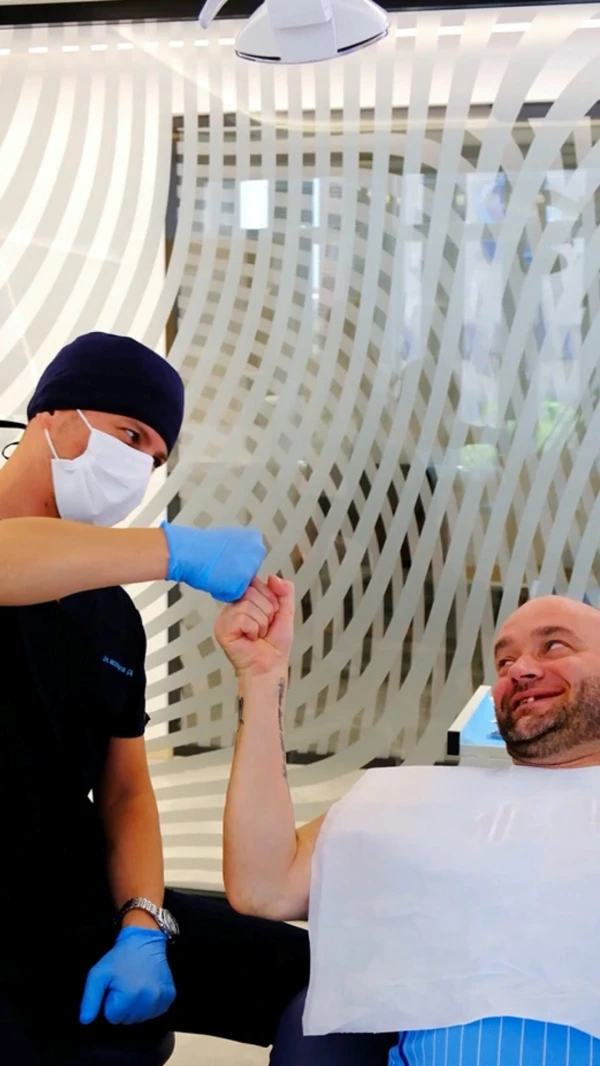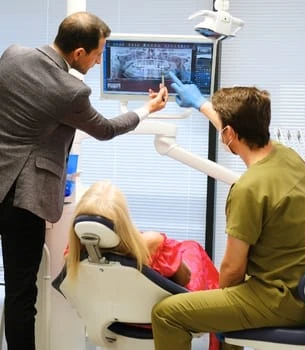
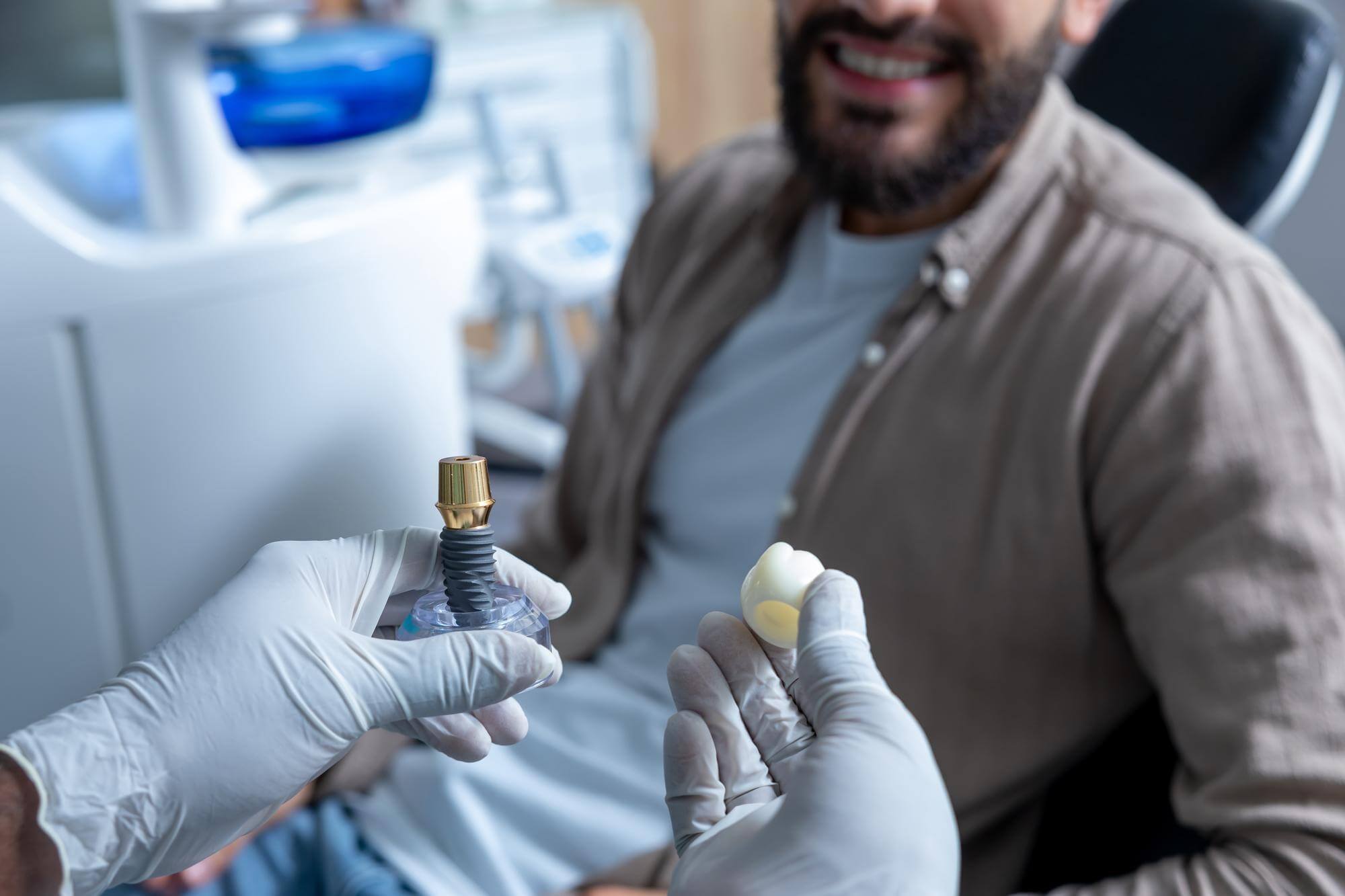
Dental implants are installed through a staged dental procedure that replaces missing tooth roots with small titanium or zirconia posts placed into the jawbone. After a detailed examination with dental X-rays or a 3D CBCT scan, the dentist or oral surgeon plans the implant position based on bone volume, bite alignment, and the final crown shape. During surgery, the implant is inserted into the bone under local anesthesia, often in 45 to 90 minutes for a single implant. Healing usually takes 3 to 6 months because the implant must fuse with the bone in a process called osseointegration. Once the area is stable, an abutment is attached, and a custom crown, bridge, or denture is secured on top.
The full timeline varies. A straightforward single-tooth implant without grafting may take around 3 to 5 months from consultation to final crown. Cases involving bone grafts, sinus lifts, gum treatment, or multiple implants can extend to 6 to 12 months. Many patients receive a temporary tooth during healing, though this depends on implant stability and the location in the mouth. Front teeth often require more aesthetic planning, while back teeth must handle stronger chewing forces.
Dental implant treatment is usually considered when a person has healthy gums, enough jawbone to support the implant, and no uncontrolled medical condition that would interfere with healing. Success rates are high, commonly reported between 90% and 98% over 10 years for properly selected cases. Daily cleaning, routine dental visits every 6 to 12 months, and avoiding smoking play a major role in long-term results. Costs differ widely by country and clinic, though a single implant with the post, abutment, and crown often falls between $3,000 and $6,000 in the United States. Extra procedures such as grafting can raise the total significantly.
What Are Dental Implants?
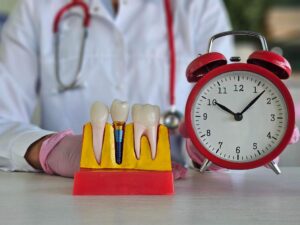
Dental implants are artificial tooth roots placed into the jawbone to support replacement teeth. In most cases, the implant itself is a small screw-shaped post made from medical-grade titanium. Some systems use zirconia, a ceramic material chosen in selected cases for metal-free treatment preferences. The implant is not the visible tooth. A complete implant restoration usually has three parts: the implant post in the bone, the abutment that connects above the gum line, and the crown, bridge, or denture that restores chewing and appearance.
The main purpose of a dental implant is to replace a missing tooth in a way that feels stable and functions more like a natural root. Traditional dentures rest on the gums, and traditional bridges rely on neighboring teeth for support. An implant transfers chewing pressure into the jawbone, which helps preserve bone volume. After tooth loss, the jawbone can shrink over time because it is no longer receiving regular stimulation. Studies commonly show measurable bone reduction in the first year after extraction, with continued gradual loss later. An implant can reduce that pattern by providing load to the bone during normal biting.
Implants are used in several treatment types. A single implant can support one crown. Two or more implants can support a fixed bridge when several teeth are missing in a row. Four to six implants may support a full-arch prosthesis for an upper or lower jaw. In full-mouth rehabilitation, the number can be higher depending on the bone structure, bite force, and treatment design. A standard implant diameter often falls between 3.0 and 5.0 millimeters, while lengths commonly range from 6 to 13 millimeters, though exact dimensions depend on anatomy.
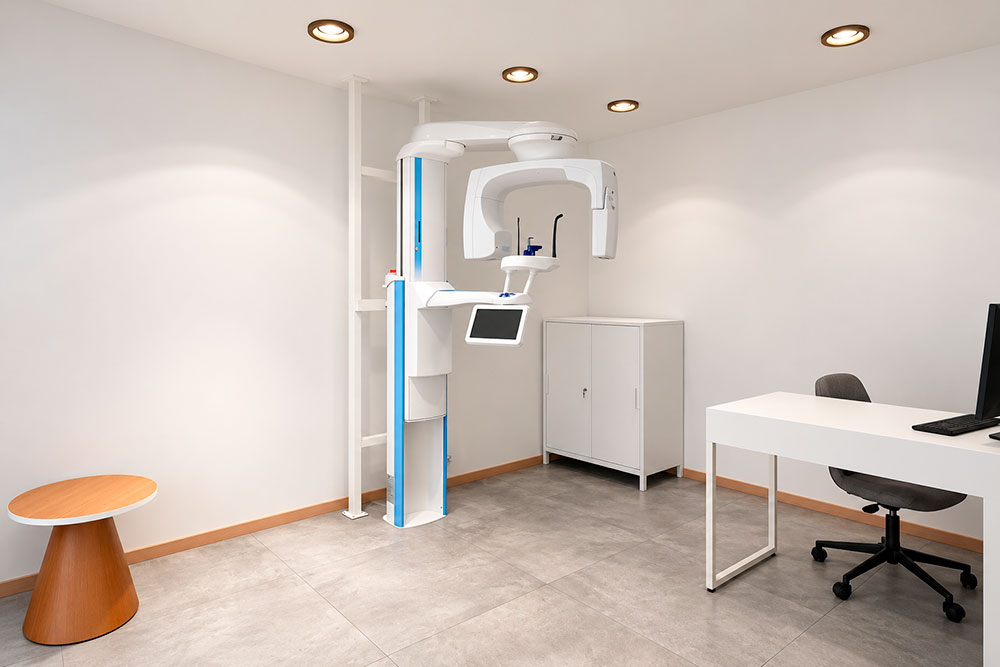
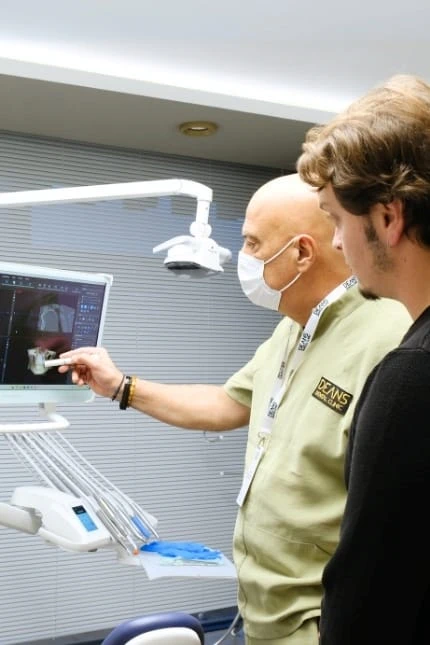
Modern implant dentistry relies on detailed planning. Dentists evaluate bone width, bone height, gum thickness, smile line, nerve location, sinus position, and the forces that the final tooth will absorb. A CBCT scan provides 3D imaging and helps reduce surgical guesswork. This matters because ideal placement affects long-term stability, speech, hygiene access, and appearance. Even a few millimeters can change the outcome.
Dental implants are widely used because they can offer strong function and long service life. Clinical success rates often exceed 95% in healthy patients over medium-term follow-up. Success still depends on factors such as smoking, diabetes control, oral hygiene, grinding habits, and proper maintenance. The implant itself may last decades, while the crown or attached prosthetic may need repair or replacement after 10 to 15 years due to wear, bite changes, or material fatigue.
Who Is a Good Candidate for Dental Implants?
A good candidate for dental implants is someone with one or more missing teeth, healthy enough for minor oral surgery, and able to maintain long-term oral hygiene. Age alone is not usually the deciding factor. Many adults in their 20s, 40s, 60s, and 70s receive implants successfully. What matters more is whether jaw growth is complete, whether the bone can support the implant, and whether the gums are free from active infection. Most clinicians wait until jaw development has finished, which often means late teens or early adulthood.
Bone volume is one of the key factors. The jaw must have enough height and width to hold the implant securely. If bone loss has occurred after extraction, trauma, or long-term denture use, bone grafting may be needed. Mild to moderate deficiencies can often be corrected with grafting materials and membrane techniques, though this adds healing time. In the upper back jaw, some patients need a sinus lift because the sinus floor may sit too low for safe implant placement. A CBCT scan helps measure available bone down to the millimeter.
Gum health also matters. A person with untreated periodontal disease is usually not an immediate implant candidate because ongoing infection can compromise healing and increase the risk of implant complications. Dentists often recommend periodontal treatment first, followed by a period of re-evaluation. Good plaque control is essential because implants can develop peri-implant mucositis or peri-implantitis if bacteria build up around them.
Medical conditions do not automatically rule out treatment, though they can change the plan. Well-controlled diabetes is often compatible with implants, while uncontrolled diabetes may raise the risk of poor healing and infection. Smoking remains one of the strongest negative factors, with some research showing higher failure rates and more bone loss in smokers than in non-smokers. Heavy smoking, often described as more than 10 cigarettes per day, is taken seriously during treatment planning. People taking certain medications, such as intravenous bisphosphonates or some cancer therapies, may need a more cautious evaluation.
Functional habits matter too. Teeth grinding or clenching can overload implants if the bite is not managed properly. This does not always prevent treatment, though a night guard may be recommended. Good candidates are also realistic about timelines and maintenance. Implant dentistry is not usually a same-day permanent fix. Even when immediate placement or same-day temporary teeth are possible, the bone still needs months to integrate with the implant. Patients who attend review visits, clean carefully, and report changes early tend to do best over 10 years and beyond.
How to Prepare for Dental Implant Surgery
Preparing for dental implant surgery starts with diagnosis and planning rather than the surgical appointment itself. The dentist usually begins with a full oral examination, digital X-rays, and often a cone beam CT scan. This 3D scan helps measure bone volume, identify nerves and sinus spaces, and determine whether extra procedures such as grafting are needed. Impressions or digital scans of the teeth may also be taken so the final bite and crown position can be planned before the implant is placed. This reverse-planning approach is common because the implant should support the future tooth, not just fit the available bone.
Medical history is reviewed in detail. Patients are often asked about diabetes, heart disease, autoimmune conditions, osteoporosis medication, blood thinners, allergies, and smoking habits. If a patient takes anticoagulants, the dentist may coordinate with the prescribing physician rather than stopping medication independently. Blood pressure and blood sugar control are important because stable values improve healing and reduce surgical risk. Some patients require preventive antibiotics, though prescribing practices vary depending on the case, the patient’s health profile, and the surgeon’s protocol.
If a damaged tooth must be removed before implant placement, the clinic may recommend immediate implant placement at the same visit or delayed placement after healing. The decision depends on infection levels, bone integrity, gum condition, and stability. In sites with infection, significant bone loss, or thin soft tissue, delayed placement can be the safer route. If grafting is needed, the timeline becomes longer. Minor grafts may heal in 8 to 12 weeks, while larger grafts can take 4 to 6 months before the implant is installed.
Practical preparation matters on the days leading up to surgery. Patients usually receive instructions covering food, medication, transportation, and oral hygiene. If only local anesthesia is used, eating a light meal 1 to 2 hours before the visit is often allowed. If IV sedation is planned, fasting for 6 to 8 hours may be required. People who will receive sedation are generally advised not to drive afterward and should arrange a companion. Many clinics suggest wearing comfortable clothing and avoiding heavy exercise on the day of surgery.
Home preparation helps recovery go more smoothly. Soft foods such as yogurt, soup, eggs, mashed vegetables, oatmeal, and smoothies are useful during the first few days. Ice packs, prescribed medications, salt for mouth rinses, and a soft toothbrush should be ready in advance. Work schedules may need adjustment. A straightforward single implant often allows return to desk work within 24 to 48 hours, while grafting, multiple implants, or full-arch surgery may require several days of reduced activity. Good preparation reduces stress, helps patients know what to expect, and lowers the chance of preventable post-operative problems.
Step-by-Step Process of How Dental Implants Are Installed
Dental implant installation follows a planned sequence, though the exact order can change depending on whether the tooth is already missing, whether a graft is needed, and whether the case involves one tooth or a full arch. Most treatment plans begin with diagnostics. The dentist examines the mouth, checks the bite, reviews medical history, and uses X-rays or a CBCT scan to evaluate bone and anatomy. Digital planning software may be used to map the implant angle, depth, and diameter. In some clinics, a surgical guide is fabricated to improve placement accuracy, often within 1 to 2 millimeters of the planned position.
If the failing tooth is still present, the next step may be extraction. In selected cases, the implant can be placed immediately after the tooth is removed. Immediate placement works best when infection is limited, the socket walls are intact, and the implant can achieve strong primary stability. If the site is not suitable, the dentist may wait 6 to 12 weeks for soft tissue healing or several months for more complete bone repair. Bone grafting may be done at the extraction visit or before implant surgery, depending on the defect size.
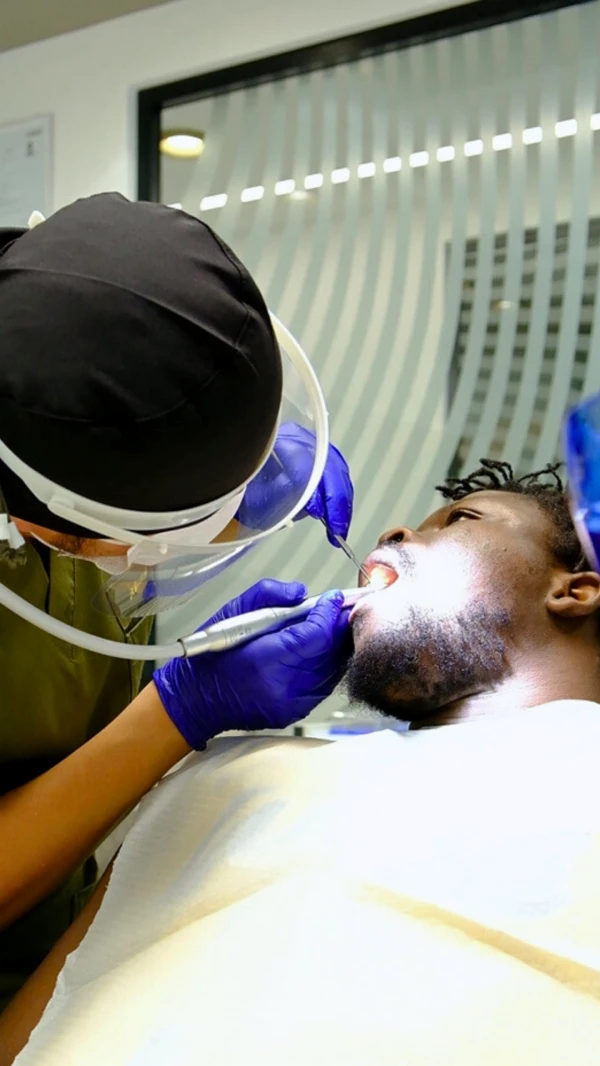
On the day of implant placement, local anesthesia is used to numb the area. Some patients choose oral sedation or IV sedation if the procedure is more extensive or if anxiety is high. The surgeon opens the gum or uses a punch technique in selected cases, prepares the bone with a sequence of small drills, and inserts the implant into the jaw. A typical single implant placement may take 45 to 90 minutes, though the actual insertion often takes only a few minutes once the site is prepared. The implant torque value is checked because this helps determine initial stability and whether a temporary tooth is safe.
After placement, the implant is either covered under the gum with a healing period below the surface or fitted with a healing abutment that protrudes through the gum. Osseointegration then begins. This is the biological process where bone bonds tightly to the implant surface. Healing commonly takes about 8 to 12 weeks in the lower jaw and 12 to 24 weeks in the upper jaw, though individual variation is normal.
Once integration is confirmed through clinical testing and sometimes X-rays, the restorative phase starts. If the implant was buried, a small second-stage procedure may be done to expose it and place the healing abutment. After the gum forms the proper shape, impressions or digital scans are taken. The lab fabricates a crown, bridge, or denture that matches the bite and neighboring teeth. At the final fitting, the abutment and restoration are secured, and the dentist checks contacts, chewing balance, and hygiene access. Follow-up visits are used to monitor bone levels and soft tissue health over time.
How Long Does It Take for Dental Implants to Heal?
The healing time for dental implants depends on the type of case, the quality of the jawbone, whether grafting is involved, and the person’s general health. A common average for osseointegration is 3 to 6 months. During this period, the implant surface bonds with the surrounding bone strongly enough to support chewing forces. Lower jaw implants often heal a little faster because the bone is usually denser. Upper jaw implants can take longer, particularly in the back region where bone quality is often softer.
Soft tissue recovery is quicker than bone integration. Most patients notice that the gum feels significantly calmer in 7 to 14 days. Stitches, if used, may dissolve on their own or be removed after about 7 to 10 days. Swelling often peaks around 48 to 72 hours and then gradually improves. Bruising can appear in some cases and fade over 1 to 2 weeks. Pain levels are often manageable with standard medications, though more extensive surgeries such as multiple implants, sinus lifts, or full-arch procedures usually produce a longer recovery period.
The timeline changes when extra procedures are needed. If a tooth is extracted and a small bone graft is placed with the implant, treatment may still proceed on a roughly 3 to 6 month schedule. If major grafting is needed before the implant can be inserted, the graft may need 4 to 6 months of healing first. A sinus lift can add several months depending on the amount of bone created and whether the implant is placed at the same appointment. Some full-mouth protocols provide a fixed temporary bridge within 24 to 72 hours, though that does not mean the implants are fully healed. The patient still follows a protected diet while the underlying integration continues.
Healing is not measured only by time. The dentist evaluates implant stability, gum condition, X-ray appearance, and the absence of infection or mobility. In some clinics, resonance frequency testing is used to assess stability numerically before loading the implant with the final restoration. This can help determine whether a case is ready for the next step or needs more healing time.
Smoking, uncontrolled diabetes, poor oral hygiene, heavy grinding, and untreated gum disease can all slow healing or increase the risk of failure. A patient who follows instructions closely, keeps the area clean, and attends reviews often progresses more predictably. For many straightforward single-implant cases, patients can expect normal day-to-day comfort within a few days, visible gum recovery within 2 weeks, and biological healing suitable for a final crown somewhere around 3 to 5 months after placement.
Does Getting Dental Implants Hurt?
Most patients do not feel sharp pain during dental implant surgery because the area is numbed with local anesthesia. The experience is often described as pressure, vibration, or movement rather than pain. If a patient is anxious, oral sedatives or IV sedation may be offered depending on the clinic and the complexity of the case. For a straightforward single implant, many people say the procedure feels easier than having a tooth extracted. The reason is that implant placement is usually controlled, clean, and carefully planned in advance.
Discomfort is more noticeable after the anesthesia wears off. Even then, the level varies widely. A single implant without grafting may lead to mild to moderate soreness for 2 to 4 days. Over-the-counter pain relief such as ibuprofen or acetaminophen is often enough, though some surgeons prescribe stronger medication for the first night or two. Ice packs applied for 10 to 15 minutes at a time during the first 24 hours can reduce swelling and make the area more comfortable. Patients commonly report that day 2 is slightly more uncomfortable than the first evening, with gradual improvement after that.
The amount of pain tends to increase with procedure size. Multiple implants, full-arch surgery, tooth extraction with immediate implant placement, connective tissue grafting, or bone grafting can produce more swelling and tenderness. A sinus lift in the upper jaw may cause pressure around the cheek or nose area for several days. Even in these larger cases, pain is usually manageable with medication, rest, and diet modifications. Severe or worsening pain after several days is not expected and should be checked because it can signal infection, bite overload, or another complication.
People often worry about the drilling aspect of implant surgery. With proper numbing, the sensation is generally mechanical rather than painful. The drilling sequence is done slowly and with irrigation to protect the bone. Dentists monitor patient comfort during the procedure and can stop to give more anesthetic if needed. No patient is expected to simply tolerate pain.
Recovery comfort also depends on following instructions. Avoiding smoking, not disturbing the wound, taking prescribed medication on schedule, and sticking to soft foods can make a major difference. Most patients return to ordinary non-strenuous tasks within 24 to 48 hours. If pain suddenly increases after seeming to improve, or if there is fever, pus, persistent bleeding, or bad taste, the clinic should be contacted promptly. The procedure has a surgical component, though with current techniques and pain control, many patients find it more manageable than they expected.
What Is the Recovery Process After Dental Implant Surgery?
The recovery process after dental implant surgery usually begins with wound protection, swelling control, and careful oral hygiene. For the first 24 hours, slight bleeding or oozing is normal. Patients are often asked to bite gently on gauze for 30 to 60 minutes after the procedure and to avoid frequent rinsing or spitting that day because it can disturb the clot. Ice packs are commonly recommended in short intervals during the first several hours to reduce swelling. Many people notice the most swelling between day 2 and day 3, followed by gradual improvement.
Medication is a routine part of early recovery. Dentists may prescribe pain relievers, antibiotics in selected cases, and an antiseptic mouth rinse such as chlorhexidine for a limited period. Pain often remains mild to moderate in standard single-implant surgery, though larger procedures can require stronger support. Patients should avoid aspirin unless advised, since it may increase bleeding in some situations. Keeping the head slightly elevated when resting can also help during the first night.
Diet changes are important. Soft, cool, or lukewarm foods are usually best for several days. Yogurt, scrambled eggs, soup that is not hot, smoothies eaten without a straw, mashed potatoes, oatmeal, and soft pasta are common choices. Crunchy foods, spicy foods, alcohol, and very hot drinks are often avoided early on. The exact duration depends on the surgery. A single implant may need only a short soft-food period, while full-arch immediate-load cases may require a soft diet for 6 to 12 weeks to protect implants during osseointegration.
Oral hygiene resumes carefully. The rest of the mouth should still be cleaned normally, though the surgical area is treated gently. A soft toothbrush is usually introduced near the site after the first day or two, depending on instructions. Plaque control matters because bacterial buildup can delay healing. Smoking is one of the most damaging habits during recovery. Even temporary smoking reduction does not fully remove the risk, and many surgeons strongly encourage stopping for at least several weeks before and after treatment.
Follow-up visits allow the dentist to check tissue healing, remove sutures if necessary, and evaluate early stability. Many clinics review patients at 1 week, then again after several weeks or months depending on the stage of treatment. Warning signs include increasing swelling after day 3, heavy bleeding, fever, severe pain that does not respond to medication, implant mobility, or discharge from the site. Most people heal without major difficulty and can return quickly to office work, though strenuous exercise is often postponed for 48 to 72 hours or longer after complex surgery.
What Are the Risks or Complications of Dental Implants?
Dental implants have high long-term success rates, though they are still a surgical and restorative treatment with real risks. Complications can occur during surgery, early healing, or years later. One of the main early risks is lack of osseointegration, where the implant fails to bond properly with the bone. This may lead to mobility, discomfort, or the need for removal. Depending on the study and patient group, early failure rates often fall in the low single digits, though the risk rises with smoking, uncontrolled diabetes, poor bone quality, and active periodontal disease.
Infection is another concern. Bacterial contamination can affect the soft tissue or bone around the implant. Early post-operative infection may cause swelling, pain, bad taste, discharge, or delayed healing. Long-term inflammatory problems include peri-implant mucositis, which affects the gums, and peri-implantitis, which includes bone loss around the implant. These conditions are more common in people with poor oral hygiene, a history of gum disease, irregular dental maintenance, or smoking. Peri-implantitis can progress quietly, which is why periodic clinical and radiographic checks matter.
Anatomical complications are rare but important. In the lower jaw, the inferior alveolar nerve must be avoided. If the implant is placed too close to it, numbness, tingling, or altered sensation may occur in the lip, chin, or tongue. In the upper back jaw, the maxillary sinus can be involved if bone height is limited. Sinus membrane perforation may happen during sinus lift procedures or implant placement near the sinus floor. Skilled imaging and planning significantly reduce these risks.
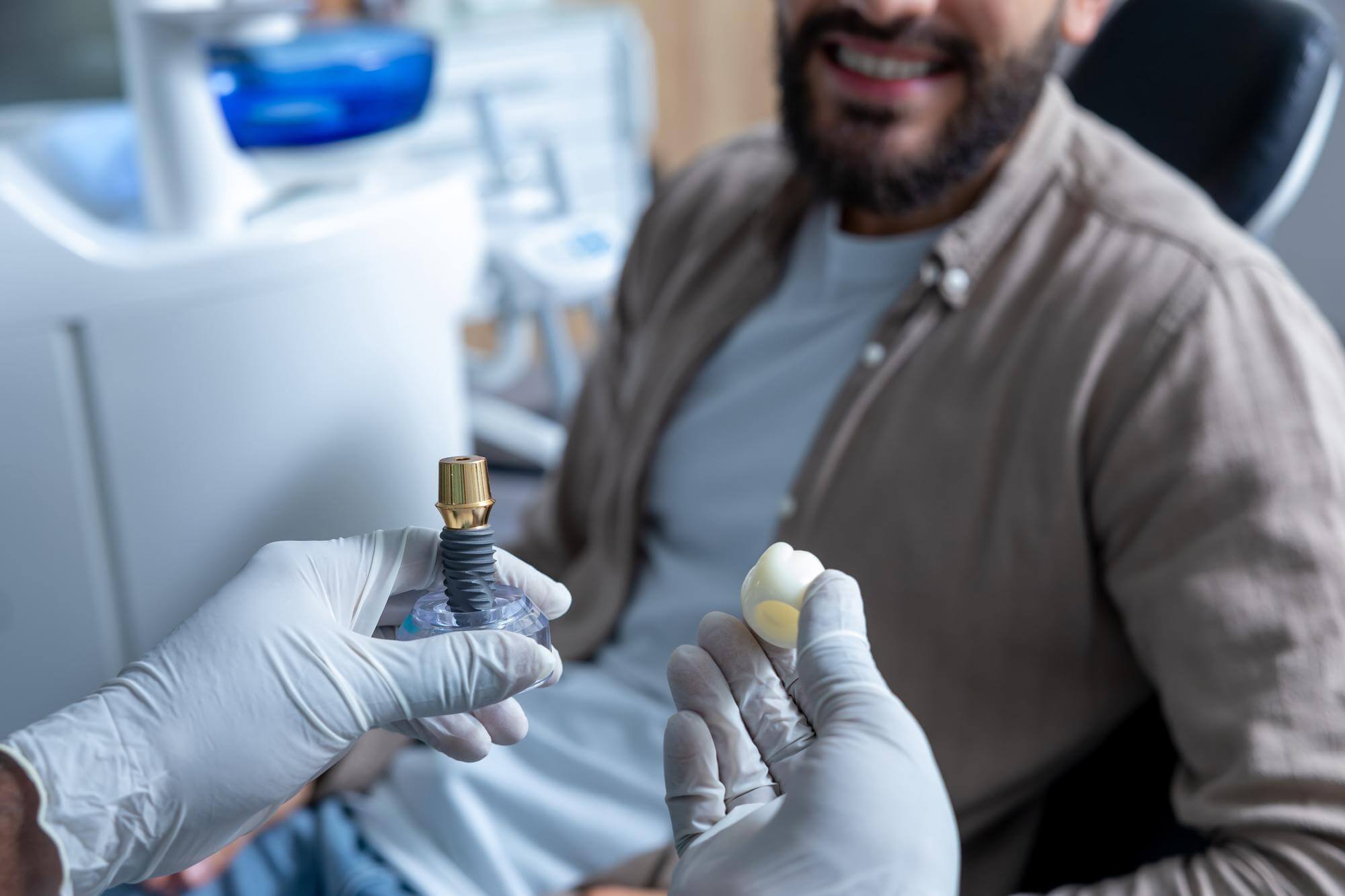
Mechanical complications can appear even when the implant itself survives. The crown may chip, the screw may loosen, or the prosthesis may wear down over time. People who grind their teeth or have a heavy bite can place high force on restorations. A custom night guard is often recommended in these cases. Full-arch prostheses also require maintenance because acrylic teeth, composite materials, or connection components can wear with years of use.
Aesthetic complications matter too. If the gum line recedes, if the implant is placed at the wrong angle, or if there is not enough tissue support, the final result may look unnatural. Front-tooth implants are particularly demanding because even a 1-millimeter tissue difference can be visible when smiling. Careful planning, temporary restorations, and soft tissue management help reduce this issue. Risk cannot be reduced to zero, though experienced planning, good case selection, proper hygiene, and regular follow-up make complications far less likely and improve the chances of long-term stability.
How Much Do Dental Implants Cost?
The cost of dental implants varies widely depending on country, clinic location, surgeon experience, materials, imaging, and how much extra treatment is needed. For a single tooth in the United States, the total cost for the implant post, abutment, and crown commonly falls between $3,000 and $6,000. Some simple cases are slightly below that range, while premium clinics in major cities may exceed it. If bone grafting, sinus lift surgery, sedation, or extraction is added, the total can rise by $500 to $3,000 or more per procedure. Full-arch implant treatment is a much larger investment and may range from about $15,000 to $35,000 per arch, with premium systems and advanced prosthetics going higher.
Patients often compare prices without realizing what is included. One clinic may advertise only the implant fixture, while another quotes the entire treatment from scan to final crown. A clear estimate should specify consultation fees, CBCT imaging, extraction costs, temporary teeth, grafting materials, surgical guide fees, abutment type, laboratory crown costs, and follow-up appointments. This matters because hidden additions can change the total by 20% to 50%.
Material and restoration choices also affect the price. Titanium implants are the standard and are usually more widely available than zirconia implants. Crown materials vary too. Porcelain-fused-to-metal crowns are often less expensive than all-ceramic zirconia or layered aesthetic ceramic crowns. In back teeth, strength may be prioritized. In front teeth, gum appearance and shade matching may require more customized lab work, which increases cost.
Location has a major impact. Implant treatment in countries such as Turkey, Mexico, Hungary, Thailand, or parts of Eastern Europe is often marketed at lower package prices than in the US, UK, or Western Europe. A single implant with crown abroad may range roughly from $800 to $2,500, though travel, accommodation, multiple visits, and aftercare logistics need to be considered carefully. A lower headline price is not always lower overall value if revisions become difficult once the patient returns home.
Insurance coverage is inconsistent. Many dental plans still classify implants as elective or only partly covered, while some newer policies contribute to the crown, extraction, or imaging rather than the implant itself. Medical insurance may help in rare cases involving trauma, pathology, or reconstructive needs. Payment plans and healthcare financing are common because treatment often unfolds over several months. When our readers compare clinics, the most useful question is not simply “How much is one implant?” but “What exact stages, materials, and follow-up are included in that fee?”
How Long Do Dental Implants Last?
Dental implants are designed to be a long-term tooth replacement, and many can last 15 to 25 years or more. In well-maintained cases, the implant post itself may remain functional for decades. Long-term studies often report survival rates above 90% after 10 years, with many showing figures in the 93% to 97% range for healthy patients receiving routine care. Survival, though, is not the same as being entirely complication-free. An implant may still require maintenance, gum treatment, screw tightening, or restoration replacement during its lifetime.
The part most likely to need earlier replacement is often the visible prosthetic rather than the implant in the bone. Crowns may wear, chip, loosen, or need updating after around 10 to 15 years, though some last longer. Full-arch acrylic prostheses can show wear sooner than individual ceramic crowns because they absorb heavier and broader chewing forces. Bite changes, grinding habits, and food choices all influence how long these components last.
Several factors affect implant longevity. Oral hygiene is central. Plaque around implants can inflame the surrounding tissue and lead to bone loss over time. Patients with a history of gum disease need particularly consistent maintenance because the bacterial environment that damaged natural teeth can also threaten implants. Smoking reduces blood flow and is linked with higher rates of biological complications. Diabetes, if poorly controlled, can make healing and long-term tissue stability less predictable. Grinding or clenching can overload implants mechanically, which may damage prosthetic parts or contribute to bone stress if the bite is not managed carefully.
Implant position and treatment planning also influence durability. A well-placed implant with a balanced crown and accessible cleaning contours usually performs better than one placed in a compromised angle or with poor load distribution. This is why 3D planning, proper spacing, and occlusal adjustment matter. In full-mouth cases, the number and distribution of implants can change how forces are shared across the prosthesis.
Regular maintenance appointments help implants last longer. Many clinics recommend reviews every 6 months, while some stable low-risk patients may be seen yearly. At these visits, the dentist checks gum health, bite contacts, hygiene access, and radiographic bone levels when indicated. Problems caught early are often manageable. A patient who brushes thoroughly, uses floss or interdental tools around the implant, avoids tobacco, and responds quickly to signs such as bleeding or tenderness gives the restoration the best chance of remaining stable over many years.
How to Care for Dental Implants After Installation
Caring for dental implants after installation involves daily plaque control, routine professional maintenance, and habits that protect the implant from excess force. An implant cannot develop a cavity, though the surrounding gum and bone can still become inflamed. This means cleaning is just as important as it is for natural teeth, and in some cases more technique-sensitive. Patients are usually advised to brush twice a day with a soft-bristled toothbrush and non-abrasive toothpaste. Electric brushes are often suitable and can be useful for consistent plaque removal.
The area around the implant needs targeted cleaning. For a single implant crown, floss designed for implant care, interdental brushes, or water flossers may be recommended depending on the contact shape and the gum contour. A regular floss technique may work well in some cases, while others need thicker threaders or super floss to reach under the contact point. Full-arch implant bridges often require more specialized cleaning under the prosthesis because food and plaque can accumulate along the tissue side. Patients who receive these restorations should be shown exactly where to pass brushes or water irrigation tips.
Professional follow-up is part of home care success. Many dentists suggest implant maintenance visits every 6 months, though high-risk patients may be reviewed every 3 to 4 months. During these visits, the team checks bleeding, pocket depths, mobility, prosthetic screw stability, occlusion, and any radiographic changes in bone support. Implant-specific instruments are often used so the restoration surface is not unnecessarily scratched during cleaning. If there is early inflammation, treatment can begin before meaningful bone loss develops.
Force control matters too. People who clench or grind their teeth may be advised to wear a night guard. Implants do not have the same periodontal ligament cushioning as natural teeth, so they can transmit load more directly to the bone and prosthetic components. Hard habits such as chewing ice, opening packaging with teeth, or biting very hard objects can damage crowns or loosen screws.
Lifestyle choices strongly affect long-term implant health. Smoking is one of the clearest risk factors for peri-implant disease and implant loss. Diet also plays a role in overall oral health, though no special implant diet is required once healing is complete. Patients should watch for bleeding when brushing, swelling, persistent bad taste, loosening, or changes in how the bite feels. Those signs deserve an examination rather than waiting for the next routine visit. Good implant care is practical and repetitive, built on small daily steps that protect a treatment designed to last many years.
Dental Implants vs Other Tooth Replacement Options
Dental implants are often compared with removable dentures and traditional fixed bridges because all three options replace missing teeth, though they do so in different ways. An implant replaces the root and supports a crown, bridge, or denture from the jawbone. A traditional bridge fills the gap by attaching a false tooth to crowns on the neighboring teeth. A removable denture rests on the gums and can be taken out for cleaning. The best choice depends on budget, bone condition, number of missing teeth, and a patient’s preferences regarding surgery, comfort, and maintenance.
For a single missing tooth, an implant often offers the most conservative solution for adjacent teeth because it usually does not require reducing healthy neighboring teeth. A conventional three-unit bridge can work well and may cost less upfront, often around $2,000 to $5,000 depending on materials and location. The trade-off is that the supporting teeth are reshaped, and if one of them later develops decay or root problems, the entire bridge may be affected. Implants cost more initially, though they can preserve bone and function independently.
For several missing teeth, implant-supported bridges are more stable than removable partial dentures and usually feel more natural when chewing. Removable partial dentures can be a lower-cost option, sometimes ranging from a few hundred to a few thousand dollars, though they may shift, trap food, or place pressure on remaining teeth. Full dentures are still widely used and can be effective, though lower dentures in particular often become loose as the jawbone shrinks over time. Implant-retained overdentures improve stability significantly. In many cases, two implants can stabilize a lower denture, while four or more may be used for stronger retention or fixed options.
Maintenance is different across options. Dentures need daily removal and cleaning, occasional relining, and eventual remaking as the bone changes. Bridges require excellent cleaning under the false tooth and around abutment teeth. Implants need meticulous gum care and periodic professional monitoring, though many patients appreciate that they do not move during speech or eating. Comfort and chewing efficiency often favor implants. Research commonly shows better bite force and patient satisfaction with implant-supported restorations than with conventional complete dentures.
Surgery is the main barrier for some people considering implants. Treatment takes longer and costs more upfront. Bridges and dentures can usually be completed faster and without bone surgery. This matters for people with limited medical tolerance, minimal bone, or a tight budget. When our readers weigh the options, the practical questions are function, longevity, maintenance burden, tissue preservation, and total long-term cost rather than only the initial fee.
Frequently Asked Questions About How Dental Implants Are Installed
Many patients ask whether dental implants are installed in one appointment. The answer is sometimes, though not always. A single surgical visit may be enough to place the implant post, and in selected cases a temporary tooth can be attached the same day or within 24 to 72 hours. The final crown is usually delayed because the implant needs time to integrate with the bone. For many routine cases, the total treatment timeline from consultation to final crown is around 3 to 6 months. If grafting or sinus surgery is needed, the process may extend to 6 to 12 months.
People often want to know how many implants are needed. One missing tooth usually needs one implant. Several missing teeth in a row may be restored with two implants supporting a bridge rather than one implant per tooth. A full lower or upper arch may be supported by 4 to 6 implants in many treatment designs, though some cases require more depending on bone anatomy and bite force. The exact number is determined after imaging and treatment planning, not from tooth count alone.
A common question is whether implants can be placed right after tooth extraction. They can in suitable cases where infection is controlled, enough bone remains, and good primary stability is achievable. Immediate placement can reduce the number of surgeries and may help preserve tissue contours. It is not automatically the best choice for every socket. Delayed placement is often safer when there is active infection, thin bone, or soft tissue concerns.
Patients also ask what the implant is made of. Most are titanium because it has decades of clinical data and strong biocompatibility. Zirconia implants exist as a metal-free alternative, though they are less common and may not be recommended in every situation. The visible crown is usually porcelain, zirconia, or another ceramic-based material selected for strength and appearance.
Questions about failure are also important. If an implant does not integrate, it can often be removed, the site allowed to heal, and a new implant placed later with or without grafting. A failed implant does not always mean the patient can never have implant treatment again. The reason for failure has to be identified first. Cost, hygiene, smoking, and long-term maintenance come up in nearly every consultation because installation is only one phase of treatment. The strongest results are usually seen when planning, surgery, restoration design, and follow-up care are treated as one connected process rather than separate events.