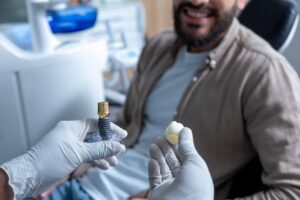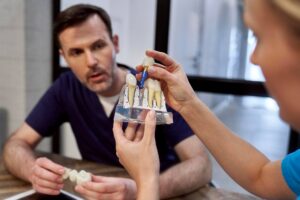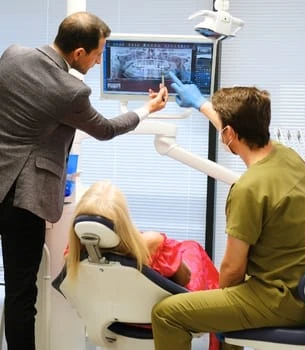
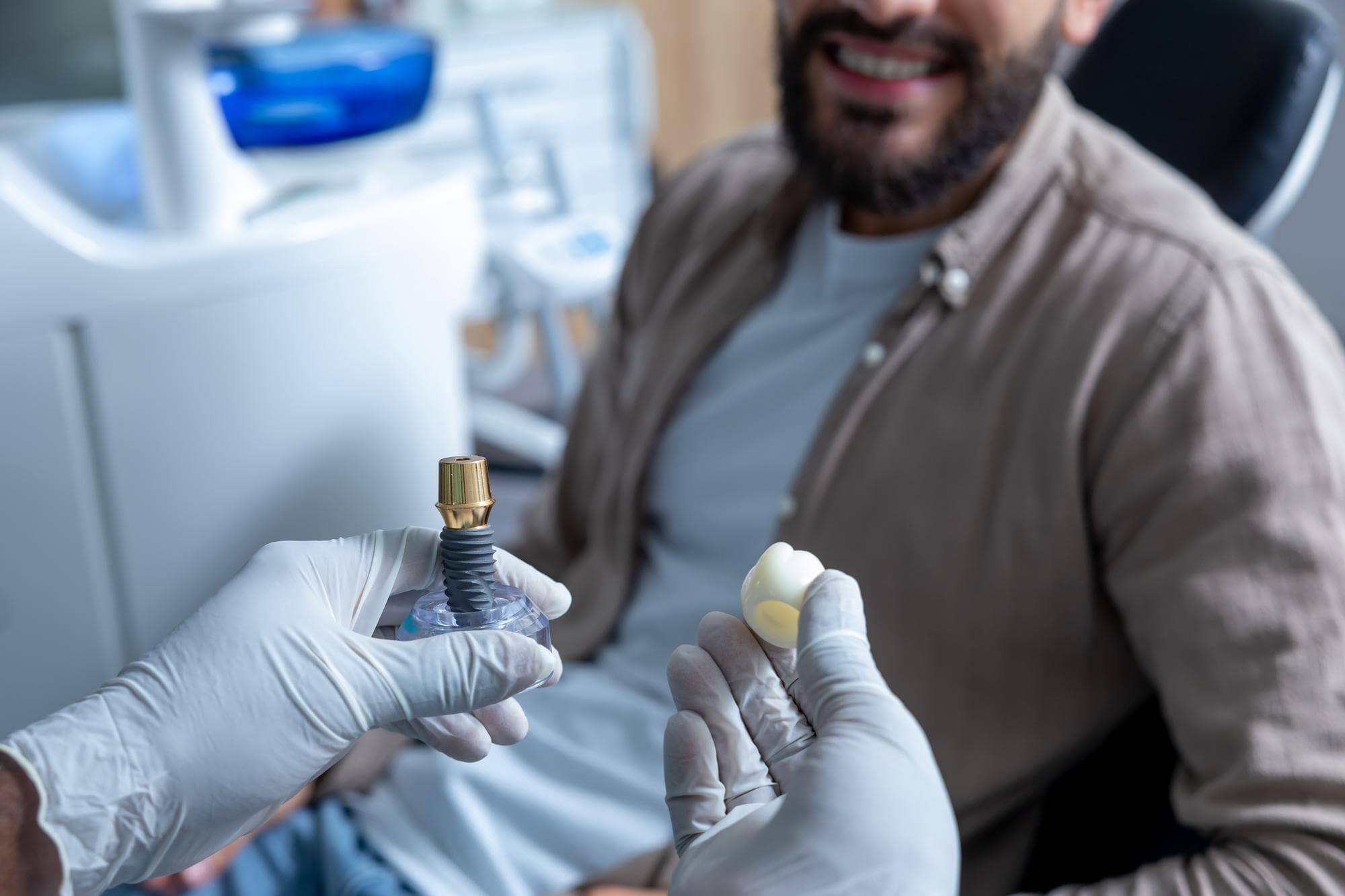
The 3 main types of dental implants are endosteal implants, subperiosteal implants, and zygomatic implants. Endosteal implants are the most common. They are placed directly into the jawbone and usually look like small titanium screws. This option is often used when a patient has enough healthy bone to support the implant. Healing typically takes 3 to 6 months before the final crown, bridge, or denture is attached.
Subperiosteal implants sit on top of the jawbone but under the gum tissue. They use a custom-made metal framework rather than a screw placed deep into bone. This type is less common today because modern bone grafting and endosteal techniques often provide more predictable long-term results. It may still be considered for patients with significant bone loss who are not suitable for grafting or who want to avoid more extensive rebuilding procedures.
Zygomatic implants are the most specialized type. Instead of being anchored in the upper jawbone, they are fixed into the cheekbone, called the zygoma. They are usually used for severe bone loss in the upper jaw, often when standard implants cannot be placed without major grafting. These implants are longer than standard implants, often measuring 30 to 52.5 mm, while many regular implants fall around 8 to 15 mm.
For most patients, the choice is not about preference alone. It depends on bone volume, gum health, medical history, smoking status, bite force, the number of missing teeth, and budget. Success rates for routine endosteal implants are commonly reported above 95% over 10 years in healthy, well-selected cases. Zygomatic implants also show strong success in experienced hands, though they require advanced surgical planning and are usually available only in specialist centers.
If you are comparing options, the key question is not which implant sounds best, but which one matches your anatomy and treatment goals with the lowest risk and most stable long-term result.
Endosteal Dental Implants
Endosteal dental implants are the standard implant type used in modern dentistry. They are placed inside the jawbone and function as artificial tooth roots. Most are made from medical-grade titanium, though zirconia implants are also used in selected cases. The implant body is usually screw-shaped, cylindrical, or tapered, and it is inserted into a precisely prepared channel in the bone. Over a healing period that often ranges from 8 weeks to 6 months, the bone grows around the implant surface in a process called osseointegration. This bond is what gives the implant its long-term stability.
These implants are used for a single missing tooth, several missing teeth, or full-arch restorations. A single implant may support one crown. Two to four implants can help support a bridge in some cases. Full-arch systems often use 4 to 6 implants per jaw, depending on bone quality and bite load. Implant diameter commonly ranges from about 3.0 mm to 6.0 mm, and length often falls between 8 mm and 15 mm, though shorter and wider designs exist for specific anatomical needs.
Endosteal implants are generally recommended when the patient has enough bone height, width, and density. The posterior upper jaw can be more challenging because the maxillary sinus limits available bone. In the lower jaw, the position of the inferior alveolar nerve affects planning. A cone beam CT scan is often used to measure these spaces accurately to within fractions of a millimeter. When bone is limited, supporting procedures such as sinus lift surgery or ridge augmentation may be needed before implant placement.
Success rates are well documented. In healthy nonsmokers with good oral hygiene, many studies report survival rates around 95% to 98% over 5 to 10 years. The main reasons for failure include poor osseointegration, uncontrolled diabetes, heavy smoking, untreated gum disease, and excessive bite forces. Immediate placement and immediate loading are possible in selected cases, though not every patient is suitable for getting a temporary tooth on the same day.
From a patient perspective, endosteal implants are the most familiar and widely available option. They tend to offer the most natural chewing feel, strong long-term support, and flexible restoration choices. The tradeoff is that they rely heavily on bone quality. If the bone has shrunk after years of tooth loss, treatment may require grafting, which can add 3 to 9 months to the timeline and increase the total cost by $500 to $3,000 or more depending on the graft size and material used.
For clinics and surgeons, this is the workhorse implant category because it fits the majority of routine cases and has a deep body of research behind it. For patients, that usually means more predictable planning, a larger choice of restorative designs, and easier access to experienced providers.
Subperiosteal Dental Implants
Subperiosteal dental implants are positioned on top of the jawbone and beneath the gum tissue rather than being inserted into the bone itself. They consist of a metal framework, often custom designed, with posts that extend through the gums to support a prosthesis. This method was developed for patients who do not have enough bone height or width for conventional implants and who may not want, or may not qualify for, bone grafting procedures. While it was once more common, its use has declined as endosteal implants, guided surgery, and advanced grafting techniques have become more reliable and widely available.
Modern subperiosteal systems differ from older designs because they can be planned using digital imaging and 3D modeling. A cone beam CT scan is used to map the jaw, and the framework may be fabricated with CAD/CAM technology to match the patient’s anatomy. This can improve fit and reduce pressure points. Even with these advances, subperiosteal implants remain a niche solution. They are usually considered when there is severe bone loss, denture instability, and a desire for a fixed or more secure prosthesis, but where extensive augmentation would be too invasive, too expensive, or medically inappropriate.
One reason for their reduced use is long-term tissue behavior. Because the framework rests on bone rather than integrating into it like an endosteal implant, there may be a higher risk of gum irritation, exposure of the metal framework, chronic inflammation, or mechanical complications over time. Historical designs had noticeably higher complication rates than modern screw-type implants. Precise numbers vary across studies because the patient groups are smaller and more complex, though this limited evidence base itself is one reason many clinicians reserve the technique for selected situations.
Treatment planning for subperiosteal implants requires careful case selection. Patients need stable gum health, realistic expectations, and enough soft tissue coverage to protect the framework. Oral hygiene matters greatly because plaque accumulation around the posts can trigger inflammation. Follow-up visits are often more frequent in the first year. A patient may need relining, prosthetic adjustments, or monitoring for areas where the framework could become exposed.
In practical terms, subperiosteal implants can be useful when standard implants are not straightforward. They may help avoid major grafting and may shorten the path to functional teeth in some complex cases. Yet they are not the routine choice for most implant patients. If a clinic recommends this route, it is reasonable to ask how often the surgeon performs it, what material and design are being used, how many similar cases they have completed, and what the expected maintenance schedule will look like over 5 to 10 years.
For the right patient, subperiosteal implants can provide support where other options are limited. Their value lies in customization and problem-solving rather than broad everyday use.
Zygomatic Dental Implants
Zygomatic dental implants are designed for patients with severe bone loss in the upper jaw. Rather than anchoring into the maxilla like standard implants, they are fixed into the zygomatic bone, or cheekbone, which is typically denser and more stable. This approach is most often used when the upper jaw has resorbed to the point that regular implants cannot be placed safely without extensive grafting. In many cases, these patients have worn dentures for years, have advanced sinus expansion, or have experienced failed grafting or failed previous implant treatment.
Zygomatic implants are much longer than conventional implants. Standard implant lengths often range from 8 to 15 mm, while zygomatic implants can range from about 30 mm to 52.5 mm. Placement requires advanced surgical skill because the implant path passes through or alongside the maxillary sinus and reaches the cheekbone. Digital planning is essential. A cone beam CT scan, 3D surgical software, and prosthetically driven positioning are usually part of the process. This is not a routine general practice procedure. It is normally performed by oral and maxillofacial surgeons or implant teams with high-level training in full-arch rehabilitation.
One of the main advantages of zygomatic implants is that they can reduce or eliminate the need for major bone grafting in the upper jaw. A traditional grafting pathway may require sinus lifts, block grafts, healing periods of 4 to 9 months, and staged implant placement. Zygomatic treatment can sometimes condense this timeline and, in immediate-load cases, allow a temporary fixed bridge within 24 to 72 hours. That speed can be life-changing for patients struggling with unstable dentures or advanced tooth loss.
Clinical success rates are strong when the case is planned properly and carried out by an experienced team. Published studies often report survival rates above 95% over medium-term follow-up, though the procedure carries a different risk profile from standard implants. Potential complications include sinusitis, soft tissue problems, altered prosthetic emergence, speech adaptation issues, or technical maintenance needs with the full-arch bridge. Because the implant angulation is more complex, prosthetic design is critical for chewing function and hygiene access.
Patients considering zygomatic implants should expect a more specialized evaluation. This often includes airway and sinus review, facial scans, bite analysis, and review of medical conditions such as osteoporosis, diabetes, and smoking history. Fees are generally higher than standard full-arch treatment. In many markets, upper-jaw zygomatic rehabilitation may range from $20,000 to $45,000 or more per arch depending on sedation, temporary teeth, final bridge material, and whether conventional implants are used in combination.
Zygomatic implants are not a replacement for standard implants in everyday cases. They are a rescue and reconstruction option for the severely resorbed upper jaw, where they can provide fixed teeth without the long wait and added surgery associated with major grafting.
How to Choose the Right Type of Dental Implant
Choosing the right type of dental implant depends on anatomy, oral health, treatment goals, timeline, and budget rather than on a simple preference for one implant category over another. For most patients, the decision starts with imaging. A cone beam CT scan shows bone height, width, density, sinus position, and nerve location. This information determines whether a standard endosteal implant can be placed safely or whether a more complex option such as subperiosteal or zygomatic treatment is worth discussing. Even a difference of 1 to 2 mm in available bone can change the plan.
The number and position of missing teeth matter. A single lower molar with good bone may be restored with one endosteal implant and crown. A completely edentulous upper jaw with severe posterior bone loss may require 4 to 6 implants, tilted implants, sinus grafting, or zygomatic support. The upper jaw often presents more challenges because the bone is softer and the maxillary sinuses limit depth. The lower jaw usually has denser bone but less flexibility around the nerve canal.
Medical history also plays a direct role. Uncontrolled diabetes, active periodontal disease, heavy smoking, bisphosphonate use, previous head and neck radiation, and immune suppression can raise the risk of healing complications or implant failure. A patient who smokes more than 10 cigarettes a day may be advised to reduce or stop before surgery because smoking affects blood flow and osseointegration. HbA1c values above roughly 8% may prompt postponement until diabetes is better controlled, depending on the clinician’s protocol.
Budget influences the final recommendation, though it should not override safety. A straightforward endosteal implant with abutment and crown may cost around $2,000 to $5,000 per tooth in many markets. Full-arch treatment can range from $12,000 to $30,000 or more per arch. Zygomatic treatment can exceed that because it involves specialist planning, longer surgery, and more complex prosthetics. Bone grafting may add $500 to $5,000 or more depending on the extent of reconstruction. Patients who know their price range early often make decisions more confidently because they can compare a staged approach with a full immediate rehabilitation plan.
A practical way to choose is to ask your surgeon for two or three evidence-based pathways. One may be the ideal anatomical option, one may be a lower-cost phased option, and one may be the fastest route. Our readers should ask what success rates the clinic sees in similar cases, how many implants the surgeon places each year, what material is planned for the final restoration, how hygiene will be managed, and what maintenance costs may arise over 5 to 10 years. A well-chosen implant type should fit both the mouth and the person living with it every day.
The right decision usually becomes clear when the scan findings, long-term function, and financial reality are viewed together rather than separately.
Who Is a Good Candidate for Each Type of Dental Implant
Good candidacy for dental implants depends on local anatomy and whole-body health. Dentists do not simply ask whether a tooth is missing. They assess the jawbone, gum condition, bite forces, oral hygiene habits, smoking, medications, age-related changes, and patient expectations. The same missing tooth can lead to very different treatment recommendations in two people because the supporting tissues and risk profile are not the same.
Endosteal implants are the best fit for most patients. A strong candidate usually has healthy gums, controlled medical conditions, and enough bone volume to hold the implant securely. Bone width of at least about 5 to 6 mm is often preferred for many regular-diameter implants, though narrower implants can be used in selected areas. Adequate vertical height is also needed to avoid the sinus in the upper jaw or the nerve in the lower jaw. Patients who have recently lost a tooth may be ideal candidates because bone resorption is often less severe in the early months. Nonsmokers and light smokers generally show more predictable healing than heavy smokers. Patients with treated gum disease can still be candidates if inflammation is under control and maintenance visits are consistent.
Subperiosteal implants are more appropriate for patients with advanced jawbone loss who cannot easily receive conventional implants and either do not want bone grafting or are not medically suitable for it. This may include older adults who have worn removable dentures for many years and have thin ridges that offer little support. These patients need healthy enough soft tissue to cover the framework and must be willing to attend ongoing follow-up visits because maintenance can be more demanding. A person who struggles with daily cleaning or frequently misses dental appointments may not be the strongest candidate for this option.
Zygomatic implants are intended for a narrower group. A good candidate often has severe upper-jaw bone loss, failed previous implants, failed grafting, or extensive sinus-related limitations that make regular implants impractical. This option is usually discussed for full-arch or near full-arch upper restorations rather than for one missing tooth. Patients should be medically stable for a longer and more technically demanding surgery. Because these cases often involve immediate fixed provisional teeth, candidates also need a bite pattern and functional plan that the restorative team can manage safely.
Age alone rarely rules someone out. Patients in their 70s or even 80s may still be candidates if they are medically fit and motivated. Poorly controlled periodontitis, uncontrolled diabetes, active oral infection, and inadequate hygiene habits are more relevant than the birth date on a chart. We often tell our readers that implant candidacy is less about being perfect and more about whether risks can be reduced to an acceptable level through planning, treatment, and follow-up care.
The best candidates are those whose bone, health status, and commitment to maintenance align with the demands of the implant system being proposed.
Benefits and Risks of the 3 Types of Dental Implants
Each dental implant type offers a different balance of stability, invasiveness, long-term maintenance, and suitability for severe bone loss. Understanding benefits and risks side by side helps patients judge whether a recommendation is routine, specialized, or a compromise based on anatomy. This matters because implants are not interchangeable hardware. The design and location of support influence chewing performance, esthetics, healing time, and future repair needs.
Endosteal implants offer the strongest research base and the widest clinical use. Their main benefits include high long-term survival, natural-feeling function, preservation of bone through load transfer, and flexible restorative options for single teeth, bridges, and full arches. In many studies, survival rates exceed 95% over 10 years when oral hygiene and medical control are good. Risks include surgical failure to integrate, peri-implantitis, nerve injury in the lower jaw, sinus complications in the upper jaw, and the need for grafting when bone is insufficient. Cost can increase substantially if augmentation is needed, and treatment may stretch over several months.
Subperiosteal implants can help patients with severe ridge resorption who want to avoid extensive grafting. The key benefit is that they may provide support when the bone shape is unsuitable for screw-type implants. They can reduce the need for sinus lifts or block grafts in some cases and may offer a practical solution for patients with complex anatomy. Risks include gum irritation, framework exposure, hygiene difficulty, chronic inflammation around posts, prosthetic instability, and less predictable long-term tissue behavior compared with endosteal systems. Because fewer clinicians place them routinely, access to experienced providers may be limited.
Zygomatic implants provide a major benefit in the severely atrophic upper jaw. They can bypass extensive grafting and may allow fixed provisional teeth within 1 to 3 days for selected patients. That shorter functional timeline can be significant for people who have struggled with unstable dentures or repeated failed treatments. Risks include sinusitis, soft tissue complications, complex prosthetic angles, speech adaptation, and the fact that revision surgery is highly specialized if problems occur. The surgery is longer, planning is more demanding, and costs are higher than standard implant therapy.
All three types share certain broad risks: infection, swelling, bruising, temporary discomfort, implant loss, prosthetic screw loosening, fracture of the final restoration, and the need for long-term maintenance. Even successful implants are not maintenance-free. Professional reviews every 6 to 12 months, home cleaning tools, and periodic radiographs are part of keeping them stable. Patients who grind their teeth may need a night guard, which can add $200 to $800 depending on the design.
The main benefit of implants as a category is stable tooth replacement. The main risk is assuming that any implant can succeed without the right anatomy, planning, and follow-up.
Dental Implant Procedure: What to Expect
The dental implant procedure usually unfolds in stages, though the exact sequence depends on whether the case involves a single tooth, multiple teeth, immediate placement, full-arch rehabilitation, or advanced options such as zygomatic support. The process begins with consultation, clinical examination, digital scans, and a cone beam CT. These records allow the team to measure bone dimensions, review gum health, locate nerves and sinuses, and plan the position of the future tooth. In a straightforward single-tooth case, this diagnostic phase may be completed in one or two visits of 30 to 60 minutes each.
The next step is treatment planning. If enough bone is present, an endosteal implant may be placed directly. If a tooth needs extraction, the implant might be placed on the same day if the site is infection-free and achieves strong primary stability, often measured in insertion torque values such as 30 to 45 Ncm. If bone is thin or damaged, grafting may be recommended before or during implant placement. Grafting can add several months to the timeline. For severe upper-jaw atrophy, the plan may shift toward zygomatic implants or a grafting-based full-arch reconstruction.
On surgery day, local anesthesia is standard, and sedation may be offered. A simple single implant can take about 45 to 90 minutes from preparation to closure. Multi-implant full-arch surgery may take 2 to 4 hours, and advanced zygomatic cases can take longer. The surgeon opens the gum or uses a guided flapless technique in selected patients, prepares the bone with a sequence of drills, inserts the implant, and may place a healing cap or cover screw. If immediate provisionalization is planned, a temporary crown or bridge may be fitted within the same day or within 24 to 72 hours.
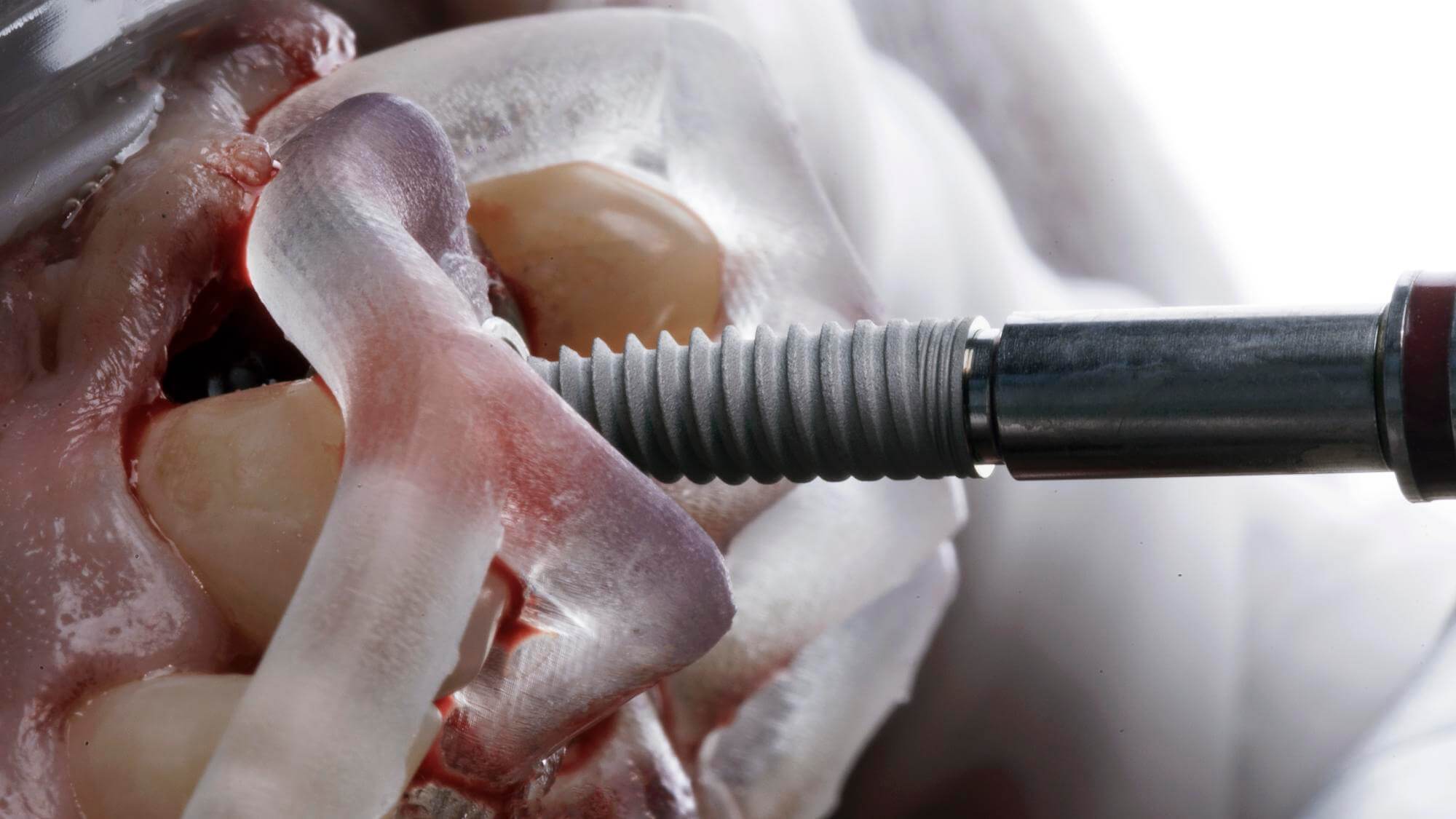
Healing follows. Osseointegration usually takes around 2 to 6 months depending on bone density, implant stability, and whether grafting was performed. The lower jaw often heals a bit faster than the upper jaw because bone density is typically higher. Once integration is confirmed clinically and radiographically, the restorative phase begins. This includes an impression or digital scan, fabrication of the abutment and crown or bridge, try-in if needed, and final placement. A single crown may take 1 to 3 restorative visits after healing.
Patients often ask about pain. Most describe post-operative discomfort as manageable and similar to a routine extraction in simple cases. Swelling generally peaks around day 2 or 3. Prescription or over-the-counter pain control, ice, soft food, and hygiene instructions are standard. The best way to know what to expect is to ask for a written treatment map with dates, fees, provisional options, and healing checkpoints. That turns a complex procedure into a clear sequence of practical steps.
What patients feel day to day is usually less dramatic than the word surgery suggests, though the planning behind a successful implant case is detailed and highly technical.
Recovery After Dental Implant Surgery
Recovery after dental implant surgery varies with the number of implants placed, the use of grafting, the patient’s general health, and whether the surgery was routine or complex. A single endosteal implant often involves mild to moderate discomfort for 2 to 5 days, with many patients returning to desk work within 24 to 48 hours. Full-arch surgery, sinus lifts, or zygomatic procedures tend to involve more swelling, more dietary restrictions, and a longer initial adjustment period. Most swelling peaks around the second or third day and gradually improves over the first week.
Bleeding is usually light and short-lived. Small spots of blood mixed with saliva may appear for several hours after surgery. Pain control commonly involves ibuprofen, acetaminophen, or prescribed medication depending on the case and the patient’s medical profile. Cold compresses are often recommended in intervals for the first 24 hours. Patients are usually advised to avoid vigorous rinsing, straws, smoking, heavy lifting, and alcohol in the first few days because these habits can disturb clot stability and slow healing.
Diet matters more than many people expect. For the first few days, soft foods such as yogurt, eggs, soups, mashed vegetables, pasta, fish, and smoothies are common choices. Crunchy, spicy, or very hot foods may irritate the site. When a temporary fixed bridge is placed immediately after surgery, the diet may need to remain soft for 6 to 12 weeks to protect osseointegration. Biting into hard bread, nuts, ice, or raw carrots too early can overload a healing implant before the bone bond is mature.
Oral hygiene remains essential during recovery. Patients are usually told to keep brushing the rest of the mouth normally while cleaning around the surgical area gently. A chlorhexidine rinse may be prescribed for 7 to 14 days in some protocols. Sutures may dissolve on their own or be removed after about 7 to 14 days. Follow-up checks commonly occur at 1 week, 1 month, and then at the implant integration stage.
Healing inside the bone takes much longer than the visible gum healing. The gums may look improved within 10 to 14 days, yet osseointegration may still require several months. Warning signs that justify prompt review include increasing pain after day 3, persistent bad taste, fever, pus, prolonged bleeding, mobile temporary teeth, or sudden swelling. Smokers, patients with poorly controlled diabetes, and those with untreated gum disease generally heal more slowly and face a higher risk of complications.
Recovery is usually manageable when instructions are followed closely. The key is understanding that feeling better in a week does not mean the implant is ready for full chewing load.
Cost of Different Types of Dental Implants
The cost of dental implants varies widely by implant type, number of teeth involved, geographic location, clinic experience, imaging, sedation, grafting needs, and the material used for the final restoration. A quoted figure can look high or low simply because it includes different components. Patients comparing fees should ask whether the estimate covers consultation, CBCT imaging, extraction, grafting, implant placement, abutment, temporary teeth, final crown or bridge, post-operative medication, and follow-up visits.
Endosteal implants are usually the most cost-accessible of the three main types because they are the most common and have standardized workflows. In many private markets, a single endosteal implant with abutment and crown may range from about $2,000 to $5,000. If extraction is needed, add roughly $150 to $600 depending on complexity. A minor bone graft may add $300 to $1,200, while larger grafting or a sinus lift may add $1,500 to $5,000. Full-arch endosteal solutions such as All-on-4 or similar concepts often fall between $12,000 and $30,000 per arch, with premium materials pushing higher.
Subperiosteal implants are less standardized, so pricing can be harder to compare. Custom design, digital fabrication, and the rarity of the technique can increase the fee. Costs may start around the upper end of full-arch conventional treatment and rise depending on the complexity of the framework and prosthesis. In some settings, subperiosteal rehabilitation may range from about $15,000 to $35,000 or more per arch. Since the procedure is less common, patients should also factor in possible maintenance costs such as adjustments, relines, or future framework-related interventions.
Zygomatic implants are generally the most expensive because they require specialist surgical expertise, advanced planning, and complex restorative design. Upper-jaw full-arch rehabilitation involving zygomatic implants often ranges from $20,000 to $45,000 or more per arch. If the treatment includes hospital-based anesthesia, multiple zygomatic fixtures, conventional supporting implants, immediate provisional teeth, and a high-end final bridge made from zirconia or titanium-acrylic hybrid materials, the total can rise substantially.
Long-term cost should be considered alongside upfront cost. A removable denture may cost far less initially, yet adhesives, relines, remakes, and reduced chewing efficiency can create recurring expenses and quality-of-life tradeoffs over years. Implant maintenance also has a cost. Hygiene visits, occasional screw replacement, repair of acrylic teeth, replacement of worn night guards, and radiographic monitoring should be expected. Some clinics package these items, while others bill them separately.
A careful cost comparison looks beyond the implant itself and focuses on the complete treatment pathway, the expected lifespan of the restoration, and the probability of needing added procedures before the final teeth are delivered.
Alternatives to Dental Implants
Dental implants are a strong option for many people, though they are not the only solution for missing teeth. Alternatives include removable partial dentures, full dentures, tooth-supported bridges, resin-bonded bridges in selected cases, and in some situations leaving the space untreated for a period of time. The best alternative depends on the number of missing teeth, the condition of neighboring teeth, budget, cosmetic priorities, and whether the patient is willing to undergo surgery.
A traditional dental bridge is one of the most common alternatives for replacing one missing tooth. It uses the teeth on either side of the gap as support. A bridge can often be completed in 2 to 3 visits over a few weeks and may cost around $2,000 to $5,000 depending on materials and the number of units. The main advantage is that surgery is not required. The downside is that healthy adjacent teeth often need to be reshaped, and the bridge does not stimulate the bone under the missing tooth, so bone shrinkage can continue over time.
Removable partial dentures are usually less expensive. In many markets they may range from about $700 to $2,500. They can replace several missing teeth and are easier to modify if more teeth are lost later. Yet many patients find them less stable and less comfortable than implants. They may move while chewing or speaking, create sore spots, and place visible metal clasps in some designs. Full dentures are widely used when all teeth in an arch are missing. A complete denture may cost from roughly $1,000 to $3,500 per arch, though premium dentures can cost more. They can restore appearance, but lower dentures in particular may feel loose because the lower ridge resorbs over time.
Resin-bonded bridges, often called Maryland bridges, are more conservative and may suit younger patients or front-tooth spaces where biting forces are lighter. They involve less drilling than a traditional bridge, but they are not ideal for all sites and may debond under stress. Orthodontic space closure is another alternative in selected cases, usually when tooth movement can eliminate the gap instead of replacing the tooth directly.
Some patients choose not to replace a missing tooth right away. That can be acceptable in certain nonvisible areas if function is not heavily affected. The tradeoff is that neighboring teeth may drift, the opposing tooth may over-erupt, and bone loss can progress, making later treatment more complex.
Alternatives are not simply lower-cost backups. For some patients, they are the most suitable option because they match the medical situation, the timeline, or the willingness to avoid surgery.
Frequently Asked Questions About the 3 Types of Dental Implants
Patients comparing endosteal, subperiosteal, and zygomatic implants usually ask practical questions rather than technical ones. They want to know which option hurts less, which lasts longer, whether bone loss rules them out, and how much treatment will disrupt normal life. The answers depend on anatomy and planning, though some patterns are consistent across cases.
One common question is whether one implant type is safer than the others. Endosteal implants are generally the most established and most widely used, so they are often considered the default standard when enough bone is present. Their safety profile is well researched, and many long-term studies show survival above 95% in suitable patients. Zygomatic implants can also be highly successful, though they involve a more complex surgery and should be performed by teams with specific experience. Subperiosteal implants are less common and are usually reserved for selected cases where standard implants are not practical.
Patients also ask whether severe bone loss automatically means they cannot have fixed teeth. The answer is no. Bone grafting can rebuild support for endosteal implants in many situations. If the upper jaw is extremely atrophic, zygomatic implants may offer a graft-free or graft-reduced route to fixed teeth. If grafting is not desirable and anatomy is highly compromised, subperiosteal options may enter the discussion. The solution depends on where the bone is missing and how much remains.
Another frequent question concerns treatment speed. A simple endosteal implant may need 3 to 6 months from surgery to final crown if healing is staged. Immediate temporary teeth are possible in some cases the same day or within a few days. Full-arch immediate load protocols can provide faster visible results, though the internal healing period still takes months. Zygomatic systems are often chosen because they can support a rapid fixed provisional in very difficult upper-jaw cases.
Longevity is another major concern. With proper care, many implants function for 10 to 20 years or longer, and many remain stable beyond that. The prosthetic teeth attached to the implants may need repair or replacement sooner than the implant fixtures themselves. Smokers, heavy grinders, and patients with poor hygiene usually face more complications and maintenance needs.
Cost, pain, and recovery remain central to most consultations. Many patients report that implant surgery is easier than they expected, particularly with local anesthesia and clear post-operative guidance. The larger issue is often not the surgery itself but the planning, time commitment, and total fee. People tend to make better choices when they ask for a diagnosis-based explanation rather than simply requesting the cheapest implant package available.
Questions are useful because implant treatment is not one-size-fits-all. The quality of the answers should reflect the complexity of the mouth being treated.