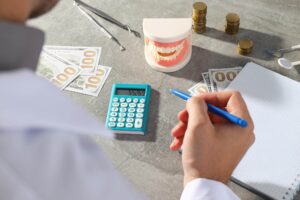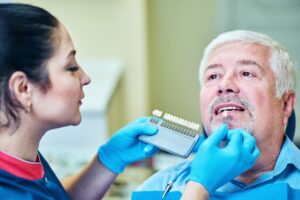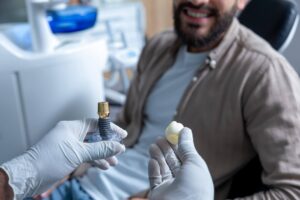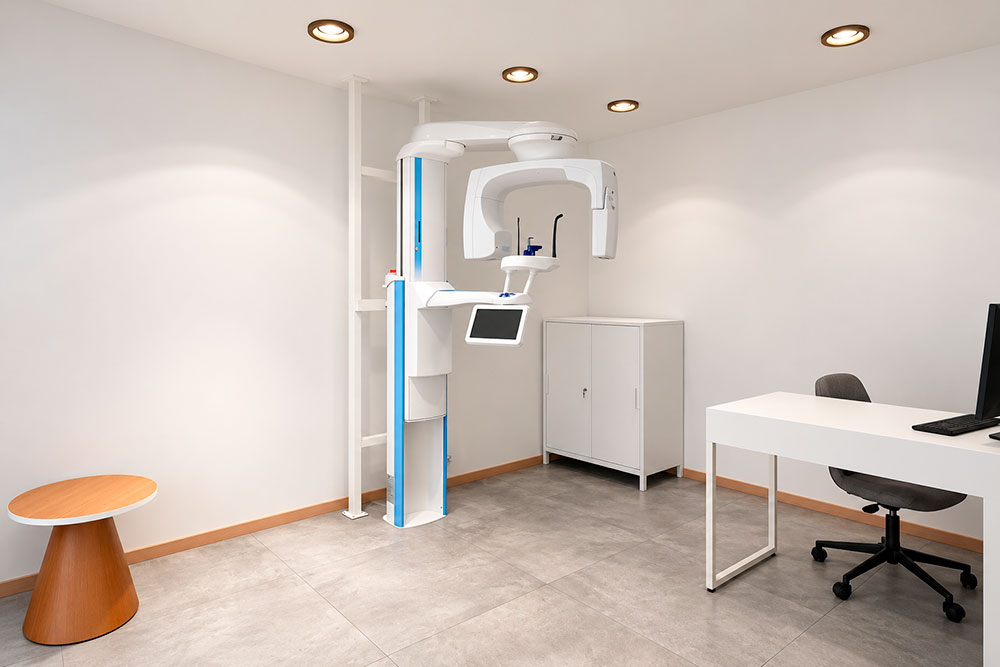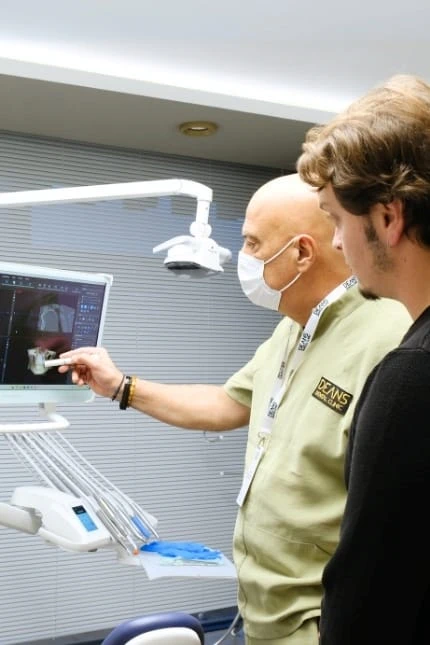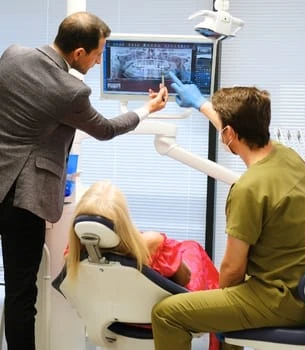
Dental implant cost varies widely because the treatment is not a single item. It is a sequence of services that can include consultation, 3D imaging, tooth extraction, bone grafting, implant placement, healing, abutment fitting, and the final crown, bridge, or denture. In the United States, a single straightforward implant with the implant post, abutment, and crown often falls between $3,000 and $6,500 per tooth. If bone grafting, sinus lift surgery, sedation, or complex restoration is needed, the total can rise to $7,500 or more for one tooth.
For multiple missing teeth, pricing depends on whether each tooth receives its own implant or whether a bridge is supported by fewer implants. Full-arch implant treatment commonly ranges from about $15,000 to $35,000 per arch, while premium full-mouth rehabilitation on both arches can reach $40,000 to $70,000 or more. A major reason for this spread is the difference in materials, number of implants used, lab work, clinician experience, and whether the price includes temporary teeth, extractions, sedation, and follow-up visits.
Patients often compare implant costs to bridges or dentures and notice that implants cost more upfront. That difference reflects the surgical component, the titanium or zirconia implant fixture, custom restorative work, digital planning, and the longer timeline. A typical single implant treatment may take 3 to 9 months from extraction to final crown if healing is needed. Immediate placement and same-day temporary teeth may shorten the visible treatment phase, though they do not eliminate biological healing time.
If you are budgeting for treatment, ask for an itemized estimate that separates imaging, surgery, grafting, restoration, anesthesia, maintenance, and replacement policies. That kind of quote shows the real cost rather than only the headline number.
Average Cost of Dental Implants
The average cost of dental implants is usually presented as a broad range because no single fee applies to every patient. In practical terms, many people in the United States will see total fees of roughly $3,000 to $6,500 for one completed implant tooth when the quote includes the implant post, abutment, and crown. Some urban specialty clinics quote higher figures, often $5,000 to $8,000, while low-overhead practices or teaching institutions may fall below the national average. The spread is large because the term “dental implant” can mean just the titanium fixture in one office and the entire completed tooth in another.
A helpful way to understand the average is to break it into parts. A consultation may cost $100 to $300, though some practices waive it. Cone beam CT imaging often costs $250 to $600. The surgical placement of the implant itself commonly ranges from $1,500 to $3,000 per implant. The abutment may add $300 to $800. The final crown often costs $1,000 to $2,500 depending on material and lab quality. If each line item is billed separately, the average total quickly reaches the numbers patients commonly hear.
Geography matters more than many people expect. Implant treatment in a major city such as New York, Los Angeles, Seattle, or Boston can be 15% to 40% higher than in midsize markets because rent, staffing, and laboratory expenses are higher. A board-certified oral surgeon or periodontist working alongside a restorative dentist may also charge more than a single general practice handling the whole case. That higher fee may reflect advanced planning, more complex technology, or extensive experience with grafting and high-risk cases.
The average cost also changes with the complexity of the mouth. A healthy patient with dense bone, no gum disease, and one missing tooth may need only the standard sequence of implant placement and crown restoration. A patient with long-term tooth loss, bone shrinkage, infection, or smoking history may need extra procedures before the implant can be safely restored. Bone grafting can add $300 for a small socket graft to $3,000 or more for major augmentation. A sinus lift often adds $1,500 to $5,000 per side. Sedation can add a few hundred dollars to more than $1,000 depending on the method and duration.
Average pricing is best viewed as a planning tool rather than a guaranteed quote. The most accurate estimate comes from an exam, X-rays or 3D scan, periodontal evaluation, and a written treatment plan that states exactly what is included.
Cost of a Single Tooth Implant
The cost of a single tooth implant typically includes three core components: the implant post placed into the jaw, the abutment that connects the post to the restoration, and the crown that replaces the visible tooth. In many U.S. practices, the full price for this sequence lands between $3,000 and $6,500. A very simple case in a lower-cost market may come in around $2,500 to $3,500. A premium case using advanced imaging, custom abutments, high-end ceramic crowns, sedation, and specialist care can exceed $7,000.
When patients hear “single implant,” they often assume it is one appointment and one fee. In reality, the process is staged. The diagnostic phase may include a consultation, digital scans, bite analysis, photographs, and cone beam CT imaging. After planning, the implant is placed surgically, often in a 45- to 90-minute visit. Healing usually takes 8 to 16 weeks in straightforward cases, though some patients need 4 to 6 months before the final crown is attached. If an immediate temporary tooth is possible, that may improve appearance during healing, though it can add several hundred dollars.
The front tooth zone often costs more than a molar because aesthetics are harder to manage. Matching the shape, translucency, gum contour, and emergence profile of a front tooth can require custom healing abutments, provisional crowns, and more detailed lab work. It is not unusual for an upper central incisor implant to cost $500 to $1,500 more than a basic posterior implant crown. If the gum line is thin or the bone has resorbed, soft-tissue grafting may also be recommended to improve the final result.
Extraction timing changes the total. If the damaged tooth is still present, you may need extraction first. A simple extraction may cost $150 to $400, while a surgical extraction may cost $300 to $800 or more. Socket preservation grafting after extraction often adds $300 to $1,000. Some patients qualify for immediate implant placement on the same day as extraction, which can reduce the number of surgical stages, though it does not always reduce the final bill.
A single tooth implant can last decades when properly planned and maintained. That long service life is a major reason many patients accept the higher upfront cost compared with a removable option or a conventional bridge.
Cost of Full Mouth Dental Implants
Full mouth dental implant treatment is among the highest-cost forms of tooth replacement because it combines surgery, prosthetic design, and complex rehabilitation. Pricing depends on whether one arch or both arches are treated, how many implants are used, whether the final teeth are removable or fixed, and how much preparatory treatment is needed. For one full arch, many patients see ranges from $15,000 to $35,000. For both upper and lower arches together, total fees often fall between $30,000 and $70,000, with some premium cases exceeding that range.
A fixed full-arch system is commonly supported by 4 to 6 implants per arch. Marketing phrases like “teeth in a day” or “all-on-4” usually refer to same-day placement of implants with a temporary fixed bridge, not the final permanent prosthesis on the day of surgery. The temporary arch is often included in a package fee, though not always. A more complete package may include consultation, CBCT scan, extractions, implant placement, immediate temporary teeth, post-op visits, and a final zirconia or acrylic bridge after healing. A lower advertised number may only cover surgery and a temporary restoration.
The material used for the final bridge has a major impact on cost. Acrylic prostheses reinforced with a titanium bar are often less expensive than monolithic zirconia. Acrylic full-arch restorations may be priced in the lower or middle end of the market, while zirconia arches can increase the final bill by several thousand dollars per arch because of material expense, milling, staining, and fit adjustments. Patients should also ask how many implants are included in the quoted package. Four implants may be enough in selected cases, though five or six may be advised for load distribution and long-term support.
Preparatory procedures can significantly change the cost. Multiple extractions may add $1,000 to $5,000 or more. Bone reduction, sinus work, tissue grafting, sedation, and treatment of periodontal disease each raise the fee. If the upper jaw has severe bone loss, zygomatic implants may be discussed in advanced centers, and those cases are usually more expensive than standard full-arch treatment.
Maintenance costs should be part of the budget. Full-arch restorations need regular professional cleaning, screw checks, bite adjustments, and occasional replacement of wear components. Patients may pay $300 to $1,000 yearly for maintenance depending on the design and the provider’s schedule of care.
What Affects the Cost of Dental Implants?
Dental implant pricing is shaped by clinical, technical, and business factors. The number of missing teeth is only one part of the picture. Bone quality and quantity are major drivers because implants require adequate support in the jaw. If the bone is thin, soft, or reduced after years of tooth loss, the treatment plan may involve grafting, sinus lift surgery, or staged healing. Those procedures add cost because they require extra materials, surgical time, and follow-up visits.
The location of the missing tooth matters. Front teeth often require more aesthetic planning, custom provisional restorations, and careful gum shaping. Molars are less visible but can be more demanding functionally because they absorb heavier bite forces. The upper back jaw often has poorer bone density and limited height due to the sinus, which can increase surgical complexity. A lower front implant may be simpler and less expensive than an upper anterior case with high smile-line demands.
Provider training and clinic setup influence fees as well. A board-certified oral surgeon, periodontist, or prosthodontist may charge more than a general dentist because of advanced surgical or restorative specialization. Some patients benefit from a team approach in which one clinician places the implant and another designs the restoration. That can improve planning in difficult cases, though it may increase total cost. Practices that use in-house CBCT, digital scanners, guided surgery, and on-site milling labs may offer faster workflows, yet those technologies also affect overhead and pricing.
Material choice is another factor. Titanium implants remain the most common option and usually have the broadest evidence base. Zirconia implants are available in some practices and may cost more depending on the system used. Crown material also changes the bill. A layered ceramic crown for a front tooth can cost more than a standard porcelain-fused-to-metal or posterior zirconia crown. Custom abutments, often milled from titanium or zirconia, are priced above stock abutments in many offices.
Insurance participation, warranties, and what is bundled into the quote also affect what patients pay. One office may advertise a low implant fee but bill separately for scans, surgical guides, temporaries, and follow-up appointments. Another may package nearly everything into one number. Payment timing matters too, since phased treatment spreads costs over several months. The most reliable way to compare offers is to request a written itemized estimate and ask which services are excluded, which complications would create extra charges, and whether remake policies apply if the crown or bridge needs adjustment.
Dental Implant Cost With and Without Insurance
Dental implant cost with insurance can look very different from the advertised office fee, though many plans still provide limited help. Without insurance, a single completed implant tooth commonly costs $3,000 to $6,500. With insurance, out-of-pocket expense may drop, though the reduction is often smaller than patients hope because many dental plans have annual maximums of only $1,000 to $2,500. If the yearly cap is $1,500 and the plan covers 50% of the crown but not the implant post, the patient still pays most of the case cost.
Coverage rules vary widely. Some traditional dental plans exclude implants entirely and only contribute toward alternatives such as bridges or dentures. Others cover diagnostics, extraction, and crown work but not surgical placement. A growing number of PPO plans now include implants, commonly at 40% to 50% after deductibles, though they may apply waiting periods of 6 to 12 months and annual caps that limit real savings. If your plan covers 50% of major services up to a $2,000 maximum, that maximum can be used quickly in implant treatment.
Medical insurance may contribute in selected circumstances. When tooth loss results from trauma, tumor surgery, congenital conditions, or medically necessary reconstruction, portions of the treatment can sometimes be billed medically. That is not the norm for routine tooth replacement, yet it is worth asking the provider’s billing team to review whether any surgical component is eligible. Documentation, imaging, and preauthorization are often needed.
Patients without insurance should not assume there are no pathways to lower cost. Many practices offer membership plans, phased treatment schedules, cash discounts, or third-party financing. An in-house membership plan might cost $200 to $500 per year and include exams, cleanings, X-rays, and discounts of 10% to 20% on major procedures. That will not erase implant cost, though it can lower related expenses and improve maintenance value.
A practical comparison is to ask for three numbers: the full office fee, the estimated insurance contribution, and the actual patient responsibility. Also ask whether the estimate includes the final crown, whether separate specialists bill independently, and whether benefits can be split across calendar years. Some patients schedule surgery late in one year and crown delivery the next year so two annual maximums can be used, which may reduce the out-of-pocket total by $1,000 to $3,000 depending on the plan.
Additional Costs to Expect Before and After Implant Surgery
The advertised implant fee often does not reflect everything a patient may pay before and after surgery. Preoperative expenses commonly begin with the consultation and diagnostic workup. A standard exam may be $100 to $300, panoramic imaging may add $100 to $250, and a cone beam CT scan usually ranges from $250 to $600. Digital impressions, study models, and laboratory planning can add further charges in some practices. If you are replacing a visible front tooth, a temporary retainer or provisional flipper may cost $300 to $900 while the implant site heals.
Extractions are a frequent pre-surgical cost. A simple extraction may be $150 to $400 per tooth, while a surgical extraction with impacted roots or fractured teeth can be $300 to $800 or more. Socket preservation grafting is often recommended when a tooth is removed to reduce bone collapse before implant placement. That graft may cost $300 to $1,000, and membrane materials can increase the total. If the upper back jaw lacks sufficient height, a sinus lift may add $1,500 to $5,000 depending on whether the procedure is internal or lateral and whether one or both sides are treated.
During surgery, sedation may be optional or necessary. Local anesthesia is usually included, but nitrous oxide may add $100 to $250, oral conscious sedation can range from $200 to $500, and IV sedation may cost $500 to $1,500 or more depending on time and monitoring. Guided surgery using a custom printed surgical stent can improve precision and often adds a few hundred dollars.
After surgery, patients may have medication costs for antibiotics, anti-inflammatory drugs, or prescription rinses. Soft diet supplies, ice packs, travel, and time away from work are small but real budget items. Follow-up visits may be included or billed separately, so it is worth asking in advance. If a healing abutment, second-stage uncovering surgery, or soft-tissue shaping is needed, those steps may carry additional fees.
Long-term maintenance also has a cost. Implant cleanings, radiographs, occlusal checks, night guards for grinding, and replacement of worn prosthetic screws or clips should be expected over time. A custom night guard often costs $300 to $800 and may protect both natural teeth and implant restorations from overload. These secondary expenses are not unusual; they are part of owning a high-function dental restoration.
Are Dental Implants Worth the Cost?
Whether dental implants are worth the cost depends on oral health goals, finances, jaw condition, and how long the replacement is expected to serve. From a functional standpoint, implants can restore biting efficiency more closely to natural teeth than removable dentures. A single implant also avoids cutting down adjacent healthy teeth, which is usually necessary for a conventional fixed bridge. That biological advantage matters when neighboring teeth are intact and expected to last many years.
The long-term value becomes clearer when replacement cycles are considered. A bridge may cost less initially, often around $2,000 to $5,000 depending on units and materials, but it may need replacement after 7 to 15 years. Removable dentures can be less expensive still, though relines, remakes, adhesive use, reduced chewing stability, and bone resorption affect comfort over time. A well-maintained implant can remain functional for decades. Many studies report implant survival rates above 90% at 10 years, with some modern systems performing in the 95% range in suitable patients. Survival does not always mean complication-free use, though it indicates strong long-term durability.
Implants can also help preserve bone volume in the area of the missing tooth because the implant transmits load to the jaw. Bridges and dentures do not replicate that effect in the same way. For some patients, that helps support facial structure and slows the collapse that can occur after tooth loss. Confidence is harder to measure, yet many people place real value on the ability to chew firmer foods, speak without denture movement, and smile without visible gaps.
The cost may be harder to justify for patients with uncontrolled gum disease, heavy smoking, untreated diabetes, severe teeth grinding, or poor oral hygiene habits. In those situations, the risk of peri-implant disease, restorative wear, or implant failure is higher, so the return on investment can be lower unless those risk factors are actively managed. A provider should review these points frankly rather than only presenting implants as the obvious premium option.
For many patients, implants are worth the cost when the plan is carefully selected, the mouth is healthy enough to support them, and the budget includes maintenance. The most meaningful question is not whether implants are expensive. It is whether their expected function, lifespan, and health benefits justify the higher upfront payment in your specific case.
Ways to Make Dental Implants More Affordable
Dental implants are expensive, though the total can often be made more manageable with planning. One of the simplest ways to lower cost is to request an itemized treatment plan. That lets you see whether imaging, extraction, grafting, temporary teeth, sedation, and the final crown are bundled or separate. Some practices advertise a low surgical fee but charge each additional component independently. A complete quote can reveal where comparisons are fair and where they are not.
Phasing treatment is a common affordability strategy. If a tooth is non-restorable, a patient may choose extraction and socket preservation first, then implant placement after healing, and crown delivery later. This spreads the expense over several months. Insurance can sometimes be used across two benefit years if surgery and restoration occur in different calendar years. That alone may reduce out-of-pocket cost by the amount of a second annual maximum.
Financing is widely available. Third-party healthcare lenders often offer terms from 6 to 60 months. Promotional plans may include 0% interest for a limited period, while standard plans can carry annual percentage rates well above 10%, so the financing cost should be reviewed carefully. Some clinics provide in-house payment plans for part of the fee, often requiring a deposit of 20% to 50% before surgery.
Dental schools and university clinics can offer lower pricing, sometimes 20% to 50% below private practice rates, because treatment is performed by residents or senior students under specialist supervision. The tradeoff is time. Appointments are usually longer, scheduling can be slower, and case selection rules apply. Community clinics, nonprofit programs, and hospital-based dental departments may also have reduced-fee services for patients who meet income or medical criteria.
Membership plans and cash-pay discounts can help with surrounding services even if they do not heavily reduce the implant itself. If you are missing several teeth, ask whether an implant-supported bridge would achieve the same result with fewer implants than placing one implant per missing tooth. For full-arch cases, compare removable implant overdentures with fixed arches, since overdentures can cost substantially less while still improving retention over traditional dentures. Affordability should not come from skipping essential diagnostics, poor-quality restorations, or treating disease after it becomes advanced. The lower-cost option is most useful when it remains clinically sound.
Dental Implants vs Other Tooth Replacement Costs
Dental implants usually have the highest upfront cost among common tooth replacement options, yet they are not always the most expensive over the long term. A single dental implant often ranges from $3,000 to $6,500. A traditional three-unit bridge replacing one missing tooth may cost around $2,000 to $5,000, depending on materials and location. A removable partial denture may range from roughly $700 to $3,000. Those alternatives look more affordable at the beginning, though each comes with different maintenance patterns and biological tradeoffs.
A bridge can be an effective solution when adjacent teeth already need crowns. If those neighboring teeth are healthy, preparing them for a bridge means removing natural tooth structure that would not otherwise need treatment. Bridges also do not directly stimulate the jawbone at the missing tooth site, so bone loss can continue underneath the pontic. Over time, decay, root canal needs, or replacement of the supporting crowns can raise the lifetime cost.
Removable partial dentures and full dentures are usually the lowest-cost entry point. They can restore appearance and basic chewing function, though retention, sore spots, movement, and adaptation are common concerns. Full dentures may cost $1,000 to $3,500 per arch in many general practices, while premium dentures can exceed that. Implant-retained overdentures often cost far more than standard dentures, though less than fixed full-arch bridges. A lower implant overdenture supported by two implants may fall in the range of $6,000 to $15,000 depending on attachments and whether extractions or grafting are needed.
Maintenance differences matter. Dentures may need relines every few years, and bridges may need replacement after wear or decay of abutment teeth. Implants need professional monitoring and hygiene care, though they avoid some of the problems linked to removable appliances or loaded natural abutment teeth. If a patient is 35 and expects a tooth replacement to function for several decades, a higher initial implant cost can compare favorably against replacing a bridge two or three times over a lifetime.
Cost comparisons should not be based only on price tags. They should include comfort, chewing ability, effect on adjacent teeth, bone preservation, expected lifespan, and maintenance. The least expensive option at checkout is not always the least expensive over 10 to 20 years, and the premium option is not always the right one if oral health risks or budget constraints point to a different plan.
How to Choose a Dental Implant Provider
Choosing a dental implant provider should start with qualifications and transparency rather than advertising language alone. Dental implants involve both surgery and restoration, so patients should ask who places the implant, who designs the crown or bridge, and how many similar cases the team handles each month or year. A clinician who places a few implants annually is not automatically unsuitable, though a provider with consistent case volume and documented outcomes may be better prepared for variations in anatomy, healing, and complications.
Training matters. General dentists, oral surgeons, periodontists, and prosthodontists may all provide implant treatment, but their roles differ. Oral surgeons and periodontists often focus more heavily on surgical placement, grafting, and management of complex bone conditions. Prosthodontists focus on restoration design, bite, and full-mouth reconstruction. In some practices one clinician handles everything; in others a team approach is used. Ask whether 3D imaging, digital planning, and surgical guides are part of routine protocol. These tools do not guarantee quality, though they can improve planning precision.
A reliable provider should offer a written treatment plan with itemized fees. That document should state whether the quote includes consultation, CBCT scan, extraction, bone grafting, implant surgery, abutment, temporary tooth, final crown or bridge, sedation, follow-up visits, and maintenance recommendations. Patients should also ask what happens if grafting is needed unexpectedly, whether lab remake costs are included, and whether the office offers any warranty on implant components or prosthetic work.
Before-and-after photos, patient reviews, and explanations of complication management are worth reviewing. A strong provider does not only show ideal cases. They can explain how they monitor integration, what signs of peri-implant disease they watch for, and how they support long-term hygiene. If you grind your teeth, smoke, or have diabetes, ask directly how those factors affect your risk and whether they recommend a night guard, periodontal therapy, or medical clearance before surgery.
Price is part of the decision, but very low quotes should be examined carefully. A lower fee may be legitimate due to market location or efficient workflow, though it can also mean key services are excluded. The best value often comes from a provider who communicates clearly, plans with data, uses quality components, and gives you a realistic picture of both cost and long-term maintenance.
FAQ About Dental Implant Costs
Many patients ask whether the implant quote they receive covers the whole treatment or only one step. In a large number of cases, the answer is no, not unless the estimate clearly says it includes the implant post, abutment, and crown. Some offices advertise the surgical implant fixture alone, which may be only part of the final bill. A full written estimate is the safest way to understand the actual cost.
People also want to know why one clinic charges $2,999 and another quotes $5,800 for what sounds like the same procedure. The difference often comes from what is included, where the office is located, the experience level of the clinicians, and whether advanced diagnostics or custom lab work are used. A front tooth restored with custom aesthetics and soft-tissue shaping is not equivalent to a routine posterior case, even if both are called “single implants.”
A common question is whether implants are covered by insurance. Sometimes they are, sometimes they are not. Coverage may apply to diagnostics, extraction, or the crown while excluding the implant body itself. Annual maximums are often low enough that even a covered implant leaves a large patient balance. Patients should ask for a pre-treatment estimate before committing to surgery.
Many readers ask if going abroad saves money. It can reduce the sticker price, though travel, hotel stays, revisions, time away from work, and continuity of care should be considered. If complications develop months later, local repair costs can erase the initial savings. Cross-border treatment is most predictable when records, implant system details, and follow-up access are carefully planned.
Another frequent concern is whether a cheaper bridge is a better financial choice. It may be in some situations, such as when neighboring teeth already need crowns or when bone and medical factors make implants less favorable. In other cases, preserving adjacent healthy teeth and reducing long-term replacement cycles makes the implant more attractive despite the higher starting cost.
Patients often ask how long they can wait after extraction before getting an implant. Sometimes placement can happen the same day, while other situations call for 8 to 16 weeks of healing or longer. Waiting too long after extraction can allow more bone loss, which may increase future grafting costs. Timing should be based on infection status, bone quality, aesthetics, and bite forces rather than convenience alone.