When a lymph node hurts, most people understandably think of the worst-case scenario. In reality, painful lymph nodes are very often linked to harmless, self-limiting infections such as a cold, tonsillitis, or a skin infection near that area. Lymph nodes are small filter stations of the immune system, usually a few millimetres to about 1–2 cm in size, scattered in chains in the neck, armpits, groin, and deep in the chest and abdomen. They swell and can become tender when immune cells inside them are actively fighting off viruses, bacteria, or other foreign substances. Pain is usually a sign of acute inflammation and stretching of the capsule around the node. That is why a soft, tender, mobile lymph node that appears during or shortly after an infection is usually benign.
The situation becomes more delicate if lymph node pain lasts longer than about 2–3 weeks, comes back again and again, or is associated with alarm signs such as high fever, rapid weight loss, night sweats, or very hard, fixed lumps. These patterns can hint at more serious problems such as abscess formation, tuberculosis, autoimmune disease, or rarely lymphoma or metastases from other cancers. As clinicians, we look not only at the node itself but at the whole picture: where the node is, how it feels on palpation, what other symptoms are present, recent infections, medications, and risk factors such as smoking or a weakened immune system.
Practical management usually starts with a thorough examination and simple blood tests. In many cases, no advanced testing is needed and pain improves within 7–14 days with rest, fluids, and, where appropriate, targeted treatment of the underlying infection. If the node is very large (>2 cm), persists longer than 3–4 weeks, continues to grow, or feels suspicious on ultrasound, imaging and sometimes a needle or surgical biopsy become necessary. Patients often want clear guidance on when to watch and wait and when to seek help. As a rule of thumb, any painful lymph node that is getting worse, is accompanied by general symptoms, or worries you despite resting and common pain relief measures deserves medical evaluation.
What are lymph nodes and why do they hurt?
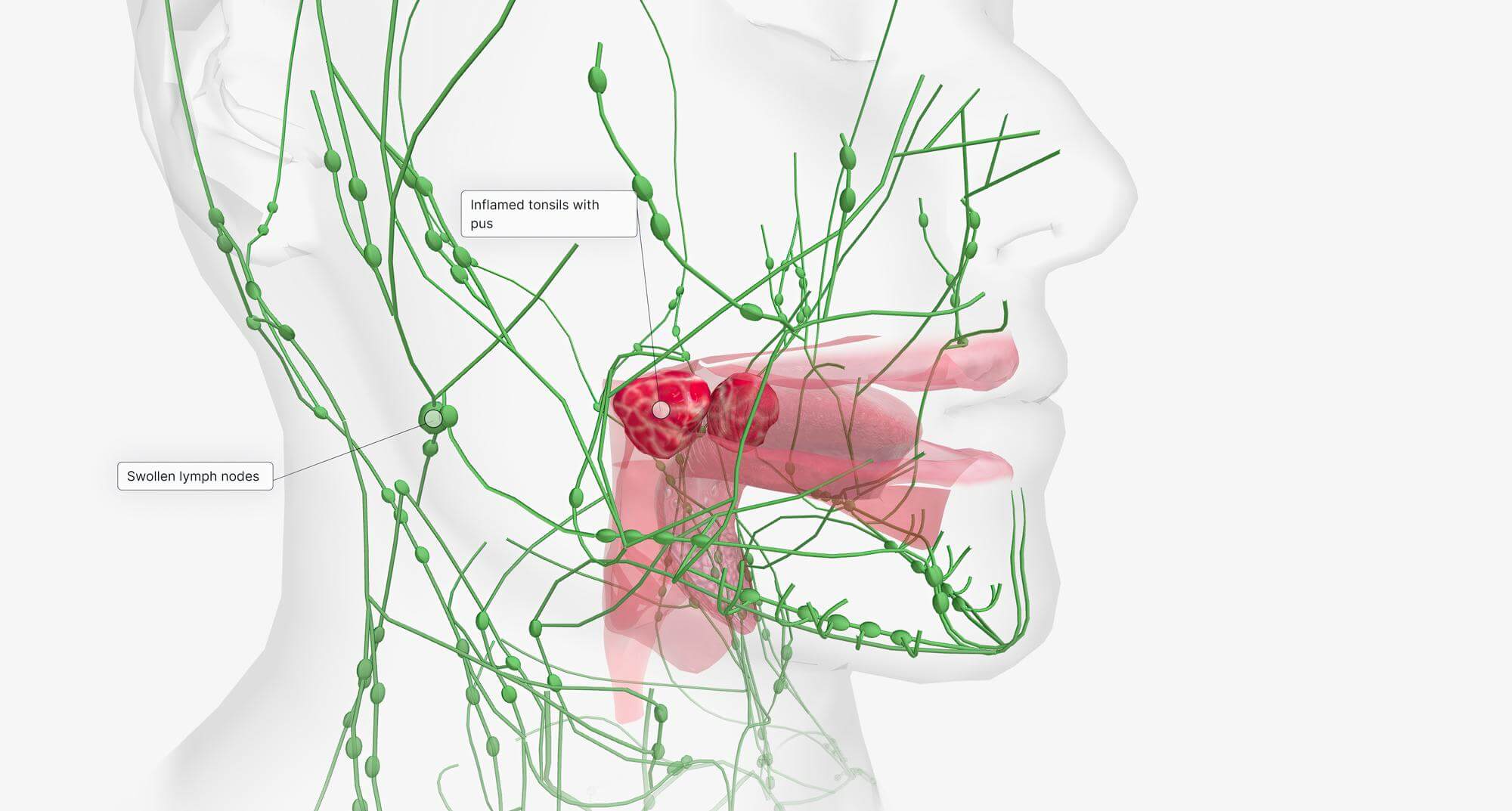
Lymph nodes are small, bean-shaped organs that act as biological filters. An adult typically has between 500 and 700 lymph nodes distributed along lymphatic vessels throughout the body. Each node is usually between 2–10 mm in diameter in its resting state, although cervical (neck) nodes in children can physiologically reach up to about 1 cm without indicating disease. Their job is to filter lymph fluid, which carries immune cells, proteins, and cell debris from tissues back into the bloodstream.
Inside every lymph node there is a complex micro-architecture: an outer cortex mainly containing B lymphocytes, a deeper paracortex rich in T cells, and a medulla with plasma cells and macrophages. You do not have to remember these names, but this structure explains why lymph nodes are hotspots of immune activity. When a virus, bacterium, or other foreign particle is drained to the node, antigen-presenting cells show it to lymphocytes. This triggers rapid immune cell proliferation. In practical terms, that means: the node enlarges, more blood flows through, and the capsule around it is stretched.
Pain usually arises from three mechanisms:
- Capsule stretching: the fibrous outer shell around the node is packed with nerve endings. Swelling of the node puts tension on this capsule and causes localized pain or tenderness to touch.
- Inflammation of surrounding tissue: inflammatory mediators (like prostaglandins and bradykinin) make nearby nerves more sensitive. A node that is not huge can still be quite uncomfortable if the surrounding fat and connective tissue are inflamed.
- Suppuration (pus formation): if a bacterial infection leads to an abscess within or near the node, pressure rises sharply. Patients then often describe throbbing, pulsating pain that worsens when bending or lying on that side.
Painful lymph nodes are therefore usually a sign that the immune system is actively working. The node is often movable, soft to slightly rubbery, and tender when you press it. When a node is enlarged but completely painless, very hard like a stone, and cannot be moved against the underlying tissue, we start to think of malignant or chronic processes such as lymphoma, metastasis, or long-standing granulomatous disease. That difference between tender and non-tender can be an important diagnostic clue, although it is never the only factor we rely on.
Common causes of painful lymph nodes
From a clinical point of view, more than 80–90% of painful enlarged lymph nodes in everyday practice are reactive, meaning they respond to an infection or inflammation somewhere in their drainage area. Only a small fraction is caused by malignancies. When patients arrive at the clinic and say, “My lymph node hurts,” we mentally go through a list of causes and match it to their history and findings.
Frequent causes include:
- Viral infections: classic culprits are common cold viruses, influenza, Epstein–Barr virus (glandular fever), cytomegalovirus, and HIV seroconversion. For example, during infectious mononucleosis, up to 90% of patients develop tender cervical lymphadenopathy that can last 2–4 weeks.
- Bacterial infections: streptococcal or staphylococcal throat infections, dental abscesses, skin infections like cellulitis or impetigo, and ear infections often lead to painful regional nodes. A dental infection around a lower molar, for instance, typically triggers tenderness in submandibular lymph nodes on the same side.
- Localized skin problems: infected shaving cuts in the armpit, inflamed hair follicles, or small boils can cause noticeable pain in nearby axillary or inguinal lymph nodes.
- Systemic infections: conditions such as tuberculosis, toxoplasmosis, cat scratch disease (Bartonella henselae), or syphilis can cause more persistent, sometimes painful, often generalized lymph node swelling.
- Autoimmune diseases: rheumatoid arthritis, systemic lupus erythematosus, or sarcoidosis can lead to tender lymph nodes during flares, although pain is often less intense than in acute bacterial infections.
- Medication reactions: certain drugs, for example some anticonvulsants (phenytoin), allopurinol, and specific antibiotics, may trigger drug-induced lymphadenopathy and pain as part of a hypersensitivity reaction. These reactions often start within 1–8 weeks after beginning the medication.
- Local trauma: a deep scratch, tattoo, or piercing in the drainage area can transiently activate lymph nodes, which then feel sore and slightly swollen for several days.
Malignant diseases like lymphoma or metastases from head and neck cancer, breast cancer, or melanoma more often present with painless lymph nodes; however, they can become painful if they grow rapidly, stretch the capsule, or bleed internally. That is one reason why persistent pain that does not fit a clear minor infection should never be brushed off.
As dentists, we see a strong link between oral health and lymph node pain in the head and neck. Untreated caries leading to pulpitis, chronic periodontitis, or pericoronitis around wisdom teeth can drive recurring tenderness in submandibular and jugular chain lymph nodes. Multiple studies report that up to 30–40% of patients with acute odontogenic infections show palpable, painful cervical lymphadenopathy during the active phase. Once the dental source is treated properly, the lymph node pain usually starts to improve within 48–72 hours.
Typical locations where lymph nodes hurt (neck, armpit, groin)
Most people first notice lymph node pain in the neck, under the jaw, in the armpits, or in the groin. These are the main “clusters” that are close to the skin surface and easy to feel. Each region drains specific areas of the body, so the location of the painful node already points you in a certain diagnostic direction.
Neck (cervical) lymph nodes are probably the best-known. They lie along the sides of the neck, under the jaw (submandibular), under the chin (submental), and behind the ears. They receive lymph from:
- Oral cavity: teeth, gums, tongue, floor of mouth
- Tonsils and throat
- Nasal cavity and sinuses
- Ear and surrounding skin
Painful cervical lymph nodes are common with tonsillitis, pharyngitis, sinusitis, otitis media, and dental infections. For example, an inflamed lower molar often irritates submandibular nodes, which then feel like two or three small peas under the jaw, tender when chewing or turning the head.
Axillary (armpit) lymph nodes drain the arm, chest wall, and a large portion of the breast tissue. Painful axillary nodes often appear in:
- Local skin infections from shaving, deodorant reactions, or minor cuts
- Breast infections such as mastitis, especially during breastfeeding
- Certain viral infections that cause generalized lymph node swelling
These nodes are usually not visible, but when inflamed can reach 1–3 cm in size and cause significant discomfort when moving the arm or sleeping on that side. In women, any persistent axillary node, even if painful, requires a careful breast and skin examination to rule out pathology.
Inguinal (groin) lymph nodes are found along the crease between the thigh and the pelvis. They drain:
- Lower limbs
- External genitalia
- Lower abdominal wall and buttock area
Patients may feel painful lumps in the groin after leg infections (cellulitis, infected insect bites), sexually transmitted infections, or fungal infections like athlete’s foot that crack the skin and allow bacteria in. Normal inguinal nodes can be palpable, especially in slender people, but they should be small (often <1 cm), soft, and non-tender when you are healthy.
Lymph nodes deeper in the chest (mediastinal) or abdomen (mesenteric) can also cause discomfort, but this is felt as vague pressure or deep pain rather than a clearly localized tender lump. These nodes are not palpable from the outside and are only seen on imaging, such as ultrasound, CT, or MRI. When we evaluate a specific painful lymph node, we always correlate the site with what that group drains. This way we do not miss a hidden infection or tumour in its corresponding area.
Symptoms that commonly accompany painful lymph nodes
A single tender lymph node rarely comes alone. Associated symptoms make the difference between a harmless reactive process and something that needs fast, in-depth evaluation. Patients are often surprised how much information we can gain simply by asking targeted questions about accompanying signs.
Typical accompanying symptoms include:
- Signs of infection: fever above 38 °C (100.4 °F), chills, fatigue, muscle aches, sore throat, cough, or local redness and warmth over the affected area. For instance, in acute bacterial tonsillitis, up to 95% of patients report sore throat and fever together with painful neck nodes.
- Local discomfort: difficulty swallowing, ear pain, toothache, or pain when moving a limb can point toward the origin of the problem. Painful submandibular nodes plus unilateral toothache almost always make us think of a dental or periodontal cause.
- General malaise: loss of appetite, headache, and marked tiredness are common with viral illnesses. Infectious mononucleosis, for example, often causes fatigue that can last for weeks, alongside cervical lymph node pain.
- Skin changes: rashes, inflamed scratches, boils, or non-healing wounds in the drainage area of the node are valuable clues. Cat scratch disease often presents as a single enlarged tender node near the site of the scratch and may be accompanied by a small papule or pustule at the scratch itself.
- Weight loss and night sweats: unintentional weight loss of more than 5% of body weight within 6 months, drenching night sweats requiring a change of bedclothes, and persistent low-grade fever form the classic “B symptoms” we worry about in lymphoma and some other malignancies.
- Joint pain and stiffness: when painful lymph nodes coincide with morning stiffness lasting more than 30 minutes or swollen joints, autoimmune diseases come into play.
- Breathing or swallowing problems: difficulty breathing, chest pain, or trouble swallowing can indicate that lymph node enlargement in the chest or neck is compressing airways or the oesophagus. This combination belongs in urgent medical care.
During examination, we also pay attention to objective signs: the temperature of the skin over the node, its exact size, consistency (soft, rubbery, hard), mobility, and whether multiple regions are involved. A single tender node in the neck during a cold has a very different significance from multiple enlarged nodes in the neck, armpits, and groin in someone who reports night sweats and weight loss.
Acute vs. chronic (recurrent) lymph node pain
Time course is one of the most helpful diagnostic tools you already have without equipment. Acute painful lymph nodes behave differently from chronic or recurrent cases. Understanding this difference can help you decide when simple observation is reasonable and when you should ask for further evaluation.
Acute lymph node pain usually:
- Appears over hours to a few days
- Is clearly linked to an infection (cold, sore throat, dental abscess, skin infection)
- Is associated with tenderness when you press the node, sometimes throbbing
- Improves noticeably within 3–7 days when the infection is treated or passes
An example: someone develops a sore throat on Monday, fever peaks at 38.5–39 °C by Tuesday, and by Wednesday or Thursday they feel a tender lump under the jaw or along the side of the neck. Antibiotics (if indicated) or supportive care are started, and within a week both the throat and the lymph node pain are much better. The node may remain slightly enlarged for 2–4 weeks, but tenderness steadily decreases.
Chronic or recurrent lymph node pain follows a different pattern:
- Pain or swelling persists for more than 3–4 weeks, without clear improvement
- Or symptoms improve but keep coming back in the same location
- May not be tied to a single obvious infection
- Can be milder in intensity but more bothersome due to duration
In dentistry, we often see recurrent submandibular lymph node tenderness due to chronic dental or periodontal problems that flare up when the immune system is under stress. Patients sometimes notice that every time they get “run down,” the same node under the jaw becomes sensitive again. In that situation, just treating the node makes no sense. The underlying trigger — for example, a chronically inflamed tooth root — has to be corrected, often with root canal treatment, periodontal therapy, or extraction, depending on the individual case.
From a broader medical perspective, chronic tender nodes may be seen in conditions such as tuberculosis, some autoimmune diseases, or slow-growing malignancies that occasionally inflame. Any lymph node that remains clearly enlarged (>1–1.5 cm in adults) or painful beyond about 4 weeks, without a straightforward explanation, should be checked professionally. It is not about causing anxiety but about avoiding months of uncertainty and, in the rare serious cases, catching problems early while treatment is more effective.
How doctors diagnose the cause (physical exam, blood tests, imaging, biopsy)
When you present with a painful lymph node, diagnosis unfolds step by step. Each stage narrows down the possibilities. The goal is not to jump to the most invasive test but to make clever use of simple tools first, escalating only if needed.
It starts with a detailed medical history. We ask when the lump appeared, how fast it grew, how intense the pain is on a scale of 0–10, and whether it wakes you at night. We ask about recent infections, dental work, piercings, sexual history (when relevant), travel, contact with animals, and current medications. Timing, exposures, and risk factors often give the initial direction.
The physical examination focuses on:
- Size of the node (measured in millimetres or centimetres)
- Consistency: soft, rubbery, firm, hard
- Mobility: freely movable vs. fixed to surrounding structures
- Temperature and redness of overlying skin
- Number of regions involved (only neck vs. neck + armpits + groin, etc.)
We also carefully examine areas drained by that node group: for a neck node, the oral cavity, teeth, tonsils, ears, nose, and skin of the scalp and face. As dentists integrating with broader medical care, we often identify hidden dental sources that were not obvious to the patient, such as a deep carious lesion or chronic periodontitis around molars.
Blood tests are typically the next step when the clinical picture is not crystal clear or the symptoms are more severe. Common tests include:
- Complete blood count (CBC) to look for elevated white blood cells, anaemia, or abnormal lymphocyte patterns
- C-reactive protein (CRP) and erythrocyte sedimentation rate (ESR) as markers of inflammation
- Specific serology for viruses (e.g., Epstein–Barr virus, HIV) or bacteria (e.g., syphilis) when suspected
- Autoantibody panels if an autoimmune disease is in question
When the node is large, deep, or the cause remains uncertain, imaging helps. Ultrasound is usually the first-line imaging test for superficial nodes. It can:
- Measure exact size and shape
- Assess the internal structure (solid, cystic, necrotic)
- Evaluate blood flow patterns
Certain sonographic features (like loss of the fatty hilum, very round shape, chaotic blood flow) raise suspicion for malignancy. CT or MRI may be indicated for deeper regions such as chest or abdominal nodes, or for complex head and neck situations where we need a detailed map for surgery or further treatment planning.
If, after these steps, the diagnosis is still not clear or there are worrying features, we proceed to biopsy. This step can take several forms:
- Fine-needle aspiration (FNA): a thin needle is used to take cells from the node. It is quick and minimally invasive and often sufficient to detect metastasis or lymphoma.
- Core needle biopsy: a slightly thicker needle retrieves a small tissue cylinder, preserving architecture for more detailed analysis.
- Excisional biopsy: the entire lymph node is surgically removed and examined. This is often considered the gold standard when lymphoma is suspected or prior tests are inconclusive.
Pathologists then examine the tissue under a microscope and often use immunohistochemical staining and molecular tests to determine exactly what type of cells are present. This precision is essential when treatment decisions, especially for cancer or complex infections, depend on exact classification.
Treatment options (medications, procedures)
Treatment for painful lymph nodes focuses on addressing the underlying cause. There is no universal “lymph node pill.” When the source is dealt with properly, the lymph node usually calms down on its own. Still, targeted therapy and symptom relief are important to make you feel better and to prevent complications.
For bacterial infections such as acute tonsillitis, dental abscess, or skin infections, we use antibiotics tailored to the likely pathogens. Examples:
- Streptococcal tonsillitis: penicillin or amoxicillin for 7–10 days in typical cases
- Odontogenic infections: amoxicillin-clavulanate or clindamycin for severe cases, combined with dental treatment like drainage or root canal therapy
- Skin and soft tissue infections: cephalexin, clindamycin, or others, depending on local resistance patterns
For viral infections such as common colds, infectious mononucleosis, or many respiratory viruses, antibiotics do not help. Management is supportive:
- Pain relievers like paracetamol or ibuprofen within recommended daily doses
- Sufficient fluid intake (often 1.5–2 litres per day for adults, adjusted for heart or kidney conditions)
- Rest and a slow return to normal activity as strength returns
When painful lymph nodes are part of autoimmune or inflammatory diseases, medications that modulate the immune system are needed. Rheumatologists may prescribe corticosteroids, methotrexate, biologics, or other targeted agents. The aim is to reduce the underlying autoimmune attack, which in turn reduces lymph node activity and pain.
If imaging or exam suggests abscess formation in or near a lymph node — a pocket of pus — then surgical procedures become necessary. This can range from a small incision and drainage under local anaesthesia in the clinic to a more extensive procedure in the operating room for deep or complex abscesses. Antibiotics alone rarely resolve well-formed abscesses because drug penetration into the pus-filled cavity is limited.
In malignant conditions such as lymphoma or nodal metastases, treatment follows specialized protocols:
- Chemotherapy regimens tailored to the exact tumour type
- Radiation therapy to involved lymph node regions
- Targeted therapies or immunotherapies for certain cancers
- Surgery to remove affected nodes in selected situations, often as part of broader cancer surgery (for example, neck dissection in head and neck cancer)
For many patients, symptomatic relief is an important part of the plan. Non-steroidal anti-inflammatory drugs (NSAIDs) help reduce pain and inflammation, provided there are no contraindications such as kidney disease or bleeding risk. Warm compresses and gentle stretching can reduce discomfort from neck or groin nodes. We also see a clear role for treating dental and oral sources early. For instance, when a deep carious lesion causing submandibular lymph node pain is treated with proper root canal therapy and infection control, the node often becomes much less painful within days.
Home remedies and self-care for lymph node pain
When the cause of a painful lymph node is a mild infection and you have already seen a doctor or dentist, there is quite a bit you can do at home to support recovery. The goal is to ease pain, support your immune system, and avoid behaviours that could make the situation worse.
Useful self-care measures include:
- Rest and sleep: aiming for 7–9 hours of sleep per night helps your immune system work efficiently. During acute infections, allowing yourself a temporary reduction in activity level usually speeds up recovery.
- Hydration: drinking enough fluids keeps mucous membranes moist and helps lymph flow. For most healthy adults, 1.5–2 litres per day of water or herbal tea is a good target, unless a doctor has recommended fluid restriction.
- Warm compresses: applying a warm (not hot) compress to the area for 10–15 minutes several times a day can relieve pain by increasing blood flow and reducing muscle tension around the node. A simple towel soaked in warm water and wrung out works well.
- Over-the-counter pain relief: paracetamol or ibuprofen in recommended doses can be effective. As a rule of thumb, adults should not exceed 3,000 mg of paracetamol or 1,200–1,600 mg of ibuprofen per day without medical supervision, and doses must be adapted for children according to weight.
- Gentle neck and shoulder mobility: for painful neck nodes, very light stretching and avoiding stiff postures at the computer or while using a smartphone prevent additional muscle pain that can mimic or amplify lymph node pain.
There are also things worth avoiding:
- Constant squeezing or pressing on the node: this commonly irritates it further, increases pain, and can even sustain swelling.
- Self-prescribed antibiotics: using leftover antibiotics or obtaining them without prescription is risky. Wrong drug choice or incomplete treatment courses can promote resistance and mask symptoms without solving the underlying issue.
- Excessive heat: very hot pads or heating lamps can damage the skin and may worsen inflammation, especially if an abscess is present.
For oral and dental sources (which are frequent behind painful neck nodes), simple measures such as meticulous oral hygiene, saltwater rinses (for example, half a teaspoon of table salt dissolved in a glass of warm water, swished for 30 seconds and spat out, 2–3 times a day), and avoiding very sugary snacks between meals can help stabilize the situation until definitive dental treatment is performed.
If self-care does not bring clear relief within a few days, or if new worrying symptoms appear, it is important not to delay professional assessment. Home remedies are meant as support, not as a replacement for diagnosis and targeted therapy when needed.

When to see a doctor — red flags and urgent signs
Most painful lymph nodes linked to minor infections improve on their own. Still, there are very clear situations where waiting it out at home is not a good idea. Recognizing these red flags in time can prevent serious complications.
You should seek medical evaluation promptly if:
- The lymph node is rapidly getting bigger over days, especially beyond about 1.5–2 cm in diameter in adults.
- Pain is intense (for example, 7–10 on a 0–10 scale), throbbing, or associated with obvious redness and warmth of the overlying skin. This may point to abscess formation.
- You have a high fever (≥38.5 °C / 101.3 °F) lasting more than 48–72 hours, or chills with shaking.
- There are signs of systemic illness: marked fatigue, confusion, rapid heart rate at rest (>100 beats per minute in adults), or breathing difficulties.
- You notice unintentional weight loss, for example more than 3–4 kg over a few months without dieting, drenching night sweats, or persistent low-grade fever.
- Multiple lymph node regions are enlarged (for instance neck, armpits, and groin) without a clear acute infection.
- The node feels very hard, irregular, or fixed in place rather than freely movable under the skin.
- The swollen area is near the jaw, floor of the mouth, or throat and you find it difficult to open your mouth, swallow, or breathe. This can indicate deep neck space infection, which needs urgent specialist care.
A lymph node that remains clearly enlarged or painful for longer than roughly 3–4 weeks, even without dramatic symptoms, also deserves a check. The aim is not to scare anyone but to make sure that, if there is a more serious disease behind it, we notice it while options are still wide open.
If in doubt, especially for children, older adults, or people with chronic illnesses such as diabetes, heart disease, or immune suppression, it is safer to seek advice once too often than once too late. A short clinical exam and possibly a few basic tests are usually enough to either reassure you or start further targeted diagnostics.
Painful vs. painless swollen lymph nodes — cancer warning signs
This is a topic patients often ask about very directly. They want a simple rule like “painful is harmless, painless is dangerous.” Reality is more nuanced, but there are patterns that help guide concern. Cancer-related lymph node enlargement tends to behave differently from reactive, infection-driven nodes, although there are overlaps.
Typical features that raise suspicion for malignancy include:
- Lack of pain: malignant nodes are usually painless at first. They may become painful only when they grow large enough to stretch the capsule or press on nearby nerves.
- Progressive growth: size increases steadily over weeks to months instead of shrinking after an infection resolves.
- Hard, rubbery consistency: nodes can feel like a firm marble or stone rather than a soft pea.
- Fixation: they do not move easily under the skin and can feel anchored to deeper tissues or the skin.
- Multiple regions involved: for example, enlarged nodes in the neck, above the collarbone, and in the armpit simultaneously without a clear acute infection.
- Systemic “B symptoms”: night sweats, fevers, and unexplained weight loss as mentioned earlier.
Lymphomas (cancers arising directly from lymphoid tissue) and metastatic spread from solid tumours (such as head and neck cancers, lung, breast, or melanoma) both use lymph nodes as pathways. Supraclavicular nodes (above the collarbone) are a particular concern when enlarged, as they are more often linked to intrathoracic or abdominal malignancy than to harmless infections.
On the other hand, painful swollen nodes are most often reactive, especially when they appear during or just after an infection. Tenderness is a sign of inflammation, and inflammation is usually associated with the immune system doing its job against something foreign. This does not give a 100% guarantee, but statistical data from multiple studies show that the likelihood of cancer in an acutely painful node associated with a clear infection is low.
We still take any persistent swelling seriously. A node that started as tender during an infection but then remains enlarged and firm after 4–6 weeks merits evaluation. Pain alone cannot exclude cancer. Diagnosis is based on the entire picture: clinical exam, imaging, and, when needed, biopsy. In everyday dental practice, we pay particular attention to persistent, hard, non-tender nodes in the neck combined with any suspicious mucosal lesions in the mouth, non-healing ulcers, or long-standing hoarseness. These constellations encourage fast referral to ENT or oral-maxillofacial colleagues for deeper assessment.
Painful lymph nodes in children: what parents should know
Children often have more noticeable lymph nodes than adults, and that alone can be unsettling for parents. In paediatrics, palpable nodes up to about 1 cm in the neck, armpits, or groin are frequently normal, especially in slim children. Their immune systems are constantly encountering new viruses and bacteria, so their lymph nodes are more active. When nodes become painful, it usually signals an acute infection.
Common causes of painful lymph nodes in children include:
- Viral upper respiratory infections (colds) with sore throat and cough
- Bacterial tonsillitis or pharyngitis
- Ear infections
- Dental problems, such as deep caries or gum infections
- Skin infections from insect bites, scratches, or eczema
Studies suggest that up to 38–45% of otherwise healthy school-aged children have palpable cervical lymph nodes at any given time. Most of these are small, slightly enlarged, and non-tender. Acute tenderness, especially on one side, often points toward a specific infection source. For example, a unilateral ear infection frequently goes along with painful retroauricular and upper cervical nodes on the same side.
Parents can observe a few key aspects:
- Size and growth: a small pea-sized node that does not grow and is only mildly tender during a cold is usually not worrisome. A rapidly enlarging, red, very painful lump in the neck or groin needs quick evaluation, especially if the child seems unwell.
- General condition: appetite, playfulness, and sleep pattern can be more telling than the node itself. A child with a mild fever who still plays and drinks reasonably well is usually less concerning than one who is listless, refuses fluids, or shows signs of breathing difficulty.
- Duration: tender nodes due to common infections typically improve within 1–2 weeks. If swelling persists without improvement for longer than 3–4 weeks, a paediatrician should take a closer look.
Warning signs in children include:
- Very high fever (≥39–40 °C) and poor general condition
- Difficulty swallowing, drooling, or breathing
- Nodes larger than 2 cm, especially if hard and fixed
- Multiple enlarged node groups (neck, armpits, groin) together with weight loss or night sweats
From a dental perspective, we see that treating sources such as untreated cavities or early gum disease often resolves associated lymph node tenderness. Good oral hygiene, regular check-ups, and prompt treatment of caries are simple but powerful tools in reducing recurrent neck node pain in children. Parents play a key role here, from supervising brushing (ideally twice daily, for about 2 minutes) to ensuring a not-too-sugary diet.
Possible complications of untreated lymph node problems
Ignoring lymph node pain for a few days during a mild infection is usually harmless. Ignoring it for weeks or months when clear signs of ongoing disease are present can be risky. Complications depend heavily on the cause that lies behind the swollen, painful node.
With bacterial infections, the most immediate concern is abscess formation. Pus can accumulate inside or next to the lymph node. If not drained and treated with appropriate antibiotics, this abscess can enlarge and, in certain regions like the neck, spread into deeper spaces. Deep neck infections carry a risk of airway compromise and sepsis, a life-threatening body-wide response to infection. Before modern antibiotics, mortality from deep neck space infections was considerable; today, with early diagnosis and treatment, serious complications are much rarer, but they can still occur if warning signs are missed.
Chronic untreated infections near lymph nodes can also cause ongoing tissue damage. In the head and neck area, persistently infected teeth or periodontal tissues can affect chewing, lead to tooth loss, and significantly impact quality of life and nutrition. Recurrent lymph node tenderness in such settings is a signal that the immune system is constantly being challenged.
If a malignant process is behind lymph node enlargement and it is overlooked or not investigated for a long time, the tumour may progress to a higher stage. Lymphomas can spread to bone marrow and other organs; metastases in lymph nodes may indicate that a primary cancer elsewhere is advancing. Cancer staging often includes the number and location of lymph nodes involved; delayed diagnosis can limit treatment options or require more aggressive therapies later on.
Certain systemic infections that cause lymphadenopathy, such as tuberculosis, HIV, or some parasitic diseases, can lead to long-term organ damage if not diagnosed and treated. Lymph nodes in these conditions are not the main problem but an early indicator. Missing that clue means losing time in tackling the real underlying disease.
On a smaller scale, persistent pain itself becomes a complication. Chronic discomfort, even when caused by benign reasons, can disturb sleep, concentrate your attention on the affected area, and increase anxiety. That alone is a legitimate reason to clarify the cause instead of quietly worrying and hoping it goes away.
Expected duration and recovery timeline
How long a painful lymph node will last is one of the most common and most practical questions. The answer depends on the cause, but there are typical timeframes that help set realistic expectations.
For simple viral infections like a common cold:
- Sore throat and general symptoms often improve within 5–7 days.
- Lymph node tenderness usually peaks around day 3–5 and then gradually declines.
- The node itself may remain slightly enlarged and palpable for 2–4 weeks even after pain has resolved. This is normal as the immune reaction slowly subsides.
For bacterial infections treated with appropriate antibiotics:
- Pain and fever typically start to decrease within 24–72 hours.
- Lymph node tenderness often improves significantly within the first week.
- Complete normalization of node size can take several weeks.
In cases of infectious mononucleosis, neck lymph nodes can remain noticeably enlarged for 4–6 weeks, occasionally longer, although pain usually decreases earlier. Patients may experience fatigue for several months, even after nodes shrink.
If the cause is chronic, such as autoimmune disease or long-standing infection, the course is longer and more variable. The goal then is to achieve control of the underlying disease, which in turn stabilizes or reduces lymph node inflammation. In malignancies, lymph node changes follow the natural history of the cancer and the impact of therapy, so timelines are highly individualized.
As a rough rule for adults with no serious underlying condition:
- If a painful node does not feel clearly better after about 7–10 days, it deserves re-evaluation.
- If it remains enlarged or tender after 3–4 weeks, more detailed diagnostics should be considered.
This does not mean that every node has to be gone by then, but the direction of change should be towards improvement, not towards growth or new symptoms. For dental sources, patients often notice a marked drop in lymph node tenderness within 48–72 hours after effective treatment of the affected tooth or gum, which is a good sign that the body is finally getting ahead of the infection.
Prevention and reducing risk
It is not possible — and not desirable — to completely prevent lymph node activation because it is part of a healthy immune response. You can, however, reduce the risk of painful and problematic lymph node swelling by lowering the burden of infections and maintaining good general health.
Practical measures include:
- Consistent oral hygiene: brushing teeth twice a day for about 2 minutes with fluoride toothpaste, cleaning interdental spaces with floss or brushes, and regular dental check-ups (usually every 6–12 months) significantly reduce the frequency of dental infections and associated neck node pain. Epidemiological data show that populations with good oral hygiene have lower rates of odontogenic infections requiring emergency treatment.
- Skin care and wound hygiene: treating small cuts, scratches, and insect bites with simple cleaning and, if needed, antiseptic cream reduces the risk of skin infections that would otherwise inflame nearby nodes.
- Vaccinations: up-to-date vaccinations against influenza, COVID-19, diphtheria, pertussis, and other diseases lower the likelihood of certain infections that can cause generalized lymphadenopathy. Transient lymph node tenderness after vaccination, especially in the armpit on the injection side, is common and generally harmless.
- Healthy lifestyle: balanced nutrition rich in vegetables and fruits, adequate sleep, and regular moderate exercise support robust immune function. Smokers, for example, face a higher risk of respiratory and head-neck cancers, which in turn may present with lymph node involvement.
- Safe sexual practices: barrier methods and regular screening, depending on age and risk profile, reduce the risk of sexually transmitted infections that often cause painful inguinal nodes.
- Managing chronic conditions: good control of diabetes, HIV, or other chronic illnesses helps minimize opportunistic infections that cluster in lymph nodes.
On a more individual level, paying attention to early signals and getting timely help prevents small issues from turning into big ones. If recurrent dental problems have been an issue, planning a structured treatment phase with your dentist and sticking to recall visits dramatically reduces not only tooth-related pain but also repeated lymph node tenderness in the jaw and neck.
The ultimate goal is not a body without lymph node reactions — that would mean an immune system that does not respond — but a situation where these reactions stay short-lived, proportionate, and free of serious underlying disease. Thoughtful preventive care in daily life goes a surprisingly long way towards that goal.