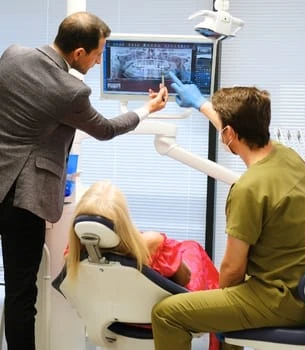

Dental implants are designed to be a long-term tooth replacement, but they do not last forever in every case. The titanium or zirconia implant post placed in the jaw can often remain stable for 20 years or longer, and many implants function well for a lifetime when bone support, gum health, and bite forces stay favorable. Long-term clinical studies commonly report survival rates of about 90% to 95% after 10 years, with many modern implant systems showing similar or higher results in healthy patients who attend regular follow-up care.
What usually determines longevity is not only the implant itself, but the condition of the surrounding tissues and the restorations attached to it. The implant post may last decades, while the crown on top often has a shorter service life, commonly around 10 to 15 years before repair or replacement due to wear, chipping, or aesthetic changes. Small components such as abutment screws can also require maintenance over time.
For readers asking the simplest version of the question, the most accurate answer is this: dental implants are intended to be a permanent solution, but they are not guaranteed to last forever. Their lifespan depends on oral hygiene, smoking, diabetes control, gum disease risk, bone quality, grinding habits, implant position, and the quality of planning and placement. Patients who brush well, clean around implants daily, avoid tobacco, wear a night guard when needed, and attend maintenance visits every 6 to 12 months usually keep their implants much longer than patients who skip care.
If an implant fails, it can happen early during healing or years later because of bone loss, infection, overload, or poor hygiene. That risk is real, though not inevitable. With careful treatment planning and long-term maintenance, dental implants remain one of the most durable options in restorative dentistry.
How Long Do Dental Implants Typically Last
Dental implants typically last a long time, but the exact answer depends on whether you mean the implant fixture in the bone or the visible tooth restoration attached to it. In most well-documented cases, the implant post itself can last 20 years or more. Many patients keep the same implant for life. Clinical research often places 10-year survival rates in the range of 90% to 95%, and some studies report 15- to 20-year survival above 85% when patients are selected carefully and receive proper maintenance.
The crown placed on top of the implant usually has a shorter lifespan than the implant body. A porcelain or zirconia crown commonly lasts around 10 to 15 years, though some last longer and some need replacement earlier because of fracture, wear, loosening, gum changes, or cosmetic mismatch with surrounding teeth. If the crown is in a high-pressure area such as a molar region or if the patient grinds at night, the restoration may require repair sooner.
Time also depends on the treatment timeline. After implant placement, osseointegration usually takes about 3 to 6 months. In some cases, a temporary tooth is fitted sooner, but the long-term restoration is generally placed only after the implant has fused well with the bone. Once integrated, the implant enters a maintenance phase rather than an expiration countdown. There is no standard replacement date such as 10 years or 15 years for every patient.
Realistic long-term expectations are useful. A healthy non-smoker with good bone density, controlled bite forces, and regular professional cleaning every 6 months may keep an implant functioning for several decades. A patient with active periodontal disease, uncontrolled diabetes, smoking habits above 10 cigarettes per day, or poor plaque control may face a much shorter lifespan. The typical range often quoted in practice is 15 to 25 years for the implant system as a whole, with the understanding that some components may be serviced or replaced during that period.
When our readers compare implants with bridges and dentures, longevity is one of the strongest reasons implants are chosen. A fixed bridge often lasts around 7 to 15 years before replacement, while removable dentures may need major adjustment or renewal within 5 to 10 years because the jawbone changes shape over time. Dental implants usually offer a longer functional horizon, though only when daily care and follow-up visits remain consistent.
What Is the Lifespan of the Implant Post, Abutment, and Crown
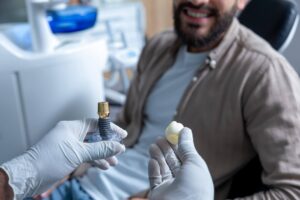
A dental implant is not a single part, so lifespan should be assessed component by component. The implant post, which is usually made of titanium and placed into the jawbone, is the most durable part. In many patients it lasts 20 years or longer, and lifetime function is possible. The abutment, which connects the implant post to the crown, is also built for long-term use and often remains in place for many years, though it may need replacement if it loosens, fractures, or if a new crown design is needed. The crown is the visible tooth portion, and it usually has the shortest service life of the three.
The implant post has the highest long-term survival because it is protected below the gumline and benefits from direct bone integration. Once osseointegration is successful, the post can remain stable for decades unless peri-implantitis, traumatic overload, or significant bone loss develops. Long-term studies often show the post surviving beyond 10 to 15 years in more than 90% of cases. Posterior implants in patients with heavy clenching may face greater mechanical stress than front-tooth implants, so individual prognosis varies.
The abutment generally lasts 10 to 15 years or longer, but it is more exposed to functional and restorative changes. Custom abutments made from titanium or zirconia can be highly durable. Problems tend to involve the screw or connection rather than the abutment body itself. Screw loosening is not common in well-designed modern systems, but it still occurs, particularly where bite pressure is high or implant angulation is complex. In many cases, the abutment can be tightened, repaired, or replaced without removing the implant post.
The crown often lasts around 10 to 15 years, with variation based on material and bite conditions. Monolithic zirconia crowns tend to perform very well in back teeth because they resist fracture. Porcelain-layered crowns can provide excellent aesthetics, though the veneering porcelain may chip under stress. Resin-based temporary or provisional crowns have a shorter lifespan. Gum recession or wear on neighboring teeth may also make an older crown look mismatched even when it still functions.
A practical way to view the lifespan is through service intervals rather than failure dates. The post may remain untouched for decades. The abutment may need occasional evaluation if the crown is changed. The crown is the part most likely to be replaced during the life of the implant. This layered understanding helps patients set realistic expectations and budget for future maintenance rather than assuming every part has the same lifespan.
What Factors Affect How Long Dental Implants Last
The lifespan of dental implants is shaped by a mix of biological, mechanical, behavioral, and technical factors. The most important biological factor is bone support. An implant placed into healthy bone with sufficient width and height has a stronger long-term outlook than one placed into limited or poor-quality bone. In the upper back jaw, where bone is often softer, success can still be high, but planning may involve sinus lift procedures or wider implants to improve stability. Initial stability at placement is often measured in insertion torque or resonance frequency values, and stronger early stability usually supports better integration.
Gum health matters just as much as bone. Patients with a history of periodontal disease have a higher risk of peri-implant disease, which can lead to progressive bone loss around the implant. Plaque accumulation around implants can trigger inflammation in the surrounding tissue, and without treatment that inflammation can move deeper. Patients who have had untreated gum disease are not automatically excluded from implant treatment, but they need stricter maintenance and monitoring.
Smoking remains one of the clearest negative influences. Tobacco reduces blood supply, affects healing, and raises the risk of infection and implant complications. Many clinicians see noticeably better outcomes in non-smokers than in people who smoke daily. The number of cigarettes matters too. A patient smoking 15 to 20 cigarettes per day generally carries more risk than someone who quit months before surgery.
Systemic health also affects longevity. Uncontrolled diabetes can interfere with healing and increase infection risk. Well-controlled diabetes, often reflected by stable HbA1c levels, usually produces better results than poorly controlled disease. Osteoporosis, immune disorders, radiation history to the jaw, and medications such as intravenous bisphosphonates can alter treatment planning. Bruxism is a major mechanical factor. Night grinding generates repeated force that can damage screws, abutments, crowns, and surrounding bone support if not managed with a night guard and a protective occlusal design.
Technical quality influences long-term outcomes from the beginning. Proper 3D planning, implant positioning, sterile placement, and restoration design all matter. A crown that is too high in the bite or difficult to clean can shorten implant lifespan. Regular maintenance every 6 to 12 months helps detect plaque retention, screw loosening, bite changes, and early inflammation before they become larger problems. When we look at failures over 10 or 15 years, they rarely come from one factor alone. Most are linked to a combination of hygiene, tissue health, force management, and long-term follow-up.
Can Dental Implants Fail and What Are the Warning Signs
Dental implants can fail, even though success rates are high. Failure is usually divided into early failure and late failure. Early failure happens before or shortly after osseointegration, often within the first few weeks or months after placement. In this stage, the implant never fully bonds with the bone. Late failure happens after the implant has already been functioning, sometimes years later, and is more commonly linked to peri-implantitis, overload, or long-term bone loss.
Early failure may be caused by poor bone quality, insufficient initial stability, infection during healing, uncontrolled medical conditions, smoking, or excessive pressure placed on the implant too soon. If a temporary crown loads the implant before it is ready, micromovement can interfere with integration. Signs of early trouble may include persistent pain that does not gradually improve, unusual mobility, swelling that returns after the first postoperative phase, pus, or a feeling that the implant is not stable. Mild soreness in the first days is expected, but movement is not.
Late failure often develops more quietly. One of the most important warning signs is bleeding around the implant during brushing or cleaning. Healthy implants should not bleed routinely. Swollen gums, bad taste, recurrent tenderness, pus discharge, gum recession, and visible threads of the implant can suggest inflammation or bone loss. Progressive mobility is a serious sign and usually means the implant requires urgent evaluation. Patients also sometimes notice a change in bite, clicking in the restoration, or repeated loosening of a crown or screw. Those issues do not always mean implant loss, but they can indicate overload or component problems that need correction.
Radiographic monitoring is valuable because bone loss can develop before symptoms become obvious. A small amount of remodeling in the first year may be acceptable, but continuing yearly bone loss requires attention. Many clinicians monitor with periodic X-rays every 12 to 24 months, depending on risk level. Pocket depth measurements around implants can also help identify peri-implant mucositis before it progresses into peri-implantitis.
Implant failure does not always mean the entire treatment is lost forever. If a crown loosens, the solution may be simple tightening or replacement. If the implant itself fails, it can often be removed, the site allowed to heal for several weeks or months, and a new implant considered after grafting if needed. Early recognition improves options. Patients who report bleeding, swelling, odor, or looseness quickly tend to preserve more bone and face simpler retreatment.
How to Make Dental Implants Last Longer
Dental implants last longer when daily care, bite protection, and professional monitoring are all handled consistently. The most effective habit is plaque control. Implants do not get cavities, but the gum and bone around them can become inflamed if plaque is left in place. Brushing twice daily with a soft-bristled toothbrush and cleaning between teeth and implants once a day with floss, interdental brushes, or water irrigation helps reduce bacterial buildup. Many implant patients benefit from low-abrasive toothpaste and implant-specific interdental brushes sized to fit the contact areas without traumatizing the gum.
Regular dental maintenance is a major predictor of long-term success. Most patients are advised to attend professional checks every 6 months. Higher-risk patients, such as smokers, people with a history of periodontitis, and those with limited dexterity, may need visits every 3 to 4 months. During maintenance appointments, clinicians examine gum health, measure tissue changes, assess mobility, review bite pressure, and clean the implant surface with instruments that do not scratch it. Small problems are easier to manage when they are found early.
Force control matters more than many patients expect. If you clench or grind your teeth, a custom night guard can protect the crown, abutment, screw, and surrounding bone from repeated overload. Posterior implants can experience very high forces during sleep, often greater than normal chewing pressure. A well-adjusted guard can reduce mechanical stress and lower the chance of ceramic chipping or screw loosening.
Smoking reduction or cessation has a measurable effect on implant prognosis. Quitting before surgery and staying tobacco-free afterward improves blood flow and tissue healing. Medical control matters too. Patients with diabetes should aim for stable glucose management before and after implant treatment, because poor control can slow healing and increase inflammation risk.
Diet and habits also influence longevity. Hard objects such as ice, pens, nutshells, or opening packages with the teeth increase fracture risk. Even strong zirconia restorations are not built for non-food trauma. If you play contact sports, a mouthguard is worth discussing. If a crown ever feels high, loose, or uncomfortable, it should be adjusted early rather than ignored.
A practical long-term strategy includes daily cleaning, routine professional maintenance, smoking avoidance, bite protection, and prompt attention to symptoms like bleeding or looseness. Implants tend to reward consistency. Patients who treat them as structures that need active care, not passive permanence, usually get the longest service life.
Are Dental Implants Permanent or Do They Need to Be Replaced
Dental implants are considered a permanent treatment in the sense that they are surgically fixed into the jawbone and are intended to stay there long term. That does not mean every part will remain unchanged forever. The implant fixture in the bone may never need replacement if it stays healthy and integrated, but the attached components can wear, loosen, chip, or need updating over time. Patients often hear the word permanent and assume a one-time procedure with no future maintenance, which is not how implant dentistry works in real life.
The post itself is the closest part to permanent. Once osseointegration is complete, the titanium implant can function for decades. If the bone and gum around it remain healthy, there may be no reason to remove it. In many successful cases, the implant outlasts the crown on top. The crown may need replacement after 10 to 15 years because of porcelain wear, fracture, changes in the bite, or cosmetic aging. If neighboring teeth shift, restorations discolor, or gum contours change, a patient may choose a new crown even if the implant body remains perfectly stable.
Abutments and screws can also require service. A loose screw may need retightening. A damaged abutment may need replacement. If the implant connection remains intact, these repairs are usually much less invasive than replacing the implant. Full implant replacement is typically considered only if the fixture fails biologically or mechanically, such as loss of integration, advanced peri-implantitis with severe bone loss, or rare fracture of the implant body itself.
There are also cases where an implant remains in place but the surrounding treatment changes. A patient who originally had a single implant crown may later need neighboring restorative work. Someone with implant-supported dentures may replace clips, bars, or prosthetic teeth without replacing the implants. This distinction matters financially and clinically, because many future costs relate to prosthetic maintenance rather than surgery.
The most accurate way to frame permanence is this: dental implants are long-term anchors, not untouchable lifetime devices. They are far more stable and enduring than removable dentures, yet they still depend on maintenance and sometimes component replacement. Patients who understand that difference usually have more realistic expectations and are better prepared for long-term care.
How Often Do Dental Implants Need Maintenance
Dental implants need ongoing maintenance throughout their lifespan. For most patients, professional maintenance visits are recommended every 6 months, which is similar to routine dental recall intervals. Some patients need more frequent care, often every 3 to 4 months, if they have a history of gum disease, heavy plaque buildup, smoking, diabetes, dry mouth, or limited ability to clean around the implant effectively. Maintenance is not optional background care. It is a central part of keeping the implant healthy and stable over many years.
At a typical maintenance visit, the dentist or hygienist examines the gum tissue around the implant, checks for bleeding, assesses plaque and calculus deposits, evaluates the bite, and looks for signs of wear or loosening in the crown or prosthesis. Periodic X-rays may be taken every 12 to 24 months depending on the case and risk profile. These radiographs help track bone levels around the implant. Small changes can be managed early, while advanced bone loss is more difficult and expensive to treat.
Home maintenance needs to happen every day. Most patients should brush twice daily and clean around the implant at least once daily using floss, interdental brushes, or water flossing tools. Some implant designs and prosthetic shapes are easier to clean than others, which is why restoration design matters from the beginning. A crown with bulky contours can trap plaque and make cleaning harder, increasing the need for closer follow-up.
Mechanical maintenance may be needed from time to time. A screw-retained crown can sometimes be removed and re-tightened if there is minor loosening. Cement-retained restorations require monitoring to ensure there is no trapped excess cement below the gumline, since that can irritate tissues. Full-arch implant bridges and overdentures often have their own maintenance schedules. Retentive inserts, clips, or acrylic teeth may wear and need replacement every 1 to 5 years depending on design and use.
Patients often ask whether implants need less care than natural teeth. The answer is no. Implants do not decay, but they can develop peri-implant mucositis and peri-implantitis. Maintenance is usually more technical, not less important. A patient who keeps regular visits over 10 years often spends less on repairs than someone who avoids follow-up and returns only after pain, looseness, or bone loss appears.
What Happens to Dental Implants as You Age
Dental implants do not age in the same way natural teeth do, because they are made from biomaterials such as titanium, zirconia, and ceramic rather than living tissue. Still, the mouth around them changes over time. Bone density, gum contour, saliva quality, dexterity for cleaning, medications, and bite force patterns can all shift with age. These changes affect how an implant functions and how much maintenance it needs, even if the implant itself remains stable.
One of the most common long-term changes is soft tissue and bone remodeling. A patient may develop mild gum recession over the years, which can expose more of the crown or abutment and change aesthetics, particularly in the front teeth. Small amounts of bone remodeling are expected after placement, but progressive bone loss later in life is not ideal and should be monitored with X-rays. If oral hygiene becomes more difficult because of arthritis, vision changes, or reduced hand control, plaque accumulation can increase and raise the risk of peri-implant inflammation.
Age-related medical changes can also influence implant health. New medications that reduce saliva may increase plaque retention and tissue irritation. Diabetes, osteoporosis, or immune disorders diagnosed later in life may affect healing and maintenance needs. Older patients are not poor implant candidates by default. Many people in their 70s and 80s function very well with implants. What matters more than chronological age is overall health, oral care ability, and bone support.
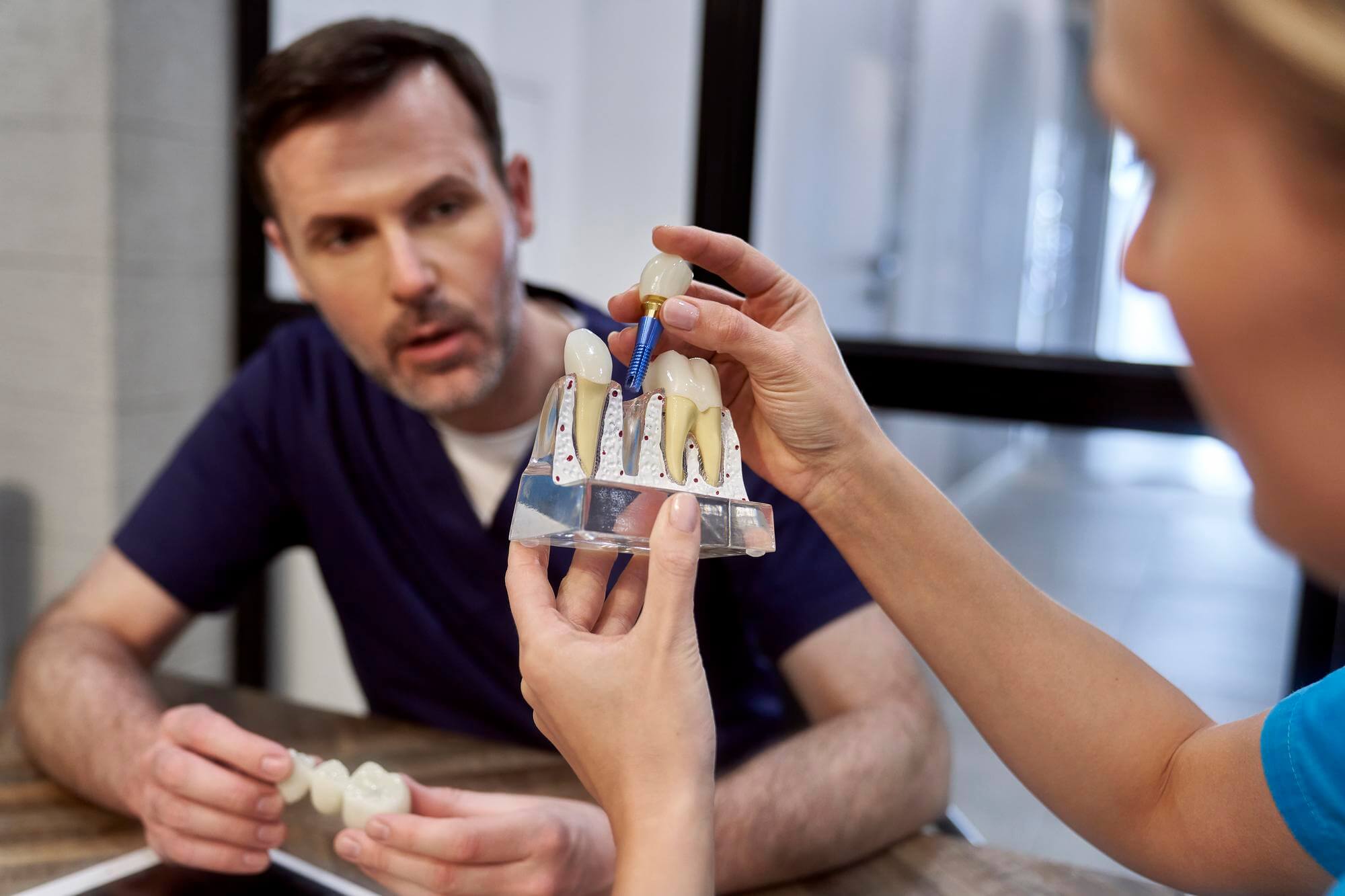
The prosthetic part of the implant may show wear over time. Crowns can chip, lose polish, or become cosmetically mismatched as neighboring natural teeth darken or undergo treatment. Full-arch prostheses may need replacement of acrylic teeth, relining, or screw maintenance. Bite changes can happen as natural teeth wear, drift, or are lost elsewhere in the mouth. That can alter force distribution and require occlusal adjustment to protect the implant.
Implants can remain highly successful in older age if maintenance adapts to the patient’s changing needs. For some people, that means simpler cleaning aids, shorter recall intervals, or a caregiver helping with oral hygiene. If implants were placed in early adulthood, they may still be functioning 25 or 30 years later, though the crown or prosthesis may have been replaced more than once. Aging does not automatically shorten implant life, but it does make regular reassessment more important.
Who Is a Good Candidate for Long-Lasting Dental Implants
A good candidate for long-lasting dental implants is someone with healthy gums, adequate bone support, stable general health, and a willingness to maintain the restoration carefully over many years. Age alone is not the key factor. Adults in their 20s and adults in their 70s can both be suitable candidates if growth is complete, healing capacity is acceptable, and oral hygiene can be maintained. What predicts long-term success more reliably is the quality of the bone and soft tissue environment plus the patient’s daily habits.
Healthy non-smokers usually have the strongest prognosis. Patients who smoke can still receive implants, but their risk of healing complications and long-term tissue problems is generally higher. People with well-controlled diabetes may also be good candidates, while those with poorly controlled diabetes often need medical stabilization before treatment. A history of periodontal disease does not automatically rule implants out, though it does place the patient in a higher-risk maintenance category. In those cases, periodontal treatment and a stricter recall schedule are often necessary.
Bone volume is another central requirement. An implant needs enough height and width of bone to achieve primary stability and maintain support. If bone has been lost after extractions, grafting procedures may be recommended. Bone grafting can add several months to the total timeline, yet it can significantly improve long-term predictability. Three-dimensional imaging such as CBCT scans helps assess whether grafting, sinus augmentation, or narrower implant selection is appropriate.
A good candidate is also someone with realistic expectations. Long-lasting implants are not only about surgery. They require hygiene, maintenance visits, and careful use. Patients who grind their teeth may still do well, but they often need a night guard to protect the restoration. People seeking implants because they are tired of removable dentures often become excellent candidates when they are motivated to improve function and follow aftercare instructions closely.
We also look at practical factors. Can the patient attend follow-up visits every 6 to 12 months? Can they clean around the implant effectively? Are there untreated infections, heavy plaque, or active decay in neighboring teeth that need attention first? The best candidate is not simply the person who wants an implant. It is the person whose oral condition, medical profile, and long-term habits support durable results over 10, 20, or even 30 years.
Are Dental Implants Worth It Compared to Bridges or Dentures
Dental implants are often worth it compared to bridges or dentures when the goal is long-term function, bone preservation, chewing stability, and reduced impact on neighboring teeth. Whether they are worth it in a given case depends on budget, anatomy, treatment goals, and medical suitability. From a durability standpoint, implants generally offer the longest lifespan. A single implant can remain functional for 20 years or more, while many conventional bridges last around 7 to 15 years before replacement. Removable dentures may need relining, rebasing, or replacement within 5 to 10 years as the jaw changes shape.
A bridge can be a practical option when neighboring teeth already need crowns, or when implant surgery is not suitable. The trade-off is that a traditional bridge often requires reduction of healthy adjacent teeth. Over time, those supporting teeth can develop decay, root canal needs, or structural problems. An implant usually stands independently and avoids that issue. It also helps maintain bone in the area where the tooth was lost, because the implant transmits force into the jaw. Bridges and dentures do not stop bone resorption in the same way.
Dentures are usually the least expensive up front. A full removable denture may cost only a fraction of a full-arch implant solution. The difference appears over time in maintenance, comfort, and function. Many denture wearers experience sore spots, movement during speaking, reduced bite force, and progressive bone shrinkage. Implant-supported overdentures can improve retention dramatically and often raise bite efficiency. Studies commonly show that maximum bite force with complete removable dentures is far below that of implant-supported restorations.
Cost perception changes when patients think in 10- to 20-year terms. A bridge replaced twice over 20 years may approach or exceed the cost of a single implant and one crown replacement, depending on region and materials. Dentures can require adhesives, adjustments, relines, and periodic remakes. Implants demand higher upfront investment, but many patients value the lower movement, more natural feel, and better chewing confidence.
Worth is not only financial. It includes comfort, maintenance burden, appearance, speech, and quality of life. For a medically suitable patient with enough bone and a long-term outlook, implants are often the most stable and cost-efficient option across many years. For someone needing a lower initial cost or avoiding surgery, bridges or dentures may still be the right choice.
How Much Do Dental Implants Cost Over Time
The cost of dental implants over time is higher at the beginning than other tooth replacement options, but the long-term picture is often more balanced than patients expect. A single implant with abutment and crown commonly costs between $3,000 and $6,500 in many private markets, depending on country, materials, imaging, sedation, and whether bone grafting is needed. If grafting or sinus augmentation is required, total cost can rise by $500 to $3,000 or more per site. Full-arch implant treatment can range from about $15,000 to $35,000 per arch, with premium fixed systems sometimes exceeding that.
When looking over 10 to 20 years, it helps to separate one-time surgical cost from ongoing restorative and maintenance costs. Routine reviews and hygiene visits may add a few hundred dollars per year depending on recall frequency and location. X-rays, night guards, screw tightening, or replacement of small components can create occasional extra costs. The crown may need replacement after roughly 10 to 15 years, often costing around $800 to $2,500 depending on material and clinic fees. If the implant post remains healthy, replacing the crown is much less expensive than repeating the entire treatment.
Comparisons become clearer in a time-based view:
-
Single implant over 15 years: initial treatment $3,000 to $6,500, maintenance and reviews variable, possible crown replacement $800 to $2,500
-
Traditional bridge over 15 years: initial treatment often $2,000 to $5,000, possible replacement once or twice, potential added cost if supporting teeth develop decay or need root canal treatment
-
Removable denture over 15 years: lower initial cost, but likely relines, repairs, adjustments, adhesives, and one or more remakes as bone resorbs
Indirect costs also matter. Ill-fitting dentures can affect diet, speech confidence, and social comfort. Bridges may create future treatment costs on neighboring teeth. Implant-supported restorations often reduce those specific downstream issues, though they do not eliminate all maintenance expenses.
Readers should also know that the cheapest implant quote is not always the lowest long-term cost. Poor planning, low-quality components, or lack of maintenance can lead to expensive revisions later. A realistic financial plan includes surgery, prosthetics, imaging, follow-up, maintenance, and possible crown replacement years down the line. Over time, implants often prove cost-effective because the anchor in the bone can remain usable for decades even when the visible restoration is renewed.
Frequently Asked Questions About How Long Dental Implants Last
People often ask whether dental implants can truly last a lifetime. The most accurate answer is that they can, but not every implant does. The implant post may remain stable for decades, while the crown on top often needs replacement sooner. Success depends heavily on gum health, plaque control, smoking status, and bite forces.
Patients also ask whether implant failure is common. It is not common in healthy, well-maintained cases, but it is possible. Ten-year survival rates are often reported around 90% to 95%. Failure risk rises in smokers, uncontrolled diabetics, patients with active periodontal disease, and those who grind their teeth heavily without protection.
A frequent question is whether implants need special cleaning. They do need careful cleaning, though not necessarily complicated cleaning. A soft toothbrush, interdental brushes, floss designed for implants when appropriate, and regular professional maintenance are usually enough. The key is consistency. Bleeding around an implant is not normal and should be checked.
Many readers want to know if the crown or the implant is the part most likely to wear out. In most cases, the crown is the part that needs attention sooner. Ceramic can chip, surfaces can wear, and aesthetics can change over time. The implant fixture in the bone often lasts much longer than the visible tooth portion.
Another common question is whether age limits implant longevity. Older age does not automatically reduce success. A healthy 75-year-old who cleans well and attends reviews may have a better prognosis than a younger smoker with uncontrolled gum disease. Biological age and oral care habits matter more than the number on a birthday.
Patients often ask how quickly problems show up if an implant is failing. Some failures appear early with pain, mobility, or poor healing. Others develop slowly and may show only bleeding, bad taste, recurrent swelling, or bone loss on X-rays. That is why review appointments remain important even when everything feels normal.
There is also the question of whether replacing a failed implant is possible. In many cases it is. The failed implant may be removed, the area cleaned or grafted, and a new implant considered after healing. The timing depends on how much bone remains and why the original implant failed.
One practical point many patients appreciate is that implants are not maintenance-free. They are long-term restorations that reward regular care. When daily hygiene and professional follow-up stay on track, implants usually remain one of the most durable options available for replacing missing teeth.