All-on-4 dental implants are a full-arch tooth replacement method that uses four dental implants to support a fixed bridge for an entire upper or lower jaw. Instead of placing one implant for each missing tooth, a dentist or oral surgeon places two implants in the front of the jaw and two in the back at an angle, which helps use available bone more efficiently. This design often reduces the need for bone grafting and makes treatment possible for many people with moderate bone loss.
The treatment is commonly used for patients who have lost most or all of their teeth, or whose remaining teeth cannot be saved because of severe decay, gum disease, fractures, or long-term wear. A temporary fixed prosthesis is often attached on the same day or within 24 to 72 hours after surgery, so patients usually leave with a set of non-removable teeth rather than a removable denture. The final bridge is typically placed after healing, usually around 3 to 6 months later.
In practical terms, All-on-4 sits between traditional dentures and a larger full-mouth implant plan with 6 to 8 implants per arch. It aims to improve bite stability, chewing function, speech, and confidence. Many patients report a major difference in daily comfort because the prosthesis does not move around like a removable denture. The chewing efficiency of implant-supported full-arch teeth can be several times higher than that of conventional dentures, though the exact result depends on jaw anatomy, prosthesis design, and healing.
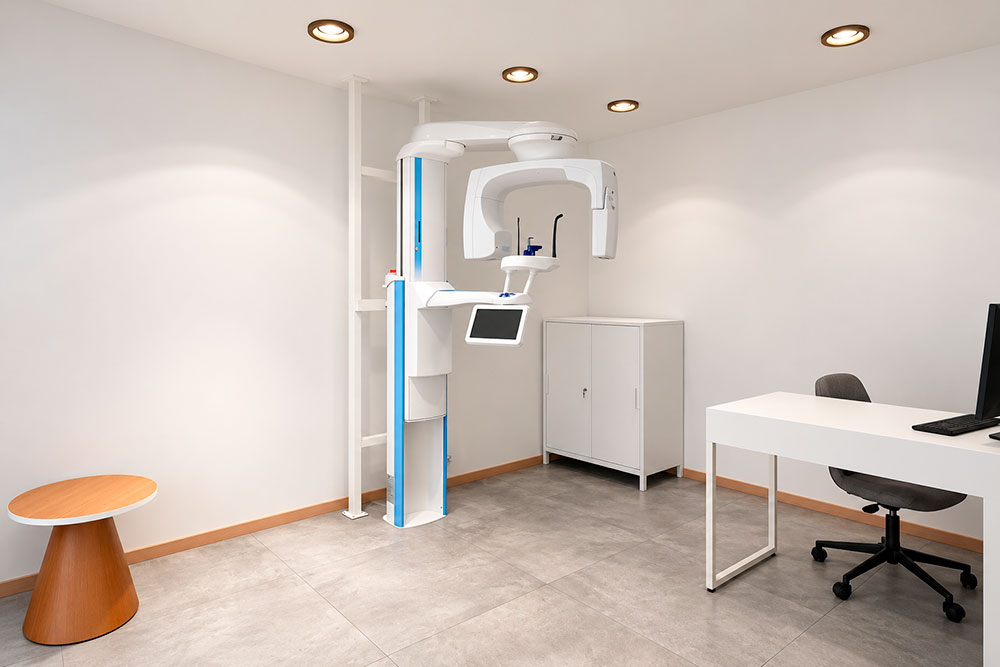
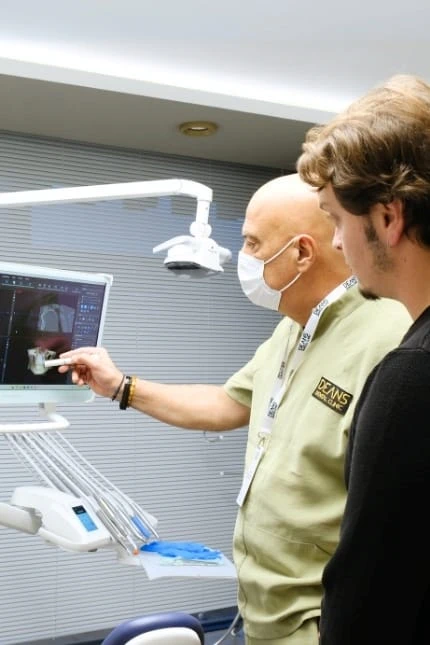
Costs vary widely by country, clinic, materials, sedation method, and whether extractions are included. A single arch may range from about $12,000 to $30,000 in the United States, while prices can be lower in some international treatment hubs. The best way to understand whether All-on-4 is suitable is through a clinical exam, panoramic imaging, and usually a CBCT scan to measure bone quality and plan implant angles with precision.
How Do All-on-4 Dental Implants Work
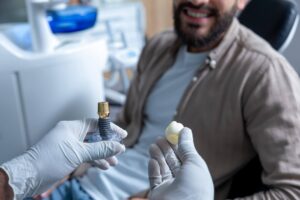
All-on-4 dental implants work by anchoring a full-arch fixed prosthesis to four strategically placed implants in the jawbone. The concept relies on biomechanics rather than a large number of implants. Two implants are typically positioned vertically in the front part of the jaw, where bone is often denser and taller. Two more are placed in the back at an angle, often between 30 and 45 degrees, to increase contact with available bone and avoid important anatomical structures such as the maxillary sinus in the upper jaw or the inferior alveolar nerve in the lower jaw.
Once the implants are inserted, they serve as artificial roots. A temporary bridge is commonly attached soon after surgery if the implants achieve sufficient primary stability. Many clinicians look for insertion torque values around 35 to 45 Ncm or more before choosing immediate loading, though protocols vary. The temporary teeth let patients function socially and eat a modified diet during healing. Over the next 3 to 6 months, the implants undergo osseointegration, which means the surrounding bone grows tightly around the implant surface and creates long-term stability.
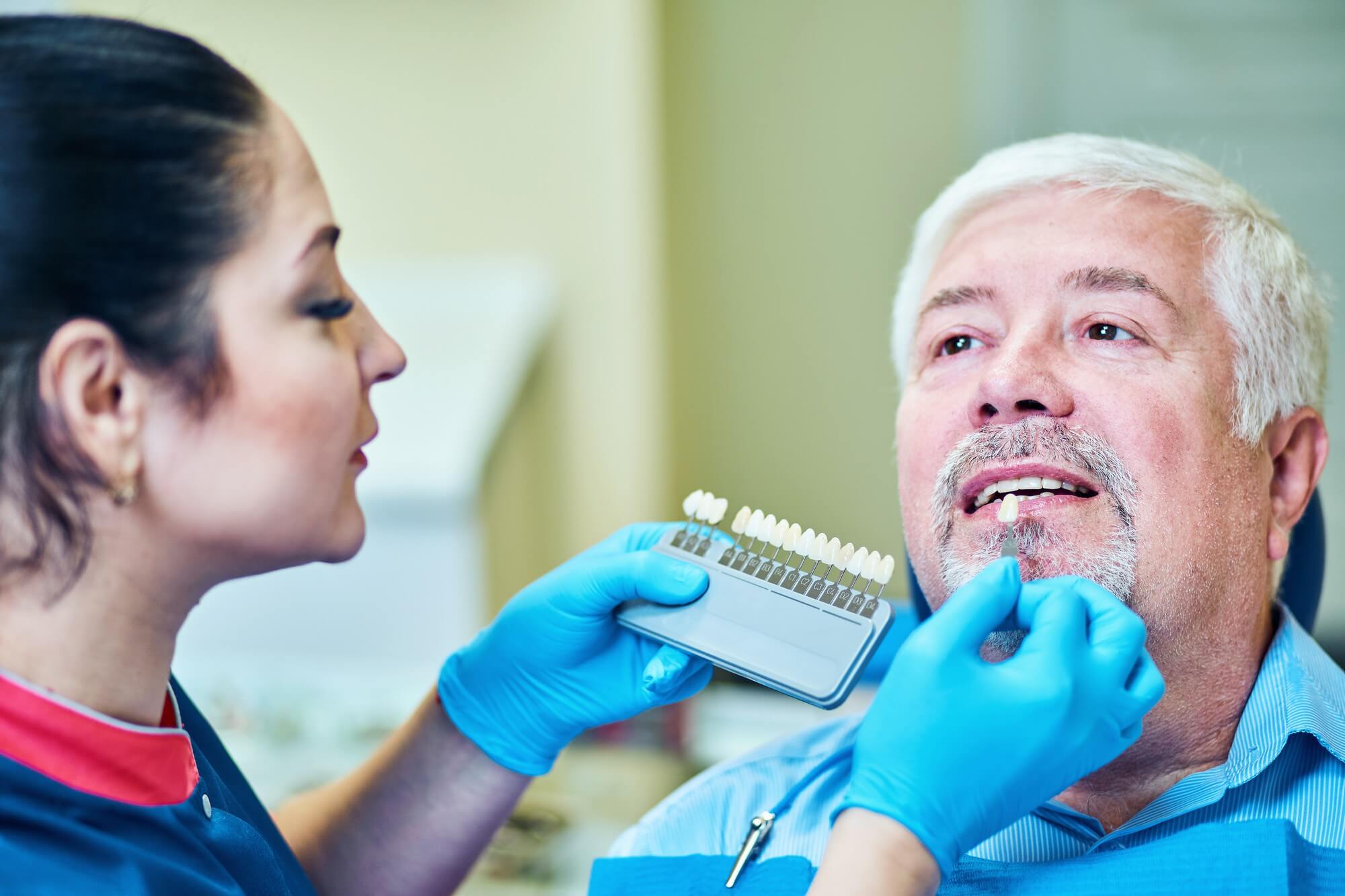
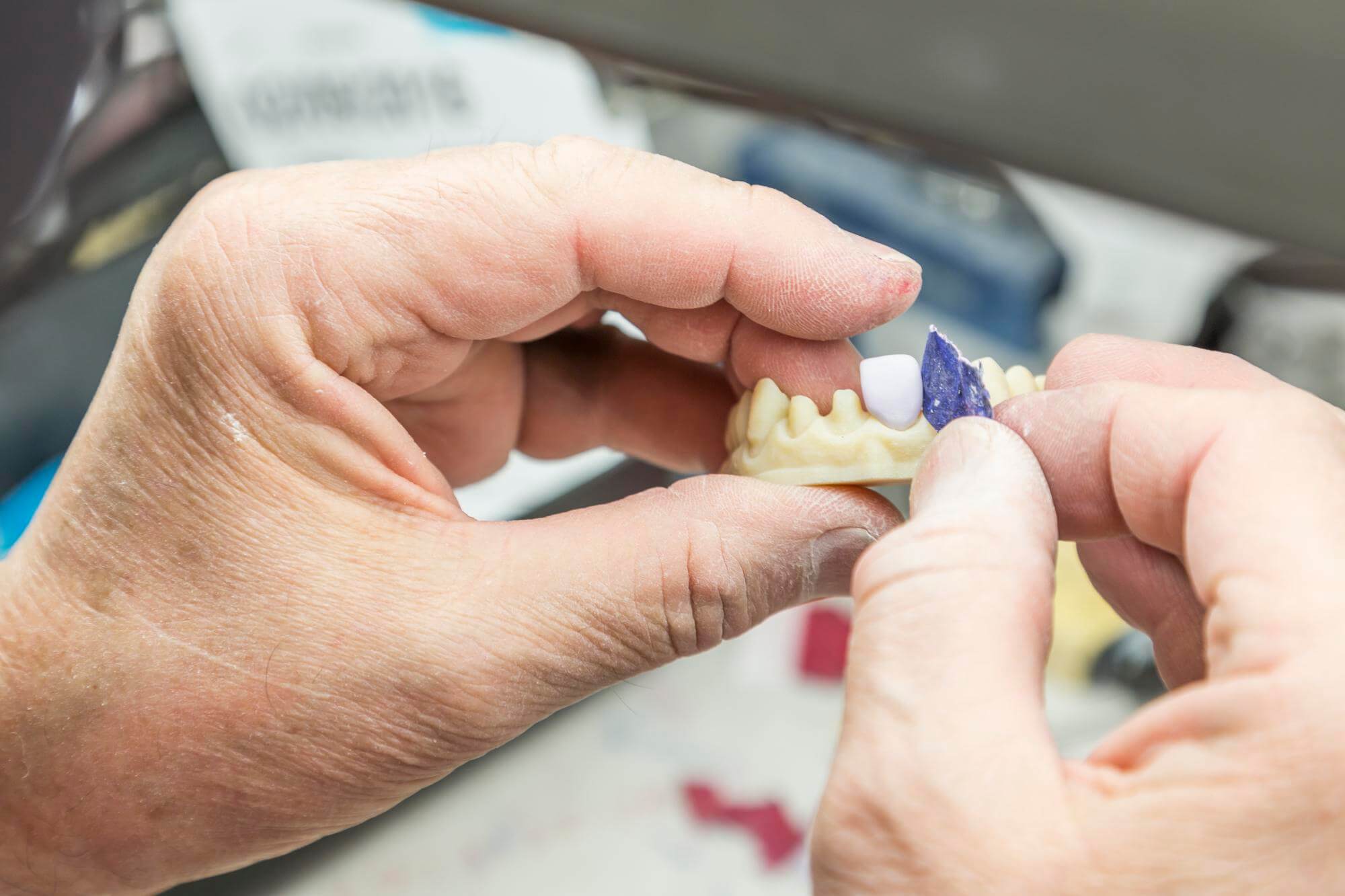
The final prosthesis is then fabricated based on healed gum contours, bite records, smile line, and facial support needs. The bridge may be made from acrylic over a titanium bar, zirconia, or layered ceramic systems, depending on budget, bite force, and esthetic goals. The prosthesis is screwed into place rather than glued like a crown with traditional cement. This allows the dental team to remove it for maintenance if needed.
The reason four implants can support an entire arch is that the load is distributed across the prosthesis and the implants are placed in positions that maximize spread. Longer posterior implant support reduces cantilever length, which is the unsupported extension of the bridge behind the last implant. A shorter cantilever generally means less mechanical stress during chewing. With proper planning, the result can restore 10 to 14 teeth in one arch using only four implants. Success rates reported in clinical studies are often above 94 to 98 percent over 5 to 10 years, though outcomes depend on smoking, diabetes control, oral hygiene, bruxism, implant brand, surgical skill, and follow-up care.
Who Is a Good Candidate for All-on-4 Dental Implants
A good candidate for All-on-4 dental implants is usually someone who has lost most or all teeth in one arch, or someone whose remaining teeth are in poor condition and unlikely to last. This often includes patients with advanced periodontal disease, widespread decay, failing bridges, repeated root canal failures, or severe tooth wear. The treatment can be suitable for adults who want a fixed alternative to removable dentures and who understand the healing, maintenance, and cost involved.
Bone availability matters, but All-on-4 was designed to help many patients who have some bone loss and may not be ideal candidates for a large number of conventional vertical implants. A CBCT scan is usually needed to measure bone width and height in millimeters and to identify the exact location of nerves and sinuses. In many cases, 10 mm or more of usable bone in the front region is enough to plan treatment, though the specific requirement depends on implant length, diameter, and arch shape. Patients with severe jaw atrophy may still need zygomatic implants, pterygoid implants, bone grafting, or a different full-arch solution.
General health is part of candidacy. Well-controlled diabetes, treated hypertension, and stable cardiovascular disease do not automatically rule out treatment, but uncontrolled systemic illness can increase surgical and healing risk. Heavy smoking is a significant concern because it raises the risk of implant failure and complications in the soft tissue. Some clinics set a threshold such as fewer than 10 cigarettes per day before surgery, while others ask patients to stop completely for several weeks before and after the procedure. People with untreated gum disease, active oral infections, severe dry mouth, or poor oral hygiene habits may need preparatory treatment before moving forward.
Bite force and parafunctional habits also affect suitability. Patients who clench or grind heavily may still receive All-on-4, but the prosthetic design may need reinforcement, a night guard, and more frequent reviews. Age alone is rarely the deciding factor. Many patients in their 50s, 60s, and 70s do very well, provided they can tolerate outpatient surgery and maintain follow-up care. The strongest candidates are those with realistic expectations, adequate bone for stable implant placement, commitment to hygiene, and a willingness to follow a soft-food protocol during the healing phase.
Benefits of All-on-4 Dental Implants
All-on-4 dental implants offer a mix of functional, structural, and practical benefits for people who need full-arch tooth replacement. One of the biggest advantages is stability. Unlike removable dentures, a fixed implant-supported bridge does not rely on suction, adhesive, or gum pressure to stay in place. That means less slipping while eating or talking and better confidence in social settings. Many patients can return to normal speech patterns faster because they do not need to control a moving denture with their tongue and cheeks.
Chewing performance often improves substantially. Conventional dentures may restore only a fraction of natural bite strength, while implant-supported full-arch restorations can provide a much more efficient bite. Clinical measurements vary by patient, but chewing force may improve enough to allow foods that are often difficult with dentures, such as firmer vegetables, fish, pasta, rice dishes, and many cooked meats. During early healing, the diet still needs to remain soft, though long-term function is generally much better than with removable appliances.
Bone preservation is another key benefit. When teeth are missing, the jawbone gradually shrinks because it no longer receives normal chewing stimulation through tooth roots. Dental implants transmit force into bone, which helps reduce the rate of resorption. This does not stop every change in the jaw, but it can slow the collapse seen with long-term denture wear. Better support in the lips and cheeks can also help facial proportions look fuller compared with a flat, sunken profile.
From a treatment planning perspective, All-on-4 can reduce the need for grafting because angled posterior implants make use of available bone. This may shorten treatment compared with cases that require sinus lifts or major bone augmentation. In many clinics, extractions, implant placement, and same-day temporary teeth can be completed in one surgical visit lasting around 2 to 4 hours per arch. That appeals to patients who want fewer procedures and less time without teeth.
Maintenance is usually simpler than managing multiple failing teeth over many years. A full-arch fixed solution can replace repeated fillings, root canals, loose partial dentures, and fractured crowns with one integrated plan. The prosthesis can also be designed to improve smile symmetry, tooth display, and bite balance. When well planned and well maintained, All-on-4 gives many patients a predictable path toward comfort, function, and esthetics with a lower implant count than some traditional full-arch methods.
All-on-4 vs Traditional Dental Implants
All-on-4 and traditional dental implants both replace missing teeth with implants anchored in bone, but they are built around very different treatment goals. All-on-4 is a full-arch solution that uses four implants to support a non-removable bridge for an entire upper or lower jaw. Traditional implant treatment usually means replacing single missing teeth with single implants or rebuilding a full arch with a higher number of implants, often 6 to 8 per arch depending on anatomy, bone density, and prosthetic design.
The biggest difference is implant count and distribution. In a traditional single-tooth approach, each missing tooth or small group of teeth often gets its own implant support, which can preserve spacing and mimic natural tooth roots more directly. For a fully edentulous arch, traditional full-arch plans may use more implants to spread load and reduce the length of unsupported bridge segments. That can be helpful for patients with very strong bite forces or for those aiming for a highly segmented, highly customized prosthetic setup. All-on-4 is more streamlined and often more cost-efficient because it uses fewer implants and often avoids major grafting.
Treatment duration can differ a lot. Traditional implants frequently involve extractions, healing time, bone grafting if needed, implant placement, and delayed loading over several months. A full sequence can take 6 to 12 months, and sometimes longer if sinus lifts or ridge augmentation are required. All-on-4 often allows immediate or early loading with a temporary fixed bridge on the same day or within a few days, which reduces time spent without functional teeth.
Cost is another major contrast. In the United States, a single traditional implant with abutment and crown may range from about $3,000 to $6,000. Replacing a full mouth tooth by tooth could become extremely expensive. All-on-4 for one arch may cost roughly $12,000 to $30,000, while a full-mouth case can reach $24,000 to $60,000 or more depending on final materials. A full traditional implant reconstruction with many implants may exceed those figures by a wide margin.
The right choice depends on the condition of the remaining teeth, bone volume, oral hygiene habits, esthetic goals, and budget. If several healthy teeth can be preserved, traditional implant treatment may be more conservative. If most teeth are missing or failing, All-on-4 can provide a faster and more unified rebuild with fewer surgeries. Neither option is universally better. The better option is the one that matches the anatomy, health profile, and long-term maintenance capacity of the patient.
What Is the All-on-4 Procedure Step by Step
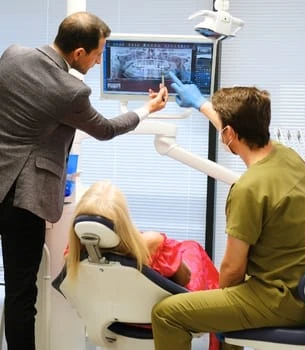
The All-on-4 procedure usually starts with diagnostics and planning rather than surgery. During the consultation, the dental team examines the mouth, reviews medical history, takes photographs, bite records, and obtains imaging such as a panoramic X-ray and a CBCT scan. The CBCT is central because it shows bone height, width, density, nerve position, sinus anatomy, and any hidden pathology. The team then decides whether the arch can be restored with four implants, whether extractions are needed, and whether immediate loading is realistic. Digital planning software is often used to map implant angles and prosthetic space down to the millimeter.
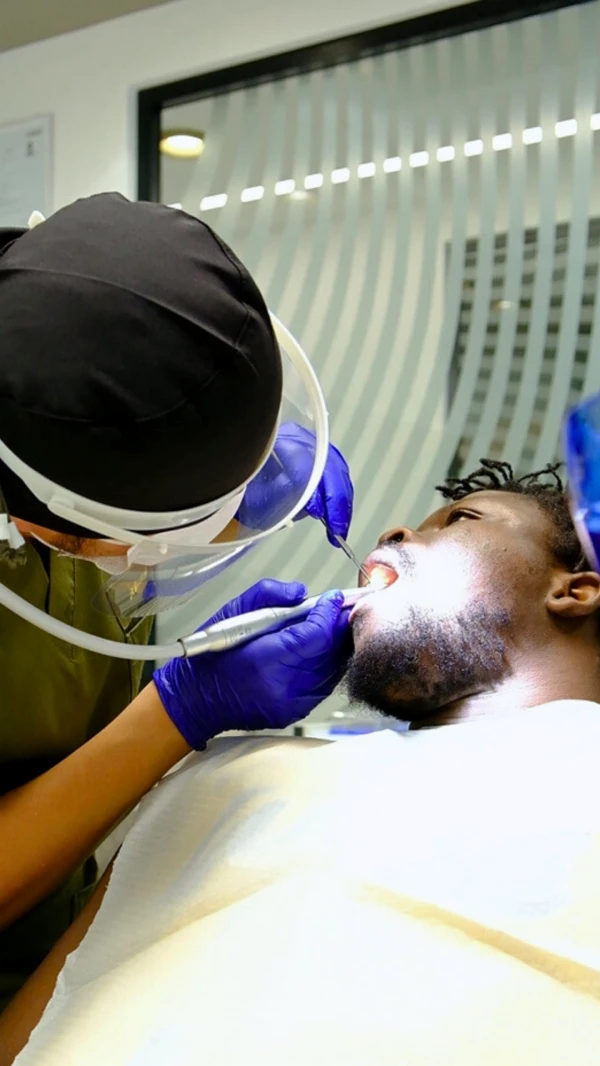
On the day of surgery, the patient may receive local anesthesia, oral sedation, IV sedation, or general anesthesia depending on the clinic setup and medical status. If damaged or infected teeth remain, they are removed first. The surgeon then prepares the implant sites. Two implants are placed in the front part of the jaw, and two are placed in the back at an angle to improve support and avoid anatomical limitations. Implant length may vary, often around 10 to 18 mm depending on available bone. Stability is checked during placement because immediate loading is usually considered only when the implants feel secure enough under torque testing.
Multi-unit abutments are attached to correct angulation and create a path for the bridge. Impressions or digital scans are then used to fabricate the temporary prosthesis, or a pre-planned provisional is adjusted chairside. Many patients receive a fixed temporary bridge within the same day. This bridge is functional and esthetic, but it is not the final version. It is designed to protect the implants while bone integration takes place. The bite is adjusted carefully to limit overload.
Healing appointments follow over the next weeks and months. The patient stays on a soft-food plan, keeps the surgical area clean, and returns for checks. Around 3 to 6 months later, once the implants have integrated and tissues have stabilized, the team takes final impressions or digital scans for the definitive bridge. This final prosthesis may be acrylic on titanium, milled composite, or zirconia depending on the case. It is screwed into place, the bite is refined, and the patient receives maintenance instructions and a recall schedule, often every 6 months and sometimes every 3 to 4 months for higher-risk cases.
How Long Does the All-on-4 Treatment Take
The timeline for All-on-4 treatment depends on whether teeth need to be removed, whether the implants can be loaded immediately, how quickly the bone heals, and what type of final prosthesis is planned. In many straightforward cases, the surgical phase for one arch takes about 2 to 4 hours. If both arches are treated in one visit, the appointment may last 4 to 8 hours including anesthesia, extractions, implant placement, records, and fitting of temporary teeth. Many patients are surprised that they can arrive with failing teeth or loose dentures and leave with a fixed temporary bridge on the same day.
That said, the overall treatment is not truly finished in one day. The immediate prosthesis is only the provisional stage. The implants need time to integrate with bone, which usually takes around 3 to 6 months. During this period, the bridge remains in place while the patient follows a restricted diet and attends review appointments. Soft tissue healing happens much faster than bone integration, so the mouth may look recovered in a few weeks while the implants are still biologically stabilizing under the surface.
If extractions are complex, infection is extensive, or bone quality is poor, the dentist may decide against immediate loading. In that situation, the patient may wear a modified denture or healing prosthesis for a period before the fixed bridge is attached. This can extend the process to 4 to 8 months. If bone grafting is needed before implant placement, the total timeline may increase to 6 to 12 months or more. All-on-4 was designed to reduce the need for grafting, but not every jaw fits the ideal pattern.
Laboratory turnaround also affects timing. Fabrication of a final zirconia bridge can take 2 to 6 weeks after final records are captured, depending on the clinic and lab workflow. Follow-up visits for bite refinement, phonetics, esthetics, and hygiene checks are part of the timeline as well. From consultation to final bridge, a realistic expectation for many patients is around 4 to 7 months. Some complete faster. Some need more time because of medical issues, smoking, delayed healing, or adjustments in the treatment plan based on how the implants perform during the early healing period.
How Much Do All-on-4 Dental Implants Cost
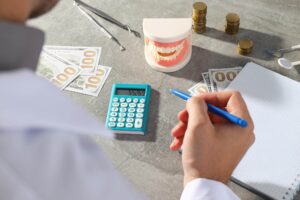
The cost of All-on-4 dental implants varies by country, clinic reputation, surgeon experience, implant brand, prosthesis material, sedation type, and how much preparatory work is required. In the United States, one arch often ranges from about $12,000 to $30,000. Full-mouth treatment for both arches commonly falls between $24,000 and $60,000, though premium clinics and advanced zirconia restorations can exceed that. In the United Kingdom, a single arch may be roughly £10,000 to £20,000. In parts of Europe, Turkey, Mexico, and some Middle Eastern treatment centers, one arch may range from about $5,000 to $15,000 depending on the package and material level.
The number on a website may not reflect the true final bill. Some quotes include only surgery and a temporary bridge, while others include consultation, CBCT scan, extractions, sedation, temporary fixed teeth, final bridge, medications, and follow-up visits. A detailed breakdown is important. Extractions can add a few hundred dollars per tooth. IV sedation may add $500 to $1,500 or more. A final zirconia bridge may cost several thousand dollars more than an acrylic prosthesis over a titanium bar. If the clinic uses premium implants from global manufacturers and an in-house digital lab, fees are often higher than clinics using budget systems or outsourced lab work.
Material choice has a large effect on price. Acrylic hybrid prostheses are often less expensive and easier to repair, but they may wear faster and can fracture under heavy bite forces. Zirconia tends to cost more, often by $3,000 to $8,000 extra per arch depending on the clinic, though it offers high strength and stain resistance. Some patients begin with an acrylic final and upgrade later. Maintenance costs should also be considered. Professional checks, bridge removal for cleaning when indicated, screw replacements, night guards, and occasional repairs can add several hundred to a few thousand dollars over the years.
When comparing clinics, it helps to ask how many implants are included, whether immediate teeth are fixed or removable, how many follow-up visits are covered, what warranty applies, and whether the final prosthesis is part of the quoted price or charged later. The lowest quote is not always the best value. A better comparison looks at imaging, surgical planning, implant system quality, prosthetic material, clinician experience, and what support is available if a screw loosens, a tooth chips, or an implant fails during the healing period.
Does Insurance Cover All-on-4 Dental Implants
Insurance coverage for All-on-4 dental implants is highly variable, and many patients find that only part of the treatment is covered, if anything at all. In many private dental plans, implants are classified as a major restorative service or excluded altogether. Some plans cover diagnostic records, extractions, panoramic imaging, or part of the prosthetic component while declining coverage for the implant fixtures themselves. A patient may receive a benefit for what the insurer considers the removable denture equivalent, then pay the difference for the fixed implant-supported option.
Annual maximums are a major limitation. In the United States, many dental insurance policies still have yearly caps around $1,000 to $2,500, while one All-on-4 arch can cost well above $15,000. Even if implants are covered at 50 percent, the annual maximum may be exhausted quickly, leaving most of the fee as out-of-pocket. Waiting periods are also common for major services, often 6 to 12 months after the policy begins. Some policies exclude treatment for missing teeth that were lost before coverage started.
Medical insurance may help in limited circumstances. If tooth loss is linked to trauma, tumor surgery, congenital defects, or reconstructive care after a serious accident, some medical plans may contribute to hospital-based components, anesthesia, or medically necessary reconstruction. Routine tooth loss from decay, gum disease, or long-term wear is less likely to receive medical coverage. Preauthorization is important because verbal estimates from insurers are not the same as approved claims.
Patients who do not have strong insurance support often use financing. Many clinics offer staged payments, third-party healthcare credit, or package pricing that includes surgery, temporary teeth, and the final bridge. Typical financing terms may range from 12 to 84 months, with monthly payments varying from a few hundred dollars to over $1,000 depending on the total fee and interest rate. Health savings accounts and flexible spending accounts can sometimes be used for eligible portions of care.
The most useful step is to request a written treatment plan with CDT procedure codes and submit it for a benefits check before surgery. This lets you see what is covered for scans, extractions, implants, abutments, temporary prostheses, and the final bridge. It also helps identify missing items that could become surprise charges later. Insurance can reduce costs in some cases, but it rarely pays for the full amount of a complete All-on-4 treatment plan.
What Are the Risks and Complications of All-on-4 Dental Implants
All-on-4 dental implants have high reported success rates, but they are still a surgical and prosthetic treatment with real risks. Complications can happen during surgery, during healing, or years later under chewing load. Early surgical risks include bleeding, swelling, bruising, temporary difficulty opening the mouth, and postoperative infection. Most of these are manageable, but the severity varies. Nerve irritation in the lower jaw can lead to temporary or, more rarely, long-lasting numbness of the lip or chin. In the upper jaw, sinus involvement is a concern if anatomy is not properly assessed.
Implant failure is one of the most discussed complications. This can happen if an implant does not integrate with bone, becomes infected, or is overloaded during healing. Failure rates vary by study and patient profile, but individual implant survival often remains above 95 percent in well-managed cases. Smoking, uncontrolled diabetes, poor oral hygiene, active periodontal bacteria, severe grinding, and low bone density can all raise risk. If one implant fails in an All-on-4 case, the treatment may still be salvageable, though it can require additional surgery, changes in bridge design, or a delayed loading plan.
Prosthetic complications are not rare and should be expected as part of long-term maintenance rather than viewed only as emergencies. These may include acrylic tooth wear, chipping, fracture of the temporary bridge, loosening of prosthetic screws, food trapping, bite imbalance, and speech issues if contours are not ideal. Zirconia can chip too, though the pattern differs from acrylic. Patients with strong bite forces often need a night guard to reduce mechanical stress. Maintenance visits help detect small problems before they become larger and more expensive.
Biological complications can develop years later. Peri-implant mucositis is inflammation around the implant tissue without bone loss, while peri-implantitis includes progressive bone loss and can threaten implant survival. Rates vary widely in the literature because definitions differ, but peri-implant disease is a genuine long-term concern, not a rare exception. Poor cleaning under the bridge is one of the biggest contributors. This is why fixed full-arch teeth still require daily cleaning tools and regular professional reviews.
Not every risk can be eliminated, but good planning reduces many of them. Detailed imaging, careful control of bite forces, realistic loading decisions, smoking reduction, and disciplined hygiene all improve safety. Patients benefit when the clinic explains not just the attractive before-and-after result, but also the measurable possibility of repairs, maintenance costs, and retreatment over the life of the prosthesis.
What Is Recovery Like After All-on-4 Dental Implants
Recovery after All-on-4 dental implants tends to happen in phases. The first 48 to 72 hours are usually when swelling and soreness peak. Patients often describe the discomfort as moderate rather than severe, particularly when compared with what they expected from full-arch surgery. Prescription or over-the-counter pain relief is commonly used for several days, and cold compresses are often recommended during the first day. Bruising around the cheeks or jawline is common, more so when multiple extractions are done at the same appointment.
By the end of the first week, many patients feel well enough to return to desk work and normal conversation, though visible swelling may still be present. Physically demanding jobs may require a longer break of 5 to 10 days. The gums continue to heal over 2 to 3 weeks, and any sutures used may dissolve or be removed depending on the material. If a fixed temporary bridge was placed immediately, patients usually adapt to the look and feel over the first couple of weeks. Speech can sound different at first because the tongue is adjusting to new contours. Most phonetic issues improve with use.
The most important part of recovery is the healing that cannot be seen. Bone integration takes around 3 to 6 months in many cases. During this period, implants are vulnerable to overload even if the patient feels fine. That is why clinics usually prescribe a soft-food diet for at least 6 to 12 weeks. Foods that require tearing, crunching, or strong incisor pressure can jeopardize implant stability or crack a temporary bridge. Follow-up visits during this stage are used to monitor tissue health, remove food traps, check bite contacts, and confirm that no implant is becoming mobile.
Fatigue for a few days is normal after sedation and surgery. Minor oozing from extraction sites can happen early on. Bad breath or a strange taste may occur temporarily if the mouth is healing around a new prosthesis. Patients are often taught how to rinse gently, clean around the bridge, and use a water flosser or super floss after the first healing window. Recovery goes more smoothly in patients who stop smoking, keep blood sugar stable, sleep well, and follow food restrictions closely. The process feels fast on the outside because fixed teeth are often delivered early, but biologically it remains a medium-term healing treatment that rewards patience and careful habits.
How Long Do All-on-4 Dental Implants Last
All-on-4 dental implants are designed as a long-term solution, but it helps to separate the lifespan of the implants from the lifespan of the prosthesis attached to them. The titanium implants placed in bone can last decades when they integrate well and remain free from major infection or overload. Long-term studies often report implant survival rates above 94 to 98 percent over 5 to 10 years, with many functioning beyond that. Survival, though, is not the same as being maintenance-free. An implant can remain in place while still requiring treatment for inflammation, bone loss, or prosthetic adjustment.
The bridge on top usually has a shorter service life than the implants. Acrylic full-arch prostheses may last around 5 to 10 years before needing significant refurbishment, tooth replacement, relining of the intaglio surface, or full remake depending on wear, staining, fractures, and bite changes. Zirconia bridges often have a longer expected lifespan, commonly 10 to 15 years or more, though they are not indestructible and can still chip or require redesign if the bite changes. The real duration depends on the patient’s chewing force, cleaning habits, smoking status, and whether night-time grinding is controlled.
Maintenance has a direct effect on longevity. Professional review every 6 months is common, with some patients seen every 3 to 4 months if they have a history of gum disease, heavy plaque buildup, or complex prosthetic issues. The bridge may need to be removed periodically so the dental team can clean around the implant connections and inspect the tissue underneath. Screws can loosen. Small acrylic fractures can happen. Food accumulation can inflame the tissue if cleaning is poor. These are manageable problems when identified early.
Jaw anatomy and bite design also influence lifespan. A long cantilever, unstable bite contacts, and severe bruxism increase stress on both the implants and prosthesis. Clinics that use digital planning, careful occlusal adjustment, and reinforced frameworks tend to reduce mechanical complications. Patients often want a single number for how long All-on-4 will last, but the better answer is that the implants can be a decades-long foundation while the teeth attached to them may need repair, upgrade, or replacement at intervals. Longevity is strongest when surgical planning, prosthetic design, home care, and routine maintenance all stay aligned over time.
How to Care for All-on-4 Dental Implants
Caring for All-on-4 dental implants means treating them like a high-value medical device rather than assuming fixed teeth clean themselves. The bridge does not get cavities in the same way natural enamel does, but plaque, food debris, and inflammation can still build up around the implants and under the prosthesis. Daily care is necessary to prevent peri-implant mucositis, bad odor, tissue swelling, and long-term bone loss around the implant fixtures.
Most patients are advised to clean around the bridge at least twice a day. A soft toothbrush or electric brush can be used on the visible surfaces of the prosthesis and along the gumline. The area under the bridge usually needs extra tools because standard floss often does not pass through easily. Common options include super floss, implant floss, interdental brushes with non-metal cores, and water flossers. A water flosser is popular because it can flush under the arch and around the abutments, though it works best as part of a routine rather than as the only method. Some clinics recommend low-abrasion toothpaste to reduce surface wear on acrylic restorations.
Professional maintenance matters as much as home care. Reviews every 6 months are common, and higher-risk patients may be recalled every 3 to 4 months. During these visits, the dentist or hygienist checks tissue health, bite contacts, screw stability, and signs of prosthetic wear. In some cases, the bridge is removed annually or at another interval chosen by the provider so the implants and soft tissue can be cleaned thoroughly and inspected directly. This is one of the biggest differences from removable dentures: the prosthesis feels permanent in daily life, but it still needs a planned service schedule.
Diet and habits also affect care. Very hard foods such as ice, hard candy, or cracking nutshells with the front teeth can damage the prosthesis. Smoking increases inflammation and implant risk. Night grinding can wear acrylic quickly or place excess stress on screws and implants, so a custom night guard is often recommended. Patients should also report any clicking, new movement, bad taste, repeated food packing, or changes in speech. Those can be early signs that a screw has loosened or the fit has changed. Good care is not complicated, but it does require consistency and an understanding that fixed full-arch teeth still need daily, targeted hygiene.
Are All-on-4 Dental Implants Painful
All-on-4 dental implants are not usually painful during the procedure because surgery is carried out with local anesthesia, and many patients also choose sedation. During treatment, the goal is complete numbness in the operative area. Patients may feel pressure, vibration, and movement, but sharp pain should not be present. If discomfort appears during surgery, the clinician can usually add more anesthetic. For anxious patients, IV sedation or oral sedation often makes the experience feel much shorter and more manageable.
After the procedure, pain levels vary depending on how many teeth were extracted, whether both arches were treated, bone quality, medical history, and personal pain sensitivity. Most patients describe postoperative discomfort as moderate for the first few days. The sensation is often more like soreness, pressure, and swelling than severe pain. Prescription anti-inflammatory drugs, acetaminophen, or other pain medication may be used based on the clinic protocol and the patient’s health profile. Swelling often peaks around day 2 or 3 and then begins to settle. Bruising and tenderness when chewing are common during the first week.
The temporary bridge itself can create an adjustment period. The tongue needs time to adapt to the new shape, and the bite may feel unusual until the muscles settle. Mild soreness at implant sites and extraction sites is expected while the gums heal. Strong, persistent, or worsening pain is not expected and should be checked promptly because it may point to infection, pressure from the prosthesis, or another complication such as a dry socket at an extraction area. Most patients improve noticeably within 5 to 7 days.
Longer-term pain is not a normal feature of successful All-on-4 treatment. Once integrated and functioning properly, implants should feel stable and comfortable, not sore. If pain develops months or years later, possible causes include bite overload, fractured acrylic, loose prosthetic screws, food impaction, peri-implant inflammation, or grinding. These issues are often treatable when addressed early. For many patients, the fear of pain is greater than the actual experience. A realistic expectation is surgery with numbness, a few days of meaningful soreness, gradual comfort over 1 to 2 weeks, and ongoing awareness that healing inside the bone continues for several months even after the mouth starts to feel normal again.
What Can You Eat After All-on-4 Dental Implants
What you can eat after All-on-4 dental implants depends on the healing stage, not just on how comfortable you feel. Even when a fixed temporary bridge is placed right away, the implants still need time to integrate with bone. During the first days after surgery, the focus is on cool or lukewarm soft foods that require minimal chewing. Common choices include yogurt, smoothies eaten with a spoon, mashed potatoes, scrambled eggs, soups that are not too hot, oatmeal, soft pasta, cottage cheese, hummus, avocado, and protein shakes. Hydration matters because dry mouth can make the mouth feel more irritated.
For the first 6 to 12 weeks, most clinics recommend a strict soft-food diet. The exact duration varies based on implant stability, whether one or both arches were treated, and how the temporary bridge is designed. Soft fish, tender chicken cut into small pieces, rice, noodles, soft-cooked vegetables, tofu, lentils, bananas, pancakes, and soft casseroles are common mid-phase options. The aim is to avoid heavy biting pressure and torque on the implants while they heal. Biting directly into hard or fibrous foods with the front teeth is usually restricted during this phase.
Foods commonly avoided early on include nuts, crusty bread, steak, raw carrots, apples, popcorn, chips, hard pizza crust, sticky candy, and chewing ice. These foods can overload healing implants, fracture a temporary prosthesis, or become trapped under the bridge. Temperature also matters in the first day or two because very hot foods may aggravate fresh surgical sites. If extractions were done, tiny seeds and grain fragments can be annoying around healing tissue.
Once the implants have integrated and the final bridge is delivered, the diet typically expands a lot. Many patients can eat a broad range of foods comfortably, though caution with extremely hard items still makes sense. The prosthesis is strong, but it is not identical to natural teeth with periodontal ligaments. Acrylic restorations wear faster under hard diets, and even zirconia can be damaged by chronic abuse or uncontrolled grinding. Good eating habits include cutting tougher foods into smaller pieces, chewing evenly on both sides, and reporting any bite discomfort early. Patients usually regain much more confidence at meals with All-on-4 than with removable dentures, but the safest results come from matching food choices to the actual stage of healing rather than to the appearance of fixed teeth.
What Are the Alternatives to All-on-4 Dental Implants
Alternatives to All-on-4 dental implants range from removable dentures to more extensive implant-based reconstructions. The right option depends on bone volume, budget, oral health, esthetic goals, and whether a patient wants a removable or fixed solution. One common alternative is the conventional complete denture. This is the lowest-cost option in many markets, often ranging from a few hundred dollars to several thousand per arch depending on materials and customization. Dentures avoid surgery, but they can move during eating or speaking and often provide much lower bite force than implant-supported teeth. Bone resorption also continues under a denture.
Implant-supported overdentures are a middle ground. These usually use 2 to 4 implants per arch and a removable denture that snaps onto attachments such as locator abutments or a bar. Costs are often lower than All-on-4, and cleaning is easier because the denture comes out. Stability is much better than a conventional denture, though it is still a removable appliance. For some older patients or those with dexterity concerns, this is a very practical long-term option.
A more extensive fixed alternative is All-on-6 or a custom full-arch prosthesis supported by 5 to 8 implants. This may be chosen when bone conditions allow more implants, when bite force is high, or when the clinician wants broader support and shorter cantilevers. It usually costs more than All-on-4 because of extra implants, more surgical time, and sometimes more complex prosthetic work. Patients with severe upper-jaw bone loss may require zygomatic implants or pterygoid implants rather than standard posterior implants. These are more advanced options used in selected cases where regular full-arch placement is not feasible.
If some natural teeth are still healthy, a phased approach may be better than removing everything. This can include saving strategic teeth with crowns or periodontal treatment, placing a few implants only where needed, and using bridges or partial dentures. Single implants for isolated missing teeth are often the most conservative solution when the rest of the mouth is healthy. For patients with extensive medical risks or very limited bone who do not want major surgery, a high-quality removable prosthesis may still be the best answer.
The main point is that All-on-4 is not the only path to full-arch rehabilitation. It is one option within a broader set of treatments. A careful evaluation should compare comfort, cleaning demands, surgical complexity, long-term maintenance, and total cost over 5 to 15 years rather than focusing only on the appeal of same-day fixed teeth.
Frequently Asked Questions About All-on-4 Dental Implants
All-on-4 dental implants generate many practical questions because the treatment combines surgery, prosthetics, healing time, and a large financial commitment. Patients often ask whether the teeth are removable. In day-to-day life, the prosthesis is fixed and cannot be taken out by the patient, though a dentist can remove it for maintenance. People also ask whether they will leave the clinic without teeth. In many cases, they receive a fixed temporary bridge on the same day or within 24 to 72 hours, provided the implants are stable enough for immediate loading.
Questions about lifespan are also common. The implants themselves can last decades, while the bridge on top may need repair or replacement sooner depending on material and wear. Acrylic bridges may need more maintenance over 5 to 10 years, while zirconia often lasts longer but costs more upfront. Patients frequently ask about cleaning because they assume fixed teeth require less care. The opposite is often true. Cleaning under the bridge every day is essential, and professional reviews are part of the long-term plan.
Many want to know whether bone grafting is required. One reason All-on-4 is widely used is that it often avoids major grafting by angling the back implants into stronger available bone. That said, very advanced bone loss can still make grafting or alternative implant designs necessary. Another frequent concern is pain. The procedure itself is done under anesthesia, and recovery is usually described as several days of moderate soreness rather than severe pain, though experiences vary.
Food questions come up almost every time. Patients can usually eat soft foods soon after surgery, but a soft-food phase often lasts 6 to 12 weeks to protect healing implants. Hard and crunchy foods need to wait. Cost is another major topic. A single arch may range widely, often from around $12,000 to $30,000 in the United States, and the quote may or may not include extractions, sedation, temporary teeth, and the final bridge. Insurance support is often limited, so financing is common.
People also ask whether All-on-4 is better than dentures or traditional implants. The answer depends on the mouth being treated. Compared with dentures, All-on-4 usually offers better stability and chewing performance. Compared with traditional implant plans using more implants, it may be faster and less invasive, but it is not always the best fit for every anatomy or every esthetic goal. Good treatment planning answers these questions with scans, measurements, bite analysis, and a realistic discussion of maintenance over the coming years.