
Wisdom tooth extraction is the process of removing the third molars (20-year-old teeth) from the mouth due to reasons such as decay, infection, lack of space, risk of damaging adjacent teeth, cyst formation, or contribution to orthodontic/periodontal problems. Wisdom teeth typically attempt to erupt between the ages of 17 and 25; however, when there is insufficient space in the jaw structure, they may not fully erupt, remain partially impacted, or stay completely embedded within the bone. This situation can lead to recurrent inflammation around the gums (pericoronitis), bad breath, pain, difficulties in chewing, and decay or bone loss in the adjacent second molar.
When referring to wisdom tooth extraction, two different clinical scenarios are considered: simple extraction and surgical extraction. If the tooth has erupted sufficiently inside the mouth and has adequate attachment, it can usually be extracted with the conventional method. If the tooth is partially or fully impacted, an incision might be made in the gum, a small amount of bone may be removed if necessary, and the tooth might be extracted in pieces. Impacted wisdom teeth in the lower jaw especially require careful surgical planning since they may be located close to the nerve canal (mandibular canal). In the upper jaw, proximity to the sinus cavity is evaluated. For this reason, radiographs before extraction are a mandatory step in many cases; if the anatomical proximity seems risky, three-dimensional imaging (CBCT) may be requested.
The procedure is not only about tooth removal; proper indication, safe surgical technique, infection control, pain and swelling management, and preservation of the blood clot after extraction are the main components of success. The most common complications are swelling, pain, temporary limitation in mouth opening, bruising, and, in some cases, painful healing due to clot disintegration known as “alveolitis.” These risks can be minimized with appropriate care and follow-up. Wisdom tooth extraction is one of the most commonly performed procedures in oral, dental, and maxillofacial surgery; when planned correctly, it is a predictable and safe process for most patients.
What Is Wisdom Tooth Extraction?
Wisdom tooth extraction is the removal of the third molar from the mouth. The indication for extraction is not the same for every wisdom tooth; the approach of “if there is a wisdom tooth = extraction” is not correct. Some wisdom teeth erupt properly, contact the opposing tooth, are in a cleanable position, and can remain in the mouth without problems. On the other hand, in cases of lack of space, tilted eruption, partial impaction, complete impaction, or problematic contact with the adjacent tooth, the wisdom tooth may adversely affect oral health.
One of the most common complaints is pericoronitis. When part of the tooth erupts and part remains under the gum, the gum forms a “hood”-like tissue. Food accumulates under this area, bacteria multiply, and recurrent infection attacks can be seen. The patient may describe pain when opening the mouth, difficulty swallowing, and sometimes a bad taste and odor. If the infection progresses, swelling of the facial area and tenderness of the lymph nodes under the jaw may occur. Another frequent cause is decay or bone loss in the adjacent second molar; the tilted position of the wisdom tooth makes cleaning the space between the two teeth difficult and increases the risk of decay.
Wisdom teeth can also predispose to pathological formations such as cysts. The follicular tissue around the impacted tooth may expand; if suspicious images are seen on radiographs, pathology evaluation can be planned along with extraction. In orthodontic treatments, in some cases, wisdom teeth may be considered in the planning due to space deficiency and pushing effect; the decision is made jointly by the orthodontist and surgeon.
Extraction can be simple or surgical. In simple extraction, gum incision and bone removal may not be required. In surgical extraction, depending on the tooth’s position, incision, bone modification, and sutures may be necessary. The method is determined based on radiographic findings.
How Is Wisdom Tooth Extraction Performed?
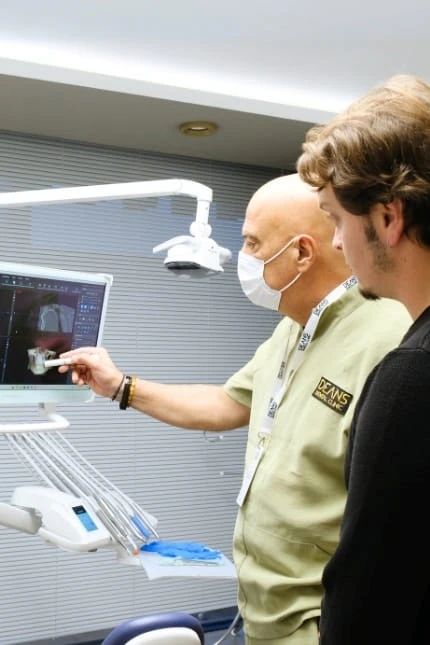
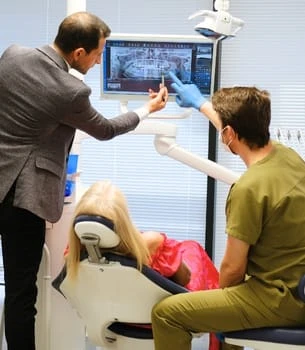
The procedure begins with examination and imaging. During clinical examination, the visibility of the tooth in the mouth, the condition of the gums, signs of infection, mouth opening capacity, and condition of the adjacent tooth are evaluated. Then, usually, a panoramic radiograph is obtained; the shape of the roots of the tooth… Impaction Level, Proximity to Nerve Canal (Mandible), and Sinus Relationship (Maxilla) Are Analyzed
If there is suspicion of risky anatomical proximity, three-dimensional planning with CBCT can be performed; this especially helps better assess the risk of nerve injury in the mandible.
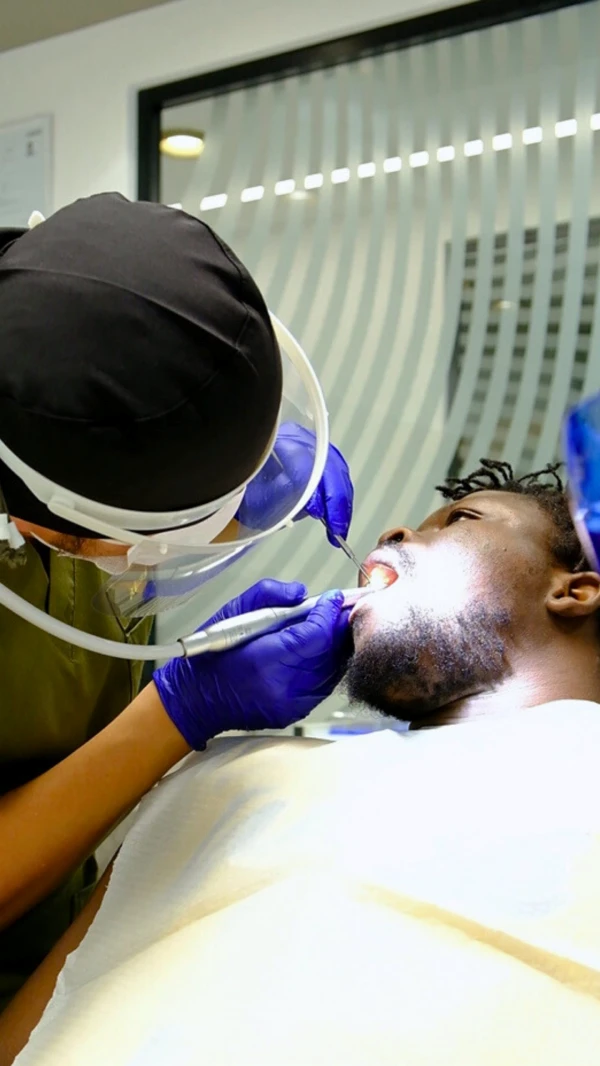
The majority of wisdom tooth extractions are performed under local anesthesia. The patient does not feel pain after anesthesia; however, pressure and pushing sensations can be experienced. Sedation options may be considered for patients with high anxiety levels; this decision is made based on clinical conditions and the patient’s medical status. If there is an infection attack, in some cases, the infection may be controlled first (with medication and/or drainage) before scheduling extraction; in other cases, urgent extraction of the tooth causing the infection focus may be necessary. This choice depends on findings such as swelling and limited mouth opening.
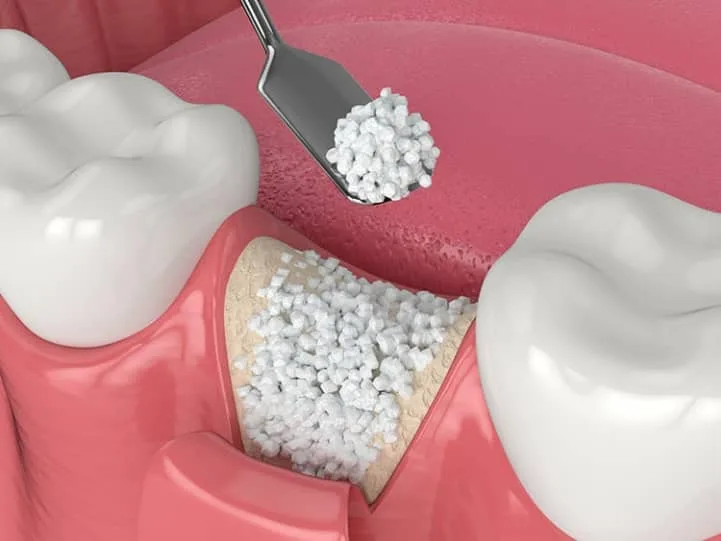
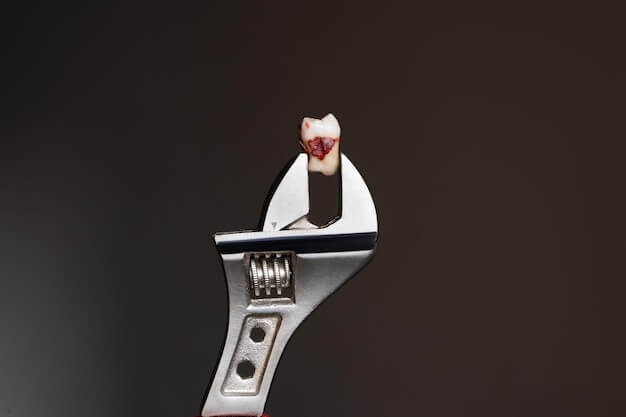
In simple extractions, the tooth is removed with controlled movements using elevators and forceps. In surgical extraction, a small incision is made in the gum, and if necessary, a small amount of bone is removed. If removing the tooth in one piece is difficult, the tooth is sectioned into parts and removed in a controlled manner. After the procedure, the area is cleaned, bony edges are smoothed if needed, and sutures are placed. Sutures can usually be removed within 7–10 days, or some materials dissolve on their own; this depends on the type of suture used.
After the operation, the patient is given a written and verbal care plan: protecting the clot within the first 24 hours, cold compress application (usually in intervals of 10–15 minutes), dietary regimen, oral hygiene, use of prescribed medications, and follow-up appointments. Swelling may become more prominent on the 2nd or 3rd day after most surgical extractions and then gradually decreases. Limitation in mouth opening (trismus) may last a few days; controlled opening exercises can be added if the physician deems appropriate.
Who Is Suitable for Wisdom Tooth Extraction?
Suitability for wisdom tooth extraction is determined by comparing the risks posed by the tooth with the risks of extraction. Extraction is more commonly considered for wisdom teeth that cause complaints or are predicted to likely cause problems in the future. Recurrent pericoronitis attacks, risk of caries/resorption on adjacent teeth, periodontal-pocket problems, pain, suspicion of cyst/tumor are strong indications in terms of suitability. Conversely, wisdom teeth that have erupted properly, can be cleaned, and are in functional contact with the opposing tooth might not be routinely candidates for extraction.
General health status should be evaluated. Blood sugar control in diabetic patients is important for healing and infection risk. In patients using blood thinners, coordination between physicians may be necessary due to bleeding risk and medication management. Immunosuppressed patients require stricter infection control and follow-up planning. Some medications used for osteoporosis (especially certain antiresorptive therapies) can affect jawbone healing, hence extraction decisions and surgical planning are made more cautiously; detailed medical evaluation is mandatory for these patients.
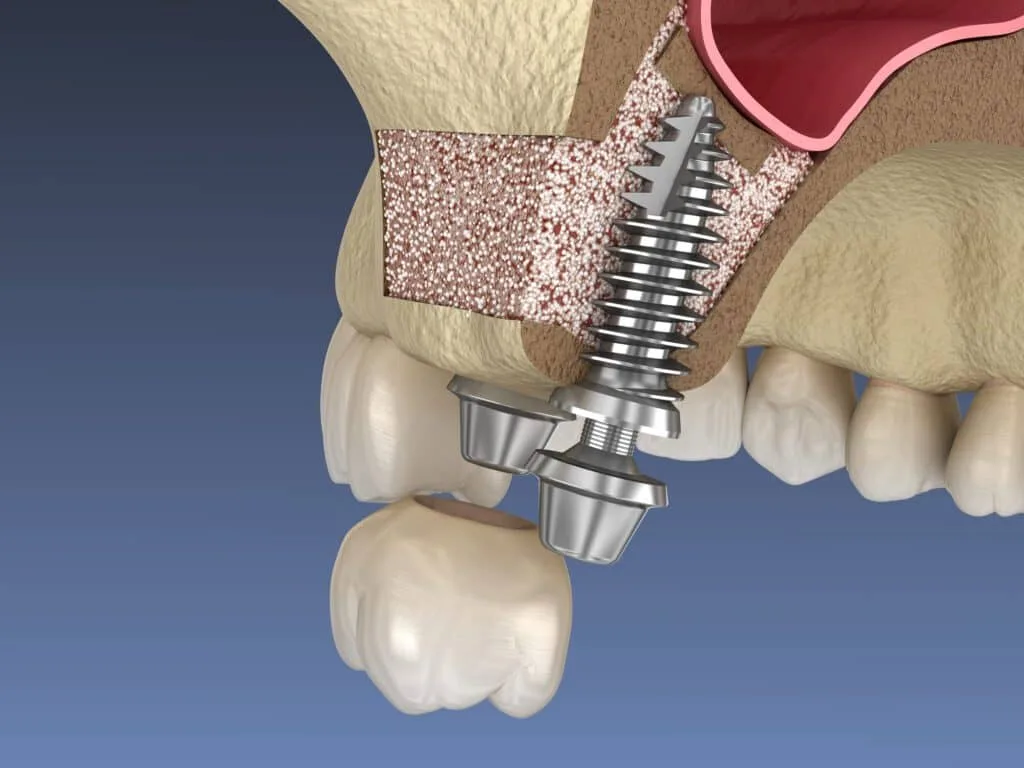
If the roots are very close to the nerve canal in the mandible, the suitability evaluation is done in more detail. In some cases, alternative surgical strategies (e.g., coronectomy in certain indications) may be considered instead of full extraction; this decision is made based on imaging findings and risk analysis. If sinus relationship is significant in the maxilla, surgical planning to reduce sinus complications is undertaken.
Patient compliance is also part of suitability. Patients who can adhere to postoperative care instructions, manage smoking habits, apply a soft diet, and attend follow-up appointments tend to have smoother healing. Sedation options may be considered for patients with severe anxiety.
What Should Be Considered Before Wisdom Tooth Extraction?
The most important issue before extraction is correct diagnosis and planning. The procedure should not be planned without examination and radiographic evaluation. Panoramic radiographs reveal the level of impaction and anatomical neighborhood; if there is suspicion of proximity to the nerve canal or complex root structure, three-dimensional analysis with CBCT is requested.
Extraction Details
At this stage, it will be clarified with the patient whether the extraction will be simple or surgical, whether sutures are needed, and the expected healing process.
The medical history must be shared completely. Information such as blood thinners, regularly used medications, allergies, diabetes, hypertension, heart diseases, and pregnancy status directly affect the anesthesia and medication plan. It should especially be indicated if there is a history of reaction to local anesthetics. If there is an infection attack and limited mouth opening is evident, the timing of extraction can be adjusted according to infection control; in some cases, reducing swelling with medication before the procedure provides more comfort.
Practical preparations for the day of the procedure are important. Most extractions performed with local anesthesia do not require complete fasting; however, if sedation is planned, fasting for a specific number of hours is necessary and an accompanying person should be arranged. Planning rest for the first day after the procedure is beneficial, particularly for surgical extractions. If smoking is present, it should be reduced before and suspended after the procedure, as it can disrupt clot stability and increase the risk of alveolitis.
Oral hygiene should be good. Brushing the teeth and having a clean oral cavity before extraction contribute to safer management of the surgical area. Makeup/lipstick products may be discouraged at some clinics on the day of the procedure since work will be done around the mouth; any accessories such as jewelry and piercings may be requested to be removed prior to the procedure. Following all pre-procedure instructions given by the clinician reduces the risk of complications.
What to Pay Attention to After Wisdom Tooth Extraction
The primary goal after extraction is to protect the clot. In the first 24 hours, behaviors that can dislodge the clot such as vigorous spitting, gargling, drinking through a straw, and smoking should be avoided. If the clot is disrupted, alveolitis can develop; this condition usually manifests 2–4 days after extraction with increasing, throbbing pain radiating to the ear or temple. When this occurs, clinical evaluation is necessary instead of trying to manage pain with home analgesics; cleaning of the area and proper dressing can help with pain control.
For bleeding control, press the gauze provided after the extraction for the recommended duration. Mild oozing is normal; however, continuous fresh bleeding, no clot formation, or bleeding that fills the mouth in a short time requires evaluation. Cold application may be used during the first 24–48 hours to manage swelling, usually recommended as 10–15 minutes on and off. Swelling typically peaks on the 2nd or 3rd day in most surgical extractions, then begins to decrease. Bruising may be present depending on individual tissue characteristics and surgical difficulty.
Diet during the first days should consist of lukewarm-soft foods. Very hot foods can increase bleeding. Hard, crumbly foods that could get into the wound area (such as nuts or chips) are not suitable. Adequate water intake is important. Oral hygiene should be maintained without damaging the clot; the clinician will advise when and how mouth rinsing can be done. Generally, gentle rinsing with recommended antiseptics can start after the first 24 hours; tooth brushing continues without touching the surgical site.
If mouth opening restriction develops, avoid strenuous movements; at control appointments, the clinician may recommend controlled exercises if deemed necessary. If symptoms such as fever, bad odor/taste, increasing swelling, difficulty swallowing, shortness of breath, progressively worsening pain, or numbness occur, prompt evaluation is necessary. If sutures are placed, removal is commonly scheduled between 7–10 days but may vary depending on the suture material used.
When Is Wisdom Tooth Extraction Applied?
Wisdom tooth extraction is performed when the tooth currently causes complaints or is predicted to likely cause problems in the future. Recurrent episodes of pericoronitis are among the most common indications. They present with infection, pain, and swelling around a partially impacted tooth; some patients may experience limited mouth opening and difficulty swallowing. When these attacks recur,
Extraction is planned if it cannot be controlled with hygiene.
Impacted wisdom teeth that are crooked and pose a risk of decay or root resorption in the adjacent second molar are another important indication. Since cleaning between the two teeth becomes difficult, decay, periodontal pockets, and bone loss may develop. Decay can progress not only in the wisdom tooth but also in the neighboring tooth, potentially requiring more extensive treatments. In orthodontic plans, teeth with crowding issues and problematic eruption directions can be included in the treatment plan.
In cases where cyst formation is suspected around an impacted tooth or radiological follicular enlargement is observed, extraction may be recommended. Early management of cyst formation is advantageous as it can cause larger voids in the jawbone and lead to loss in adjacent teeth. Additionally, wisdom tooth extraction can be performed to reduce infection foci in the mouth before jaw surgery or prosthetic planning.
If the tooth is completely healthy, hygiene is well maintained, and it functions in contact with the opposing tooth, extraction is not mandatory; in these cases, the decision is individualized based on clinical examination and imaging findings.
Why is Wisdom Tooth Extraction Performed?
Extraction is performed to end pain and infection attacks, protect the adjacent tooth, maintain oral hygiene sustainably, and reduce pathological risks. In partially impacted wisdom teeth, recurrent infections can cause a wider area of inflammation in surrounding tissues. This not only causes pain but may lead to limited mouth opening, difficulty swallowing, and reduced overall quality of life. In severe infection cases, noticeable swelling may appear on the face, requiring emergency intervention.
The adjacent second molar is the most affected tooth by the problematic position of the wisdom tooth. Decays occurring between these two teeth are often detected late; when decay progresses, root canal treatment or more extensive restorations may be necessary. In some cases, root resorption may develop in the adjacent tooth; if not identified early, this can negatively affect the prognosis of the tooth. Wisdom tooth extraction aims to reduce these risks.
The risk of cyst formation in impacted teeth is another reason for extraction. While cysts do not develop in every impacted tooth, if radiological findings are suspicious, pathology can be evaluated alongside extraction. Moreover, managing teeth that may cause problems in the mouth prior to planned implants, orthodontics, or comprehensive prosthetic treatments contributes to a more stable long-term plan.
The extraction decision is made by comparing “is it safer to preserve or safer to extract.” In some wisdom teeth, monitoring is more appropriate, while in others, delaying extraction can cause greater damage to adjacent teeth and surrounding bone.
How Long Does Wisdom Tooth Extraction Take?
The duration depends on whether the extraction is simple or surgical and on the position of the tooth. Simple extraction of wisdom teeth that have sufficiently erupted inside the mouth usually takes less time. For impacted or partially impacted teeth, the procedure may take longer due to steps such as incision, bone elevation, and sectioning the tooth to remove it. The dense bone structure in the lower jaw and the proximity to nerves require more careful surgical planning and can affect the duration.
Besides the procedure time, the total time spent in the clinic is also important. Administering anesthesia, waiting for numbness, controlling bleeding after the procedure, and providing post-care instructions increase the total time. If sedation is used, preparation and recovery times are additional; under these circumstances, an escort may be necessary.
The healing timeline is planned independently from the procedure duration. Swelling and sensitivity are most pronounced in the first few days after most surgical extractions; if stitches are placed, the follow-up and stitch removal appointment is generally scheduled around 7–10 days. Full tissue healing can take longer; bone healing continues over weeks. The dentist will clarify the procedure day and follow-up schedule specifically according to the tooth position and interventions.
Wisdom Tooth Extraction Prices
Prices vary depending on whether the tooth is removed by simple or surgical extraction, the degree of impaction, the tooth’s s
The procedure varies according to the relation to the nerve canal or sinus, the necessary imaging methods (panoramic radiograph, CBCT if needed), the surgical consumables to be used, the requirement for sutures, anesthesia choice (local, sedation), and the need for post-procedure follow-up. The presence of infection may require additional treatment and control. If multiple wisdom teeth are to be extracted in the same session, the scope of the plan is evaluated accordingly.
To receive up-to-date and personalized information about wisdom tooth extraction prices, you should contact us. After examination and imaging, once the tooth’s position and the method to be applied are clarified, a tailored treatment plan and the corresponding cost information will be shared with you transparently.