
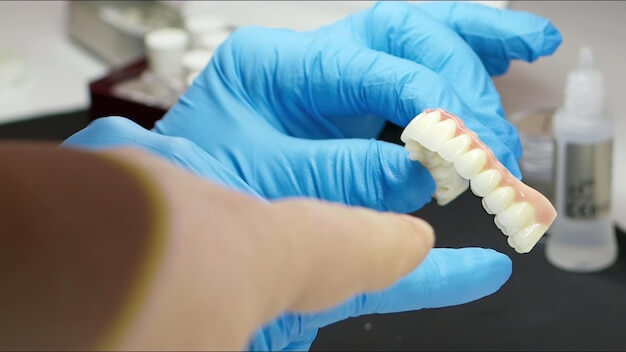
Zirkonyum implant treatment is an implant approach used to complete missing teeth in which the material is based on zirconia (zirconium dioxide) instead of titanium. The vast majority of classic implants are made of titanium and have a very broad clinical track record over many years. Zirconium implants, on the other hand, are considered especially in patients looking for a metal-free solution or in certain clinical scenarios where there is concern about gray show-through in the esthetic zone.
What matters here is not making a simple distinction like “zirconium is better / titanium is worse,” but choosing a system compatible with the patient’s bone and soft tissue conditions, esthetic expectations, bite forces, and hygiene capacity. Zirconia ceramic is known as a highly biocompatible material, and successful results can be achieved with the correct indication. Some patients are particularly concerned about metal sensitivity or do not want metal in the mouth; a zirconium implant is one of the options that can meet this expectation.
From an esthetic perspective as well, it may be evaluated especially in patients with thin gingival tissues to reduce the risk of “gray shading” that can be seen around titanium implants/abutments. However, in practice esthetics is not solved by the material alone; the 3D position of the implant, gingival thickness, bone support, and the design of the superstructure are at least as important as the material itself. There are also some technical differences in the clinical planning of zirconium implants. In the market, one-piece zirconium implant designs may be more common; in these designs, the implant and abutment are in a single body, and the surgical/prosthetic protocol is shaped accordingly.
In one-piece systems, the angle and position of the implant become more critical because there may be limited flexibility to change the abutment angle later. For this reason, when planning a zirconium implant, it is essential to think “prosthetically,” meaning to design in advance where the final tooth will be and at what angle. Two-piece zirconium solutions also exist in some systems; which system will be chosen depends on the needs of the case. For long-term success, the basic principles do not change even with zirconium implants: correct case selection, controlled surgery, good bite adjustment, and regular hygiene.
Peri-implant tissue health is preserved through plaque control, professional maintenance, and regular check-ups. An approach like “the material is ceramic, so there will be no problems” is not correct. The risk of inflammation, bleeding, or bone loss around the implant may still arise in patients where cleaning cannot be maintained, smoking is heavy, or uncontrolled systemic risk factors are present. For this reason, zirconium implant treatment becomes a meaningful option only with correct expectation management and personalized planning.
What Is Zirconium Implant Treatment?
Zirconium implant treatment is an implant application in which the implant that will act as the tooth root is made of zirconia ceramic instead of titanium. The basic logic of implant treatment does not change: an implant is placed into the jawbone in place of the missing tooth, and after it integrates with the bone, a crown or wider restorations are planned on top of it. The difference here is the material of the implant body.
Zirconia is a highly esthetic ceramic that has been used for many years in dentistry as a material for crowns, bridges, and abutments. When used in the implant body, the goal is to meet certain clinical needs. The most common reasons this approach is considered are the desire for a metal-free solution and esthetic sensitivity. Especially in the front region, if the gingiva is thin, the gray show-through of titanium may be esthetically disturbing for some patients.
Zirconium implants may be considered with the aim of reducing this risk when placed in the correct position and with sufficient soft tissue thickness. In addition, some patients clearly state a preference such as “I do not want metal in my mouth”; a zirconium implant is one of the options that can meet this expectation. An important practical difference with zirconium implants is the variety of designs. In one-piece systems, the implant and abutment are a single body; in such cases, the surgical placement angle and position of the implant become very critical.
Because the ability to compensate for angle issues in the prosthetic phase may be limited. In two-piece systems, prosthetic flexibility may increase, but the system chosen may not be the same in every clinic. For this reason, saying “I want zirconium implants” alone is not enough; which system is compatible with your intraoral conditions is planned after examination and imaging. Success in this treatment does not depend on the material being “good” by itself. The 3D position of the implant, bone support, gingival health, management of bite forces, and the hygiene routine are decisive.
Zirconium implants can be successful when applied with the correct indication and proper protocol; in the wrong indication, even the best material will not guarantee a good result.
How Is Zirconium Implant Treatment Performed?
Zirconium implant treatment consists of planning, surgery, healing, and prosthetic stages and is generally similar to the classic implant concept; however, there are some critical differences depending on the material and system design. In the first stage, an intraoral examination is performed: the missing tooth area, the health of adjacent teeth, gingival level, the position of the opposing tooth, and the bite relationship are evaluated. On the radiological side, a panoramic X-ray often provides the initial overview; in many cases of implant planning, bone width and height are measured millimetrically with CBCT.
These measurements determine the angle of the implant as well as its diameter and length. During the surgical stage, under local anesthesia, the implant bed is prepared and the zirconium implant is placed. Especially in one-piece zirconium implants, the angle and position of the implant are more sensitive because the part that emerges into the mouth (the abutment portion) is in the same body.
In other words, a small angular error during surgery can become a problem that is difficult to compensate for in the prosthetic stage. For this reason, in some clinics, the use of a surgical guide is more frequently evaluated to increase predictability in zirconium implant placement. During the healing stage, the process of osseointegration is followed.
This process is influenced by factors such as bone quality, the patient’s systemic condition (for example diabetes control), smoking, and hygiene level. In one-piece systems, because a part of the implant remains inside the mouth, load management in the early period may need to be planned more carefully; the dentist decides on a case-by-case basis whether a temporary restoration will be used and how it will be handled. But the general principle is this: protecting the implant from unnecessary mechanical stress in the early period supports healing.
At the prosthetic stage, impressions are taken, the crown/superstructure is prepared, and the bite is adjusted. Since implants do not flex like natural teeth through a periodontal ligament, we do not want “high spots” in the bite. Especially with ceramic materials, excessive point forces increase the risk of fracture; therefore, contact points and bite distribution are adjusted carefully.
The final stage of treatment is maintenance education and a control program. Which brush, which interdental brush, and which floss to use should be shown to the patient in a way they can actually apply. Long-term success in zirconium implants is also supported by regular maintenance and follow-up.
Who Is Suitable for Zirconium Implant Treatment?
Suitability for zirconium implants requires a broader evaluation than just the patient’s preference (such as wanting no metal). There are three main areas in suitability: bone and soft tissue conditions, systemic risks, and prosthetic requirements. First, there must be sufficient bone volume in the area where the implant will be placed; bone width and height are measured with CBCT.
Especially when esthetic goals are high in the anterior region, buccal bone thickness and gingival biotype (thin/thick) become important. Even if zirconium implants are chosen with an expectation of esthetic advantage, if the gingiva is very thin and bone support is weak, the result can still be difficult. On the systemic health side, chronic diseases that are under control can often be managed.
However, conditions such as uncontrolled diabetes, immunosuppressive therapies, or certain medications affecting bone metabolism may negatively affect implant healing. Before the titanium-vs-zirconium distinction, the question “Are you suitable for implants?” comes first. Smoking is also an important risk factor; it can negatively affect soft tissue healing and the health of peri-implant tissues.
On the prosthetic side, especially if a one-piece zirconium implant is planned, the implant angle must be managed very carefully. In cases with severe angulation or when prosthetic compensation is required, system selection must be made more cautiously. In patients with bruxism (teeth clenching and grinding), the forces are higher, so material selection and bite adjustment must be more sensitive.
It is not correct to say that a patient with bruxism can never have zirconium implants; however, for risk management, a night guard, more controlled occlusion, and a regular follow-up program should be planned more strongly. Oral hygiene is the most practical criterion for suitability. Peri-implant tissues are sensitive to plaque accumulation; if cleaning cannot be maintained, long-term success becomes difficult regardless of the material used.
For this reason, a suitable patient is one who can establish a hygiene routine, does not miss follow-ups, and can comply with the dentist’s recommendations. The final decision is made after examination and imaging, at the intersection of your expectations and the clinical reality.
What Should Be Considered Before Zirconium Implant Treatment?
The most important thing to consider before zirconium implant treatment is correct planning. Saying “I want zirconium” may be the beginning, but the real question is this: Is a zirconium implant suitable for your intraoral conditions and prosthetic goals? Therefore, an examination and in most cases 3D measurement with CBCT should be performed.
The bone width and height, anatomical limits, and the area where the implant will be positioned must be clarified before making a system choice. Especially if a one-piece zirconium implant is being considered, planning becomes even more sensitive because the implant angle and position directly affect the prosthetic result. As part of the intraoral preparation, existing caries, broken fillings, tartar, and gingival inflammation should be treated.
Stabilizing gingival health before the implant contributes to healthier healing of peri-implant tissues. If there is an old extraction site in the implant area, the post-extraction bone healing and soft tissue condition are evaluated. If there is an infection focus, it should be controlled first; going into implant surgery with active infection increases the risks.
The medical history must be shared completely: regularly used medications, allergies, blood thinners, diabetes, and similar chronic diseases. If needed, consultation with the relevant physician is done. If the patient smokes, the goal of reducing or pausing smoking should be discussed; this especially supports soft tissue healing.
It is also important for the patient to plan the first days after the procedure: intense exertion, long travel, and lack of sleep can make healing more difficult. Another practical preparation is planning the hygiene tools in advance. Which brush, which interdental brush, and which floss will be used should be learned before the procedure, so the patient can adapt more quickly afterward.
In addition, if bruxism is suspected (morning jaw fatigue, tooth wear, history of nighttime clenching), the dentist evaluates this before the operation and, if necessary, plans the night guard from the beginning. Success with zirconium implants begins with good preparation as much as with the surgery itself.
What Should Be Considered After Zirconium Implant Treatment?
After zirconium implant treatment, the main things to consider are safely going through the osseointegration process and ensuring healthy soft tissue healing. Mild tenderness and slight swelling may be seen in the first days; the medications and care instructions given by the dentist should be followed regularly.
If there is increasing pain, bad odor, discharge, fever, or uncontrolled bleeding within the first 24–72 hours, the clinic should be informed. Early control helps manage possible problems before they grow. On the nutrition side, soft and lukewarm foods are preferred especially in the first days. We do not want direct hard pressure on the implant area.
If a one-piece zirconium implant has been used and there is a portion exposed in the mouth, it becomes even more important to avoid mechanical trauma. If a temporary restoration has been placed, the dentist should clearly state which foods are appropriate and how chewing should be done. The general aim is to protect the implant from unnecessary loads during healing.
Hygiene is a critical topic for long-term success. The surgical area is cleaned gently as recommended by the dentist; adjacent teeth continue to be brushed normally. Plaque accumulation can quickly trigger bleeding and swelling around the implant.
For this reason, the correct brushing technique, interdental cleaning, and if necessary an oral irrigator routine are established. Which tool is needed and how often depends on the measured spaces in the mouth; a randomly chosen interdental brush may injure the tissue or fail to clean adequately. Smoking may negatively affect healing; pausing or significantly reducing it in the early period supports recovery.
Night guard use is important in patients with bruxism; force management is more critical in implant-supported restorations, and ceramic materials can be sensitive to excessive point loading. Follow-up appointments should not be neglected: suture follow-up (if any), soft tissue evaluation, radiographic checks, and bite adjustment are done at these visits. With zirconium implants as well, long life comes not from a “we placed it and that’s it” mindset, but from regular maintenance and follow-up.
In Which Situations Is Zirconium Implant Treatment Applied?
Zirconium implant treatment can be applied especially in patients looking for a metal-free implant solution and in certain cases with high esthetic sensitivity. In patients with thin gingiva in the anterior region, the gray show-through that can be seen around titanium implants/abutments may be disturbing for some people; a zirconium implant may be considered with the goal of reducing this esthetic concern.
However, it should be emphasized that the esthetic result does not depend only on the implant material; the 3D position of the implant, gingival thickness, and bone support are decisive. Metal sensitivity or the preference of “I do not want metal in my mouth” is also one of the reasons for application. Some patients come with a clear expectation in this regard. A zirconium implant is one alternative that can meet this expectation.
Still, it is not correct to automatically place zirconium implants in every patient who does not want metal; because the system chosen must be compatible with bone volume, bite forces, and the prosthetic plan. In some clinical scenarios, zirconium implants are planned for single-tooth missing cases or a limited number of missing teeth. In wider rehabilitations requiring multiple implants, system selection becomes even more critical; because load distribution, cleaning, and prosthetic connection details become more complex.
Applicability changes according to the design of zirconium implants (one-piece/two-piece). For example, in one-piece systems, because angular tolerance is lower, the anatomical constraints in the implant site and the prosthetic goal must be very clear. In patients with bruxism, the decision is made more carefully.
Bruxism can increase mechanical forces on implant-supported restorations; therefore, bite adjustment, material selection, and the night guard plan become more important. In patients who smoke or have gum disease, it may be harder to protect peri-implant tissue health; in such cases, risk management is required regardless of the chosen material.
In conclusion, zirconium implants are a meaningful option when evaluated with the right patient, the right indication, and the right protocol. Whether it should be applied or not is decided after examination and imaging, at the point where your expectations and the clinical reality meet.
Why Is Zirconium Implant Treatment Performed?
Zirconium implant treatment is primarily performed to complete the missing tooth by taking advantage of the implant’s biocompatibility and to match the patient’s esthetic/personal expectations. One of the most common reasons is the patient’s desire for a metal-free solution. Some people are uncomfortable with metal in the mouth or have concerns about it.
Zirconium implant is considered an alternative that can meet this expectation. Esthetic reasons are also an important motivation. Especially in the anterior region, if the gingiva is thin, the gray show-through of titanium may be perceived as shading along the gingival margin for some patients. A zirconium implant option may be planned to reduce such esthetic concerns under the right tissue conditions.
However, it is important to be realistic here: the main determinants of esthetic success are the correct positioning of the implant, gingival biotype, and bone support. The zirconium implant can be a “complementary” part of this correct planning; it is not a miracle by itself. Another reason is expectations related to biological response in some patients.
Keeping the peri-implant soft tissues healthy is related to plaque control and regular maintenance; zirconium implant selection is seen as part of this process. Still, whichever material is chosen, if maintenance is not done, problems such as bleeding, swelling, and eventually bone loss around the implant may still arise.
For this reason, zirconium implants are chosen not with a promise such as “it requires less maintenance,” but with the correct indication. A practical reason for doing zirconium implants is the desire to match them with the superstructure plan in some patients. For example, in a mouth where zirconium crowns and esthetic restorations are planned and the patient has an overall goal of “no metal,” the zirconium implant option can be consistent with this plan.
However, system compatibility, prosthetic options, and clinical experience are also decisive here. In summary, zirconium implant treatment is performed in patients who do not want metal, in cases with high esthetic sensitivity, or when it is compatible with certain biological/prosthetic goals. The correct decision is made after examination and imaging, by evaluating the risks, alternatives, and expectations together.
How Long Does Zirconium Implant Treatment Take?
The duration of zirconium implant treatment is the same as the general stages of implant treatment: planning, surgery, osseointegration (bone integration), prosthetic stage, and follow-up period. The main factors determining the duration are bone quality and volume, the need for extraction, additional surgical requirements (such as bone-supportive procedures), the patient’s systemic risks (such as diabetes control and smoking), and the protocol of the zirconium implant system used.
Therefore, the clear answer to the question “How many days will it take?” can be given after examination and radiological evaluation. In the first stage, planning is done with examination and imaging. The bone is measured with CBCT, and the position and angle of the implant are determined. If a one-piece zirconium implant is planned, the surgical placement angle directly affects the prosthetic result, so planning is carried out more meticulously.
After surgery, the bone integration period is awaited. Bone density may affect this process; because bone in the upper jaw may be more porous, a longer waiting period may be planned for some patients, while in denser lower jaw bone the process may be more predictable. In the prosthetic stage, impression, trial, and crown delivery are performed.
Bite adjustment is especially important; implants do not flex like natural teeth, and ceramic superstructures are sensitive to excessive point forces. After treatment delivery, follow-up appointments are also planned. In these visits, soft tissue health, cleaning around the implant, and bite arrangement are evaluated.
Another practical point affecting duration is the patient’s appointment discipline and maintenance compliance. Missing controls, using a temporary restoration incorrectly, or neglecting hygiene may extend the process. For this reason, in zirconium implant treatment, the duration is not only a clinical protocol but also the result of the patient’s daily practices. The most accurate timeline is created specifically for you after the examination.
Zirconium Implant Treatment Prices
The prices of zirconium implant treatment depend on many variables, including the implant system and design to be used (one-piece/two-piece), the number of implants applied, the superstructure material (crown/bridge type), imaging requirements (for example CBCT), laboratory processes, and any additional surgical procedures (such as extraction, bone-supportive procedures, and soft tissue corrections).
For this reason, it is not healthy to state a definitive price without an examination; even the heading “single tooth implant” can create a completely different plan and cost in two different patients. In addition, when planning zirconium implants, system choice, prosthetic flexibility, and case difficulty can affect the cost.
For example, in cases with low angular tolerance, more controlled planning, use of a guide, or more trial appointments may be needed. If bone volume is insufficient, additional procedures may be required; this changes the plan. Therefore, in order to discuss the price correctly, your oral conditions and the target prosthetic design must first be clarified.
To get up-to-date and personalized information about zirconium implant treatment prices, you should contact us. After the examination and the necessary imaging, we create the plan suitable for you and share transparently which procedures are needed and how the cost is formed.