Paul Rudd’s teeth have drawn attention because his smile appears cleaner, brighter, and more even in recent years than it did earlier in his career. Based on publicly available photos and video appearances, there is no verified public statement confirming a specific cosmetic dental procedure. What people usually notice is a combination of whiter enamel, smoother tooth edges, a more uniform front-tooth line, and a polished overall smile that is consistent with modern cosmetic dentistry.
In practical terms, changes like these can come from several treatments rather than one dramatic procedure. Dentists often improve a smile with professional whitening, enamel contouring, orthodontic alignment, bonding, replacement dental work, or porcelain veneers. Whitening can lift tooth shade by several levels in one or two office visits, often within 45 to 90 minutes per session. Minor contouring may take under 30 minutes. Composite bonding for front teeth can often be completed in one appointment lasting 30 to 90 minutes per tooth. Porcelain veneers usually require planning, tooth preparation, temporary restorations, and a final fitting over 1 to 3 weeks.
For a public figure, camera lighting, high-resolution filming, makeup, and dental maintenance all influence how teeth look on screen. A smile may appear dramatically different between photos taken 15 to 25 years apart even without a major surgical change. Age, gum health, bite adjustment, routine hygiene visits every 6 months, and periodic polishing all affect appearance.
There is no reliable evidence that Paul Rudd has had extreme or unnatural-looking dental work. His smile changes appear subtle, balanced, and in line with conservative cosmetic enhancement. That is why discussion around his teeth usually centers on whether he had whitening, veneers, or minor corrective work rather than obvious reconstruction. The most accurate answer is that his teeth look improved, but the exact treatment history remains unconfirmed unless he or his dentist has publicly documented it.
Did Paul Rudd Get His Teeth Fixed?
Many viewers believe Paul Rudd likely had some level of dental refinement, though there is no official confirmation detailing a named procedure, treatment date, or clinic. When people ask whether he “got his teeth fixed,” they are usually comparing earlier photographs from the 1990s and early 2000s with more recent red-carpet appearances, interviews, and film close-ups. In those comparisons, his teeth often look brighter, more symmetrical, and more consistent in shape.
That kind of visual change does not always mean a full cosmetic makeover. In dentistry, “fixed” can refer to several levels of treatment. A person may simply whiten their teeth professionally, replace older dental restorations, smooth rough edges, or correct minor alignment issues. In many celebrity cases, the visible result comes from combining two or three conservative procedures rather than undergoing a dramatic smile redesign. For example, in-office whitening often costs around $300 to $1,000 depending on the provider and can improve shade by several levels within one appointment. Composite bonding may cost roughly $250 to $700 per tooth and can reshape small chips or uneven edges quickly. Porcelain veneers usually cost far more, often $900 to $2,500 per tooth in the United States, and create a more controlled, camera-ready appearance.
Looking at Paul Rudd’s smile over time, the differences appear subtle rather than extreme. His teeth do not look oversized, overly opaque, or unnaturally uniform, which are features people sometimes associate with aggressive cosmetic treatment. Instead, the smile looks polished but believable. That often suggests maintenance, whitening, and possibly minor cosmetic dentistry. If orthodontics were involved, even short-term aligner treatment can adjust the front teeth over 6 to 18 months, depending on crowding and bite issues.
Public perception is also shaped by production quality. High-definition cameras, smile-focused grooming, regular hygiene appointments, and image editing all influence how teeth are seen. Actors who work consistently on screen are often advised to maintain very stable dental aesthetics because even small stains, wear patterns, or misalignment become more noticeable in close shots. A person in Paul Rudd’s position may receive routine professional polishing every 3 to 6 months and whitening touch-ups once or twice a year.
The most careful answer is that his teeth appear improved and likely professionally maintained, yet there is no verified evidence proving a specific “fix.” The visible changes fit common cosmetic dental approaches that many adults use to enhance color, shape, and overall smile balance without changing their appearance in a dramatic or artificial way.
Paul Rudd Teeth Before and After
When people search for Paul Rudd teeth before and after, they are usually noticing a gradual change rather than a sudden transformation tied to one public event. Earlier images often show teeth with a more natural variation in shade, slightly softer alignment, and minor irregularities that are common in untreated adult smiles. In newer images, his teeth tend to look more even across the front, brighter under strong lighting, and cleaner in outline. That shift creates the impression of dental enhancement, even if the exact treatment history has never been publicly confirmed.
Before-and-after comparisons can be misleading if they rely on screenshots from different eras, camera formats, or lighting conditions. A film still from the mid-1990s shot on softer stock does not present teeth the same way as a modern digital close-up in 4K resolution. Whitening also photographs differently depending on makeup tones, lip color, facial hair, flash intensity, and whether the image has been professionally retouched. Teeth that are only two or three shades lighter may appear dramatically different in a red-carpet photo gallery.
From a dental perspective, the most visible “after” characteristics in celebrity smiles usually include a brighter enamel shade, more symmetrical central incisors, smoother incisal edges, and reduced appearance of spacing or crowding. These are the features observers point to in Paul Rudd’s case. Professional whitening can often create a noticeable lift in under 90 minutes. Bonding can refine edge shape in a single session. Veneers, if used, can standardize color and contour across 6 to 10 visible upper teeth. Orthodontic aligners can correct mild front-tooth rotation over several months.
What stands out in Paul Rudd’s smile is restraint. The teeth still look proportionate to his face. They do not appear square, excessively bright, or uniform in a way that immediately suggests heavy cosmetic intervention. That matters because natural-looking work is often more difficult and more expensive than dramatic work. High-end cosmetic dentists usually spend time matching translucency, edge texture, and tooth proportions with facial structure. A premium veneer case can range from $8,000 to $20,000 or more for visible teeth, while a conservative polishing-and-whitening plan may remain under $2,000.
So the “before and after” narrative is less about one dramatic makeover and more about a polished evolution. Publicly available images suggest a smile that has become more refined over time, likely through maintenance and possibly selective cosmetic work. Without a direct statement from Paul Rudd or his dental provider, that remains an informed visual assessment rather than a documented treatment record.
Has Paul Rudd Had Veneers?
There is no confirmed public record showing that Paul Rudd has had porcelain veneers. That said, veneers are one of the most common explanations people suggest when a celebrity’s teeth look brighter, smoother, and more even over time. Veneers are thin shells, typically made from porcelain or advanced ceramic, bonded to the front surface of teeth to improve color, shape, size, and symmetry. They are widely used in film, television, and media because they provide a controlled, camera-friendly result.
In Paul Rudd’s case, the smile changes people notice could fit veneers, though they could also fit less invasive care such as whitening, edge contouring, replacement fillings, or bonding. A veneer case usually creates certain visual clues. Teeth may appear highly uniform in color, especially across the upper front six to eight teeth. Edges often look smoother and more deliberate. Small rotations, chips, or wear patterns may disappear. The smile line can also become more balanced from side to side. Some celebrity veneer cases look obvious because the teeth become larger, flatter, or brighter than natural enamel. Paul Rudd’s smile does not strongly display those exaggerated signs.
Modern veneers are often fabricated at 0.3 to 0.7 millimeters thick and may require minimal enamel reduction, though the amount varies. Treatment commonly involves consultation, digital design, shade selection, preparation, temporaries, and final bonding over 2 to 3 visits. In the United States, fees often range from $900 to $2,500 per tooth, with boutique cosmetic practices in major cities charging higher figures. A full upper visible-zone veneer treatment can therefore total $8,000 to $20,000 or more.
Why do people still suspect veneers? Because the result they see is stable. Natural teeth whitened with bleaching can darken over time due to coffee, tea, red wine, smoking, or normal enamel aging. Veneers maintain their surface color far more predictably. If an actor’s smile remains consistently bright through years of public appearances, veneers become a common assumption. Yet routine whitening touch-ups every 6 to 12 months can also preserve that look without veneers.
The safest interpretation is that veneers are possible but unverified. His smile appears refined enough that cosmetic dentistry may have played a role, though the overall look remains subtle. If veneers were used, they were likely designed conservatively, with attention to natural proportions and facial harmony rather than obvious cosmetic impact.
What Cosmetic Dental Work Has Paul Rudd Had?
No verified source has publicly itemized cosmetic dental work performed on Paul Rudd, so any answer must stay within visual analysis rather than claim certainty. Based on how his teeth appear in photographs and on screen, the most plausible possibilities are professional whitening, minor reshaping, routine restorative updates, and perhaps bonding or veneers on select front teeth. Those are common procedures for actors because they improve dental aesthetics while preserving a natural expression.
Professional whitening is one of the simplest explanations. It can remove years of staining from coffee, tea, wine, or natural enamel darkening. In-office whitening sessions usually last 45 to 90 minutes and often cost between $300 and $1,000. Take-home custom trays from a dentist may cost $200 to $500 and are often used for maintenance. If Paul Rudd’s enamel looked slightly yellower in earlier years and brighter later on, whitening alone could explain part of that change.
Minor contouring is another likely possibility. Dentists can smooth small chips, soften uneven edges, and improve balance between the front teeth in under an hour. The cost is often relatively modest, sometimes under a few hundred dollars when performed conservatively. This kind of work is easy to miss because it does not radically alter a smile, yet it can make a face look more polished on camera.
Composite bonding is often used when a person wants to correct tiny shape differences, edge wear, or spacing without committing to full veneers. Bonding material is sculpted directly onto the tooth and hardened with a curing light. A single tooth may take 30 to 60 minutes and cost around $250 to $700. Bonding is less stain-resistant than porcelain and may need touch-ups every 3 to 7 years, depending on habits and bite forces.
Veneers remain part of the public conversation because they are a standard celebrity option, though there is no proof he has them. Veneers can create durable symmetry and a brighter smile, usually over 2 to 3 visits. They are often chosen when whitening and bonding cannot fully deliver the desired look. Orthodontic aligners are also relevant, since mild front-tooth adjustment over 6 to 18 months can make a smile appear naturally improved without obvious cosmetic markers.
If we judge only by appearance, Paul Rudd’s dental work seems restrained and consistent with a maintenance-focused approach. The smile improvement looks measured, not exaggerated. That usually points to experienced cosmetic dentistry aimed at preserving character rather than replacing it.
Why Do Paul Rudd’s Teeth Look Different?
Paul Rudd’s teeth likely look different for a mix of reasons that include dental maintenance, possible cosmetic treatment, aging, grooming for film work, and differences in photography. Teeth rarely look exactly the same across decades. Enamel color changes, edges wear down, restorations are replaced, and people often become more proactive about dental aesthetics as they spend more time in front of cameras. For actors, even a subtle improvement can appear major when viewed side by side with older images.
One major factor is whitening. Natural teeth darken over time because enamel thins and the yellower dentin beneath becomes more visible. Surface stains also accumulate from food and drink. A professional whitening treatment can shift tooth color several shades, which dramatically changes how a smile reads on camera. If touch-ups are done every 6 to 12 months, the smile can remain consistently bright for years.
Another factor is the replacement of old dental work. Fillings, worn bonding, and restorations that once blended well may become more visible as materials age. Updating those restorations improves the way light reflects across the smile. Newer ceramic materials mimic natural translucency much better than older materials did 10 to 20 years ago. That means even standard restorative care can make someone’s teeth look more attractive without changing the underlying bite.
Image conditions matter too. Professional lighting, studio makeup, facial hydration, and digital retouching all affect how white and straight teeth seem. Lower-resolution footage from earlier decades often makes dental details look softer or slightly discolored. Modern high-definition content can either expose flaws or showcase improvements depending on styling and post-production. Red-carpet dentistry is also real in a practical sense. Public figures often schedule cleanings, polishing, and whitening before press tours, premieres, or magazine shoots.
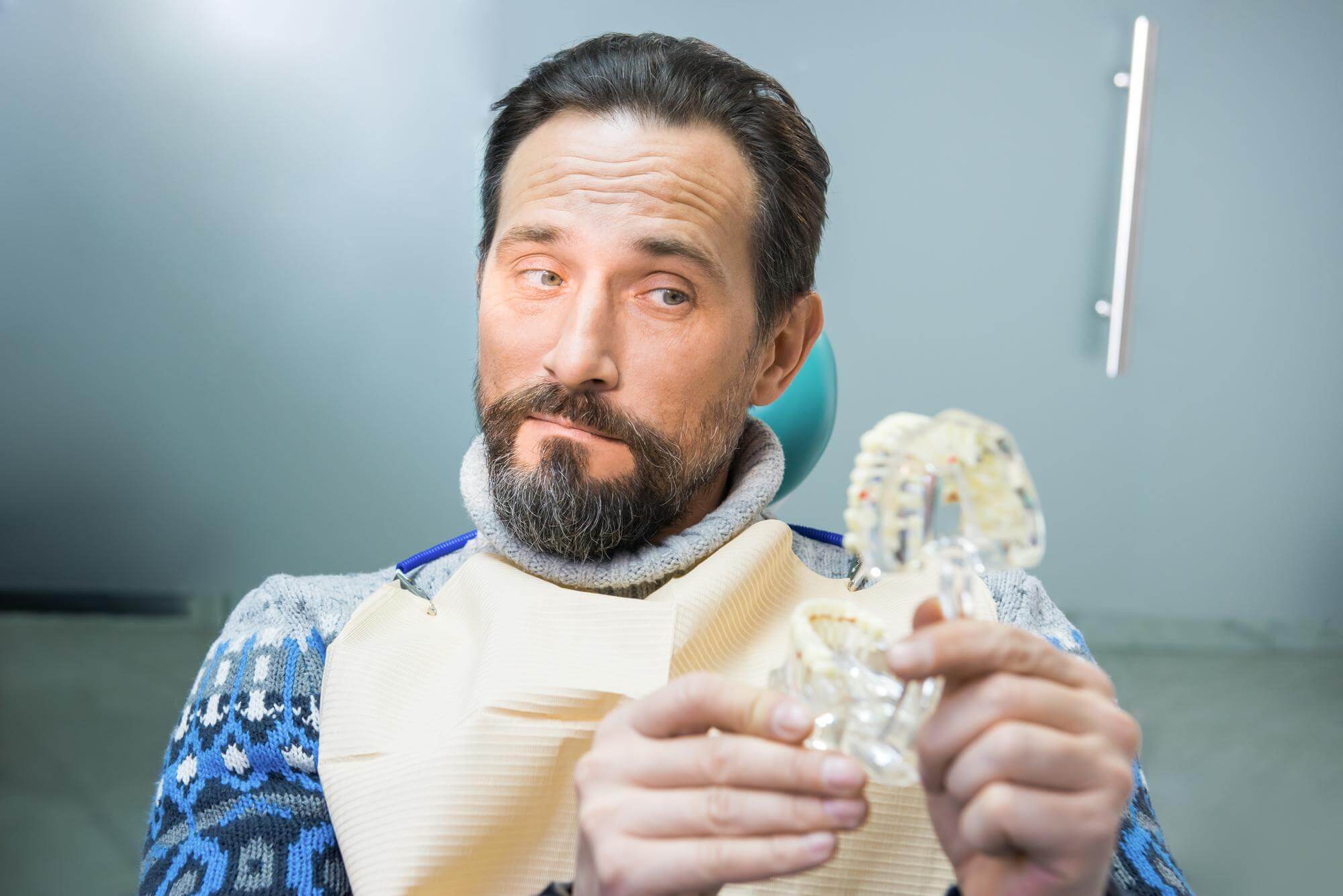
The shape of a smile can also evolve due to minor cosmetic procedures. Smoothing one chipped incisor, aligning a slightly rotated tooth with clear aligners, or balancing edge length between the front teeth can make the whole smile look different. These adjustments often take less than a year in total treatment time and may cost far less than a full makeover. A limited aligner case can run roughly $2,000 to $5,500 depending on complexity.
So when people say Paul Rudd’s teeth look different, they are likely responding to a cumulative effect. Brighter enamel, improved edge symmetry, modern imaging, and ongoing professional care can create a noticeable change without any dramatic or publicly documented dental transformation.
Paul Rudd Smile Transformation
Paul Rudd’s smile transformation is best understood as a gradual refinement rather than a sudden cosmetic overhaul. In earlier public appearances, his smile looked natural, approachable, and slightly less polished than it appears today. In more recent years, the teeth often seem brighter, more even in length, and better balanced across the visible front row. That kind of transformation is common among high-profile actors because the demands of close-up filming make small details far more noticeable.
A smile transformation does not always mean surgery or a full set of veneers. In dentistry, transformation can happen in stages. A patient may begin with cleaning and whitening, then later address edge wear, old restorations, and minor alignment issues. Over several years, those updates can create a substantial visual difference. If each step is conservative, the result looks natural and often avoids the “done” look that people quickly detect in celebrity smiles.
Whitening may be the most visible element of such a transformation. A brighter shade changes perceived youthfulness because darker teeth are commonly associated with age, enamel wear, and staining. A more even incisal edge also matters. The front teeth serve as the focal point of the smile, and when one edge is chipped or slightly shorter, the smile can seem less symmetrical in photos. Simple contouring or bonding can correct that within one appointment.
Orthodontic refinement may also be part of a subtle transformation. Clear aligners can improve mild crowding, rotate front teeth, or fine-tune spacing with little public visibility during treatment. Cases of mild cosmetic alignment often take 6 to 12 months. In adults who already have a generally good bite, these changes can make the smile look significantly more polished without altering facial identity.
What makes Paul Rudd’s apparent transformation interesting is that it still fits his overall appearance. The smile does not overpower his features. It supports them. That is usually the hallmark of well-planned cosmetic dentistry: the work is visible as improvement but not obvious as intervention. Premium smile design often involves facial analysis, digital mock-ups, and attention to tooth width-to-length ratios, gum display, and phonetics. A carefully executed case may cost from a few hundred dollars for maintenance-based improvements to well over $15,000 if ceramics are involved.
The public sees the end result as a more youthful, cleaner, and more camera-ready smile. Without confirmed records, the exact sequence remains unknown, though the visual pattern strongly suggests regular professional care and possibly selective cosmetic treatment over time.
Are Paul Rudd’s Teeth Real?
Paul Rudd’s teeth appear real in the sense that his smile does not show the obvious markers often associated with artificial-looking dental work. When people ask whether celebrity teeth are “real,” they usually mean one of three things: are the natural teeth still present, are veneers covering them, or are dentures or implants involved. There is no public evidence suggesting Paul Rudd has dentures, full-mouth implants, or any major prosthetic reconstruction. His smile looks consistent with natural teeth that may have received cosmetic enhancement.
Natural teeth can still be “real” even if they have undergone treatment. Whitening, bonding, crowns, aligners, and veneers are all performed on or around natural teeth. Veneers do not mean the original teeth are gone; they are thin facings bonded to the front surface after minimal preparation in many cases. Crowns cover more of the tooth structure but still use the natural root unless extraction has taken place. Because of that, the real-versus-fake question is often too simplistic for cosmetic dentistry.
From a visual standpoint, Paul Rudd’s teeth retain small natural qualities that support the idea of authentic-looking dental anatomy. The smile does not seem excessively opaque or uniform. The teeth fit the size of his face and lips. The edges do not look unnaturally blocky. Those are useful clues because heavily cosmetic smiles sometimes flatten individuality by making every tooth appear identical in shape and color. His smile still carries softness and proportion.
If cosmetic work has been done, it was likely conservative. Many actors preserve a believable smile because casting and close-up performances benefit from expressions that feel natural. Overly rigid veneers can affect speech, lip closure, and even how light reflects during emotional scenes. Skilled dentists account for those issues by preserving texture, translucency, and natural anatomy. High-end ceramics are layered to imitate enamel depth, and quality work can be difficult for the public to detect.
A realistic answer is that his teeth are very likely his own natural teeth, possibly improved by standard or cosmetic dentistry. Treatments such as whitening every year, hygiene visits every 6 months, occasional bonding repairs, or selective veneers on visible teeth would all still produce a smile that most people describe as real. That is probably why the question keeps coming up: the improvement is noticeable, but it does not look artificial.