
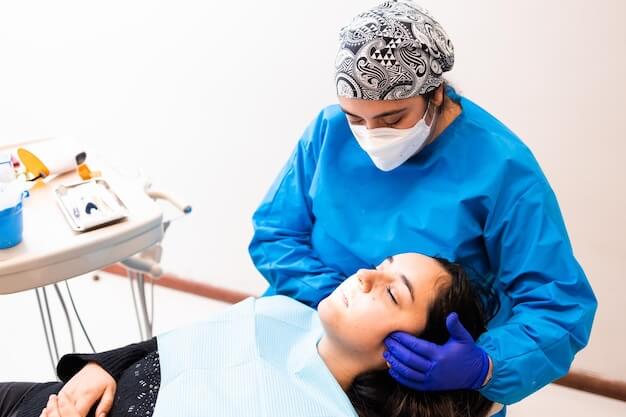
Oral, dental, and maxillofacial surgery is a dental specialty that encompasses surgical diagnosis and treatment procedures involving the teeth, jawbones, intraoral soft tissues, temporomandibular joint area, and facial region. Although the most commonly recognized procedures in daily practice are tooth extractions and impacted third molar (wisdom tooth) surgeries, the scope is not limited to these. The surgical management of lesions suspected to be cysts or tumors in the jawbones, implant surgery, sinus lifting and bone grafting procedures, apical resection (root-end surgery), frenectomy, soft tissue biopsies, jaw fractures, and certain orthognathic (jaw positioning) surgeries are among the areas covered in this field. The primary goals are to relieve pain, control infection, preserve or restore function (chewing, speaking), ensure safe healing by protecting anatomical structures, and support aesthetic harmony when necessary.
Surgical planning is not considered a single-step “cut and remove” approach; diagnosis, risk analysis, and postoperative follow-up are as important as the procedure itself. The patient’s medical history (medications used, systemic diseases, bleeding tendency, allergies), intraoral examination findings, and imaging records are evaluated together. Radiographs provide basic assessment in most cases; however, three-dimensional imaging (CBCT) may be requested for impacted teeth or implant planning. This allows for millimeter-level analysis of nerve canals, sinus cavities, root positions, and bone thickness. The type of surgery, choice of anesthesia (local anesthesia, sedation, general anesthesia), procedure duration, and possible complications are clearly explained to the patient, and the consent process is completed.
In oral surgery, infection control is critical. A sterile working environment, appropriate surgical instruments, tissue-respecting techniques, correct selection of suture materials, and post-operative care protocols affect complication rates. The healing process varies according to the type of procedure. While recovery in simple extractions is rapid, swelling, bruising, and sensitivity may be more pronounced for several days after impacted tooth surgery, bone grafting, or sinus lifting. In some cases, temporary dietary adjustments, oral care protocols, and medication use are required. Smoking negatively impacts healing and infection risk and should be managed before and after surgery.
The aim in this field is to achieve safe surgery and predictable healing. Preservation of adjacent anatomical structures (nerves, sinuses, neighboring tooth roots), bleeding control, prevention of infection spread, and enhancement of patient comfort form the fundamental framework of every surgical procedure. Treatment planning is tailored to the patient’s needs with minimally invasive approaches or more extensive surgical methods.
What Is Oral, Dental, and Maxillofacial Surgery?
Oral, dental, and maxillofacial surgery is a specialized branch that diagnoses and treats problems requiring surgical intervention in the oral cavity and surrounding tissues. Basic procedures in this field include tooth extractions, surgical removal of impacted teeth, drainage of infection foci, removal of cysts and similar lesions, implant placement, and bone preparation prior to implant placement. On the soft tissue side, interventions such as frenectomy (lip/tongue tie release), biopsy, and removal of pathological formations under the gums may be performed. Bone fractures caused by trauma and certain surgical approaches related to the temporomandibular joint are also within its scope.
What distinguishes this specialty from other dental procedures is the more pronounced surgical risks and anatomical proximities. The nerve passing through the mandibular canal in the lower jaw may be located close to impacted third molars; improper planning or aggressive intervention increases the risk of temporary or rarely permanent numbness. In the upper jaw, the sinus cavity is positioned near the roots of the posterior teeth, and management of sinus relations may be necessary during extractions or implant surgery. Therefore, preoperative imaging and risk assessments are essential.
Oral surgery also involves postoperative healing management.
Biological Management in Oral Surgery
Successful oral surgery requires proficient management of biological aspects. Blood clot formation, tissue closure, infection control, swelling management, pain control, and the patient’s adherence to at-home care protocols are all integral parts of surgical success. Treatment continuation is considered not only on the day of the procedure but also during follow-up appointments and healing assessments. In some cases, sutures can be removed approximately 7–10 days after surgery; this duration may vary depending on the type of suture material used.
How Is Oral, Dental, and Maxillofacial Surgery Performed?
The surgical process begins with an accurate diagnosis of the need for surgery. In the initial phase, a detailed medical history is taken: current medications (anticoagulants, osteoporosis drugs, immunosuppressants), systemic diseases (diabetes, hypertension, heart conditions), allergy history, and any previously experienced surgical complications are investigated. Following this, an intraoral examination is conducted; the location of the tooth or lesion, gingival status, presence of infection, and mouth opening limitations are evaluated. Radiographs are standard in most cases; for implants, impacted teeth, suspected cysts, or when critical anatomical neighbors are involved, three-dimensional planning with Cone Beam Computed Tomography (CBCT) may be performed.
The anesthesia technique is determined based on the extent of the procedure. Simple extractions and many surgical interventions can be performed under local anesthesia. Sedation options may be considered for patients with high anxiety levels or for longer surgeries; some comprehensive procedures may be scheduled under general anesthesia. The surgical field is prepared with antiseptics, and sterile draping and instrument organization are ensured. Tissue-respecting incision and flap elevation techniques are applied; if bone removal is necessary, controlled drilling is performed; if tooth sectioning is required, proper division and extraction steps are followed. Bleeding is controlled during the procedure, the area is irrigated, and if needed, graft materials and membranes are applied before closing the soft tissue with sutures.
A written and verbal postoperative care protocol is planned for the patient. Instructions for the first 24 hours include cold applications, dietary recommendations (warm and soft foods), timing for mouth rinsing, and limitation of physical effort. Painkillers and antibiotics are prescribed if deemed necessary; this decision depends on the type of procedure and infection risk. Follow-up appointments are scheduled, with suture removal time defined if applicable. During healing follow-up, swelling, pain, limited mouth opening, bad odor or taste, and bleeding are assessed.
Who Is Suitable for Oral, Dental, and Maxillofacial Surgery?
Eligibility for surgical procedures is assessed not just by asking “who needs surgery” but more importantly “who is suitable for safe surgery.” Many oral surgical procedures can be safely performed in patients with good general health. Suitability assessment involves medical history, examination findings, necessary imaging records, and the type of procedure. Every procedure—from simple extraction to implant surgery—has a different risk profile; a procedure may be straightforward in one patient while another requires more cautious planning.
In diabetic patients, blood sugar control is crucial for wound healing and infection risk. The HbA1c level and overall metabolic control can influence the timing of surgery. In patients using blood thinners (e.g., anticoagulants or antiplatelet agents), bleeding risk must be assessed and coordination with their physician planned; decisions about discontinuing or adjusting medication are made through interdisciplinary communication. Certain drugs used in osteoporosis treatment (particularly specific antiresorptive therapies) may pose special risks to jawbone healing; surgical planning for these patients is more detailed. In immunosuppressed patients, infection control and healing follow-up are conducted with increased sensitivity.
Smokers may experience slower wound healing, and complication risks can increase in some procedures; this effect is more pronounced in interventions dependent on bone healing, such as implants and grafts. Patients with poor oral hygiene may face higher rates of postoperative infection and gingival problems; therefore, improving hygiene before surgery and recommending periodontal care if necessary are important. Children and Surgical Suitability in Adolescents
Surgical suitability in adolescents is related to the level of dental development and root formation. In cases where impacted teeth will be removed, criteria such as nerve proximity, root shape, and position are decisive. An appropriate candidate is a person who is medically stabilized, has completed necessary preparations, can comply with care instructions, and can attend follow-up appointments.
What to Consider Before Oral, Dental, and Maxillofacial Surgery
Preoperative preparation is an important part of the plan to reduce the risk of complications. The first step is accurate information sharing: regularly used medications, allergies, pregnancy status, past illnesses, cardiovascular history, bleeding disorders, diabetes control status, and previous surgical experiences should be fully disclosed. Anticoagulants, corticosteroids, certain osteoporosis medications, and drugs affecting the immune system especially alter surgical planning. If deemed necessary, the dentist may request consultation with the relevant specialist physician.
Improvement of oral hygiene is necessary. If there is heavy plaque and calculus around the surgical area, the risk of postoperative infection may increase. Even a simple extraction can heal more problematically in poor hygiene conditions. Therefore, scaling before the procedure, antiseptic mouth care support, and proper brushing education may be planned. If there is an active infection, in some cases, infection control with preoperative medication may be required; in other instances, urgent surgical intervention (drainage/extraction) of the infection focus may be more appropriate. This decision is made based on clinical findings.
Nutrition and preparations on the day of the appointment are also important. Procedures performed under local anesthesia usually do not require fasting; however, if sedation or general anesthesia is planned, a specific fasting protocol is applied. Post-procedure driving may not be appropriate with sedation; arranging a companion may be necessary. Following procedures such as impacted tooth surgery where swelling is expected, work or school schedules should be planned accordingly; some patients may experience more pronounced swelling and sensitivity for 2–3 days. If the patient smokes, reducing smoking before surgery and abstaining postoperatively supports healing.
Complete imaging records are important. Planning with CBCT in implant cases or regions with risky anatomical proximities can help manage nerve and sinus relationships more safely. When the patient is informed in advance about the procedure steps, possible risks (bleeding, infection, swelling, nerve irritation, sinus relation), and home care instructions, the process proceeds more controlled.
What to Consider After Oral, Dental, and Maxillofacial Surgery
The first 24 hours post-surgery are critical for clot stability and swelling management. The clot formed in the extraction site is fundamental for healing; actions such as spitting, vigorous rinsing, or drinking with a straw that cause suction or pressure movements can dislodge the clot and increase the risk of alveolitis (dry socket). Gargling should be postponed for the duration recommended by the dentist; oral care should be done in a controlled manner. Bleeding may continue as oozing; in cases of heavy bleeding, clot disruption, or continuous fresh blood flow, the clinic should be contacted.
Swelling and bruising are expected especially in procedures involving bone lifting or impacted tooth removal. Cold application during the first 24–48 hours helps reduce swelling. Pain control medications should be taken as prescribed; unbearable pain, bad odor/taste, fever, or increasing swelling may indicate infection or complications. If sutures are present, the area should be protected from mechanical trauma; suture removal is typically planned within 7–10 days depending on the material used.
Nutrition directly affects healing. Warm and soft foods are preferred during the first days; very hot foods can increase bleeding. Hard or crumbly foods may irritate the wound area. Adequate fluid intake is important. Smoking negatively impacts healing and increases the risk of infection; especially after an extraction, it can destabilize the clot and contribute to painful healing. Therefore, the dentist recommends reducing or stopping smoking during the healing period.
Proper Management of Smoking After Procedures
After procedures such as implants, grafts, or sinus lifting, it is essential to avoid putting pressure on the treated area and to meticulously follow oral hygiene protocols. In cases involving the upper jaw and sinus-related procedures, patients may be instructed to avoid actions that cause pressure changes, such as blowing their nose or holding sneezes. These instructions are tailored individually based on the procedure type. Follow-up appointments should not be missed, as they are vital to monitor tissue healing and the stability of the treatment.
When Is Oral and Maxillofacial Surgery Applied?
Oral and maxillofacial surgery is applied in numerous clinical situations that require surgical intervention. One of the most common reasons is the extraction of teeth that cannot be saved due to advanced decay, fractures, or loss of periodontal support. Impacted or partially impacted wisdom teeth may be surgically removed if they cause pain, pericoronitis (gum infection), risk of cyst formation or decay in adjacent teeth, or orthodontic/periodontal problems. Apical resection may be planned when a root apex infection becomes chronic and cannot be controlled by root canal treatment.
If there is insufficient bone volume for implant treatment, preparatory surgeries such as bone grafting and sinus lifting may be performed. In cases where cysts, suspected tumors, or pathological lesions are detected in the jawbones, biopsy and surgical removal procedures may be necessary. Biopsies can also clarify diagnoses for non-healing wounds, growing tissues, or color changes in the oral cavity. Surgical intervention may be required for tooth-alveolar fractures, jaw fractures, and soft tissue injuries following trauma.
Frenectomy can be performed when the lip or tongue frenulum contributes to speech difficulties, feeding problems, or gum recession. Surgical exposure procedures may be carried out to assist orthodontic treatment by facilitating the eruption of impacted teeth. In some cases, orthognathic surgery is planned in a multidisciplinary manner to correct lower and upper jaw relationships, aiming for both functional and aesthetic improvements.
Why Is Oral and Maxillofacial Surgery Performed?
Surgery is performed to eliminate pain, control infections, safely manage pathological formations, preserve function, and maintain oral health sustainably. Extracting teeth that cannot be saved removes persistent infection sources and protects surrounding tissues. Impacted teeth are removed to reduce risks of damage to adjacent teeth or cyst formation. Surgical management of cysts and similar lesions aims to prevent extensive bone loss and the spread to neighboring structures.
Implant and graft surgeries are conducted to functionally restore missing teeth. Grafting in areas with insufficient bone volume aims to enhance implant stability. Sinus lifting is applied when the bone height in the posterior upper jaw is reduced due to the sinus cavity. These procedures contribute to a more predictable prosthetic treatment plan.
Apical surgery can create opportunities to preserve a tooth that has persistent apical infection after root canal therapy. Frenectomy manages connective tissues that trigger recession or disrupt orthodontic stability, thereby supporting long-term gum health. Trauma surgeries maintain jaw closure and facial symmetry.
The goal of every surgical procedure is to achieve the highest quality healing with minimal tissue damage. Correct indication, proper technique, and good follow-up are fundamental for long-term success.
How Long Does Oral and Maxillofacial Surgery Take?
The duration varies depending on the type of procedure, anatomical complexity, and additional treatments performed during the same session. Simple tooth extractions are generally completed quickly. Wisdom tooth surgeries vary in duration depending on tooth position, root shape, nerve proximity, and bone density; some cases are completed more rapidly, while others require longer planning. Apical resection involves a surgical process that varies according to lesion size and tooth location.
The length of implant surgery depends on whether a single or multiple implants are planned. If bone grafting or sinus lifting is performed during the same session, the procedure duration will vary accordingly.
The duration may extend. In procedures involving grafts, not only the surgical time but also the healing schedule is important; a waiting period for bone maturation might be required. Soft tissue surgeries (frenectomy, biopsy) usually take less time; however, follow-up for healing is still planned.
In cases planned for sedation or general anesthesia, preparation and recovery times affect the total duration. After the examination, the procedure time, control appointments, and the overall timeline are clarified individually.
Oral, Dental, and Maxillofacial Surgery Prices
Prices vary depending on the type of surgical procedure to be performed (extraction, impacted tooth surgery, implant surgery, bone graft, sinus lifting, apical resection, biopsy, frenectomy, infection drainage), the complexity level of the procedure, imaging and planning methods used (X-ray, CBCT), materials and consumables employed (such as graft/membrane), anesthesia choice (local, sedation, general anesthesia), and post-procedure follow-up requirements. If multiple procedures are planned for the same patient, the scope of the plan expands accordingly. Systemic health status and presence of infection may necessitate additional appointments and follow-ups.
For up-to-date and personalized information about oral, dental, and maxillofacial surgery prices, you should contact us. Once the procedures are finalized following examination and imaging, a personalized treatment plan and associated cost details will be shared with full transparency.