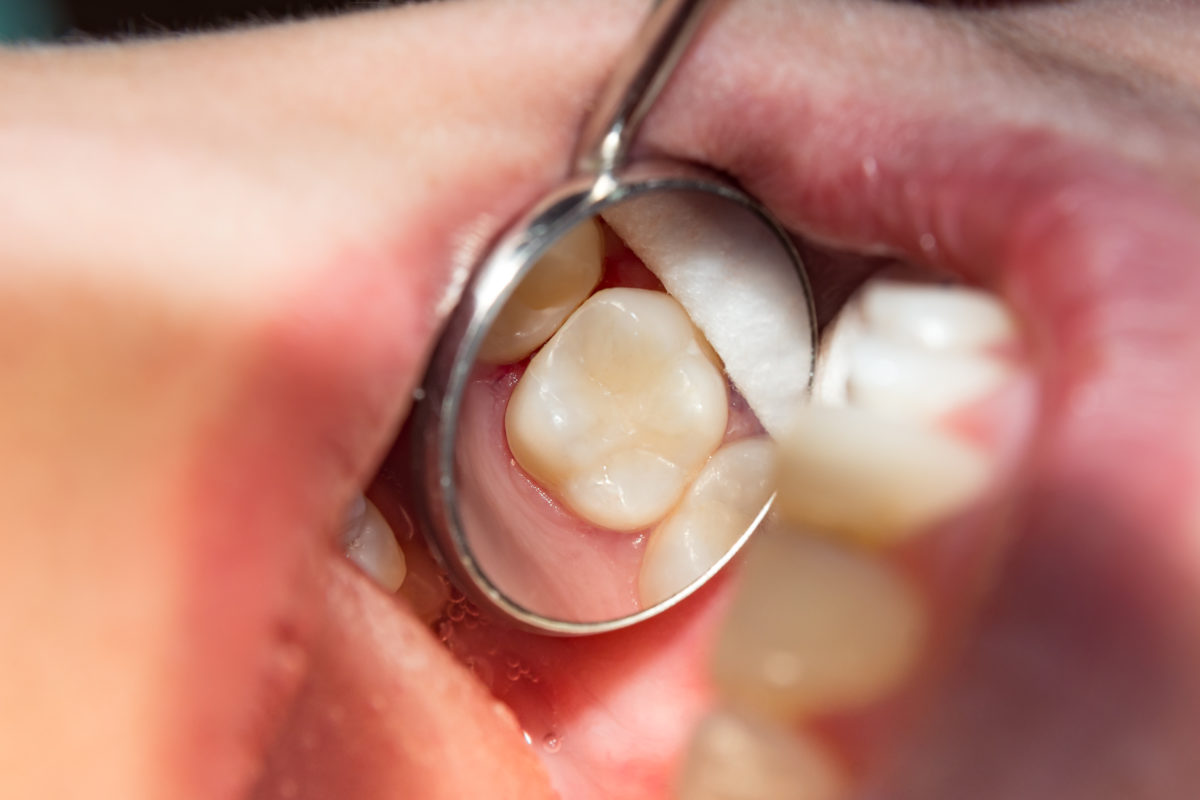
Dental cavities are one of the most common health issues in the world, and almost everyone encounters this condition at some point in their lives. When you sit in a dentist’s chair, the first question in your mind is usually, “Will it hurt?” while the second and most critical question is undoubtedly, “How much will this procedure cost?”
Table of Contents
At Deans Dental, we care not only about our patients’ oral health but also about their budgets, and we share all the details regarding the cavity filled cost with transparency.
Although a dental filling may seem like a simple procedure, it is a personalized treatment whose pricing depends on many variables. From the quality of the material used to the depth of the decay, and from the clinic’s technological infrastructure to the dentist’s expertise, many factors play a decisive role in the Average cost of tooth decay repair.
Factors Influencing the Cavity Filled Cost
When patients frequently ask us on the phone, “How much is a filling?” we explain why it is difficult to give a precise figure. This is because every tooth is unique, like a fingerprint, and every case requires a different approach. The fundamental factors taken into account when calculating the cavity filled cost are as follows:
Amalgam or Composite Filling Material Type
The most significant factor affecting the price is the material chosen to restore your tooth. There are significant differences between the silver fillings that were standard in the past and today’s modern aesthetic fillings, both in terms of cost and application technique.
Composite resins are raw materials that are more costly than silver amalgam. Additionally, the tubes in different color tones used to meet aesthetic expectations, bond agents, and polishing discs increase material expenses.
Amalgam fillings hold onto the tooth mechanically and are relatively quick to place. However, aesthetic composite fillings bond chemically to the tooth. This process requires isolating the tooth completely from moisture, working with a layering technique, and using special light curing devices. This delicate process extends the time spent in the chair and consequently causes an increase in the Tooth filling price.
Size and Complexity of the Tooth Decay
The size of the cavity directly affects the complexity and cost of the treatment. In dentistry, fillings are priced according to the number of surfaces they cover:
If the decay is only on the chewing surface or just on the front surface of the tooth, the procedure is simpler, and the cost is the lowest.
If the decay has spread to the side of the tooth (interproximal), the treatment becomes more complex. Special matrix systems and wedges are required to recreate the contact point with the adjacent tooth.
If the decay has engulfed a large part of the tooth, it is necessary to rebuild the tooth’s cusps (tubercles). This situation requires a precision almost like a work of art, and Cavity treatment expenses increase at this rate.
Furthermore, the depth of the decay is critical. In deep cavities very close to the nerve, placing special medicated materials called “bases” or “liners” under the filling may be necessary to protect the nerve. These additional procedures may be reflected in the final bill.
Geographic Location and Clinic Expertise
Just like in real estate prices, “location” affects prices in dental treatments. The pricing policies of clinics in the centers of large cities, which have high rent and operating expenses, may differ from clinics in more rural areas.
More importantly, it is the expertise of the dentist and the equipment of the clinic. In clinics like Deans Dental that use the most up-to-date digital imaging systems, laser technologies, and top-quality imported filling materials, and have an expert staff that constantly updates itself with training, the Dental filling cost without insurance may differ compared to standard clinics. However, this difference returns to you as the success, aesthetics, and longevity of the treatment.
Cavity Filled Cost by Material Type
When deciding which filling material is suitable for you, you should consider your durability and aesthetic expectations alongside the cost.
Traditional and Cost-Effective Silver Amalgam Fillings
Used for over a century, amalgam fillings consist of a mixture of silver, mercury, tin, and copper.
- They are generally the most economic option.
- They are extremely resistant to chewing forces and are long-lasting. They are easier to apply in posterior teeth where saliva control is difficult.
- They are not aesthetic due to their gray/metallic color. They appear as dark spots when smiling. Additionally, mechanical abrasion of healthy tooth tissue is required for the filling to hold. Today, their use is decreasing due to mercury content and aesthetic concerns, but they still offer a Cavity filled cost advantage in budget-focused situations.
Aesthetic and Mid-Range Cost Composite Resin Fillings
Known among the public as “white fillings” or “laser fillings,” composites are a mixture of glass and plastic particles.
They are more expensive than amalgam but more affordable than porcelain inlay/onlay options. The Composite filling price sits in the mid-segment relative to the aesthetic value it offers.
They match the tooth color exactly, so it is not obvious from the outside that a filling has been done. Since they bond chemically to the tooth, they require less abrasion of healthy tooth tissue (minimally invasive). They support the tooth tissue and increase resistance against fractures.
In very large substance losses, they may not be as durable as amalgam or porcelain. The procedure time is longer and requires technical sensitivity.
Premium Long-Term Options Porcelain and Gold Inlays
If the cavity is very large but the tooth does not need to be covered (crown), “Inlay” or “Onlay” restorations, which are between a filling and a crown, come into play.
This is the highest-priced filling option. The reason for this is that the process requires a laboratory stage and the value of the porcelain or gold material used.
They are designed and produced digitally in a laboratory environment. They offer superior aesthetics and durability. They do not stain or wear down.
Although gold is not aesthetic, it is the longest-lasting and most tissue-friendly material known in dentistry. It can last for more than 20 years.
While these options may seem like a high Cavity treatment expenses item initially, they can be quite economical in the long run.
Dental Insurance and Financial Planning for Cavities
One of the most effective ways to manage the cost of dental treatments is to use insurance plans and payment options correctly.
How Insurance Coverage Affects Out-of-Pocket Expenses
Many private health insurance and dental insurance plans evaluate filling treatments within the scope of “basic restorative services.” Dental insurance for fillings usually covers 50% to 80% of the cost. However, there is “fine print” to pay attention to here:
- Some insurance companies cover only the cost of amalgam fillings on posterior teeth. If you want an aesthetic composite filling on your back tooth, you may have to pay the price difference out of pocket.
- Your insurance may have an annual spending limit. If you are approaching the end of the year and your limit is full, you may face the Dental filling cost without insurance.
- Some newly taken out insurance policies may have a waiting period (e.g., 3-6 months) for procedures like fillings.
At Deans Dental, we help our patients review their insurance policies and obtain pre-authorization before treatment to draw up an estimated payment plan, preventing them from encountering surprise costs.
Payment Plans and Dental Savings Accounts
If you do not have insurance or are having a procedure done that is out of scope, do not worry. Like many clinics, we offer various financial solutions so that our patients can regain their health without straining their budgets:
- Installment options offered on credit cards or in-clinic payment plans.
- Special credit systems used only for health expenses.
Remember, the Average cost of tooth decay repair increases the more you delay. A small filling fee that you think will strain your budget today should be planned before it turns into much larger surgical expenses tomorrow.
The Cost of Delay: Filling vs. Root Canal Therapy
There is a saying we always tell our patients: “The cheapest treatment in dentistry is the earliest treatment.” Delaying a cavity by saying “it doesn’t hurt yet” or “it’s too expensive” is the biggest mistake that can be made financially.
If a cavity is caught at the enamel level, the Tooth filling price is at a minimum level, and the procedure may not even require anesthesia. However, when the decay progresses to the dentin layer and from there to the tooth nerve, the scenario changes completely. A simple filling is no longer enough; Root Canal Therapy is required.
Root canal treatment is a procedure that is 3-4 times more costly than a filling. Moreover, since the fragility of the tooth increases after root canal treatment, a porcelain veneer (crown) may need to be placed on it. This can raise the total cost to 10-15 times the fee of a simple filling.
While a filling is finished in a single session, the root canal treatment and crowning process can take multiple sessions and weeks.
Preventive Care and Routine Checkup Costs
The fee you pay for regular checkups and cleaning procedures is much lower than future Cavity filled cost items. In checkups performed every 6 months, invisible interproximal cavities can be detected with X-rays. Intervention at this stage protects both the tooth tissue and your wallet. Preventive treatments like fluoride applications save you from long-term expenses by preventing cavity formation.
Long-Term Maintenance of Dental Fillings
Fillings do not last forever, but their lifespan can be extended when well cared for. When a filling’s life expires, it needs to be replaced.
- Chewing forces can wear down the filling over time or create micro-cracks at the edges.
- If the bond between the filling and the tooth breaks down, bacteria leaking through the gap can start a new decay under the filling.
During regular checkups, your dentist checks the marginal integrity of your fillings. A small polishing or repair procedure done on time can prevent the complete replacement of the filling (and paying the full fee).
Finding Affordable Cavity Filling Services
It is everyone’s right to receive quality treatment at an affordable cost. However, the search for “cheap” should not cause you to compromise on your health.
Comparing Local Dental Clinic Prices
Focusing only on numbers when doing price research can be misleading. When you receive a very low Cavity filled cost offer, you should question the following:
- Is the material used of high quality? (Are they known, FDA-approved brands?)
- Does the clinic fully comply with hygiene standards (sterilization)?
- Does the price include the examination, X-ray, and anesthesia?
Sometimes, offers that look like a “package price” may have hidden costs added later. At Deans Dental, we clearly state all items in the treatment plans we offer to our patients and prevent you from encountering surprise payments.
Questions to Ask Your Dentist About Cavity Costs
Do not hesitate to ask your dentist the following questions before starting treatment:
- “Which filling material (composite/amalgam) will you use on this tooth and why?”
- “How deep is the decay? Is there a risk of going to root canal treatment?” (This is a preliminary warning that the cost may increase.)
- “Are post-procedure checkups included in the given price?”
- “Do you offer installments for the parts my insurance does not cover?”
- “What is the estimated lifespan of this filling?”
Being a conscious patient allows you to manage both your treatment expectations and helps you do your financial planning correctly.
Frequently Asked Questions
How much does a single cavity filled cost on average?
The average cost of a single tooth filling varies over a wide range depending on the material used, the size of the cavity, and the location of the clinic. Generally, a simple composite filling is slightly more costly than an amalgam filling but is preferred more frequently due to the aesthetic advantages it offers.
Which is cheaper: silver or white tooth fillings?
Silver (amalgam) fillings are generally cheaper than white (composite) fillings due to lower material and application costs. However, due to concerns about mercury content and their non-aesthetic appearance, their use in modern dentistry is gradually decreasing.
Is it more expensive to fill a cavity on a molar?
Yes, fillings performed on posterior molars are generally more expensive than on front teeth. This is because molars have a larger surface area (requiring more material usage) and working in the back of the mouth is technically more difficult. Additionally, since molars are exposed to more chewing force, more complex restorations may be required.
What does dental insurance for fillings cover?
Most insurance plans cover fillings, but there is usually a “copay” or “deductible.” Also, some insurances may only cover the fee for amalgam fillings on posterior teeth and demand the composite difference from the patient.
Can a cavity heal itself without a filling?
No. Very early stage (white spot) lesions at the enamel level can be stopped with fluoride treatment and good care, but if a physical void (cavity) has formed, the tooth cannot repair itself. If a filling is not done, the decay progresses, and the cost increases.