Bruxism is a parafunctional habit characterized by unconscious teeth clenching or grinding, often occurring during sleep (sleep bruxism) and/or unconsciously during the day (awake bruxism). Bruxism treatment is not a single “miracle procedure”; rather, it is a multifaceted approach aimed at protecting the teeth and temporomandibular joint, reducing pain and muscle strain, lowering the risk of wear and fracture, and managing triggering factors such as stress, occlusal issues, and sleep quality. There are two main goals of treatment: (1) to halt existing damage and (2) to prevent new damage from occurring.
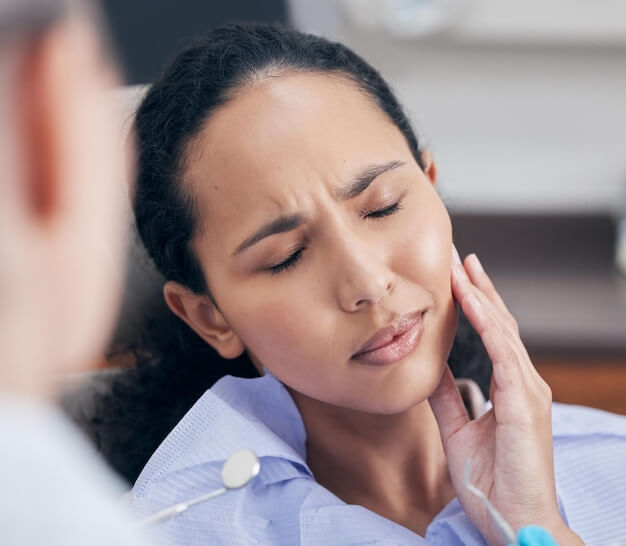
Over time, bruxism may cause problems such as tooth wear (flattening), cracks, loss of enamel, fractures or dislodgement of fillings and crowns, increased sensitivity associated with gum recession, and in some cases, loss of tooth height. From a muscular perspective, symptoms can include jaw fatigue in the mornings, headaches in the temples, stiffness in the masticatory muscles, pain and a sensation of swelling on the sides of the face (masseter region). Temporomandibular joint (TMJ) symptoms may include clicking, locking, restricted mouth opening, or joint pain. Some individuals may experience ear pain or a feeling of fullness in the ear, which may be related to tension in the jaw muscles even if the cause is not dental.
The treatment plan is personalized because the severity and timing of bruxism (night/day), accompanying joint problems, existing restorations in the teeth, occlusal patterns, stress levels, and sleep hygiene vary between patients. The most common and effective protective approach is the use of a custom-made night guard (occlusal splint). In some cases where muscle pain is prominent, adjunct therapies such as physical therapy/exercise protocols, hot-cold applications, stress management, sleep regulation, and, if the doctor deems appropriate, botulinum toxin injections (to reduce muscle activity) may be considered. If there is a significant occlusal problem or severe wear and loss of occlusal height, restorative rehabilitation can be planned, which must take into account the balance of the joint and muscles.
Bruxism should not be presented as a condition that will “completely disappear”; in most cases, it is manageable and the damage can be controlled. Regular follow-up is critical. The fit of the splint, signs of tooth wear, joint findings, and muscle tenderness should be checked at specific intervals. Some patients may have their first follow-up within 1–2 weeks; thereafter, adaptation and symptom monitoring may be scheduled every 1–3 months. Long-term controls every 6 months to a year are useful to evaluate the condition of the splint and check for new damage to the teeth.
What is Bruxism Treatment?
Bruxism treatment is a comprehensive protective and symptom management approach applied to reduce muscle and joint strain caused by teeth grinding/clenching, protect teeth from wear and fractures, and control symptoms that lower quality of life (headache, jaw pain, morning fatigue, tooth sensitivity). Here, the term “treatment” often refers more to managing risk and damage rather than completely eliminating a disease.
Bruxism is not attributable to a single cause. Stress and anxiety, sleep quality disorders, certain medications, caffeine/alcohol consumption, occlusal incompatibilities, temporomandibular joint problems, and daytime habits can all influence bruxism. Therefore, treatment is multi-dimensional: on the one hand, physically protecting the teeth (splint/guard), and on the other, reducing muscle activity and managing triggers (exercises, behavioral awareness, sleep hygiene, and additional medical support if necessary).
The custom-made night guard is the most commonly used method because it reduces direct contact wear between teeth, distributes forces more evenly, and in some individuals, decreases muscle activity to relieve morning pain. However, it should be noted that the splint does not guarantee “complete cessation of bruxism”; the primary goal is to protect the teeth and joint. In advanced wear cases, where teeth length is shortened or occlusal balance is disturbed, restorative rehabilitation (fillings, onlays, crowns) may be considered; however, this plan must be made carefully considering joint and muscle balance.
How Is Bruxism Treatment Applied?
Bruxism treatment begins with a detailed evaluation. The dentist inquires about the patient’s complaints (morning jaw pain, headache, tooth sensitivity, joint clicking), habits (daytime clenching, stress, caffeine consumption), sleep patterns, and past dental treatments. During the clinical examination, the degree of tooth wear, cracks, damage to fillings/crowns, gum recession, and sensitive areas are checked. Sensitivity and hypertrophy (enlargement) of the masticatory muscles (masseter, temporalis) may be assessed. In the temporomandibular joint examination, deviation, clicking, pain, and movement restrictions during opening and closing are evaluated. If necessary, X-rays are taken to assess tooth and joint structures.
In the first-line treatment, a custom occlusal splint (night guard) is usually planned. The process starts with taking impressions or digital scanning, followed by the fabrication of a personalized splint in the laboratory. The material and design of the splint (hard acrylic, and in some cases different types of splints) are selected according to the case requirements. At the delivery appointment, the splint is checked in the mouth, contacts are adjusted, and usage instructions are given. Some patients may experience increased salivation or mild discomfort during the initial days; adaptation generally develops quickly. The first follow-up is typically scheduled within 1–2 weeks to evaluate the fit of the splint and changes in symptoms.
In the second phase, supportive approaches can be added. For daytime bruxism, behavioral awareness (avoiding tooth contact during the day, maintaining a “lips closed-teeth apart” position), jaw relaxation exercises, massage, heat application, and posture correction may be beneficial. Sleep bruxism requires good sleep hygiene (regular sleep schedules, reduction of screen time and caffeine before bedtime). In patients with significant muscle pain and high masseter activity, if deemed appropriate by the dentist, botulinum toxin injections can reduce muscle activity for a certain period; this supportive method’s effects are generally monitored over 3–6 months. If there is occlusal disorder or severe wear, restorative treatment planning and occlusal adjustments can be considered.
Who Is Suitable for Bruxism Treatment?
Bruxism treatment is suitable for anyone showing signs of tooth clenching/grinding or related complaints. Warning signs for bruxism include morning jaw muscle fatigue and pain, temple headaches, tooth sensitivity, recurrent filling/crown fractures, and signs of tooth flattening and wear. Some patients learn about their teeth grinding from their partner; others notice it only through dental check-ups showing wear and cracks.
The following groups particularly benefit from treatment:
- Those with pronounced tooth wear and crack lines
- Individuals experiencing repeated restoration breakage or detachment
- Patients with temporomandibular joint clicking, pain, or locking complaints
- Those perceiving masseter muscle enlargement and “square” facial contours
- Persons with high stress levels and daytime clenching habits
- Individuals needing follow-up on occlusal stability after orthodontic treatment (case-based)
In evaluating suitability, it is important to confirm that symptoms are truly due to bruxism. For example, sharp pain in a single tooth when biting may suggest cracked tooth syndrome, requiring a different approach. Ear pain or headaches may have other medical causes; interdisciplinary evaluation may be necessary. An ideal candidate for treatment is someone who can attend regular follow-ups, use the splint as recommended, and maintain prescribed exercises and care routines at home.
What Should Be Considered Before Bruxism Treatment?
Prior to treatment, accurate diagnosis and comprehensive assessment are crucial. Patients suspected of bruxism should try to specify their complaints: when the pain occurs (morning or daytime), which area is affected (temples, jaw angle, in front of the ear), whether biting increases the pain, and if there are joint noises. They should inform their dentist about previous filling/crown fractures, root canal treatment history, and orthodontic background.
Essential Information
If the partner hears grinding sounds, this information can also assist in diagnosis. If there are active caries, gingival inflammation, or fractured restorations in the mouth, these issues may need to be managed before planning the occlusal splint. Because the splint can create different load distributions on existing caries or leaking restorations, sensitivity may increase. Additionally, if impressions are taken, gingival bleeding and inflammation can affect impression quality. Therefore, improving oral hygiene and stabilizing restorations prior to treatment is recommended.
For the splint to be fabricated accurately, tooth surfaces must be clean during the impression or digital scanning stage. If there is heavy tartar buildup, the dentist may recommend professional cleaning. Patient expectations should also be managed properly: the splint protects teeth and can reduce symptoms; however, if triggers like stress and sleep disturbances persist, bruxism may not be completely eliminated. Consequently, treatment should be approached as a comprehensive plan rather than a single product.
If additional applications such as botulinum toxin are considered, the patient’s pregnancy status, neuromuscular disorders, and certain medication use must be evaluated. Decisions on such adjunctive therapies are made after clinical examination and risk assessment.
Post-Bruxism Treatment Care
The foundation of post-treatment care involves regular use and follow-up. If a night guard is provided, it must be used as recommended by the dentist for the prescribed duration. Initially, there may be foreign body sensation in the mouth, increased salivation, or slight speech changes; these symptoms typically subside quickly. After adapting to the splint, reductions in morning jaw pain and headaches may be observed; however, this effect varies between individuals.
Cleaning the splint is important. It should be rinsed with lukewarm water and gently cleaned with a soft brush after each use. Very hot water can deform the splint. If recommended by the dentist, special cleaning tablets may be used periodically. Storing the splint in a dry and clean container minimizes deformation and bacterial accumulation. If cracks, wear, or changes in fit are noticed, do not delay the follow-up appointment; an ill-fitting splint can transmit unwanted forces to the teeth.
For patients with daytime bruxism, sustainable behavioral changes are essential. Following the principle of “teeth should not touch during the day” and regularly performing jaw relaxation exercises can reduce muscle load. If there are temporomandibular joint problems, avoiding hard gum, very tough foods, and habits that require prolonged mouth opening is beneficial. For desk workers, posture and neck-shoulder tension can affect jaw muscles; ergo-adjustments and simple stretching exercises can be supportive.
If botulinum toxin has been applied, heavy massage and excessive heat should be avoided during the first days, and the follow-up schedule must be adhered to. The effect usually stabilizes within weeks and is monitored over 3–6 months; retreatment needs depend on muscle activity and symptoms.
When is Bruxism Treatment Applied?
Bruxism treatment is applied when tooth grinding or clenching causes or poses a high risk for damage to the teeth or the musculoskeletal system of the jaw. Examples include:
- Significant wear, flattening, and enamel loss on teeth
- Crack lines, fractures, or increased sensitivity in teeth
- Repeated fractures on fillings, crowns, or implant-supported restorations
- Morning jaw muscle pain or fatigue, temporal headaches
- Masseter muscle hypertrophy and pronounced facial contours
- Clicking, pain, movement limitation, or locking episodes in the temporomandibular joint
- Post-orthodontic treatment wear and risks related to occlusal stability (case-dependent)
The goal in these cases is to control the mechanical loads caused by bruxism and prevent progressive damage. If there is severe tooth height loss or changes in occlusion, a splint alone may not suffice; restorative rehabilitation and occlusal planning may also be required.
Why is Bruxism Treatment Performed?
Bruxism treatment aims to protect the teeth, reduce pain, balance the load on the temporomandibular joint and masticatory muscles, and provide long-term…
It is performed to prevent restorative losses.
Teeth grinding forces differ from normal chewing forces in manner and duration, and they can be repetitive. This can lead to microcracks, wear on teeth, and fractures in restorations. Over time, if teeth become shorter, the occlusal height may change, causing balance problems in the temporomandibular joint.
From a muscular perspective, continuous contraction can cause morning pain, headaches, and stiffness in the facial muscles. For some individuals, this condition significantly reduces quality of life and sleep quality. Treatment helps reduce these symptoms by decreasing muscle activity and protecting the teeth. Additionally, early management of bruxism can reduce the need for more extensive rehabilitations later on (such as multiple crowns/onlays).
Bruxism treatment is also important for protecting advanced restorations like implants and crowns. Since the risk of restoration fractures can increase in the presence of bruxism, the use of protective splints and regular check-ups become more critical.
How Long Does Bruxism Treatment Take?
The “duration” of bruxism treatment should be considered in two ways: (1) the initiation period of treatment and (2) the long-term management period. If a custom night guard is planned, the process proceeds through examination, impressions/scanning, and fabrication of the splint. The first follow-up after delivery can usually be done within 1–2 weeks. Then, symptoms and the occlusal adjustments of the splint may be reassessed within 1–3 months. These check-ups are especially important during the initial period to ensure the splint fits correctly and undesired contacts are prevented.
In the long term, bruxism tends to fluctuate in most people and may increase during stressful periods. Therefore, splint use can be long-term. The lifespan of splints depends on the severity of bruxism. While some individuals maintain their shape for years, in severe bruxism cases splints can wear out faster and require replacement. The clinician evaluates the protective function of the splint by examining wear signs.
If adjunctive treatments such as botulinum toxin have been applied, their effect is generally monitored over a 3–6 month period. The need for repetition is planned according to muscle activity and symptoms. If restorative rehabilitation is required, this process is longer and staged; starting with a protective plan, followed by restorations, and then stabilization again with a protective splint.
Bruxism Treatment Prices
Bruxism treatment costs vary according to the scope of the chosen approach. Factors affecting the total plan include the custom night guard (material and design), number of examinations and controls, need for joint assessment, necessary radiographs, supportive treatments (such as physiotherapy/exercise program referral, botulinum toxin), and restorative procedures addressing existing dental damage (such as fractured filling repair, onlays/crowns). While some patients may only need a protective splint and monitoring, others may require multiple restorations combined with joint and muscle management.
For up-to-date and personalized information about bruxism treatment prices, you should contact us. After examination, when the severity of bruxism, accompanying joint findings, and degree of dental damage are clarified, a personalized treatment plan and related cost information will be shared transparently.