
Aesthetic filling is a restoration performed with composite (resin) materials that mimic the natural appearance of the tooth in cases of decay, fracture, wear, or shape deformities. Unlike traditional silver-colored amalgam fillings, aesthetic fillings can create an optical effect similar to the enamel-dentin structure of the tooth through proper color selection and layering technique. This allows for simultaneous improvement in both function (chewing, biting) and appearance. While frequently preferred in cases with high aesthetic demands such as fractures on front teeth and gap closure, it also yields successful results when applied with the correct indication on posterior teeth to withstand chewing forces.
Composite materials, thanks to their different opacity and translucency options, help achieve the natural light permeability of the tooth. The key to success is not only to make a “tooth-colored filling,” but also to ensure good isolation, properly clean the decay, fully follow the adhesive (bonding) protocol, and accurately shape the anatomy. In particular, establishing the correct contact point in interproximal fillings (areas between two teeth) prevents food impaction and protects gum health. Proper polishing of the surface reduces stain accumulation over time and provides a more natural shine.
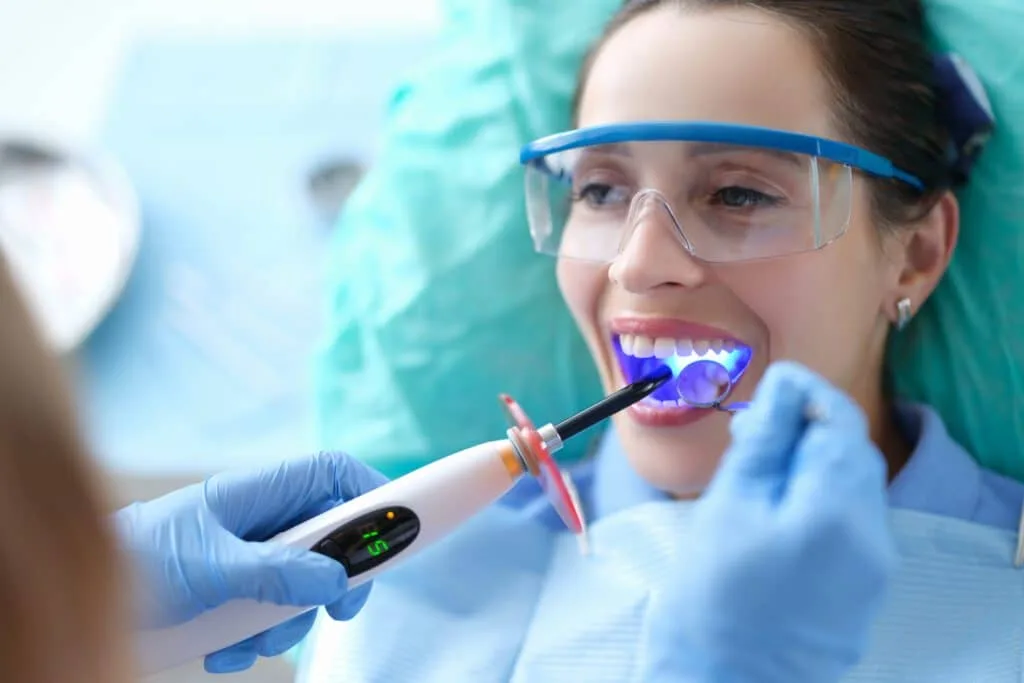
The aesthetic filling procedure is usually completed in a single session. The need for local anesthesia depends on the depth of the cavity and the patient’s sensitivity. During the process, the tooth is isolated from saliva and moisture (most cases prefer using a rubber dam) to increase bonding success. After cleaning the decay, the tooth color and layering plan are determined. The composite is placed in thin layers and each layer is polymerized with light. Then anatomical shaping, finishing, and polishing are performed. A properly executed aesthetic filling can provide an inconspicuous appearance in daily life and can last long with a good occlusal adjustment.
The longevity of this treatment depends on the patient’s oral hygiene, dietary habits, and parafunctional activities (teeth grinding/clenching). Frequent consumption of coffee, tea, smoking, and intensely colored foods may increase surface staining over time; however, with regular professional polishing and good hygiene, this is often manageable. In the presence of bruxism, the risk of edge chipping or cracks in the fillings may increase; in such cases, protective measures like night guards can be part of the treatment plan. Regular check-ups are important for early detection of marginal fit issues and secondary caries risk.
What is an Aesthetic Filling?
An aesthetic filling is a restoration that repairs the tooth’s lost tissue using tooth-colored composite materials. The purpose is to close the cavity caused by decay, reshape broken or worn areas, and restore both the function and aesthetic appearance of the tooth. Composite fillings offer an appearance similar to the natural layered structure of the tooth with various color and translucency options.
This type of filling is especially advantageous in the anterior region because, with correct color matching and surface texture imitation, the margin of the filling often becomes unnoticeable. In the posterior region, chewing forces are higher, so indications must be appropriately determined, and cavity design and occlusal adjustment should be properly executed. Aesthetic filling has become widespread today due to both aesthetic concerns and its ability to preserve more tooth structure. It can provide effective restoration with minimal tissue loss in suitable cases.
How is an Aesthetic Filling Applied?
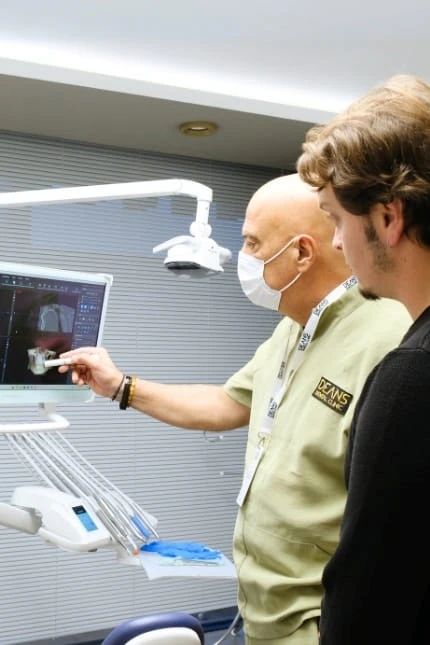
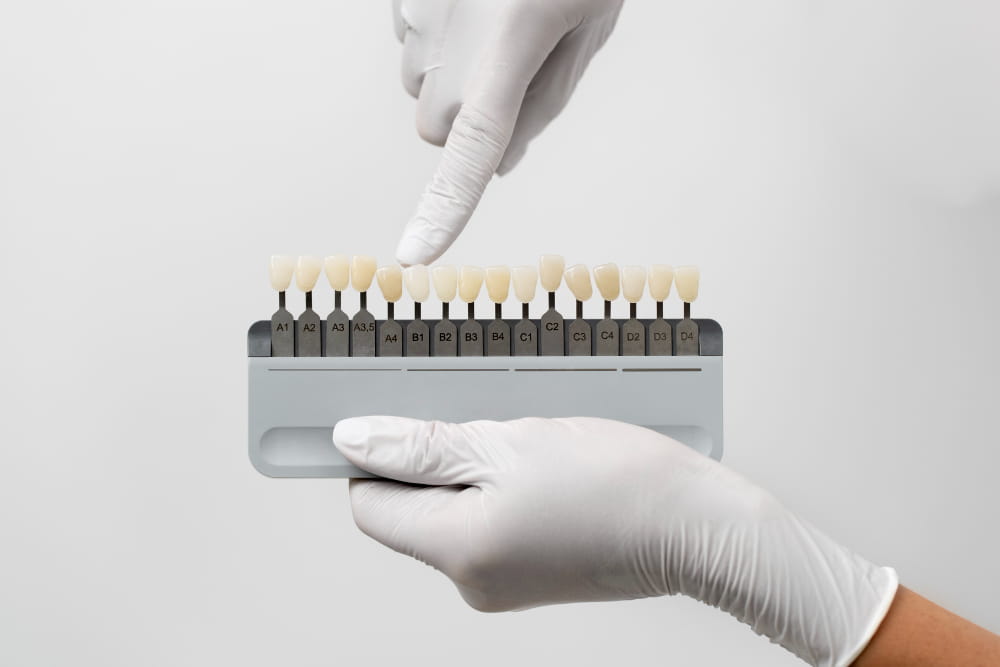
The aesthetic filling procedure begins with examination and diagnosis. If decay is present, its depth is evaluated; interproximal caries or leakage under previous fillings may be examined with X-rays if needed. Before starting the procedure, the tooth color is determined. Color selection is generally healthier when done before drying the tooth, as a dried tooth may temporarily appear lighter.
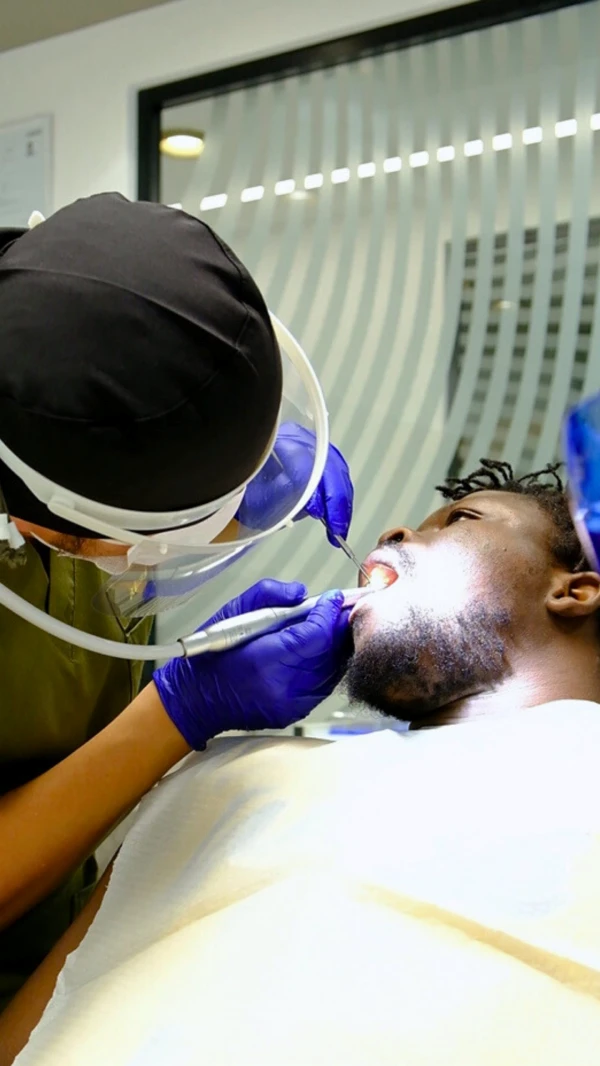
Local anesthesia is applied if necessary. Then, the decayed tissue is removed and the area to be filled is prepared. Isolation is critical in composite fillings; contamination with saliva and moisture reduces bonding success.
Isolation with Rubber Dam
Whenever possible, isolation with a rubber dam is preferred. The tooth surface is roughened with acid etching, followed by the application of a bonding agent which is then cured with light.
The composite material is not placed in a single bulk layer; instead, it is applied in thin layers (incremental technique). Each layer is light-cured. This layering helps reduce shrinkage stress and achieve a natural appearance. Next, anatomical shaping is performed: tubercles, grooves, edges, and contact points are arranged. In the final step, finishing and polishing smooth the surface, reducing plaque accumulation and providing longer-lasting aesthetic shine. At the end of the procedure, occlusion is checked; any high contacts are adjusted to support the longevity of the restoration.
Who Is Suitable for Aesthetic Fillings?
Aesthetic fillings are suitable for many people with decay, fracture, wear, or minor shape irregularities in their teeth. Suitable candidates generally include:
- Those with small to medium-sized cavities
- Individuals with minor chips or cracks in anterior teeth
- Patients experiencing irregular tooth shape or small gaps (diastema)
- Those wishing to replace old amalgam fillings for aesthetic reasons
- People with sensitivity due to tooth wear requiring repair
Suitability depends on the lesion size and the remaining healthy tooth structure. Teeth with very extensive loss, a high risk of fracture, or those weakened by root canal treatment may be better restored with inlays/onlays or crowns instead of fillings. Additionally, in patients with poor oral hygiene and very high risk of decay, secondary caries around the filling margins is more likely; therefore, preventive planning and hygiene education must accompany the treatment.
In patients with bruxism (teeth grinding/clenching), there is an increased risk of chipping or wear at the edges of composite fillings. In these cases, occlusal adjustment and, if necessary, protective approaches such as night guards may be added to the treatment plan. With proper patient selection and correct technique, aesthetic fillings can be a highly successful and comfortable option.
Important Considerations Before Aesthetic Filling
The most important aspect before an aesthetic filling is accurate diagnosis and treatment planning. The depth of the decay, vitality of the tooth (pulp status), gingival health, and the patient’s caries risk profile should be assessed. Radiographs are very helpful in determining the treatment plan for interproximal caries. If gingival bleeding or heavy calculus deposits are present, cleaning and hygiene measures may be recommended before filling, as isolation is difficult in bleeding areas.
Color matching and expectation management are essential. “Complete invisibility” is often achievable with aesthetic fillings; however, if the tooth’s natural color is very heterogeneous or a large restoration is performed, a boundary may be visible upon close inspection due to light reflections. This should be clearly explained to the patient beforehand. When working on anterior teeth, shade and gloss targets should be discussed with the dentist.
Habits such as bruxism, nail-biting, or pencil chewing must be communicated as they can affect marginal durability of the filling. Additionally, planning can be made to avoid excessive loading with hard foods in the first days after the procedure. If an old filling in the same area is to be replaced, treatment duration may be longer; making an appointment accordingly improves patient comfort.
Post-Aesthetic Filling Care
Since composite aesthetic fillings are light-cured, they can be used immediately after the procedure; however, if anesthesia is still in effect, care should be taken to avoid biting the cheek or tongue. If there is a high contact point on occlusion, pain or discomfort during biting may be felt; in this case, a follow-up appointment for adjustment should be arranged promptly. If high contacts are not corrected, there is an increased risk of cracks and sensitivity at the filling margins.
During the first 24–48 hours, especially for fillings on anterior teeth, it is beneficial to limit consumption of intensely colored foods. Despite good polishing, composite surfaces may be more susceptible to staining agents in the early period. Coffee, tea, red wine, and highly pigmented spices
Esthetic Fillings: Indications and Care
Tobacco and smoking can increase surface staining. Regular brushing, flossing, and interproximal cleaning reduce plaque accumulation at the margins of restorations, thus lowering the risk of secondary caries.
Over time, composite fillings may lose some surface gloss or develop mild discoloration. In many cases, professional polishing can refresh their appearance without complete replacement. If bruxism is present, wearing a nightguard significantly contributes to prolonging the lifespan of fillings. During regular check-ups, the margins and contact points of fillings are evaluated to manage minor issues before they worsen.
When Are Esthetic Fillings Applied?
Esthetic fillings serve both therapeutic and cosmetic purposes. Common applications include:
- Cleaning decay and restoring the tooth
- Repairing front tooth fractures and small cracks
- Closing small gaps between teeth (bonding)
- Correcting tooth shape (very small, irregular edges)
- Replacing old fillings due to color or margin mismatch
- Restoring sensitivity and tissue loss caused by wear
In cases of extensive substance loss or very high occlusal forces, other types of restorations might be more appropriate than fillings. Therefore, indication is finalized through examination and, if necessary, radiographs.
Why Are Esthetic Fillings Done?
Esthetic fillings are performed to treat dental caries, restore tooth function, and maintain the natural appearance of teeth. If the cavity left after decay removal is not filled, the risk of tooth fracture increases and caries may progress. The filling stops this process and protects the tooth against external factors. Additionally, restoring the tooth’s anatomical form helps distribute chewing forces evenly and re-establishes contact areas important for gingival health.
Esthetic reasons are also important motivators. Small fractures, color mismatch of old restorations, or tiny gaps between front teeth may affect one’s smile. Composite fillings offer a minimally invasive solution to these issues. In many cases, visible improvement can be achieved by removing very little tooth structure.
Furthermore, esthetic fillings are reversible and revisable restorative treatments. If margin adaptation or discoloration requires renewal over time, corrections can often be made quickly. This flexibility is a significant advantage for patients with high aesthetic expectations.
How Long Does an Esthetic Filling Take?
The duration depends on the number of teeth to be treated, the depth of the decay, the class of the filling (interproximal fillings can be more technical), the need for isolation, and whether the old filling is removed in the same appointment. A single small filling may be completed in a shorter time, while multiple large restorations take longer. Esthetic layering and shaping in the anterior region may extend the procedure time.
Total appointment time includes administration of anesthesia, radiographic evaluation, shade selection, finishing, and polishing. Some patients may require additional time for occlusal adjustments. Patients can usually resume daily activities immediately after treatment; however, planning with sensitivity and anesthesia effects in mind provides more comfort in the first days.
Control appointments are important to ensure the longevity of fillings. Early detection of marginal leakage, secondary caries, and contact problems during regular check-ups can extend the restoration’s lifespan. Your dentist will determine the recall interval based on your risk profile.
Esthetic Filling Costs
Costs vary depending on the number of teeth filled, cavity depth and size, properties of composite materials used, isolation technique (such as rubber dam application), the need to remove old restorations, technical difficulty of interproximal restorations, additional imaging requirements, and polishing/control plans. There may be significant differences in planning and duration between complex multi-layered esthetic bonding in the anterior region and a simple posterior filling, which affects the overall cost.
You should contact us to receive current and personalized information about aesthetic filling prices. After the examination, once the number of teeth to be treated and the extent of the restoration are clarified, a personalized treatment plan and the associated cost details will be shared with you transparently.