

Emax and Empress veneer treatments are among the most commonly preferred “all-ceramic” restorations in aesthetic dentistry. Although patients often perceive these two names as a single category, they actually refer to different ceramic systems. What they have in common is that they do not contain a metal substructure, they offer a more natural appearance thanks to their translucency, and they can provide highly successful esthetic results when correctly indicated.
For this reason, they are frequently preferred especially in the anterior region, where the smile line is visible. Emax is generally a lithium disilicate-based glass ceramic and is known for higher strength values compared with Empress. Therefore, it can be used not only in the anterior region but also in appropriately selected posterior cases for crowns or restorations such as onlays/inlays. Empress, on the other hand, is known as a leucite-reinforced glass ceramic system and may be preferred in areas with very high esthetic expectations and more controlled loading, mostly in the anterior region.
However, which material is “better” cannot be determined without knowing the person’s tooth structure and bite forces; the correct approach is to evaluate the biomechanical and esthetic goals together for each case. One of the biggest advantages of these restorations is that, with the correct color selection and laboratory characterization, they can produce results very close to the natural tooth’s translucency, opalescence, and surface texture. Especially when harmony with adjacent natural teeth is desired, all-ceramic systems can provide a deeper and more natural esthetic result than metal-supported options.
In addition, because there is no metal substructure, the risk of “dark shading at the gingival margin,” which may be seen in some patients, is lower. Of course, stable gingival levels and correct crown margin design remain fundamental determinants here. Emax & Empress crowns can be made not only for esthetics but also for functional restoration. They can be used in teeth with permanent discoloration, altered shape, incompatible old restorations, or those that need strengthening due to extensive material loss.
However, in posterior areas subject to very high chewing forces, in patients with bruxism (teeth clenching and grinding), or in long bridge plans, material selection becomes more critical. In some cases, zirconia or a different restorative plan may be safer; the decision is made with examination and bite analysis. The treatment process generally includes the steps of examination and planning, tooth preparation, impression, temporary restoration, try-in, and adhesive cementation. Especially in all-ceramic systems like Emax/Empress, the bonding protocol is very important; correct isolation, surface preparation, and cement selection determine the long-term retention and sealing of the restoration.
With the correct indication, proper preparation, and good laboratory work, Emax & Empress crowns can provide satisfaction for many years in terms of both esthetics and durability.
What Is Emax & Empress Veneer Treatment?
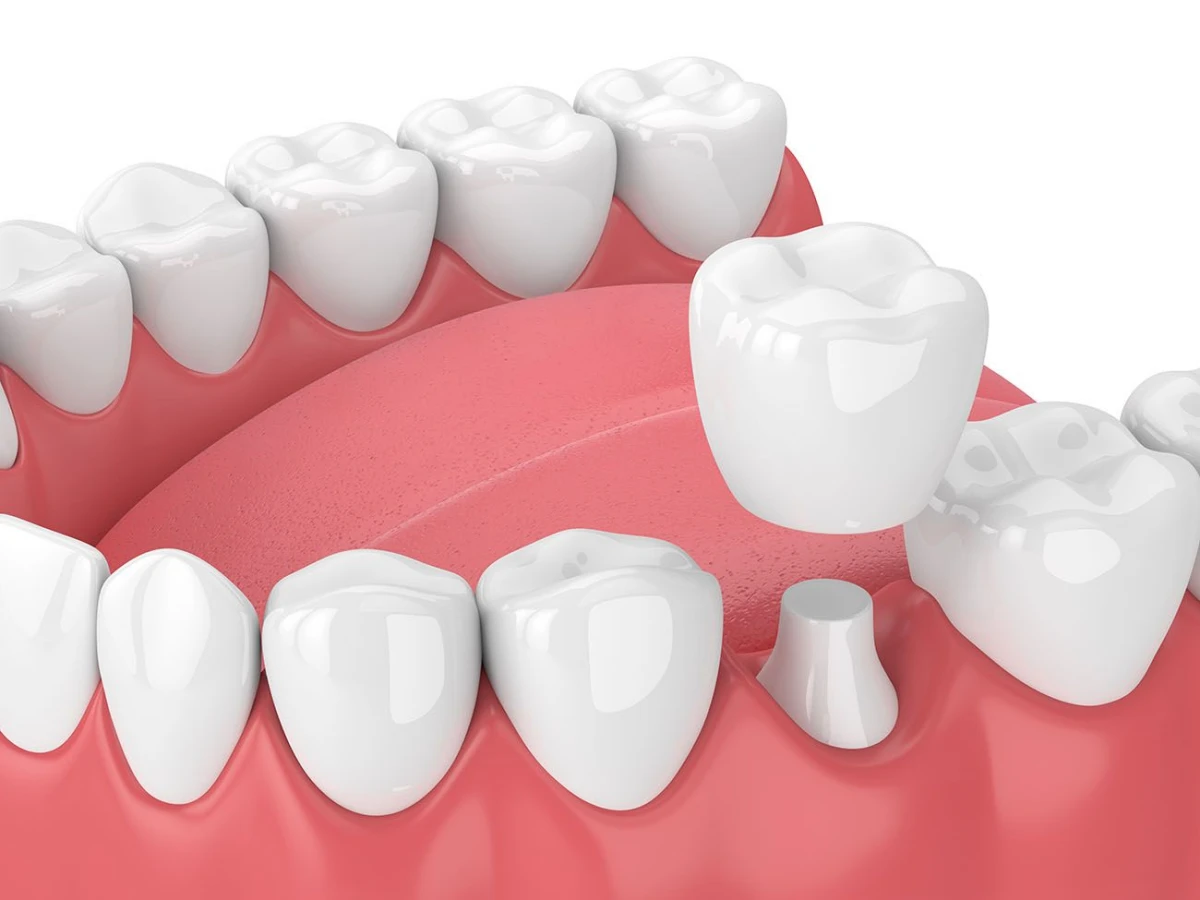
Emax & Empress veneer treatment is a restorative treatment performed with all-ceramic crowns that completely cover the visible part of the tooth, contain no metal, and have high esthetic properties. Here, the term “veneer” refers to a crown restoration; in other words, the tooth is reduced by a certain amount and a ceramic structure that covers the entire tooth is cemented on top.
Emax and Empress systems are powerful options in anterior esthetics because they provide a natural-tooth-like translucency. Emax is usually a lithium disilicate-based glass ceramic, and this structure offers a balance between esthetics and strength. Empress is known as a leucite-reinforced glass ceramic; it can produce highly successful results especially in terms of color depth and natural appearance.
Clinically, these two systems can be used for single-tooth crowns, in some cases for laminate veneers (more conservative restorations covering the front surface of the tooth), and inlay/onlay restorations. However, since the heading here is “crown,” the crown-based approach is more prominent. The main difference of this treatment compared with metal-supported crowns is that it can produce more natural esthetic results. Because there is no metal substructure, the risk of a dark shadow forming in the gingiva is reduced, and light can pass through the restoration more like a natural tooth.
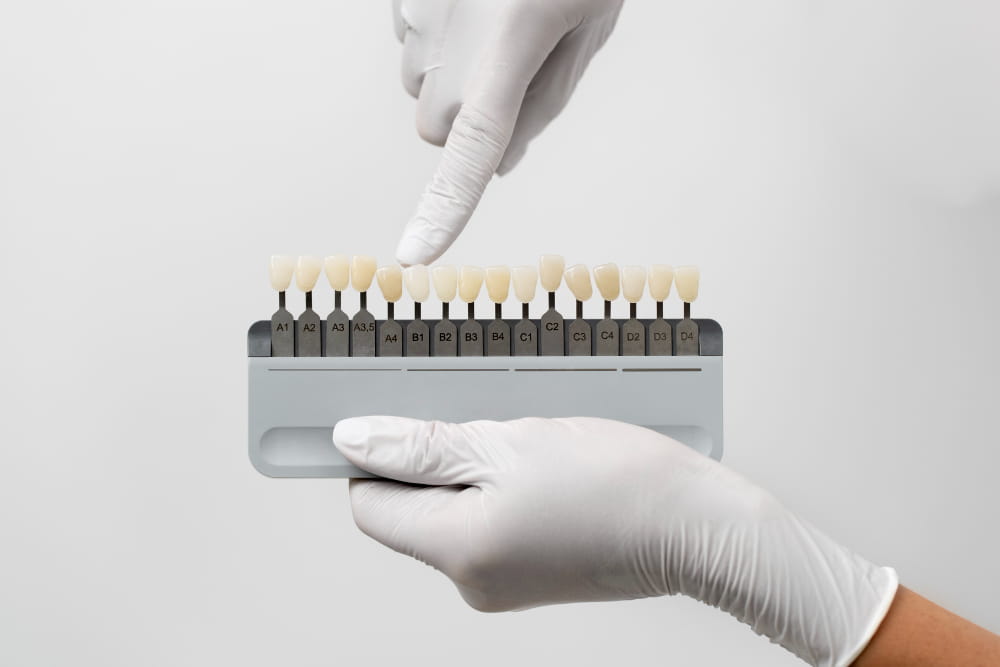
In addition, with proper laboratory characterization, color transitions, surface texture, and gloss can be produced more realistically. In this way, the aim is to achieve results where “it is not obvious that a crown has been placed.” Of course, this goal depends on factors such as the initial color of the tooth, gingival level, form of adjacent teeth, and the patient’s smile line.
How Is Emax & Empress Veneer Treatment Performed?
Emax & Empress veneer treatment is a multi-stage process in which esthetic and biological details are carefully managed. At the first appointment, an examination is performed; caries, old fillings, cracks, gingival health, and the bite relationship are evaluated. X-rays are used to check the root and surrounding tissues of the tooth.
Esthetic goals are discussed: the color, length, shape of the teeth, smile line, and expectations for symmetry are clarified. If work is to be done in the anterior region, photographic records and, if necessary, digital smile design may be included in the planning. In the next stage, tooth preparation is carried out. In all-ceramic systems, a certain thickness of material is necessary for both esthetics and durability.
For this reason, a controlled amount of reduction is made from different surfaces of the tooth. The preparation boundaries (finish lines) are planned to be compatible with the gingiva; margins that end too deep can create cleaning difficulties, while margins that remain too superficial can cause esthetic problems. This balance is adjusted according to gingival health and esthetic expectations.
Next, impressions are taken. This can be done with conventional methods or with a digital scanner. In all-ceramic crowns, impression accuracy is very critical because marginal fit requires micron-level precision. After impressions, a temporary crown is often made. The temporary crown protects the tooth from hot/cold sensitivity, provides esthetics, and keeps the gingival form stable.
Especially in the anterior region, the temporary restoration may play a role in guiding the gingival contour (emergence profile). In the laboratory stage, the Emax/Empress restoration is fabricated and characterized. Then, at the try-in appointment, the color, shape, contacts, and bite are checked. If appropriate, the bonding phase begins.
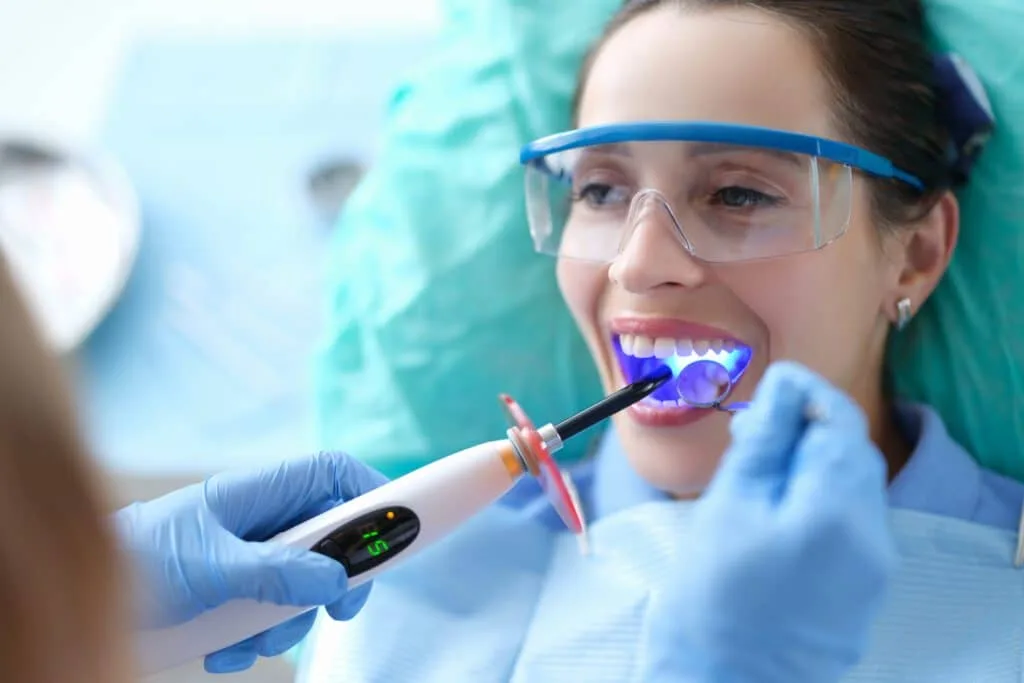
In all-ceramic restorations, the adhesive bonding protocol is decisive for long-term success: isolation, tooth surface preparation, ceramic surface treatment, and cement selection are performed carefully. Finally, bite adjustment is made and polishing is completed. During follow-up appointments, gingival adaptation and patient comfort are monitored.
Who Is Suitable for Emax & Empress Veneer Treatment?
Emax & Empress veneer treatment can be a suitable option for patients with high esthetic expectations and a desire for metal-free restorations; however, suitability must always be evaluated together with the structural condition of the tooth and the bite forces. The most suitable patient profile is generally someone seeking esthetic improvement in the anterior region, with stable gingival health, good oral hygiene, and controlled habits that create excessive forces such as teeth clenching.
These crowns are especially preferred in situations such as: permanent tooth discoloration (for example after trauma or after old root canal treatment), altered tooth shape, unwanted gaps between teeth, incompatible old restorations in terms of color and shape, or when the appearance of the tooth negatively affects overall smile esthetics.
However, if the tooth has very extensive material loss, additional support may be needed for retention; in some cases, the material choice may differ. In patients with bruxism (teeth clenching and grinding), the Emax/Empress plan is made more cautiously. Because these habits create repeated lateral forces on the restoration, which can increase the risk of crack/fracture in all-ceramic restorations. In these patients, night guard use is often discussed as an inseparable part of treatment.
In addition, in posterior teeth exposed to very high chewing forces, the material choice is evaluated case by case; in some patients, a different restorative plan may be safer. Gingival health and hygiene suitability are also decisive. In patients with gingival bleeding, active periodontitis, or heavy tartar accumulation, periodontal treatment should be done first. Because even if the marginal fit of all-ceramic crowns is excellent, gingival recession and esthetic loss may occur if gum inflammation continues.
In summary, suitability for Emax & Empress crowns is based on the balance of esthetic need + structural adequacy of the tooth + controlled forces + healthy gums.
What Should Be Considered Before Emax & Empress Veneer Treatment?
The first thing to consider before Emax & Empress crowns is that active problems in the mouth should be treated first. If there are caries, leaking old fillings, gingival inflammation, tartar buildup, or infection foci, these should be stabilized first. Because all-ceramic crowns require sensitive marginal fit and a precise bonding protocol; if the underlying tooth tissue is not healthy, long-term success is at risk. For this reason, tartar cleaning and hygiene education are often recommended before treatment.
Esthetic planning is very important in this treatment. What shade will be chosen, what will the length and shape of the teeth be, and how will harmony with the smile line and lip movement be achieved? These questions should be clarified during the examination. If work is to be done in the anterior region, photographs and, if necessary, digital planning help clarify expectations.
In some patients, teeth whitening may be planned before the crowns; because when the natural teeth become lighter, the selected shade of the crowns can be more harmonious. This plan is made according to the dentist’s evaluation. Bite analysis is also a critical step. Especially in patients suspected of clenching or grinding, this condition should be recognized and planned for before treatment.
Although all-ceramic systems are very esthetic, the risk of fracture increases under uncontrolled forces. Therefore, night guard planning, occlusal adjustment, and material selection should be discussed before treatment. From a practical standpoint, the adhesive bonding protocol in Emax/Empress crowns is quite sensitive. Therefore, it is important to be able to maintain intraoral isolation (control of saliva) on the appointment day; for example, patients with nasal congestion may find it difficult to keep their mouth open for a long time.
In addition, the treatment requires several appointments; during the temporary crown period, care should be taken with hard and sticky foods. When all these processes and responsibilities are clearly discussed before treatment, both patient satisfaction and clinical results become more predictable.
What Should Be Considered After Emax & Empress Veneer Treatment?
After Emax & Empress crowns, the first thing to ensure is that the bite contacts are correct. All-ceramic restorations are durable when planned correctly; however, high bite or incorrectly directed contacts can increase the risk of cracks over time. Therefore, if there is a feeling in the first days that “my tooth feels high,” or if there is discomfort while chewing or jaw muscle fatigue, it is important not to delay a follow-up visit.
A small occlusal adjustment can significantly reduce the risk of future fracture. The second important issue is oral hygiene. A crown covers the tooth, but there is a margin where the crown ends at the gingival border, and plaque accumulation occurs most easily there. Therefore, brushing at least twice a day with the correct technique and using floss or interdental brushes are very important.
Even when the marginal fit is good in all-ceramic crowns, gingival inflammation and recession can occur if cleaning is inadequate. When the gums recede, the crown margin becomes more visible and the esthetic result is negatively affected. Eating habits also affect the lifespan of crowns. Chewing ice, cracking nuts with your teeth, or opening hard packages with teeth can create microcracks in porcelain.
In addition, very sticky foods may cause discomfort for some patients, especially during the transition period. In general, the idea that “teeth will not be damaged because there are crowns” is not correct; a crown protects the tooth, but it does not eliminate excessive mechanical trauma. In patients with bruxism (teeth clenching and grinding), night guard use is often a critical protective measure. The night guard reduces lateral forces on the restorations and lowers the risk of fracture. During regular check-ups, the crowns’ marginal fit, gingival health, color stability, and bite balance are monitored. With proper care and regular follow-up, Emax/Empress restorations can be used safely for many years with both esthetics and function.
In Which Situations Is Emax & Empress Veneer Treatment Applied?
Emax & Empress veneer treatment is applied especially in situations where esthetic expectations are high and metal-free restorations are desired. If the goal is to achieve a natural look in terms of color, shape, and light transmission in the anterior region, these all-ceramic systems provide strong options.
If the tooth has permanent discoloration (for example discoloration after trauma or color changes after some old root canal treatments), if the tooth shape is altered, or if there is a clear asymmetry in smile esthetics, a more homogeneous and natural appearance can be planned with Emax/Empress crowns. This treatment is also applicable when old restorations are esthetically insufficient.
For example, if there is dark shading at the gingival margin, an opaque appearance in porcelain, or a color mismatch in metal-supported crowns, and gingival health is also appropriate, a transition to all-ceramic systems may be planned. In addition, in cases with shape irregularities between teeth, asymmetry in tooth lengths, or significant enamel defects, form correction can be done with crowns.
In functional indications, the structural need of the tooth is decisive. In teeth with large fillings or extensive material loss, a crown may be planned to strengthen the tooth. However, material selection is case-based here because forces may be higher in the posterior region.
Emax, being more durable than Empress, may be preferred in some posterior single-tooth cases; Empress may be more suitable in areas with more controlled loading. Still, risk management is essential in patients with bruxism with both systems. Emax/Empress crowns are generally applied in single-tooth or short-span restorations when a result very close to natural tooth esthetics is desired.
Long bridge plans, advanced bite disorders, or cases with very high forces may be better suited to alternative materials and different restorative plans. The most correct indication is determined with examination and bite analysis.
Why Is Emax & Empress Veneer Treatment Performed?
Emax & Empress veneer treatment is performed to provide a natural and esthetic appearance, restore tooth function, and protect the tooth structurally when necessary. The most obvious advantage of these restorations is that they contain no metal and have high translucency.
The natural enamel-dentin structure of the tooth transmits and reflects light in a certain way; all-ceramic systems can mimic this optical behavior better. For this reason, they are especially preferred in patients who want a “natural tooth-like” appearance in the smile line. Another reason is gingival esthetics.
In metal-supported restorations, some patients may show a dark line or gray reflection at the gingival margin. This risk is lower with all-ceramic crowns. This is especially important esthetically in patients with a thin biotype (thin gums). In addition, with laboratory characterization, the tooth surface texture, opaque-translucent transitions, and color depth can be customized; this significantly improves the esthetic result.
Emax/Empress crowns are made not only for esthetics but also for function and restorative needs. For example, the anatomy of a tooth with a large filling or altered shape can be rebuilt, contact points can be adjusted, and chewing function can be improved. Especially in the anterior region, broken or worn incisal edges can be reconstructed with crowns.
This can also contribute to function and phonetics (the production of certain sounds). However, the goal of this treatment is not “the same for everyone.” In some patients, the aim is only to achieve esthetic harmony in one tooth, while in others symmetry and proportion are adjusted in several teeth as part of a smile design.
For this reason, Emax & Empress crowns are restorations that can provide long-term satisfaction when planned with high esthetic control and the correct indication. Success is directly related to proper case selection, proper preparation, precise impressions, good laboratory work, and the correct bonding protocol.
How Long Does Emax & Empress Veneer Treatment Take?
The duration of Emax & Empress veneer treatment depends on the number of teeth to be treated, the difficulty of preparation, the impression method (digital/conventional), the laboratory production time, the need for try-ins, and additional treatments. To understand the process correctly, two separate time frames should be considered: the number of clinical appointments and the total calendar time.
If a single tooth is being restored with Emax or Empress, 2–3 appointments are sufficient in most cases. At the first appointment, examination, tooth preparation, and impressions are taken; a temporary crown is made. At the second appointment, try-in and bonding may be planned; in some cases, try-in and bonding are separate appointments.
If esthetic crowns are planned for multiple teeth, especially in the anterior region, the try-in phase is carried out more carefully. Additional try-in appointments may be required for color harmony, symmetry of the teeth, harmony with the face line, and patient expectations. Although this seems to extend the process, it significantly increases esthetic success.
Laboratory time may vary depending on the technique used. Since characterization (color transitions, surface texture, translucency adjustment) can be done in more detail in Emax/Empress restorations, production requires precision. In some clinics, CAD/CAM may speed up the process; however, for high-esthetic cases, the laboratory stage remains important for personalized characterization.
Additional treatments can affect the timeline: if there is gum inflammation, periodontal treatment is required first; if there is caries or a need for root canal treatment, these must be completed first. In patients with bruxism, a night guard plan may also be added.
The most accurate duration information is clarified with a personalized plan after examination, so both clinical appointments and the laboratory schedule can be set realistically.
Emax & Empress Veneer Treatment Prices
The prices of Emax & Empress veneer treatment vary depending on the number of teeth to be treated, the ceramic system chosen (Emax or Empress), the level of laboratory workmanship (characterization, color transitions, surface texture), the impression method (digital/conventional), the current condition of the tooth (old crown removal, need for filling/root canal treatment, periodontal treatment requirements), and any additional procedures planned.
For this reason, talking about a “single price” is usually not correct; because even under the same material name, the scope can differ significantly between cases. Especially when planning esthetic crowns in the anterior region, the try-in processes and laboratory characterization may be more detailed for color harmony and symmetry.
In some patients, steps such as whitening before crowns, gingival contour adjustment, or guiding the gingival contour with a temporary crown may be required; these steps can make the result more natural and longer lasting, but they may also affect the treatment plan and cost items.
To get up-to-date and personalized information about Emax & Empress veneer treatment prices, you should contact us. After examination and necessary evaluations, we explain which ceramic system is more suitable for you, how many teeth it will be applied to, and the resulting cost plan in a transparent manner.