Have you ever felt throbbing, aching, or pressure in a tooth that had a root canal years ago? It surprises many patients: a tooth that was “fixed” suddenly hurting again years down the line. Rest assured, you’re not alone. Persistent or sudden pain in a root-canaled tooth can be confusing and unnerving, but it’s a common scenario in dental practice. Sometimes the symptoms are mild—like sensitivity or dull discomfort—other times, they’re severe enough to interfere with chewing, sleep, and daily life.
When a root canal is performed, the inside of the tooth is cleaned out and sealed, but no treatment is 100% immune to future issues. Possible causes include new infection, cracks in the tooth, complications with the original procedure, or even issues with nearby teeth or gums. Sometimes pain crops up five, ten, or even twenty years after the original root canal—and often patients wonder if their tooth can be saved or if extraction is inevitable.
If you’re facing pain in a tooth with an old root canal, this guide will walk you through the possible causes, what symptoms to monitor, best practices for diagnosis, treatment options, and practical prevention tips based on both current research and years of clinical experience. You’ll see what to expect at each step and how to advocate for your dental health. Let’s clear up the confusion around this all-too-common problem and help you regain comfort and control.
Common Causes of Pain After a Root Canal
Even years after successful treatment, teeth that have had a root canal can develop pain for a wide range of reasons. As someone who’s retreated hundreds of post-root-canal cases, I’ve seen clear patterns. Most commonly, bacteria find their way back into the root system or surrounding tissues. This can arise if a microscopic crack or untreated canal remained hidden during the original procedure. In a comprehensive review published in the International Endodontic Journal, up to 9% of retreatment cases had missed anatomy as a factor.
Another frequent cause: problems with the restoration. A crown or filling placed after the root canal forms the protective outer shell of the tooth. If this seal is compromised due to decay, a fracture, or a poor fit, bacteria have an open door to the tooth’s interior. It’s not just the tooth itself—the structures around the tooth, like the bone and periodontal ligament, can contribute to pain if inflamed or infected.
Occasionally, a root fracture develops. These vertical cracks are tough to spot on standard x-rays and produce stubborn symptoms. Bite pain or sensitivity to pressure usually points toward this issue. Chemical irritation from debris left behind, or in rare cases, an allergic reaction to certain filling materials, can also cause ongoing discomfort.
- Missed or untreated root canals: Some teeth (especially molars) can have complex root systems with hidden canals that aren’t detected in the first procedure.
- Reinfection: Decay under a filling or crown, a leaking restoration, or gum disease can allow bacteria to re-enter the tooth.
- Root fracture: Vertical root fractures often produce persistent pain and require special imaging or exploratory treatment to detect.
- Chronic inflammation: Scar tissue, residual infection at the root tip (called a periapical lesion), or inflamed adjacent tissues sometimes create symptoms years later.
- Occlusion trauma: If the way the teeth meet puts too much force on the root-treated tooth, it can result in discomfort and sensitivity.
Understanding the mechanism is key to choosing the right solution. Every persistent symptom deserves a thorough evaluation to pinpoint the source.
Signs and Symptoms to Watch For
When it comes to a tooth with a previous root canal, don’t ignore new discomfort or changes in how it feels. Key signs you should monitor include:
- Pain when biting: A root-canaled tooth should not be sensitive to normal pressure. If pressing or chewing triggers pain, it could signal fracture, infection, or an issue with the restoration.
- Lingering sensitivity: Unlike untreated nerves, a root canal tooth shouldn’t be sensitive to cold or heat. If you feel aching after eating hot or cold foods, that’s a red flag.
- Swelling or gum changes: Puffy gums, a pimple-like bump (fistula), or persistent swelling in the area points to infection.
- Pain that comes and goes: Intermittent pain can happen with small cracks, chronic infection, or inflammation around the tip of the root.
- Foul taste or odor: Chronic infection sometimes drains through the gums, leading to bad taste or odor that persists despite brushing.
- Loosening of the tooth: If your tooth feels less stable, infection might be weakening the ligament or bone.
Most people describe a deep, throbbing ache, but sometimes pain is mild and easy to dismiss. Nighttime pain or pain that wakes you up is often a warning sign that shouldn’t be overlooked. Unusual pressure or a “high” feeling when biting down is also worth noting. The sooner you recognize concerning symptoms, the sooner you can take action.
When to See a Dentist
Too many people try to tough out post-root-canal pain, believing it’s “normal” or hoping it will disappear. While a little tenderness in the days after a root canal is expected, pain years later is never normal and always deserves professional evaluation.
Timely intervention can mean the difference between saving your tooth and needing extraction. Schedule a dental appointment if:
- Pain persists for more than two days or worsens with time
- You notice swelling in the gums or face
- The tooth feels loose, or your bite changes
- There’s a foul taste, pus, or recurrence of pain at any point
- You have a fever or feel ill, which could signal the infection spreading
It’s better to be safe than sorry. Bacterial infections can escalate quickly—especially in immune-compromised individuals. Dentists have a range of diagnostic tools, including advanced imaging, that can uncover subtle problems. If your dentist isn’t sure, ask for a referral to an endodontic specialist. Acting promptly keeps options open and maximizes the likelihood of saving your tooth.
Diagnosis and Evaluation Methods
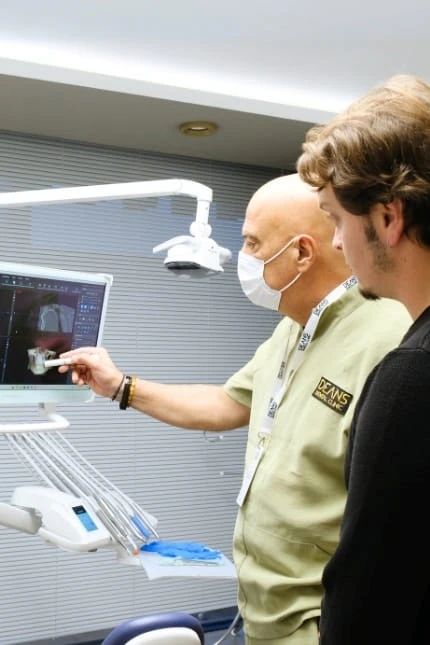
Diagnosing the source of pain in a root-canaled tooth can be like detective work. Years of clinical observation have shown that a simple x-ray often isn’t enough to see the whole picture. That’s why a good evaluation starts with a detailed dental history. We’ll ask about prior symptoms, timing, onset, and any triggers. Next comes a thorough visual and tactile exam—gently probing the gums, checking the mobility, and looking for signs of swelling, sinus tracts, or gum discoloration.
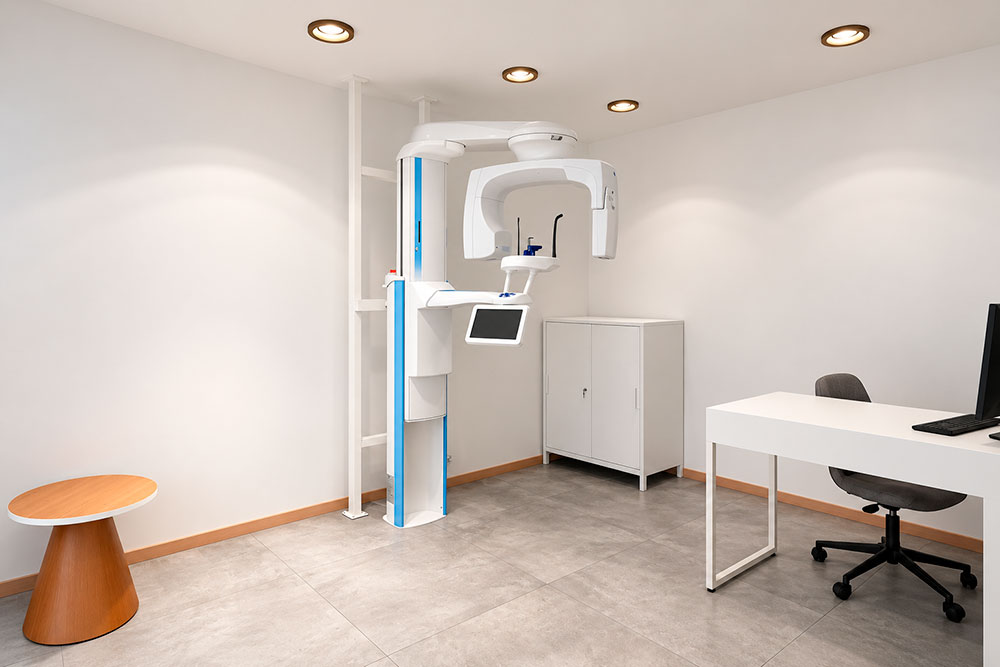
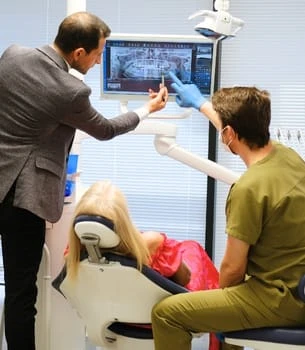
Standard periapical x-rays are used to evaluate the condition of the bone around the roots and look for dark spots (periapical radiolucencies) that often indicate infection or chronic inflammation. Cone Beam CT (CBCT) scans have changed the game for tricky post-root-canal cases. They provide a 3D look at the root structure, helping expose missed canals, cracks, and small areas of bone loss that standard x-rays can miss. In our clinic, we use CBCT in 70% of retreatment assessments.
Vitality tests—such as hot/cold sensitivity or electronic pulp testing—don’t typically provide new information in root-canaled teeth, but we sometimes use gentle percussion or biting tests to pinpoint pain’s location. Occasionally, a special dye can help expose fractures not visible to the eye. If gum or bone infection is suspected, probing depths are recorded to look for abnormal “pockets.”
Key diagnostic techniques include:
- Digital periapical and bitewing x-rays
- Cone beam CT scanning (for 3D imaging)
- Gentle probing of gum tissue
- Mobility testing
- Visual inspection for gum boils, swelling, or discharge
- Bite and percussion tests
With clear information, a targeted treatment plan becomes possible. A specialist may recommend exploratory procedures or even temporary removal of crowns to fully assess the situation.
Treatment Options for Post-Root Canal Pain
The correct treatment depends on the root cause of your pain. Retreatment (re-doing the root canal) is the most common approach when evidence of infection or missed canals emerges. In practice, retreatment involves removing the existing root canal filling material, cleaning the canals again, treating infection with medicated rinses or antibiotics, and then resealing the area with a new filling. Success rates for retreatment are high—ranging from 70% to 88%—when the cause is properly identified.
If a visible crack or irreparable fracture is found, extraction is typically necessary, though modern implants or bridges offer reliable replacements. Endodontic surgery (apicoectomy) is another option, where the root tip and any infected tissue are removed surgically while leaving the rest of the tooth in place. This is especially useful for persistent infections at the root tip or difficult-to-access anatomy. Studies show apicoectomy can preserve a tooth for 10 years or more in roughly 80% of cases.
- Retreatment: Removal of old filling, disinfection, and resealing. Suitable for missed anatomy or reinfection.
- Apicoectomy: Surgical removal of the root tip and infected tissue through a small gum incision.
- Extraction and replacement: For vertical root fractures or severe bone loss. Replacement with implants, bridges, or removable prosthetics is discussed.
- Restorative repair: If the restoration (crown or filling) is the issue, replacing or patching it can resolve symptoms without further root work.
- Adjunct treatments: Antibiotics for acute infection, occlusal adjustment if bite alignment is a factor.
We guide you through each step—always striving to preserve your natural tooth when possible. Pain management, transparent discussions of prognosis, and follow-up are prioritized to protect both your health and your peace of mind.
Prevention Tips for Future Root Canal Issues
Preventing future problems starts before the original root canal is even performed, but it’s never too late to reinforce good habits. The most critical strategy is creating and maintaining a perfect seal—both inside the root and on the outer portion of the tooth. That means high-quality filling material, attention to every canal (even the hidden ones), and prompt restoration with a crown or onlay. Data published by the American Association of Endodontists shows teeth protected with crowns after root canals had a survival rate of over 90% at 7 years, compared with 66% for those without.
Daily oral hygiene is your first line of defense. Brushing thoroughly twice a day, flossing around your restored tooth, and using an antimicrobial rinse help prevent new decay or gum infections. Don’t underestimate the power of regularly scheduled dental exams—every six months is a good rule of thumb, sometimes more often for at-risk patients. These visits allow us to monitor restorations, spot potential problems early, and intervene before pain ever starts.
- Choose a qualified dentist or endodontist with experience in root canal therapy
- Never postpone getting a crown or definitive restoration after root canal treatment
- Avoid chewing hard foods or ice on root-canaled teeth; small fractures can develop unnoticed and years later cause major issues
- Wear a night guard if you grind your teeth—bruxism is a leading cause of root fractures
- Control underlying conditions, such as diabetes, that can slow healing or raise infection risk
With a partnership between patient vigilance and professional care, the odds of problems years after a root canal drop dramatically.
Potential Complications and Risks
Understanding possible complications provides reassurance and realistic expectations. Even with precise technique and immediate attention to aftercare, certain risks can’t be entirely eliminated. The most notable is persistent infection, with published failure rates for root canal therapies ranging from 3% to 8% over a 10-year window (according to systematic reviews in the Journal of Endodontics).
Root fractures sit high on the list, often requiring extraction due to the inability to seal or stabilize the tooth. Chronic inflammation in the surrounding bone can develop if a tiny amount of bacteria survives at the root tip. For patients with weakened immune systems, an untreated infection can, in rare cases, become life-threatening by spreading to the jaw, sinuses, or bloodstream.
Complications can also arise from:
- Overfilling or underfilling the root canal, which lets bacteria persist
- A poorly fitting crown or filling, allowing leakage
- Instrument separation (broken tools within the canal)
- Resorption or root shortening (the body breaks down its own root structure)
- Allergic or inflammatory reaction to certain root filling materials, though this is rare
Being aware of these risks allows patients and practitioners to respond early if something doesn’t feel right. Transparent, open communication with your dental provider is one of the strongest safeguards against complications.
Alternative Treatments and Second Opinions
Sometimes, patients feel uncertain after receiving a diagnosis or proposed treatment plan—especially when retreatment or extraction is on the table. In these cases, a second opinion is invaluable. Consulting another experienced dentist or, better yet, a board-certified endodontist can bring a fresh perspective; sometimes a different imaging technique, interpretation, or clinical approach makes all the difference.
For those seeking alternatives to standard retreatment, there are several options depending on case specifics:
- Apicoectomy (root tip surgery): This is considered when a tooth has already had root canal therapy, and infection persists at the apex. A minor surgical procedure targets just the problem area, often preserving the tooth.
- Extraction + dental implant: If the tooth cannot be salvaged—such as with vertical root fracture or severe bone loss—extraction followed by implant placement can provide a durable, long-lasting replacement. Modern implants have a >95% success rate at five years and, with proper care, often last decades.
- Bridges or partial dentures: For patients unable or unwilling to pursue implants, these time-tested approaches restore both function and appearance after tooth loss.
- Conservative monitoring: In cases with mild, stable symptoms and no evidence of active infection, periodic re-evaluation may be an option. This is rare but possible for patients averse to intervention.
We encourage patients to advocate for themselves—bring your x-rays, write down your questions, and don’t hesitate to seek clarity before moving forward. Every mouth is different; what’s best for one patient might not be suitable for another. Thoughtful, individualized care always produces the best long-term outcomes.