

Temporomandibular joint treatment encompasses the comprehensive diagnostic and therapeutic processes aimed at identifying and managing pain, sounds, locking, limited movement, jaw deviation, and functional disorders arising in the temporomandibular joint (TMJ) and related masticatory muscles. The temporomandibular joint is a complex joint connecting the lower jaw to the base of the skull, capable of both rotational and translational movements. Its proper function is closely related to the occlusion of teeth, coordination of chewing muscles, posture, stress levels, bruxism habits (teeth grinding and clenching), and some systemic joint diseases. Complaints often do not stem from a single cause; muscle-originated pain, intra-articular disc problems, degeneration of joint surfaces, trauma-related impairments, or occlusal load distribution issues may coexist. Therefore, the treatment plan is designed as a personalized protocol rather than a standard “one-size-fits-all” approach.
Temporomandibular joint problems can significantly affect the quality of daily life. Common symptoms include jaw fatigue and headache in the mornings, pain during chewing throughout the day, tenderness in front of the ear, clicking sounds when opening the mouth, jaw locking during opening or closing, decreased mouth opening range, jaw deviation to one side, tooth sensitivity, and signs of tooth wear. Some patients may describe sensations of fullness in the ear or tinnitus-like complaints; it should be noted that these symptoms are not always related to the joint, and differential diagnosis with ENT evaluation may be necessary.
The treatment approach often begins with conservative steps in most cases. Patient education, management of habits that stress the temporomandibular joint, hot-cold application protocols, short-term soft diet, muscle relaxation exercises, physical therapy applications, stress management, pain control, and night splints are among the first-line methods. The impact of occlusion and dental conditions on the joint is evaluated; missing teeth, high occlusal contacts from restorations, severe wear, or orthodontic problems can be incorporated into the treatment plan if present. For advanced intra-articular problems or cases unresponsive to conservative methods, advanced imaging techniques (MRI, CT if necessary) and intra-articular interventions (e.g., arthrocentesis) might be considered; such decisions depend on the type of complaint and findings.
The goals in this field are to reduce pain, increase joint mobility, make jaw opening and closing more controlled, restore muscle-joint balance, and reduce the risk of recurrence. The success of the treatment is closely related not only to accurate diagnosis and regular monitoring but also to the patient’s compliance with home care and habit changes.
What Is Temporomandibular Joint Treatment?
Temporomandibular joint treatment refers to the diagnosis and management of muscle- and joint-related disorders known as TMJ disorders. TMJ disorders are generally categorized into two main groups: muscle-originated (myofascial pain) problems and intra-articular issues (disc displacement, joint surface degeneration, arthritis-like conditions). In muscle-originated conditions, pain is more common and tends to increase with pressure; stiffness in jaw muscles, pain radiating to the neck and temple area, and morning fatigue are frequently observed. Intra-articular problems are often manifested by clicking sounds, locking, jaw deviation during mouth opening, and restricted mouth opening.
Treatment is not a “single procedure.” In most patients, the aim is to reduce joint strain, relieve muscle spasms, correct jaw movement patterns, and allow joint tissue healing. Therefore, patient education and behavioral adjustments form the foundation. Habits such as teeth grinding and clenching, constant tooth contact during the day, unilateral chewing, gum chewing, hard foods, nail biting, and pen biting can overload the joint. Managing these habits is a direct component of the treatment.
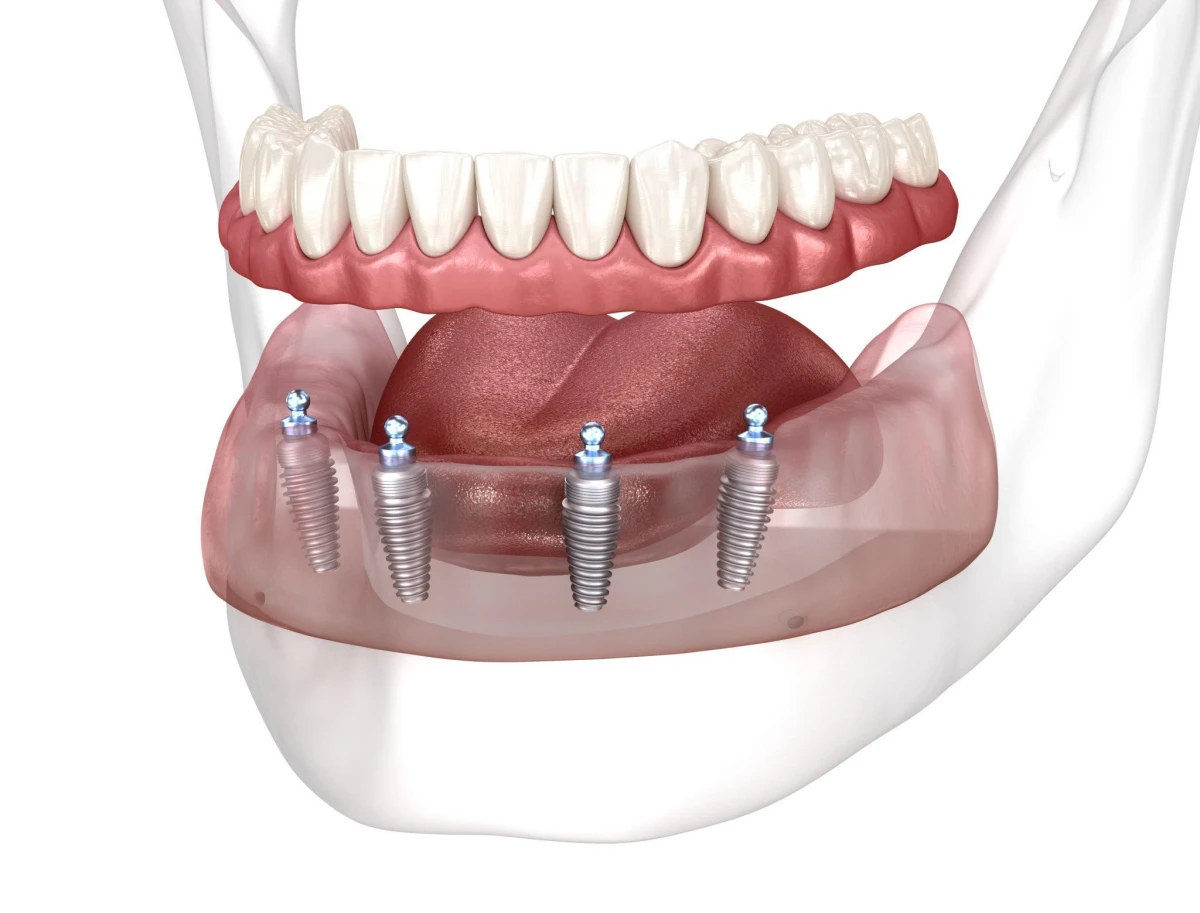
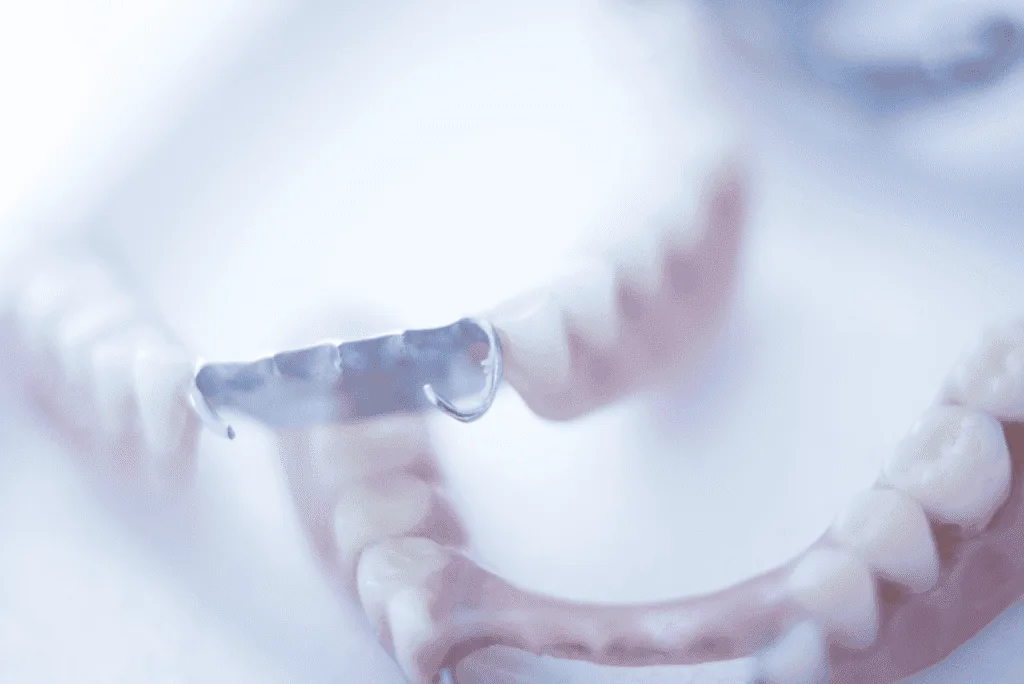
Splint therapies are commonly used in temporomandibular joint treatment. Night splints aim to distribute the forces of teeth clenching over a wider area, reduce muscle activity, balance the load on the joint, and protect tooth surfaces against wear.
Goals
The type of splint (such as stabilization splint, anterior deprogrammer) and the duration of use are determined according to the diagnosis. In some patients, better results can be achieved when used in combination with physiotherapy, manual therapy, and jaw exercises.
In more resistant intra-articular problems, minimally invasive procedures such as joint lavage (arthrocentesis) can be considered. This approach may be appropriate for patients to reduce intra-articular adhesions and control pain. At every stage, the goal is to restore function and comfort while avoiding unnecessary invasive procedures.
How Is Temporomandibular Joint Treatment Applied?
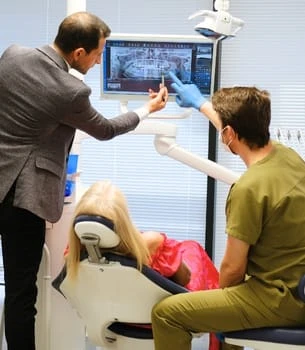
The treatment begins with a detailed evaluation. The patient’s complaints are questioned regarding the onset, location and spread of pain, changes between morning and evening, presence of clicking or locking, increase with chewing, relation to stressful periods, trauma history, and previous treatments. During the examination, mouth opening distance is measured in millimeters; normally for most adults, a range of approximately 35–45 mm is considered functional, but this can vary depending on the person’s anatomy. Deviation of the jaw to the right or left and joint sounds are evaluated during opening. The chewing muscles (such as masseter, temporalis) are palpated; pain points, muscle stiffness, and trigger points are noted. The occlusion relationship, wear marks, fractured/restoration height, and missing teeth are assessed.
Imaging is planned based on clinical findings. MRI is more informative for determining the position of the joint disk and soft tissues. CT/CBCT can be preferred for bone structures and degenerative changes. Advanced imaging is not mandatory for every patient; conservative treatment can begin for muscle-origin complaints that can be managed with clinical findings.
The first step of treatment is mostly conservative:
- Soft diet (usually 1–2 weeks): reducing hard and chewing-demanding foods
- Heat application: if muscle spasm is predominant, 10–15 minutes 2–3 times daily
- Jaw rest: reducing triggers like long talking, wide yawning, chewing gum
- Home exercises: controlled opening and closing, resting tongue on the palate, isometric exercises; dose and duration personalized
- Pain control: anti-inflammatory/analgesic regimen as deemed appropriate by the doctor
If a splint is planned, impressions or digital scans are taken, the splint is fabricated, and its fit in the mouth is adjusted. On initial delivery, occlusal contacts are checked one by one; the goal is to ensure the splint distributes load evenly on the joint. During follow-ups, wear marks on the splint and symptom changes are assessed for adjustments. In some patients, the approach is expanded with physiotherapy, posture regulation, and stress management support.
If locking attacks persist despite conservative steps, if there is a clear suspicion of intra-articular adhesion, or if pain becomes chronic, advanced interventions may be considered. Post-arthrocentesis rehabilitation, exercise, and follow-up programs are planned as part of the treatment.
Who Is Suitable for Temporomandibular Joint Treatment?
Temporomandibular joint treatment can be planned for almost any age group with complaints originating from the TMJ; suitability is evaluated based on the type and severity of the complaints as well as general health status and the manageability of accompanying factors. People experiencing jaw fatigue in the mornings, headaches in the temple area, signs of tooth clenching, tooth wear, pain during chewing, clicking noises from the joint, restricted mouth opening or jaw locking during opening and closing can be appropriate candidates. In some patients, complaints may be periodic, increasing during stressful periods and decreasing in calmer times. This fluctuation is especially common in muscle-origin problems.
For individuals with signs of teeth clenching and grinding, splint treatment and behavioral modifications can be a suitable initial approach. Patients with missing teeth, developed unilateral chewing habits, or occlusal imbalances may experience increased load on the joint; in these patients, joint treatment is evaluated together with restorative or orthodontic planning. Patients undergoing orthodontic treatment or who have recently received major restorations require adaptation to the new occlusal scheme and joint care.
Systemic joint diseases (such as rheumatic diseases)
In patients with systemic joint diseases, joint involvement may occur, so the treatment plan is carried out more coordinately; rheumatology consultation is sought if necessary. In patients with a history of trauma, intra-articular problems may develop after fractures or dislocations; in such cases, imaging and rehabilitation plans may be more detailed.
Important points in suitability evaluation
One of the important points in the suitability assessment is the presence of “alarm signs.” Conditions such as sudden onset and rapidly increasing swelling, fever, redness, inability to open the mouth, facial asymmetry, or significant occlusion disturbance after trauma should not be considered simple TMJ disorders and require an emergency evaluation. Treatment outcomes are more predictable in patients who can comply with conservative treatment steps, continue splint use, and regularly attend exercise and follow-up appointments.
What to consider before Temporomandibular Joint (TMJ) Treatment
Before treatment, providing a detailed description of the complaint is crucial for an accurate diagnosis. The location of the pain (in front of the ear, temple, cheek, jaw angle), its spread, changes during the day, whether it increases with chewing, presence of clicking or locking, degree of mouth opening limitation, and previously used medications and treatments should be clearly shared. If bruxism or teeth grinding is suspected, clues such as morning jaw fatigue, tooth sensitivity, or a partner hearing noises during sleep should be communicated to the dentist. Recently performed fillings/crowns, orthodontic movements, or long dental treatments that may fatigue the jaw muscles and trigger symptoms should be considered as they affect planning.
Medication use and systemic diseases must be fully reported. Medications such as blood thinners, muscle relaxants, antidepressants may affect pain management and interventional treatment plans. Conditions like rheumatic diseases, migraine, fibromyalgia can alter pain perception; in these patients, the treatment plan should be more holistic.
Identifying triggers before treatment is beneficial. Habits such as constant teeth contact during the day, jaw clenching, chewing gum, hard crusted foods, unilateral chewing, prolonged phone holding between shoulder and ear, and poor posture can overload the joint. The dentist may recommend resting the jaw and avoiding very hard foods until the examination. Severe locking or occlusion disturbances after trauma require prompt evaluation.
If a splint is planned, it is important that oral hygiene is good before the impression/scanning day and that there are no broken or loose restorations. Teeth surfaces must be clean for the splint to fit properly. Being prepared to use a night splint, accepting regular control appointments, and performing exercises are fundamental parts of treatment.
What to consider after Temporomandibular Joint Treatment
The precautions after treatment vary depending on the applied steps; the common goal is to support healing without exposing the joint and muscles to excessive load again. If splint use has started, the splint must be worn for the recommended durations and cleaned regularly. The splint should be cleaned daily with a soft brush and suitable cleaners and must not be washed with hot water, as it may cause deformation. Some patients may experience increased saliva or slight discomfort during the first days of splint use; adaptation usually develops quickly. If there is a feeling of “my teeth are closing differently,” the control appointment should not be delayed, as splint adjustments can affect joint load.
If an exercise program has been prescribed, it should be applied regularly. Exercises should not be aggressive with high repetitions in one day; the goal is controlled movement quality. Increases in mouth opening range, decreases in muscle tenderness, and changes in the frequency of clicking/locking are monitored. If symptoms worsen, new locking occurs, or severe pain develops, the program should be revised.
Nutrition and habit management are a continuation of treatment. Hard foods, prolonged chewing, gum, biting large sandwiches, and similar movements can overload the joint. Excessive jaw opening during yawning should be avoided. It can be beneficial for some patients to support the jaw. If clenching increases with stress, it is necessary to develop the habit of a “teeth non-contact” rest position during the day: lips closed, teeth not touching, tongue at the palate. Posture correction can indirectly affect jaw muscles by reducing tension, especially in the neck and shoulder muscles.
If an interventional procedure such as arthrocentesis has been performed, the medications prescribed by the physician, mouth opening exercises, and control plan must be fully followed. After the procedure, swelling, pain, or temporary limitation in mouth opening may be observed; findings such as increased fever, rapidly growing swelling, and severe pain require evaluation.
The end of treatment should not be considered as “zeroing the complaint,” but rather as controlling the loads that trigger the complaint and reducing the risk of recurrence. Regular check-ups, monitoring the wear of the splint, and evaluating the occlusion support long-term stability.
When Is Jaw Joint Treatment Applied?
Jaw joint treatment is applied in functional disorders related to the temporomandibular joint (TMJ) and masticatory muscles. Clicking sounds from the joint when opening or closing the mouth, friction/crepitus, pain in front of the ear during chewing, sensation of jaw locking, periodic locking, reduced mouth opening range, and deviation of the jaw to one side during opening are evaluated under this heading. In muscle-originated problems, headaches in the temples, stiffness in cheek muscles, sensitivity in the teeth in the mornings, and jaw fatigue are frequently observed. Flattening of the teeth, enamel cracks, and broken restorations can be signs of excessive forces.
Bruxism (teeth grinding and clenching) is one of the common indications for jaw joint treatment. Bruxism can increase the load on the joint and feed muscle pain. Joint complaints may develop or worsen in cases of long-term unilateral chewing, occlusal imbalance due to missing teeth, or high occlusal contacts from restorations. During orthodontic treatment or after large restorations, if occlusion changes, the adaptability of the joint can be challenged; in such cases, supportive treatment can be planned.
Displacement of the joint disc can cause clicking sounds and occasional locking. The condition where the disc does not return to its position can manifest as a “locked jaw,” with significant reduction in mouth opening. In such cases, the treatment approach is evaluated along with the duration and severity of symptoms. Degenerative joint diseases may show friction sounds and pain; management is planned for the long term. If pain and functional loss develop in the joint area after trauma, exclusion of fractures/dislocations and intra-articular evaluation are necessary.
Why Is Jaw Joint Treatment Performed?
Treatment is performed to reduce pain, make jaw movements more comfortable, control locking episodes, protect joint and muscle tissues, and reduce the risk of tooth wear and fracture. When jaw joint problems become chronic, the patient may experience continuous discomfort during chewing and speaking, which negatively affects sleep quality, nutrition, and daily functionality. When muscle spasm and joint pain coexist, a pain cycle may develop; the patient may use the jaw differently due to pain, which increases muscle load and exacerbates the complaint. Conservative treatments aim to break this cycle.
Bruxism behavior can cause damage to teeth and restorations. Enamel cracks, shortening of tooth length, and fractures in fillings and crowns may be seen. Splint therapy helps protect both the joint and teeth by distributing forces more evenly. Additionally, reduced muscle activity may decrease tension in the head and neck region. Occlusal imbalances can place unilateral load on the joint; in these cases, load distribution can be improved through restorative or orthodontic adjustments.
In cases of disc displacement, intra-articular friction and locking can occur. Appropriate treatment aims to regulate the movement pattern, reduce pain, and improve function. The goal in degenerative joint changes is to slow the process.
Jaw Joint Treatment Duration
The duration varies depending on the source of the complaint and the treatment stages applied. Muscle-related issues can show significant relief within a few weeks with proper habit modification, short-term diet adjustment, heat application, and exercises; in some patients, the process may take longer. When splint therapy is applied, the first follow-up is usually scheduled shortly; subsequent controls include adjustments of the splint and monitoring of symptom changes. Splint treatment may require regular use and follow-up for several months in many patients; if bruxism persists, longer-term protective use may be necessary.
In patients with a history of disc displacement and locking, the treatment process can be more variable. Rapid functional recovery may be possible with early intervention in acute locking conditions; rehabilitation is planned longer in chronic locking cases. In degenerative joint problems, the goal is long-term symptom control; follow-up periods may be spread over a wider timeframe.
When interventional treatments such as arthrocentesis are performed, the procedure day and the subsequent rehabilitation period are evaluated together. Post-procedure exercise and follow-up programs are essential to maintain the achieved range of motion. If there are additional plans such as restoration of missing teeth, occlusal rehabilitation, or orthodontic treatment, the total duration is significantly extended. After the examination, the expected follow-up intervals and overall schedule are clarified individually.
Jaw Joint Treatment Prices
Prices vary depending on the scope of the complaint, the examinations and analyses to be performed, necessary imaging methods (MRI/CT when required), treatment steps to be applied (splint, follow-up adjustments, physiotherapy support, interventional procedures), materials used, and accompanying restorative/orthodontic needs. If a night guard is planned, the type of guard, impression/scanning method, and number of controls may affect the cost plan. Advanced intra-articular interventions also involve anesthesia and clinical/hospital conditions, which can change the scope.
For up-to-date and personalized information about jaw joint treatment prices, you should contact us. After the examination clarifies the source of the complaint and the steps to be applied, a personalized treatment plan and related cost information will be shared transparently.