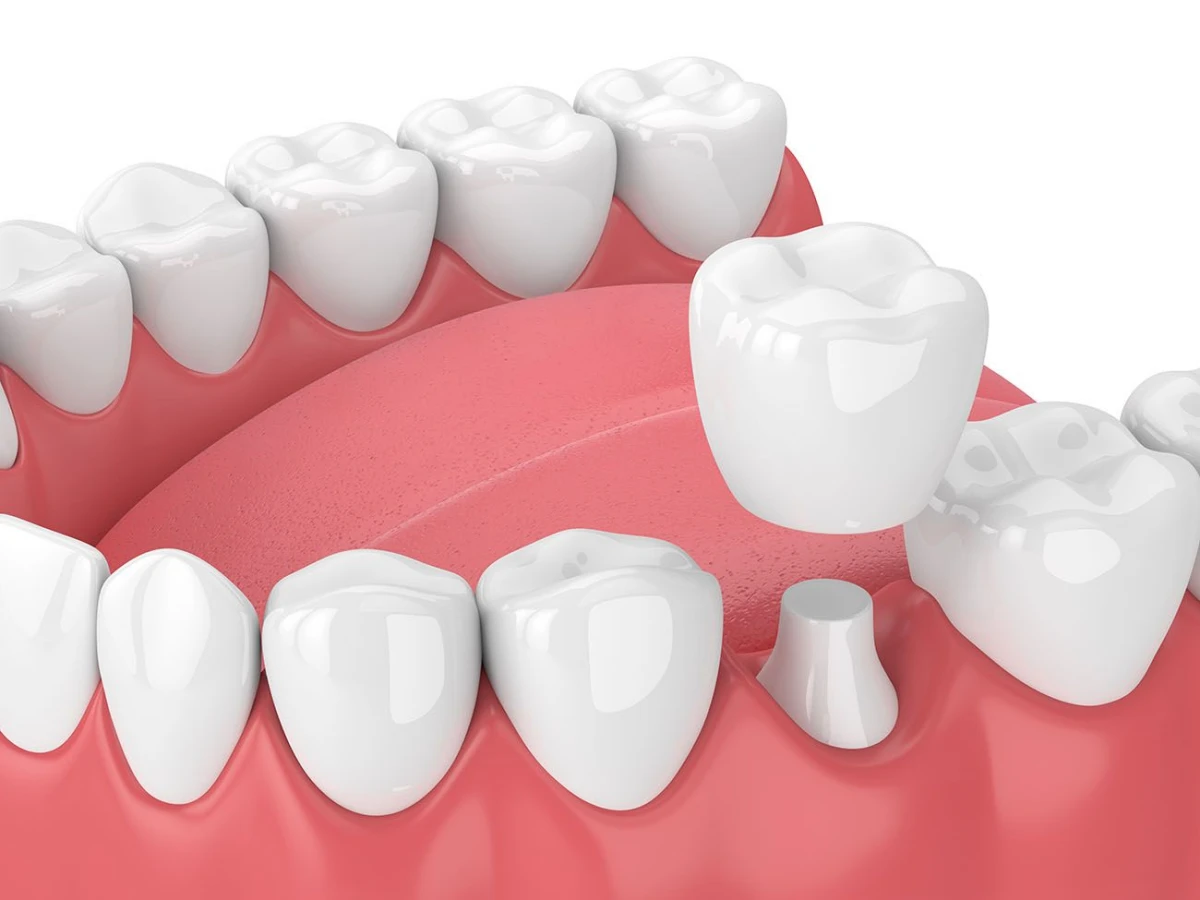
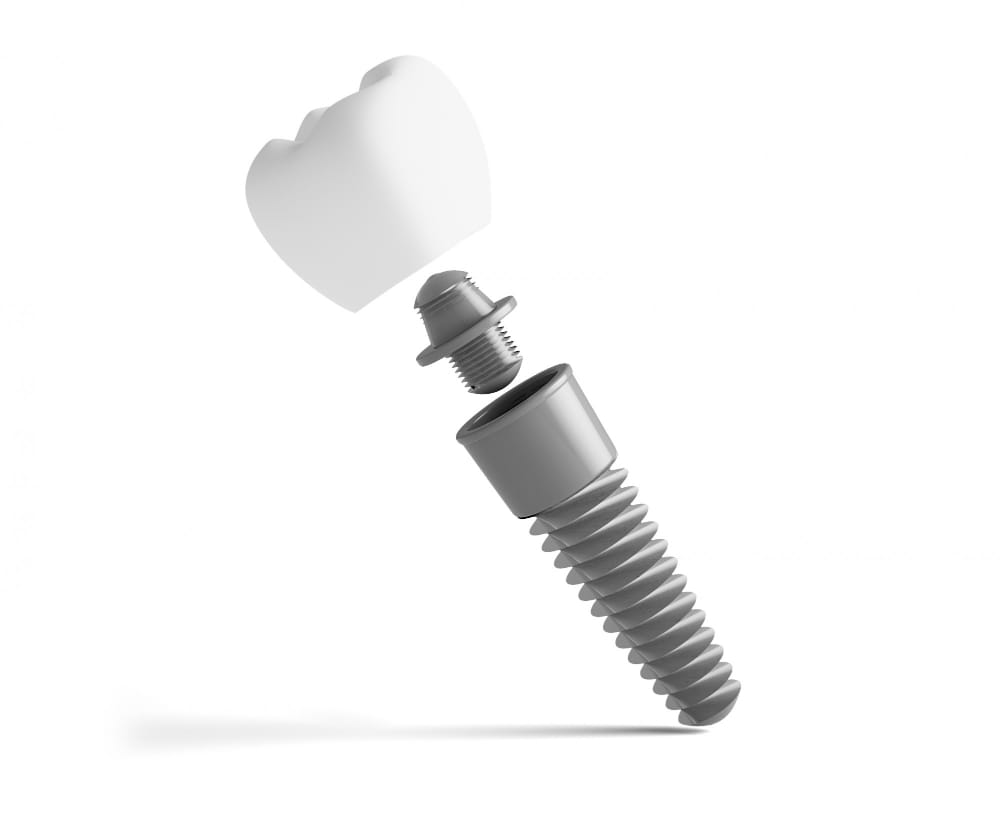


Laminate veneer (lamina) is a thin porcelain or, in some cases, composite-based covering applied to the front surface of the tooth, primarily used in aesthetic dentistry to improve the appearance of anterior teeth. Commonly known as “veneers” in everyday language, the main advantage of this treatment is its ability to significantly enhance color, shape, and symmetry while preserving as much tooth structure as possible in suitable cases. Unlike traditional full crowns that require extensive reduction around the entire tooth, laminate veneers usually involve minimal preparation on the front surface only; in carefully selected cases, very limited reduction or a “no-prep” approach may even be possible. However, no-prep is not suitable for every patient, and tooth position, volume, and occlusal relationships must be carefully evaluated.
The aim of laminate veneer planning is not to create “bright white and identical” teeth but to establish a smile that harmonizes with the face, has natural translucency, and aesthetically integrates with the gums. Therefore, criteria such as color selection, design of tooth shape according to facial type, midline and smile line alignment, and the length-to-width ratios of teeth are important. In modern clinics, this planning is supported by photographic records, digital smile design (DSD), impressions/digital scans, and laboratory wax-ups (designs on models). Subsequently, a mock-up (temporary trial inside the mouth) allows the patient to see an approximate result before treatment begins. The mock-up is highly valuable for both the dentist and the patient in making accurate size and shape decisions and minimizing unnecessary tooth reduction risks.
Technical details are decisive for the success of the application. Since porcelain laminates are generally very thin, the bonding protocol (adhesive cementation) directly impacts the durability of the result. The tooth surface is properly prepared, isolation is ensured, the internal surface of the porcelain is activated with special procedures, and it is bonded with suitable resin cements. Margin adaptation and correct planning of the finish lines at the gingival level are critical for long-term periodontal health and aesthetic stability.
When performed with the correct indication, laminate veneers can provide long-lasting aesthetics and function. However, habits generating high forces such as bruxism (teeth grinding and clenching) may increase the risk of fractures or cracks; therefore, occlusal planning is done carefully and a night guard is recommended in most cases. Additionally, laminate veneers do not “eliminate the need for maintenance”; they achieve longer longevity through regular check-ups, good oral hygiene, and professional polishing as needed. With proper planning, quality laboratory work, and appropriate care, laminate veneers are one of the most natural and durable solutions in smile aesthetics.
What Is a Laminate Veneer?
A laminate veneer is an aesthetic restoration prepared as a thin layer applied mainly on the front surface of the tooth, bonded to alter the tooth’s appearance. The most common type is porcelain laminate veneers because porcelain provides natural tooth-like translucency and color stability. Composite laminate veneers also exist; they generally allow quicker application and easier repair, but their long-term color stability and wear resistance can differ from porcelain.
With laminate veneers, the color, shape, length, and surface texture of the tooth can be redesigned. Small gaps between teeth can be closed, minor crowding can be aesthetically camouflaged, and chipped or worn incisal edges can be restored. An important point is that laminate veneers are used more to “improve aesthetics and surface form” rather than to “strengthen the tooth.” Teeth with extensive tissue loss, advanced decay, or severe occlusal disturbances may require different restorations.
Laminate veneers bond to the tooth with high adhesion strength when the bonding protocol is correctly followed. Therefore, the application depends on technical details such as proper tooth surface preparation, effective isolation, and precise laboratory fabrication. With appropriate case selection and correct technique, laminate veneers provide a natural-looking and long-lasting aesthetic result.
How Is Laminate Veneer Applied?
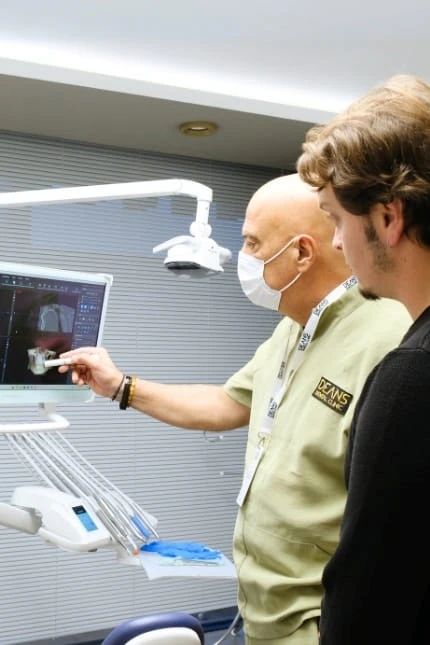
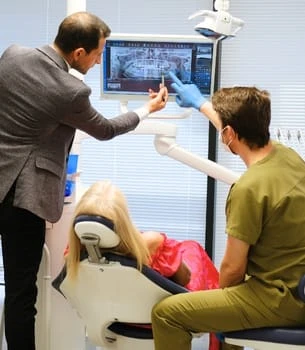
The application of laminate veneers is a multi-step process focused on planning and trials. During the first appointment, an examination is conducted; the alignment of the teeth, type of discoloration, gum levels, and occlusion are evaluated. If necessary, X-rays are taken to review the roots and surrounding tissues. Aesthetic goals are discussed and, in most cases, photographic records are obtained. Then, an impression or digital scan is taken to create a model. A wax-up can be performed on this model, and a mock-up can be tried in the mouth. The mock-up helps to clearly finalize the decisions on the tooth length and shape.
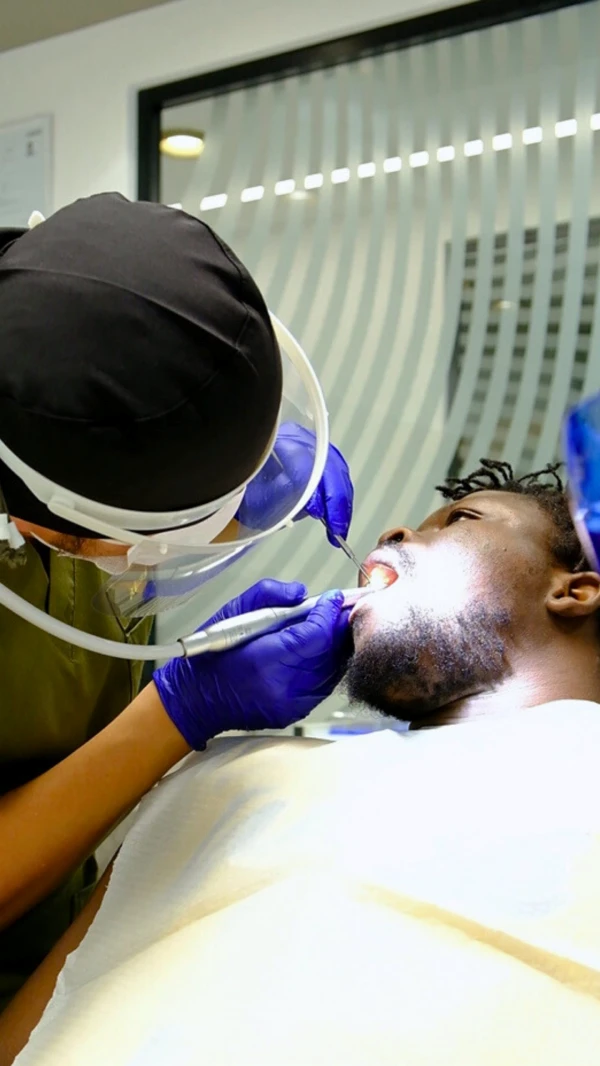
In the preparation phase, minimal enamel reduction is performed on the front surface of the teeth. The amount of reduction depends on the position of the teeth, the degree of discoloration, and the planned thickness of the veneers. The goal is to remain as much as possible on the enamel because bonding to enamel is stronger and more predictable. After preparation, a precise impression is taken, and in most cases, temporary veneers or restorations are applied. During the temporary period, the aim is to reduce tooth sensitivity and maintain aesthetic appearance.
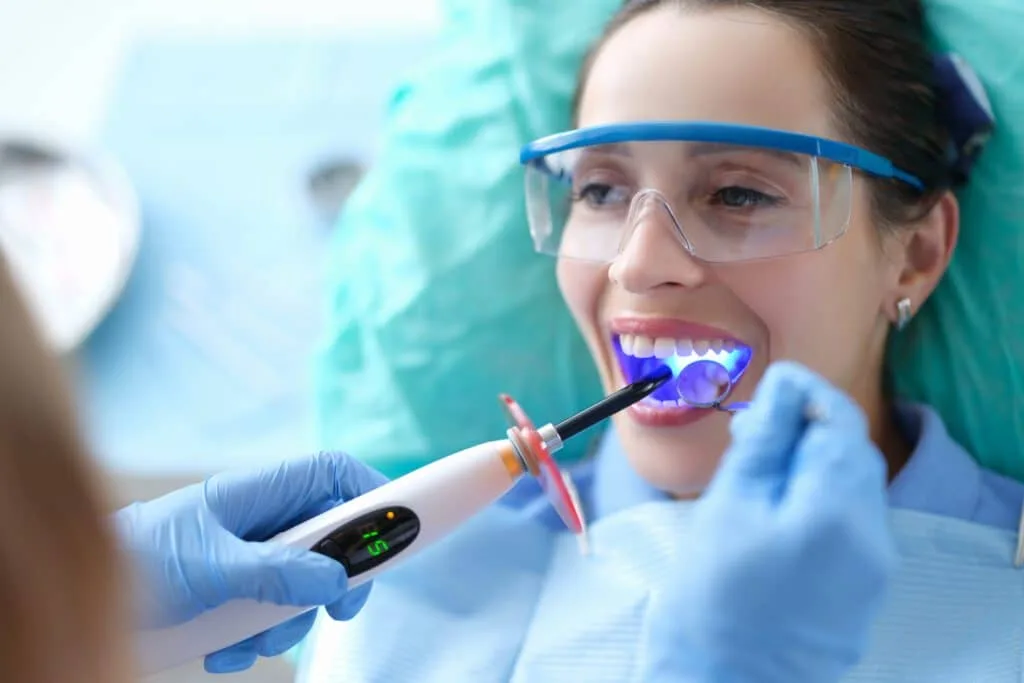
Laminate veneers are fabricated in the laboratory. During the trial appointment, color, shape, tooth arrangement, contacts, and smile line are checked. If necessary, minor revisions are planned. Once approved, the bonding phase begins. Isolation is critical during bonding. The tooth surface is prepared using adhesive protocols; the inner surface of the veneers (porcelain) is treated with etching and silane to activate bonding. Then, veneers are bonded with suitable resin cement and cured with light. Excess cement is removed, margins are polished, and occlusion is checked before completion.
Who Is Suitable for Laminate Veneers?
Laminate veneers may be appropriate for many patients who want to improve the esthetics of the anterior region and do not have excessive structural loss of their teeth. The most important common factor for suitable candidates is good gum health and the ability to maintain oral hygiene. Since the margins of laminate veneers are placed close to the gingival margin, inflammation or heavy plaque accumulation can cause both esthetic and biological problems. Therefore, if active periodontal disease is present, periodontal treatment should be performed first.
Indications for laminate veneers often include tooth discoloration, mild shape irregularities, small gaps between teeth, minor crowding, and chipped or worn edges. However, in cases of severe crowding, major occlusal discrepancies, or teeth positioned very far forward or backward, camouflaging with laminate veneers might cause the teeth to appear excessively bulky or increase biomechanical risks. In such situations, orthodontic correction of tooth position may be a more conservative approach.
Patients with bruxism (teeth grinding or clenching) can receive laminate veneers; however, the risk of cracks or fractures increases, so risk management is necessary. Occlusal adjustment, appropriate material selection, and, in most cases, the use of a night guard are recommended. The adequacy of enamel is also important. Laminate veneers ideally bond to enamel; if exposed dentin is extensive, the predictability of the bond decreases. Therefore, the existing restoration status and enamel quantity are evaluated during the examination.
In summary, an ideal candidate for laminate veneers is a person with stable oral health, good hygiene discipline, realistic esthetic expectations, and manageable occlusal forces. Suitability and treatment planning become clear after the examination.
What Should Be Considered Before Laminate Veneers?
The primary consideration before laminate veneers is to stabilize oral health. If there are cavities, leaking fillings, gum bleeding, periodontitis, or active infections, these issues should be treated first. Laminate veneers are an esthetic restoration; however, esthetic procedures performed on unhealthy tissues can cause problems shortly after. For this reason, dental calculus removal and gum care are often part of the pre-treatment plan.
The second consideration is to allocate sufficient time for planning and trial phases. Even millimetric changes in laminate veneers can significantly affect smile esthetics.
Details Should Be Clarified in Advance
To achieve optimal laminate veneer results, factors such as tooth length, width ratios, midline, smile line, surface texture, and brightness of the teeth must be clearly defined beforehand. Wax-up and mock-up procedures are therefore important. Thanks to the mock-up, the patient gains a concrete idea of whether the teeth will be longer, shorter, more square, or more oval. This stage reduces later regrets.
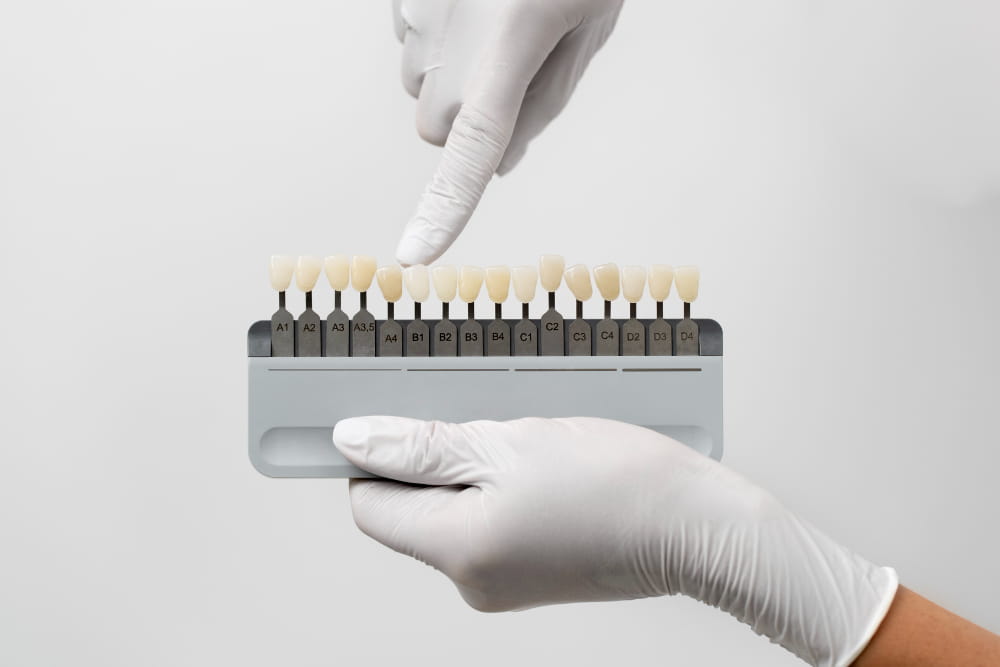
Color selection is also a critical step. If teeth whitening is to be performed, it is generally planned before laminate veneer application because once the natural tooth color has been lightened, the color of the veneer is determined accordingly. Existing restorations should also be evaluated: old composite fillings may need renewal or margin adjustments.
If bruxism is suspected, it must be communicated before treatment. Night grinding is a risk factor for laminate veneers. The dentist plans the occlusion accordingly and may recommend the use of a night guard after treatment. Finally, since there may be a temporary veneer period during the treatment process, the patient should be careful with hard and very sticky foods and comply with the appointment schedule.
What to Pay Attention to After Laminate Veneer
In the post-laminate veneer period, the goal is to protect the surface of the restorations and the bonding line, maintain gum health, and detect any possible complications early. Especially during the first few days, it is important not to bite hard foods with the front teeth, avoid cracking shell nuts with teeth, and refrain from habits such as nail-biting or pen-chewing. Laminate veneers are durable; however, due to their thin structure, they may be sensitive to “point trauma.”
Oral hygiene plays a critical role in the aesthetic stability of veneers. Brushing at least twice daily and daily floss use reduce plaque accumulation at veneer margins. Plaque buildup can lead to gum bleeding, recession, and long-term aesthetic deterioration around veneer edges. Additionally, regular professional cleaning and control appointments help maintain gum health. For some patients, periodic polishing may be recommended to preserve the surface’s shine and smoothness.
Occlusion control is also very important. After veneers are bonded, the dentist adjusts the occlusion; however, if the patient feels a “high” contact, pressure at a single point during chewing, or symptoms of night grinding, control should not be delayed. Night guard use is often recommended for patients with bruxism to distribute forces and protect the veneers.
In terms of color, porcelain laminate veneers generally possess high color stability; however, plaque accumulating in marginal areas and external factors can affect aesthetic perception. Composite restorations or natural teeth may stain differently than porcelain; thus, oral hygiene and regular maintenance are key to preserving the integrity of the smile over time.
In Which Situations Are Laminate Veneers Applied?
Laminate veneers are primarily used to correct aesthetic problems in the anterior teeth. Widespread discoloration that cannot be sufficiently resolved with whitening treatments is a significant indication for laminate veneers. They are also frequently used for cases involving tooth form irregularities (such as very small teeth or conical lateral incisors), spacing between teeth (diastema), aesthetic camouflage of mild crowding, repair of chipped or worn incisal edges, and renewal of old unsightly restorations.
When there is a discrepancy in tooth length or asymmetry in the smile line, a more balanced appearance can be achieved with laminate veneers. In some patients, gum levels also affect the aesthetic outcome; in these cases, gingival aesthetics can be planned alongside laminate veneers to create more harmony in the visible tooth length and smile line.
However, in cases of severe crowding, significant occlusal problems, or large structural tooth loss, laminate veneers alone may not be the ideal solution. Orthodontic treatment, crowns, or other prosthetic plans may be required. The decision on whether laminate veneers are appropriate is made through examination and digital planning.
Laminate Veneers and Smile Aesthetics
Laminate veneers are performed to make smile aesthetics more natural and balanced, improve the color and shape of teeth in a nearly permanent manner, and protect the dental tissue as much as possible during the process. Staining on teeth may not always be sufficiently corrected by whitening alone. Especially in cases of intrinsic discoloration or when the tooth appears structurally dark, laminate veneers provide a more predictable aesthetic result. Additionally, dental shape disorders, fractures, and wear can be aesthetically restored with laminate veneers.
An important advantage of this treatment is that it can be applied with minimal enamel reduction in suitable cases. Being more conservative than full crowns is valuable for preserving dental tissue. Porcelain laminate veneers also reduce the “artificial” look since they offer light transmission and surface texture similar to natural teeth. When correctly planned, a smile harmonious with the lips and face can be achieved.
Laminate veneers are also designed to correct symmetry and proportions. For example, if there is a height difference between teeth, gaps between teeth, or minor crowding, the alignment of teeth can be made to look more orderly. This can increase the patient’s satisfaction with their smile and improve social comfort. As a result, laminate veneer treatment is a long-lasting, tissue-conservative method that can achieve aesthetic goals and high patient satisfaction.
How Long Does Laminate Veneer Treatment Take?
The duration of laminate veneer treatment depends on the number of teeth to be treated, the extent of planning and try-in stages, and any necessary additional treatments. In most cases, the process progresses over several appointments: examination and planning, mock-up/try-in, tooth preparation and impression, try-in, and bonding. If detailed steps like wax-up and mock-up are performed, the treatment duration may extend; however, this significantly enhances the quality of results and patient satisfaction.
If gingival aesthetics are required, additional time is allocated for healing of the gum tissues. Whitening is usually performed before laminate veneers and the color selection is finalized after the results stabilize. If decay treatment, periodontal therapy, or orthodontic correction is needed, the total duration will accordingly increase.
The clinical phase of laminate veneer application is generally planned within a few days to weeks due to impression taking and laboratory work (depending on schedule, laboratory process, and appointment arrangements). The most accurate information about duration will be provided specifically after your examination and treatment plan is finalized.
Laminate Veneer Prices
Laminate veneer prices vary based on factors such as the number of teeth treated, the material used (porcelain laminate or composite laminate), the level of aesthetic detail in laboratory work (layering, characterization, surface texture), planning stages (digital smile design, wax-up, mock-up), additional procedures like gingival aesthetics, and preparatory treatments before the procedure (decay treatment, tartar removal, renewal of old restorations). Therefore, giving an exact price without an examination is not reliable; even under the same “laminate veneer” title, the treatment scope can differ from patient to patient.
For example, a plan involving minimal correction on only 2 front teeth is not comparable to a full smile rehabilitation covering 8–10 teeth. If the initial tooth color is very dark, the preparation and material plan may change to achieve the desired aesthetic result. Additionally, for patients with bruxism, protective applications such as night guards may be included in the treatment plan.
To obtain up-to-date and personalized information about laminate veneer prices, please contact us. After the examination and planning, we will transparently share the most suitable options for you and the associated cost plan.