
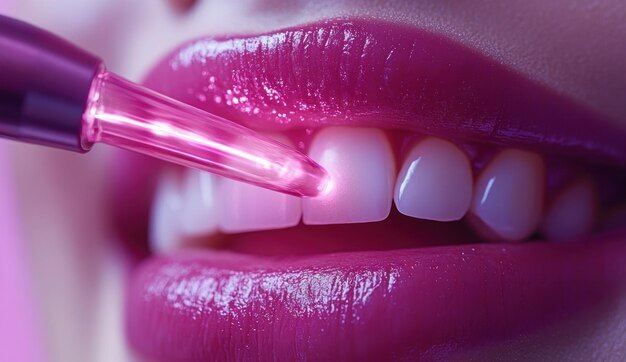
Pink dental aesthetics is a general term for treatments focused on improving the gumline, gum levels, thickness of gum tissue, papilla (interdental triangular gum tissue) shape, and the amount of gum visible during a smile, acknowledging that the “pink” gums are as decisive as the “white” visible teeth in smile aesthetics. Even if the teeth are very straight and white, an asymmetrical gumline, excessive gum display, uneven tooth length due to gum recession, or the presence of “black triangle” spaces between teeth negatively affects smile aesthetics. Pink aesthetics aims to make the smile appear more balanced, healthier, and natural in such cases.
This treatment approach is not a single procedure. Gum reshaping (gingivectomy/gingivoplasty), repositioning of gum levels, management of gummy smile, soft tissue grafts in areas with gum recession, supportive periodontal treatments in regions with papilla loss, biotype management, and combined treatments carried out alongside restorative/orthodontic planning can all be considered within the scope of pink aesthetics. The treatment choice depends on the source of the gum problem. For example, excessive gum visibility can sometimes be caused not only by excess gum tissue but also by short clinical crowns, lip movement, or the underlying bone level. Therefore, the examination and measurement phase is decisive for treatment success.
Biological principles are very important in pink aesthetics. Excessive tissue removal without considering the “biological width” and bone level while contouring the gums can cause problems such as gum recession and sensitivity in the long term. For this reason, a periodontal evaluation is performed before the procedure, probing measurements of the gum pockets are taken, and the visibility of the gums during smiling is analyzed with photos/videos. In cases deemed necessary, radiographic evaluation and planning with measurements/digital scanning are detailed.
Recovery times vary depending on the performed procedure. While return to daily life is rapid with simple contouring procedures, recovery monitoring and maintenance protocols are more detailed in cases where soft tissue grafts are planned. Smoking can adversely affect gum healing; therefore, smoking management is planned before and after treatment. Factors such as teeth grinding, incorrect brushing habits, and gum disease can affect the stability of pink aesthetic results.
Pink dental aesthetics is not only about a “more beautiful” smile; it is an approach that supports gum health, maintains the margin fit of restorations for a longer time, and creates an easier-to-clean oral environment. Considering pink and white aesthetics together in smile design paves the way for more natural and balanced results.
What is Pink Dental Aesthetic Treatment?
Pink dental aesthetic treatment is the entirety of aesthetic-periodontal procedures applied to enhance the harmony of the gums with the smile. The term “pink” represents the healthy color and visibility of the gums in the smile. Healthy gums appear as light pink tones, firm in texture, do not bleed during brushing, and evenly surround the tooth necks. If the gumline is not symmetrical or if gum levels vary in height between teeth, teeth may appear shorter or longer than they actually are. Excessive gum visibility can overshadow tooth length in the smile; gum recession disrupts the balance of tooth lengths and causes aesthetic loss due to visible root surfaces.
This treatment is not merely “cutting and reducing” the gum tissue. Gum aesthetics cover various goals such as reshaping the gum contour, aligning gum levels, supporting interdental papillae, managing gum recessions with grafts, and strengthening the gum biotype. The “black triangle” papilla loss appearance is related to tooth shape and the position of contact points between teeth in some patients; just focusing on the gum tissue is not sufficient.
Pink Esthetics Is Considered an Integral Part of Smile Design
For patients planned to receive porcelain veneers or crowns, if gum levels are irregular, achieving symmetry first through pink esthetics creates a more natural final outcome alongside the restorative plan. This approach not only enhances aesthetics but can also facilitate hygiene; a properly contoured gum environment is easier to clean, reducing plaque accumulation and bleeding risk.
How Is Pink Gum Esthetics Treatment Applied?
The procedure begins with a detailed periodontal examination. Gum bleeding, pocket depths, presence of tartar, areas of gum recession, gingival biotype (thin/thick tissue), and the amount of gum visible during smiling are evaluated. Photographic and video records are useful for assessing smile dynamics; some individuals do not show their gums at rest but have pronounced gum visibility when smiling. Radiographic evaluation examines bone level and periodontal support. These records assist in determining whether treatment can proceed with soft tissue alone or if bone level intervention is required.
The chosen procedure depends on the specific problem. In cases where the teeth appear clinically short and the gum line is too low, gingivectomy or gingivoplasty may be performed to reshape the gum contour. The goal of contouring is to establish a balanced line that makes tooth length appear harmonious at the millimeter level. In some cases, bone level adjustment is necessary to achieve results consistent with biological width requirements. For patients with a gummy smile, the source of lip movement and gum visibility is assessed; gum contouring alone may not suffice in such situations.
In areas with gum recession, soft tissue grafts may be planned to reduce root surface exposure and increase tissue thickness. Graft procedures require more delicate tissue stability and healing protocols. Patients are educated to stop traumatic brushing, use appropriate brushes and techniques, and if needed, manage sensitivity. If papilla loss and black triangles are present, tooth contact points and tooth shape are also evaluated; in some cases, composite restorations can lower contact points to enhance papilla support.
Postoperative follow-ups are scheduled to evaluate soft tissue healing, stability of gum margins, and hygiene levels. If an aesthetic restoration is planned, impressions and restoration procedures begin after the gingival tissues have stabilized.
Who Is Suitable for Pink Gum Esthetics Treatment?
Pink gum esthetics treatment may be suitable for individuals with asymmetry of the gums in their smile, excessive gum visibility, gum recession, black triangle appearance, or irregular gum contours. The most important factor in suitability assessment is that gum disease is controlled. If there is active periodontitis, heavy tartar accumulation, and persistent bleeding, periodontal treatment is performed first; planning aesthetic contouring or grafts before stabilizing gum tissue is not appropriate.
For patients with excessive gum visibility in their smile, suitability is evaluated based on the cause of the problem. If there is gingival overgrowth and short clinical crowns, contouring can yield good results. If lip movement is pronounced or the upper lip elevates significantly when smiling, gum contouring alone may not achieve the desired effect; the plan is adjusted accordingly. Individuals with a thin gingival biotype may have a higher risk of recession; thus, more careful surgical planning and approaches to increase tissue thickness may be necessary.
Patients with gum recession can also be candidates for pink esthetics; here, the goal depends on the degree of recession and tooth position. Soft tissue grafts may be considered to increase tissue thickness and decrease root surface exposure. Systemic factors such as smoking, diabetes, oral hygiene discipline, and traumatic brushing habits affect healing and long-term stability. Therefore, u Suitable Candidate
A suitable candidate is someone who can adhere to the hygiene protocol and attend follow-up appointments regularly.
Pink Esthetics is Often Considered Alongside Aesthetic Restorations
In patients planning aesthetic restorations (veneers, crowns, bonding), pink esthetics is frequently evaluated together. If gum levels are irregular, achieving symmetry with restorations becomes challenging. Proper adjustment of the gingival tissue helps make restoration margins more aesthetic and easier to clean.
What to Consider Before Pink Dental Esthetics Treatment
Periodontal examination and hygiene stabilization are priorities before treatment. Moving to aesthetic interventions without scaling, plaque control education, and periodontal treatment if necessary negatively affects healing and stability of results. Tissue response after contouring in an environment with ongoing gingival bleeding can be unpredictable; margin levels may change during the healing process. Therefore, the goal is to ensure the gingival tissue becomes healthy first.
A smile analysis should be performed. Gingival display is dynamic; it appears differently at rest, during speech, and while smiling. Evaluation of upper lip movement and amount of gingival exposure is done through photo/video documentation. Millimeter-level planning of gum margins is critical for symmetry, especially in the anterior region. Considering biological width and bone level is important for long-term recession prevention and crown length stability. Hence, in some cases, radiographic evaluation and measurements/impressions are used to detail the treatment plan.
If gingival recession or a thin biotype is present, a more conservative treatment plan is made. Brushing technique is reviewed; hard brushes and horizontal brushing habits may increase recession. Appropriate toothbrush selection and correct technique are explained before the procedure. If the patient smokes, the negative effects on healing are discussed; smoking reduction or pause before and after treatment is planned if possible.
If an aesthetic restoration plan accompanies, sequencing must be correct. Proceeding to procedures like veneers or crowns before tissue stabilization after gingival contouring or grafting may pose risks regarding margin adaptation and esthetic lines. The clinician clarifies the timeline and follow-up appointments for every stage.
What to Consider After Pink Dental Esthetics Treatment
During the postoperative period, protecting gingival tissue from trauma, ensuring excellent plaque control, and complying with the recommended care protocol are essential. Sensitivity and mild discomfort may occur in contoured areas during the first days; gentle brushing and appropriate oral care products as advised by the clinician are important. In graft-treated cases, healing is more delicate; mechanical trauma such as pulling, manipulation, or vigorous brushing can negatively affect graft stability. Therefore, the clinician provides detailed instructions on how to clean the area for a specified period; in some cases, regional brushing suspension and support with antiseptic rinses are planned.
Nutrition and habits also affect healing. Very hot, spicy, and hard foods may irritate the tissue during the first days. Smoking should be managed throughout the process as it impairs tissue healing. Pain management, bleeding control, and swelling monitoring are done according to the clinician’s recommendations. Follow-up visits should not be neglected; the healing tendency of tissue margins and the symmetry goal are assessed during these appointments.
Long-term preservation of gingival esthetics depends on correct brushing technique. Hard brushes and aggressive horizontal movements may trigger gingival recession. Inadequate interproximal cleaning can cause inflammation between gums, negatively affect papilla shape, and increase black triangle appearance. Professional cleaning and regular periodontal controls help maintain tissue health.
In cases planned alongside aesthetic restorations, once gingival tissue has stabilized, the margin adaptation and hygiene facilitation of restorations are re-evaluated. If plaque accumulates around restoration margins, the gums may become inflamed again; therefore, restoration contours and patient…
When Is Pink Dental Aesthetic Treatment Applied?
Pink aesthetic treatments are applied in cases where aesthetic problems originating from the gums are noticeable in the smile. Asymmetry in the gum line between the right and left sides can cause some of the front teeth to appear shorter. When gum levels are adjusted, the teeth appear more symmetrical. Pink aesthetics can also be planned for patients with a gummy smile, where excessive gum tissue is visible when smiling; here, the source of gum visibility must be accurately identified. Factors such as short clinical crowns, excess gum tissue, lip movement, and bone levels are evaluated together.
Cases in which the root surface becomes exposed due to gum recession, resulting in uneven tooth lengths and an “elongated tooth” appearance in the smile are also included in this treatment. Depending on the degree of recession, soft tissue grafts or biotype strengthening approaches can be planned. In patients with papilla loss and black triangle appearance, both the condition of the gum tissue and the contact points and shape of the teeth are important; the periodontal approach can be performed together with restorative planning.
Pink aesthetics can also be applied in cases where gum line irregularities are observed after orthodontic treatment or where the gum contour has been disrupted after restorations. For patients planned for veneers or crowns, symmetrical gum margins make restorations look more natural. If the gum contour is not appropriate, even perfectly made porcelain restorations may not look natural; the relationship between the teeth and gums is a key determinant of the smile.
Why Is Pink Dental Aesthetic Treatment Performed?
This treatment is performed to make the gum line symmetrical, balance gum visibility, more accurately show the length of the teeth, reduce the aesthetic impact of gum recession, and help the smile appear healthier. When the gum contour is well defined, the form of the teeth emerges more clearly; the smile looks cleaner. Gum asymmetry can create the perception that teeth have different lengths; contour adjustment can correct this perception.
In gummy smiles, excess gum tissue shifts the focus of the smile from the teeth to the gums. Reducing gum visibility allows the teeth to appear more dominant and balanced. In cases with gum recession, root surface exposure and sensitivity complaints may occur; soft tissue strengthening and root coverage approaches are addressed together with aesthetic and comfort goals.
Pink aesthetics also contribute to the long-term success of restorative procedures. When gum health is good, plaque buildup on the edges of crowns or veneers is reduced, and the risk of bleeding and swelling decreases. More easily cleanable contours facilitate the patient’s maintenance. Increasing the thickness of the gum tissue can reduce recession risk in some patients and help restoration margins remain more stable.
The durability of this treatment is supported by accurate diagnosis, biologically appropriate application, patient hygiene discipline, and regular follow-ups. Gum aesthetics should not be viewed as a “quick cosmetic touch-up” but evaluated as an approach planned together with oral health.
How Long Does Pink Dental Aesthetic Treatment Take?
The duration depends on the type and scope of the procedure to be performed. Simple gum contouring procedures can often be completed in a single appointment; control visits are planned for healing follow-up. In cases where the gum line will be adjusted on multiple teeth and symmetry will be established at the millimeter level, the number of planning and control appointments increases. In cases requiring bone level adjustment, the procedure and healing schedule become more comprehensive.
For patients receiving grafts for gum recession, the process is planned for a longer duration. Stabilization of the graft, tissue maturation, and settling of the aesthetic result require a certain healing period during which regular controls are performed. If papilla loss or black triangle issues will be managed together with a restorative approach, the plan includes both periodontal and restorative appointments.
Soft tissue stabilization and treatment planning
If soft tissue management is part of the treatment plan, stabilization of the gingival tissue is awaited. Taking impressions for restorations before the soft tissue has settled may affect the marginal fit and the esthetic line. Therefore, a planned transition between the pink esthetics phase and the white esthetics phase is carried out. Following the examination, the type of procedure, number of appointments, and overall schedule are finalized.
Pink Esthetic Dental Treatment Prices
Prices vary depending on the type of procedure to be performed (contouring, gummy smile management, soft tissue grafting, periodontal supportive treatments), the number of teeth involved, the source of the gingival problem, the techniques and materials used, additional periodontal treatments that may be required (scaling and root planing, maintenance sessions), the records and analyses used in planning (photography, digital scanning), and whether esthetic restorations (veneers/crowns/bonding) are included in the plan. In cases of gingival recession, graft applications and follow-up appointments can increase the scope of the plan. Smoking habits and oral hygiene levels can influence the details of the treatment protocol and the necessity for follow-up.
To obtain current and personalized information about pink esthetic dental treatment prices, you should contact us. After the examination and periodontal evaluation, once the required procedure type and scope are clarified, the treatment plan and related cost information will be shared transparently.