




Composite filling treatment is one of the most commonly performed restorative procedures today, where the lost tooth tissue due to decay or fracture is repaired with tooth-colored “composite resin” materials. Composite fillings can be used in both anterior and posterior teeth; when applied with the correct technique, they provide a natural aesthetic appearance and restore the tooth’s function. They are especially known as “tooth-colored fillings” and offer an aesthetic advantage since they do not create a metallic appearance in the smile line.
Composite materials consist of a resin-based matrix and filler particles added inside. This structure allows both durability and a shiny, natural surface to be achieved through polishing. In clinical practice, composite fillings can be applied for different purposes: filling the cavity after decay removal, repairing small to medium-sized fractures, aesthetically closing gaps between teeth (diastema), reshaping worn edges, or renewing old, leaking fillings. Aesthetic composite applications are sometimes referred to as “bonding” or “composite layering”; however, the fundamental principle is to provide micromechanical adhesion to the tooth structure using adhesive systems.
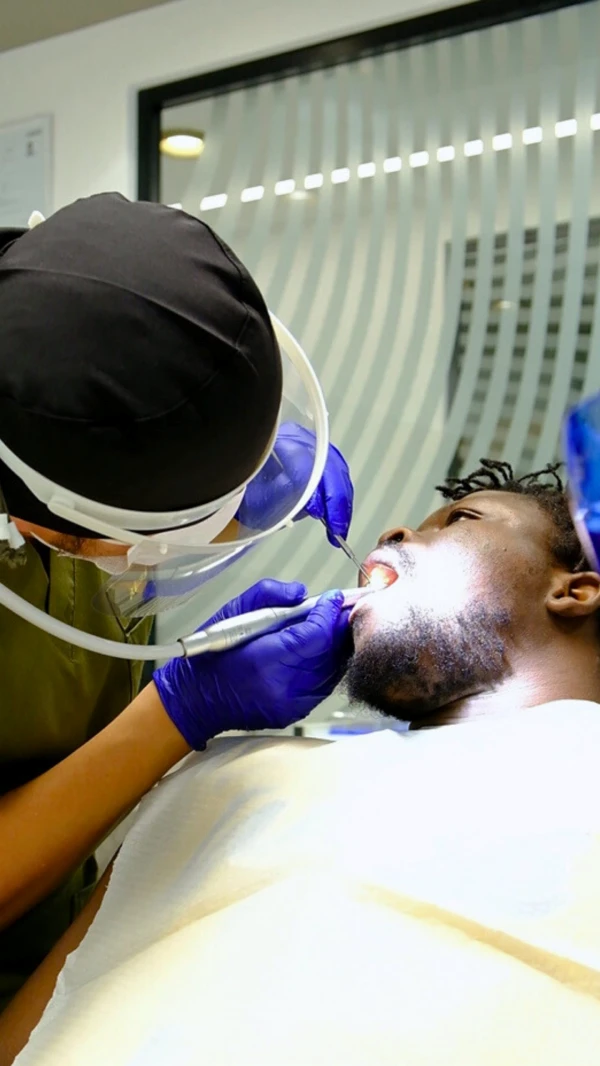
One of the most critical points in the success of this treatment is isolation. Composite is sensitive to moisture control; contamination with saliva or bleeding can reduce bonding strength and increase the risk of leakage at the margins. For this reason, isolation using cotton rolls, saliva ejectors, or ideally a rubber dam is recommended during the procedure. Additionally, clinical steps during application include acid etching, bonding application, layering of composite material, and polymerizing each layer with a curing light. Correct implementation of these steps directly affects both the aesthetic appearance and longevity of the restoration.
The advantages of composite fillings include performing the procedure in a single session, more conservative preservation of tooth tissue (application with less drilling), natural color matching, and ease of repair or renewal. Disadvantages may include wear, fracture, or marginal leakage risks over time in very large cavities and areas exposed to high chewing forces. Also, in some patients with high consumption of tea, coffee, or cigarettes, surface staining may occur; this risk can be managed with regular polishing and maintenance.
When applied with the correct indication and technique, composite filling treatment is a procedure that provides high satisfaction both functionally and aesthetically. The lifespan of fillings can be extended with regular check-ups and good oral hygiene.
What Is Composite Filling Treatment?
Composite filling treatment is the restoration of tissue loss in the tooth caused by decay or trauma with a tooth-colored composite resin material. The goal of this procedure is to stop the progression of decay, restore the chewing function of the tooth, and recreate the aesthetic appearance of the tooth as naturally as possible. Because composite fillings are light-cured (photo-polymerized) materials, the dentist has high control over shaping; this is a significant advantage especially in anterior aesthetic restorations.
The composite material bonds to the tooth structure using adhesive systems. This bonding is achieved through acid etching and bonding procedures applied to the enamel and dentin. Thus, the filling works as if integrated with the tooth. This is important both in terms of sealing and durability. Composite fillings have a wide range of applications, from restoring small cavities to medium-sized ones, repairing fractured teeth, and aesthetic reshaping.
Composite filling should not be thought of as “just cavity filling.” In some cases, it can also be used for aesthetic purposes such as closing small gaps between teeth, balancing tooth lengths, or reconstructing worn incisal edges. However, for teeth with extensive tissue loss, subjected to very high chewing forces, or at risk of fracture, alternative restorations such as inlays/onlays or crowns might be more appropriate. For this reason… Composite Filling is a Conservative Treatment That Is Successful When Planned with the Correct Indication and Technique
How Is Composite Filling Treatment Applied?
The application of composite filling is usually completed in a single session but requires careful step-by-step attention. In the initial phase, the tooth is examined; the boundaries of the caries are evaluated clinically and, if necessary, with X-rays. The aim is to completely remove the decayed tissue while preserving healthy dental tissue. If the decay is deep and sensitivity is expected during the procedure, local anesthesia may be administered. In cases of small superficial caries, anesthesia might not be necessary for some patients; this varies depending on the depth of the decay and the individual’s sensitivity threshold.
After cleaning the decay, the cavity is prepared and isolation is ensured. Moisture control is critical in composite applications, so preventing saliva contamination is essential. The use of a rubber dam can increase bonding success, especially in deep or proximal restorations. Subsequently, acid etching is performed on the tooth surface; this process typically creates micro-pores in the enamel and/or dentin to secure the bond. The acid is rinsed off, and the surface is dried appropriately (complete drying or keeping slightly moist depending on the system used), and bonding agent is applied. The bond is then light-cured.
Following this, the composite material is placed in layers. The layered application helps reduce polymerization shrinkage and the risk of marginal leakage. Each layer is light-cured for an appropriate time. After completing the filling, anatomical shaping is performed: grooves on the chewing surface, cusps, contact points, and proximal transitions are adjusted. The occlusion is checked in the final stage; if there are high contact points when the patient bites, they are corrected. Then polishing is applied. Proper polishing provides aesthetic shine and helps reduce plaque accumulation, contributing to longer-lasting cleanliness of the restoration.
Who Is Suitable for Composite Filling Treatment?
Composite filling treatment is an appropriate option for many patients with caries or small-to-medium-sized tissue loss. Its capability to be applied on both anterior and posterior teeth extends its indication range considerably. Composite fillings are frequently preferred in the anterior region due to high aesthetic concerns and the need for tooth-colored and natural-looking restorations. In the posterior region, functional success can be achieved with properly performed composite fillings in small-to-medium sized cavities.
The primary criteria for suitability assessment for composite fillings include: the size of the caries or fracture, the risk of cracks/fractures in the tooth, the patient’s masticatory forces, and oral hygiene habits. In teeth with very large tissue loss, the risk of breakage or wear of the composite filling may increase; in such cases, alternatives like onlays, inlays, or crowns might be more appropriate. Particularly in wide cavities involving the tooth cusps (chewing cusps), “filling only” may not provide adequate protection in some cases.
Composite fillings can be placed even in patients with bruxism (teeth grinding/clenching); however, the risk of wear and fracture is higher. For these patients, occlusal adjustment must be done carefully, and a night guard might be recommended if necessary. Additionally, poor oral hygiene increases plaque accumulation along the restoration margins and the risk of secondary caries. Therefore, patients should be motivated to maintain regular brushing and interdental cleaning.
Systemic conditions such as pregnancy and diabetes are generally not contraindications for composite fillings; however, treatment appointments are planned by evaluating gum bleeding, intraoral infections, or overall health status. In summary, suitability for composite filling treatment is determined by the cavity size, structural needs of the tooth, bite forces, and the patient’s oral care habits.
What Should Be Considered Before Composite Filling Treatment?
The foremost consideration before composite filling is the accurate analysis of the complaint. If there is pain, ache, cold sensitivity, food impaction, or fracture complaints, the source must be clarified. Not every caries lesion can be resolved “with a filling”; if the decay is deep p The pulp (nerve tissue) may be affected and root canal treatment might be necessary. Therefore, examination and if needed, radiographic evaluation ensure accurate treatment planning.
The second important issue is the assessment of oral hygiene and gum health. The marginal sealing of composite fillings depends on proper isolation during the procedure. If gingival bleeding is present, especially in interproximal caries, isolation can become difficult. Thus, in some cases, scaling before filling, controlling gingival inflammation, or taking temporary measures may be necessary. Additionally, if there is heavy plaque accumulation at the filling site, the patient should be prepared with improved hygiene before the procedure.
Practical recommendations before the appointment are also important. If the patient experiences high stress or has difficulty keeping the mouth open for a long time, the session can be scheduled accordingly. Some patients may have temporomandibular joint issues or a strong gag reflex; if the dentist is informed beforehand, the treatment can be made more comfortable. Also, if bonding is planned for the anterior region for aesthetic purposes, the shade selection requires that the teeth are not overly dry or excessively stained on the appointment day because dry teeth may appear lighter in color and lead to incorrect shade matching.
Before the filling, the expectations after the procedure should be clarified: with a composite filling, tooth form and color can largely be restored; however, in cases of severe discoloration or extensive aesthetic transformations, porcelain restorations may provide more stable results. The dentist’s collaboration with you to determine the “most conservative and accurate” option is fundamental for long-term satisfaction.
What Should Be Considered After Composite Filling Treatment
Post-operative care following composite fillings is important to maintain marginal adaptation, reduce wear, and lower the risk of secondary caries. Most composite fillings can be used on the same day because the material hardens with light curing and immediately gains function. However, if anesthesia was administered, caution is needed to avoid biting the cheek or tongue until numbness subsides (usually a few hours).
Mild sensitivity may be observed during the first few days. Especially in deep cavities, sensitivity to cold or heat and brief pain during chewing may occur; this generally decreases within days. However, if there is a feeling of high bite or premature contact, a dental check is necessary. A high filling can exert excessive force on the tooth, causing both pain and fracture of the filling over time. This issue can be quickly resolved with a simple occlusal adjustment.
From a dietary perspective, biting extremely hard foods at a single point or chewing ice poses risks for composite fillings. Although the composite material is durable, it is not as hard as porcelain; in some cases, wear or small fractures may develop. Additionally, habits such as tea, coffee, and smoking may cause staining on the composite surface over time. Regular polishing and good oral hygiene can minimize this risk.
Oral hygiene is the most critical factor after filling treatment. If plaque accumulates at the filling margin, the risk of secondary caries increases. Brushing at least twice a day, interdental cleaning, and regular dental check-ups are recommended. The use of dental floss is especially important for interproximal restorations. If there is a habit of teeth grinding or clenching, a night guard may be advised to protect the filling and teeth. During regular controls, marginal adaptation, contacts, and surface wear of the filling are monitored to support long-lasting use.
In What Situations Is Composite Filling Treatment Applied?
Composite filling treatment is most commonly applied to restore cavities after removing dental caries. Caries cause loss of enamel and dentin tissue and, as they progress, may cause sensitivity and pain in the tooth. The composite filling aims to halt caries progression by removing the decayed tissue and sealing the cavity hermetically. It is a common treatment for both anterior and posterior teeth, especially in small to medium-sized cavities.
Composite fillings are also used for repairing small fractures caused by trauma or chewing. For example, a fractured incisal edge on a front tooth can be repaired with composite in the same session.
Composite Filling Can Be Aesthetically Restored
Conservative repairs with composite can be performed in cases of tooth length shortening due to wear or enamel cracks. Composite is also used in aesthetic applications such as closing small gaps between teeth (diastema closure), reshaping tooth form, and ensuring symmetry in the smile line.
Renewing old fillings is also an important indication. Amalgam or old composite fillings may develop marginal leakage, crack, or discolor aesthetically over time. In such cases, the filling can be removed and replaced with a new composite filling. Additionally, composite restorations can be applied to cervical abrasion or erosion lesions near the gum line to reduce sensitivity and protect the surface.
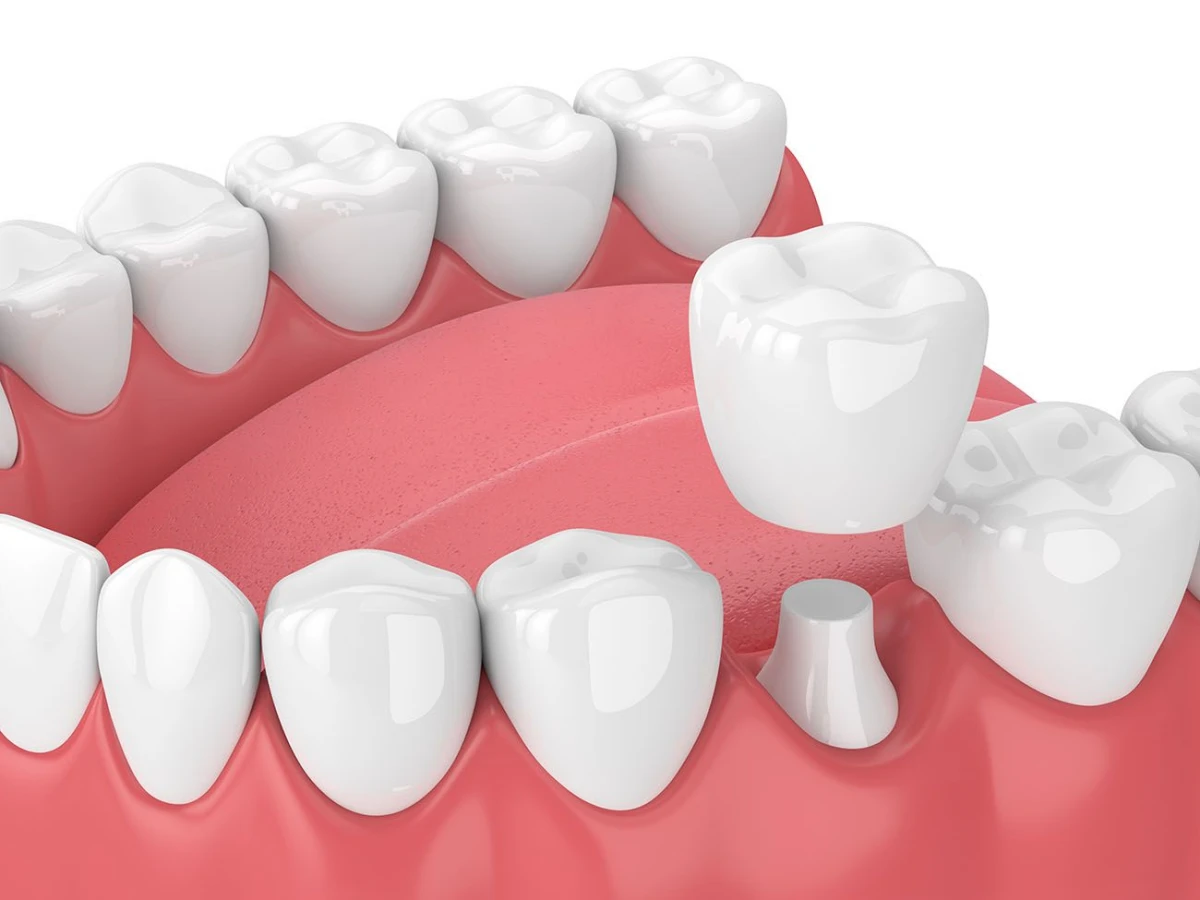
However, composite fillings may not always be the ideal choice for very large tissue losses, cavities involving tubercles, or teeth with a high risk of cracking. In these situations, restorations such as onlays, inlays, or crowns can better protect the tooth. The suitability of composite fillings is determined through examination and occlusion analysis.
Why Is Composite Filling Treatment Performed?
Composite filling treatment is primarily performed to stop the progression of decay and restore the lost tooth tissue. Decay creates a “cavity” in the tooth structure, and if it is not cleaned and filled, bacterial activity can continue progressing to the pulp tissue. This may require more advanced treatments such as root canal therapy. By removing the decayed tissue and providing a sealed restoration, composite filling aims to halt this process.
The second important reason is the restoration of function. When the tooth anatomy is compromised due to decay or fracture, the chewing surface does not work properly and food impaction may occur. Composite fillings reshape the contact points and chewing surface, improving chewing efficiency and preventing gum problems. Creating proper contacts, especially in interproximal caries, is critical for long-term periodontal health.
Aesthetic reasons also make composite fillings a frequently preferred option. Because they match the tooth color, they provide a natural appearance, especially in the smile line. If the front tooth has a fracture or shape irregularity, an aesthetic repair can be done in the same session with composite. In some patients, composite restorations serve as a conservative option for smile design goals such as closing small spaces between teeth or balancing tooth lengths. The potential to achieve “maximum change with minimal tooth reduction” is a significant advantage of this treatment.
Additionally, composite fillings are practical because they are repairable. When minor edge chipping or surface wear occurs over time, local repair is possible in most cases without removing the entire filling. This is valuable in terms of preserving tooth tissue. Consequently, composite filling is a conservative restoration performed to stop decay, restore function, and improve aesthetics.
How Long Does Composite Filling Treatment Take?
The duration of composite filling treatment varies depending on the number of fillings to be placed, the depth of the decay, the tooth’s location (anterior/posterior), the need for interproximal contact, and isolation conditions. A single small filling is often completed in one session. Medium-sized or interproximal fillings may take longer due to contact creation and layered application. If multiple teeth require fillings, session planning is done by the dentist considering the patient’s comfort and how long the mouth can remain open.
An important factor affecting duration is the depth of the decay. In deep decay, more controlled procedures near the pulp, application of protective base materials if needed, and sensitivity management are required. Isolation is also more challenging in interproximal decay near the gum line, potentially increasing the treatment time. Although the use of a rubber dam adds some time to the procedure, it improves isolation and increases the success rate of the filling, thereby providing advantages in most cases.
Aesthetic anterior bonding procedures
Composite Filling Treatment Duration
The duration of the procedure may be extended depending on the layering, shaping, and polishing stages. If the tooth’s layered coloration is to be mimicked (dentin-enamel effects), multiple composite shades can be used, which increases the application time. However, this results in a more natural aesthetic outcome.
Generally, composite filling is a “same-day” treatment. Usually, no additional recovery period is required after the procedure; the patient can return to daily life immediately. The most accurate duration information is provided personally after determining the number and location of cavities during the examination.
Composite Filling Treatment Prices
Composite filling treatment prices vary according to several factors including the number of fillings needed, the size of the filling (single surface or two/three surfaces), the location of the tooth (anterior/posterior), the need for interproximal contact restoration, the class of composite material used (such as nanohybrid), the isolation method applied (such as rubber dam usage), whether the old filling needs to be removed, the depth of the decay, and any additional necessary procedures (such as X-rays, temporary fillings, protective base material applications). Therefore, it is not accurate to provide a definitive price without an examination; even under the same “composite filling” category, the scope may vary from patient to patient.
For example, a small single-surface cavity and a large filling covering interproximal and occlusal surfaces require different technical difficulty and time. Furthermore, bonding procedures in the anterior region that require aesthetic layering and detailed polishing involve a different level of workmanship compared to standard decay fillings. In patients with bruxism, additional protective steps such as occlusion adjustments and nightguard planning might also be included in the treatment plan.
To receive up-to-date and personalized information about composite filling treatment prices, you should contact us. After the examination, once the number of teeth to be filled, the size of the fillings, and the applied technique are clarified, we will transparently share the cost plan.