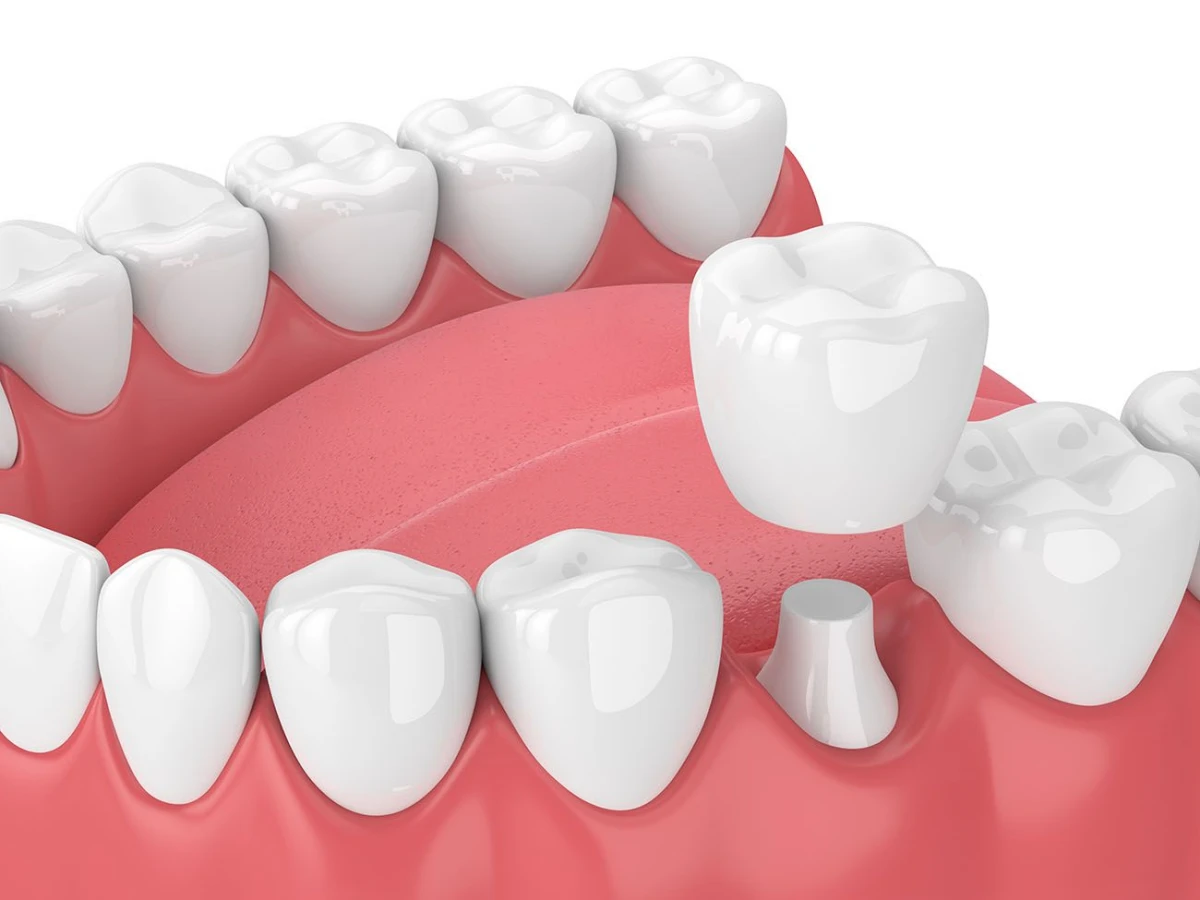
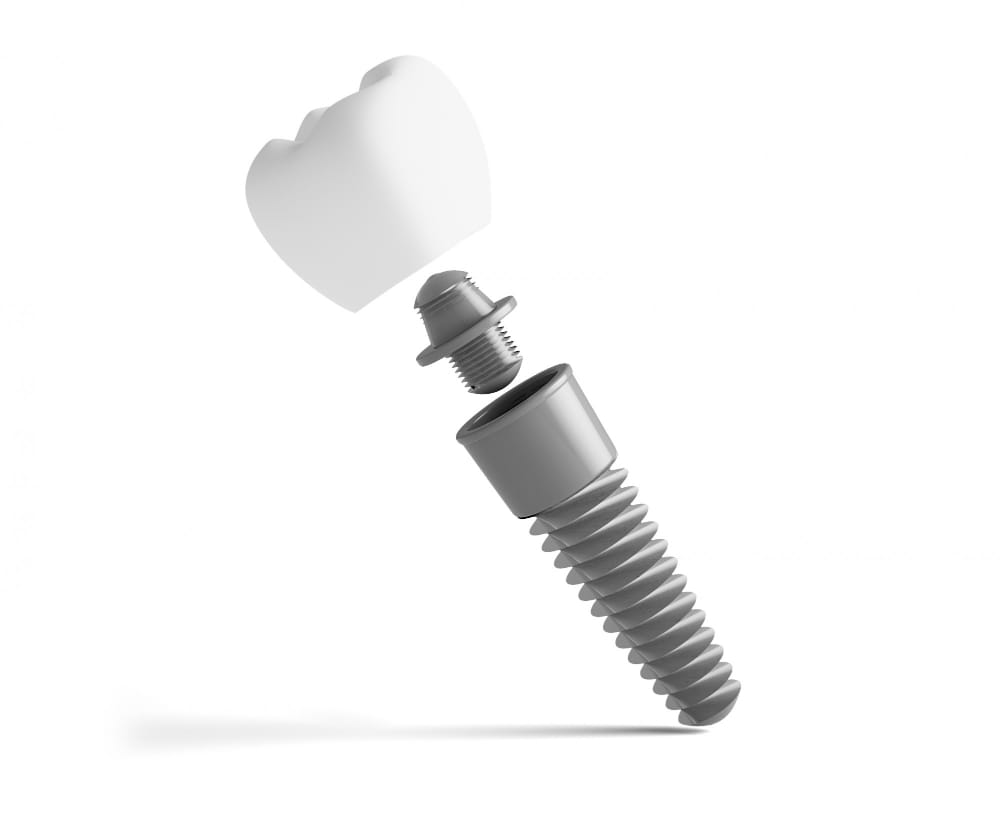


Jaw fracture treatment encompasses the medical and surgical approaches aimed at managing fractures in the lower jaw (mandible) and/or upper jaw (maxilla) bones following trauma. The goal is to preserve chewing function, occlusion (bite relationship), speech, airway safety, and facial symmetry. Although jaw fractures often appear as a single bone line problem, they are closely related to dental occlusion, the temporomandibular joint, soft tissues, neurovascular structures, and tooth stability. Therefore, assessment and treatment are planned not only to “join” the fracture line but also to restore the occlusion in the correct position and maintain this position throughout the healing process.
Depending on the trauma severity, the fracture may be nondisplaced, displaced, comminuted, open (communicating with the oral cavity), or associated with tooth roots. The most common mandibular fracture sites are the condyle (jaw joint head), angle, parasymphysis/symphysis (anterior region), and corpus. Maxillary fractures may accompany midface trauma and sometimes require urgent intervention. Patient complaints may include malocclusion, pain, difficulty chewing, limited mouth opening, facial asymmetry, numbness (especially in the lower lip-chin area), tooth mobility, intraoral bleeding, or injuries.
The main components of treatment include emergency evaluation (airway, bleeding, concomitant head and neck injuries), diagnosis with imaging (in most cases panoramic radiography and/or computed tomography), conservative or surgical stabilization depending on the fracture type, establishment of correct occlusion, infection control, nutritional planning, and regular follow-up. Some fractures can be managed by closed methods (intermaxillary fixation) with elastics or splints, while displaced and occlusion-disrupting fractures may require open reduction and internal fixation (ORIF) using plates and screws. This decision depends on the fracture location, number, degree of displacement, dental status, and the patient’s general health condition.
Bone healing during recovery takes time. During this period, a soft diet, oral hygiene, pain and edema control, and controlled gradual restoration of jaw movement are important. In condylar fractures, early controlled movement may be planned to reduce the risk of joint stiffness. Treatment is typically carried out by oral and maxillofacial surgery specialists and coordinated with other departments such as plastic surgery, ENT, orthopedics, and neurosurgery when necessary.
What Is Jaw Fracture Treatment?
Jaw fracture treatment is the evaluation, stabilization, and follow-up process aimed at the correct alignment and healing of traumatic fractures in the jawbones, restoring the jaw’s function. As the jawbones form the essential skeletal base for dental occlusion, the most critical objective after a fracture is to reestablish the occlusal relationship—the contact between teeth—as close as possible to its original state. When occlusion is disrupted, chewing becomes difficult, excessive force is applied to certain teeth, temporomandibular joint symptoms may increase, and facial symmetry can be affected.
Treatment is shaped around two main approaches depending on the fracture type: closed treatment and open treatment. In closed treatment, the fracture line is not surgically exposed; the jaws are stabilized or guided with elastics for a set period to promote healing. This method is suitable for fractures with minimal displacement or some condylar fractures. In open treatment, the fracture line is surgically accessed, bone fragments are repositioned correctly, and fixed with plate-screw systems. This approach aims to provide more stable fixation, better occlusal restoration, and more controlled functional recovery.
Jaw fractures can fall under the “open fracture” category; fractures communicating with the oral cavity carry a higher risk of bacterial contamination. This situation makes infection management, antibiotic planning, and hygiene protocols more critical. Teeth roots may be present within the fracture line, requiring careful evaluation to avoid complications.
Treatment of Jaw Fracture
Traction may be necessary or the teeth may need to be stabilized. In some cases, numbness in the lower lip and chin can occur due to nerve involvement; this finding is evaluated and monitored depending on the fracture site.
Rehabilitation is also a part of the treatment. Regaining jaw movements, preserving joint function, managing a soft diet, and maintaining oral hygiene are as important as the healing process. Jaw fracture treatment is not a procedure completed in a single session; it is a process completed with controlled follow-up.
How Is Jaw Fracture Treatment Applied?
The application process begins with an emergency evaluation. In patients suspected of jaw fracture after trauma, the first priority is airway safety, bleeding control, and exclusion of accompanying head and neck injuries. Since facial traumas can be accompanied by neck vertebra and brain trauma, emergency department approach and multidisciplinary evaluation are performed when necessary. In intraoral examination, malocclusion, tooth mobility, open wounds, hematoma, step deformity at the jawline, limited mouth opening, and nerve examination (sensation of the lower lip/chin) are assessed.
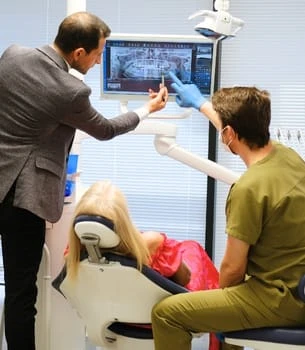
The diagnosis is clarified with imaging. A panoramic radiograph provides sufficient information in some fractures; in many cases, computed tomography shows the location of the fracture line, the degree of fragmentation, and displacement more clearly. The treatment plan is determined according to the location, number, displacement amount of the fracture, condition of the teeth, and the patient’s general health status.
If closed treatment is planned, bracket/wire systems or splints can be applied to the upper and lower jaws, and occlusion is guided with intermaxillary fixation elastics. The aim of this approach is to immobilize the fracture line and ensure healing with proper occlusion. The tension and duration of elastic use are adjusted according to the fracture site and stability. For condylar fractures, some protocols prefer guidance with controlled elastics and early movement instead of complete locking; this aims to reduce joint stiffness.
When open treatment (ORIF) is planned, local anesthesia, sedation, or general anesthesia options are considered; most stabilization surgeries are performed under general anesthesia. The surgeon can approach the fracture line intraorally or through the skin if necessary. Bone fragments are repositioned correctly, occlusion reference is established, and fixation is achieved with plates and screws. At the end of the operation, occlusion is checked and soft tissues are closed. If there is an intraoral incision, sutures are planned; the timing of their removal depends on the material used.
In the postoperative period, pain and edema control, the need for antibiotics, nutritional protocol, and hygiene instructions are provided. During control appointments, occlusion, jaw opening range, wound healing, and signs of infection are evaluated. Jaw exercises similar to physical therapy may be planned if necessary.
Who Is Suitable for Jaw Fracture Treatment?
Jaw fracture treatment is considered in every patient diagnosed with or strongly suspected of having a fracture; suitability is more related to whether the patient’s overall health condition allows surgical/conservative approaches rather than the fracture’s severity. Since jaw fractures are related to trauma, the patient profile is broad: sports injuries, traffic accidents, falls, work accidents, and trauma can affect all age groups. For treatment planning, the patient must be hemodynamically stable and vital risks must be controlled.
Systemic diseases affect the treatment plan. In uncontrolled diabetic patients, infection risk and wound healing problems are more common; it may be safer to plan surgery after controlling blood sugar. In patients using blood thinners, bleeding risk is assessed and coordination with the relevant physician may be needed. In immunocompromised patients, infection management and antibiotic planning are done more carefully. Smoking can adversely affect bone and soft tissue healing; especially in cases where surgical fixation is performed, quitting or reducing smoking is recommended.
Treatment Approach in Children and Elderly Patients
The treatment approach in children and adolescents is shaped according to growth and development as well as the tooth eruption period. Since the condylar region is related to growth centers, follow-up and functional treatment protocols for condylar fractures in children can be planned differently. In elderly patients, bone density, fall risk, and concomitant medications (e.g., osteoporosis treatments) are taken into consideration.
In suitability assessment, the intraoral condition is also important. Loss of teeth or the presence of many loose teeth can make it difficult to establish occlusal reference; in such cases, the fixation plan is arranged differently. If there is an infected tooth or extraction requirement at the fracture line, management is planned in the same session. Recovery is more predictable in patients who can comply with treatment and maintain a soft diet and hygiene protocol.
What Should Be Considered Before Mandibular Fracture Treatment
The most important step in a patient suspected of mandibular fracture after trauma is to seek medical attention without delay. Attempts such as “self-reduction” at home, forcefully closing the jaw, or applying pressure on the fracture line can worsen the condition. If symptoms like severe bleeding, shortness of breath, altered consciousness, or neck pain are present, emergency management takes priority. Since mandibular fractures may occur with head and neck trauma, initial evaluation is usually done within the emergency department framework.
Before examination and imaging, food and drink intake may need to be restricted; fasting protocols are important if sedation or general anesthesia is anticipated. Medications, allergies, and systemic diseases must be fully disclosed. Anticoagulants and some chronic medications can alter the surgical plan. When necessary, the dentist or surgeon consults with relevant specialists to plan medication management.
If there are intraoral injuries, maintaining hygiene is crucial. If there is suspicion of foreign bodies such as dirt, calculus, or glass fragments in the oral cavity after trauma, these should not be manipulated; they must be safely cleaned by the physician. Swelling may increase in the early period; cold applications can help reduce edema in the first hours. If analgesics are required, the physician should guide which medication is suitable, as some drugs may increase bleeding tendency.
For patients planned for surgical fixation, occlusal registration and the condition of the teeth are evaluated before the operation. Whether teeth located on the fracture line will be preserved is considered together with infection risk and stabilization needs. Impacted or fracture-related teeth are managed as part of the same plan. The patient is clearly informed about the procedure steps, possible risks (infection, bleeding, nerve involvement, persistent occlusal disturbances, joint stiffness), and the consent process is completed.
What Should Be Considered After Mandibular Fracture Treatment
The post-treatment period is important for the stability of healing and controlled recovery of function. Swelling, bruising, pain, and limited mouth opening may be observed in the first days; these findings vary according to the fracture site and procedure performed. Painkillers and other medications prescribed by the doctor should be used regularly. Cold applications may be beneficial during the first 24–48 hours for swelling management; in later days, some protocols recommend warm applications, and this decision is made individually.
Nutrition planning is a critical topic. Excessive load on the jaw should be avoided during fracture healing; therefore, a soft/liquid diet is usually recommended. Hard foods, foods requiring chewing, and shelled hard foods are not suitable during recovery. Adequate protein and calorie intake supports tissue healing; insufficient nutrition may negatively affect recovery. If jaw elastics or intermaxillary fixation are present, oral hygiene can become more difficult; in this case, interproximal cleaning, gentle brushing, and using oral care products as advised by the physician should be maintained.
In cases with open surgery, the wound area should be monitored. For intraoral sutures, bleeding, discharge, foul odor/taste, increasing pain, fever, and swelling are significant signs. Increased swelling may indicate infection. If numbness occurs in the lower lip or chin area, the sensory changes are monitored over time; in some cases, nerve irritation can resolve. A feeling of “my teeth no longer meet the same way when I close my mouth” in the early period should definitely be evaluated; even small occlusal alterations can gradually impose additional stress on the joints and teeth.
In condylar fractures, jaw exercises and a controlled movement plan are important. Mouth opening movements can be gradually increased according to a specific program; the aim is to reduce the risk of joint stiffness and limitation. Follow-up appointments should not be missed to monitor the healing process. Smoking can negatively affect the healing of bone and soft tissues; quitting or reducing smoking during the recovery phase is advised.
When is Jaw Fracture Treatment Applied?
Jaw fracture treatment is applied when a fracture is detected in the jawbone after trauma or when there is a strong suspicion of fracture. Warning signs that indicate a jaw fracture include disrupted occlusion after trauma, teeth not fitting together as before, a sensation of deviation when closing the jaw, severe pain during chewing, noticeable step deformity along the jawline, significant limitation opening the mouth, and facial asymmetry. Numbness in the lower lip or chin may suggest nerve involvement in fractures around the mandibular canal and requires evaluation.
Fractures may be displaced or cause malocclusion even without obvious displacement. Condylar fractures particularly affect mouth opening and closing functions; some patients experience pain in the temporomandibular joint, tenderness anterior to the ear, and deviation while opening the mouth. When upper jaw fractures coexist with midface trauma, complaints related to the nose, eye region, and sinuses may be present; such cases may require a multidisciplinary approach.
It is common for teeth to be located along the fracture line. In fractures related to tooth roots, vitality, mobility, and infection risk of the tooth are assessed; some teeth can be monitored while others may need extraction. Open fractures (communicating with the oral cavity) carry a higher risk of infection and must be managed carefully; wound cleaning, antibiotic requirements, and stabilization plans are addressed together.
Why is Jaw Fracture Treatment Performed?
The treatment aims to ensure the jawbone heals in the correct position, restore occlusion, regain chewing function, reduce pain, and preserve facial symmetry and temporomandibular joint function. If a fracture is left untreated or heals in the wrong position, permanent occlusal disorders may develop. These disorders can cause excessive load on the teeth, tooth fractures or wear, pain and limitation in the jaw joint, as well as difficulties in speaking and chewing. Facial asymmetry and aesthetic problems are also possible consequences of malunion.
Open fractures have a higher risk of infection. Infection can delay bone healing and cause severe damage to the bone tissue. Without stabilization, movement at the fracture line continues, which increases pain and impairs healing. In cases treated with plate and screw fixation, functional recovery can be achieved more controllably once the fracture line stabilizes. In closed treatment, correct occlusal guidance is targeted to facilitate bone healing; the treatment choice is made based on the fracture type and associated risks.
Appropriate treatment of condylar fractures is crucial to preserve joint range of motion. Prolonged immobilization increases the risk of joint stiffness and limited mouth opening; therefore, some protocols include controlled movement and exercise early in the treatment period. The goal of treatment is to balance bone healing with functional rehabilitation.
How Long Does Jaw Fracture Treatment Take?
The treatment duration includes the initial assessment and stabilization period as well as the time needed for bone union and rehabilitation. Emergency evaluation and imaging are usually performed on the same day for most cases. For planned closed treatment, fixation or guidance duration with elastics varies depending on the fracture site and stability.
In cases where open surgical fixation is performed, the duration of the surgery varies depending on the number of fractures, the location of the fracture, the degree of fragmentation, and any additional procedures to be performed in the same session.
Bone healing is a biological process and cannot be completed in a single day. Follow-up appointments are planned to ensure stabilization of the closure, wound healing, and recovery of jaw movements. In condylar fractures, jaw exercises and the functional rehabilitation process may affect the overall timeline. Soft tissue injuries and additional dental treatments (such as extractions, splinting, or root canal therapy) may also be included in the treatment plan.
After determining the type of fracture, the physician clearly defines the frequency of appointments, expected healing stages, and the plan for returning to daily life based on each patient’s specific situation. Work, school, and nutrition schedules are arranged according to this timeline.
Jaw Fracture Treatment Prices
Prices vary according to factors such as the location and number of fractures, displacement amount, method applied (closed treatment, open reduction and internal fixation), the plate and screw systems and consumables used, imaging requirements (panoramic X-ray, computed tomography), choice of anesthesia (local, sedation, general anesthesia), need for hospitalization, associated soft tissue injuries, and additional dental procedures (extractions, splinting). In open fractures with risk of infection, medication and follow-up protocols may be more comprehensive. In condylar fractures, the rehabilitation and follow-up plan may also impact treatment scope.
To obtain up-to-date and personalized information on jaw fracture treatment prices, please contact us. After examination and imaging clarify the fracture type and treatment method, the treatment plan and its related costs will be transparently shared.