

Root canal treatment (endodontic therapy) is the procedure of removing the pulp tissue (nerve and blood vessel bundle) inside the tooth when it is irreversibly inflamed or infected, disinfecting the canals, and then filling them. The goal is to eliminate the source of pain and preserve the tooth in the mouth without extraction. The phrase “the nerve of the tooth is removed” is commonly used among the public; however, root canal treatment is not only the removal of the nerve but also the cleaning of the infection, reduction of microbial load, and sealing of the canal system in a leak-proof manner. The key to success is accurate diagnosis, correct working length, effective irrigation (canal washing), appropriate shaping, and a tight filling.
The pulp tissue can be damaged due to deep decay, leakage under large fillings, trauma to the tooth (crack/fracture), repeated restorations, or periodontal-related problems. Early symptoms may include cold-hot sensitivity, throbbing pain especially aggravated by heat, night pain, pain when biting, and spontaneous pain. As the infection progresses, an abscess may develop; swelling in the gums, facial edema, bad taste, and sometimes fever may accompany. At this stage, root canal treatment aims to control the infection focus inside the tooth.
Root canal treatment can be performed more controlled with the use of a microscope or magnification systems, apex locator, and digital imaging. The canal anatomy varies from person to person; especially in molars, the number of canals and their curvatures can complicate treatment. Therefore, the treatment plan is shaped according to X-ray findings and clinical examination. The treatment can be completed in a single session but may require two or more sessions depending on the infection status and clinical conditions of the tooth. In some infected cases, medication (e.g., calcium hydroxide) is placed inside the canal between sessions to reduce the microbial load.
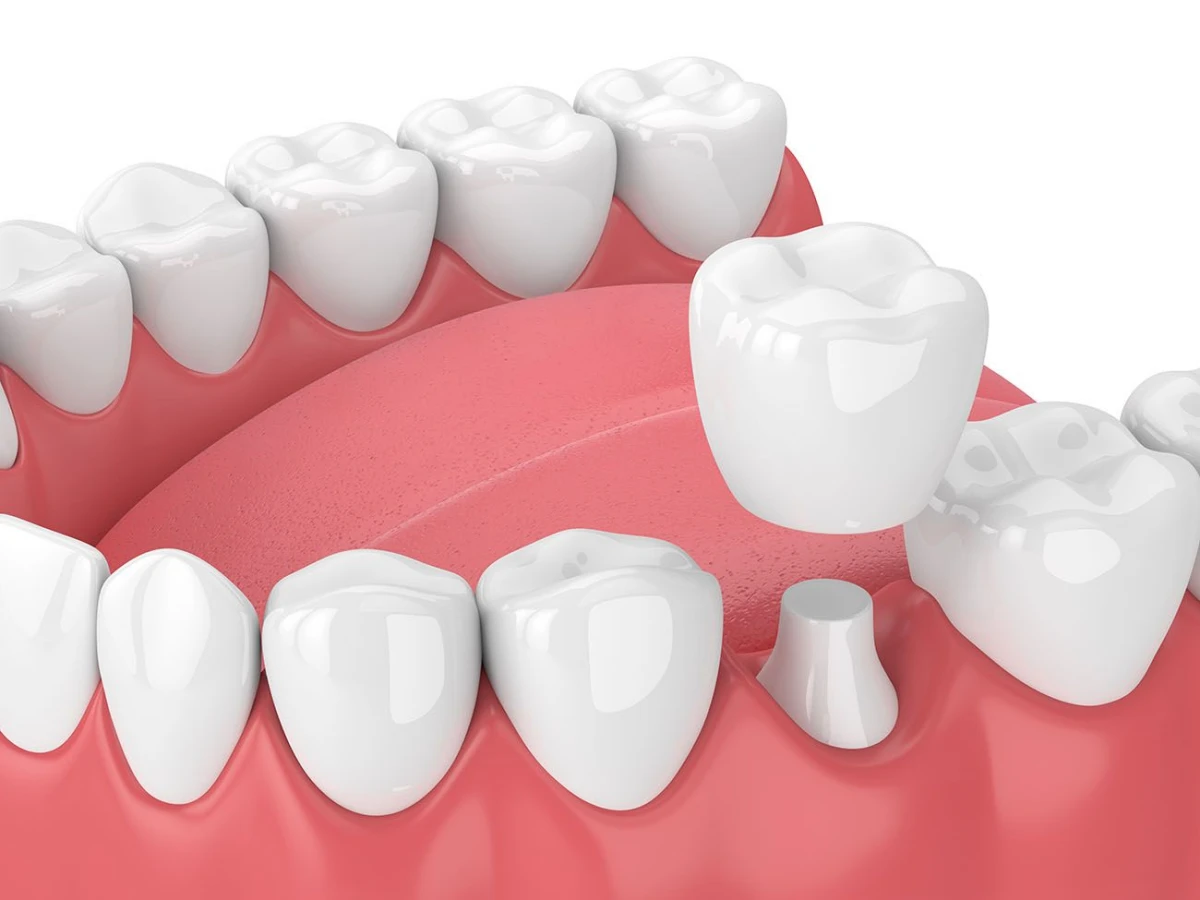
After completing the root canal treatment, the restoration on top of the tooth (filling or crown) is as important as the canal filling. Teeth that have undergone root canal treatment can be more prone to fracture, especially if there is significant substance loss. For this reason, the dentist may recommend protective restorations such as onlays or crowns depending on the remaining tooth structure. A successful root canal treatment, combined with appropriate restoration and regular check-ups, can help maintain the tooth in the mouth for many years.
What is Root Canal Treatment?
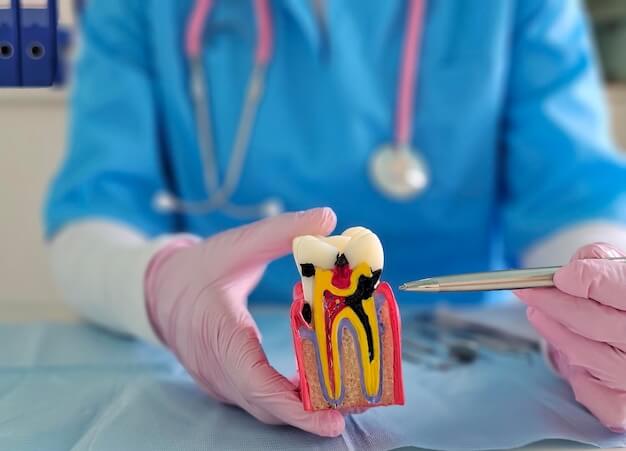
Root canal treatment is the process of removing the infected or irreversibly inflamed pulp tissue from the root canals inside the tooth, cleaning and shaping the canal system using mechanical and chemical methods, and then sealing it hermetically with biocompatible filling materials. Inside the tooth, there are canals that extend from the root onward; the number of these canals varies according to the tooth type. For example, some front teeth have a single canal, small premolars may have 1–2 canals, while molars often contain 3–4 canals and additional canals may also be present. Root canal treatment aims to clean this complex anatomy as thoroughly as possible.
While the pulp tissue is vital, it supports the nourishment, defense, and sensation of the tooth. However, when infected, the canal system becomes a reservoir for bacteria. This infection can advance to the tissues at the root tip causing a bone and tissue reaction called apical periodontitis. A lesion (dark area) may be visible at the root apex on an X-ray; not all lesions have the same size or clinical symptoms. Some patients experience severe pain, while others may have minimal complaints; therefore, diagnosis is made not only by pain level but also through clinical tests (cold test, percussion, palpation) and radiographic findings.
Root canal treatment aims to preserve the tooth instead of extracting it. Keeping the natural tooth in the mouth is valuable for chewing function, the position of adjacent teeth, jaw joint balance, and long-term oral health. After root canal treatment, the tooth becomes “non-vital”; sensory response decreases, yet with proper restoration, function is maintained. The success of treatment depends on good disinfection, accurate filling, and a leak-proof coronal restoration.
How Is Root Canal Treatment Performed?
Root canal treatment begins with diagnosis and planning. During the clinical examination, the tooth’s decay/filling status, suspicion of cracks, gum, and surrounding tissues are evaluated. Then, an X-ray is taken to assess root anatomy, number of canals, presence of lesions at the root tip, and quality of previous root canal fillings if any. Diagnostic tests (cold test, electric pulp test, bite test, percussion/palpation) clarify the condition of the pulp.
Local anesthesia is usually administered during the procedure. In some advanced infections, anesthesia management can be more challenging; the dentist selects the appropriate anesthesia technique. The tooth is typically isolated with a rubber dam to protect it from saliva and bacteria; this is a standard practice both for disinfection and patient safety (reducing the risk of swallowing or aspirating instruments). Then, an access cavity is opened in the tooth and canal orifices are located. Working length (the length of the canal to the apex) is determined using an apex locator and X-ray; an accurate working length is critical for thorough cleaning and to avoid irritation of periapical tissues.
The canals are shaped with hand files and/or rotary instruments. Mechanical shaping alone is insufficient; irrigation (e.g. with sodium hypochlorite solutions) is a fundamental step to reduce biofilm inside the canal. In some cases, irrigation effectiveness may be enhanced by ultrasonic activation. In cases with severe infection, medication can be placed inside the canal and the tooth temporarily sealed between sessions, planning a second appointment. If pain, swelling, or abscess signs exist, the treatment plan is adjusted accordingly.
After the canals are cleaned and dried, root canal obturation is performed. At this stage, gutta-percha and root canal sealer are used to fill the canal system; the goal is to achieve an obturation that prevents microbial leakage. Afterwards, a coronal restoration is placed: depending on the amount of tooth substance loss, a composite filling, onlay, or crown may be planned. Protective restorations are more often recommended to reduce the fracture risk of root canal-treated teeth, especially in posterior teeth with extensive substance loss.
Who Is Suitable for Root Canal Treatment?
Suitability for root canal treatment is determined by whether the tooth can be saved and the infection managed. Patients showing signs of irreversible pulpitis are typical candidates for root canal treatment. These signs include spontaneous pain, throbbing that worsens at night, prolonged pain with heat, and symptoms that continue despite analgesics. Root canal treatment is also indicated for teeth with pulp necrosis (loss of pulp vitality) and periapical infection; sometimes the patient may not feel pain, but a lesion can be detected on X-ray.
If the nerve in the tooth is damaged due to trauma or if cracks/fractures affect the pulp, root canal treatment may be appropriate. Leakage and recurrent decay under large restorations can affect the pulp and necessitate root canal therapy. In combined lesions involving periodontal disease (endo-perio lesions), the treatment plan is more detailed; root canal therapy is planned alongside periodontal treatment.
Restorative prognosis of the tooth is a critical criterion in suitability assessment. If there is excessive substance loss, strong suspicion of root fracture, or if a fracture line extends deeply below the gum line, maintaining the tooth long-term in the mouth may be difficult. In such cases, root canal treatment alone may not be sufficient; the tooth’s restorative salvageability is evaluated. Prognosis may also be unfavorable if periodontal support is very poor (severe mobility, advanced bone loss).
General health usually does not preclude root canal treatment; however, in acute infections or cases at risk of spreading infection with systemic signs (fever, widespread swelling), emergency planning is required. An ideal candidate is a person who can attend treatment appointments, consents to recommended coronal restorations, and maintains oral hygiene.
What Should Be Considered Before Root Canal Treatment?
The most important preparation before root canal therapy is an accurate diagnosis. Toothache does not always mean a “root canal” is necessary. Cracked Tooth Syndrome, Sinusitis-Related Referred Pain, Periodontal Abscess, or Temporomandibular Joint Disorders May Cause Similar Complaints
Therefore, clinical tests and radiographic evaluation are essential. If previous procedures have been performed on the same tooth (filling, crown, old root canal), this information must be shared.
Medical history should be reported completely. Allergies, regularly used medications, blood thinners, pregnancy status, diabetes, and diseases affecting the immune system can influence anesthesia and medication planning. Root canal treatment is mostly done under local anesthesia; if there is a history of reaction to anesthetics, the practitioner must be informed.
Pre-procedure nutrition and appointment planning should be arranged. Especially for molar root canal treatments that may take a long time, it increases comfort if the patient is well-rested and has no urgent schedule after the appointment. For patients with pain complaints, appropriate analgesic use before the procedure can be planned with the doctor’s recommendation; random use of antibiotics is incorrect and can suppress the infection, making diagnosis difficult. Antibiotics do not replace root canal treatment; if indicated, the doctor will plan accordingly.
Since the restoration of the tooth after root canal treatment is important, it is helpful to obtain information about how the tooth will be restored before treatment (filling or crown). Particularly for teeth with extensive loss of substance in the posterior region, planning a crown or onlay after root canal treatment can reduce the risk of fracture. Additionally, since the mouth will remain open during the procedure, patients with sensitivity in the temporomandibular joint should share this with the doctor; if necessary, appointments can be divided into shorter sessions.
What to Pay Attention to After Root Canal Treatment
A mild to moderate sensitivity for a few days after root canal treatment is normal. Especially pain while biting may develop due to irritation of the periapical tissues during the procedure and usually decreases within days. The painkillers recommended by the dentist should be used regularly. If the pain increases progressively, facial swelling, fever, bad taste, or gum swelling occur, a follow-up is necessary; these findings may indicate persistent infection or an acute flare-up.
If the treatment is ongoing between sessions and there is a temporary filling on the tooth, it is important to avoid biting hard foods with that tooth. If the temporary filling falls out, the root canal system may get re-contaminated; in this case, contact the clinic as soon as possible. Even if the treatment is completed in a single session, excessive loading should be avoided until the final restoration (permanent filling/crown) is completed. Root canal treated teeth, especially posterior teeth with extensive loss of substance, are more prone to fracture; habits such as biting hard shells, ice, or cracking nuts should be avoided.
Oral hygiene should be maintained as usual. Root canal treatment addresses the inner part of the tooth; regular brushing and interdental cleaning are essential for gum health and cavity prevention. The dentist may schedule follow-up radiographs after root canal treatment; healing of periapical lesions takes time, and gradual radiographic improvement is expected within a few months. In some cases, control radiographs may be planned at intervals of 6 to 12 months; the decision depends on the initial lesion and clinical findings.
It is important not to delay the crown placement on treated teeth. If the final restoration is postponed, the risk of leakage and fracture increases. Also, if bruxism (teeth grinding) is present, root canal treated teeth may crack more quickly under load; the dentist may recommend a night guard if necessary.
When is Root Canal Treatment Indicated?
Root canal treatment is applied when the pulp tissue is irreversibly damaged or infected. Deep caries is the most common cause; when the decay reaches the pulp chamber, bacteria infect the pulp and pain begins. Secondary caries developing under large or leaking fillings can also harm the pulp. Trauma to the tooth (falling, impact) may damage the pulp neurovascular bundle, leading to necrosis; in this case, the tooth may discolor over time and a periapical lesion may develop.
If there is a crack or fracture in the tooth and the pulp is affected, root canal treatment may be indicated. Moreover
In Some Prosthetic Plans
In some prosthetic plans (e.g., cases requiring very extensive preparation), if the pulp is at risk, endodontic treatment may be planned; however, this decision is not routine in every case and is made according to restorative necessities. If an old root canal treatment has failed or the root filling is insufficient, retreatment may be required. If there is a persistent lesion or symptoms at the root apex, endodontic surgery (apical resection) can alternatively be considered in some cases.
In the presence of an abscess, root canal treatment aims to control the infection focus from inside the tooth. Emergency planning is carried out if there is widespread swelling and systemic symptoms; sometimes this is performed together with drainage and medication support. In combined endo-perio lesions, root canal treatment is generally planned as the first step and is followed up according to the periodontal healing response.
Why Is Root Canal Treatment Performed?
Root canal treatment is performed to preserve the tooth in the mouth without extraction and to prevent the infection from damaging surrounding tissues. If pulp infection is left untreated, the infection can spread from the root apex into the jawbone and form an abscess. This condition causes not only pain but also swelling in the facial area, difficulty chewing, and rarely the risk of the infection spreading to wider areas. Root canal treatment aims to eliminate this source of infection and preserve the function of the tooth.
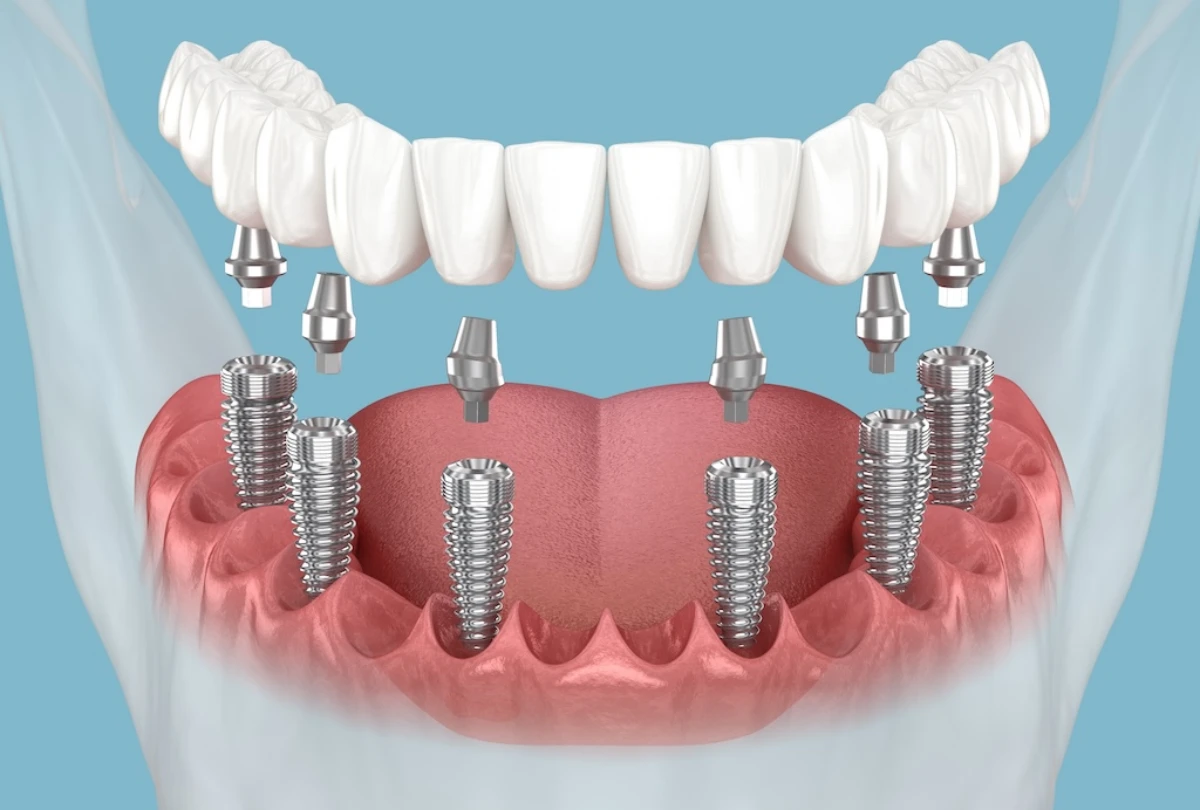
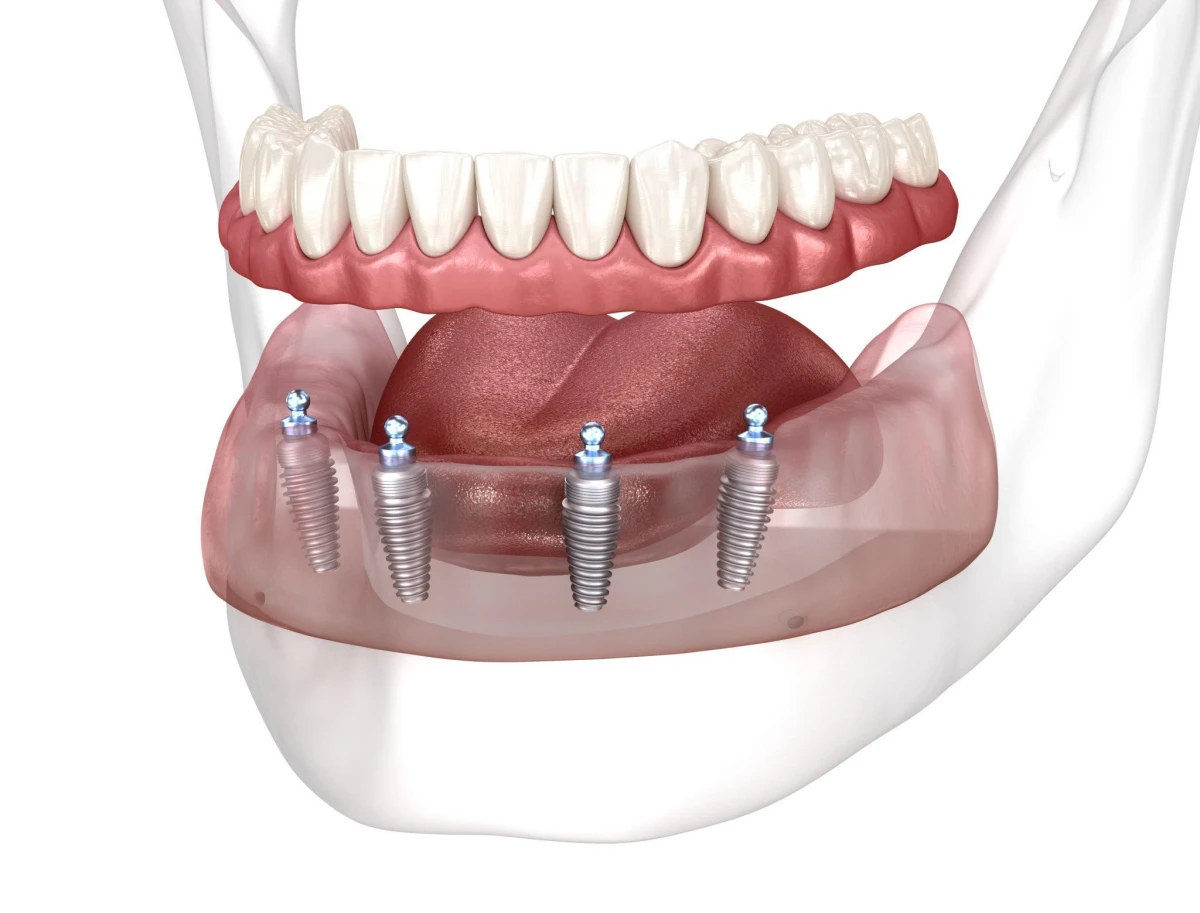
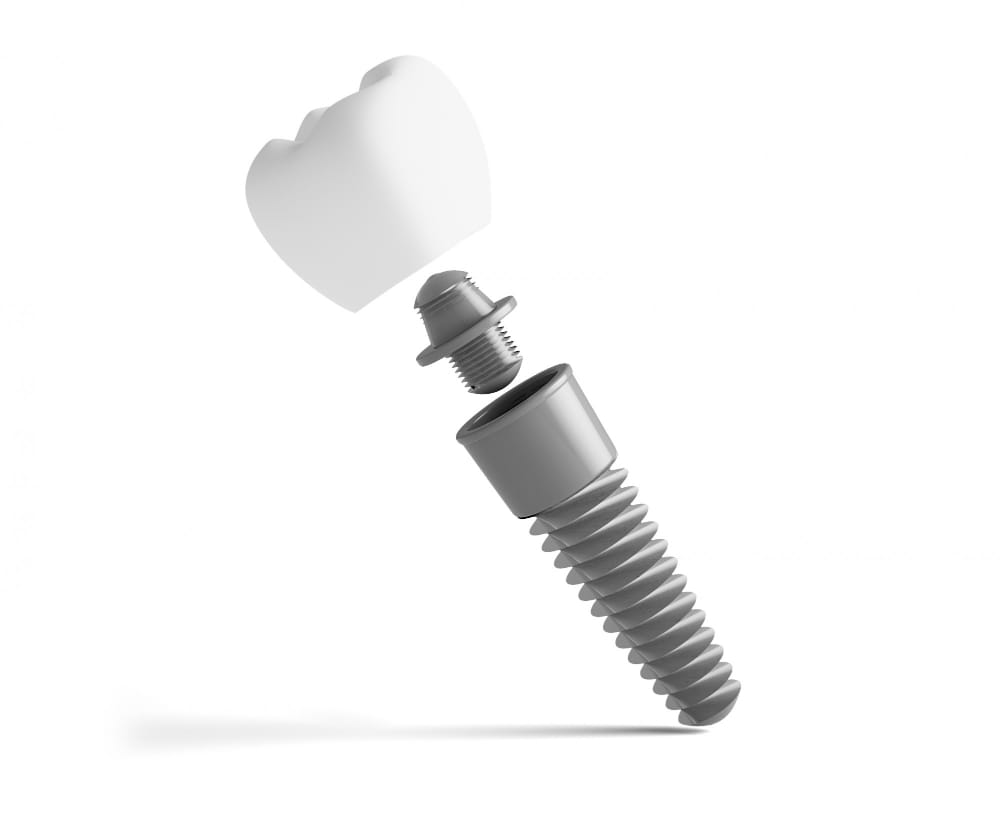
Preserving the natural tooth is often biologically and functionally advantageous compared to alternative treatments. After tooth extraction, the resulting gap may require rehabilitation with an implant, bridge, or denture; this involves a more comprehensive plan and additional manipulation of tissue or adjacent teeth. When the tooth is maintained in the mouth by root canal treatment, chewing balance is preserved, and secondary problems such as tilting or overeruption of neighboring teeth are reduced.
Root canal treatment is also one of the effective ways to control pain. Irreversible pulpitis pain significantly reduces quality of life for most patients and interrupts nighttime sleep. Root canal treatment controls pulp pressure and inflammation. After infection control is achieved, the tooth can function for many years with the proper final restoration. The “reason” for the treatment is not only to relieve pain but also to improve the long-term prognosis of the tooth.
How Long Does Root Canal Treatment Take?
The duration of root canal treatment depends on factors such as the tooth’s canal anatomy, number of canals, status of infection, whether it is the initial treatment or retreatment, and the technology used. Since anterior teeth generally have fewer canals, the procedure can be planned to be shorter. In molars, the number of canals is higher, canals are curved, and access is more difficult, so the duration can be longer. Retreatment, which involves removing old filling material and disinfecting again, usually takes longer.
The treatment may be completed in a single session or, in infected cases, two sessions may be preferred. Placement of medication inside the canal between sessions, especially for teeth with abscess or apical lesions, helps reduce microbial load. The clinician determines the number of sessions based on clinical findings. The appointment for permanent filling or crown is also part of the total treatment process. For teeth planned for crowns, it is recommended to complete the restoration shortly after root canal treatment to reduce the risk of leakage and fracture.
Additionally, follow-up imaging allows monitoring of healing after treatment. Radiographic reduction of apical lesions occurs within months; in some cases, follow-up is planned between 6–12 months. This monitoring is important to evaluate the long-term success of the treatment.
Root Canal Treatment Costs
Root canal treatment costs vary depending on the type of tooth to be treated (anterior tooth, premolar, molar), the number of canals, the difficulty of canal anatomy, whether it is an initial treatment or retreatment, the infection status, imaging and equipment used (e.g., magnification systems, apex locator), the number of sessions, and the subsequent restoration (filling, onlay, crown). In molars,…
Due to the higher number of canals and the increased difficulty in access, the scope of the treatment plan is generally broader. The renewal of old root canal treatments may affect the cost as it requires additional time and technical expertise.
To receive up-to-date and personalized information about root canal treatment prices, you should contact us. After examination and radiographic assessment, once the canal structure of the tooth and the treatment plan are clarified, the cost specific to you will be shared transparently.