
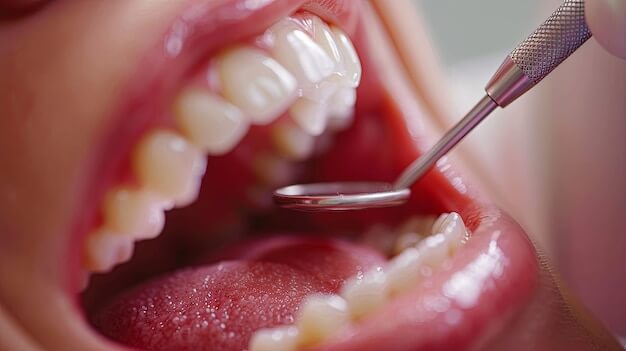
Periodontology is the branch of dentistry that examines, diagnoses, and treats the health of the supporting tissues that connect teeth to the jawbone and keep them stable in the mouth (gingiva, periodontal ligament, cementum, and alveolar bone). The management of gingivitis and periodontitis, commonly known as “gum diseases” in everyday language, is the core focus of periodontology; however, periodontology is not limited to inflammation treatment alone. Gum recession, gingival aesthetics, gum grafting, crown lengthening, treatment of peri-implant diseases (soft tissue and bone issues around implants), and periodontal maintenance protocols also fall within this specialty. The goal is to stop gum bleeding, control infection, slow down or halt bone loss, improve the long-term prognosis of teeth, and make the patient’s oral hygiene sustainable.
Periodontal diseases typically progress slowly and insidiously. In the early stages, signs such as gum bleeding, bad breath, and swelling can be observed, while in advanced stages, gum recession, elongated appearance of teeth, loosening, spacing, sensitivity when biting, and abscess attacks may occur. The most critical point is that periodontal disease can cause destruction not only in the gums but also in the surrounding bone. Once bone loss has occurred, it may not always be fully recoverable; therefore, early diagnosis and regular maintenance are very valuable.
Treatment planning in periodontology is personalized and managed with measurable parameters. During periodontal examination, the depth of gum pockets (measured in millimeters), presence of bleeding, plaque accumulation, amount of gum recession, tooth mobility, furcation involvement (areas of root separation in multi-rooted teeth), and bone levels via radiographs are evaluated. Based on this data, the stage and severity of the disease are determined. Treatment often progresses step by step: initial phase (oral hygiene education + scaling and root planing), re-evaluation (usually within 4–8 weeks), if necessary advanced periodontal/surgical procedures, followed by supportive periodontal therapy (SPT) for long-term follow-up. This follow-up is generally planned every 3–6 months for most patients; the frequency may vary according to the risk profile.
The success of periodontal treatment depends not only on the procedures performed in the clinic. Proper brushing and interdental cleaning at home, quitting or reducing smoking, managing systemic conditions such as diabetes, and attending regular maintenance appointments directly affect the outcome. Therefore, periodontology is not a “one-time” procedure but rather a management process aimed at keeping the patient healthy in the long term.
What Is Periodontology?
Periodontology is the specialty focused on preserving the health of the supporting tissues around the tooth and treating their diseases. Gum diseases are addressed under two main categories: gingivitis and periodontitis. Gingivitis is a form of gum inflammation without bone loss, often reversible. Typical signs include gum bleeding, redness, and swelling. Periodontitis is a more advanced condition where inflammation extends beyond the gums to the bone, causing deepening of the gum pockets and bone destruction. If untreated, periodontitis can progress to tooth mobility and eventual tooth loss.
The scope of periodontology is not limited to infection treatment. For patients experiencing gum recession and root surface sensitivity, graft surgeries can be planned to stop recession and increase tissue thickness. When gum levels are asymmetrical along the smile line or in cases of excessive gums (“gummy smile”), gingival aesthetic adjustments can be performed. Crown lengthening may be planned to expose the restorative margins of a tooth due to fracture or decay. Diagnosis and management of peri-implant conditions such as peri-implant mucositis and peri-implantitis also require a periodontal approach.
Bacterial plaque is the primary factor in the emergence of periodontal diseases; however, smoking, diabetes, genetic predisposition, stress, hormonal changes, certain medications
Factors such as teeth grinding can worsen the progression of the disease. Therefore, periodontology is not just “cleaning”; it involves risk analysis, behavior modification, management of systemic factors, and long-term care planning. The success criteria are monitored through measurable parameters such as reduction in bleeding, decrease in pocket depths, maintenance of plaque control, and stabilization of radiographic bone loss.
How Is Periodontology Performed?
Periodontal procedures are carried out through a treatment flow that extends from diagnosis to care. The first phase is the periodontal examination. In this examination, the gum pockets are measured with a periodontal probe (mm), the presence of bleeding on probing is recorded, gingival recession and calculus are evaluated, and tooth mobility and signs of occlusal trauma are examined. Bone levels, the shape of bone defects, and the condition of tooth roots are assessed with radiographs. Based on this data, the stage of the disease and risk profile are determined.
Initial treatment usually begins with non-surgical methods. Professional supragingival scaling and root surface planing/curettage (subgingival) are performed to remove biofilm and deposits beneath the gums. These procedures can be completed in a single session or divided into several sessions; the plan is adjusted according to intraoral findings and patient comfort. Home care education plays a critical role at this stage of treatment: proper brushing technique, use of interdental brushes/floss, oral irrigation if necessary, tongue cleaning, and personalized product recommendations are planned.
After the first phase, a re-evaluation is performed. This follow-up is typically scheduled within 4–8 weeks; during this period, tissue inflammation decreases and true pocket depths can be assessed more accurately. If bleeding persists, pockets are deep, or bone defects require surgery, advanced periodontal treatments are considered. At this stage, flap surgeries, bone reshaping, regenerative procedures (supported by membranes/grafts in suitable cases), crown lengthening, or gingival grafts can be planned. The choice of surgical technique depends on the type of defect and treatment goals.
After treatment completion, the most critical phase is the supportive periodontal therapy (SPT) period. Periodontal disease is a “relapsing” condition; therefore, professional care and measurements are followed up every 3–6 months. During these check-ups, plaque accumulation, bleeding, pocket depths, and stability are evaluated with radiographic monitoring if necessary. This regular follow-up significantly reduces the long-term risk of tooth loss.
Who Is Suitable for Periodontology?
Periodontal evaluation and treatment are suitable for a wide group of patients who have gum-related complaints or carry risks. Gum bleeding (especially when brushing), bad breath, gum swelling, gingival recession, elongated appearance of teeth, tooth mobility, spacing between teeth, sensitivity when biting, and recurrent gum abscesses may be signs of periodontal problems and require a periodontal examination. Additionally, patients with implants who show signs of bleeding, swelling, or bone loss around implants are also candidates for periodontology.
Individuals with risk factors but no obvious complaints are also suitable, as periodontal disease can progress silently in early stages. Smokers, diabetic patients, those with a family history of early tooth loss, patients undergoing orthodontic treatment, pregnant women and those experiencing hormonal changes (which can increase gum sensitivity), individuals under high stress levels, and those who cannot maintain oral hygiene belong to the risk group. Patients with bruxism (teeth grinding/clenching) can also exhibit traumatic loads on gingival and bone tissue; periodontal treatment plans include addressing these factors as well.
General health status is important in suitability assessment. Uncontrolled diabetes, immunosuppression, and certain blood disorders can affect healing; treatment is planned more cautiously for these patients. For patients using blood thinners, a bleeding management plan is required before periodontal procedures involving surgery. Periodontal care is possible during pregnancy; however, the type and timing of procedures should be carefully planned.
What Should Be Considered Before Periodontology
The most important preparation before periodontal treatment is an accurate diagnosis and setting realistic goals. Therefore, examinations and measurements must be thoroughly performed: pocket depths, bleeding scores, plaque accumulation, amount of recession, and bone levels recorded by X-rays. Any previous history of dental scaling or periodontal treatment should be shared. Oral hygiene habits, the type of toothbrush used, brushing duration, and interdental cleaning routines are evaluated to plan personalized patient education.
A detailed medical history must be discussed. Diabetes, cardiovascular diseases, use of blood thinners, allergies, pregnancy status, and regular medications influence the periodontal treatment plan. Some patients may require antibiotic prophylaxis depending on their medical conditions; this assessment is made according to your clinician’s decision. If there is an acute infection focus in the mouth (such as an abscess) before the procedure, priority is given to controlling the infection first.
Managing expectations before treatment is crucial. If periodontitis is present, the goal is often to “halt the disease and maintain stability”; it is not always possible to fully restore lost bone support in every case. Success criteria at this point include controlling bleeding, reducing pocket depths, stabilizing tooth mobility, and ensuring the patient can maintain home care sustainably. If the patient smokes, a plan to reduce or quit smoking before treatment should be made, as smoking can significantly impair periodontal healing.
If scaling and root planing or surgery is planned, it is helpful to arrange work or school schedules in advance, since there may be sensitivity for a few days after the procedure. Additionally, oral care products (such as appropriately sized interdental brushes, correct toothpaste, and mouthwash if needed) can be obtained prior to treatment for simultaneous use with therapy.
What Should Be Considered After Periodontology
The success of periodontal treatment is maintained by home care and regular check-ups. Initially, the care protocol may vary depending on the procedure performed by the clinician (dental scaling, root surface smoothing, surgery). After non-surgical procedures, mild sensitivity and slight bleeding may occur for a few days; this is usually part of the tissue healing process. Painkillers and oral care products recommended by the dentist should be used regularly. Oral hygiene should never be neglected but brushing might require a gentler technique during the first days.
Interdental cleaning is fundamental for periodontal care. Dental floss or interdental brushes are necessary for plaque control in between teeth; the diameter of the interdental brush used must be appropriate for the individual. An incorrect size may cause trauma, so selection should be based on the dentist’s recommendation. Antiseptic mouthwashes may be provided as short-term support during certain periods; however, long-term uncontrolled use should be avoided as it may affect the oral flora unless advised by the clinician.
If surgical periodontal procedures have been performed, it is important to avoid traumatizing the suture area, eat a soft diet, refrain from smoking, and attend follow-up appointments without fail. The timing for suture removal is usually planned between 7 and 14 days depending on the material used. Swelling and bruising may be observed in some surgeries; if advised by your dentist, cold application can be done during the first 48 hours.
The most important long-term issue is adherence to the supportive periodontal therapy (SPT) program. Periodontal disease tends to recur; therefore, professional cleaning and periodontal measurements are recommended at intervals of 3 to 6 months for most patients. If risk factors such as diabetes or smoking are present, follow-up intervals may be planned more frequently. During check-ups, bleeding, plaque, pocket depths, and bone stability are evaluated with X-rays if necessary.
When Is Periodontology Applied?
Periodontology is applied to many conditions related to the gums and supporting tissues. Its most common application is the treatment of gingivitis and periodontitis. Gum bleeding, swelling, redness, bad breath, tartar accumulation, and deepening of periodontal pockets are signs that require periodontal treatment. When periodontitis progresses to bone loss, the treatment plan becomes more comprehensive and surgical options may arise.
In cases of gum recession and root surface sensitivity, gum grafts can be applied to stabilize the recession and increase tissue thickness. Within the scope of smile aesthetics, correction of gum levels, shaping of excess gum tissue, and crown lengthening procedures fall within periodontology. If restorative margins lie below the gum line or there is insufficient “clinical crown” height due to fracture or decay, crown lengthening can create a suitable area for restorative treatment.
Bleeding and swelling around implant tissues may indicate peri-implant mucositis; if bone loss is also present, peri-implantitis is considered. Diagnosis and treatment of these conditions are critical for the long-term success of implants. Additionally, periodontal health must be stable before orthodontic treatment; orthodontic movements can be risky during active periodontitis. In individuals with systemic risk factors (diabetes, smoking), periodontal follow-up is planned more frequently to reduce complications.
Why Is Periodontology Done?
Periodontal treatment is performed to control gum inflammation, halt or slow infection-related bone damage, reduce the risk of tooth loss, and maintain sustainable oral hygiene. Although gum bleeding is often considered “insignificant,” it can be a sign of chronic inflammation. If gingivitis is treated early, the tissue can completely return to health. When the disease advances to periodontitis, bone loss occurs and the goal becomes stabilizing the disease.
Periodontology also aims to preserve tooth function. As periodontitis advances, teeth may loosen and shift; this can affect chewing and speaking. Furthermore, spacing between teeth increases and food accumulation becomes more frequent, making hygiene maintenance difficult for the patient. Periodontal treatment facilitates home care by reducing pockets and controlling bleeding.
The aesthetic aspect is also important. Gum recession can make teeth appear longer and disrupt smile aesthetics. Asymmetries in gum levels or conditions like a “gummy smile” can be managed with periodontal aesthetic procedures. For the long-term health of implants, regular monitoring of peri-implant tissues is necessary; periodontology allows early detection and intervention of diseases around implants.
Another reason for periodontal treatment is to establish a healthy foundation for planned restorative, implant, or orthodontic treatments. Crowns, bridges, or implants performed while gum bleeding and active infection exist carry a higher risk of complications. Healthy gums directly enhance the success of all other treatments.
How Long Does Periodontology Take?
The duration varies depending on the severity of the disease and treatment phases. Initial examination and periodontal measurements are done, and initial treatment is planned. Scaling and root planing procedures can be performed in a single session or divided into multiple sessions depending on deposits and pocket depths inside the mouth. A re-evaluation control is usually scheduled within 4–8 weeks after this phase; this period is important for the tissue to clear inflammation and reveal the true healing state.
If deep pockets persist or bone defects require surgery after re-evaluation, advanced periodontal treatments are planned. Surgical procedures involve sutures and a healing process.
Periodontal Treatment Follow-Up
Sutures can generally be removed within 7 to 14 days in most cases. The maturation of tissues after surgery takes longer, and follow-up appointments may be scheduled more frequently during this period.
The concept of “completion” in periodontal treatment often means transitioning to the supportive maintenance phase. For patients with a history of periodontitis, supportive periodontal therapy (SPT) is usually continued at intervals of 3 to 6 months. This is a critical process to prevent disease recurrence and maintain the teeth in the oral cavity over the long term. As patient risk factors (smoking, diabetes, high plaque scores) increase, the interval between check-ups may be shortened.
Periodontology Prices
Prices vary depending on the severity of the periodontal disease, the type of procedures to be performed (such as scaling and root planing/curettage, periodontal surgery, grafting, crown lengthening, peri-implant treatments), the number of sessions, necessary imaging and measurement processes, consumables used, and the follow-up protocol. Since periodontal treatment is often planned in stages, the cost is determined as the individualized treatment plan is finalized. Additionally, factors such as smoking habits, diabetes management, and oral hygiene level can influence the frequency of controls and maintenance.
To receive up-to-date and personalized information about periodontology prices, you should contact us. Once your treatment plan is created following examination and periodontal measurements, cost information will be transparently shared according to the scope and session plan.