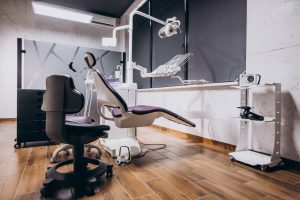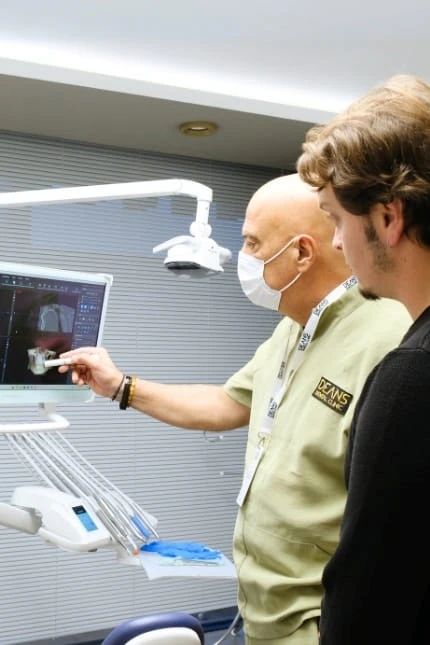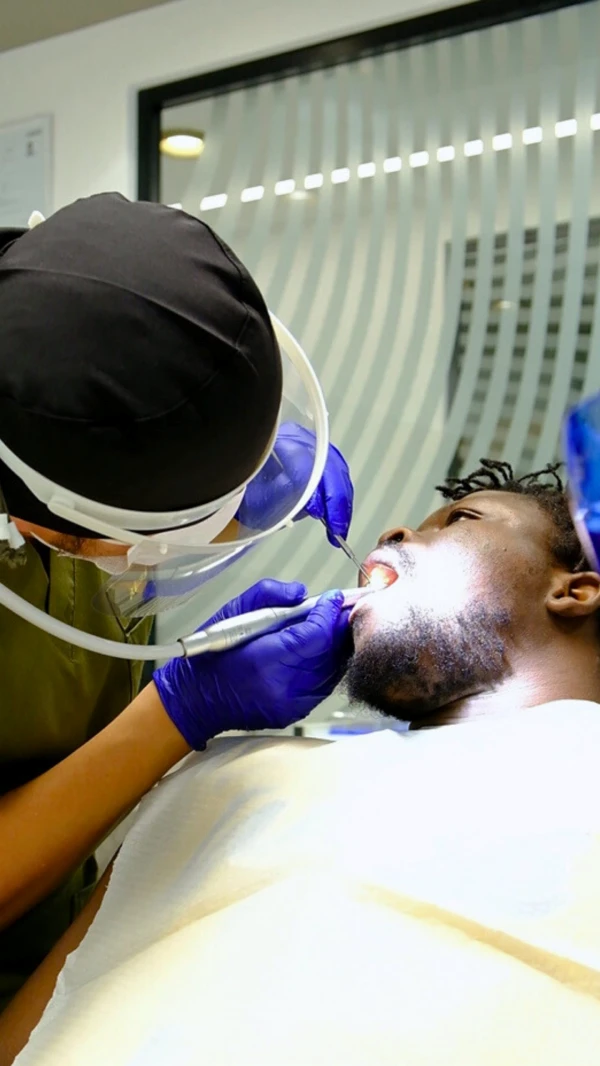
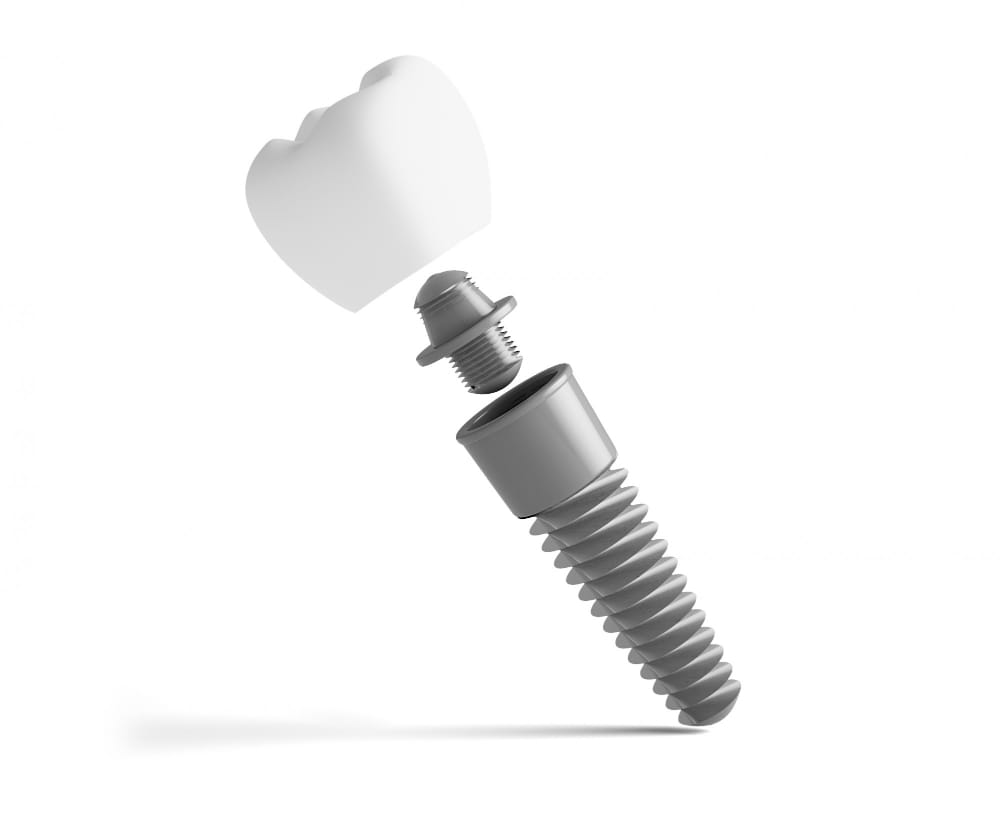

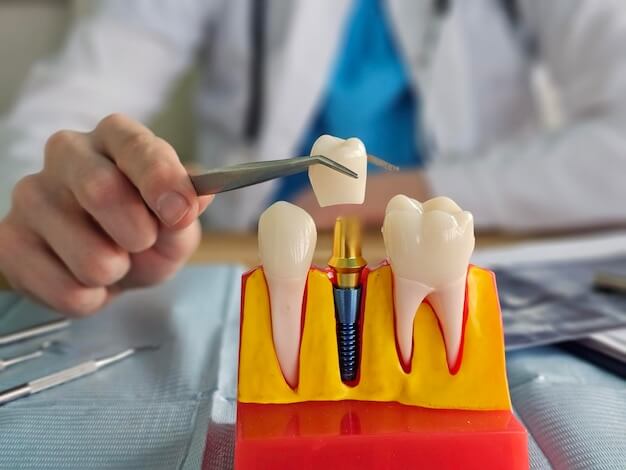
Dental implant treatment is a surgical–prosthetic procedure in which a titanium/titanium-alloy implant that will serve as the root of a missing tooth is placed into the jawbone and then restored with a fixed tooth on top. The goal here is not simply “to fill the gap”; it is to transmit chewing forces to the bone in a controlled manner, replace the missing tooth without cutting down the adjacent teeth, and preserve long-term comfort. In most cases, implants are planned within a diameter range of 3.0–5.0 mm and a length range of 8–13 mm; however, the final selection is always made according to measurable parameters such as the width and height of the jawbone, soft tissue thickness, and the bite relationship. During the planning stage, a panoramic X-ray often provides the initial overview; when a millimetric evaluation is required, we request 3D imaging (CBCT). This is because anatomical boundaries such as the sinus cavity and the mandibular canal are not managed “approximately,” but by precise measurement.
In practice, the process consists of two main parts: surgical placement and the prosthetic (superstructure) stage. After the implant is placed into the bone, the biological bonding period we call osseointegration begins; this duration varies depending on the patient’s bone density, the implant’s initial stability, and whether additional procedures are required. In some patients, under suitable conditions, a temporary tooth can be planned on the same day, while for others it is safer to wait. My clinical approach is clear: the priority is not speed, but predictable healing. For an implant to remain long-lasting, not only the surgery itself but also bite adjustment, a prosthetic design that can be cleaned easily, and sustainable oral care must all be considered together.
What is Dental Implant Treatment
Dental implant treatment is completed by placing an implant that imitates the root of the lost tooth into the jawbone and then fabricating a superstructure such as a crown, bridge, or denture on top of that implant. Because the implant material is biocompatible, the bone tissue can heal in harmony with the implant surface under the right conditions. These “right conditions” are not an abstract statement; they mean reducing risks such as uncontrolled diabetes, heavy smoking, active gum disease, and poor oral hygiene, while also applying the surgical protocol in a non-traumatic manner. The measure of implant success is not simply that it stays in place; it also includes the health of the surrounding gum tissue, preservation of bone levels, the patient’s ability to chew comfortably, and the ability to maintain proper hygiene over time.
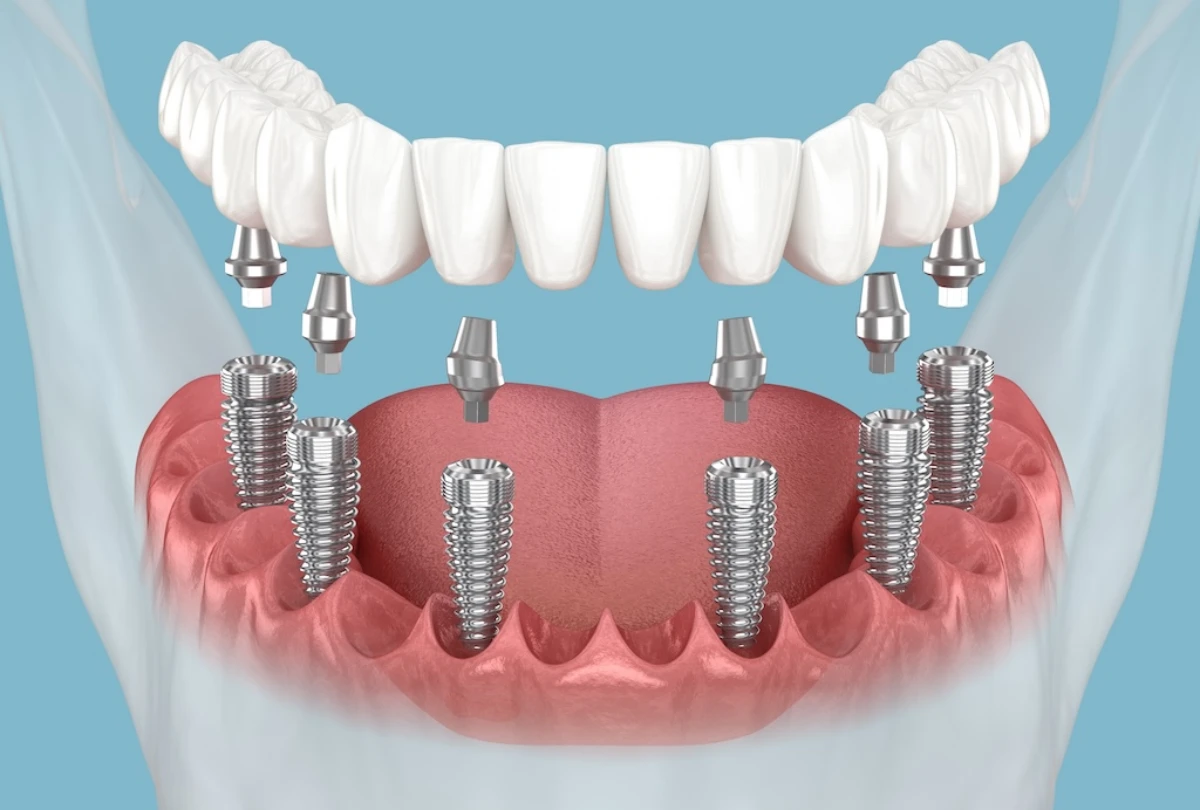
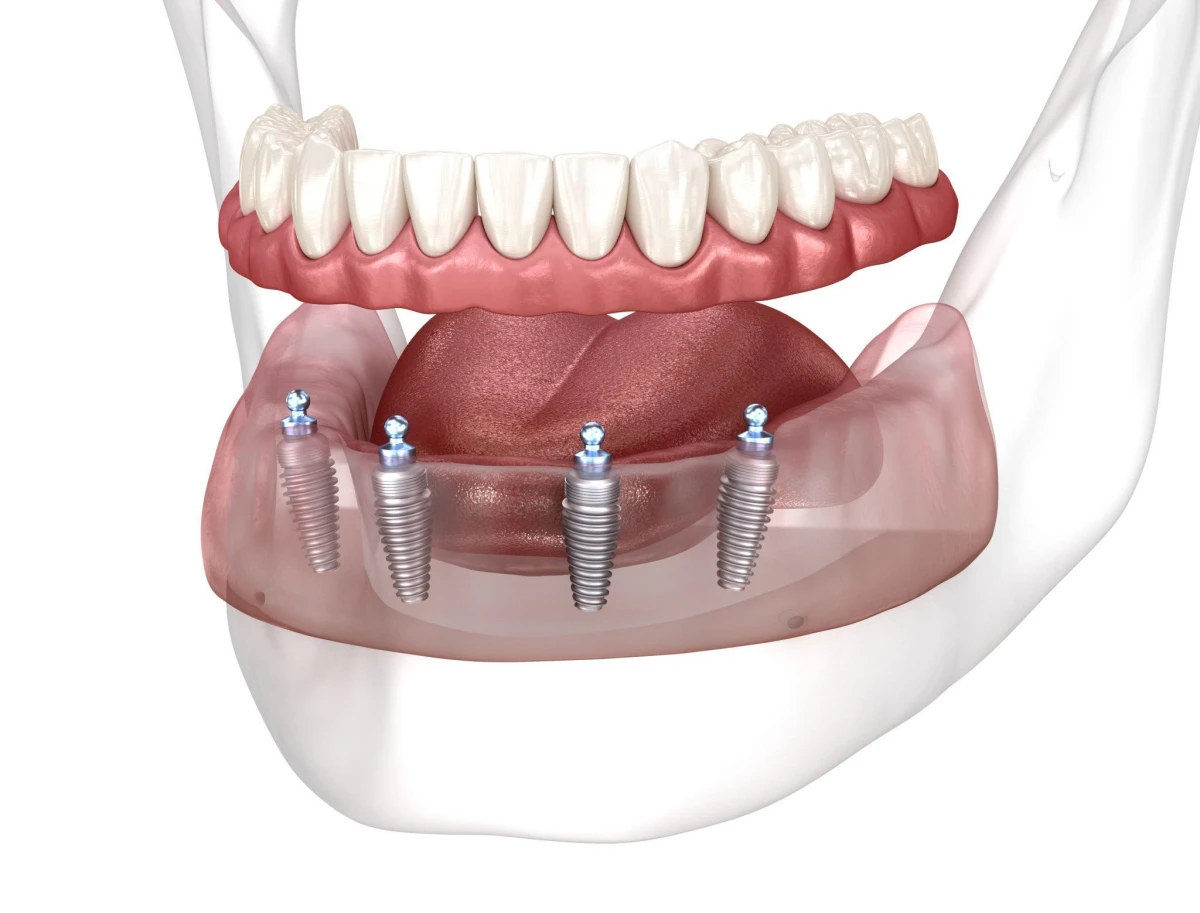
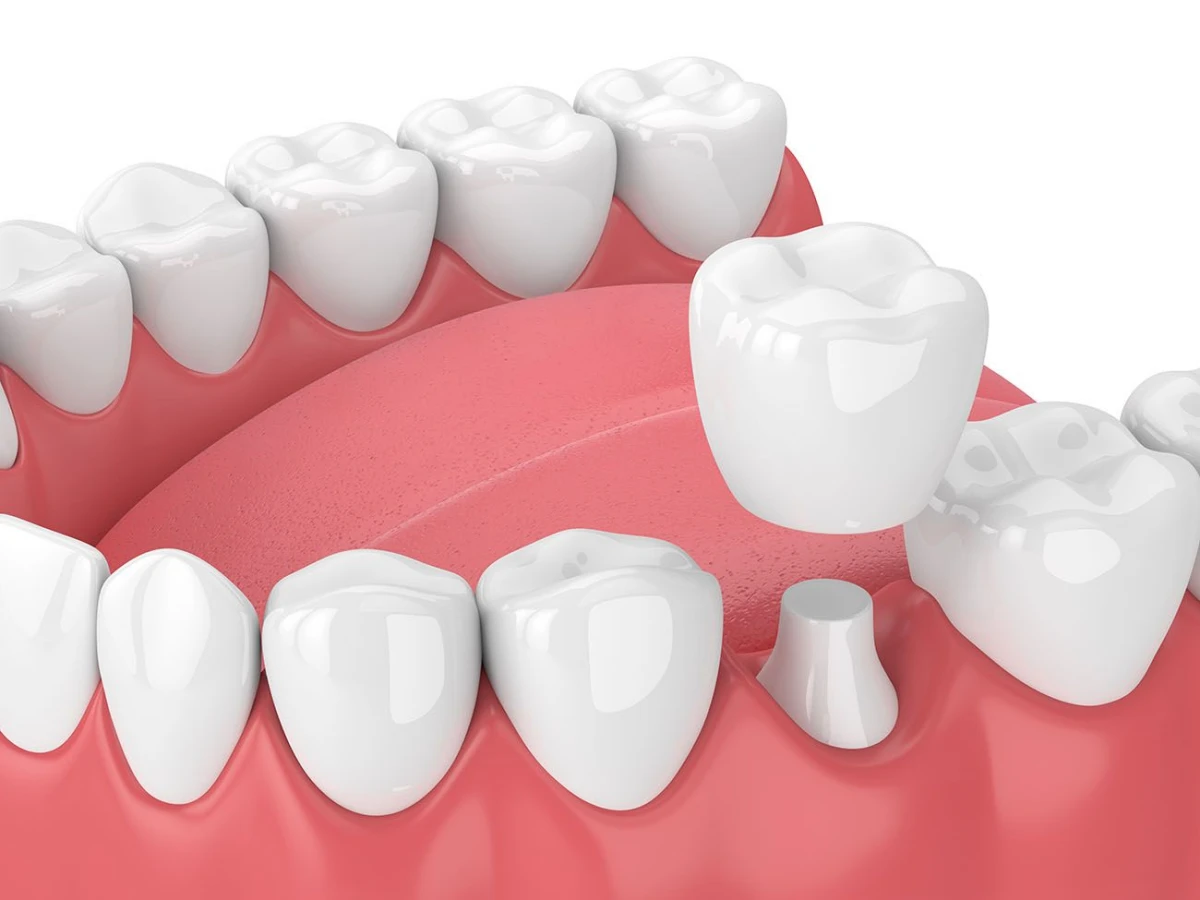
In cases of a single missing tooth, implants support a single crown; in cases of multiple missing teeth, they can support a bridge; and in complete edentulism, fixed or removable prostheses can be planned on a specific number of implants. This “specific number” is not determined randomly; because chewing forces are greater in the posterior region, the treatment plan changes accordingly, and the presence of teeth in the opposing jaw and the type of bite also influence the decision. It is also important to know that implants do not contain a periodontal ligament; unlike natural teeth, we cannot expect the same shock-absorbing behavior at a micro level. For this reason, the bite adjustment of the superstructure and the way forces are distributed play a major role in the lifespan of the implant.
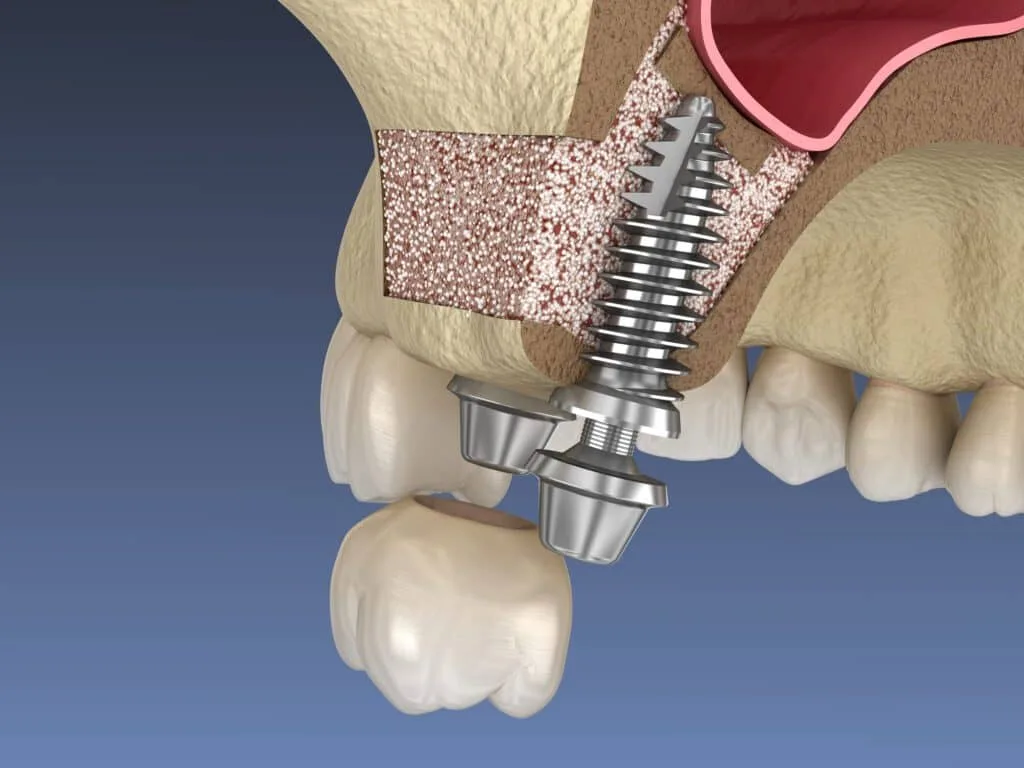
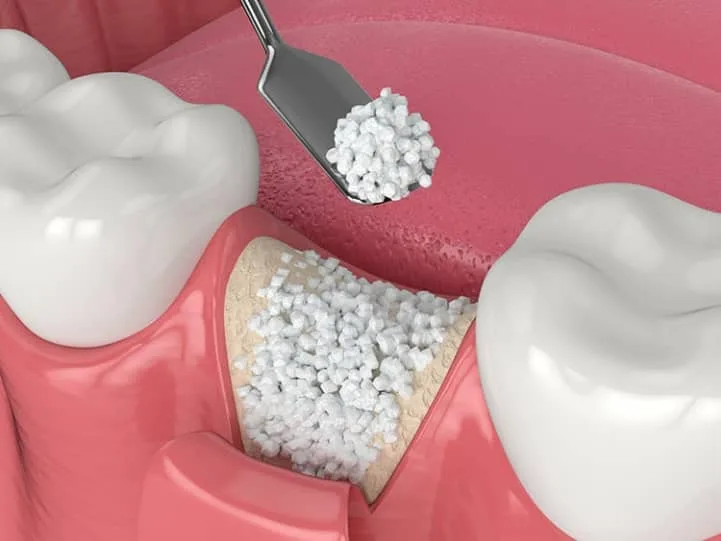
If bone volume is insufficient, implants do not automatically become impossible; however, additional procedures such as bone grafting, membrane applications, or sinus floor elevation may be necessary. In other words, implant treatment is not a one-step “screw insertion” procedure; it is a treatment chain in which biology, mechanics, and hygiene are managed together.
How Is Dental Implant Treatment Performed?
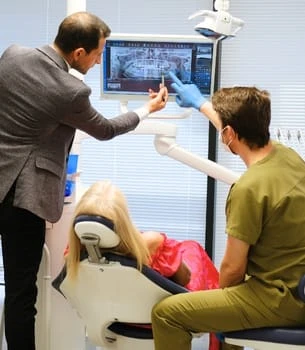
The process begins with examination and planning. During the intraoral examination, the condition of the gums, the bite relationship, the length of the missing area, the health of the neighboring teeth, and the patient’s cleaning habits are evaluated. On the radiological side, a panoramic X-ray provides the starting point in most cases; when it is necessary to plan the implant’s angle and position millimetrically, we request 3D imaging (CBCT). The measurements we assess here are clear: bone height, bone width, distance to the sinus floor, proximity to the mandibular canal, the condition of the extraction socket, and the presence of infection sites.
The surgical stage is usually performed under local anesthesia. While preparing the implant site, controlled drilling and irrigation are used to prevent the bone from overheating, because heat trauma can negatively affect healing. After the implant is placed, primary stability is assessed; in some clinics this is followed more numerically through measurements such as insertion torque and/or ISQ. If stability is high and the case is suitable, a temporary tooth may be planned; if stability is low, a waiting protocol is preferred in order to protect the implant from load.
Healing may progress in two ways: the implant may be covered by the gum tissue (closed healing), or a healing abutment may be left exposed in the mouth (open healing). The esthetic zone, soft tissue thickness, and the surgical plan determine which option is selected. After that comes the osseointegration period. If a temporary prosthesis is required during this time, it is designed so that it does not overload the implant.
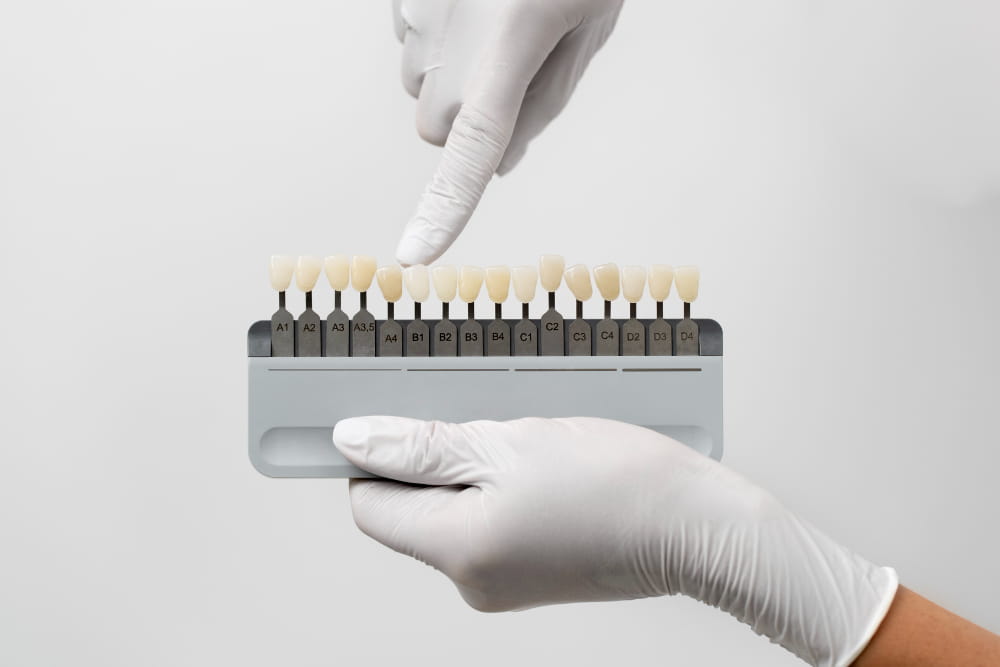
At the prosthetic stage, impressions are taken, the abutment is selected, the crown or bridge is prepared, and then fitted in the mouth. At this stage, cleanability is just as important as esthetics. If an interdental brush cannot pass around the implant, maintenance becomes difficult no matter how motivated the patient may be; this increases the risk of inflammation around the implant. That is why I particularly emphasize one principle: it should not only look good, but also be easy to clean.
Who Is a Suitable Candidate for Dental Implant Treatment?
In evaluating suitability, the main criterion is having sufficient bone volume and healthy soft tissue to support the implant. Bone height and width are measured; in some patients, bone loss is seen because the area has been without teeth for a long time. This does not mean implants are impossible; however, it may require grafting or additional sinus-related procedures. The decision is made not as a simple “possible/impossible,” but rather as “under what preparation is it possible?”
On the general health side, chronic diseases that are under control can usually be managed. In the case of diabetes, for example, if blood sugar control is poor, healing takes longer and the risk of infection increases; for this reason, as clinicians, we take a detailed medical history and, when necessary, proceed in coordination with the patient’s physician. Some medications that affect bone metabolism, as well as treatments that suppress the immune system, may also change the treatment plan. That is why clearly sharing all medications being used is part of treatment safety.
Smoking can negatively affect the blood supply and healing of the tissues around the implant. Information such as “how many cigarettes per day” makes a real difference in risk assessment. Implant treatment can also be performed in patients with clenching or grinding habits (bruxism); however, to control these forces, the number of implants, the superstructure material, occlusal adjustments, and often a night guard recommendation all become part of the plan.
Implants are generally postponed in individuals whose growth and development are not yet complete; this decision is made not solely according to age, but through clinical and radiological evaluation. Saying that someone is “suitable” for implants includes not only the presence of bone, but also whether the patient’s oral care habits are sustainable, because the long-term success of the implant is significantly influenced by the daily routine at home.
What Should Be Considered Before Dental Implant Treatment
The most critical issue before implant treatment is the elimination of active sources of infection in the mouth. Planning an implant while there is an abscessed tooth, advanced gum disease, untreated cavities, or lesions at the tip of the root unnecessarily puts healing at risk. For this reason, in most patients, periodontal cleaning, any necessary fillings or root canal treatment, and the extraction of problematic teeth are planned first. The approach of “I’ll take care of it after the implant” does not work here; hygiene before implant treatment is the foundation of care after implant treatment.
During radiological planning, anatomical boundaries are measured. A safe distance is planned from structures such as the sinus floor in the upper jaw and the mandibular canal in the lower jaw. In cases requiring 3D imaging, the angulation of the implant also becomes part of the treatment plan, because an angulation error can compromise either the esthetics or the cleanability of the superstructure. An implant-supported restoration that cannot be cleaned tends to cause problems in the long term.
In the general health assessment, the patient’s medications, chronic illnesses, allergies, and previous surgeries must be discussed in detail. Blood thinners, medications affecting bone metabolism, and immune system-related treatments directly affect the clinician’s decisions. Sharing this information completely is critically important for the safety of the operation.
As the day of the operation approaches, a few practical points truly make a difference:
Not planning activities such as intense exercise, sauna/Turkish bath, or long-distance travel on the same day after the procedure
If you smoke, speaking openly with your dentist and setting a goal to pause or reduce smoking
Not arriving sleep-deprived or extremely tired; stress can increase pain perception
Establishing the oral care routine recommended by your dentist before the procedure
Preparation before implant treatment is the stage at which the patient says, “I am ready to carry this treatment.” We manage the surgical part, but during the healing period, your daily discipline also plays a significant role in the outcome.
What Should Be Considered After Dental Implant Treatment
Swelling and tenderness can be expected during the first 24–72 hours; during this period, patients should not go beyond the medications and recommendations given by the dentist. Unnecessary heat applications and very hot food or drinks may increase bleeding and swelling in the first days. If cold application is recommended, it should be done in short intervals and in a controlled manner; the goal is to soothe the tissue, not to harm the skin.
One of the most common mistakes in oral hygiene is thinking, “I have stitches, so I should not brush.” A gentle cleaning protocol appropriate for the area is necessary. The surrounding teeth should be cleaned normally, while the operation site should be cared for according to the dentist’s instructions. Plaque accumulation can quickly make the gums swollen and sensitive; the tissues around implants are not as tolerant in this regard as those around natural teeth.
From a nutritional point of view, it is important not to overload the implant too early. Habits such as eating nuts in shells, seeds, or very hard bread crusts increase the risk, especially in the first weeks. Even if there is a temporary tooth, this component is there to “help you look normal comfortably,” not to test the implant. Being impatient at this stage can disrupt the healing course.
Smoking can reduce the quality of healing. Nicotine can negatively affect soft tissue circulation, making the tissue more fragile. Quitting smoking is ideal; for patients who cannot quit, reducing consumption and especially taking a break during the early healing period can still improve the clinical course.
Follow-up appointments are also part of the treatment. Suture removal, soft tissue evaluation, radiographic checks when needed, and oral hygiene instruction are carried out during these visits. In the long term, implants should be placed on a regular follow-up and professional cleaning schedule. Inflammation around implants can sometimes progress without causing pain; regular check-ups provide the opportunity for “early detection.”
For home care, most patients are advised to use, in addition to a toothbrush, an interdental brush (provided the correct size is selected), implant floss, and, when necessary, an oral irrigator. The same product is not suitable for everyone, because spaces inside the mouth vary from person to person. The right tools make care sustainable.
In Which Situations Is Dental Implant Treatment Applied?
For a single missing tooth, an implant is a strong option to replace the tooth without affecting the neighboring teeth. If the adjacent teeth are healthy, we do not want to reduce them for a bridge; at this point, the implant provides a conservative approach. This motivation is especially clear in patients who say, “I do not want any treatment done on my healthy tooth.”
In cases of multiple missing teeth, implants can support a bridge. In long edentulous spans, bridges supported only by natural teeth may be biomechanically challenging; implant support can help distribute forces more evenly. Since chewing forces increase in the posterior region, planning is carried out more carefully, and the number and placement of implants are evaluated together with the bite.
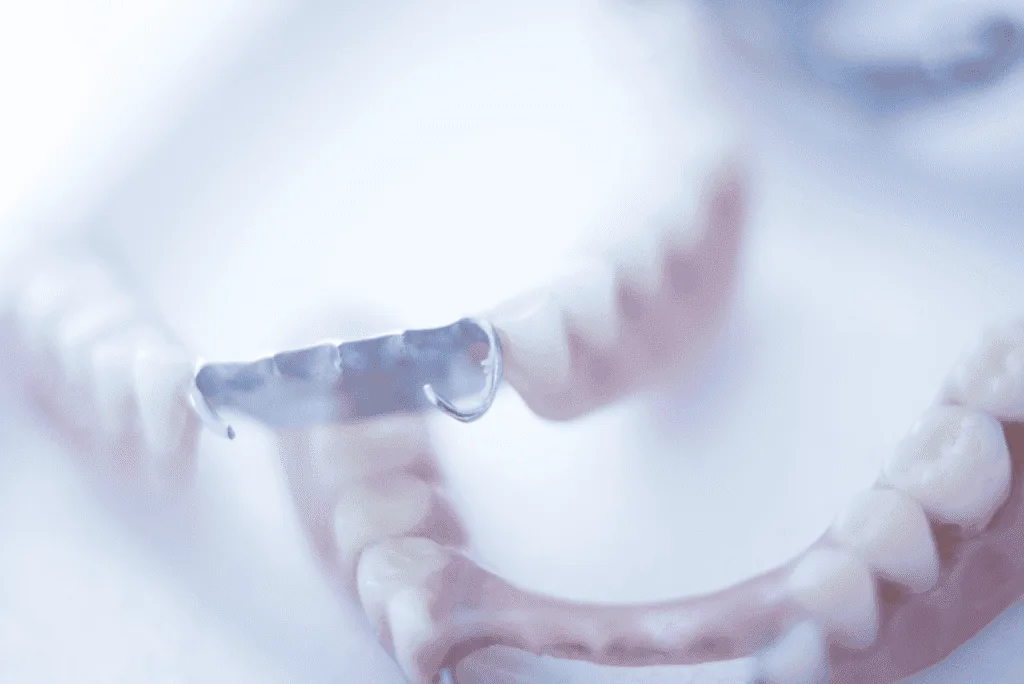
In complete edentulism, implants are frequently used to improve the stability of removable dentures. A denture that moves, causes sore spots, or creates insecurity while speaking can affect daily life. Implant-supported retention systems can reduce denture movement. In some cases, fixed full-arch solutions can also be planned; this decision is made according to criteria such as bone volume, the need for lip support, the smile line, and cleanability.
In patients who have been missing teeth for a long time, additional surgical procedures may come into consideration because of bone loss. In the upper jaw, sinus floor elevation, bone grafts, or soft tissue corrections may be evaluated within this scope. These additional procedures can increase the feasibility of implant treatment, but they may also prolong the treatment timeline.
In some situations, implant treatment is postponed or risks are managed first: conditions such as uncontrolled diabetes, active periodontal infection, patients unable to maintain an oral care routine, or heavy smoking combined with high plaque accumulation should first be brought under control. Implants provide more stable outcomes when they are planned not as “let’s do it today,” but as “let’s do it under the right conditions.”
Why Is Dental Implant Treatment Performed?
The reason for placing an implant is not only esthetics. If a missing tooth is left untreated, the adjacent teeth may tilt into the gap, and the tooth in the opposing jaw may over-erupt toward that space; these movements disrupt the bite. Over time, chewing becomes unbalanced, and a habit of chewing on one side may develop. Patients often describe this as “one side gets more tired” or “it feels like my jaw is shifting.” By restoring the missing area, an implant helps control this chain of movement.
Chewing efficiency is also a major reason. Many people with missing back teeth unconsciously turn to softer foods or shift chewing to one side. This can create a basis for muscle asymmetry and jaw joint complaints. An implant-supported restoration with proper bite adjustment aims to make chewing more balanced.
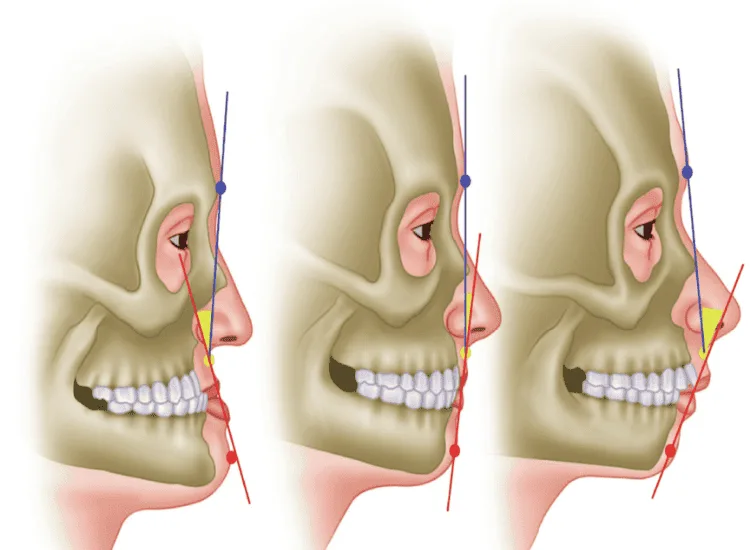
Implants also come into consideration in terms of bone volume. If there is no tooth root, the bone in that area may gradually lose volume over time. By transferring controlled force to the bone, an implant may help preserve bone; here, individual biology, oral care, and systemic health are all determining factors. Still, the clinical reality we see is this: the longer the period without teeth, the more difficult it becomes to manage both bone and soft tissue.
The motivation to protect neighboring teeth is highly valuable in practice. In a bridge plan, the adjacent teeth are reduced; if those teeth are healthy, an implant may be the more conservative option. Not every case may be suitable for implants, but in an appropriate case, the idea of “not touching a healthy tooth” is also reassuring for the patient.
In patients who wear dentures, stability and a sense of security come to the forefront. Eating with a denture that moves can affect social life. Implant-supported solutions can improve speaking and chewing comfort by reducing the movement of the denture.
How Long Does Dental Implant Treatment Take?
The duration of implant treatment is the total of the planning, surgery, biological healing, and prosthetic stages. During the first appointments, the examination, imaging, and treatment plan are finalized. If the case is straightforward, the plan may be completed in 1–2 visits; if additional steps such as 3D imaging and impressions or digital scans are needed, the process may take longer.
The surgical placement procedure is completed in a time that varies according to the case; managing a single implant is not the same as managing multiple implants. The real determining factor is the healing time required for osseointegration. Since bone density in the upper jaw may be lower, a longer waiting period may be planned in some patients; when the bone is denser in the lower jaw, the process may be more predictable. Even so, stability measurements and the patient’s individual healing response can change this picture.
In suitable cases where extraction and implant placement are planned on the same day, the timeline is different. In some patients, it is safer to wait for soft tissue and bone healing after extraction. If bone grafting or sinus procedures are required, the maturation period for these procedures extends the treatment time. This is where the question “Why are we waiting so long?” often comes up; the answer is simple: placing load on immature tissue risks long-term stability.
During the prosthetic stage, there are appointments for impressions, try-ins, and final delivery. A single crown and a fixed full-arch plan do not move at the same pace. In some patients, esthetics are maintained with temporary teeth while the final superstructure is prepared in a more controlled way. The exact duration can only be given accurately after examination and radiological evaluation, because even under the same general heading, the bone and soft tissue conditions of two patients may differ significantly.
Dental Implant Treatment Prices
Dental implant treatment prices are not something that can be reduced to a single figure, because the cost depends on variables that change from patient to patient. The implant system, the number of implants, the type of superstructure to be made (single crown, bridge, full arch), the superstructure material, additional surgeries (bone grafting, sinus floor elevation, soft tissue procedures), imaging needs, and the scope of the clinical protocol all directly affect the price. Even in the same patient, the anatomy of the upper and lower jaws may differ, which can change the treatment plan and therefore the cost items.
Some patients ask only for “the price of the implant,” but implant treatment is a comprehensive process. Components such as connection parts (abutments), impression and laboratory stages, the need for temporary restorations, and follow-up appointments are all part of the treatment. A quote given without discussing these details usually causes even more confusion for the patient. To put it simply and clearly: the right price comes from the right treatment plan.
For this reason, an examination is necessary in order for us to provide clear and transparent pricing information. During the examination, bone volume is measured, it is determined whether any additional procedures are needed, and it becomes clear which type of superstructure is most suitable for you; the cost plan is then prepared accordingly. To receive up-to-date and personalized information about dental implant treatment prices, you need to contact us; once the treatment plan has been established, you will also know clearly what you are paying for.