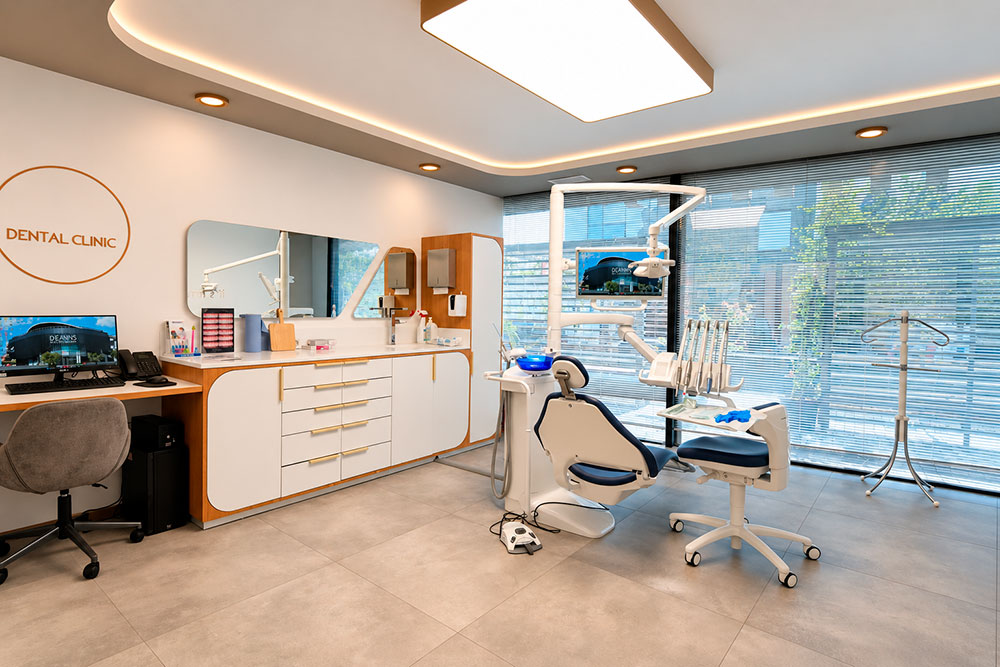
Finding a Turkish dentist near you can make it easier to receive professional dental care while communicating comfortably about your symptoms, expectations and treatment options. A Turkish dentist may be particularly suitable for Turkish-speaking patients who live abroad, travel frequently or prefer to explain their dental history in Turkish. Language is not the only factor to consider. The dentist’s qualifications, clinical experience, technology, treatment planning process, hygiene standards and patient reviews should all be assessed before making an appointment.
Many Turkish dentists provide general dentistry, cosmetic dentistry, dental implant treatments, veneers, teeth whitening, root canal therapy and emergency dental care. Some clinics also work with patients visiting from another country and can organise consultations, treatment plans and follow-up appointments according to the patient’s schedule.
When searching for a Turkish dentist near you, check whether the clinic is officially registered, whether the dentist has the required professional licence and whether the treatment is carried out in a properly equipped dental practice. A reliable clinic should explain the procedure, possible risks, expected treatment time and total cost before treatment begins. You should receive a clear diagnosis rather than being encouraged to choose a procedure without a proper examination.
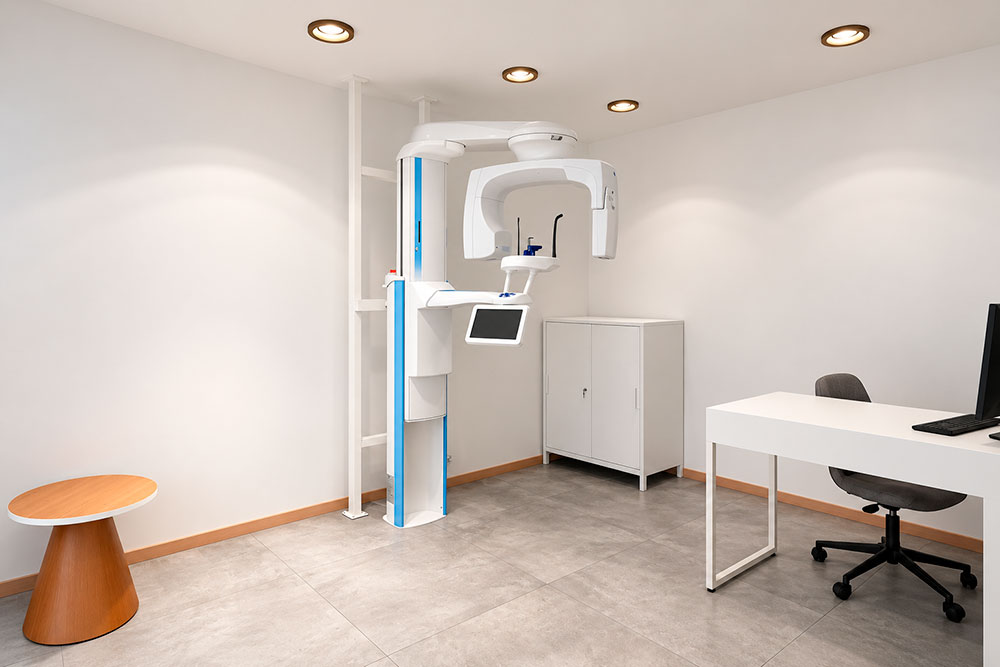
A first consultation generally includes a dental examination, review of medical history and, when needed, digital X-rays or 3D imaging. These records help the dentist evaluate the condition of the teeth, gums, jawbone and existing restorations. A personalised treatment plan can then be prepared according to oral health, aesthetic expectations and budget.
Whether you need routine care, a cosmetic improvement or urgent treatment, choosing a nearby Turkish dentist can make communication and follow-up more convenient. The right clinic should provide understandable explanations, realistic treatment recommendations and continuous support before, during and after the procedure.
How to Find a Turkish Dentist Near Me
The most practical way to find a Turkish dentist near you is to combine online searches with a detailed review of the clinic’s professional information. Search terms such as “Turkish dentist near me”, “Turkish-speaking dentist” or “Turkish dental clinic” can help identify nearby practices. Search results alone are not enough to determine whether a dentist is suitable. The clinic’s location, qualifications, services, patient feedback and appointment availability should be checked separately.
Look at the clinic’s official website and search for information about the dentist’s education, professional registration, areas of expertise and clinical experience. A trustworthy dental practice usually provides the dentist’s full name and explains the treatments offered. Be cautious when a website focuses only on very low prices and does not provide information about diagnosis, treatment planning or follow-up care.
You can also contact the clinic directly and ask whether a Turkish-speaking dentist is available. Some practices may have Turkish-speaking reception staff but not a Turkish-speaking dentist. If explaining your medical history in Turkish is important, confirm this before booking the appointment.
The clinic’s distance matters when treatment requires several visits. A dental implant, root canal procedure or orthodontic treatment may involve multiple appointments, so a practice located within a reasonable travel distance can make attendance easier. Ask how many visits are normally required and whether follow-up appointments are available at the same clinic.
Before attending, check:
- The dentist’s professional qualifications and registration
- Whether the clinic provides the treatment you need
- The availability of digital X-rays or 3D scans
- The estimated treatment duration
- The full price and included services
- The clinic’s emergency arrangements
- Patient reviews from verified or identifiable sources
A telephone or video consultation can help you explain your concern, but it cannot replace an in-person dental examination. Accurate treatment planning normally requires clinical assessment and, in many cases, diagnostic imaging.
Why Choose a Turkish Dentist?
Choosing a Turkish dentist can be useful for patients who feel more comfortable discussing dental concerns in Turkish. Dental treatment often involves personal details, previous procedures, pain symptoms and aesthetic expectations. Being able to describe these matters in your preferred language may reduce misunderstandings and make communication more direct.
A Turkish dentist may also understand common dental concerns among Turkish patients, including preferences related to veneers, dental implants, smile design and preventive care. Patients who have previously received treatment in Türkiye may find it easier to explain the materials used, the procedures completed and any complications they experienced.
Professional competence should remain the main consideration. A dentist who speaks Turkish should also have appropriate education, valid registration, practical experience and access to suitable clinical equipment. Language can improve communication, but it does not replace clinical quality.
Many Turkish dentists working outside Türkiye have experience treating international patients. They may be familiar with dental records from different healthcare systems and can request previous X-rays, implant details or treatment reports. This can be helpful when a patient needs maintenance for an existing implant, crown or veneer.
Patients may choose a Turkish dentist for several practical reasons:
- Easier communication during diagnosis and treatment
- More comfortable discussions about appearance and smile design
- Support for Turkish-speaking family members
- Better understanding of previous treatment history
- Convenient follow-up with a local clinic
- Familiarity with Turkish dental terminology and procedures
The dentist should still explain the treatment in clear language, provide written information and allow enough time for questions. A consultation should not feel rushed. You should understand what is being recommended, why it is necessary, what alternatives exist and what may happen if treatment is delayed.
Dental Treatments Offered by Turkish Dentists
Turkish dentists provide a broad range of dental services, from preventive examinations to complex restorative and surgical procedures. The exact services available depend on the dentist’s training, the clinic’s equipment and whether specialist dentists work at the practice.
Routine dental care commonly includes examinations, professional cleaning, fluoride applications, dental fillings and gum health assessments. Regular check-ups allow the dentist to identify cavities, cracked teeth, early gum disease and worn restorations before they cause significant pain. Many dental problems remain unnoticed until they affect the nerve or surrounding tissues.
Restorative dentistry focuses on repairing damaged or missing tooth structure. Tooth-coloured composite fillings can restore small and moderate cavities. Larger areas of damage may require an inlay, onlay or dental crown. Crowns are designed to cover and protect a weakened tooth, while bridges can replace one or more missing teeth by using neighbouring teeth as support.
Dentists may also provide:
- Root canal treatment
- Tooth extraction
- Dental implants
- Implant-supported crowns, bridges and dentures
- Porcelain or composite veneers
- Teeth whitening
- Dentures
- Gum treatments
- Children’s dentistry
- Night guards for teeth grinding
- Sports mouthguards
- Occlusal adjustments
- Digital smile design
A suitable treatment should be selected after examination rather than chosen only because it is popular. For example, a veneer may improve the appearance of a discoloured tooth, but it may not be appropriate if the tooth has active decay or insufficient enamel. In that situation, the underlying problem needs to be addressed before cosmetic treatment.
A complete dental treatment plan should identify urgent problems, explain priorities and show how each procedure relates to the overall health of the mouth. Patients should receive information about the materials, number of appointments, expected lifespan and maintenance requirements of the proposed treatment.
Cosmetic Dentistry Services
Cosmetic dentistry aims to improve the appearance of the teeth and smile while protecting oral health. Turkish dentists may offer cosmetic procedures such as professional whitening, composite bonding, porcelain veneers, crowns and digital smile design. The most suitable option depends on tooth colour, enamel condition, tooth position, gum health and the patient’s expectations.
Composite bonding is often used to repair small chips, close minor gaps or change the shape of a tooth. The dentist applies tooth-coloured resin directly to the enamel and shapes it before hardening the material with a curing light. The procedure may be completed in one visit and generally requires less removal of natural tooth structure than a veneer. Composite material can stain or wear over time, particularly in patients who smoke or regularly consume coffee, tea or red wine.
Porcelain veneers are thin restorations bonded to the front surface of teeth. They can be used for persistent discolouration, uneven edges, small gaps and selected shape problems. A veneer is not a universal solution. Teeth with decay, untreated gum disease or severe grinding may require different treatment or additional protection.
Cosmetic dentistry should be planned according to facial proportions, lip movement and gum display. A smile that looks attractive in a photograph may not look natural when speaking or laughing. The dentist should assess the patient’s smile from different angles and discuss the desired shade, tooth length and level of brightness.
Before cosmetic treatment, ask about:
- The amount of natural tooth preparation required
- The material and laboratory used
- The expected maintenance
- The possibility of repair
- The effect of teeth grinding
- The treatment’s limitations
- The total cost, including scans and temporary restorations
Healthy gums and stable teeth are essential for a lasting cosmetic result. A cosmetic procedure should improve the smile without compromising function, speech or the ability to clean between the teeth.
Dental Implants and Implant-Supported Treatments
Dental implants replace the root portion of a missing tooth. The implant is placed into the jawbone, where it can integrate with the bone during a healing period. A connector called an abutment is then attached, and a crown, bridge or denture is fitted on top.
The process begins with an examination and diagnostic imaging. A panoramic X-ray may provide an initial overview, while a cone beam computed tomography scan can show the width and height of the jawbone, the position of nerves and the relationship between the proposed implant site and nearby structures. The dentist uses this information to determine implant position, size and surgical requirements.
Adequate bone volume is needed for predictable implant placement. If bone loss has occurred after tooth extraction, the dentist may recommend bone grafting or another augmentation procedure. Healing time varies according to the surgical site, bone quality and the patient’s medical condition. Some cases can receive a temporary tooth shortly after placement, but immediate loading is not suitable for every patient.
Implants can support:
- A single crown for one missing tooth
- A fixed bridge for several missing teeth
- A removable or fixed full-arch restoration
- An overdenture retained by two or more implants
Smoking, uncontrolled diabetes, untreated gum disease and poor oral hygiene can increase the risk of implant complications. Patients should inform the dentist about medications, previous surgeries and conditions that may affect healing.
After treatment, regular maintenance is essential. Plaque can accumulate around an implant even though the implant itself cannot develop tooth decay. Inflammation around the implant may lead to bone loss and implant failure if it is not managed. Professional reviews, careful brushing and cleaning beneath bridges or around implant-supported dentures help protect the result.
Dental Veneers and Hollywood Smile
Dental veneers are custom-made restorations designed to cover the visible surface of selected teeth. A “Hollywood smile” generally refers to a carefully planned cosmetic smile involving several front teeth, but it is not a single standard procedure. The final result may involve porcelain veneers, composite veneers, crowns, whitening or gum contouring depending on the patient’s dental condition.
The planning stage should include an assessment of tooth position, enamel thickness, gum symmetry, bite and facial features. The dentist may take photographs, digital scans and X-rays before designing the proposed smile. In some clinics, a temporary mock-up allows the patient to see the approximate tooth shape and length before the final restorations are produced.
Porcelain veneers are usually manufactured in a dental laboratory. The dentist may remove a small amount of enamel to create space for the veneer, although preparation varies considerably between patients. “No-preparation” veneers are not suitable for every smile. Adding material without creating enough space can make the teeth look bulky or affect the gums.
A good veneer should have natural proportions, a clean margin and a colour that suits the patient’s complexion and surrounding teeth. Excessively white or very uniform teeth may appear artificial, particularly when the shape does not match the face.
Patients considering a Hollywood smile should understand:
- Veneers are not reversible when enamel has been removed
- Existing cavities and gum disease must be treated first
- Veneers can chip or fracture under heavy force
- Teeth grinding may require a protective night guard
- Veneers do not prevent gum disease or tooth decay
- The final result depends on hygiene and regular check-ups
The dentist should not recommend covering healthy teeth simply to achieve a trend-based appearance. The treatment plan should preserve as much natural tooth structure as possible and maintain comfortable chewing and speech.
Teeth Whitening Treatments
Professional teeth whitening is designed to reduce stains and lighten the natural colour of teeth. Dentists may provide in-office whitening, take-home whitening trays or a combination of both. The treatment works on natural tooth structure and does not change the colour of porcelain crowns, veneers, bridges or composite fillings.
Before whitening, the dentist checks for cavities, cracks, gum recession and existing restorations. Whitening can cause significant sensitivity when the enamel is damaged or the dentine is exposed. Treating these problems beforehand may improve comfort and reduce the risk of complications.
In-office whitening usually involves applying a peroxide-based gel under controlled conditions. The gums and soft tissues are protected before the gel is placed on the teeth. The appointment may take approximately 60 to 90 minutes, depending on the system used and the patient’s shade goal. Some patients require more than one session, while others achieve a satisfactory result with a single appointment.
Take-home trays are made to fit the patient’s teeth. The dentist provides the whitening gel and instructions about how long to wear the trays. The process generally takes longer than in-office treatment but allows the patient to control the pace. Using excessive gel or wearing the trays for longer than instructed does not necessarily produce a better result and can increase sensitivity.
After whitening, temporary sensitivity is common. It may last from a few hours to several days. Patients may be advised to avoid very hot or cold foods and strongly coloured drinks during the early period after treatment. Coffee, tea, tobacco and red wine can contribute to future staining.
Whitening is not suitable for every type of discolouration. Deep internal stains, some medication-related colour changes and discolouration caused by a dead tooth may need veneers, internal whitening or restorative treatment instead.
Root Canal Treatment and Tooth Extraction
Root canal treatment is used when the soft tissue inside a tooth, known as the pulp, becomes inflamed or infected. Deep decay, a crack, repeated dental procedures or trauma can damage the pulp. Symptoms may include prolonged sensitivity to hot and cold, pain when biting, spontaneous toothache or swelling, although some infected teeth cause no symptoms.
During root canal treatment, the dentist removes the infected or inflamed pulp, cleans and shapes the canals and seals them with a suitable filling material. Local anaesthesia is used to control pain. The number of appointments depends on the tooth’s anatomy, the severity of infection and whether a previous root canal has failed. A molar may have several narrow canals and require more time than a front tooth.
A tooth weakened by extensive decay or previous treatment may need a crown after root canal therapy. The crown protects the remaining tooth structure from fracture during chewing. Delaying the final restoration can increase the risk of the tooth breaking.
Tooth extraction is considered when a tooth cannot be restored predictably. Severe structural damage, advanced gum disease, an unfavourable crack or a problematic wisdom tooth may make removal necessary. The dentist should explain whether saving the tooth is possible before recommending extraction.
After extraction, a blood clot forms in the socket and supports healing. Patients should avoid disturbing the area, smoking and vigorous rinsing during the early healing period. Persistent bleeding, increasing swelling, fever, difficulty swallowing or severe pain should be reported to the dental clinic.
When a tooth is removed, replacement options may include an implant, bridge or denture. Leaving a missing tooth untreated can affect chewing and may allow neighbouring teeth to move into the empty space.
Emergency Turkish Dentist Near Me
An emergency Turkish dentist near you can provide urgent assessment when sudden pain, swelling, trauma or bleeding requires prompt attention. A Turkish-speaking dentist may make it easier to explain the timing of symptoms, previous treatment and medications, particularly when the situation is stressful.
Dental emergencies include severe toothache, facial swelling, a knocked-out permanent tooth, a broken tooth with exposed nerve tissue, uncontrolled bleeding and injuries to the lips or jaw. A dental abscess can cause swelling, throbbing pain, bad taste and fever. It requires professional treatment and should not be managed only with painkillers.
If a permanent tooth is knocked out, hold it by the crown rather than the root. If it is visibly dirty, rinse it briefly with clean water without scrubbing. The tooth may be placed back into the socket if this can be done safely. Otherwise, keep it moist in milk or a suitable tooth-preservation solution and seek urgent dental care. Timing is important, and the chance of saving the tooth decreases as the dry period becomes longer.
A broken restoration may cause sharp edges, sensitivity or difficulty chewing. Do not use household glue to repair a crown or denture. Keep the restoration and take it to the dentist.
When contacting an emergency clinic, ask:
- Whether a Turkish-speaking dentist is available
- Whether same-day appointments are offered
- Whether emergency X-rays can be taken
- What to do until the appointment
- Whether the clinic provides weekend or evening care
- Which forms of payment are accepted
Facial swelling accompanied by breathing difficulty, swallowing problems or swelling around the eye can represent a serious medical emergency. In such cases, emergency medical services may be required in addition to dental care.
How Much Does a Turkish Dentist Cost?
The cost of treatment from a Turkish dentist depends on the procedure, materials, diagnostic requirements, location and complexity of the case. A routine examination and professional cleaning cost considerably less than a dental implant, full-mouth rehabilitation or multiple veneers. A reliable price cannot be given without knowing the patient’s dental condition and the treatment required.
A consultation may include an examination, photographs and X-rays. Some clinics include basic imaging in the consultation fee, while others charge separately for panoramic radiographs or 3D scans. Ask what is included before attending so the estimate is clear.
Treatments involving laboratory restorations generally cost more than procedures completed directly in the dental chair. Porcelain veneers, crowns and implant crowns require impressions or digital scans and laboratory production. Implant treatment may include the surgical implant, abutment, temporary tooth, final crown and follow-up appointments. These components should appear separately in the written treatment plan.
The final price may also depend on:
- The number of teeth being treated
- The type and brand of implant
- The material used for crowns or veneers
- The need for bone grafting
- The severity of infection or gum disease
- Sedation requirements
- Temporary restorations
- Additional appointments
- Post-treatment maintenance
Be cautious of an unusually low quote that excludes essential stages. A price comparison is meaningful only when the treatments, materials and aftercare are equivalent. Asking for a written estimate helps prevent misunderstandings and allows you to compare clinics fairly.
The cheapest option may not provide the best long-term value if treatment fails, requires replacement or creates additional dental problems. A transparent dentist should explain the expected outcome, limitations and possible additional costs before treatment begins.
Factors Affecting Dental Treatment Prices
Dental treatment prices are influenced by clinical complexity, materials, technology and the level of care required. Two patients requesting the same treatment may receive different estimates because their dental conditions are not identical.
The number of teeth is one of the clearest factors. Treating one damaged tooth requires fewer materials and appointments than restoring ten teeth. Implant treatment becomes more complex when multiple teeth are missing or when the patient has significant bone loss.
Materials also affect the cost. A crown may be manufactured from different types of ceramic, zirconia or metal-ceramic materials. Each option has specific aesthetic and functional characteristics. The dentist should explain which material is appropriate for the tooth’s position, bite forces and appearance requirements.
Diagnostic imaging may add to the total price. A simple filling may require only a clinical examination and a small dental X-ray, whereas implant surgery may require three-dimensional imaging. This imaging helps reduce surgical risks and supports accurate planning.
Gum disease, infection and bone loss can require treatment before cosmetic or restorative procedures. A patient may need professional periodontal cleaning, root canal therapy, extraction or bone grafting before receiving an implant or veneer. Treating these conditions is necessary for a stable result.
The clinic’s location, dentist’s experience, laboratory quality and appointment duration can also influence prices. Aftercare is another factor. A clinic that provides structured reviews, maintenance appointments and prompt support may have a different fee structure from a practice offering treatment without long-term follow-up.
A proper estimate should show:
- The diagnosis
- The recommended treatment
- The materials to be used
- The number of appointments
- Any temporary work
- Imaging and laboratory fees
- Aftercare arrangements
- Possible additional procedures
Does a Turkish Dentist Accept Dental Insurance?
Whether a Turkish dentist accepts dental insurance depends on the clinic, the insurer and the terms of the patient’s policy. Some practices process insurance claims directly, while others require the patient to pay the clinic and request reimbursement from the insurance provider.
Before booking, contact both the dental clinic and the insurance company. Ask the clinic whether it is part of the insurer’s approved network and whether the proposed treatment is covered. Insurance policies often distinguish between preventive care, restorative procedures, major dental work and cosmetic treatment.
Routine examinations, dental X-rays, hygiene appointments and fillings may be covered under some plans. Dental implants, veneers, whitening and smile design are frequently subject to limitations or exclusions because they may be classified as cosmetic or elective procedures. A tooth extraction may be covered when medically necessary, but the replacement implant may be assessed under different policy rules.
The clinic may provide a treatment estimate, diagnostic records and an itemised invoice. These documents can help the insurer determine eligibility. Some insurers require pre-authorisation before extensive treatment begins. Failing to obtain approval in advance may affect reimbursement.
Ask the clinic:
- Whether direct billing is available
- Which insurance companies are accepted
- Whether an itemised invoice is provided
- Whether treatment codes can be included
- Whether pre-authorisation documents are supported
- What payment is required on the appointment day
Insurance coverage is determined by the policy, not by the dentist’s language or nationality. Patients should not assume that a Turkish-speaking dentist is automatically covered by their insurance network. Written confirmation from the insurer is the safest way to understand the expected out-of-pocket cost.
How to Choose the Best Turkish Dentist Near Me
Choosing the best Turkish dentist near you requires more than selecting the highest-rated clinic or the lowest advertised price. The dentist should have appropriate qualifications, relevant experience and a treatment approach that matches your needs.
Start by confirming the dentist’s registration and professional background. The clinic should clearly identify the dentist and provide information about training and areas of expertise. If you need implants, ask about experience with implant surgery and the type of restorative support available. If you are considering veneers, review cases that show natural-looking results rather than identical, heavily edited photographs.
The first consultation can reveal how the clinic works. A good dentist examines the teeth and gums before recommending treatment. The treatment plan should be based on clinical findings, photographs and appropriate imaging. You should be told what problems require attention and which procedures are optional.
Pay attention to communication. The dentist should answer questions without pressure, explain technical terms and discuss alternatives. A consultation focused only on price or the number of crowns may not provide enough information about oral health.
Check practical details such as:
- Clinic hygiene and sterilisation procedures
- Availability of digital diagnostic equipment
- Emergency support
- Follow-up appointment arrangements
- Laboratory partnerships
- Written treatment plans
- Transparent payment information
- Accessibility of the clinic
Patient reviews can be helpful when they describe communication, punctuality, aftercare and the actual treatment experience. A collection of identical, short reviews or unverified before-and-after photographs should be interpreted cautiously.
A strong dental relationship is built over time. Choose a dentist who can provide maintenance after the immediate procedure, not simply a clinic that offers a single appointment and no structured follow-up.
Qualifications and Certifications to Check
Before booking with a Turkish dentist, check the dentist’s professional registration, academic training and relevant certifications. Registration requirements differ by country, so the appropriate regulatory body depends on where the clinic is located. The dentist should be legally authorised to practise in that jurisdiction.
For general dental treatment, confirm that the dentist has completed a recognised dental degree and holds an active licence. Additional training may be relevant for advanced procedures. A dentist offering implant surgery should be able to explain their postgraduate education, practical experience and surgical training. Cosmetic procedures may require experience in restorative dentistry, prosthodontics or aesthetic treatment planning.
Certifications for equipment, infection control and continuing education can provide useful information, but a certificate alone does not guarantee a suitable treatment outcome. Ask how frequently the dentist performs the procedure you are considering and whether complex cases are referred to a specialist when necessary.
The clinic should follow appropriate sterilisation and cross-infection procedures. Instruments that penetrate tissue must be sterilised according to local healthcare standards. Single-use items should not be reused, and the practice should be able to explain how instruments are processed.
You may ask to see or verify:
- The dentist’s professional registration
- Dental degree and postgraduate qualifications
- Implant or restorative dentistry training
- Continuing professional development
- Sedation training, if sedation is offered
- Clinic registration
- Laboratory accreditation, where relevant
- Infection-control policies
A qualified dentist should not object to reasonable questions about professional background. If information is unclear or cannot be verified, request clarification before committing to extensive treatment.
Questions to Ask Before Booking an Appointment
Asking clear questions before booking helps you understand whether the dentist and clinic are appropriate for your needs. Explain your main concern and mention any pain, swelling, previous dental work, allergies, medications or medical conditions.
Ask whether the dentist speaks Turkish directly or whether translation is provided by another member of staff. If you need to discuss complex treatment in Turkish, direct communication with the dentist may be important.
Useful questions include:
- What qualifications and registrations does the dentist hold?
- How often does the dentist perform this treatment?
- Will I receive an examination before a treatment recommendation?
- Which X-rays or scans may be necessary?
- How many appointments are normally required?
- What materials will be used?
- Are temporary restorations included?
- What are the alternatives to this treatment?
- What are the possible risks and limitations?
- What happens if a complication develops?
- How long is the expected recovery period?
- Is follow-up care provided at the same clinic?
- Can I receive a written treatment plan and estimate?
- Does the clinic work with my dental insurance?
For cosmetic treatment, ask to see examples of cases similar to yours. Photographs should be viewed as examples rather than a promise of an identical result. Your enamel, tooth position, bite, gum line and facial proportions may require a different plan.
You should feel comfortable asking for time to consider the proposal. Pressure to pay a deposit immediately or to approve treatment without an examination is a warning sign. A professional consultation should give you enough information to make a considered decision.
What to Expect at Your First Dental Appointment
Your first appointment with a Turkish dentist usually begins with registration and a review of your medical and dental history. Tell the dentist about previous treatments, allergies, regular medication, pregnancy, diabetes, blood-thinning medication and any history of complications with anaesthesia.
The dentist examines the teeth, gums, tongue, bite and jaw. The examination may include measurements of gum pockets, assessment of existing fillings and checks for cracks or signs of tooth wear. If you have pain, explain when it started, what triggers it and whether it is constant or intermittent.
Dental X-rays may be taken to identify cavities between teeth, bone loss, infection around tooth roots or impacted teeth. A panoramic X-ray provides a broad view of the jaws. A 3D scan may be recommended when planning implants, complex extractions or certain surgical procedures.
After diagnosis, the dentist explains the findings and discusses treatment options. You should be told which problems are urgent, which procedures can be scheduled later and what may happen if a condition remains untreated. In some cases, the dentist may recommend stabilising gum disease or infection before beginning cosmetic work.
The appointment may include:
- Medical and dental history
- Oral examination
- Digital photographs
- Dental X-rays
- Gum assessment
- Bite evaluation
- Discussion of symptoms
- Treatment planning
- Cost and appointment information
You may not receive treatment during the first visit unless the procedure is straightforward or urgent. A detailed plan often requires time to evaluate diagnostic records and coordinate with a dental laboratory. Written information allows you to review the recommendations after leaving the clinic.
Turkish-Speaking Dentist Near Me
A Turkish-speaking dentist near you can make dental consultations easier for patients who prefer to communicate in Turkish. Describing pain, sensitivity, previous procedures and concerns about appearance in a familiar language may help the dentist understand the situation more accurately.
Confirm whether the dentist speaks Turkish or whether only the receptionist does. This distinction matters when discussing complex treatments such as implants, root canal therapy, gum disease or full-mouth rehabilitation. Ask whether written treatment plans and consent documents are available in a language you understand.
A language match can be particularly helpful when discussing aesthetic expectations. Terms such as natural-looking, bright, symmetrical, soft facial support or minimal tooth preparation can mean different things to different people. Direct conversation allows the dentist to ask follow-up questions and clarify the intended result.
Turkish-speaking support may also help family members participate in decisions when a patient needs assistance. Older patients or those attending for extensive treatment may feel more comfortable when appointment instructions, medication guidance and aftercare advice are explained in Turkish.
Language should be considered alongside clinical quality. Check the dentist’s professional registration, experience, clinic hygiene, diagnostic equipment and follow-up arrangements. A Turkish-speaking dentist who cannot provide appropriate treatment or aftercare may not be the right choice.
Before booking, ask:
- Does the dentist speak Turkish fluently?
- Can treatment information be explained in Turkish?
- Are consent forms available in an understandable language?
- Can emergency advice be provided in Turkish?
- Is Turkish-speaking support available during follow-up visits?
Clear communication should continue after treatment. Patients need to understand how to use medication, clean around restorations, manage sensitivity and recognise symptoms that require a review.
Turkish Dentist Reviews and Patient Experiences
Reviews can help you understand how a Turkish dentist communicates with patients and manages appointments, but they should not be the only basis for choosing a clinic. Look for detailed feedback that discusses the diagnosis, treatment process, staff communication, punctuality, hygiene and aftercare.
A useful review may explain how many visits were required, whether the dentist answered questions and whether the clinic responded when the patient had concerns after treatment. Comments that mention only a low price or a pleasant reception provide limited information about clinical quality.
Review patterns are more informative than a single comment. Check several platforms where possible and compare the dates of the reviews. A clinic with many recent reviews may provide a clearer picture of its current team and service. Older reviews may refer to a different dentist, location or treatment system.
Before-and-after images can show the style of cosmetic work, but photographs may be edited or taken under different lighting. Ask whether the images represent cases treated by the dentist you will see. A result that looks attractive online may not be suitable for your tooth structure or bite.
Be cautious when reviews claim guaranteed results, immediate perfection or no need for maintenance. Dental treatments have biological limitations, and every patient heals differently. Authentic patient experiences usually mention both the positive aspects and the practical parts of treatment, such as temporary discomfort, appointment length or the need for a night guard.
Reviews are most useful when combined with:
- Verified qualifications
- A proper in-person examination
- Clear written treatment planning
- Transparent pricing
- Appropriate diagnostic imaging
- Accessible follow-up care
Benefits of Choosing a Local Turkish Dentist
Choosing a local Turkish dentist can make dental care more convenient, particularly when treatment requires several appointments. Routine check-ups, implant reviews, veneer maintenance and orthodontic adjustments are easier to manage when the clinic is within a reasonable distance.
Communication is another practical benefit. Patients who speak Turkish may feel more confident explaining symptoms, asking questions and discussing treatment preferences. Clear understanding can help prevent mistakes related to medical history, allergies, medications and aftercare instructions.
A local clinic can also provide continuity of care. If a crown feels uncomfortable, a veneer chips or an implant area becomes sensitive, you can return for an examination without arranging travel to another country. Regular reviews allow the dentist to monitor gum health, tooth wear and the condition of existing restorations.
Local care may be suitable for:
- Routine examinations and hygiene appointments
- Emergency toothache or dental trauma
- Implant maintenance
- Crown and veneer repairs
- Root canal follow-up
- Denture adjustments
- Gum disease management
- Children’s dental care
A nearby Turkish dentist may also understand the needs of Turkish-speaking families living in the local community. Appointment instructions, consent discussions and preventive advice can be delivered in a familiar language.
The clinic should still be selected according to professional standards, not nationality alone. Verify registration, treatment experience, sterilisation procedures, diagnostic facilities and aftercare arrangements. Dental treatment is a long-term healthcare decision. Convenient communication and location provide real value when they are combined with careful diagnosis, ethical recommendations and consistent clinical support.