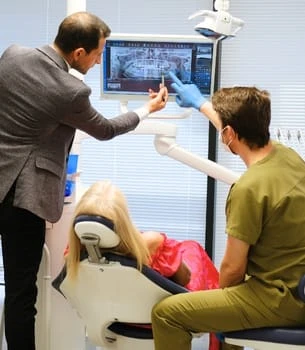
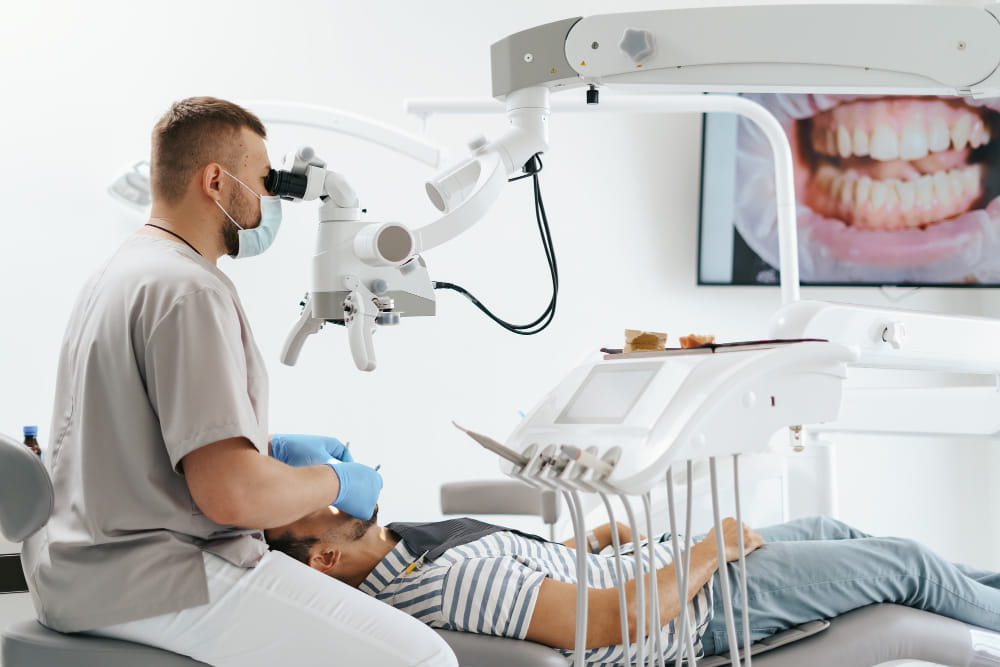
Turkish dental clinics provide a wide range of treatments for patients living in Turkey and for international visitors seeking dental care. These clinics may offer routine check-ups, fillings, gum treatments, dental implants, crowns, bridges, veneers, teeth whitening, root canal therapy and oral surgery. Some practices focus on general dentistry, while others have teams that include implantologists, prosthodontists, oral surgeons and cosmetic dentists.
Patients considering treatment in Turkey should evaluate more than the advertised price. The dentist’s qualifications, treatment planning process, hygiene procedures, diagnostic equipment, laboratory standards and aftercare arrangements all influence the quality of care. A professional clinic should examine your teeth and gums before recommending treatment and should provide a written plan that explains the procedures, materials, number of appointments and expected recovery period.
Many Turkish dental clinics treat international patients and offer support with appointment planning, airport transfers or accommodation. These services can be convenient, but they should not replace proper clinical assessment. A treatment plan prepared only from photographs may be incomplete, particularly when implants, gum disease, root canal treatment or major restorative work is involved.
During your search, check whether the dentist is legally authorised to practise, whether the clinic is officially registered and whether the treatment will be performed at the same location shown in the promotional material. Ask how emergencies are handled and who will provide follow-up care after you return home.
A dental clinic in Turkey may be suitable for patients seeking high-quality treatment, experienced dentists and access to modern equipment. The right choice depends on the individual case. A thorough examination, transparent communication and realistic recommendations should guide the decision rather than a package price or social media photograph.
What Are Turkish Dental Clinics?
Turkish dental clinics are licensed healthcare practices where dentists provide preventive, restorative, cosmetic and surgical dental treatment. They may operate as independent practices, multidisciplinary clinics, dental hospitals or international patient centres. The size of the clinic often determines the range of services available.
A small dental practice may focus on examinations, fillings, hygiene appointments, crowns and basic cosmetic procedures. Larger clinics may have several treatment rooms, digital imaging systems, dental laboratories and specialist dentists working under one roof. Patients with complex needs may benefit from a multidisciplinary approach, particularly when treatment involves implants, bone grafting, gum disease or full-mouth rehabilitation.
A standard Turkish dental clinic may provide:
- Dental examinations and X-rays
- Professional teeth cleaning
- Fillings and restorations
- Root canal treatment
- Crowns and bridges
- Dentures
- Dental implants
- Veneers and smile design
- Teeth whitening
- Gum treatment
- Tooth extraction
- Wisdom tooth surgery
- Emergency dental care
The clinic should have a clear process for diagnosis, consent, treatment and follow-up. Before a procedure, the dentist should explain the condition being treated, the proposed method, alternatives, possible complications and maintenance requirements.
International clinics often have patient coordinators who communicate in English or other languages. Their role may include arranging appointments, translating general information and coordinating travel details. Clinical decisions, however, should be made by the dentist after reviewing examinations and diagnostic records.
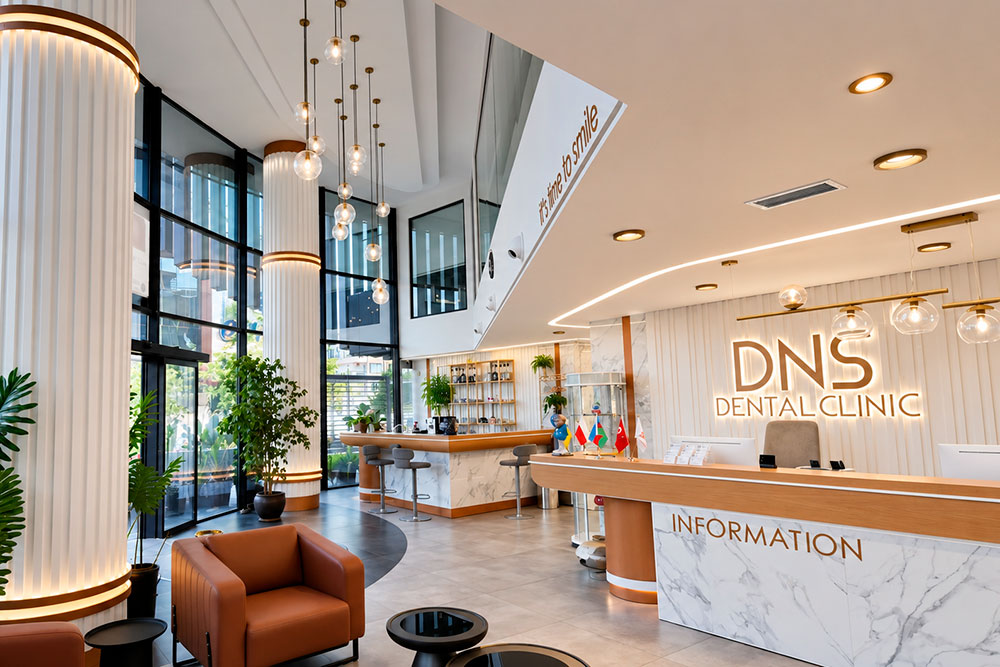
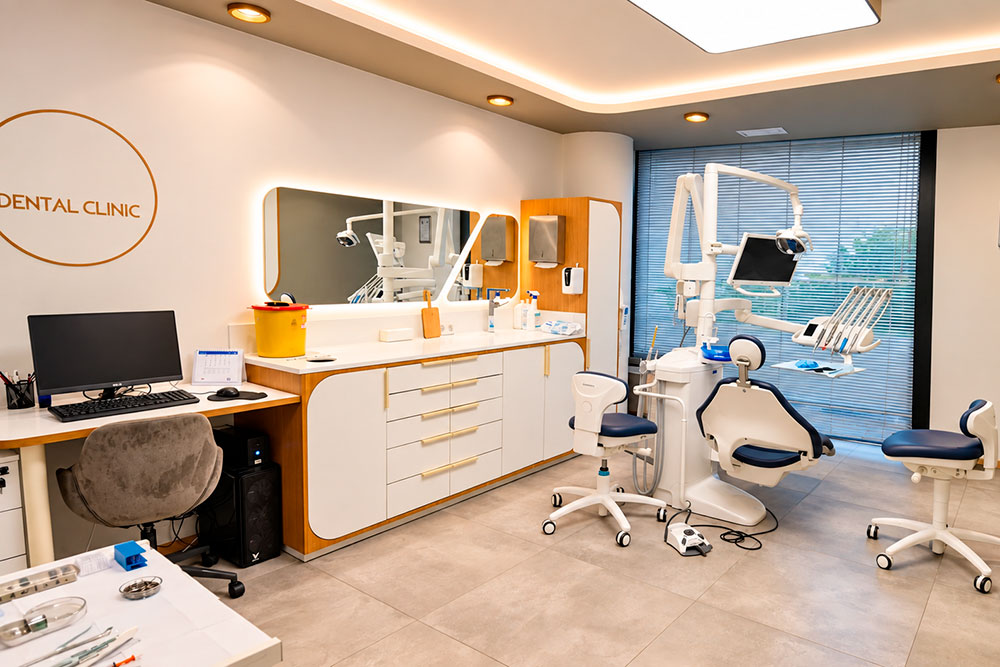
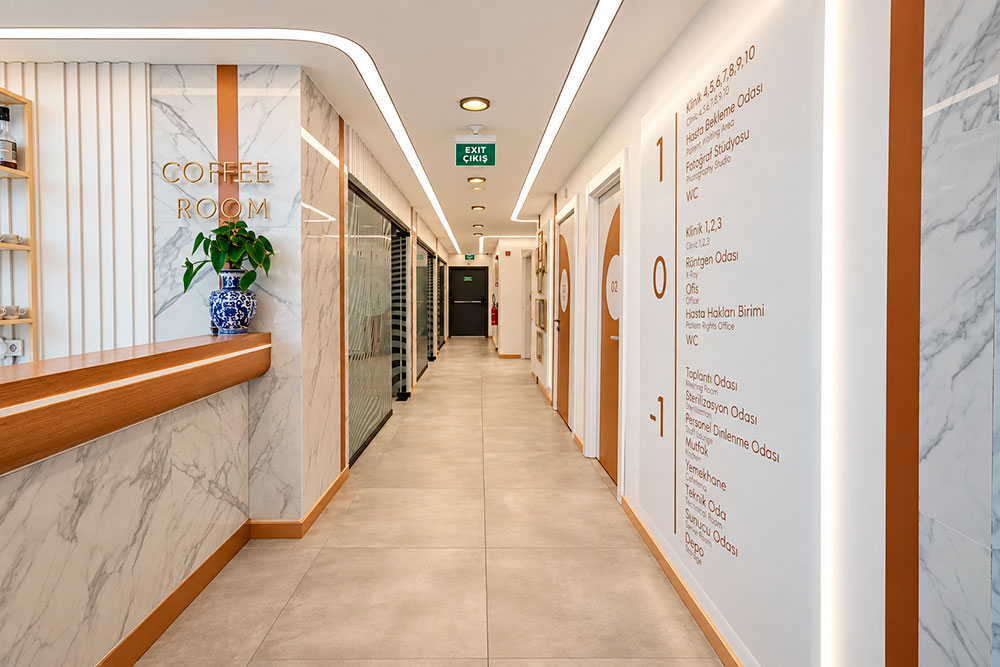
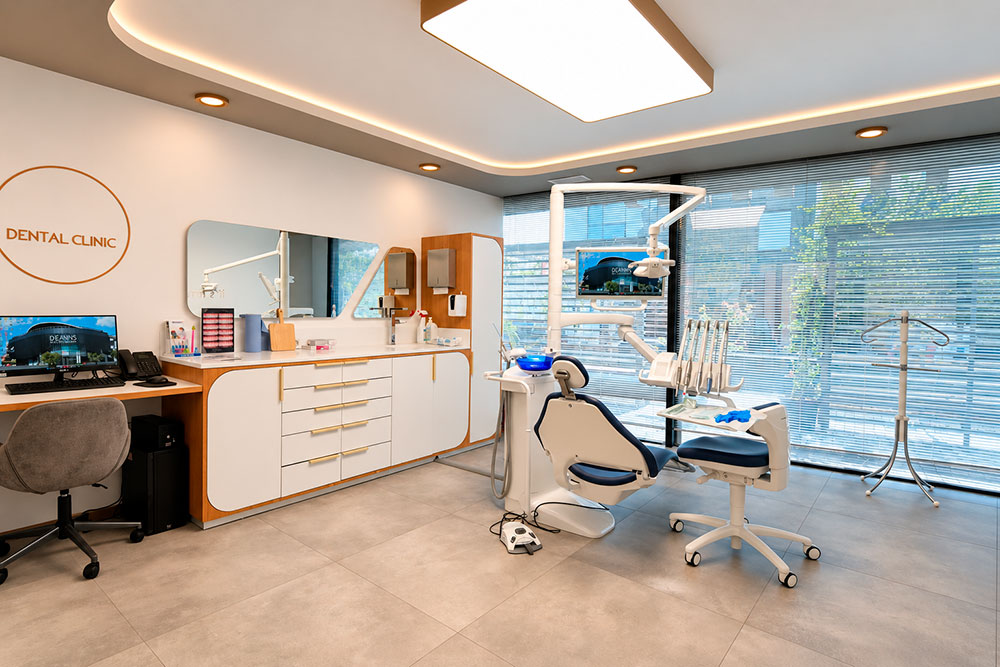
The appearance of a modern reception area does not prove clinical quality. Pay attention to sterilisation procedures, staff training, imaging equipment, the dentist’s professional history and the clarity of the treatment plan. These details give a more reliable indication of how the clinic operates.
Why Choose a Dental Clinic in Turkey?
Patients choose dental clinics in Turkey for different reasons. Some live in Turkey and need a local dentist, while others travel from abroad for implant treatment, veneers, crowns or comprehensive restorative care. Turkey has developed a large private dental sector, particularly in cities that receive international visitors.
A dental clinic in Turkey may offer access to dentists experienced in treating patients with different expectations and previous treatment histories. International clinics often organise appointments for people who need several procedures within a limited period. The availability of dental laboratories and specialist services in the same city can help coordinate complex treatment.
Patients may also appreciate:
- Turkish-speaking or multilingual staff
- Digital scans and computer-assisted treatment planning
- Modern dental laboratories
- A wide range of restorative materials
- Experience with cosmetic and implant dentistry
- Flexible appointment scheduling
- Local follow-up during the stay
The treatment should still be selected according to oral health rather than travel convenience. A patient with active gum disease may need periodontal treatment before implants or veneers. Teeth with deep decay may require root canal therapy, not simply a crown. A responsible clinic will explain these priorities instead of focusing only on the cosmetic outcome.
Price is another reason people compare Turkish clinics, but cost should be assessed together with the materials, laboratory work, dentist’s experience, imaging, temporary restorations and aftercare included in the quote. A low price can become expensive if the treatment requires correction elsewhere.
Patients travelling to Turkey should request a written plan before booking flights. The plan should state which teeth are being treated, the expected number of visits, the type of restoration, the likely healing period and what happens if additional treatment is required after examination.
Dental Treatments Available at Turkish Dental Clinics
Turkish dental clinics offer treatments for many common oral health problems. Services vary between clinics, so patients should confirm that the required procedure is performed by an appropriately trained dentist.
Preventive care includes examinations, professional cleaning, fluoride treatment and oral hygiene advice. Regular visits can identify cavities, gum inflammation, worn fillings, cracks and early signs of tooth erosion. Treating these conditions at an early stage is usually simpler than waiting until pain develops.
Restorative dentistry repairs damaged or missing tooth structure. Composite fillings may be used for small and moderate cavities. Larger defects may require inlays, onlays or crowns. Bridges and dentures can replace missing teeth, while implants provide a fixed foundation for individual crowns or larger restorations.
Cosmetic services may include:
- Porcelain veneers
- Composite bonding
- Professional whitening
- Smile design
- Gum contouring
- Tooth-coloured crowns
- Replacement of old discoloured restorations
Surgical services may involve extractions, wisdom tooth removal, implant placement, bone grafting and treatment of infections. Some clinics refer complex cases to oral and maxillofacial surgeons.
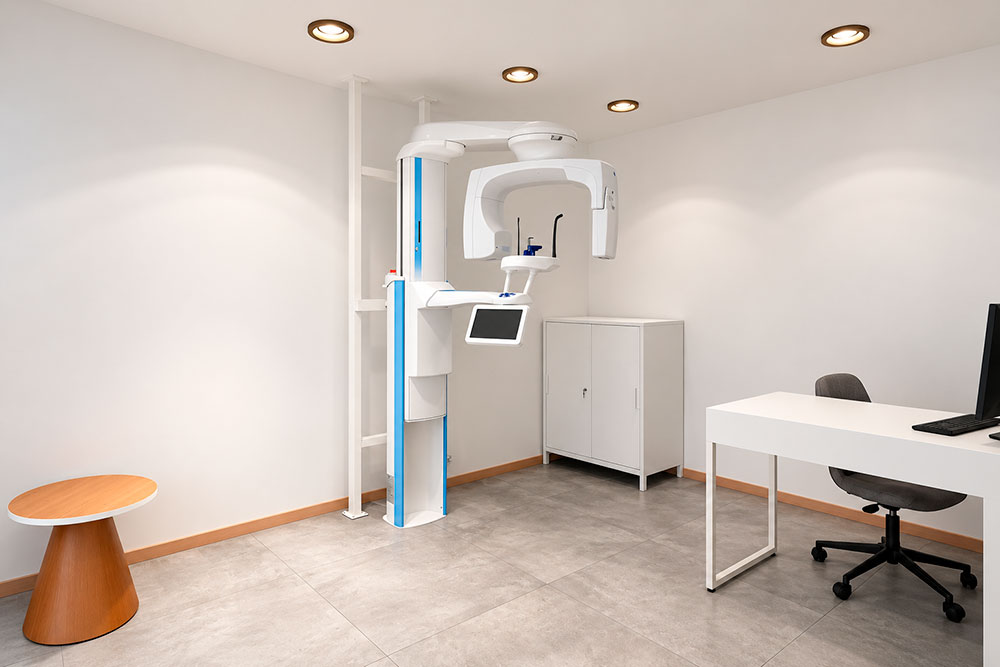
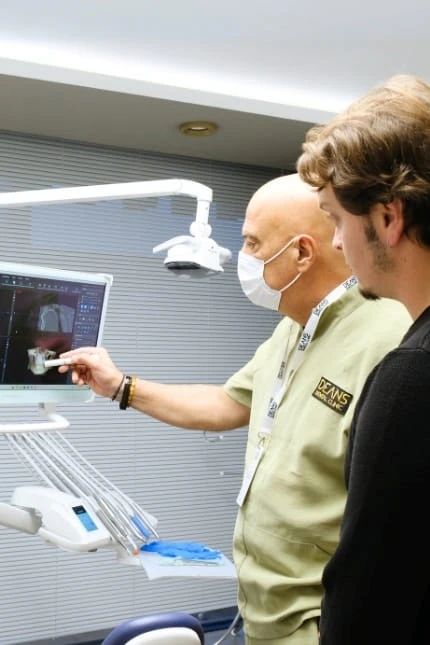
Treatment planning should begin with a clinical examination. Digital photographs and X-rays help the dentist evaluate areas that cannot be seen directly. Implant planning often requires a three-dimensional scan to assess the jawbone and nearby anatomical structures.
Patients should ask whether the treatment is performed by one dentist or by several specialists. They should also confirm who will carry out the final restoration and who will provide aftercare. A clinic that offers many services is not automatically suitable for every procedure; the dentist’s specific experience remains important.
Cosmetic Dentistry in Turkey
Cosmetic dentistry in Turkey includes treatments designed to improve tooth colour, shape, alignment, proportion and overall smile appearance. Common procedures include veneers, crowns, composite bonding, whitening and digital smile design.
A cosmetic consultation should begin with an assessment of oral health. Cavities, gum disease, cracked teeth and unstable fillings need attention before aesthetic treatment. Covering a diseased tooth with a veneer or crown without treating the underlying problem can create complications later.
Composite bonding is often suitable for small chips, minor gaps and slight changes in tooth shape. Tooth-coloured resin is applied directly to the tooth and sculpted by the dentist. It may be completed in one appointment and usually involves limited removal of enamel. The material can stain or wear, especially in patients who grind their teeth.
Porcelain veneers are laboratory-made restorations bonded to the front of the teeth. They may improve persistent discolouration, uneven edges and selected shape problems. The amount of enamel preparation varies. Patients should ask whether the proposed treatment is reversible and how much natural tooth structure will be removed.
Digital smile design can help patients understand the proposed tooth length, width, shade and gum display. A digital preview is an aid to communication, not a guarantee that the final result will look identical. The final appearance depends on the teeth, lips, face, bite and laboratory work.
A responsible cosmetic dentist should discuss:
- The condition of the natural teeth
- The need for enamel preparation
- The chosen material
- Expected durability
- Maintenance requirements
- Risks of chipping or sensitivity
- The effect of teeth grinding
- Alternative treatments
The best cosmetic result is not always the whitest or most uniform smile. Tooth shape and brightness should suit the patient’s facial features and function.
Dental Implants in Turkey
Dental implants are artificial tooth roots placed into the jawbone to support crowns, bridges or dentures. They can replace one missing tooth or help stabilise a restoration when several teeth are absent.
Implant treatment begins with an examination and diagnostic imaging. A panoramic X-ray may be used for an initial assessment, while a cone beam CT scan provides three-dimensional information about bone volume, nerve position and the location of nearby anatomical structures. The dentist uses this information to plan the implant position.
The procedure normally involves several stages:
- Examination and treatment planning
- Removal of infection or damaged teeth when required
- Implant placement
- Healing and bone integration
- Placement of an abutment or temporary restoration
- Fitting of the final crown, bridge or denture
Healing time depends on bone quality, implant position, general health and whether grafting was required. Some patients may receive a temporary tooth on the day of surgery, but immediate loading is not appropriate for every case.
Bone grafting may be recommended when the jawbone is too thin or short to support an implant safely. Gum disease must also be controlled because inflammation around the implant can lead to bone loss.
Patients should ask about the implant manufacturer, warranty conditions, temporary teeth, final restoration, maintenance appointments and emergency support. The implant itself cannot develop tooth decay, but the gum and bone around it can become infected. Regular cleaning and professional reviews are essential.
Smoking, uncontrolled diabetes, poor oral hygiene and certain medical conditions may affect healing. Tell the dentist about all medications and previous surgeries before treatment begins.
Dental Veneers and Hollywood Smile in Turkey
Dental veneers are thin restorations placed on the visible surface of teeth. A Hollywood smile generally involves cosmetic treatment of several front teeth to create a brighter, more symmetrical appearance. It is not a single standard treatment and may involve veneers, crowns, whitening, bonding or gum reshaping.
The process should begin with an examination of the teeth, gums and bite. The dentist may take photographs, digital scans and X-rays. A temporary mock-up can help demonstrate the proposed shape and length before the final restorations are made.
Porcelain veneers are produced in a dental laboratory. Depending on the tooth’s condition and the desired result, some enamel may need to be removed. Patients should not assume that “no-preparation” veneers are suitable for every case. Adding material without creating enough space may produce bulky teeth or gum irritation.
A natural-looking smile depends on more than colour. The dentist should evaluate:
- Tooth width and length
- Gum symmetry
- Facial proportions
- Lip movement
- Speech
- Bite and chewing
- Shade of the adjacent teeth
Veneers can chip, fracture or become detached. Teeth grinding increases these risks, and a protective night guard may be recommended. Veneers do not protect the gums from disease or the teeth from decay. Patients must continue brushing, flossing and attending dental reviews.
Before travelling for veneers, request photographs of comparable cases and ask who made the restorations. The treatment plan should identify the number of teeth, material, preparation method, temporary restorations, laboratory stage and follow-up arrangements.
Crowns and Bridges in Turkey
Dental crowns cover and protect damaged teeth. Bridges replace one or more missing teeth by connecting an artificial tooth to neighbouring teeth or implants. Turkish dental clinics may provide crowns and bridges made from zirconia, porcelain, metal-ceramic or other restorative materials.
A crown may be recommended when a tooth has extensive decay, a large filling, a crack or previous root canal treatment. The dentist reshapes the tooth to create space for the restoration, takes an impression or digital scan and fits a temporary crown while the laboratory produces the final one.
The type of material depends on the location of the tooth, bite pressure, aesthetic requirements and remaining tooth structure. Zirconia and other ceramics may be chosen for their appearance and strength. Metal-ceramic restorations may also be suitable in selected situations.
A bridge may replace missing teeth when the neighbouring teeth are healthy enough to provide support. Implant-supported bridges avoid preparing natural teeth but require sufficient bone and surgical planning.
Patients should ask:
- Whether the tooth needs root canal treatment
- How much natural tooth will be removed
- Which crown or bridge material is recommended
- How long the laboratory stage will take
- Whether temporary teeth are included
- How the restoration will be cleaned
- What happens if the restoration does not fit correctly
A crown or bridge should not be used to hide untreated gum disease or infection. The supporting teeth and surrounding tissues must be healthy enough to maintain the restoration.
Teeth Whitening in Turkey
Professional teeth whitening reduces stains and lightens the natural colour of teeth. Turkish dental clinics may provide in-office whitening, take-home trays or both methods.
Before whitening, the dentist examines the teeth for cavities, cracks, gum recession and leaking fillings. Whitening gel can increase sensitivity when dentine is exposed or enamel is damaged. Existing fillings, crowns, veneers and bridges do not change colour, so mismatched restorations may need replacement after whitening.
In-office treatment usually involves protecting the gums and applying a peroxide-based gel under supervision. The appointment may last around one hour, depending on the whitening system and the desired shade. Take-home trays are made to fit the patient’s teeth and are used according to the dentist’s instructions over a longer period.
Sensitivity may occur for several hours or days. Patients may be advised to reduce very cold foods, acidic drinks and heavily coloured products during the early period after treatment. Smoking, coffee, tea and red wine can contribute to future staining.
Whitening may not correct deep internal discolouration. A tooth affected by trauma, certain medications or pulp damage may require internal whitening or a restoration instead.
Do not purchase additional peroxide products from unverified sources while travelling. Excessive use can irritate the gums and increase sensitivity without creating a better result.
Root Canal Treatment and Oral Surgery
Root canal treatment removes infected or inflamed tissue from inside a tooth. It may be needed when deep decay, trauma, cracks or repeated dental procedures damage the pulp.
The dentist isolates the tooth, removes the affected tissue, cleans and shapes the canals and seals them. Local anaesthesia is normally used. A tooth with extensive structural damage may require a crown after root canal treatment to reduce the risk of fracture.
Oral surgery includes procedures such as tooth extraction, wisdom tooth removal, implant placement, bone grafting and treatment of certain infections. The complexity of surgery depends on the tooth position, root shape, bone condition and proximity to nerves or sinuses.
Before surgery, provide information about:
- Blood-thinning medication
- Allergies
- Diabetes
- Pregnancy
- Previous reactions to anaesthesia
- Smoking
- Bleeding disorders
After extraction, a blood clot forms in the socket. Smoking, vigorous rinsing and disturbing the area can interfere with healing. Increasing swelling, fever, difficulty swallowing, uncontrolled bleeding or worsening pain requires prompt dental assessment.
Patients travelling for surgery should ask how long they need to remain in Turkey for review. They should also obtain written instructions and a copy of the treatment record before returning home.
Best Cities in Turkey for Dental Treatment
Istanbul, Antalya, Ankara and İzmir are among the Turkish cities where international patients commonly search for dental treatment. The best city depends on the clinic, dentist, treatment requirements, travel access and follow-up arrangements.
Istanbul has a large private healthcare sector and many clinics offering general, cosmetic and implant dentistry. The city provides extensive transport connections and access to dental laboratories and specialist services. Patients should confirm the exact clinic location because Istanbul is geographically large and traffic can make travel between appointments time-consuming.
Antalya is popular with international visitors and has clinics experienced in arranging treatment for patients who combine dental care with a holiday. Patients should allow enough time for clinical appointments and should not schedule flights immediately after surgery without receiving medical advice.
Ankara is the capital and has hospitals, universities and private dental practices. It may be suitable for patients seeking specialist assessment or complex treatment planning.
İzmir offers private clinics and university-linked healthcare services, with a more relaxed setting than some larger metropolitan areas.
The city itself does not guarantee treatment quality. Compare:
- Dentist qualifications
- Clinic registration
- Diagnostic equipment
- Laboratory standards
- Treatment planning
- Emergency arrangements
- Follow-up care
- Travel distance between hotel and clinic
For major treatment, the clinic should be the deciding factor rather than tourism opportunities. A nearby clinic with clear aftercare may be a better choice than a clinic in a more popular destination.
How to Choose the Best Turkish Dental Clinic
The best Turkish dental clinic is not necessarily the one with the lowest price or the largest social media presence. Selection should be based on professional evidence, communication and the suitability of the proposed treatment.
Check the dentist’s licence, education, specialist training and experience with the procedure you need. An implant case should be assessed by a dentist experienced in implant surgery and restoration. Extensive cosmetic treatment should be planned by a dentist who understands tooth preparation, bite and gum health.
Ask for a written treatment plan that includes:
- Diagnosis
- Teeth to be treated
- Recommended procedures
- Materials
- Number of appointments
- Temporary restorations
- Estimated healing time
- Total price
- Aftercare and warranty terms
The clinic should use appropriate imaging. A full set of veneers should not be planned only from selfies, and implant placement should not be confirmed without suitable bone assessment.
Read reviews that describe the actual process, not just the friendliness of the staff. Ask whether the dentist who appears in the consultation will perform the treatment.
Avoid pressure to accept immediate treatment or pay before receiving a proper examination. A professional clinic should allow time to ask questions and should explain alternatives.
Qualifications, Accreditations, and Hygiene Standards
A Turkish dental clinic should employ dentists who are legally authorised to practise in Turkey. Ask for the dentist’s professional registration, degree information and relevant postgraduate training. Additional experience may be important for implants, oral surgery, sedation, orthodontics or complex cosmetic rehabilitation.
Accreditation can provide information about the clinic’s systems, but it should be considered alongside direct evidence of clinical standards. Ask how instruments are cleaned, packaged and sterilised. Items that enter tissue must undergo appropriate sterilisation, and disposable products should not be reused.
The clinic should maintain:
- Clean and organised treatment rooms
- Sterilisation equipment
- Documented infection-control procedures
- Proper protective equipment
- Safe disposal of clinical waste
- Regular maintenance of dental units
- Trained clinical staff
Digital X-rays and 3D scanning can support diagnosis, but technology does not replace clinical judgement. The dentist should explain why each scan is required and how it affects the treatment plan.
Patients can ask for certificates, but they should also observe how the clinic handles consent, medical history and privacy. A clinic that ignores allergies or medication history may not have a sufficiently careful process.
Turkish Dental Clinic Reviews and Patient Experiences
Patient reviews can help you assess communication, appointment organisation, cleanliness and aftercare. Look for detailed comments that explain what treatment was provided and how the clinic responded during the process.
Reviews that mention the dentist’s explanations, treatment planning, temporary restorations and follow-up are more useful than comments focused only on a low price. Check the dates and compare several platforms. Staff and treatment systems may change over time.
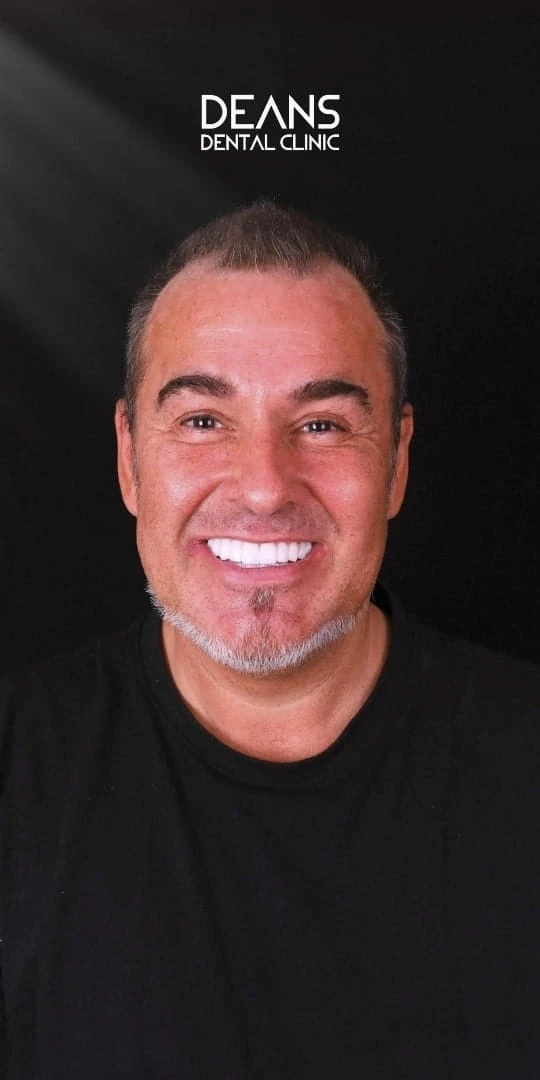
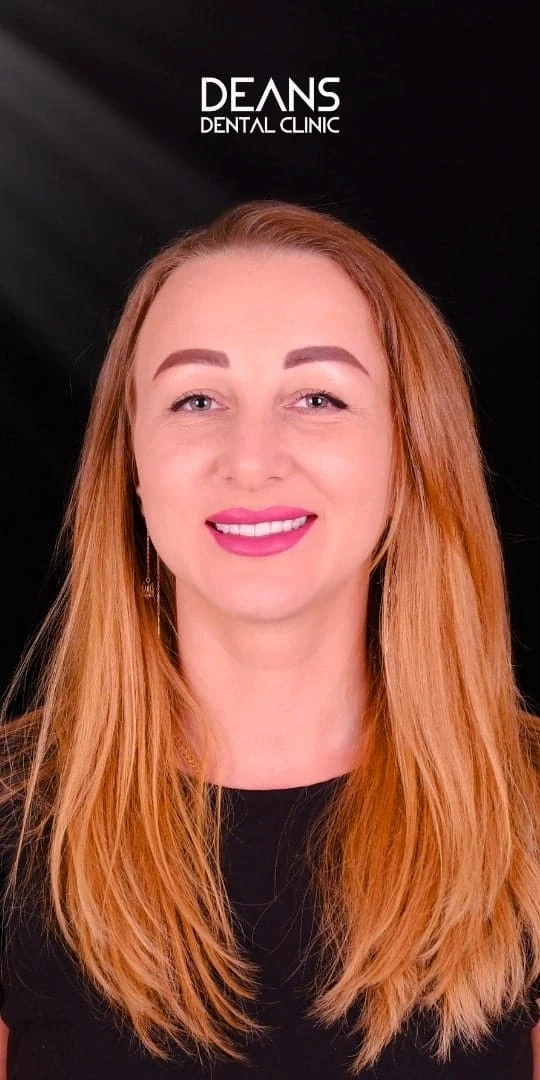
Before-and-after images should be interpreted carefully. Lighting, camera angle and editing can change the appearance of teeth. Ask whether the images are genuine cases treated by the same dentist and whether the patient had a similar starting condition.
Be cautious if every review uses identical language or if a clinic promises perfect results for every patient. Dental treatment involves biological healing, maintenance and individual limitations.
Patient experiences are most valuable when combined with:
- Verified professional credentials
- An in-person examination
- Written consent
- Transparent pricing
- Suitable imaging
- A clear aftercare plan
- Accessible communication after treatment
Turkish Dental Clinic Prices
Dental clinic prices in Turkey vary according to the treatment, materials, number of teeth, dentist’s experience, laboratory fees and diagnostic requirements. A single filling and a full-mouth implant rehabilitation cannot be compared using the same pricing method.
Cosmetic treatments such as veneers may be priced per tooth. Implant treatment may be quoted as separate stages, including the implant fixture, abutment, temporary restoration and final crown. Ask whether scans, extractions, bone grafting and medications are included.
A written estimate should identify:
- Consultation and imaging fees
- Number of teeth
- Treatment materials
- Laboratory work
- Temporary restorations
- Surgical procedures
- Follow-up appointments
- Warranty conditions
Prices advertised online may be starting prices and may not apply after the dental examination. A clinic should not confirm a complex treatment plan without assessing the teeth, gums and bone.
Do not compare two quotes unless the procedures and materials are equivalent. A lower price may exclude essential stages or use a different restoration material. The final decision should consider safety, clinical experience, communication and long-term maintenance.
What Affects Dental Treatment Costs in Turkey?
The main factors affecting treatment costs are the complexity of the case, number of teeth, materials, laboratory work, imaging and additional procedures.
An implant patient with sufficient bone may need fewer procedures than a patient who requires extraction, bone grafting and gum treatment. A crown on a heavily damaged tooth may require root canal treatment and a post before the final restoration.
Material selection also influences the estimate. Ceramic, zirconia and metal-ceramic restorations have different properties and laboratory costs. The dentist should recommend a material according to function and appearance rather than offering only the cheapest option.
The clinic’s location, dentist’s experience and level of technology can affect prices. Sedation, private transportation, accommodation and translation services may be billed separately.
Ask whether the quote includes:
- Diagnostic scans
- Anaesthesia
- Temporary teeth
- Laboratory fees
- Medication
- Follow-up reviews
- Repairs or adjustments
- Treatment of complications
A complete estimate makes it easier to understand the real cost of treatment. Patients should avoid making decisions based only on a headline price.
Dental Treatment Packages in Turkey
Dental treatment packages in Turkey may combine clinical treatment with services for international patients. A package can include airport transfers, hotel accommodation, interpreter support, clinic transportation or a fixed number of appointments.
The clinical part of the package should be explained in detail. “Dental implants” may refer only to implant placement and may not include the abutment or final crown. “Veneers” may not include temporary restorations, X-rays or treatment required for cavities and gum disease.
Before accepting a package, request a document showing:
- The exact procedure
- Number of teeth
- Restoration material
- Implant brand, if applicable
- Included scans
- Temporary restorations
- Number of clinic visits
- Accommodation details
- Transfer arrangements
- Aftercare and warranty terms
A package cannot guarantee that the same plan will be suitable after examination. The dentist may discover decay, infection, bone loss or gum disease. Ask how additional treatment is priced and whether you can decline it.
Travel services can make the visit easier, but clinical quality should remain the priority. A cheaper package is not useful if it does not include essential treatment or follow-up.
Are Flights and Accommodation Included in Dental Packages?
Flights are not usually assumed to be included in a dental package unless the written offer clearly states this. Some clinics arrange accommodation, airport transfers or hotel discounts, while others provide only dental services.
Ask for the hotel name, room type, number of nights, meal arrangements, transfer details and cancellation conditions. A hotel close to the clinic can reduce travel time, particularly when several appointments are required.
Do not book a non-refundable flight before receiving a confirmed treatment schedule. The number of visits may change after examination, especially for implants, oral surgery and extensive restorative work.
The package should state whether the following are included:
- Airport transfer
- Hotel accommodation
- Transport between hotel and clinic
- Interpreter assistance
- Additional nights if treatment takes longer
- Companion accommodation
- Flight changes
Travel arrangements are separate from the clinical decision. A hotel or transfer service does not indicate that the dental treatment is appropriate. Review the dental plan, qualifications and aftercare terms independently.
How Long Does Dental Treatment in Turkey Take?
Treatment time depends on the procedure and the condition of the teeth. A consultation, examination and X-rays may be completed in one appointment. A filling or simple whitening treatment may also require only one visit.
Crowns and veneers often require at least two clinical appointments: preparation and fitting. The laboratory may need several days to manufacture the restorations. Some clinics schedule a longer visit for preparation and a second visit for fitting, but the exact timing depends on the laboratory.
Dental implants may require one visit for assessment and surgery, followed by a healing period before the permanent restoration. The overall process may take several months when bone grafting or delayed healing is needed. Immediate temporary teeth are possible in selected cases, not every patient.
Root canal treatment may take one or more appointments. Complex molars, infected teeth and previously treated teeth can require additional time.
Before travelling, ask:
- How many visits are expected?
- How many days should I remain in Turkey?
- Is a healing period required?
- Can the final restoration be fitted during the same trip?
- What happens if the treatment takes longer?
- Who will complete follow-up care?
Avoid planning sightseeing or return flights too tightly around surgery. The dentist should confirm when flying, eating normally and returning to work are appropriate.
Planning Your Dental Trip to Turkey
Planning should begin with a proper dental assessment rather than a package selection. Send recent dental records, X-rays and a medication list if the clinic requests them, but understand that photographs cannot replace an examination.
Request a written preliminary plan and confirm which parts may change after arrival. Ask about the number of visits, expected healing time, materials, payment schedule and aftercare.
Bring:
- Passport and identification
- Previous dental records
- X-rays or scan files
- Medication list
- Allergy information
- Insurance documents
- Comfortable clothing for appointments
Leave enough time for unexpected findings. Decay, infection, gum disease or bone loss may require additional treatment. Do not schedule the return flight immediately after surgery unless the dentist confirms that the timing is safe.
Check the clinic’s location, transport options and emergency contact details. Ask who you should contact outside normal clinic hours. Keep copies of your consent form, treatment plan, invoices and implant information.
If you take blood-thinning medication or have a medical condition, do not stop medication without advice from your doctor. Inform the dental team before treatment.
What to Expect During Your First Consultation
The first consultation normally includes medical history, dental examination and diagnostic imaging when required. The dentist may ask about pain, sensitivity, previous treatment, tooth grinding, smoking and aesthetic concerns.
The mouth is examined for cavities, gum inflammation, infection, cracks, tooth wear, missing teeth and bite problems. X-rays may be taken to evaluate tooth roots, bone levels and hidden decay. Implant patients may need a three-dimensional scan.
The dentist should explain the diagnosis and distinguish urgent treatment from elective cosmetic procedures. You should receive information about alternatives, risks, appointments and maintenance.
Questions to ask include:
- What is the condition of my teeth and gums?
- Which treatment is medically necessary?
- Which procedures are cosmetic?
- How much enamel will be removed?
- What material will be used?
- How long will the result last?
- What happens if a complication occurs?
- Who provides follow-up after I return home?
You should not feel pressured to approve extensive treatment during the first consultation. Take time to review the plan and confirm that you understand the proposed procedures.
Is Dental Treatment in Turkey Safe?
Dental treatment in Turkey can be safe when it is provided by a properly qualified dentist in a registered clinic that follows appropriate hygiene, diagnostic and consent procedures. Safety depends on the individual clinic and treatment, not simply on the country.
Before treatment, verify the dentist’s registration and ask about experience with the proposed procedure. The clinic should take a medical history, perform an examination and use suitable imaging. It should explain risks and provide aftercare instructions.
Risks can increase when:
- Treatment is planned only from photographs
- Too many teeth are prepared unnecessarily
- Gum disease is ignored
- The patient is rushed through appointments
- Essential laboratory stages are excluded
- Follow-up arrangements are unclear
- The treatment is chosen only by price
Patients should provide complete information about medical conditions, medication and allergies. Smoking, uncontrolled diabetes and poor oral hygiene can affect healing.
A safe clinic should have clear sterilisation procedures, emergency arrangements and a process for managing complications. Ask who will provide care if you develop pain, swelling, a loose restoration or implant concerns after returning home.
Guarantees, Aftercare, and Follow-Up Support
Dental guarantees should be provided in writing and should explain what is covered, for how long and under which conditions. A guarantee may apply to a restoration or implant component but not to gum disease, trauma, poor oral hygiene or accidental damage.
Ask whether the guarantee requires you to attend regular check-ups or use a specific maintenance programme. Confirm whether travel costs are covered if you need an in-person review in Turkey.
Aftercare should include instructions about brushing, flossing, diet, medication, swelling and sensitivity. Implant patients need specific guidance on cleaning around the restoration. Veneer and crown patients may need a night guard if they grind their teeth.
Before leaving Turkey, obtain:
- Treatment records
- X-rays or scan files
- Implant brand and model information
- Material details
- Invoices
- Medication instructions
- Emergency contact details
- Recommended review schedule
Follow-up may be provided by the Turkish clinic or by a dentist in your home country. Establish this arrangement before treatment. A clinic that does not explain how it handles complications may not be suitable for extensive work.
Risks of Dental Treatment Abroad and How to Avoid Them
Dental treatment abroad can involve risks related to communication, travel, rushed scheduling, limited follow-up and differences in professional regulation. These risks can be reduced through careful preparation.
A treatment plan based only on photographs may overlook cavities, gum disease, infection, cracked teeth or bone loss. Request an examination and appropriate imaging before extensive treatment is confirmed.
Avoid unnecessary tooth preparation by asking whether each tooth needs a crown or veneer. Healthy teeth should not be reduced without a clear clinical reason. Ask about less invasive alternatives such as whitening, bonding or orthodontic treatment when appropriate.
Travel can make follow-up more difficult. Choose a clinic that provides written records and a clear process for managing complications. Ask whether a local dentist can assist if you develop problems after returning home.
Check the following before booking:
- Dentist’s legal registration
- Clinic registration
- Treatment-specific experience
- Sterilisation procedures
- Diagnostic equipment
- Written treatment plan
- Itemised price
- Material information
- Guarantee terms
- Emergency contact
- Follow-up arrangements
Do not stop prescribed medication to prepare for dental surgery without consulting your doctor. Inform the dentist about all medical conditions and allergies.
A low price should not be the only reason for choosing treatment abroad. The safest decision is based on diagnosis, realistic planning, appropriate qualifications, transparent communication and access to aftercare.