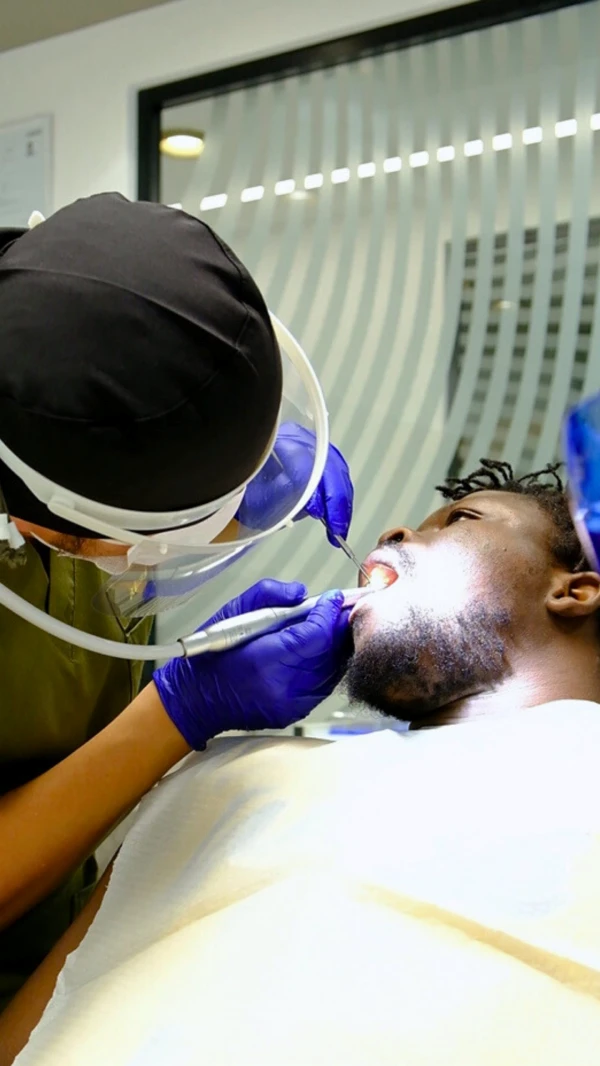
Hemisection is a modern dental treatment method designed to remove only the problematic part of a tooth while preserving the healthy portions. This procedure is particularly effective for molars affected by severe decay, infections, or periodontal issues, offering an alternative to tooth extraction by maintaining the natural tooth structure.
Table of Contents
Deans Dental provides professional solutions with this innovative approach, helping to prevent tooth loss and ensure long-term oral health for patients. Hemisection not only offers aesthetic benefits but also plays a crucial role in maintaining the natural functionality of teeth. In this article, you’ll explore the details of hemisection treatment and Deans Dental’s expert approach in this field.
What is Tooth Hemisection?
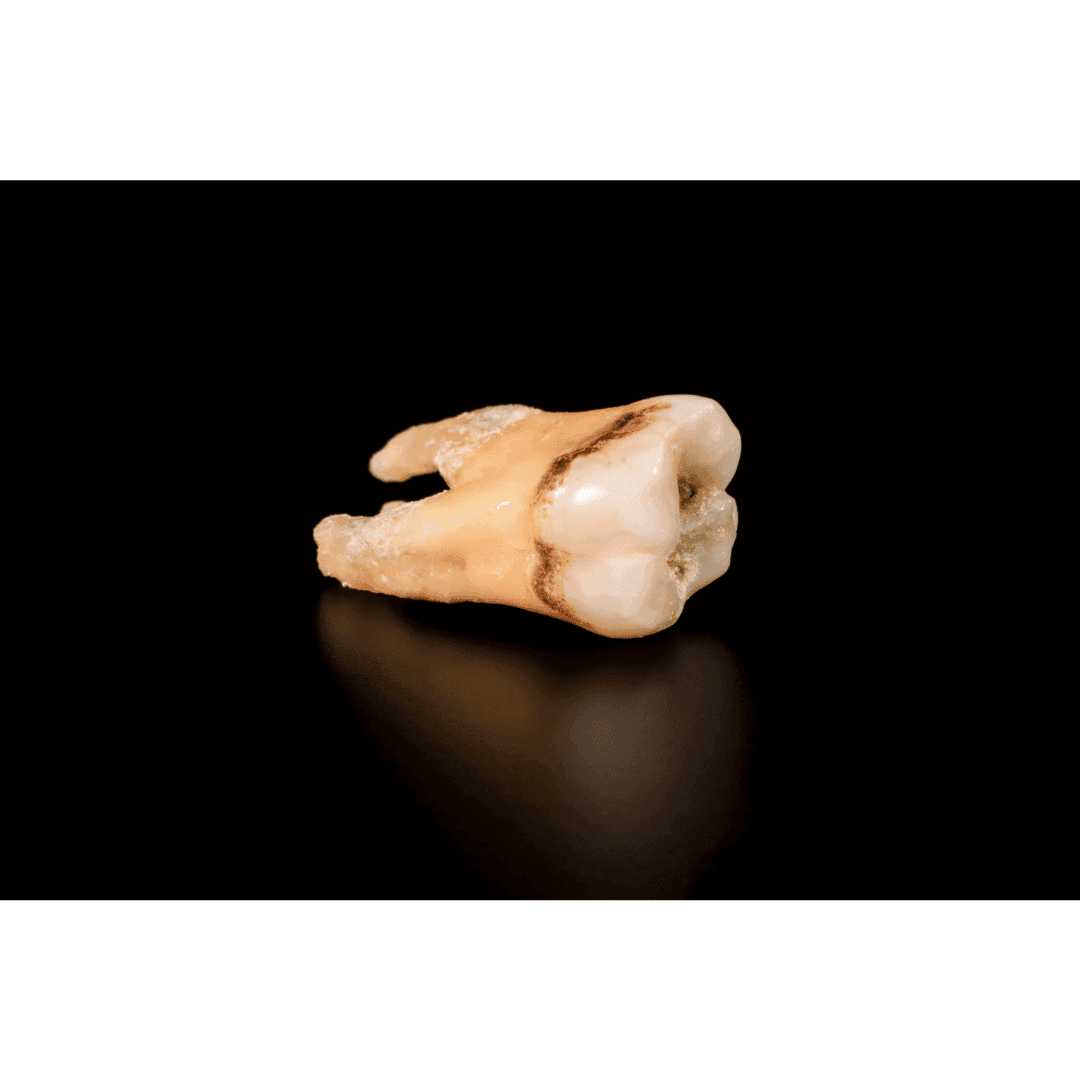
Tooth Hemisection is a specialized dental procedure where one half of a tooth is removed while preserving the other half. This technique is typically performed on molars with two or more roots when damage or infection is localized to one root. It is an alternative to full Dental Extraction, aimed at preserving as much of the natural tooth as possible.
This procedure is often combined with treatments like Root Canal Treatment and Dental Restoration to ensure the remaining portion of the tooth is functional and stable. Tooth Preservation is the primary goal of a hemisection. Learn more about this treatment at Comprehensive Oral Care at Deans Dental Clinic, Antalya.
Why is This Procedure Carried Out
A Tooth Hemisection is carried out when:
- Periodontal Disease severely affects one root.
- There are Furcation Defects or structural damage in multi-rooted teeth.
- A root is compromised due to Tooth Decay or a Dental Infection.
- Significant Bone Loss makes other treatment options unfeasible.
This procedure provides an effective solution to maintain oral functionality and prevent further complications. Explore effective solutions for similar conditions at Effective Bone Transplant Treatments at Deans Dental Clinic.
Benefits of Tooth Hemisection

- Tooth Preservation: Avoids complete tooth extraction.
- Cost-Effective: Saves time and expense compared to dental implants.
- Functional Maintenance: Retains chewing and biting capabilities.
- Periodontal Regeneration: Encourages bone and gum healing around the remaining root.
- Dental Restoration Compatibility: Enables procedures like Crown Placement and Splinting of Tooth.
How Do I Prepare For a Hemisection?
Preparation for a hemisection involves:
- A consultation with a Dental Specialist, such as an Endodontist or Prosthodontist.
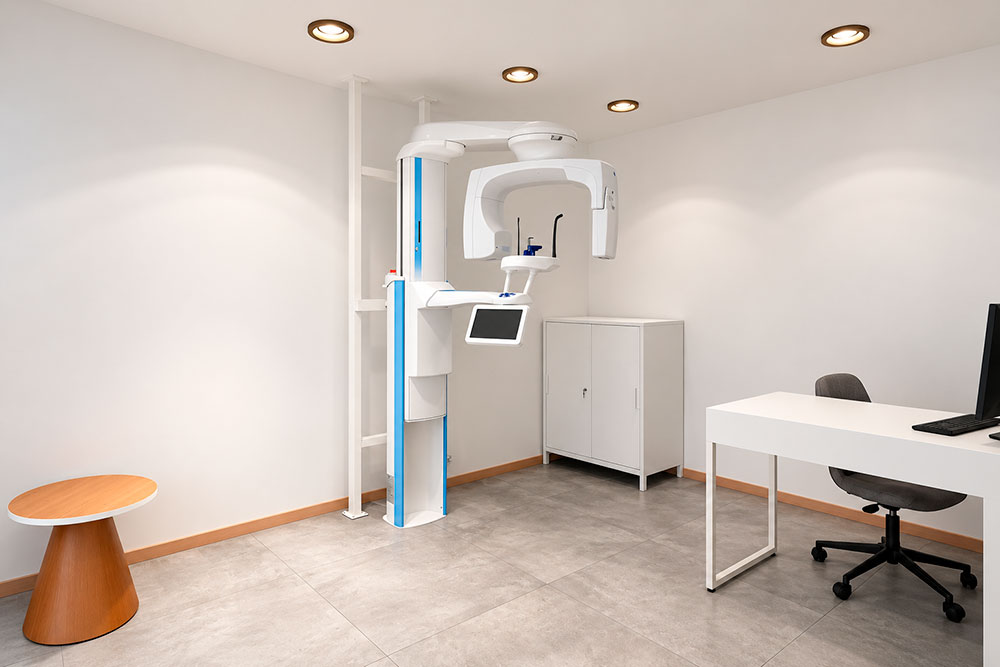
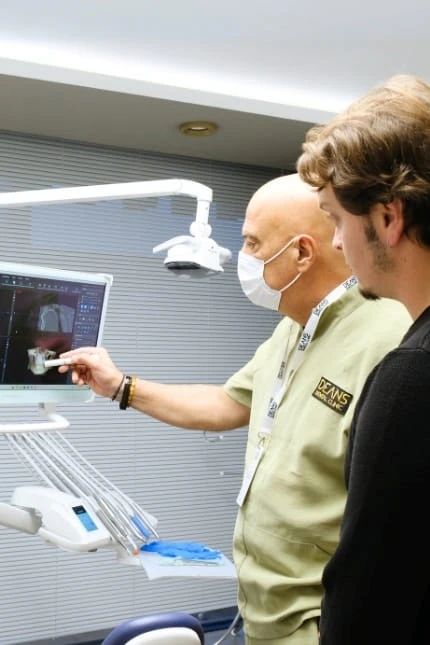
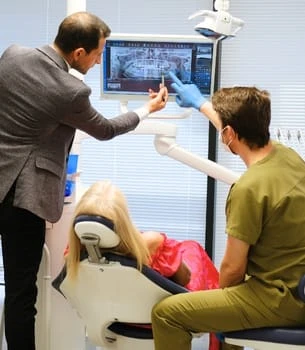
- Diagnostic imaging, including X-rays and CT scans, to evaluate Tooth Anatomy and surrounding structures.
- Reviewing medical history to identify any conditions that may affect healing.
- Ensuring proper oral hygiene to minimize infection risks.
Your dentist will discuss all steps and precautions before the procedure. Learn more about imaging diagnostics and dental technology at Understanding Dental Implants: Who Can Benefit and The Process Explained.
How is The Procedure Carried Out?
The hemisection procedure includes:
- Anesthesia: Local anesthesia is administered to numb the area.
- Root Division: Using specialized tools, the affected root is separated from the healthy one.
- Removal of Diseased Root: The damaged root is extracted while preserving the healthy part.
- Pulp Chamber Sealing: The exposed Pulp Chamber is treated to prevent infection.
- Dental Restoration: The remaining tooth is restored with a Crown Placement or Dental Prosthesis to enhance stability and function.
For more detailed insights into restorative dentistry, visit Demystifying Wisdom Tooth Removal: A Dentist’s Comprehensive Guide.
What Happens After a Hemisection?
Post-procedure:
- The treated area may feel sensitive or swollen for a few days.
- Regular follow-up visits are necessary to monitor healing and tooth stability.
- Additional treatments like Occlusal Adjustment or Splinting of Tooth may be recommended for optimal results.
Recovery and Aftercare Tips
- Maintain proper oral hygiene to avoid infections.
- Avoid hard or sticky foods to protect the restored tooth.
- Use prescribed medications to manage discomfort or inflammation.
- Follow your dentist’s advice for any additional care or treatment.
Recovery varies, but most patients resume normal activities within a week. For aftercare tips following other oral surgeries, read How to Stop Throbbing Pain After Root Canal.
Are There Any Risks Associated With This Procedure?
While generally safe, risks include:
- Tooth Mobility: If the remaining root is weak.
- Potential Gum Recession around the treated area.
- Dental Infection if aftercare is neglected.
- Failure to achieve desired Tooth Stability in rare cases.
Your dentist will take precautions to minimize these risks. For related concerns, explore Understanding Gum Diseases and Treatments.
Alternatives to Hemisection
Alternatives include:
- Root Canal Treatment: For less severe infections.
- Dental Extraction: Followed by options like implants.
- Bone Grafting and Periodontal Regeneration: To rebuild lost bone and tissue.
Discuss these options with your dentist to find the most suitable treatment. Learn more about dental extraction alternatives at Dental Implants in Turkey: Package Deals Review.
Frequently Asked Questions
What is a hemisection in anatomy?
In anatomy, a hemisection refers to the division of a structure, such as the spinal cord, into two halves.
What is spinal cord hemisection?
It is a surgical or pathological condition involving the separation of one side of the spinal cord.
What is hemisection of the brain anatomy?
This involves dividing the brain into two halves, typically for medical study or treatment purposes.
What is the difference between resection and hemisection?
Resection involves the removal of an entire part of a structure, whereas hemisection removes only one half.
When to Consult a Dentist for Hemisection
Seek advice from a dentist if:
- You experience persistent pain or infection in a molar.
- X-rays reveal Furcation Defects or significant damage to a tooth root.
- Other treatments have failed to restore functionality or alleviate symptoms.
Early intervention ensures the best outcomes and reduces the risk of complications. For further guidance, visit our contact page.
Conclusion
Tooth Hemisection is an innovative procedure designed to preserve natural teeth and enhance oral health. It serves as a viable Dental Extraction Alternative, particularly for patients with localized root damage or Furcation Defects. By consulting a skilled Dental Specialist, you can explore options to maintain your dental function and aesthetics effectively. Learn more about maintaining oral health and dental innovations at Antalya Dental Clinic.