This question comes up surprisingly often in my practice, especially as more people consider dental implants as a permanent solution to missing teeth. The concern is valid: nobody wants to put their health at risk for a better smile. Patients deserve clear, fact-based answers rooted in scientific research. So let’s address this concern head-on. Modern implants are made from proven, biocompatible materials that have gone through decades of rigorous testing. Currently, there’s no reliable scientific evidence showing that dental implants increase your risk of developing cancer. However, if you’ve found confusing claims or worrying anecdotes online, I’ll walk through the research, explain materials and safety practices, and share what you truly need to know as a patient making an informed decision.
What Are Dental Implants?
Dental implants are replacement roots for missing teeth, placed surgically into the jawbone. They’re not crowns or dentures themselves—they act as the sturdy foundation for those restorative components. Think of them as artificial anchors, usually made of medical-grade titanium or zirconia.
From a practical standpoint, an implant looks like a small post or screw. Once it’s positioned in the jaw, bone actually grows around and bonds with it, creating a secure anchor for a crown, bridge, or denture. This is called osseointegration. Implants are considered the gold standard when it comes to restoring a single tooth or supporting complex full-arch prosthetics.
The American Academy of Implant Dentistry reports that over 3 million Americans have dental implants, and that number grows by about 500,000 each year. Durability and longevity are key benefits. A well-cared-for dental implant can last 25 years or longer, making it one of the most predictable and successful dental procedures available today.
If you’re missing one tooth, a single dental implant can support a custom crown. If several teeth are missing in a row, an implant-supported bridge fills the gap without affecting healthy neighboring teeth. Patients who struggle with loose dentures can opt for multiple implants to “snap in” a secure, functional denture. The versatility of implant-based solutions has truly transformed modern dentistry.
How Do Dental Implants Work?
The process harnesses your body’s ability to heal and integrate new materials. Once the titanium or zirconia post is implanted into the jawbone, a healing period of 3–6 months follows, allowing your bone tissue to grow into microscopic pores on the implant’s surface. This integration gives implants a stability unmatched by bridges or removable dentures.
Let’s break down the main steps:
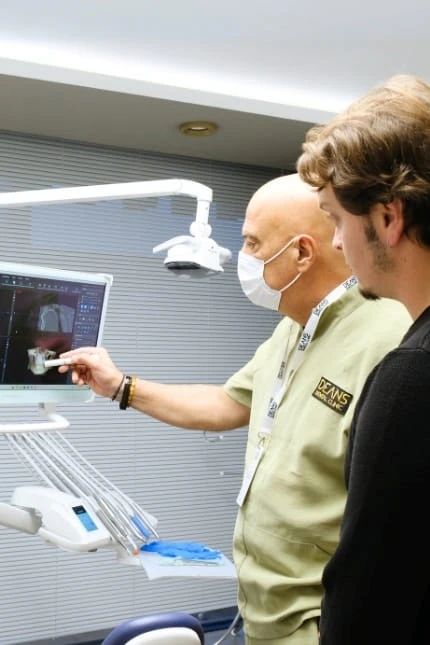
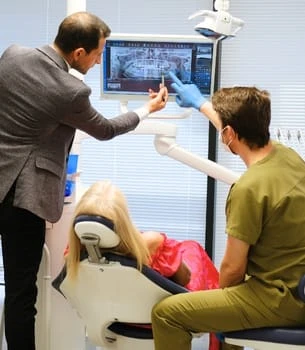
- Assessment and Planning: 3D scans and digital X-rays check bone volume, gum health, and ideal placement.
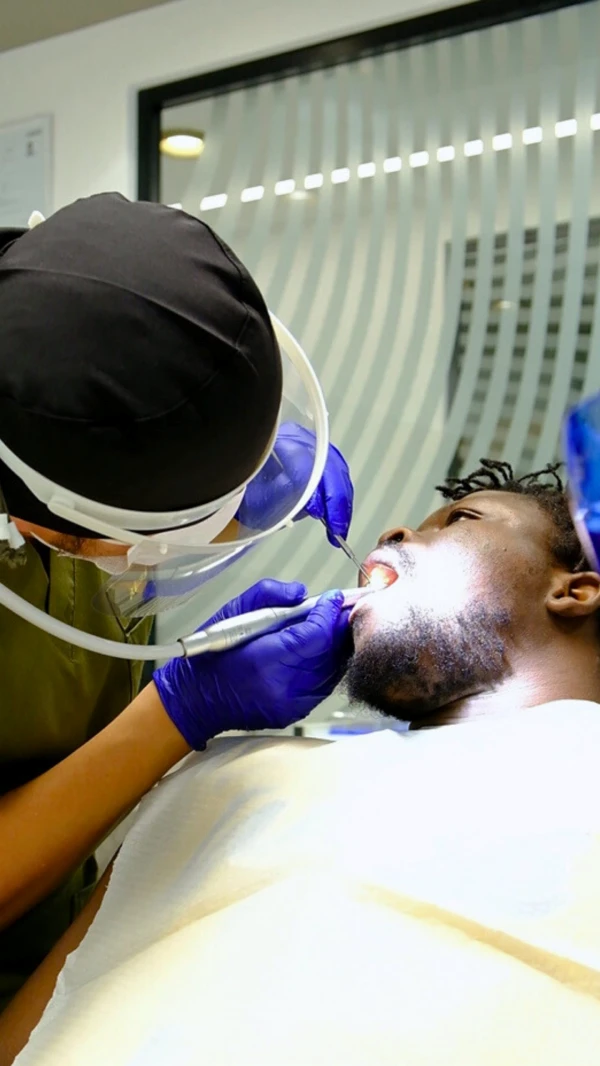
- Implant Placement: Performed under local anesthesia. The gum is opened, a precise hole is made, and the implant is inserted into the bone.
- Osseointegration: Healing takes several months. The implant fuses with the bone — you won’t feel it actively happening, but it forms the bedrock for future chewing power and aesthetics.
- Abutment Placement: A small connector is attached to the implant — this will support your new crown or bridge.
- Final Restoration: After impressions, a custom prosthetic (crown, bridge, or denture) is placed, completing your smile.
The entire process is tailored to your needs—timing may vary if bone grafting is required. Most people report only mild post-op discomfort, managed easily with routine pain relievers.
Because implants are fixed, you clean them just like natural teeth. No nightly removal, adhesives, or special cleaning solutions are required. The result looks, feels, and functions like your own tooth.
Materials Used in Dental Implants
Two main materials dominate dental implantology: titanium and zirconia. Both have impressive track records for safety, durability, and biocompatibility.
- Titanium: Used for over 50 years in dental and orthopedic surgery. Pure titanium (Grade 4, commercially pure) or titanium alloy (containing small additions of aluminum and vanadium) makes up more than 95% of dental implants globally. Titanium is non-reactive, doesn’t corrode in the body, and integrates seamlessly with bone. Allergic reactions are extremely rare—studies report a rate between 0.6% and 1%.
- Zirconia: The ceramic alternative. White and metal-free, perfect for patients with metal allergies or preferences for holistic dentistry. While not quite as established as titanium, zirconia implants have gained popularity over the past decade due to their high strength, fracture resistance, and aesthetic value in visible areas.
Less commonly, implant parts or abutments may include:
- Polyetheretherketone (PEEK)
- Gold alloy (in older systems)
- Porcelain (for crowns and bridges on top of the implant)
The overwhelming bulk of research and clinical experience confirms that both titanium and zirconia meet international biocompatibility standards and show no intrinsic toxicity or carcinogenicity in humans.
Research on Dental Implants and Cancer Risk
This is where science offers robust reassurance. Decades of published studies, meta-analyses, and real-world data show no statistically significant increase in oral or systemic cancer risk due to dental implants. Reviews in journals such as Clinical Oral Implants Research, Journal of Dental Research, and European Journal of Dentistry all echo this consensus.
Here are the facts:
- Over 12,000,000 dental implants placed globally each year. Recorded cases of implant-associated cancer, such as sarcomas or oral squamous cell carcinoma linked directly to implants, are so rare as to be anecdotal.
- Current studies (2021 systematic review, Int J Oral Maxillofac Surg) show no causal relationship between dental implant materials (titanium, zirconia) and cancer development.
- Animal studies expose rats and mice to titanium particles in far higher dosages than any human would encounter. No carcinogenic effects have been reliably established.
- Known risk factors for oral cancer remain smoking, heavy alcohol use, chronic trauma to tissues, viral infections (like HPV), and genetic syndromes—not oral implants.
Rumors about “metal in your body causing cancer” trace back to outdated concerns over mercury in amalgam fillings, which is not relevant to dental implants. The most likely cause of confusion is the observation that any area with chronic inflammation—even around implants—can rarely develop cancer, but the implant itself is not the initiator.
Safety Standards and Regulations for Dental Implants
Every dental implant must pass international biocompatibility, mechanical strength, and manufacturing standards before it reaches a patient. Devices are regulated by entities such as the U.S. Food and Drug Administration (FDA), the European Medical Device Regulation (EU MDR), and similar agencies worldwide.
- Pre-market testing: Manufacturers must provide evidence of safety (no cytotoxicity, carcinogenicity, systemic toxicity), strength (fatigue testing, corrosion resistance), and cleanliness (sterilization methods).
- Post-market surveillance: After approval, products are monitored for reports of adverse events, recalls, or suspected health risks. Regulatory databases have not found any confirmed, repeatable evidence of implant-related cancer.
- Material standards: ISO 5832 (for titanium) and ISO 13356 (for zirconia ceramics) set stringent limits on material composition, permissible impurities, and required testing.
- Clinical protocols: Dentists must follow robust aseptic procedures, sterile surgical packs, and evidence-based protocols to avoid complications such as infection, which may rarely cause implant loss but not cancer.
These layers of oversight mean that your dental implant goes through far more stringent testing than most everyday products—and recalls, while not impossible, are rare and publicized.
Potential Risks and Side Effects of Dental Implants
Like any surgical procedure, dental implants aren’t entirely risk-free. The most common complications are manageable, temporary, and do not involve cancer. Here are the main things to keep in mind:
- Peri-implantitis: This is a form of gum and bone inflammation around the implant post. It’s somewhat like gum disease and can progress to bone loss if not managed. The risk is about 5–10% over ten years, especially in smokers and patients with diabetes.
- Early implant failure: Rare, but it can happen if the implant doesn’t integrate properly or if infection sets in during healing. Success rates in healthy non-smokers typically exceed 95% over 10 years.
- Nerve injury: Implants placed too close to the mandibular nerve can cause numbness or tingling. 3D digital planning and careful technique reduce this risk to below 1%.
- Sinus complications: For upper jaw implants, protrusion into the sinus cavity can occur if not properly planned.
Cancer is not listed among recognized or documented risks for dental implants by global health agencies or professional organizations. The vast majority of problems are local and manageable with routine dental care.
How to Minimize Risks from Dental Implants
Patient choices and skillful execution matter—a lot. Here’s how our specialists minimize risk at every stage:
- Choosing the right candidate: Good general health, non-smoker, and adequate jawbone volume are ideal. We avoid immediate implantation in patients with untreated periodontal disease or uncontrolled diabetes.
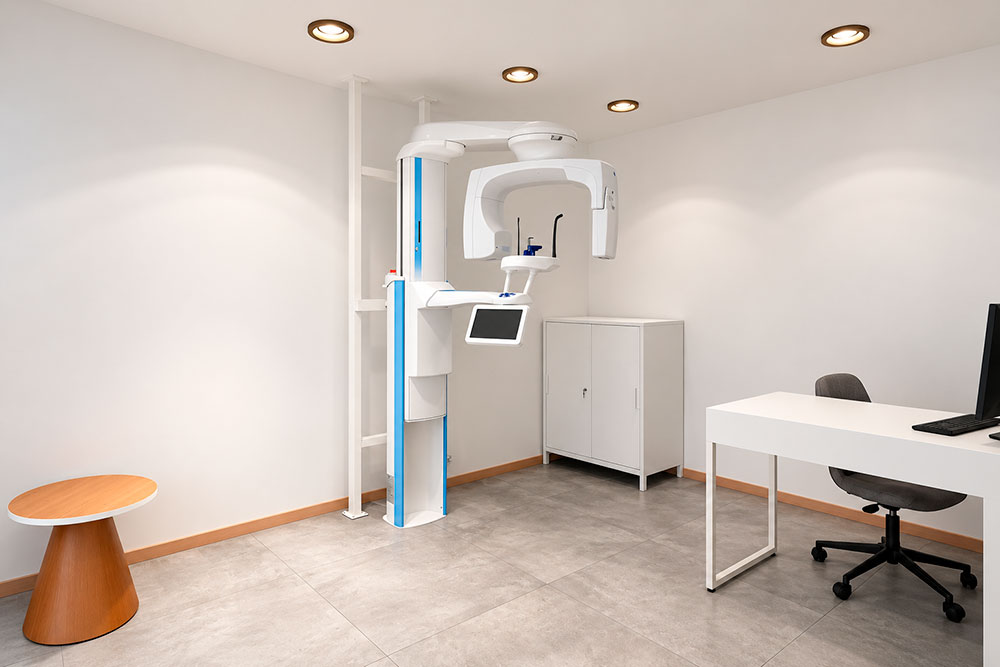
- Meticulous planning: Digital CBCT (cone-beam CT) scans map your jaw in three dimensions, guiding placement to avoid nerves, sinus cavities, and thin bone.
- Operating room sterility: Even minor contamination can increase infection risk. We use single-use sterile surgical kits and cover every step with antibiotic protocols as recommended by global consensus statements.
- Material choice: For individuals with metal sensitivities (documented by patch testing), we select zirconia implants. Otherwise, we use commercially pure titanium from FDA/CE-certified sources.
- Aftercare: Proper brushing, flossing, and maintenance visits keep peri-implant tissues healthy for decades. Our recall schedule is typically every 6–12 months, with X-rays every 1–3 years to check bone stability.
A conscientious partnership between you and your dental team is the real secret to long-term implant success.
Alternatives to Dental Implants
Not everyone is a candidate for implants, or you may prefer a different approach for personal reasons. The main alternatives are:
- Fixed dental bridges: Anchor to natural teeth on either side of the gap. Bridges typically last 10–15 years, but they require grinding down healthy teeth, increasing risk for future decay or gum problems in those abutment teeth.
- Removable partial dentures: Snap in and out as needed. Fabricated from acrylic and metal frameworks, they’re affordable but less stable and generally less comfortable compared to implants.
- Resin-bonded bridges (Maryland bridges): Attach with minimal tooth preparation but are best for small gaps and low-bite-force areas.
If your goal is to avoid metals entirely, certain ceramic or flexible resin materials can be used in prostheses. These alternatives don’t match the lifespan or function of implants but can work as temporary or definitive solutions in the right scenarios. Comparing lifespans and costs—implants lead with 25 years or more; bridges average 10–15 years; partial dentures 5–10 years with attentive care.
Frequently Asked Questions (FAQ)
Can dental implants increase your risk of cancer?
Based on all current scientific evidence, dental implants themselves do not increase your risk of developing cancer. Titanium and zirconia, the most common implant materials, have been used for decades in both dental and orthopedic medicine without showing carcinogenic properties in humans. Large-scale studies tracking millions of cases worldwide have failed to demonstrate any statistically significant link between implants and oral or systemic cancers. The theoretical risks sometimes discussed online originate from misinterpretations of laboratory data or rare cases of chronic inflammation—not from the materials themselves.
Are there any known cases of cancer caused by dental implants?
Documented cases of cancer developing directly from dental implants are extremely rare, to the point where they are considered anecdotal in medical literature. As of 2024, only isolated case reports exist—fewer than a dozen published globally—that discuss possible sarcoma or squamous cell carcinoma near an implant. These occurrences are so sparse among the estimated 100+ million implants placed worldwide that no causative relationship can be established. Major systematic reviews and cancer registries do not report a measurable increase in cancer among implant recipients compared to the general population.
What materials in dental implants are linked to cancer concerns?
There is no scientifically validated evidence that materials used in contemporary dental implants—namely titanium, titanium alloys, and zirconia—cause cancer in humans. Early concerns from decades ago were largely theoretical or arose from animal studies using excessive doses not replicable in human contexts. No implant component on the current market, adhering to international ISO and FDA standards, has been deemed carcinogenic. If you come across warnings about nickel or chromium, remember these are not used in FDA-approved, mainstream dental implant systems today.
Is titanium safe for dental implants?
Titanium enjoys an outstanding safety record in both dental and orthopedic applications. Used for more than 50 years, it is the preferred option in over 95% of dental implants due to its unique combination of biocompatibility, strength, and resistance to corrosion. Studies involving tens of millions of patients confirm titanium does not disrupt normal cell function, nor does it provoke cancerous changes in tissues. Allergies or sensitivities to titanium are less than 1% in the general population. The World Health Organization, FDA, and other regulatory bodies recognize titanium as safe and non-carcinogenic for internal use.
How can I know if my dental implant is safe?
Safety starts with verified materials and professional skill. Always choose a provider who uses FDA-cleared or CE-marked implant systems from reputable manufacturers—never cut-rate or “off-brand” components. If you have a history of metal allergies, get patch tested before placement. After surgery, attend all scheduled checkups, as routine monitoring by your dentist is key for long-term safety and health. If you’re uncertain about the brand or material in your mouth, ask for your implant’s batch number and official documentation—your dentist should have this available, and we offer it routinely to our patients.
What are the symptoms of cancer near a dental implant?
While true cancer near dental implants is extremely rare, it’s smart to be aware of any unusual changes. Signs that would merit a prompt visit to your dentist include:
- Persistent, non-healing ulcer near the implant (lasting more than 2 weeks)
- Unexplained bleeding, pain, or swelling that does not improve with normal hygiene or prescribed antibiotics
- Lump or thickening in the gum or jaw near the implant site
- Sudden loosening of the implant not explained by other factors
- Numbness or tingling in the lips, chin, or gums without injury or dental work
These signs are much more likely to indicate infection or gum problems, but persistent or worsening symptoms should always be examined and, if appropriate, biopsied to rule out rare pathology.
Are there alternatives to dental implants that are safer?
Dental bridges and removable partial dentures are the main alternatives to implants. In terms of overall medical risk, neither method has ever been linked to cancer. Both options have their pros and cons: bridges can compromise neighboring teeth, while partial dentures may be less stable. For patients with well-documented metal allergies or preferences for non-metal solutions, zirconia implants or all-ceramic bridges offer a truly metal-free alternative. The safety of dental implants, however, remains on par with or superior to these traditional tooth-replacement options when proper protocols are followed.
How often should I get my dental implants checked for health issues?
Annual checkups are considered a minimum for anyone with dental implants, with cleaning and examination every six to twelve months recommended for ongoing gum and bone health. We encourage patients to return for evaluation at three-month intervals during the first year after placement, then extend to every six months once stable. Digital X-rays every 1–3 years ensure your bone levels remain healthy. Prompt attention to any changes in comfort, gum color, or function can identify early issues before they become serious.
Can dental implant infections lead to cancer?
There is no direct connection between dental implant infections and cancer. Chronic unmanaged infections can theoretically contribute to cell changes over decades, but clinical studies show this risk to be incredibly low. Peri-implantitis—a localized inflammatory condition—is common if hygiene is neglected, but the main danger is bone loss and implant failure, not cancerous growth. If you maintain proper home care and see your dental team at recommended intervals, your infection risk drops dramatically.
What should I do if I’m concerned about cancer and my dental implants?
Bring your concerns candidly to your dental provider. Good medicine starts with honest conversation and clear, evidence-based counsel. If you’re experiencing symptoms like chronic sores, lumps, or persistent pain near your implant, we’ll perform a thorough clinical exam and may order imaging or a biopsy if anything looks unusual. Ask your dentist for the exact brand, model, and material of your implant—transparency is your right. For persistent worries, request referral to an oral medicine specialist or oral pathologist—peace of mind is essential, and early evaluation means no delay in care if intervention is ever needed.