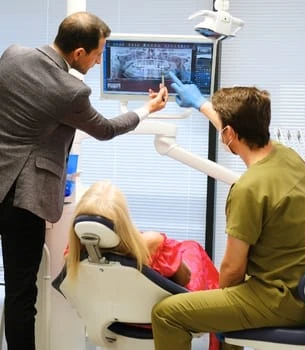

Dental implants do not usually cause bad breath on their own. A properly placed implant made from titanium or zirconia does not produce odor, decay like a natural tooth, or release a smell into the mouth. When bad breath develops around an implant, the cause is usually something connected to the tissues around it rather than the implant material itself. Common reasons include trapped food, bacterial plaque, poor cleaning around the crown, gum inflammation, peri-implant mucositis, peri-implantitis, a loose restoration, dry mouth, or an infection after surgery.
Most people with healthy implants and good oral hygiene do not notice any implant-related odor. In fact, long-term studies often report implant survival rates above 90% over 10 years, which reflects how stable implants can be when maintained well. Problems tend to appear when plaque is allowed to build up at the gumline or under the prosthetic crown, where bacteria can produce sulfur compounds that create a strong unpleasant smell. This can happen even when the implant itself is structurally sound.
Bad breath after implant surgery can be temporary for a few days because of healing blood, sutures, reduced brushing near the area, and mild swelling. Breath that remains bad for more than 7 to 14 days, or comes with pain, pus, bleeding, a bad taste, gum recession, or implant mobility, deserves a dental examination. Dentists usually check the area with probing, X-rays, bite analysis, and professional cleaning tools designed for implants.
In many cases, the solution is not implant removal. The issue may improve with more precise home care, chlorhexidine rinses for a limited period, professional debridement, treatment of gum inflammation, or correction of a crown shape that traps debris. If bone loss or infection is advanced, deeper treatment may be needed. The key point is simple: dental implants do not normally cause bad breath, but conditions around them can.
What Causes Bad Breath Around Dental Implants?
Bad breath around dental implants usually comes from bacterial activity rather than from the implant body itself. Dental implants are commonly made from titanium, and titanium does not rot, decay, or create odor. The smell develops when bacteria collect in hard-to-clean areas around the implant crown, abutment, or gum margin. Those bacteria break down food particles, dead cells, and proteins in saliva, producing volatile sulfur compounds. Hydrogen sulfide and methyl mercaptan are two of the main gases linked to halitosis, and even small concentrations can create a noticeable smell.
One common cause is plaque retention. Implants can have contours that make cleaning more difficult than around a natural tooth, particularly if the crown is bulky or the contact point with the neighboring tooth is tight. A space as small as 1 to 2 millimeters under a crown margin can hold debris if floss, interdental brushes, or water irrigation are not used effectively. Food impaction is common after meals containing fibrous meats, rice, bread, seeds, or leafy vegetables. If this material stays under the prosthesis for several hours, the odor can become strong.
Inflamed gum tissue around an implant is another frequent cause. Peri-implant mucositis is a reversible inflammation limited to the soft tissue around the implant. It can lead to redness, swelling, bleeding when brushing, tenderness, and bad breath. If not treated, this inflammation can progress to peri-implantitis, which involves bone loss around the implant and may create a deeper pocket where anaerobic bacteria thrive.
Dry mouth also plays a role. Saliva naturally dilutes and washes away odor-causing compounds. People who smoke, breathe through the mouth, take antihistamines, antidepressants, blood pressure medications, or have diabetes can produce less saliva. Reduced saliva flow increases bacterial concentration near implants and natural teeth alike. Normal unstimulated salivary flow is often around 0.3 to 0.4 mL per minute, and lower rates can significantly raise the risk of halitosis.
A loose crown, cement residue, poorly fitted restoration, or remaining healing debris after surgery can also cause odor. Excess dental cement left under the gum is a recognized risk factor because it traps bacteria and irritates tissue. In many implant reviews, residual cement is repeatedly linked with localized inflammation. The source of the smell is often treatable, but the exact cause needs direct examination because the symptoms can look similar from one problem to another.
Is Bad Breath After Dental Implant Surgery Normal?
Mild bad breath after dental implant surgery can be normal for a short time. During the first few days, the mouth contains healing blood, tissue fluid, temporary swelling, and sometimes sutures that collect plaque more easily than usual. Many people also avoid brushing the surgical area thoroughly because it feels tender. That combination can produce an unpleasant taste or odor during the initial healing phase. In straightforward cases, this temporary smell tends to improve within 3 to 7 days as clotting stabilizes and the area becomes easier to clean.
The timeline matters. Some discomfort, mild swelling, and a metallic or stale taste may occur during the first 48 to 72 hours. If bone grafting, sinus lift surgery, or multiple implants were done in one session, recovery signs may last a bit longer. Swelling usually peaks around day 2 or day 3, then starts to settle. Sutures are often removed after 7 to 14 days if they are not dissolvable. During this period, patients are often advised to use a chlorhexidine rinse for 1 to 2 weeks, avoid vigorous spitting, and keep mechanical brushing gentle around the site. Even when all of this is done correctly, the breath may not feel completely fresh at once.
What is not considered normal is strong, worsening bad breath that persists beyond the expected healing period or appears together with increasing pain, pus, fever, throbbing, a foul taste, significant bleeding, or visible discharge from the gums. Those findings may indicate infection, food retention under a healing cap, a flap that is not healing well, or early inflammation around the implant. If the smell becomes more intense after day 5 instead of improving, that pattern is more suspicious than a mild odor that steadily fades.
People who smoke, have poorly controlled diabetes, grind their teeth, or have a history of periodontal disease may heal more slowly and may be at higher risk for odor caused by inflammation. Prior gum disease is one of the most important risk factors because the bacterial profile that affected the natural teeth can also affect the tissues around implants. For many patients, post-surgical bad breath is temporary and manageable. The issue needs a dental check if it becomes persistent, painful, or progressively worse rather than better.
Signs of Infection or Implant Problems That Can Cause Bad Breath
Bad breath can be one of several signs that something is wrong around a dental implant. On its own, odor does not confirm infection, but when it appears with certain local symptoms, the chance of a peri-implant problem goes up. A healthy implant site should not produce pus, should not bleed easily during routine brushing, and should not become increasingly tender after the first stage of healing. If bad breath appears with any of these changes, it is sensible to arrange a dental evaluation.
One of the clearest warning signs is suppuration, which means pus coming from the gum around the implant when pressure is applied. Pus often causes a strong foul smell and a bad taste that can linger even after brushing. Persistent bleeding from the gum margin is also important. Mild bleeding during early healing may occur, but recurrent bleeding weeks or months later often points to inflammation from plaque, excess cement, trauma, or infection. Redness and swelling around one implant while nearby gums look normal is another pattern worth noting.
Pain patterns also help. A little soreness after surgery is expected, usually improving each day. Pain that starts later, returns after initially improving, or becomes sharper during chewing can signal an issue. Pressure sensitivity, tenderness to tapping, or discomfort when using floss around the implant crown can suggest an inflamed pocket, an unstable component, or a trapped foreign material under the gum. Fever is less common in localized implant infections, though if present it raises concern and should not be ignored.
Mechanical problems may also create odor. A loose crown can open a gap where food and bacteria collect. Patients sometimes notice a smell only when floss passes through one contact area or when they press on the gum. An open margin, fractured ceramic, loose abutment screw, or poor crown contour can all become plaque traps. Bone loss around the implant may show up as gum recession, dark triangles, longer-looking teeth, or an implant crown that suddenly feels different to the tongue.
Radiographic changes are often needed to confirm the extent of the problem. Dentists may compare current X-rays with baseline images taken at crown placement. Early crestal bone remodeling can be normal, but progressive bone loss after function begins may be more concerning. Clinical probing depths around implants are also reviewed, though interpretation differs from natural teeth. Bad breath becomes much more meaningful when it appears alongside bleeding, pus, swelling, pain, mobility, or radiographic bone changes.
Peri-Implantitis and Its Link to Bad Breath
Peri-implantitis is an inflammatory disease that affects the soft and hard tissues around a dental implant. It usually begins with plaque accumulation and bacterial colonization at the gumline, then progresses into deeper tissues where bone loss can occur. Bad breath is not the only symptom, but it is a common one because the condition creates an environment where odor-producing bacteria flourish. Deep peri-implant pockets, bleeding sites, and infected exudate allow anaerobic microorganisms to produce sulfur compounds that patients often describe as a sour, rotten, or metallic smell.
The condition is different from peri-implant mucositis. Mucositis is limited to soft tissue inflammation and is generally reversible if treated early. Peri-implantitis includes supporting bone loss, which makes it more serious. Published prevalence figures vary because studies use different definitions, though many reviews estimate peri-implant mucositis in roughly 20% to 40% of implant patients and peri-implantitis in around 10% to 20% over time. The risk is higher in people with a history of periodontitis, irregular hygiene visits, smoking habits, uncontrolled diabetes, and excess cement around cement-retained crowns.
Bad breath linked to peri-implantitis often persists despite normal toothbrushing because the source of the odor sits deeper than the visible gumline. A patient may notice bleeding when using an interdental brush, tenderness around one implant, and a bad taste that returns within hours after cleaning. The tissue can look swollen or shiny, and pressure may release fluid or pus. In some cases there is little pain, which is why the odor becomes one of the earliest signs people recognize.
Diagnosis generally includes probing around the implant, checking for bleeding and suppuration, and comparing radiographs to earlier records. Pocket depths alone do not diagnose peri-implantitis, though increasing depth with bleeding and radiographic bone loss raises suspicion. Dentists also assess prosthetic design because a crown with overcontoured margins can make proper cleaning difficult and contribute to recurring inflammation.
Treatment depends on severity. Mild cases may respond to professional debridement and improved home care. More advanced cases may need local antiseptics, antibiotics in selected situations, surgical access for decontamination, resective procedures, or regenerative techniques where anatomy allows. Since active inflammation can continue silently, persistent bad breath around one implant should not be dismissed as a cosmetic nuisance. It can be a biological warning sign of tissue breakdown.
How to Get Rid of Bad Breath From Dental Implants
Getting rid of bad breath from dental implants starts with identifying the actual source. The smell may be coming from plaque on the implant crown, food packed between teeth, tongue coating, dry mouth, gum inflammation, or an infection around the implant. Treating the wrong cause wastes time, so the most useful first step is to look for patterns. If the odor is strongest near one implant, appears with bleeding or a bad taste, or returns quickly after cleaning, the issue is likely local to that area.
Daily mechanical cleaning is the foundation. Brush for about 2 minutes twice a day with a soft-bristled toothbrush or an electric brush with a pressure sensor. Focus on the gumline where the crown meets the tissue. Many patients brush the visible surfaces well but miss the under-contoured areas near the back or tongue side. Interdental cleaning is often what makes the biggest difference. Use implant-safe floss, super floss, or an interdental brush sized to the space. If the brush is too small, it slides through without disrupting plaque. If it is too large, it can cause trauma. Water flossers can help flush trapped debris, though they work best as an addition rather than a replacement for contact cleaning.
Tongue cleaning matters because a large share of mouth odor comes from the dorsum of the tongue. A tongue scraper used once or twice daily can reduce sulfur compounds significantly. Hydration helps as well. Adults often feel less dry when they reach roughly 1.5 to 2 liters of fluid intake per day, though needs vary by body size, activity, and climate. Sugar-free xylitol gum can stimulate saliva if dry mouth is contributing.
If the breath still smells bad after several days of careful cleaning, a professional implant check is the next step. Dentists may remove hardened plaque, polish the area with implant-compatible instruments, check for leftover cement, and assess whether the crown contour traps debris. In some cases, a temporary antimicrobial rinse such as chlorhexidine 0.12% or 0.2% is prescribed for 7 to 14 days, though extended use can stain teeth and alter taste.
Strong odor with bleeding, swelling, or pus should be treated as a clinical issue rather than a home-care problem. The smell can improve only after inflammation or infection is addressed directly. Fresh breath around implants usually depends on meticulous cleaning, healthy surrounding tissue, and a prosthetic design that allows you to maintain both.
How to Clean Dental Implants Properly
Cleaning dental implants properly means removing plaque from the implant crown, the gumline, and the spaces around it every day without damaging the surrounding soft tissue. The implant itself cannot get cavities, but the tissue around it can become inflamed if bacterial biofilm remains in place. Implants often need more precise cleaning than people expect because the crown shape and the contact with neighboring teeth can create hidden retention areas. Good technique matters more than force.
Brush twice a day for about 2 minutes using a soft manual brush or an electric toothbrush with a small round head. Angle the bristles toward the gum margin where the implant crown meets the tissue. Short vibrating motions are usually more effective than wide scrubbing strokes. If you wear a full-arch implant bridge, spend extra time on the tissue-facing side because plaque often builds underneath. Low-abrasion toothpaste is generally preferred, as harsh pastes can scratch polished surfaces over time.
Interdental cleaning should match the restoration design. For a single implant, floss or super floss can be threaded gently under the contact area if there is space. Interdental brushes are often more effective than floss for many people because they clean both the side of the crown and the entrance of the sulcus. The fit should feel snug but not painful. Brush sizes range widely, often from 0.4 mm to over 1.3 mm core diameter, so many patients need a dentist or hygienist to recommend the correct size rather than guessing.
A water flosser can help dislodge food trapped around implant crowns and under bridges. It is useful for people with reduced dexterity, orthodontic retainers, or multiple implants. Aim the stream along the gumline and beneath bridge contours rather than straight into the tissue. Tongue cleaning once daily lowers total bacterial load and often improves breath noticeably.
Professional maintenance is part of proper cleaning. Many implant patients benefit from hygiene visits every 3 to 6 months, depending on gum history and plaque control. During those visits, clinicians may use carbon-fiber, plastic-coated, or titanium-safe instruments, airflow systems with fine powders, and implant-specific polishing protocols. X-rays may be taken periodically to compare bone levels with the baseline. If a crown shape makes cleaning nearly impossible, the dentist may recommend contour modification or remaking the restoration. Proper implant cleaning is not only about brushing more. It is about using the right tools in the right spaces every single day.
When to See a Dentist About Bad Breath After Dental Implants
Bad breath after dental implants does not always signal a serious complication, but some patterns justify a prompt dental visit. A short period of unpleasant breath during the first few days after surgery can be part of normal healing. The issue becomes more concerning when the odor is strong, persistent, getting worse, or tied to visible changes around the implant. Timing, severity, and accompanying symptoms help determine whether it is routine or something that needs treatment.
You should consider contacting a dentist if bad breath lasts beyond 7 to 14 days after surgery, or if it returns months after the implant seemed fully healed. Odor that does not improve after careful brushing, interdental cleaning, hydration, and tongue cleaning often means there is a local factor that home care cannot fully remove. This may include trapped cement, inflammation below the gumline, a loose crown, or a peri-implant pocket harboring bacteria.
Certain warning signs should move the appointment higher on the priority list. These include bleeding when brushing around the implant, gum swelling, pus, a bad taste, increasing pain, pressure sensitivity when chewing, gum recession, or the feeling that the crown is moving. Fever and facial swelling are less common but require faster assessment. If the implant is mobile, urgent review is warranted because osseointegrated implants should not move. Even slight movement can point to a failed component or severe bone loss.
Patients with previous gum disease, smoking habits, diabetes, or reduced dexterity should be more cautious because their risk profile is higher. Someone with a history of periodontitis may develop peri-implant inflammation earlier and more aggressively than someone with no prior gum problems. A regular review interval of every 3 to 6 months is common for higher-risk implant patients, while lower-risk patients may be seen every 6 to 12 months depending on oral hygiene and restorative design.
A dental visit for implant-related bad breath may include probing around the implant, checking for bleeding and suppuration, reviewing the bite, taking a periapical X-ray, and cleaning the area with implant-safe instruments. If a crown is suspected to be trapping debris, the dentist may remove or adjust it. Persistent bad breath is easier to manage when investigated early. Waiting several months can allow a reversible soft tissue issue to progress into bone loss.
Can a Failed Dental Implant Cause Bad Breath?
Yes, a failed dental implant can cause bad breath, though the odor is not caused by the metal implant itself. The smell usually comes from infection, trapped debris, inflamed soft tissue, or bacterial buildup around an implant that is no longer healthy or stable. Implant failure can happen early, when the implant does not integrate properly with bone, or later, after a period of successful function. In either situation, changes in the surrounding tissue can create an odor-producing environment.
Early failure may occur within weeks or a few months after placement. Causes can include poor initial stability, overheating of bone during drilling, infection, smoking, uncontrolled diabetes, heavy biting forces, or insufficient bone quality. A patient may notice persistent pain, swelling, a bad taste, delayed healing, or unusual odor around the implant site. If the area is infected, the smell can be quite noticeable because pus and tissue breakdown release unpleasant compounds.
Late failure often develops after the implant has been in function for months or years. Peri-implantitis is one of the main reasons. As bone support decreases, the gum pocket around the implant deepens and becomes harder to clean. That deeper space holds anaerobic bacteria, plaque, and sometimes food remnants, all of which contribute to halitosis. A failed or failing implant may also present with bleeding, recession, discomfort during chewing, looseness of the crown or implant, and radiographic bone loss.
It is useful to separate prosthetic loosening from true implant failure. Sometimes the implant body is still integrated, but the crown or abutment screw becomes loose. In that case, a small gap may form under the crown and create odor because debris packs into the space. The breath can smell bad even though the implant itself has not biologically failed. Dentists need to determine whether the problem is mechanical, biological, or both.
True implant failure is not extremely common, but it is not rare either. Long-term success rates for modern implants are often reported above 90%, which still means a measurable minority will develop complications over time. Bad breath alone does not prove failure, though when it appears with mobility, pain, swelling, pus, or bone loss, it should be taken seriously. A failed implant can often be diagnosed with a clinical exam and X-ray, and management may range from cleaning and repair to removal and delayed replacement depending on severity.
How Dentists Treat Bad Breath Caused by Dental Implants
Dentists treat bad breath caused by dental implants by identifying whether the source is plaque accumulation, trapped food, soft tissue inflammation, excess cement, a prosthetic problem, or peri-implant disease. The treatment plan depends on what they find during the clinical exam. Halitosis linked to implants is not managed with mouthwash alone. The odor usually improves only when the local cause is removed or corrected.
The appointment often starts with a detailed assessment. The dentist or hygienist may ask when the smell began, whether it appeared right after surgery or much later, and whether it is linked to bleeding, pain, a bad taste, or chewing discomfort. The implant is then checked for plaque, bleeding on probing, suppuration, crown mobility, excess cement, and areas where floss catches or shreds. X-rays help reveal bone changes, retained cement, and crown fit. In many cases, a simple periapical radiograph is enough to guide the next step.
If the problem is superficial plaque and mild mucosal inflammation, professional debridement is usually the starting point. The clinician may use implant-safe instruments such as titanium-compatible scalers, carbon-fiber tools, ultrasonic tips designed for implants, or air-polishing systems with glycine or erythritol powder. These methods aim to disrupt biofilm without scratching implant surfaces. Patients are then shown how to clean the area more effectively at home, often with specific floss, interdental brushes, or water irrigation.
If excess cement is causing inflammation, the crown margin may need to be accessed and the cement removed. If the crown contour is overbulked and traps debris, adjustment or remaking the restoration can be necessary. A loose abutment screw or ill-fitting crown may be tightened, repaired, or replaced. In cases with deeper infection, the dentist may prescribe a short course of antiseptic rinses and, when indicated, antibiotics. Antibiotics are not used in every case because mechanical biofilm removal remains the key part of treatment.
Peri-implantitis may require surgical therapy if non-surgical cleaning cannot access the contaminated implant surface. This can include flap surgery, decontamination, pocket reduction, or regenerative procedures using graft materials and membranes where the defect shape is suitable. Review visits are important because the odor may return if the area remains difficult to maintain. Dentists treat implant-related bad breath by solving the reason the bacteria are staying there in the first place.
How to Prevent Bad Breath With Dental Implants
Preventing bad breath with dental implants depends on plaque control, healthy gum tissue, good restoration design, and regular maintenance. Most implant-related odor starts when biofilm and food particles remain around the gumline long enough for bacteria to break them down. Prevention is usually simpler and less costly than treatment. A patient who spends a few focused minutes each day on implant hygiene can often avoid the inflammation that leads to odor.
Brushing twice daily is the baseline, though technique matters more than brushing harder. The bristles need to reach the junction where the crown exits the gum. A soft brush or electric brush is usually adequate. Interdental cleaning should be done once daily because many odor-causing deposits sit in spaces a regular brush cannot reach. People with one implant may do well with floss plus a small interdental brush. Those with implant bridges often need super floss, tufted brushes, or a water flosser to reach beneath the prosthesis.
Professional maintenance is one of the strongest preventive measures. Patients with implants and a history of periodontal disease may need hygiene appointments every 3 to 4 months. Lower-risk patients may be reviewed every 6 months. These visits allow clinicians to remove plaque and calculus, monitor pocket changes, and take periodic radiographs to compare bone levels. Detecting mucositis early can stop it from progressing to peri-implantitis, which is far harder to manage.
Lifestyle factors also influence breath. Smoking raises the risk of peri-implant disease and reduces blood flow in gum tissues, making problems easier to miss until they are more advanced. Dry mouth increases odor, so adequate fluid intake, sugar-free gum, and management of medication-related dryness can help. If snoring or mouth breathing is present, a patient may wake with stronger morning odor even when the implant is healthy.
Good prosthetic planning is preventive too. Crowns and bridges should be shaped so that patients can actually clean them. A beautifully aesthetic crown that traps plaque under the gum is not a healthy design long term. Dentists often review access for floss and interdental brushes before finalizing the restoration. Patients can help by reporting any area where food repeatedly packs. Preventing implant-related bad breath is less about masking smell and more about keeping the tissues around the implant stable, clean, and easy to maintain.
FAQs About Dental Implants and Bad Breath
People often worry that a dental implant itself might create odor, though that is not how implant-related bad breath usually works. An implant made from titanium or zirconia is biologically inert and does not decay. The smell comes from bacteria, trapped debris, inflamed soft tissue, or infection around the implant. That is why some patients with implants have consistently fresh breath while others develop odor linked to a maintenance or tissue problem.
A common question is how long bad breath should last after surgery. Mild odor can be normal for a few days because healing tissue, blood remnants, limited brushing, and sutures all change the local environment. Many patients improve within 3 to 7 days. If strong odor lasts beyond 1 to 2 weeks, or appears with pain, swelling, pus, or bleeding, the area should be checked. Persistent symptoms are more meaningful than short-lived post-operative changes.
Patients also ask whether mouthwash is enough. It usually is not. Rinses can reduce odor temporarily, but they do not remove plaque under a crown contour or inside a peri-implant pocket. Mechanical cleaning is far more important. This often means brushing twice daily, using floss or interdental brushes every day, and cleaning the tongue. A water flosser can help flush trapped food around bridgework and hard-to-reach implant sites.
Another frequent question is whether bad breath means the implant is failing. Not always. The smell may be due to a loose crown, retained cement, dry mouth, or mild mucositis, all of which can occur without implant failure. If the odor is combined with mobility, recurrent swelling, gum recession, pain while chewing, or bone loss on X-ray, the concern level rises. A clinical exam is needed to tell the difference.
Patients often want to know how often implants should be checked. Many dentists recommend maintenance visits every 3 to 6 months for higher-risk patients and every 6 to 12 months for lower-risk patients with excellent home care. Timing depends on smoking, diabetes status, history of gum disease, and how easy the restoration is to clean. Breath changes are sometimes the earliest sign that an implant area needs attention. Quick review is usually better than waiting for pain or loosening to appear.
Can food get trapped around a dental implant and cause bad breath?
Yes, food can get trapped around a dental implant and cause bad breath. This is one of the most common non-serious reasons patients notice odor near an implant. The issue usually happens around the edges of the implant crown, between the implant and a neighboring tooth, or under a bridge where the prosthetic design leaves a space that is difficult to clean. Once food stays in that area for several hours, oral bacteria begin breaking it down. That breakdown produces volatile sulfur compounds and other odor-causing substances.
Some foods are more likely to become lodged than others. Fibrous meats, salad leaves, bread, rice, seeds, and soft sticky foods can wedge into small spaces or under the contact point. If the crown contour is bulky or the gum has receded slightly, the pocket-like space can hold debris repeatedly. Patients sometimes notice that the smell becomes stronger after certain meals or that floss pulls out with an unpleasant odor from one exact spot. That pattern strongly suggests local food retention.
Food trapping can happen even when the implant is well integrated and healthy. It does not automatically mean the implant is failing. Sometimes the contact between the implant crown and the adjacent tooth is too open. In other cases, the contact is normal but the tissue-facing surface of the restoration is shaped in a way that makes natural self-cleansing difficult. Full-arch restorations and posterior molar implants can be more challenging because access is reduced and chewing forces push food into hidden areas.
The practical solution is better plaque and debris removal combined with an assessment of restoration design. Interdental brushes, implant floss, and water flossers are often more effective than a standard toothbrush alone. Patients who clean carefully after meals may still notice repeated packing if the crown shape or contact needs adjustment. In those cases, the dentist may polish, reshape, or remake the restoration to improve access. If food trapping is left unaddressed, it can irritate the gum and contribute to peri-implant mucositis over time.
Bad breath caused by trapped food typically improves soon after the area is cleaned thoroughly. If the smell returns quickly, or if there is bleeding, swelling, or discomfort around the implant, the problem may involve inflammation as well as food retention. That is the point where a professional review becomes useful.
Do dental implants smell if they are infected?
Dental implants themselves do not smell, but infected tissue around an implant can produce a noticeable odor. When bacteria multiply in an inflamed or infected pocket, they release compounds that have a foul smell. If pus is present, the odor may become stronger and more persistent. Patients often describe it as a rotten, sour, metallic, or unpleasantly stale smell, sometimes combined with a bad taste that returns soon after brushing.
An infected implant site may smell because proteins in tissue fluid, blood, trapped debris, and inflammatory exudate are being broken down by anaerobic bacteria. Those microbes thrive in low-oxygen spaces such as deep gum pockets around implants with peri-implantitis. The deeper and more active the infection, the harder it becomes to remove the source with home care alone. A mouth rinse can briefly mask the odor, though it usually does not solve it if the infection is established below the gumline.
Odor related to infection rarely appears in isolation. Many patients also notice bleeding, gum swelling, tenderness, redness, pressure discomfort, or pus when the gum is pressed. Some report that floss or an interdental brush comes out smelling bad from one specific implant. Others taste fluid draining from the gum. Fever is less common in localized cases, but if it develops, it suggests a more significant inflammatory response and should be evaluated quickly.
There are several causes of infection around implants. These include early post-surgical contamination, plaque-induced peri-implant mucositis progressing to peri-implantitis, retained dental cement, and poor crown fit that traps bacteria. People with previous periodontal disease, smoking habits, and uncontrolled diabetes tend to have higher risk. Studies consistently show a stronger association between peri-implant disease and these factors than in low-risk patients with regular maintenance.
If an implant area smells infected, the right next step is a dental exam rather than repeated use of stronger mouthwashes. The dentist may probe the area, take an X-ray, check for suppuration, remove plaque and calculus, and inspect the restoration. Once the infection is treated and the area becomes cleanable again, the odor usually improves. The smell is a sign of bacterial activity in the tissues around the implant, not a smell coming from the implant material itself.
Why does my breath smell bad after getting a dental implant?
Breath can smell bad after getting a dental implant for a few different reasons, and the timing helps narrow them down. In the first few days after surgery, mild odor is often linked to normal healing. Blood residue, dissolving tissue proteins, temporary swelling, stitches, and reduced brushing near the tender area can all change the smell in the mouth. This kind of post-surgical odor is usually short-lived and tends to improve as the site heals and regular cleaning becomes easier.
If the bad breath continues, the explanation is more often bacterial buildup around the implant area. Plaque can collect around the healing cap, temporary crown, or gumline if brushing is too light or if the area is hard to reach. Small food particles can also get trapped around the implant and begin to decompose. This is common if the crown contour or contact point encourages food retention. A single hidden trap can create a surprisingly strong smell because the bacteria stay concentrated in one spot.
Inflammation is another possibility. Peri-implant mucositis can develop when plaque sits around the implant long enough to irritate the gum. The tissue becomes red, swollen, and more likely to bleed. As the bacterial load increases, odor often becomes more obvious. If the condition progresses deeper and involves bone loss, peri-implantitis may be present. In that setting, the breath may smell worse and the patient may notice a bad taste, tenderness, or pus.
There are also causes not limited to the implant itself. Dry mouth after surgery, mouth breathing during sleep, antibiotic-related taste changes, tongue coating, and reduced food intake followed by ketosis can all affect breath temporarily. If you are eating less and drinking less because the area feels sore, saliva flow may drop and odor can become more noticeable even when the implant is healing normally.
The practical question is whether the smell is improving. A mild odor that fades over several days is usually less concerning. A smell that remains strong for more than 1 to 2 weeks, gets worse, or comes with swelling, bleeding, pain, or discharge needs professional attention. Breath changes after implant placement are common enough that patients should not feel alarmed immediately, though persistent odor should not be ignored.
Can bad breath mean my dental implant is failing?
Bad breath can mean your dental implant is failing, but it is not a reliable sign on its own. Many less serious issues can also cause odor, including trapped food, inadequate cleaning, tongue coating, dry mouth, a loose crown, or mild gum inflammation around the implant. The key is whether the smell is paired with other changes that suggest a biological or mechanical problem. Dentists rarely diagnose implant failure based on odor alone.
A failing implant often shows a combination of findings. These may include bleeding around the implant, swelling, pus, pain during chewing, gum recession, a crown that feels different when biting, or actual mobility. Mobility is one of the clearest warning signs because a fully integrated implant should feel stable. Radiographic bone loss around the implant also raises concern, particularly if the bone level is worsening compared with previous images. When bad breath appears along with these features, the chance of a failing implant becomes more significant.
Peri-implantitis is one of the main pathways to late implant failure, and bad breath can be part of that picture. As inflammation deepens and bone support decreases, the pocket around the implant becomes an ideal environment for odor-producing bacteria. Patients may notice the smell returning soon after brushing or flossing, and the area may bleed easily. If suppuration is present, the smell is often more obvious.
There are also mechanical situations that mimic implant failure symptoms without true loss of osseointegration. A loose abutment screw or poorly sealed crown can trap bacteria and create odor. In that case, the implant body may still be stable in bone, and the treatment could be as simple as tightening or replacing a component. That is why a professional exam matters. The treatment for a loose crown is very different from the treatment for advanced peri-implantitis.
If you notice persistent bad breath from one implant site, the safest assumption is not that the implant is definitely failing, but that something around it needs to be checked. Early review often allows simpler treatment, lower cost, and better long-term stability. Waiting until the implant becomes painful or mobile can reduce the chances of saving it.