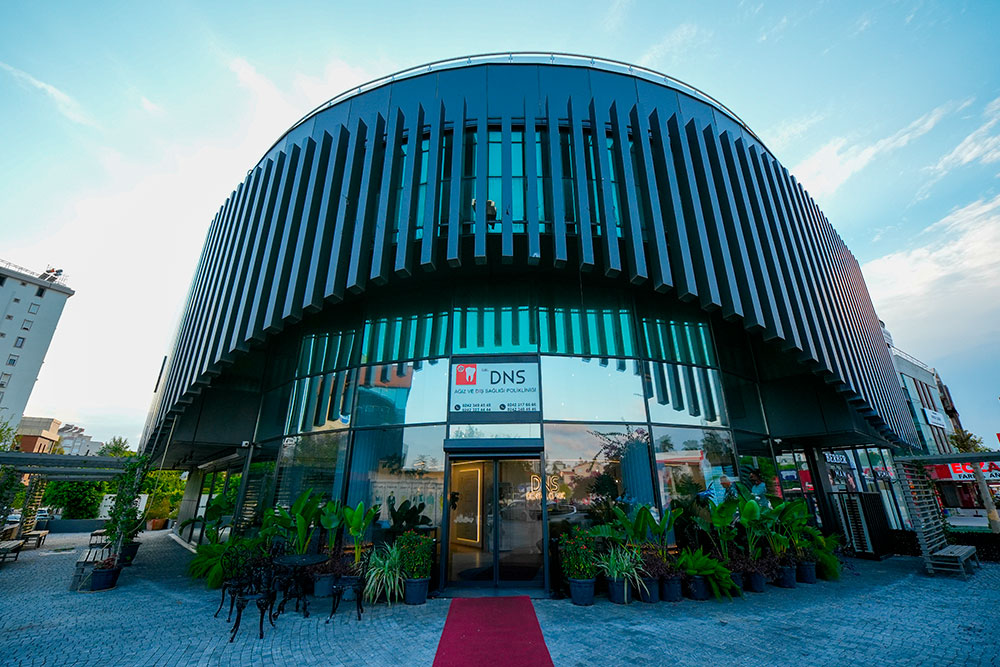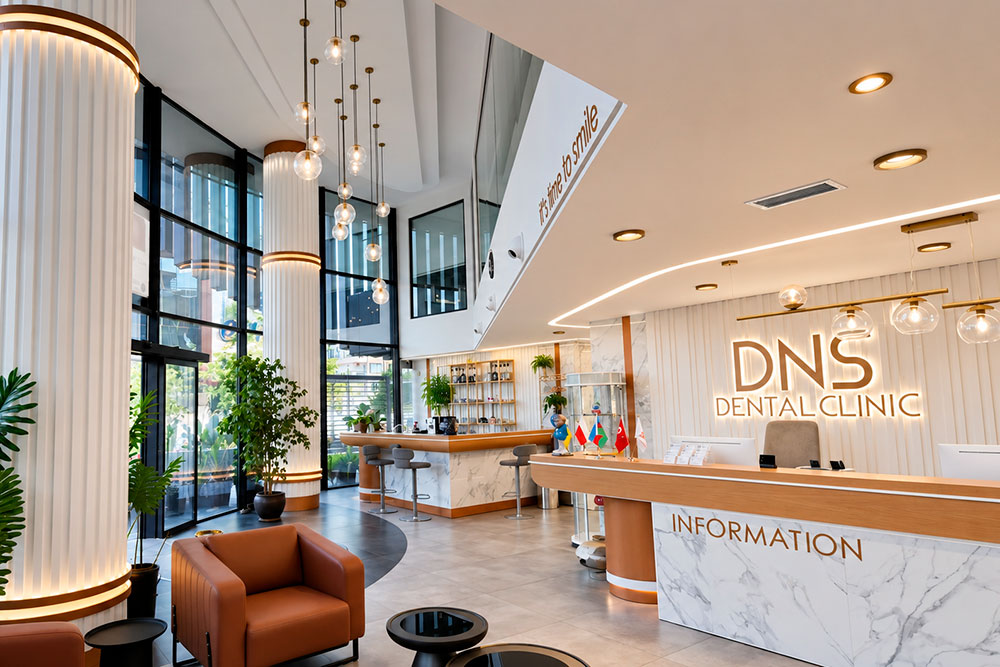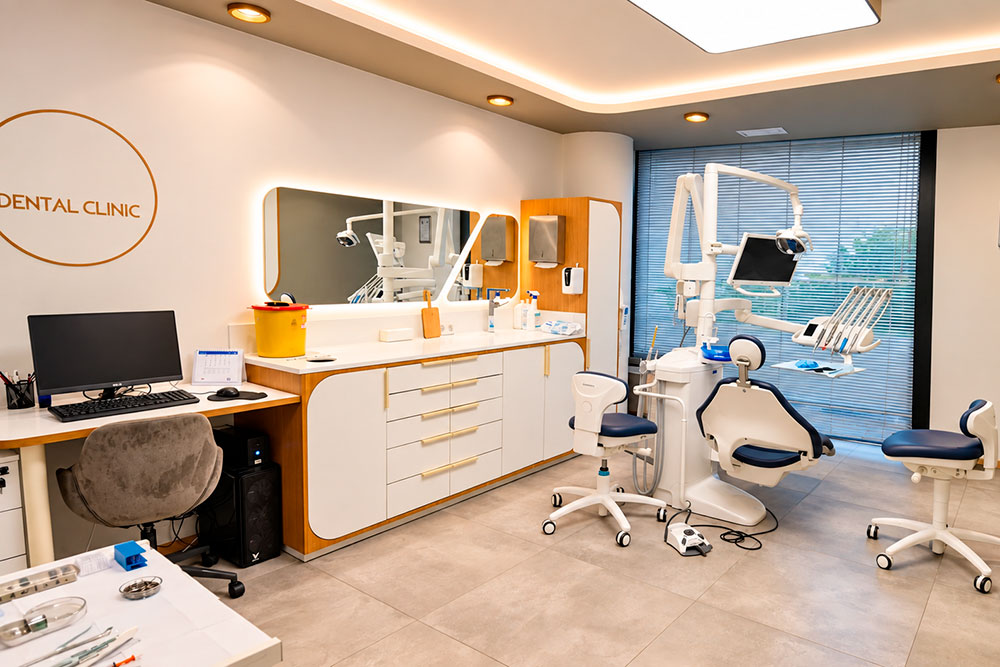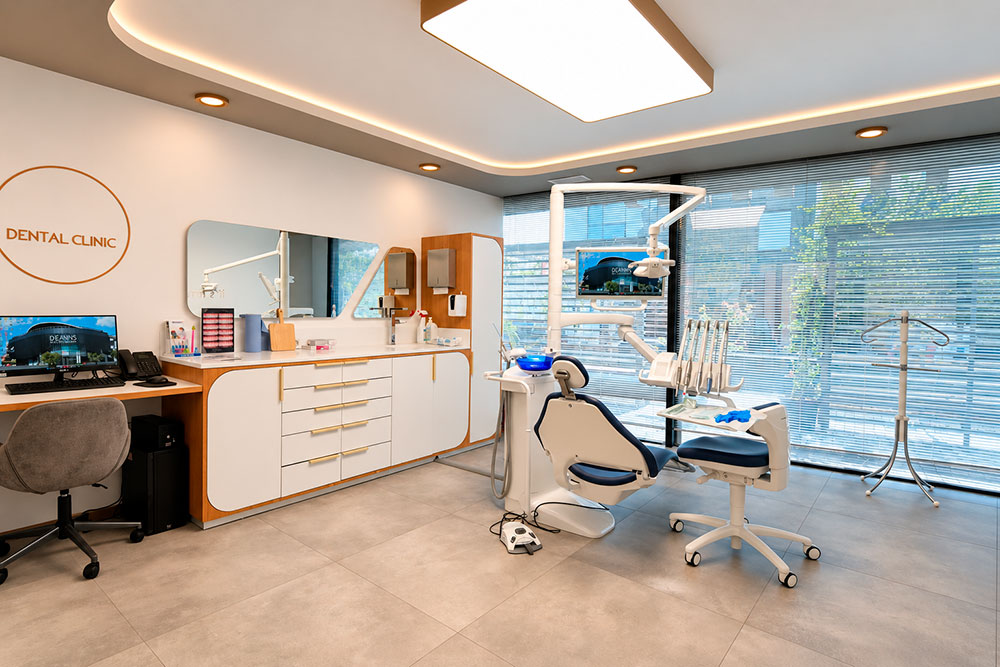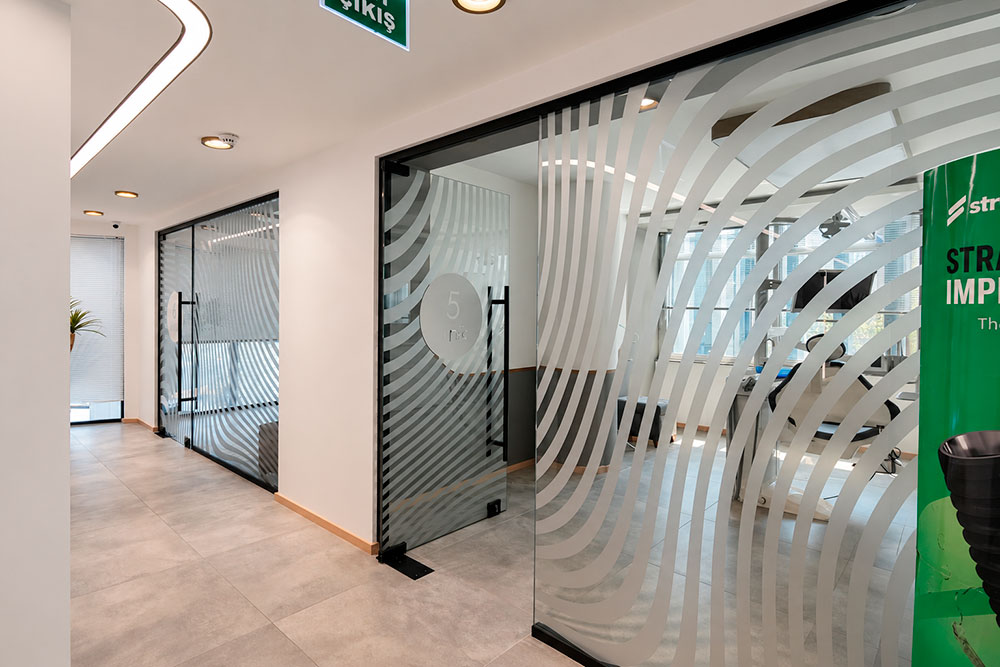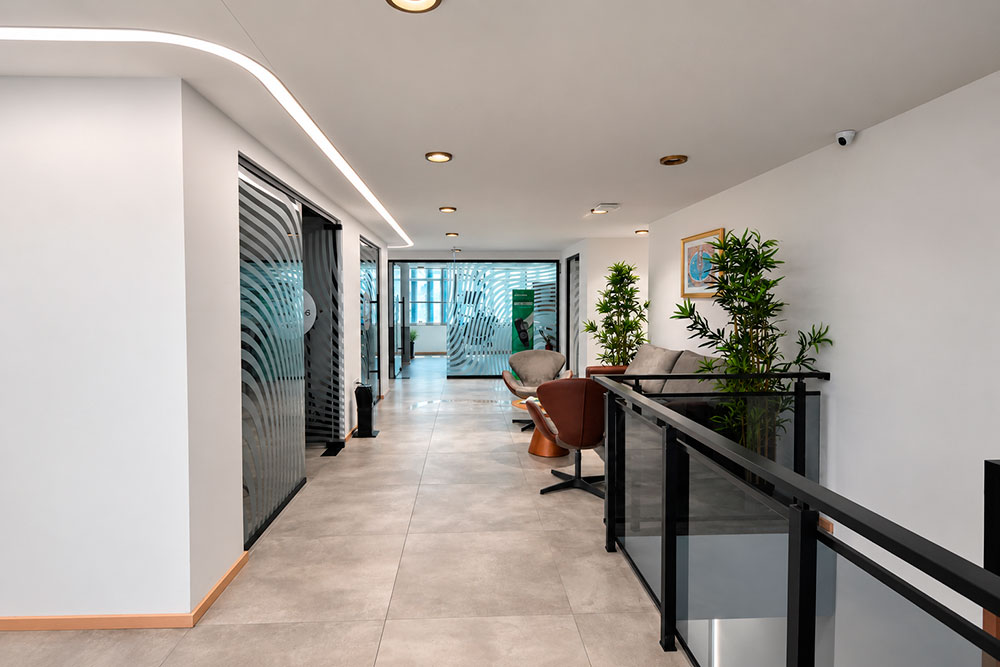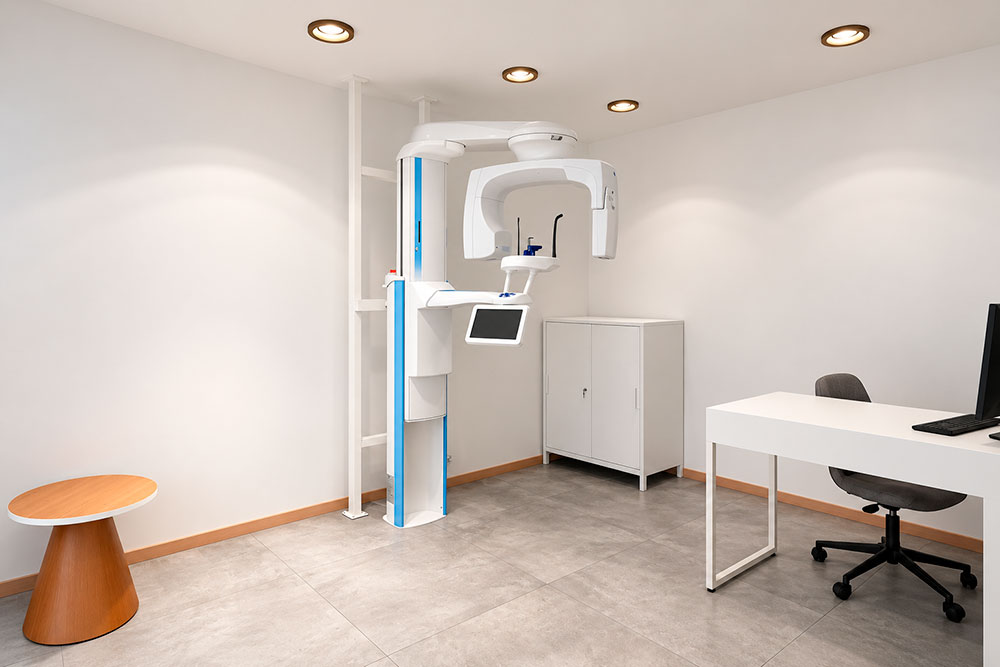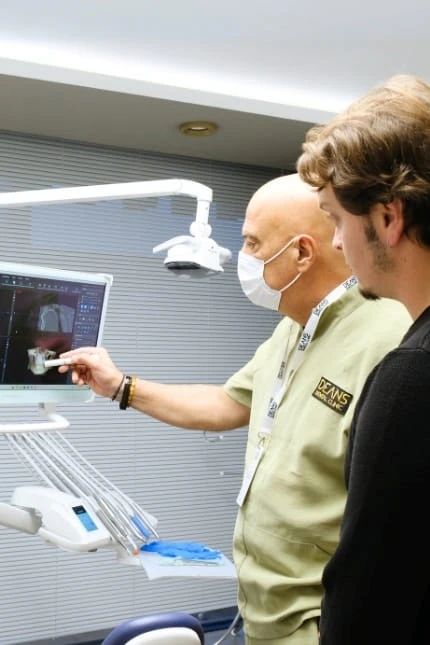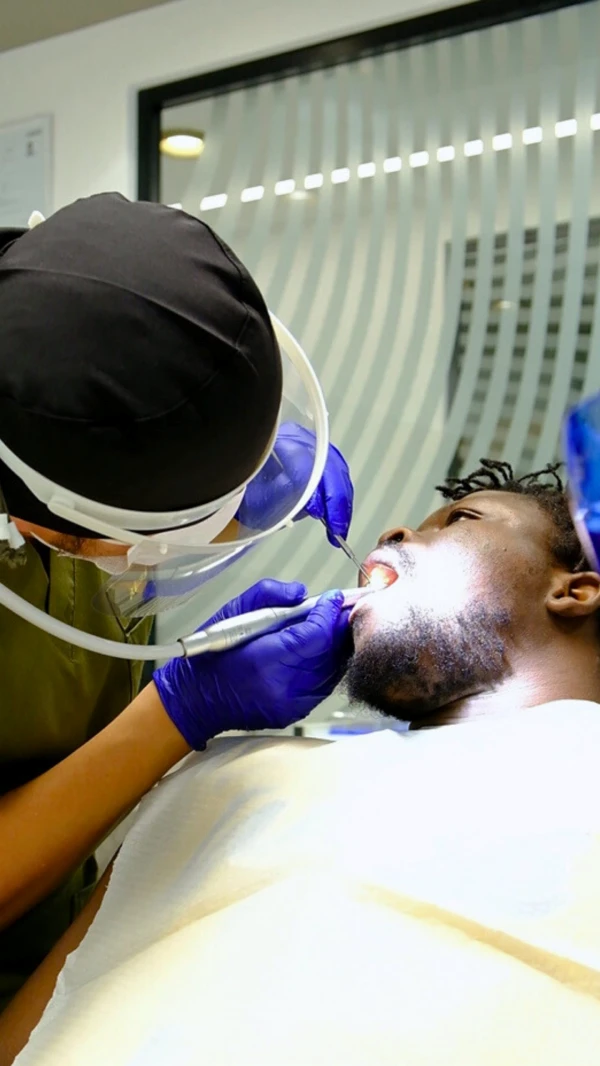
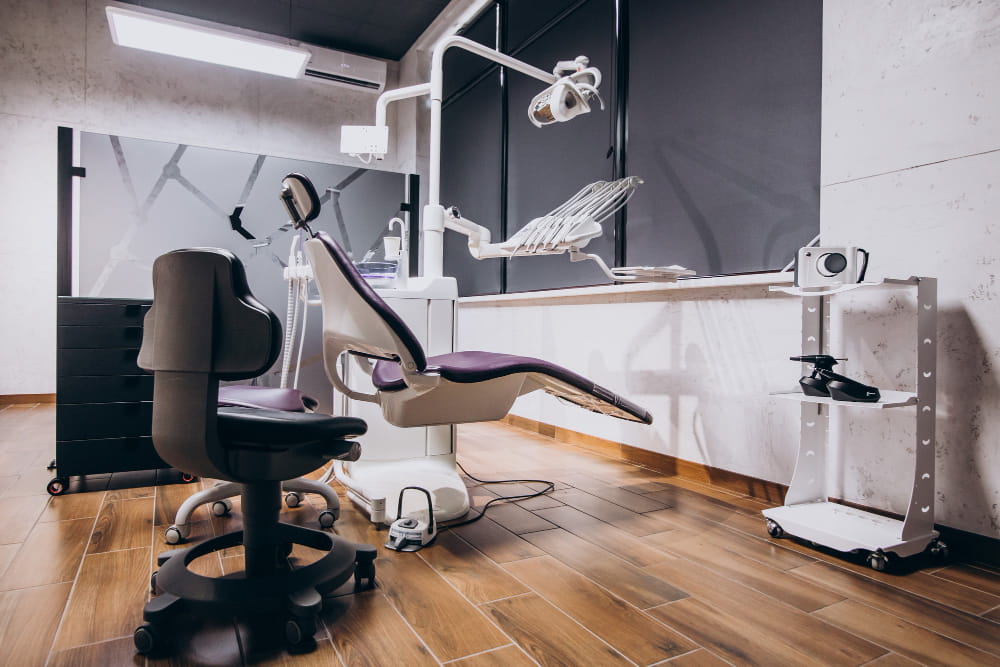
A Turkish dentist in London can provide professional dental care while making communication easier for Turkish-speaking patients. Many Turkish dentists in London offer general dentistry, preventive care, cosmetic treatments, dental implants, veneers, crowns, Invisalign, root canal treatment and emergency appointments. Some clinics also support patients who are considering treatment in Turkey by providing local examinations, second opinions and aftercare.
Choosing a dentist should involve more than checking whether the practitioner speaks Turkish. The dentist must be registered with the General Dental Council (GDC), work in a properly regulated clinic and have suitable experience for the treatment you need. Hygiene procedures, diagnostic equipment, treatment planning and follow-up care should also be considered.
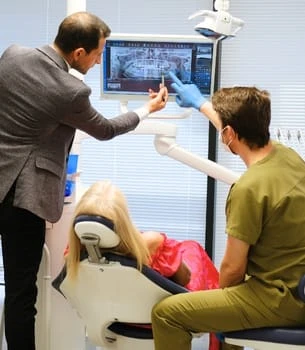
During the first appointment, the dentist may examine your teeth and gums, review your medical history and take X-rays or digital scans. A detailed treatment plan should explain the diagnosis, recommended procedures, alternatives, number of appointments, estimated costs and possible risks. Cosmetic treatment should not begin before cavities, gum disease or active infections are managed.
A London-based Turkish dentist may be a practical choice for patients who want care close to home. Local access makes regular check-ups, emergency visits, implant maintenance and adjustments easier to arrange. Patients who have received treatment in Turkey may also benefit from a London dentist who can monitor crowns, veneers, bridges or implants.
The right clinic should provide clear information without pressuring you to accept treatment. Ask who will carry out the procedure, whether the dentist is GDC registered, what materials will be used and how complications will be handled. Language can improve communication, but clinical qualifications and long-term patient care should guide the final decision.
How to Find a Turkish Dentist in London
Search terms such as “Turkish dentist in London”, “Turkish-speaking dentist near me” and “Turkish dental clinic London” can help identify local practices. Review the clinic’s official website and confirm the dentist’s full name, qualifications, services and registration details.
Check whether the dentist speaks Turkish directly or whether Turkish support is provided only by reception staff. Ask how far the clinic is from your home and whether it offers evening or weekend appointments.
Patient reviews can provide information about communication, punctuality, cleanliness and aftercare. They should be considered alongside GDC registration and treatment-specific experience.
Why Choose a Turkish-Speaking Dentist in London?
Discussing pain, previous treatment, medication and cosmetic expectations in a familiar language can reduce misunderstandings. This may be particularly helpful when planning implants, veneers, full-mouth restorations or extensive treatment.
A Turkish-speaking dentist may also understand the concerns of patients who have lived in Turkey, have relatives there or have previously received dental work from a Turkish clinic.
Language should not replace professional assessment. Check qualifications, GDC registration, clinical experience, hygiene standards and aftercare arrangements before booking.
Dental Treatments Offered by Turkish Dentists in London
Turkish dentists in London may offer examinations, dental hygiene, fillings, crowns, bridges, veneers, whitening, implants, dentures, root canal treatment, extractions, Invisalign and emergency care.
The available services depend on the clinic and the dentist’s training. Complex implant surgery, gum treatment or oral surgery may be provided by a specialist or through referral.
A complete treatment plan should be based on an examination and appropriate imaging. Patients should understand which procedures are necessary, which are elective and how long treatment is expected to take.
General and Preventive Dental Care
General dentistry includes examinations, fillings, professional cleaning, gum assessments, fluoride treatment and advice about brushing and interdental cleaning.
Regular examinations can identify cavities, cracked teeth, worn fillings and gum inflammation before they become painful. The dentist may recommend bitewing X-rays to check areas between teeth that cannot be seen during a routine examination.
Preventive care is usually less complicated and less expensive than treating advanced decay or gum disease. Patients with implants, crowns or veneers also need regular reviews to protect the surrounding teeth and tissues.
Cosmetic Dentistry and Smile Makeovers
Cosmetic dentistry may include teeth whitening, composite bonding, veneers, crowns, gum contouring and digital smile planning. The treatment should be designed around tooth shape, gum symmetry, facial proportions and bite.
Cavities and gum disease must be treated before cosmetic work. A dentist should explain how much natural tooth structure will be removed and whether the procedure is reversible.
A smile makeover should improve appearance without creating difficulty with speech, chewing or oral hygiene. A very white or uniform smile is not always the most natural result.
Dental Implants and Full-Mouth Restorations
Dental implants replace missing tooth roots and support crowns, bridges or dentures. Implant planning normally requires an examination and X-rays; complex cases may need a 3D scan.
Full-mouth restoration may involve several implants, extractions, temporary teeth and a final fixed bridge or denture. Gum disease, bone loss and bite forces must be assessed before treatment.
Ask about the implant brand, final restoration, expected healing period, maintenance requirements and who will provide care if a complication develops.
Veneers, Crowns and Composite Bonding
Veneers cover the visible surface of selected teeth and may improve colour, shape or minor spacing. Crowns cover more extensively damaged teeth and provide structural protection. Composite bonding uses tooth-coloured resin to repair chips or reshape teeth.
The suitable option depends on enamel, decay, bite, tooth wear and the desired result. Veneers and crowns should not be used to hide untreated disease.
Ask about preparation, material, laboratory work, expected durability and repair options before approving treatment.
Invisalign and Orthodontic Treatment
Invisalign and other clear aligner systems gradually move teeth using a series of removable trays. The dentist or orthodontist must assess the bite, gum health, roots and available space before treatment.
Treatment length varies according to crowding, spacing and bite problems. Some patients need attachments, tooth reshaping or additional retainers.
Aligners must be worn for the period recommended by the clinician, often around 20 to 22 hours per day. Retainers are usually required after active treatment to reduce the risk of relapse.
Root Canal Treatment and Tooth Extractions
Root canal treatment removes infected or inflamed tissue from inside a tooth. It may be needed after deep decay, trauma or a crack. A crown may be recommended afterward if the tooth has lost substantial structure.
Extraction is considered when a tooth cannot be restored predictably. Wisdom teeth, severely broken teeth and teeth affected by advanced infection may require removal.
After extraction, follow instructions about bleeding, smoking, rinsing and food. Fever, increasing swelling, severe pain or persistent bleeding requires urgent dental advice.
Emergency Turkish Dentist in London
A Turkish-speaking emergency dentist in London may help with severe toothache, facial swelling, a broken tooth, dental trauma, uncontrolled bleeding or a lost filling or crown.
A dental abscess requires professional assessment. Antibiotics alone may not remove the source of infection; drainage, root canal treatment or extraction may be needed.
If a permanent tooth is knocked out, hold it by the crown, avoid touching the root and seek urgent care. Breathing difficulty, swallowing problems or major facial swelling require emergency medical attention.
Turkish Dentist Prices in London
Private dental prices in London vary according to the procedure, materials, dentist’s experience, laboratory fees and complexity of the case. A filling, implant and full-mouth restoration require very different levels of time and equipment.
Ask for a written estimate showing consultation, X-rays, laboratory work, temporary restorations, medication and follow-up fees. Cosmetic treatments may be priced per tooth, while implant treatment may be divided into surgical and restorative stages.
A low initial quote may exclude essential procedures. Compare complete treatment plans rather than headline prices.
Private vs NHS Dental Treatment in London
NHS dental care and private dental care operate under different arrangements. NHS availability depends on the local practice and whether it is accepting new patients. Some treatments may be clinically available under NHS rules, while certain cosmetic procedures are generally provided privately.
Private care may offer a wider choice of materials, appointment times and cosmetic services. Ask the practice which parts of the proposed treatment are NHS services and which are private.
The dentist should explain the treatment and associated charges before work begins. Confirm the arrangement directly with the clinic.
Does Dental Insurance Cover Private Treatment?
Coverage depends on the policy, insurer and type of treatment. Routine examinations, hygiene appointments and fillings may be covered under some plans, while veneers, whitening and certain implant procedures may have exclusions or annual limits.
Ask the clinic whether it provides itemised invoices and whether direct billing is available. Contact the insurer before treatment if pre-authorisation is required.
Do not assume that a Turkish-speaking dentist is automatically part of your insurer’s network. Confirm eligibility in writing where possible.
How to Check a Dentist’s GDC Registration
The General Dental Council maintains a public register of dental professionals authorised to practise in the UK. Search for the dentist’s full name and confirm that the registration is current and appropriate.
Check that the name and details match the person working at the clinic. If the information is unclear, ask the practice for clarification before booking extensive treatment.
Registration confirms professional authorisation, but it does not by itself prove that a dentist is the best choice for a specific procedure. Implant experience, cosmetic training and patient support should also be assessed.
How to Choose the Best Turkish Dentist in London
Look for a GDC-registered dentist with experience in the treatment you need. Review the clinic’s diagnostic equipment, hygiene procedures, laboratory arrangements and aftercare policy.
During the consultation, the dentist should examine you before recommending treatment and should explain alternatives. Be cautious if you are encouraged to approve veneers, crowns or implants without a detailed assessment.
Check reviews for comments about treatment planning, communication, punctuality and follow-up rather than price alone. The clinic should provide an itemised written estimate.
Questions to Ask During Your First Consultation
Ask:
- What is the diagnosis?
- Which treatment is necessary?
- Are there less invasive alternatives?
- Will I need X-rays or a 3D scan?
- Who will perform the procedure?
- Which materials will be used?
- How many appointments are required?
- What are the risks and limitations?
- What is included in the total cost?
- How will follow-up care be provided?
For implants or cosmetic dentistry, ask for details of the laboratory, restoration material and maintenance schedule.
Turkish Dentists in North London
North London has Turkish-speaking communities and dental practices serving patients who prefer Turkish communication. Search the clinic’s location, appointment hours, services and public registration details before booking.
Check whether the dentist is based at the advertised branch and whether the clinic provides the treatment you need. Local access can be useful for repeated implant reviews, orthodontic appointments and emergency care.
A convenient location should be considered with clinical qualifications, hygiene standards and patient support.
Turkish Dentists in Central London
Central London clinics may be convenient for patients travelling by public transport or working nearby. Practices in areas such as central commercial districts may offer general, cosmetic and implant dentistry, although services differ between clinics.
Ask about appointment availability, consultation fees, treatment planning and follow-up access. Travel time can still be significant during busy periods, so confirm the exact address and transport arrangements.
London Consultation for Dental Treatment in Turkey
A London consultation can provide an independent examination before travelling to Turkey. A dentist may identify cavities, gum disease, infections, bone loss or treatment priorities.
This information can help you compare a Turkish treatment plan with your actual dental condition. Ask whether the London dentist will provide X-rays or records that can be shared with the overseas clinic.
A local second opinion is particularly valuable before full-mouth treatment, multiple crowns, veneers or implants.
Turkey Dentist with UK Aftercare
Some Turkish clinics coordinate aftercare with UK dentists or provide remote support after treatment. Confirm what this means in practical terms.
Ask whether a UK dentist will examine you, whether repair costs are covered and how implant components can be sourced. Obtain the implant brand, model, crown material, scans and treatment records before leaving Turkey.
Aftercare terms should be written into the agreement rather than explained only verbally.
Dental Treatment in London vs Turkey
London treatment offers local access, easier follow-up and care under the UK regulatory environment. Treatment in Turkey may offer different prices and packages, but travelling adds costs, planning requirements and potential difficulties if complications occur.
Compare the same treatment components, materials, laboratory standards, appointments and aftercare. A treatment decision should be based on clinical suitability and long-term support, not price alone.
Aftercare for Dental Treatment Completed in Turkey
A London dentist may provide examinations, hygiene treatment, X-rays and maintenance after treatment in Turkey. Bring complete records, including implant details and laboratory information.
Contact a dentist if you experience persistent pain, swelling, bleeding, loose restorations, changes in your bite or gum inflammation. Early assessment can prevent a small problem from becoming more complex.
Do not attempt to repair crowns, bridges or implants with household adhesives.
Turkish Dentist Reviews and Patient Experiences
Reviews can help you understand how a clinic communicates and manages appointments. Detailed reviews mentioning diagnosis, treatment, aftercare and problem-solving are more useful than comments about price or reception alone.
Check dates and compare several sources. Before-and-after images should be viewed cautiously because lighting and editing can affect appearance.
Reviews support your research but do not replace GDC verification, a clinical consultation and a written treatment plan.