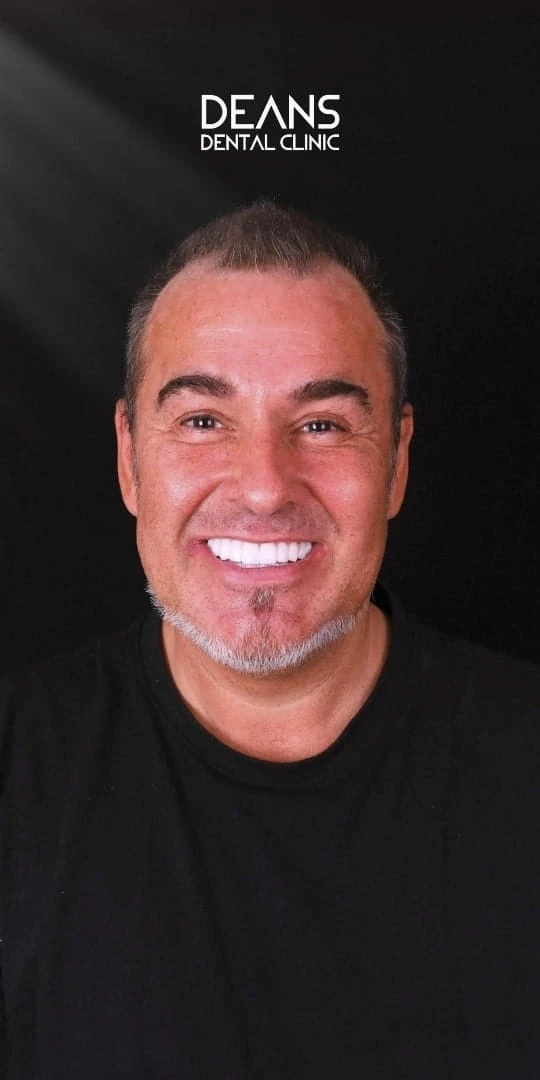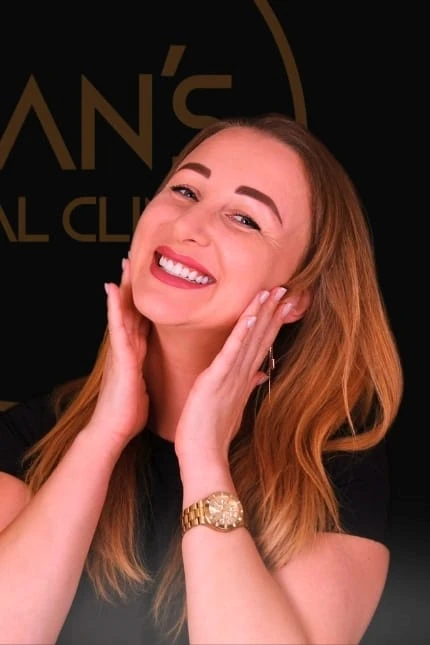


Hollywood Smile, in its simplest definition, is a combination of aesthetic dental treatments planned personally rather than a single procedure, aiming to achieve a “whiter, more symmetrical, more balanced, and face-harmonized” smile. The goal of this approach is not only to lighten the color of the teeth but also to design a natural yet striking smile by evaluating the shape, length, alignment of the teeth, gum levels, smile line, and lip support together. Therefore, Hollywood Smile is not a “package treatment” but a comprehensive aesthetic rehabilitation shaped according to your oral condition and expectations.
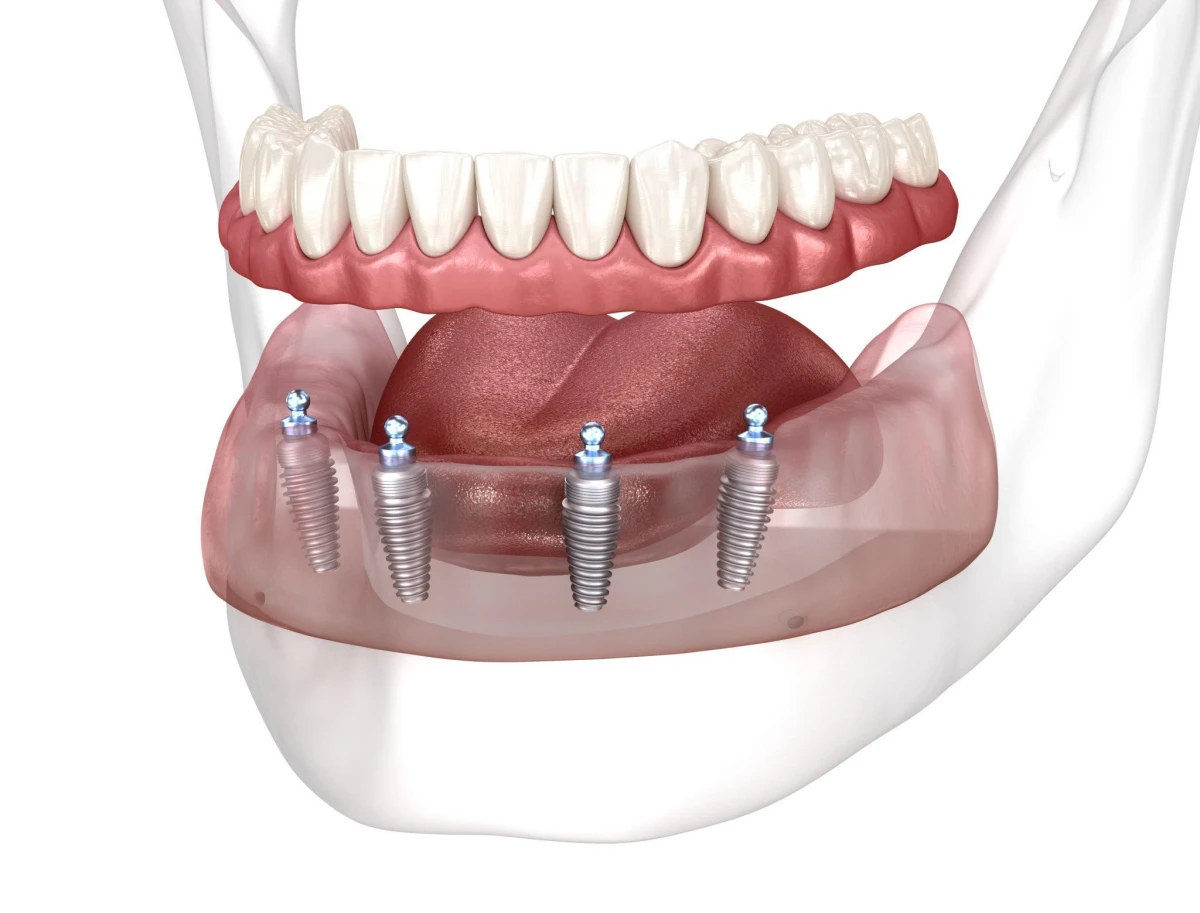
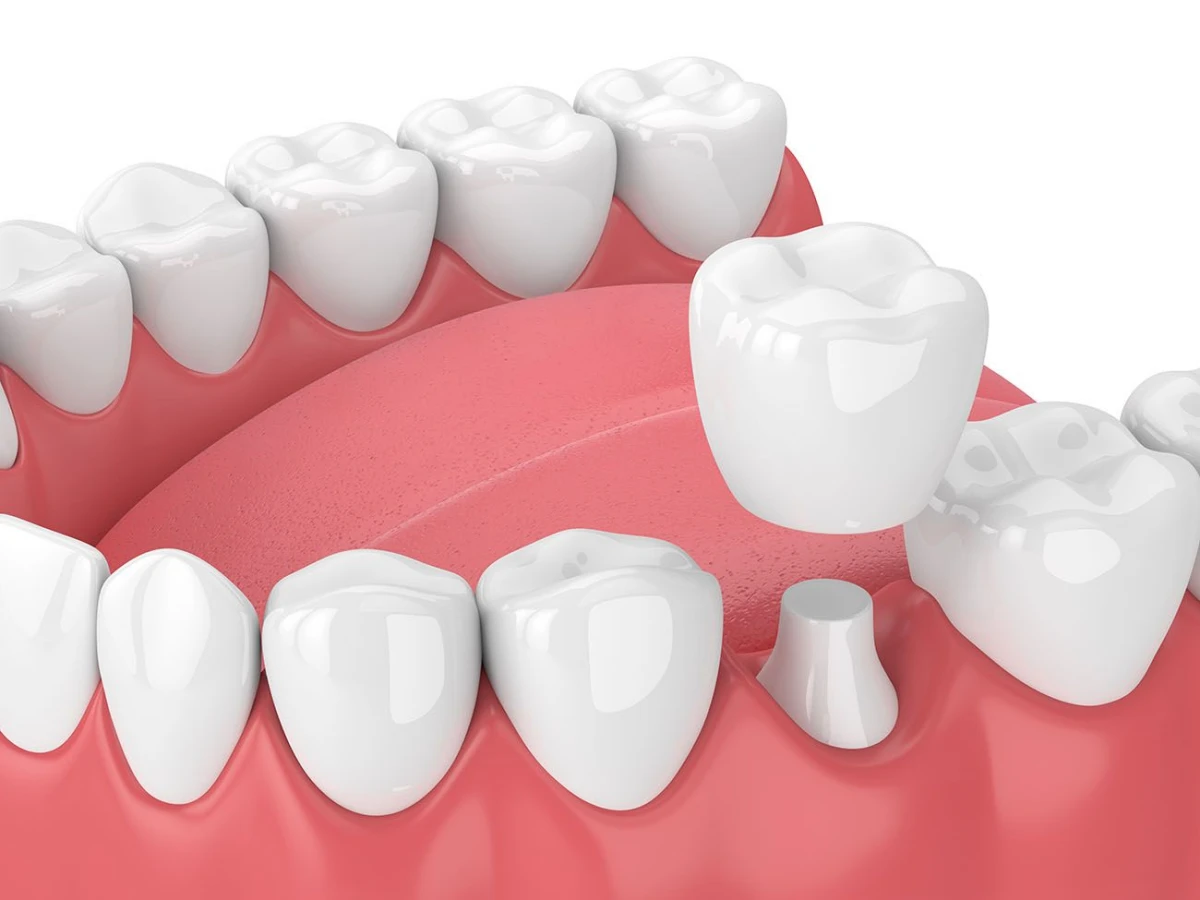
The most commonly used procedures in Hollywood Smile planning include teeth whitening, composite bonding, porcelain veneers, zirconia or porcelain crowns, gum aesthetics (gingivectomy/gingivoplasty) when necessary, and orthodontic corrections in some cases. For example, if there are discolorations and minor shape irregularities of the teeth, high satisfaction can be achieved with minimal interventions (whitening + bonding). In cases of significant color, shape, and occlusion problems, porcelain veneers or full crowns may be planned. If the gums are excessively visible when smiling or gum levels are asymmetric, gum contouring can balance the smile more evenly. In short, although the “result” of Hollywood Smile may look similar, the path to that result varies depending on the individual.
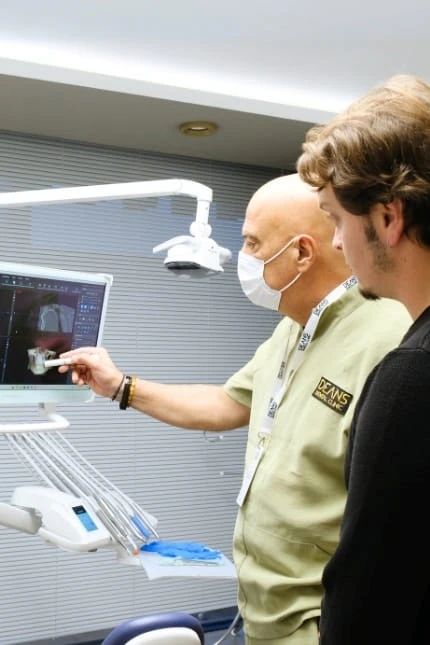
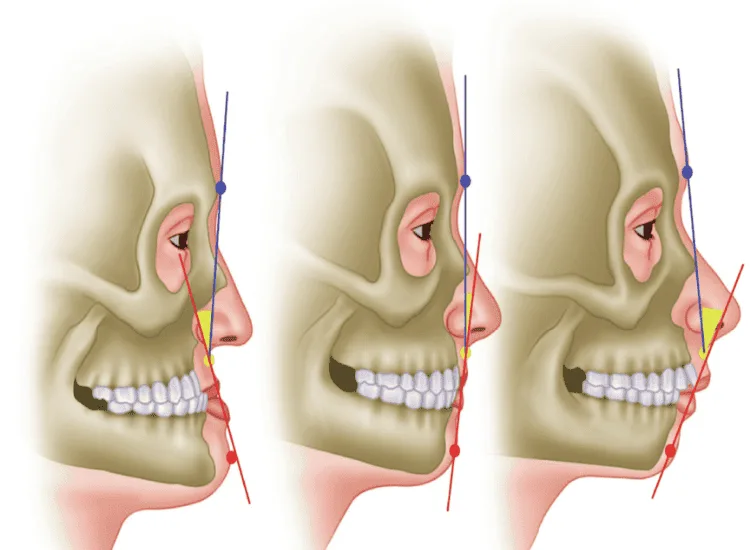
One of the most critical aspects of this treatment is naturalness and facial harmony. Applying the same tooth length or the same whiteness tone to everyone may result in an artificial appearance. Therefore, the planning is done considering face shape, lip movement, the tooth-to-gum ratio visible during smiling, midline, and the proportions of the teeth to each other. In most clinics, this planning is supported by stages such as photographic records, measurements, digital smile design (DSD), wax-up (design on a model), and mock-up (temporary trial inside the mouth). The mock-up is very valuable for managing expectations as it allows the patient to see approximately how they will look before starting the treatment.
The longevity of Hollywood Smile depends on the materials used as well as the correct establishment of occlusion and the patient’s maintenance discipline. If there is teeth clenching or grinding (bruxism), the risk of fractures or cracks on the restorations may increase; therefore, a night guard may be recommended. Furthermore, regular check-ups and professional cleanings help maintain the margins of restorations and gum health. With proper planning and care, Hollywood Smile can provide long-lasting satisfaction both aesthetically and functionally.
What Is Hollywood Smile?
Hollywood Smile is a comprehensive smile design approach in aesthetic dentistry aiming to approach the “ideal smile” by evaluating both teeth and gums together. The treatment focuses not only on teeth whiteness but also on the shape of the teeth (soft edges, incisal curve), length, width, symmetry, alignment, and harmony of gum levels. Therefore, Hollywood Smile is not a single material or procedure; it is usually achieved by planned application of multiple treatments.
The term “Hollywood” in this approach derives from the perception of a brighter and flawless-looking smile; however, the goal in modern aesthetic dentistry is usually not an artificial look but a smile that is natural, balanced, and harmonious with the face. While more natural tones are preferred in some patients, more prominent whiteness may be desired in others. Good planning adapts this preference to the facial features and skin tone.
The most frequently evaluated issues within Hollywood Smile include tooth discoloration, irregular tooth lengths, minor crowding, gaps between teeth, chipped/worn edges, old incompatible fillings, and gum asymmetries. After examination and records, the dentist presents options starting from the most conservative (tooth tissue-preserving) method and determines the roadmap to achieve the targeted smile.
How Is Hollywood Smile Applied?
Since the Hollywood Smile application is planned personally, the process depends on the type and number of procedures to be performed.
The process varies according to the patient. Generally, the first step is a detailed examination and record phase. In this stage, the current color, alignment, smile line, midline, gingival levels, and occlusal relationships of the teeth are evaluated. Photographs may be taken, impressions or digital scans performed, and when necessary, X-rays are used to examine the roots and bone condition of the teeth. If there is gum disease, decay, or active infection, these are treated first because aesthetic restorations must be placed on a healthy foundation.
During the planning phase, “wax-up” and “mock-up” are frequently used. A wax-up is the design of the targeted tooth form on a model in the laboratory. A mock-up is the temporary trial of this design inside the mouth using provisional materials. Thanks to the mock-up, the patient can see the tooth length, smile line, and overall appearance before starting treatment. This allows early revisions and increases patient satisfaction.
The implementation phase proceeds according to the selected method:
- If teeth whitening is planned, it is often the first step because the target shade becomes clearer after whitening.
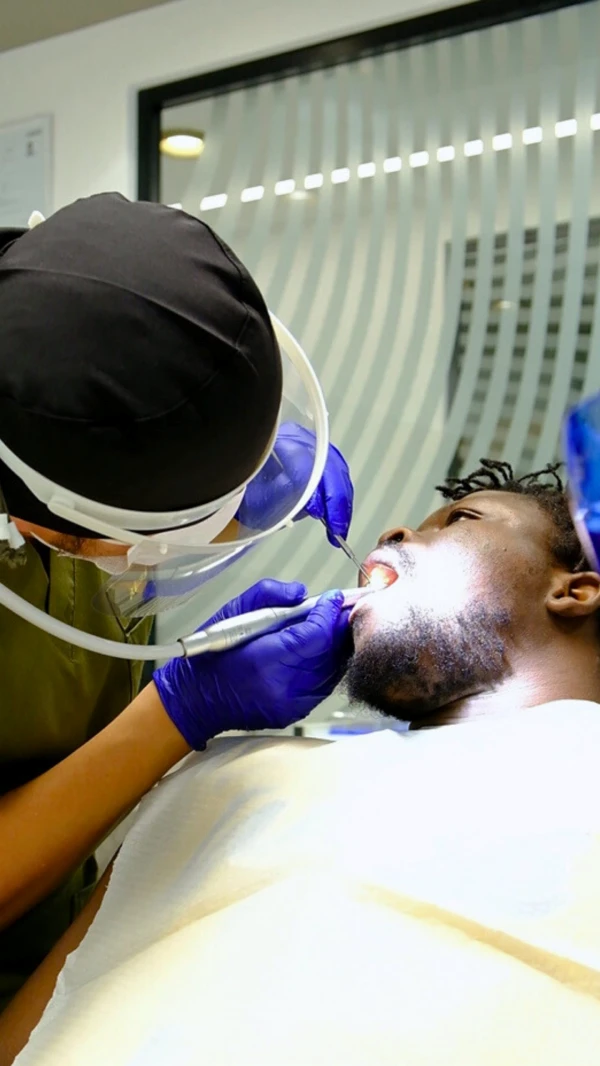
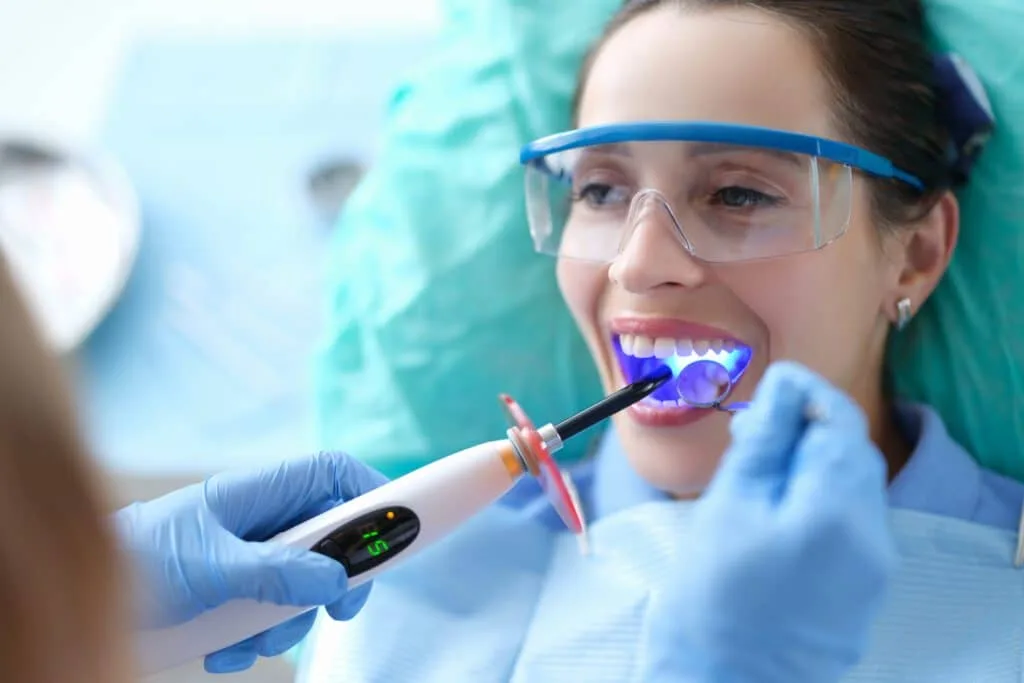
- If composite bonding is chosen, the tooth surface is minimally prepared, adhesive protocols are applied, composite layers are shaped, and finishing is completed with polishing.
- If porcelain veneers are planned, in most cases, impressions are taken with minimal tooth reduction, temporary veneers may be placed, and after laboratory fabrication, fitting and bonding are performed.
- If full coverage crowns (zirconia/porcelain) are needed, teeth are prepared for crowns, impressions are taken, temporaries are placed, and after fitting, final cementation is completed.
- If gingival aesthetics are required, gum contouring can be done. This procedure is usually completed quickly, with tissue healing evaluated within days to weeks.
Occlusal adjustments are very important in the final phase. Especially when the incisal edges of the anterior teeth are redesigned, correct distribution of forces during chewing must be ensured. If necessary, a night guard is planned, and the patient is thoroughly informed about the care protocol.
Who is Suitable for a Hollywood Smile?
The Hollywood Smile can be suitable for many individuals seeking to improve their smile aesthetics; however, “suitability” is determined not by a photograph but through examination and intraoral evaluation. Generally, individuals with tooth discoloration, shape irregularities, minor crowding, spacing between teeth, broken/worn edges, or old unsatisfactory restorations may benefit from Hollywood Smile planning.
The most important criterion for suitability is stable oral health. Active decay, gingival inflammation (gingivitis/periodontitis), or uncontrolled infections must be treated first, as aesthetic restorations last much longer on healthy gums with proper hygiene. Aesthetic procedures performed in a mouth with bleeding gums and plaque accumulation can quickly lead to margin discrepancies, discoloration, and gingival problems.
Patients with bruxism (tooth grinding/clenching) can have a Hollywood Smile; however, risk management is essential. Since the risk of cracks or fractures in porcelain restorations may increase, occlusal planning is carefully done, and a night guard is usually recommended. Furthermore, in some patients with very advanced crowding or occlusal disorders, orthodontic treatment to reposition the teeth beforehand can be a more conservative and longer-lasting option. This allows more natural results with less tooth reduction.
In summary, an ideal candidate for a Hollywood Smile is a person with controlled oral health, realistic expectations, willingness to follow the dentist’s recommendations, and the ability to maintain oral care routines. The appropriate method (whitening, bonding, veneers, crowns, etc.) is determined after examination.
What to Consider Before a Hollywood Smile
The primary consideration before a Hollywood Smile is to prepare the oral environment to be “treatment-ready.” If there are cavities, broken fillings, gingival bleeding, tartar buildup, or periodontal problems, these must be treated first. Aesthetic procedures yield more predictable results when performed on a healthy foundation. It gives longer durability. Therefore, in most cases, dental scaling and gum evaluation are performed initially; periodontal treatment is planned if deemed necessary.
The second important topic is clarifying expectations. Questions like “How white?”, “How prominent?”, “Natural or more dramatic?” directly affect the treatment plan. Additionally, face shape and lip movement are determinants in designing tooth length and the smile line. Thus, photographic records, measurements, and if necessary, mock-up trials should concretize the target appearance before treatment. The mock-up allows the patient to “experience” their smile before starting treatment; it reduces unnecessary tooth reduction and revision risks.
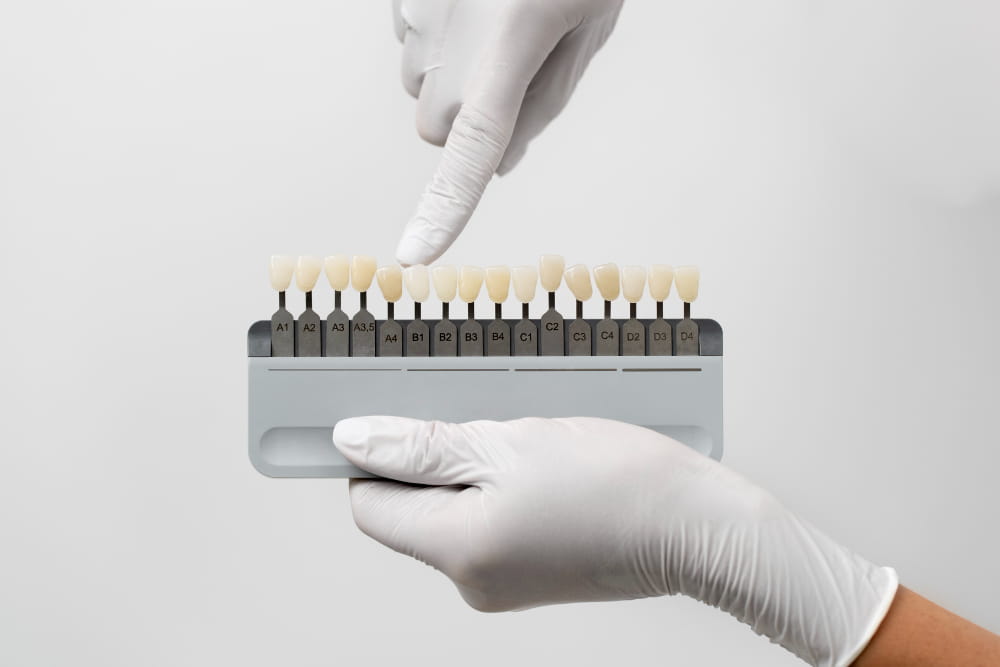
If teeth whitening is planned, it should be noted that this procedure does not change the color of restorations. In other words, if veneers/crowns/fillings will be done after whitening, the restoration color is selected according to the new shade. Therefore, the sequence is important. If gum aesthetics are required, the healing time of gum contouring should also be added to the schedule. Similarly, if orthodontic correction is necessary, it should be considered that this may be a longer process.
Patients suspected of bruxism should definitely share this before treatment. Since night grinding can affect the longevity of restorations, material selection and occlusion adjustment become more critical in planning. Good preparation before treatment both improves the aesthetic result and increases long-term durability.
What to Pay Attention to After Hollywood Smile
Although the care needed after Hollywood Smile varies according to the type of procedure performed, the basic objective is to protect the restoration surfaces, maintain gingival health, and support color stability. If porcelain veneers or crowns were applied, it is important not to bite excessively hard foods with a single point during the first days and avoid putting stress on the restorations. For composite bonding, especially in the first days, it is recommended to be careful with intensely colored foods (such as very dark coffee, strong tea, wine) to reduce surface scratching and staining; the dentist’s guidance is decisive.
Oral hygiene is one of the most critical factors in the longevity of Hollywood Smile. Brushing at least twice daily, interdental cleaning (floss/interdental brushes), and regular professional cleaning reduce plaque accumulation at the gum margins. Plaque buildup on restoration margins can cause gum recession, bleeding, and long-term aesthetic loss. Interdental cleaning becomes even more important in cases involving bridges or multiple crowns.
In patients with bruxism, using a night guard is frequently recommended. Teeth grinding can increase the risk of cracks or fractures in porcelain restorations and accelerate wear in bonding. A night guard helps protect restorations by distributing forces. Furthermore, if there is a “high point” in the occlusion, it should be checked immediately; a high occlusion can overload certain teeth during chewing, increasing discomfort and complication risks.
During regular check-ups, the marginal adaptation of restorations, polishing needs, and gum health are evaluated. For composite applications, periodic polishing can enhance surface gloss and stain resistance. With proper care and regular follow-up, the result of Hollywood Smile can be preserved for many years.
In Which Situations Is Hollywood Smile Applied?
Hollywood Smile is applied in cases where a significant improvement in smile aesthetics is targeted. If there is widespread discoloration and shade differences in teeth, irregular tooth length and shapes, wear or fractures on incisal edges, spaces between teeth (diastema), or minor crowding causing aesthetic concerns, Hollywood Smile planning can be done. Similarly, when old, incompatible, and unaesthetic fillings or crowns need replacement, this approach may be preferred.
In cases with gum level asymmetry, excessive gingival display in the smile (gummy smile), or when the gum contour disrupts aesthetics, Hollywood Smile planning combined with periodontal aesthetic treatment is appropriate.
Hollywood Smile Why Is It Done?
Hollywood Smile is performed to improve the esthetics of a person’s smile, to make the teeth appear more balanced and symmetrical, and simultaneously to stabilize the function. In many patients, dissatisfaction with their smile arises from reasons such as yellowish teeth, uneven lengths of the front teeth, broken/worn edges, gaps between teeth, or the mismatched appearance of old restorations. The Hollywood Smile approach addresses these issues individually and aims for a “holistic smile.”
The esthetic gain directly impacts self-confidence and social comfort in most patients. Behaviors such as avoiding smiling in photographs or hiding teeth while speaking may diminish after smile design. However, the goal of the treatment is not only to achieve whiter teeth. Having teeth in the correct size and shape can also contribute to establishing a more balanced occlusion. For example, properly restoring worn incisal edges can improve chewing and phonetic comfort in some patients.
Additionally, Hollywood Smile may arise from restorative needs in some patients. Aesthetic restorations may be planned for reasons such as renewing old fillings, repairing fractures, correcting gum contours, or protecting worn teeth. With proper material selection and correct occlusal adjustment, satisfying and long-lasting results can be achieved both esthetically and functionally.
How Long Does Hollywood Smile Take?
The duration of Hollywood Smile varies depending on the scope of the procedures to be performed. In cases where the goal is reached with only teeth whitening and composite bonding on a few teeth, the process can be shorter and often completed in a few appointments. However, in cases planned for porcelain veneers or multiple crowns, more appointments are necessary due to impressions, provisional restorations, try-in, and cementation phases. As esthetic trial processes (mock-up, wax-up, revisions) are planned, treatment time increases; however, these steps significantly improve the quality of the result.
If gum esthetics are to be performed, additional time is allocated for tissue healing. In many cases, initial healing occurs within a few days; however, the tissues may take longer to stabilize esthetically and are monitored with control appointments. If orthodontic treatment is necessary, it can significantly extend the Hollywood Smile process but can provide a more conservative and long-lasting plan.
The most accurate duration is determined once the plan is finalized after the examination. The dentist creates a personalized schedule by evaluating how many teeth will be treated, which materials will be chosen, the number of try-ins, and possible additional treatments.
Hollywood Smile Prices
Hollywood Smile prices vary according to the scope of the procedures, the number of teeth treated, the selected method (whitening, bonding, porcelain veneers, zirconia/crowns, gum esthetics, etc.), the details of materials and laboratory work, additional steps such as digital planning and mock-up, and extra preliminary treatments that may be necessary (gum treatment, caries treatment, removal of old restorations). Therefore, it is not appropriate to give a definite price without an examination; “Hollywood Smile” can represent very different treatment plans under the same name.
The scope of the treatment plan is not the same for everyone. Additionally, for patients with bruxism, protective applications such as night guards may be part of the plan. These details are factors that affect the cost.
To receive up-to-date and personalized information about Hollywood Smile prices, you should contact us. After examination and planning, we transparently share which procedures are necessary and the associated cost plan.