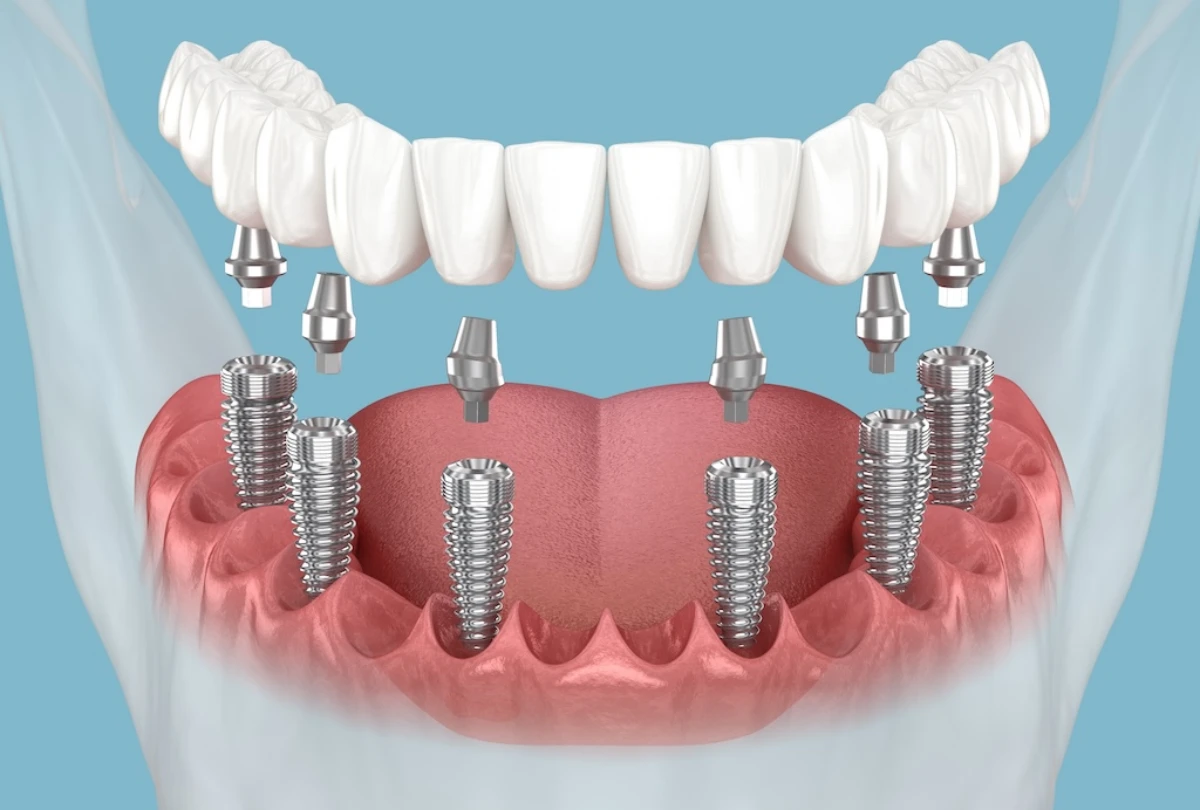
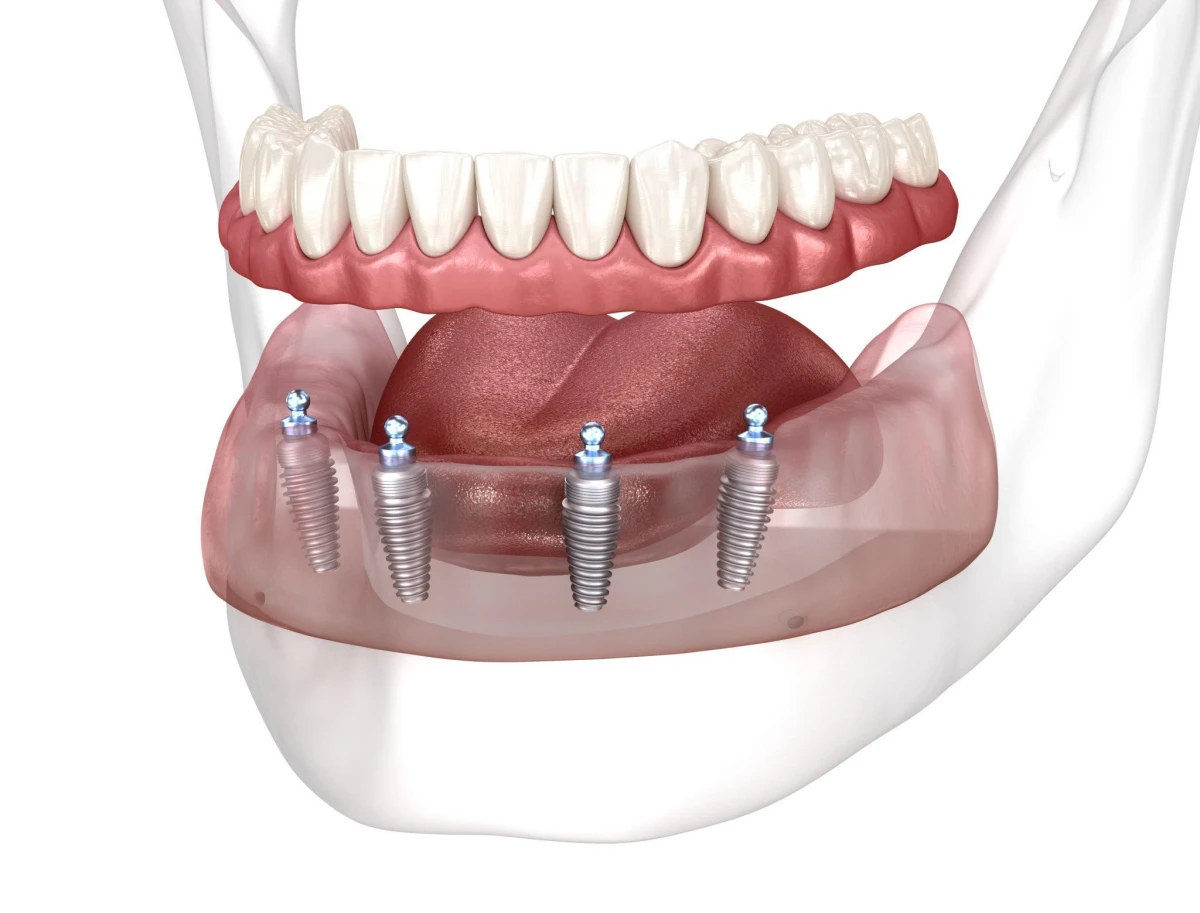
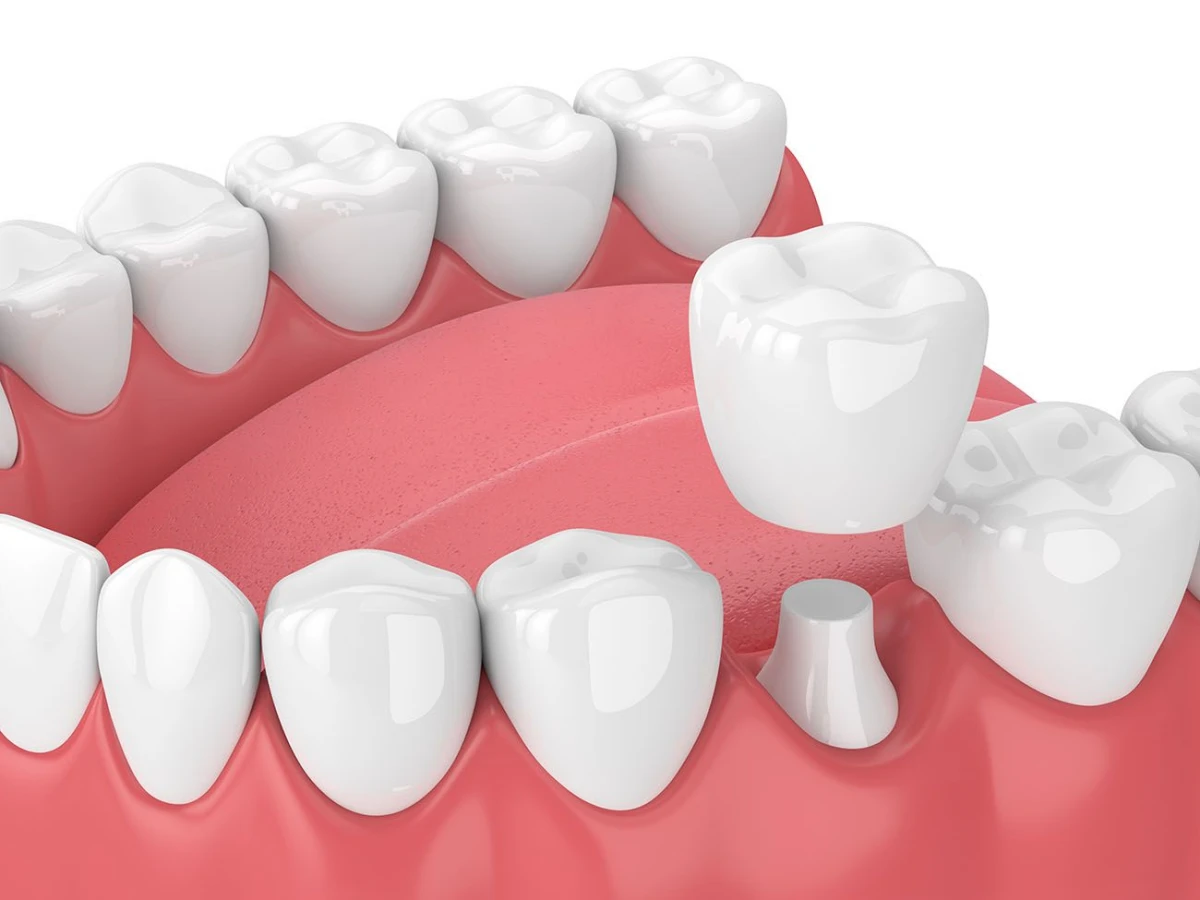
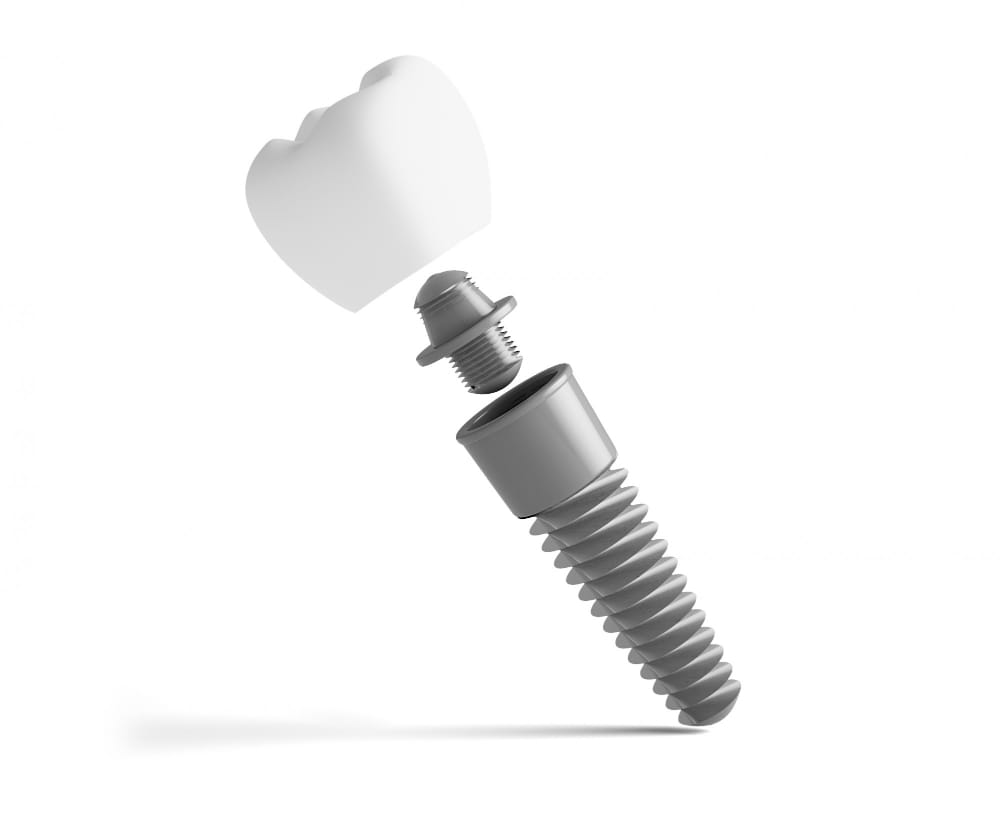


Sinus lifting (sinus elevation) treatment is the procedure performed when implant placement is planned in the posterior region of the upper jaw (molar area) but bone height is insufficient, in order to raise the sinus floor and create a volume that will support new bone formation so the implant can be placed safely.
In the posterior part of the upper jaw, there is an air-filled space called the maxillary sinus. After tooth extractions, bone loss may occur over time, and at the same time the sinus cavity may expand downward (pneumatization). When these two processes combine, the “bone height” required for an implant decreases.
Sinus lifting is a frequently used advanced surgical procedure in implant treatment that makes implant placement possible in this region. Sinus lifting is not an “esthetic” procedure by itself; it arises entirely from a functional need. Sufficient bone support is essential for long-term implant stability in the upper jaw.
Placing an implant on insufficient bone may weaken implant retention, increase the risk of early failure, or create undesirable situations such as the implant advancing into the sinus cavity. Therefore, sinus lifting should be considered “foundational preparation” to ensure implant treatment can be performed safely. The procedure is performed with two main approaches: closed sinus lifting (crestal approach) and open sinus lifting (lateral window approach).
The technique chosen depends on the existing bone height, sinus anatomy, whether the implant can be placed in the same session, and the planned number of implants. In the closed technique, the sinus floor is raised in a more limited amount and the work is usually done through the implant site (via the ridge).
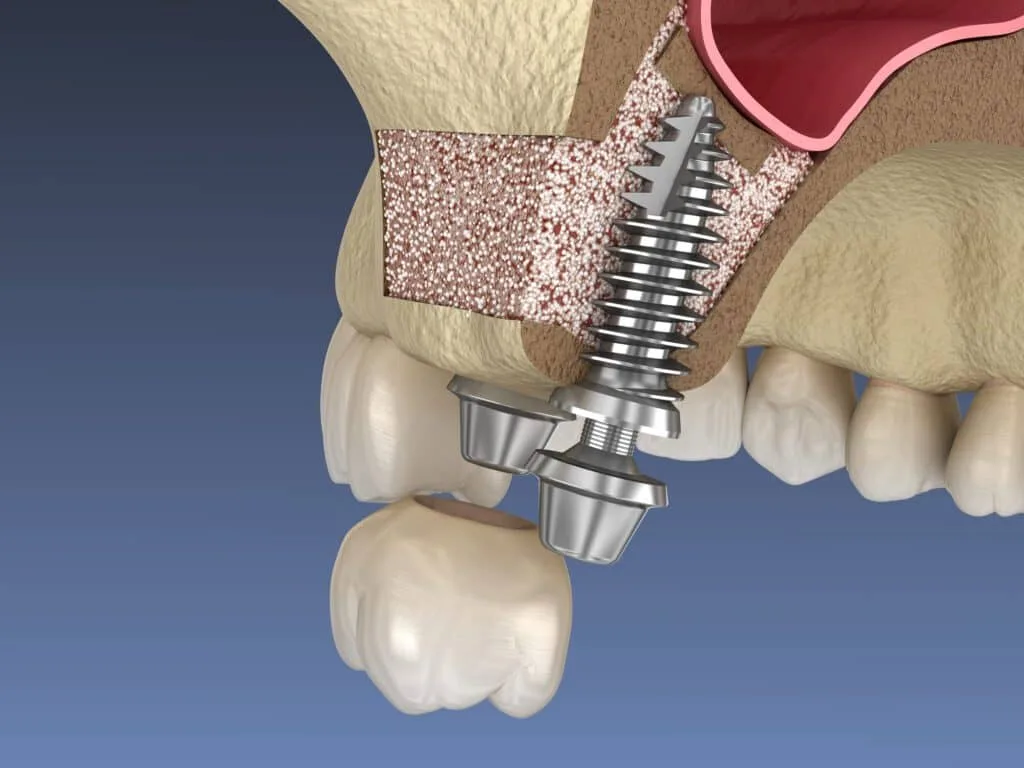
In the open technique, a window is created from the lateral wall of the sinus and the membrane is lifted in a more controlled manner; this is preferred when a larger volume of bone gain is needed. The success of this treatment depends critically on planning and tissue management. The Schneiderian membrane must be lifted without tearing, the graft material must be placed correctly, and the healing process must be properly managed.
In addition, if there are sinus-related issues (chronic sinusitis, polyps, anatomical septa, etc.), preoperative evaluation becomes even more important. In most cases, CBCT is used to measure the internal anatomy of the sinus, membrane thickness, presence of septa, and bone height in detail. After sinus lifting, the patient should avoid behaviors that increase nasal pressure and should pay close attention to hygiene and follow-up appointments.
With the right indication and the right technique, sinus lifting significantly increases the predictability of implant treatment in the upper jaw.
What Is Sinus Lifting Treatment?
Sinus lifting treatment is the procedure of lifting the membrane that forms the floor of the sinus cavity upward when there is not enough bone height for an implant in the posterior region of the upper jaw, thereby creating a volume that supports bone formation in that area. In the upper jaw, the sinus cavity is anatomically very close to the molar region.
After teeth are extracted, bone may resorb over time; in addition, the sinus cavity may expand downward. As a result, the vertical bone height needed for an implant decreases. Sinus lifting aims to compensate for this missing height and create a bone foundation where the implant can be safely placed.
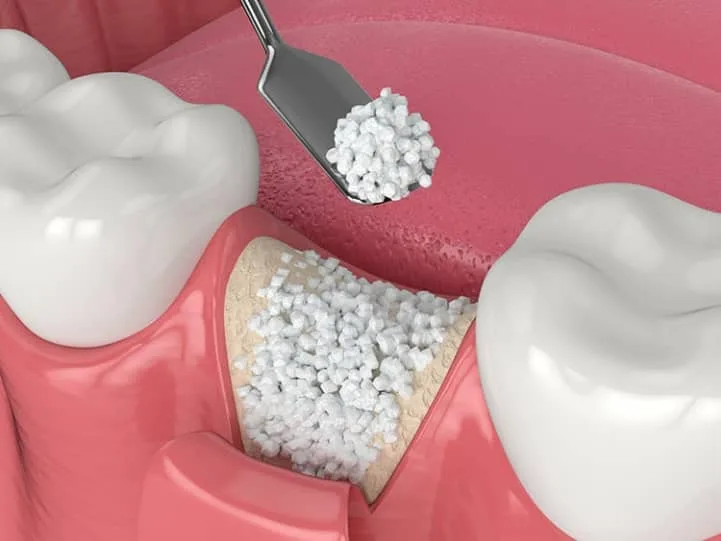
The basic biological goal of this procedure is to create a “space” under the sinus membrane and place graft material (bone powder/bone-supporting material) into that space so that new bone can form over time. The graft material may be planned as the patient’s own bone, ready-made bone grafts, or combinations of different biomaterials.
Which material is selected depends on the amount of volume needed, the patient’s systemic condition, and the clinical protocol. What is important here is that the procedure is not a one-step idea like simply “adding bone”; biological maturation takes time and this time may vary from person to person. Sinus lifting is performed with two main techniques: closed (crestal) and open (lateral) sinus lifting.
In the closed technique, the sinus floor is raised in a controlled manner through the implant site; it is generally preferred in cases where a more limited amount of bone gain is needed. In the open technique, a window is created in the lateral wall of the sinus, the membrane is lifted over a wider area, and greater volume is created.
The open technique may be more predictable when bone height is very limited or when multiple implants are planned. However, the choice of technique is not simply based on “easy vs. difficult”; it is determined together with the bone amount, sinus anatomy, and the implant plan.
Sinus lifting is a foundation procedure that increases the success of implant treatment. With correct planning, it supports the long-term stability of implants, reduces the risks arising from implant proximity to the sinus cavity, and makes the goal of fixed teeth in the upper jaw possible.
To understand the treatment correctly, one thing should be clear: sinus lifting is not a goal by itself, but a preparation step performed to provide the bone conditions needed for implants.
How Is Sinus Lifting Treatment Performed?
The sinus lifting treatment process begins with detailed evaluation and planning. During the first examination, the bone height in the posterior upper jaw, gingival condition, existing teeth/prostheses, and overall bite relationship are assessed.
In radiological evaluation, CBCT is often preferred; because the internal anatomy of the sinus, membrane thickness, presence of septa (bony partitions) inside the sinus, and bone height require millimetric measurement. Based on these images, the appropriate sinus lifting technique and whether the implants will be placed in the same session or in a separate session are planned.
Closed (Crestal) Sinus Lifting
Closed sinus lifting is generally preferred in cases where bone height is not completely insufficient and only a limited elevation is needed. While preparing the implant site, the sinus floor is approached in a controlled manner and the membrane is lifted upward with special instruments or an appropriate protocol.
Then, the necessary amount of graft material may be placed, and if adequate primary stability is achieved, the implant can be placed in the same session. In this technique, trauma may be more limited; however, control and experience are important to reduce the risk of membrane tearing.
Open (Lateral Window) Sinus Lifting
Open sinus lifting is preferred in cases where bone height is very limited, a larger volume is needed, or multiple implants are planned. A small window is created from the lateral wall of the upper jaw (the lateral wall of the sinus).
Through this window, the sinus membrane is carefully separated and lifted. Graft material is placed into the created space. In some cases, implants can be placed in the same session; however, if the bone height is very low, the implants may be placed later (after the graft has matured).
This decision depends on the amount of bone present and whether the implant can achieve primary stability. After the procedure, stitches are placed and the healing protocol begins. In the early period after sinus lifting, situations that increase nasal pressure (forceful nose blowing, holding in a strong sneeze, heavy exercise, etc.) may create risks; the clinician will give clear instructions on this point.
Medications, oral hygiene, and follow-up appointments must be followed regularly. Graft maturation is a time-consuming process; during this period, clinical follow-up is performed at intervals determined by the dentist. The key to success in sinus lifting is the correct choice of technique, preserving the membrane, appropriate graft management, and patient compliance with instructions during healing.
Who Is Suitable for Sinus Lifting Treatment?
Suitability for sinus lifting treatment is mainly related to insufficient bone height for implant placement in the posterior upper jaw. In other words, sinus lifting is not for “every implant patient”; it is mainly for cases in which bone height has decreased because of the sinus cavity.
The suitability assessment is based on anatomical condition, sinus health, systemic health, and the patient’s healing/maintenance compliance. Anatomical suitability is clarified with CBCT. The distance between the sinus floor and the oral bone ridge in the upper jaw is measured.
Whether there are septa inside the sinus, whether the membrane is thick, and whether the sinus cavity is wide all affect the technique and the risk profile. In some patients, closed sinus lifting is sufficient, while in others, open sinus lifting may be safer and more predictable. The decision to place an implant in the same session is also based on these measurements.
Sinus health is an important part of suitability. If there is chronic sinusitis, active infection, polyps inside the sinus, or significant mucosal thickening, these issues must be evaluated first. Sometimes an ENT consultation may be requested.
The aim is to reduce the risk of complications after sinus lifting. Because the sinus is a surgically managed area, a pre-existing sinus problem can make the procedure more complex. Systemic health factors can affect bone healing.
Uncontrolled diabetes, conditions that suppress the immune system, some medications affecting bone metabolism, or heavy smoking can negatively affect graft maturation and soft tissue healing. In these patients, the risks are discussed in detail, and the treatment plan is adjusted if necessary or a more frequent follow-up schedule is created.
Patient compliance is also important. After sinus lifting, the patient must avoid certain behaviors: forceful nose blowing, activities that increase nasal pressure, heavy exercise in the early period, and neglecting oral hygiene.
In patients who can comply with these instructions and attend follow-ups, results are more predictable. In summary, the ideal sinus lifting candidate is a patient with insufficient bone height for implants in the posterior upper jaw, controllable sinus health, and the ability to follow the healing protocol.
What Should Be Considered Before Sinus Lifting Treatment?
The most important thing before sinus lifting is correct diagnosis and detailed planning. The cause and extent of insufficient bone height in the upper jaw, as well as the sinus anatomy, must be clearly identified. For this reason, in most cases, a 3D evaluation with CBCT is performed.
The level of the sinus floor, membrane thickness, sinus septa, and the planned implant sites are each measured individually. Without these measurements, it is difficult to make sound decisions such as “closed or open technique?” or “can the implant be placed the same day?”
Control of oral infection is a critical step before sinus lifting. If there is gingival inflammation, active infection foci, teeth requiring extraction, or poor oral hygiene, these should be managed first. Because reducing the bacterial load in the surgical area supports healing.
If a tooth was extracted near the area where sinus lifting will be performed, the level of post-extraction healing and the soft tissue condition must also be evaluated. Sinus-related symptoms should be shared.
If you frequently have sinus infections, nasal congestion, facial pain, or postnasal drip, the dentist should know. In some cases, an ENT evaluation may be necessary before the procedure. The goal is to ensure that the sinus membrane and sinus cavity are ready for surgery.
Planning sinus lifting in the presence of an active sinus infection may increase the risk of complications. The medical history should be provided in full: blood thinners, diabetes, hypertension, allergies, and regular medications.
If the patient smokes, the goal of reducing or pausing smoking should be discussed before the procedure; smoking can negatively affect both soft tissue healing and graft maturation.
In addition, the patient should prepare for the post-procedure period: activities such as heavy sports, air travel (depending on the dentist’s recommendation), and excessive exertion in the first days may affect sinus pressure.
Finally, patient education is important. Knowing in advance what to pay attention to after sinus lifting makes the healing period safer: keeping the mouth open while sneezing, not blowing the nose forcefully, avoiding movements that increase nasal pressure, using the prescribed medications regularly, and not missing follow-up appointments.
These preparations increase the predictability of sinus lifting and make the implant goal safer.
What Should Be Considered After Sinus Lifting Treatment?
The post-sinus-lifting period is at least as important as the surgery itself for the success of the procedure; because the sinus membrane and graft area are sensitive to pressure and trauma in the early period.
In the first days, swelling, tenderness, and sometimes bruising may occur. The medications and care instructions given by the dentist should be followed regularly.
If there are signs such as increasing pain, bad odor, discharge, fever, or uncontrolled bleeding within the first 24–72 hours, the clinic should be contacted. Regarding the sinus, symptoms such as fluid coming from the nose, marked one-sided congestion, or an increasing sense of pressure in the sinus area should also be assessed without delay.
The most critical instruction after sinus lifting is to avoid increasing nasal pressure. Forcefully blowing the nose, holding in a sneeze, lifting heavy objects, or very intense exertion can increase pressure and negatively affect the membrane area.
When sneezing, sneezing with the mouth open is generally one of the recommended behaviors; the dentist will give you the exact instructions. In some patients, short-term nasal sprays or additional support measures may be planned; these should only be used on the dentist’s recommendation.
Oral hygiene should be managed carefully. Since the surgical area will be sensitive in the first days, brushing should be gentle; prescribed oral care products (such as mouth rinses) may be used for a specified period.
If stitches are present, their care and follow-up are important. Smoking negatively affects healing, so taking a break or significantly reducing smoking in the early period improves healing comfort. Soft and lukewarm foods should be preferred in the first days.
Very hot foods, hard/crunchy foods, or eating habits that may traumatize the area are not recommended in the early period. If an implant was placed in the same session as sinus lifting, chewing instructions become even more important to protect the implant from load.
Follow-up appointments are critical after sinus lifting. The dentist evaluates soft tissue healing, graft stability, and the status of the implants if present. Radiographic follow-up is performed when necessary.
Sinus lifting is a process that requires biological maturation; therefore, regular follow-up and patient compliance directly contribute to completing the planned implant treatment safely.
In Which Situations Is Sinus Lifting Treatment Applied?
Sinus lifting treatment is applied when bone height is insufficient for implant placement in the posterior upper jaw. This insufficiency is usually due to two main reasons: bone loss after tooth extraction and downward expansion of the sinus cavity (pneumatization).
In the posterior upper jaw, especially after molars are lost, bone volume may decrease over time. At the same time, the sinus cavity may enlarge and move downward.
As a result, the bone where the implant will be placed remains “thin.” Since sinus lifting aims to create the bone height needed for safe implant placement, it is often planned as part of implant treatment.
In some cases, a limited sinus lift is enough for a single implant, while in other cases a more extensive sinus lift is needed because multiple implants are planned.
Especially when several posterior teeth are missing in the upper jaw and a fixed bridge or a more comprehensive restoration is planned, the indication for sinus lifting comes up more often. The choice of technique is closely linked to the situation in which it will be applied.
If the existing bone height is sufficient to provide primary stability for the implant, a limited elevation with closed sinus lifting may allow implant placement in the same session. However, if bone height is very low, it may be more predictable to create a larger volume with open sinus lifting and place the implant after the graft matures.
These decisions are made using CBCT measurements; generalizations such as “everyone gets an implant the same day” or “everyone waits” are not correct.
Sinus lifting can also be applied in patients who were previously planned for upper jaw implants but could not receive them because of insufficient bone. In some patients, bone loss progresses over the years, and an implant that was possible initially may later require sinus lifting. For this reason, early assessment and proper planning are important.
In conclusion, sinus lifting is a treatment applied when bone height is insufficient for implants in the posterior upper jaw and the sinus anatomy can be managed appropriately.
Why Is Sinus Lifting Treatment Performed?
Sinus lifting treatment is performed to provide the bone height necessary for long-term stability of implants in the posterior upper jaw.
Implant treatment is a system that “anchors in bone”; if there is not enough bone support, the primary stability of the implant may be weakened and the osseointegration process may be at risk.
Because the sinus cavity is close to the implant placement area in the upper jaw, insufficient bone height can compromise the implant’s safe position. Sinus lifting is performed to overcome this anatomical limitation and create a foundation where the implant can be safely placed.
Bone loss after tooth extraction is a natural biological process. In the posterior upper jaw, when this process combines with sinus pneumatization, the vertical distance needed for an implant may decrease rapidly.
When the patient’s goal is to obtain fixed teeth, sinus lifting often becomes an essential intermediate step for that goal to be possible. In other words, sinus lifting should be seen not as an “extra” procedure but as preparation needed for implant success.
One reason for performing sinus lifting is also to reduce the risk of the implant advancing toward the sinus cavity.
Attempting to place an implant in insufficient bone may cause the implant to remain too close to the sinus or create unwanted perforation risks. When the membrane is lifted in a controlled way and a graft space is created, sinus lifting provides a safer distance and better support for the implant.
In addition, sinus lifting supports the biomechanics of the prosthesis planned for the upper jaw. Especially in bridge or more comprehensive fixed restorations requiring multiple implants, placing implants with solid bony support contributes to balanced force distribution.
This may reduce the risk of problems such as screw loosening, superstructure issues, or stress accumulation around the implant in the long term. In summary, sinus lifting is performed to enable implant placement in the upper jaw, to support long-term implant stability, and to work within safe anatomical boundaries.
When performed with correct planning and proper technique, it significantly increases the predictability of upper jaw implant treatment.
How Long Does Sinus Lifting Treatment Take?
The duration of sinus lifting treatment depends on the chosen technique (closed/open), whether implants will be placed in the same session, the number of implants planned, and the patient’s anatomical conditions.
Therefore, the time is planned individually after examination and CBCT evaluation. Here, “duration” should be considered in two ways: the procedure time (how long the surgical appointment takes) and the total treatment time (graft maturation and completion of the implant/prosthetic stages).
Closed sinus lifting is usually a more limited intervention, so the surgical appointment may be shorter, and in many cases same-session implant placement is more commonly considered. Open sinus lifting can cover a wider area, so surgical time may be longer, and in some cases a waiting period is planned for graft maturation.
Because grafts take time to mature biologically, this period is influenced by personal factors (bone metabolism, smoking, systemic health, sinus anatomy, etc.). Therefore, there is no single answer to the question “how many months will it take?”; a schedule is created based on your measurements.
In the total process, follow-up after sinus lifting and tissue healing are monitored. If an implant was placed in the same session, the osseointegration period of the implant is also evaluated separately.
If the implants will be placed later, implant surgery is performed after graft maturation, and then the healing period of the implants is followed.
Finally, the prosthetic phase (impression, try-in, delivery) comes. This stage usually requires several appointments because bite adjustment, esthetics, and phonetic checks are performed.
Practical factors affecting duration include appointment compliance, adherence to care instructions (especially avoiding increased nasal pressure), smoking, and oral hygiene.
Therefore, the healthiest approach is to create a clear timeline for you after the examination. This makes the total duration of both surgical and prosthetic stages more predictable.
Sinus Lifting Treatment Prices
Sinus lifting treatment prices vary depending on the technique used (closed/open sinus lifting), the number of areas treated (one side/both sides), the graft material used, imaging requirements (in most cases CBCT), whether implants will be placed in the same session, and any additional procedures (such as extraction or soft tissue procedures).
For this reason, it is not correct to quote a definite price without examination and radiographic evaluation; even the term “sinus lifting” can mean completely different scopes in different patients.
Especially since there may be a difference in surgical scope between open and closed sinus lifting, the cost items may also change. In addition, if multiple implants are planned, the total treatment plan (implant + prosthetics) must be considered together.
In some patients, the sinus anatomy may be more complex (such as the presence of septa), which also affects planning. Therefore, pricing is clarified not only by the procedure name but also by the details of the personalized plan.
To get up-to-date and personalized information about sinus lifting treatment prices, you should contact us. After the examination and the necessary imaging, we clearly explain which technique is appropriate, how many areas require treatment, and how the related cost is formed.