TREATMENT DURATION
20 minute
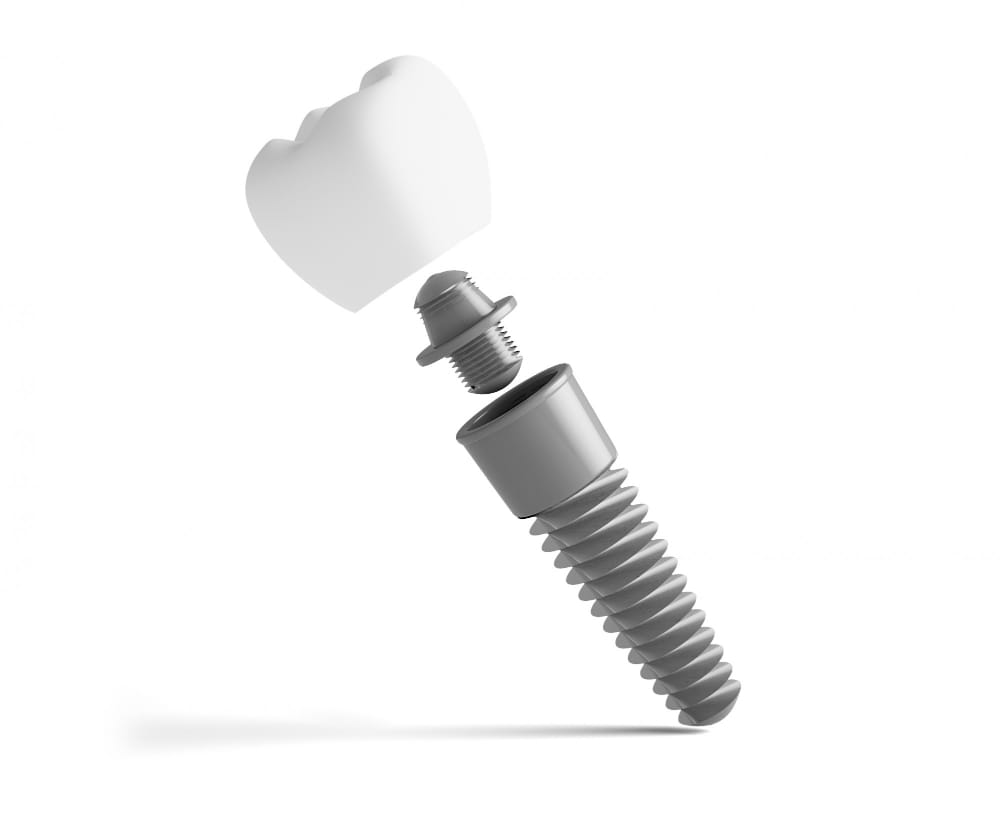
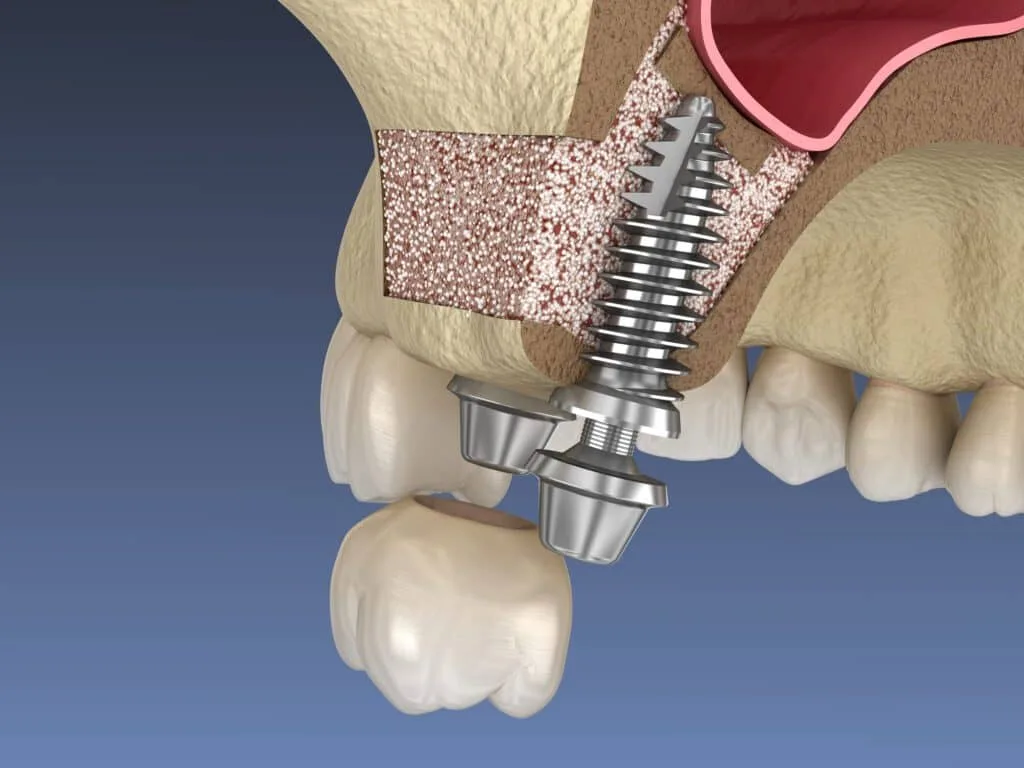
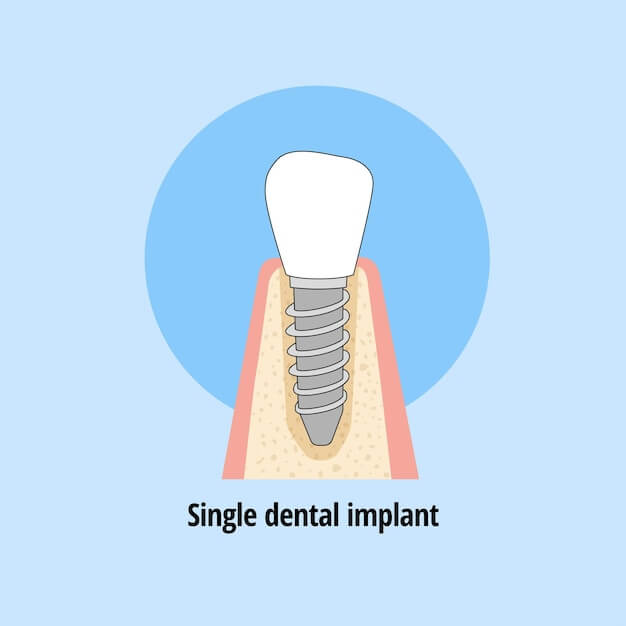
Single tooth implant treatment is a surgical–prosthetic process aimed at replacing a single missing tooth with a fixed restoration without affecting the adjacent teeth. Since a bridge treatment plan requires the neighboring teeth to be reduced, a single tooth implant is often preferred, especially in patients whose adjacent teeth are healthy. Here, the implant is placed into the jawbone like the root of a natural tooth; the single crown placed on top takes over the visible and chewing function of the tooth.
What appears to be a “single-piece procedure” in a single tooth implant actually involves millimetric planning behind the scenes. The diameter and length of the implant are determined according to bone measurements; although the commonly seen clinical range is 3.3–4.5 mm in diameter and 8–13 mm in length, these values vary from patient to patient. In the front region, the gum line and esthetic expectations come to the forefront; even a level difference of 0.5–1 mm in the smile line can be noticeable. In the back region, however, chewing forces are higher, so bite adjustment and force distribution become more decisive.
In this treatment, the patient’s daily care routine also has a direct effect on the outcome. If the junction line between the single crown and the gum is not designed properly, or if the patient does not clean the interdental areas, complaints such as bleeding and odor around the implant may occur. Our goal is not to say, “the implant has been placed and that’s the end of it”; it is to create an easy-to-clean design and a clear maintenance plan that the patient can sustain for years. To put it simply and clearly: a single tooth implant can provide very satisfying long-term results with the combination of proper planning, correct bite adjustment, and regular hygiene.
What Is Single Tooth Implant Treatment?
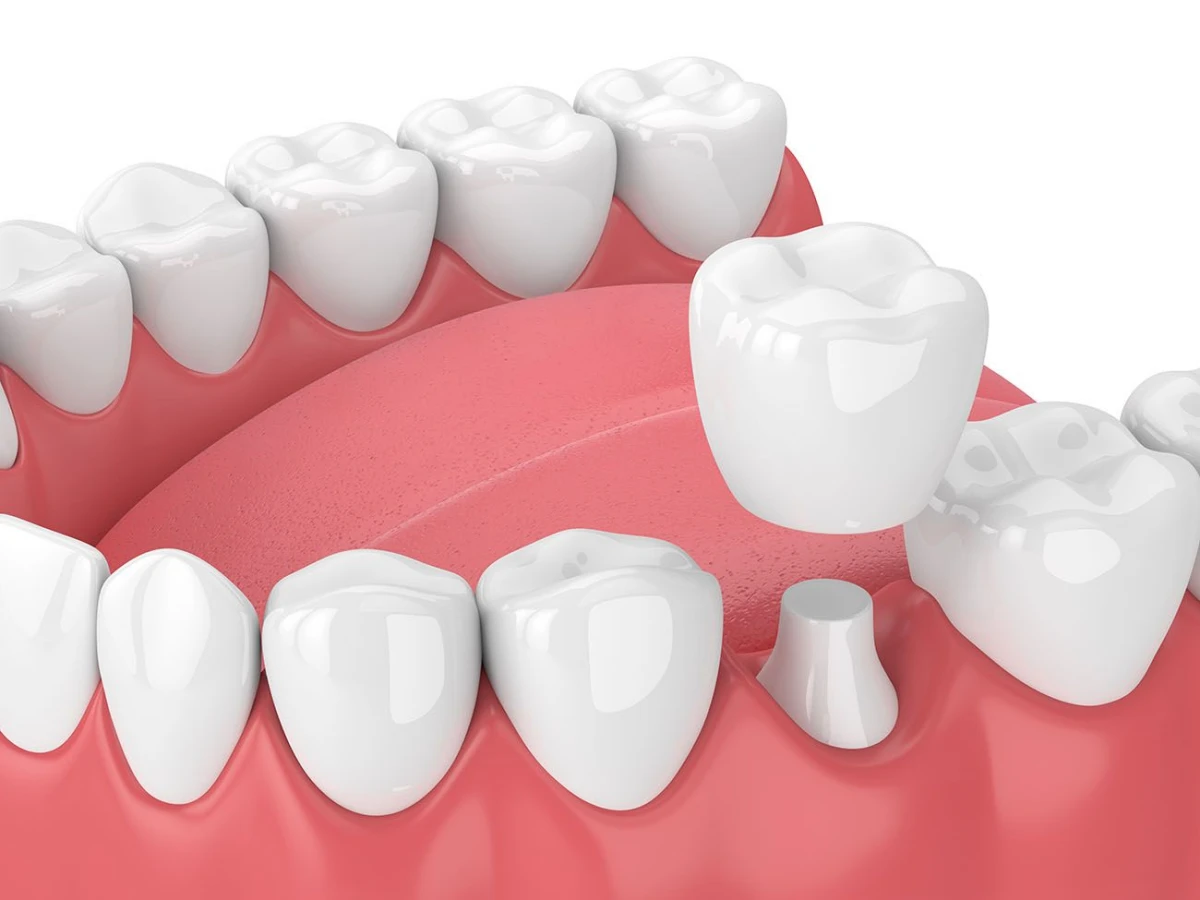
Single tooth implant treatment is the placement of an implant into the jawbone to replace a single lost tooth and the restoration of that implant with a single crown. The implant represents the root portion of the tooth, while the crown is the visible part in the mouth that provides esthetics and function. The fact that the treatment involves “a single tooth” does not mean the planning is simple. Because even the loss of a single tooth may cause the adjacent teeth to tilt into the gap, the opposing tooth to over-erupt toward the space, and the bite to become disrupted. A single tooth implant aims to reduce this chain of movement by restoring the gap with a fixed solution.
When the adjacent teeth are healthy, avoiding their reduction for a bridge is an important advantage. Some patients think, “it would be a shame to damage my healthy tooth”; this is a very real motivation in clinical practice. In single tooth implant treatment, the adjacent teeth are generally preserved as they are; the treatment remains limited to the missing area. In terms of hygiene, a single crown may also be easier to manage with dental floss or an interdental brush when the correct contour is created.
The process of the implant bonding with the bone (osseointegration) is the central point of success. The factors that affect this process are measurable and clear: uncontrolled diabetes, heavy smoking, active gum disease, poor oral hygiene, clenching–grinding habits (bruxism), and certain systemic medications. For this reason, when planning a single tooth implant, asking only “is there bone?” is not enough; the patient’s risk profile is assessed and the protocol is determined accordingly.
How Is Single Tooth Implant Treatment Performed?
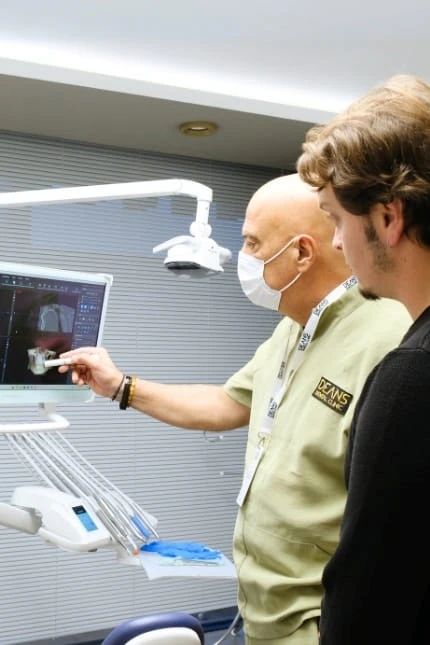
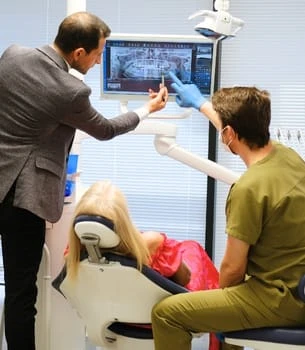
The process begins with examination and planning. During the intraoral evaluation, the missing area, the health of the adjacent teeth, the gum level, the position of the tooth in the opposing jaw, and the bite relationship are examined. On the radiological side, a panoramic X-ray is usually the starting point; when the implant position needs to be planned millimetrically, 3D imaging (CBCT) is requested. On CBCT, bone width and height are measured, and anatomical boundaries such as the sinus floor in the upper posterior region and the mandibular canal in the lower posterior region are clearly identified.
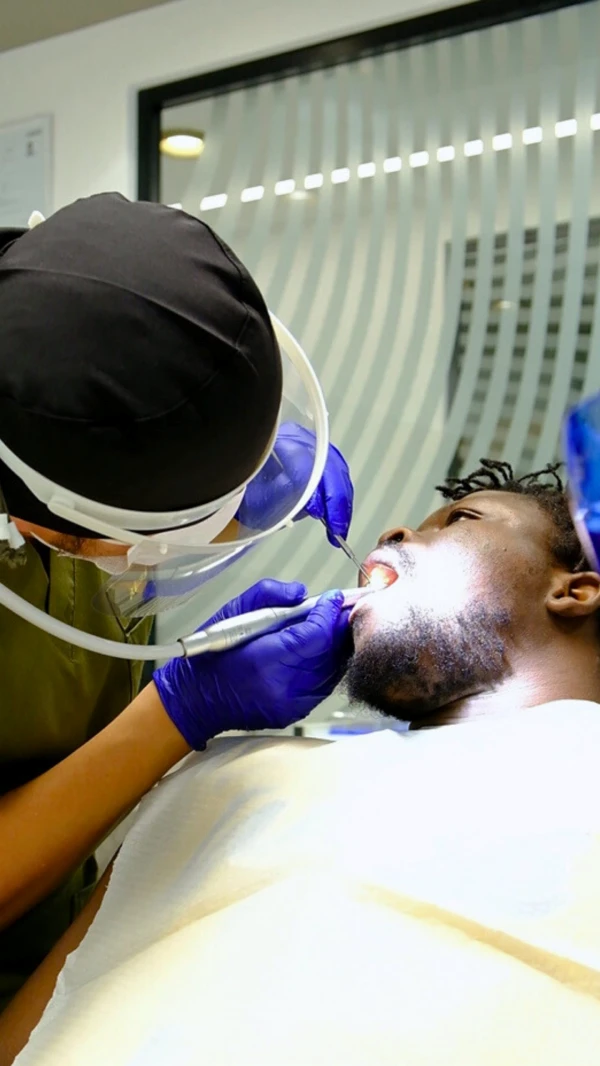
The surgical stage is usually performed under local anesthesia. While preparing the implant site, controlled drilling and cooling are applied; excessive heating of the bone may negatively affect healing. After the implant is placed, primary stability is evaluated. In some cases, stability measurements (such as insertion torque and/or ISQ) may change the treatment plan; these data are important if a temporary tooth is to be made.
During the healing period, the implant is either left for closed healing under the gum tissue or a healing abutment is left exposed in the mouth. In the front region, gum shaping is delicate; the emergence profile of the gum may be guided with a temporary restoration. In the back region, function, hygiene, and stable healing become more prominent.
At the prosthetic stage, impressions are taken, the abutment is selected, the single crown is prepared, and the bite is adjusted. Since an implant does not flex with a ligament like a natural tooth, we do not want a “high bite”; even a small excess in height may, over time, create a basis for problems such as screw loosening or porcelain fracture. For this reason, precise bite adjustment in a single tooth implant is of serious importance for the safe progression of the treatment.
Who Is Suitable for Single Tooth Implant Treatment?
Bone volume is the foundation of suitability assessment. Bone width determines the implant diameter, and bone height determines the implant length. Although the commonly planned ranges for single tooth implants in clinical practice are 3.3–4.5 mm in diameter and 8–13 mm in length, these figures vary according to the patient’s bone. If the bone is narrow, a different diameter selection or additional bone-supporting procedures may be considered. Anatomical boundaries also affect suitability; treatment does not proceed without planning a safe distance from structures such as the sinus in the upper jaw and the mandibular canal in the lower jaw.
On the general health side, chronic diseases that are under control are usually not an obstacle. If diabetes is poorly regulated, healing quality decreases and the risk of infection increases; therefore, the medical condition is evaluated clearly. If there are conditions such as medications affecting bone metabolism, immunosuppressive treatments, or a history of radiotherapy to the jaw area, the protocol may change; the patient must share the medication list completely.
Smoking may negatively affect soft tissue healing in particular. If bruxism (teeth clenching) is present, a single tooth implant can still be performed; however, bite adjustment, material selection, and often a night guard are planned for force control. Hygiene habits are also part of suitability; in a patient who cannot maintain care around the implant, it becomes more difficult to speak of long-term stability.
What Should Be Considered Before Single Tooth Implant Treatment
Active problems inside the mouth should be treated before implant placement. If there are cavities, broken fillings, tartar accumulation, gum inflammation, periodontal problems in adjacent teeth, or infection sites close to the extraction area, these should first be brought under control. Even in a single tooth implant case, if bleeding from the adjacent gums is present, the tissues around the implant may become irritated more easily; therefore, professional cleaning and oral hygiene instruction are usually the first step.
During the radiological planning stage, anatomical boundaries are measured. In the upper posterior region, the sinus floor; in the lower posterior region, the mandibular canal; and in the front region, buccal bone thickness and gum level all affect the treatment plan. In narrow spaces, even a 1–2 mm change in implant position may alter the cleanability of the crown. In some cases, a surgical guide may increase this predictability.
The medical history must be shared completely: blood thinners, allergies, regular medications, and previous surgeries. The daily plan after the procedure should also be arranged in advance; intense exercise, long-distance travel, or a heavy work schedule on the same day is unnecessarily demanding for most patients. If the patient smokes, the goal of reducing or pausing smoking before the procedure should be discussed.
What Should Be Considered After Single Tooth Implant Treatment
Swelling and tenderness may occur in the first days; compliance with the medications and recommendations given by the dentist is important. If there is increasing severe pain, bad odor, discharge, or uncontrolled bleeding within the first 24–72 hours, the clinic should be informed. Hard and granular foods are not preferred in the early period. If a temporary tooth has been made, it is generally intended for esthetic and speaking comfort; chewing should not be done in a way that places load on the implant.
On the hygiene side, cleaning is not discontinued; the method is adapted. The operation area is cleaned gently according to the dentist’s instructions, while the surrounding teeth are brushed normally. Plaque accumulation may quickly initiate gum bleeding. Smoking may negatively affect healing; pausing or reducing smoking during the early healing period may improve the clinical course. If teeth clenching is present, the recommendation for a night guard should be taken into consideration.
Follow-up appointments are important for suture removal, tissue evaluation, and updating the hygiene plan. For home care, the use of a properly sized interdental brush, implant floss, and, if necessary, an oral irrigator may be planned; the spaces inside the mouth determine which tool is appropriate.
In Which Situations Is Single Tooth Implant Treatment Applied?
A single tooth implant is most commonly used in cases of a single missing tooth where the adjacent teeth are healthy. It is a strong alternative for patients who do not want the neighboring teeth to be reduced for a bridge. If esthetic concerns are high in the front region, a planned approach is required to preserve the gum line and achieve a natural appearance. In the back region, the aim is to restore chewing function and provide bite balance.
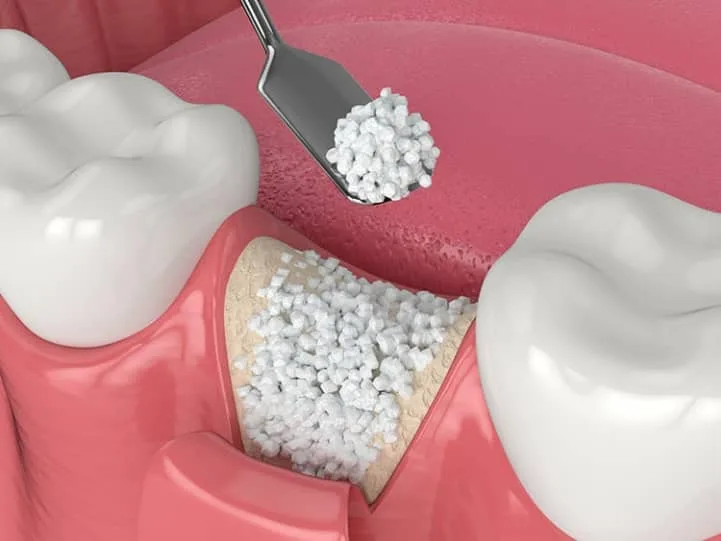
If the missing tooth has been left untreated for a long time, the adjacent teeth may tilt into the gap or the opposing tooth may over-erupt; in such cases, additional corrections may be required before implant treatment. If bone narrowing after extraction is significant, bone-supporting procedures for the implant may come into consideration. In some cases, an implant may be planned in the same session as the extraction; this decision is made according to criteria such as the condition of the socket, the presence of infection, and primary stability.
Why Is Single Tooth Implant Treatment Performed?
A single missing tooth may, over time, lead to disruption of the bite and a shift in chewing balance. The adjacent teeth may tilt into the gap, and the opposing tooth may over-erupt toward the space. After a while, the patient begins to load one side more; this may create complaints of fatigue in the jaw joint and muscles. A single tooth implant helps bring this chain of movement under control by restoring the missing area with a fixed restoration.
Protecting the adjacent teeth is also an important reason. When the neighboring teeth are reduced in a bridge, healthy tooth structure is lost. In a suitable case, an implant restores the missing tooth without intervening on the adjacent teeth. In the esthetic region, the appearance of a gap in the person’s smile affects social comfort; when planned correctly, a single tooth implant may provide a result close to a natural appearance.
How Long Does Single Tooth Implant Treatment Take?
The treatment duration is the total of the planning, surgery, biological healing, and prosthetic stages. The treatment plan becomes clear with examination and imaging. After the implant is placed, a waiting period is required for osseointegration; this period varies according to bone density, implant stability, and any additional procedures. Since bone in the upper jaw may be more porous, a longer waiting period may be planned in some cases; when the bone is denser in the lower jaw, the process may be more predictable. In cases where extraction and implant placement are performed on the same day, the timeline changes; if bone grafting or sinus procedures are involved, the process becomes longer.
During the prosthetic stage, there are appointments for impressions, try-ins, and delivery. In the front region, treatment may proceed in a more controlled way with temporary restorations for gum shaping. The exact duration can be stated most accurately only after examination and radiological evaluation, because even under the same heading, the bone and tissue conditions of two patients are not the same.
Single Tooth Implant Treatment Prices
Single tooth implant treatment prices vary depending on the implant system to be used, the superstructure material, additional surgical requirements (such as bone grafting or soft tissue procedures), imaging needs, and the type of prosthetic components planned. Calling it a “single tooth” case does not automatically fix the cost, because while the same type of single tooth loss may be resolved with simple placement in one patient, another patient may require bone support and esthetic tissue management.
For this reason, it is not possible to provide accurate pricing without an examination. After determining the treatment plan that is suitable for you, we share transparently which procedures are required and the related cost. To receive up-to-date and personalized information about single tooth implant treatment prices, you should contact us.